Author: Serkadis

  • Industrial Scientific’s iNet™ Control Named “Product of the Year”

    In Industrial Scientific, the global leader in Gas Detection as a Service, is pleased to report that Occupational Health & Safety magazine has named iNet Control “Product of the Year.”

    The award honors achievements of health and safety manufacturers whose products are noteworthy in improving workplace safety. Three industry experts independently judged entries in 11 award categories. iNet Control won this award in the “Industrial Hygiene” category.

    iNet Control is the first hosted software platform for managing gas detector fleets. Included with every iNet subscription, iNet Control automatically collects and presents fleet data for complete program visibility. Users can quickly check the overall health of their programs with trend data graphs, a list of items that require attention or comparisons to industry averages. If more information is needed, the user can click into details down to the sensor-level for each gas detector.

    iNet Control organizes gas detector data into three categories – alarms, maintenance and usage. Alarm event data shows users if employees are at risk from exposure to harmful gases. Maintenance data provides assurance that events like calibration and bump testing are performed as scheduled. Usage data gives team leaders knowledge of what’s happening in the field. For example, iNet Control recognizes when gas detectors are used without a bump test or calibration. iNet Control can even tell if a team member turned off a gas detector in alarm conditions.

    iNet Control identifies the source of these and many other potential problems. As a result, users are better equipped to make informed decisions that save lives.

  • Industrial Scientific Tells the World, “Don’t Buy Gas Detectors”

    Industrial Scientific, the global leader in Gas Detection as a Service, has announced the theme “Don’t Buy Gas Detectors” in support of iNet™, a software-based subscription service for gas detector fleets. Industrial Scientific currently supports over 24,500 gas detectors and 3,600 DS2 Docking Stations™ in over 930 iNet customer sites around the world. iNet enables organizations to keep workers safe from gas hazards without actually owning gas detectors.

    Kevin Miller, Industrial Scientific’s Vice President of Global Sales, Services and Marketing, said that for many people, buying and maintaining gas detectors is like buying and maintaining tires. “No one likes to do it, but everyone has to,” he said. “All tires look simple and similar, yet they are surprisingly complicated. You have to track tire data – air pressure, wear, and rotation schedule. They have to be serviced. This is painful for busy people. And, if you buy the wrong tire or fail to maintain it, accidents may happen.

    “It’s the same with gas detectors,” he continued. “No one likes to buy and maintain gas detectors, but historically, there were no other safe options. Gas detectors look simple and similar, but selecting the right one and setting it up correctly is often tedious. Like tires, gas detectors also have to be serviced regularly. You have to track lots of data – equipment usage, calibration records, sensor life, and most importantly, alarm events. This is painful for most organizations. And, if you don’t properly manage your gas detectors, your expenses go up and accidents may happen.”

    iNet offers customers an escape from the original model of buying and maintaining gas detectors. It eliminates the costly, up-front purchase. And it mitigates time-consuming, out-of-control maintenance costs. iNet offers support from the Gas Detection People, Industrial Scientific employees who have dedicated their careers to gas detection. It also gives customers complete visibility into their gas detection program, including the knowledge of potentially deadly alarm events. Finally, customers do not have to buy the gas detectors. They subscribe to iNet. In exchange for a monthly fee, they receive gas detection as a service.

    iNet is a better way to do gas detection. As customers dock Industrial Scientific-owned gas detectors on DS2 Docking Stations, iNet automatically performs record-keeping, bump tests, and calibrations. It e-mails real-time alerts, and when iNet detects a problem, Industrial Scientific rushes a replacement gas detector to the customer.

    All “Don’t Buy Gas Detectors” and iNet materials are available at www.dontbuygasdetectors.com.

  • Introducing the First Hosted Software for Managing Gas Detectors

    Industrial Scientific, the global leader in Gas Detection as a Service, has introduced iNet Control as the first hosted software application for managing gas detector fleets. This service is included with every iNet subscription, providing visibility into alarms, maintenance and usage.

    When alarm events happen, iNet Control shows which gas detectors had an alarm, when the alarms happened, and where they happened. It also tells what the gas hazards were and how much gas was present. This data can show users if employees are at risk from exposure to harmful gases. Equally important, it helps in identifying and monitoring high-risk areas.

    Providing visibility into gas detector maintenance can help keep a program in top working order. iNet uses Industrial Scientific DS2 Docking Stations to automatically perform gas detector testing, calibration and bump testing. iNet Control provides assurance that these functions are performed as scheduled. Users also know when gas detectors were last calibrated; if a sensor is about to fail or expire; and when calibration gas is low, empty or expired.

    Visibility into equipment usage helps eliminate operator mistakes that may compromise safety. iNet Control shows team leaders if any gas detectors were used without a bump test or calibration. It shows if any team member turned off their gas detector in alarm conditions. It also shows if any alarm settings or datalog intervals are not set correctly.

    Users may view trend graphs for a quick overview of the health of their program or sensor-level detail for each gas detector. These tools help safety professionals identify the source of potential problems and take steps to save lives. iNet Control also allows users to compare their program to industry averages. Or, users can customize their data to measure performance to internal standards.

    Because iNet Control is hosted over the Web, it does not require organizations to install any hardware or software. All ongoing upgrades are included; when a new feature is added, iNet subscribers will have instant access to it the next time they log in.

  • Industrial Scientific Named Manufacturer of the Year

    Industrial Scientific, the global leader in Gas Detection as a Service, was named the Pittsburgh Business Times Manufacturer of the Year. The program annually recognizes area manufacturers in the 10-county Pittsburgh region for achieving growth through innovation and process improvements.

    The publication honored finalists in several industry categories at an awards event held last night at the Omni William Penn in Pittsburgh, PA, USA. Industrial Scientific took top honors in the “mega company” category. The categories were based on company size, with a separate category based on sustainable manufacturing efforts. The judging was based, in part, on product innovation and differentiation, growth in sales revenue and personnel, and the company’s plans for sustaining that growth into the future.

    “We’re proud of our manufacturing achievements and we’re thankful to be recognized for them,” said Justin McElhattan, President and COO. “The improvements that our team has made in the past few years have allowed us to better serve our customers. We’re now able to meet or exceed their expectations with same-day delivery on most shipments. More importantly, we reduced these lead times while improving the high level of quality that we’ve always been known for.”

    These accomplishments were realized through the implementation of several manufacturing and supply chain management best practices. Processes such as Six Sigma and Lean Manufacturing as well as single-piece-flow, cellular manufacturing and kanban material management have helped to increase customer service and efficiency while decreasing cost.

    Pictured : Kent McElhattan, President & CEO

  • Linear Ball Slide LSC

    The Linear Ball Slide is a lightweight, compact, limited stroke linear guide unit that operates with very low sliding resistance.

    It excels in high-speed responsive performance due to its very small frictional factor and low inertia.

    The base contains an air cylinder for drive. Feeding air from the two ports on the side face of the base allows the slide to perform reciprocating motion.

  • The SUBURBS of Montréal, for a change

    On these forums, we always see pictures of Montréal city proper, but we never see pictures of the suburbs. Yet most of the Montréalais live in the suburbs, and not in the city center. In fact Montréal is one of the most suburbanized cities in North America, with the (dubious, some would think) distinction of having the longest mileage of suburban freeways per inhabitant.

    I guess we all see the world through our own cultural glasses. What attracts North Americans is the supposed Europeanness of Montréal, the dense urbanity of its city center, the old stones. Hence the reams of threads showing pictures of Montréal city center. Yet for a francophone from Europe, what’s fascinating about Montréal is precisely the opposite, it’s the fact that life there is en français, through and through, yet it looks so much like an American city, which is always so disconcerting and exotic for the francophone European visitor. So what about we have a look at the Americanness of Montréal for a change? That Americannness that strikes European visitors usually. Let’s explore the suburbs (la banlieue) of Montréal!

    PS: The pictures here are not meant to be representative of the suburbs of Montréal. They are just a random exploration of the suburbs according to my whims. Other pictures will be added over time. Also, all pictures come from Google Street View, as is obvious from the pics.

  • More Leisure for Man in the Automatic Age (Jun, 1931)

    Windows? Bah, who needs windows when I’ve got sunlamps?

    More Leisure for Man in the Automatic Age

    by L. Warrington Chubb

    Director of Research, Westinghouse Electric & Manufacturing Co.
    As told to J. EARLE MILLER

    Mr. Chubb describes in this remarkable article a number of the amazing inventions recently developed which promise to free man from toil at machines, to better health, and to add greatly to the comforts of home life.

    IN A ROOM down the hall an electric eye is busy at a task that human eyes and hands have always performed. Nearby an electric organ fills the building with the deep, soft notes of a cathedral instrument. Across the way a facsimile machine receives and dispatches exact copies of written or printed pages, a cathode tube flickers with the moving picture of electricity in transit, and a beam of polarized light passing through a piece of celluloid is telling its master that railroad rails are being made with too much steel near their base and not enough just beneath the flange on which the car wheels glide.

    Those widely different activities, together with a host of others like them, are the first light beams marking the dawn of the automatic age, when electrons will be harnessed to perform many of the tiresome, laborious tasks that human brawn has been mobilized to do in the past.

    The past fifty years or so have been known as the machine age, but now comes the automatic era to emancipate man from the machine. The old bugaboo, that labor will starve unless it can work at back-breaking tasks, immediately arises. But the history of machine development has shown that when science frees one man from wearisome labor it creates new fields to utilize his released talents. And without modern machinery men would still be working 12 and 14 hours a day for a mere pittance, earning scarcely enough to clothe and feed a family, and having only bare necessities of life.

    The field of probabilities in the new era opened by the harnessing of the electron are as vast as electricity itself. One of the chief problems we are considering at the Westing- house research laboratories is the home of the future. It isn’t enough that the electrical industry should provide a welded steel framework and fill it with light and with labor saving appliances. The scientifically created home of the future should be heated in winter and cooled in summer by electricity; it should have washed air of the proper degree of humidity; it should be lighted with the proper mixture of health giving ultraviolet rays.

    Such a home can be built to the property line, eliminating both windows and light and air shafts, and its inside rooms, lighted by artificial sun lamps, will be more healthful than the outside rooms of the present. Some day we may combine the heating plant and the refrigerator, and the operation of making ice will heat the house. Heat can be extracted from air by compressing it, and the dust removed by an electrical discharge. This discharge will also give washed air without the disadvantages of applying water, as it will be extracting the moisture to obtain the proper humidity. The heat extracted from the air can be applied to a water heating apparatus, or even stored for future use.

    Our facsimile transmitter opens a new field for the home of the future, which not only can have radio entertainment and television, but also a radio newspaper. Such a receiver is quite simple, literally a development of the old-fashioned electric pencil, or stylus, writing on a sheet of paper dipped in iron oxide—a device which many young experimenters in years past have built.

    In the facsimile receiver a roll of chemically prepared paper passes beneath a revolving cylinder which establishes contacts corresponding to the transmitted signals. The moving paper requires no development, and can be torn off at intervals, just as the paper is removed from the wide roll news tickers now used in handling market reports.

    Another field of future research to which serious attention is being devoted is the relation of electricity to physical welfare. The same energy which lights your home, does the cooking, washing and ironing, brings messages over wires and entertainment through the air, plays an important part in your health. In fact the medical world is coming to realize that sickness is in some way involved in electrical changes in the tissues of your body, and that medication may only be a means of restoring the proper potential. When you reduce the wavelength of radio signals to extremely short waves, only a meter or two in length, which means correspondingly high frequency vibrations, they impart heat or a species of fever to those working in the same room. In these extremely short waves there is a new field of therapy which remains to be explored and understood.

    The ultra-violet rays, just beyond the visual band of the spectrum, are being developed as another aid to health. The time is not far distant when the light in our homes will be properly tempered with these health giving rays to provide much better living conditions than can be had even out-of-doors in our large cities, where a great portion of the health-giving rays of the sun never penetrate the overhanging curtain of smoke and dust.

    Electricity, as science is coming to realize, is very nearly everything. All the elements — ninety-two—provided for in our atomic table, can be reduced, in theory, to a single element, for they differ, seemingly, only in the number of electrons in their atom. And then, if the final atoms of the ultimate element were broken down they would resolve, not into mass or matter, but into electrons, which are simply electricity, positive and negative.

    We can’t do that, and we can’t see the electron, yet we are putting him to work. And in electronics there opens a vast new field of labor-emancipating, automatic control. Take, for example, one of the simple problems our electric eye—which is essentially not much different from a television transmitter — is solving today in industry. In a yeast factory one of the most tiresome operations was the inspection of each cake as it left the wrapping and labeling machine to make sure that the maker’s label had been stuck on the foil wrapper.

    We put an electric eye on the job—a photoelectric cell which can detect the difference between plain foil and foil covered with the printed label. The cakes pass under it on a moving belt, and, so long as the label is in place, nothing happens, but when one comes along without its label the electric current from the eye trips a magnetic circuit and a metal arm shoves the defective cake aside.

    That’s an intelligent machine, and a small one. In point of size there is a vast gulf between it and our new giant circuit breaker for a super-power line, a machine so enormous that a dozen men can find room within its shell. Yet in its way this larger machine is just as intelligent, for it guards millions of dollars worth of electrical equipment, protecting it from dangers with which no human being could cope. Let lightning strike the transmission wires, or a short circuit occur, and the giant breaker will trip in such a minute fraction of a second that no damage can occur. And then this intelligent machine will wait a bit, then cautiously close the circuit to see if the trouble has been cleared; and if it hasn’t, it will open again— an act of real mechanical intelligence.

    Such machines can be placed anywhere, for they eliminate the necessity of a human attendant to supervise them. Their development may soon place the power industry in the hands of these automatons. In recent years there has been a tendency to eliminate expensive power plant buildings and move the equipment out of doors. The natural result will be automatic watchmen built into the machinery, ready to tell the supervisor in some remote watch station how things are running.

    It is our job in the research laboratory to anticipate those needs and provide means even before industry has called for them. The old fashioned engineer and factory man who thought no one could teach him anything new because only a “practical” man could solve his problems, has disappeared. In fact one of our troubles is finding time to answer the problems that production men bring to us.

    We have developed a large cathode ray tube in which the bombardment of electrons on a flourescent screen gives us a visual picture of sound and electrical waves. The same tube may be used in a television receiver which will have no mechanical moving parts. Instead of a scanning disc to create the moving lines of the picture, a varying magnetic field will divert the electronic bombardment into a series of parallel paths. Instead of the twenty-four, thirty-six or forty-eight lines which most television apparatus has used to date, the cathode tube easily handles from 80 to 120 lines per picture and gives a clear image as much as nine inches across.

    Another application of grid glow tubes to the problems of industry is the stroboglow, which is used to make moving objects such as motor armatures and plane propellers appear to stand still. A pair of small bulbs, not greatly different from the neon lamps used in television, are fitted in simple reflectors, and, with the necessary electrical apparatus, provide neon flashes lasting only one three-millionth of a second, and occuring at varying rates, as the operator may desire. When the number of flashes per minute coincides exactly with the speed of revolution of a moving object, the eye, seeing it only during the flashes, apparently sees it standing still. With 1,800 flashes per minute focused on the armature of a motor turning at that speed, the poles apparently stop and letters written on them are easily read, giving the engineer an opportunity to study its vibration and other faults.

    Our electric organ is an interesting example of another electronic device developed in the laboratory which may eventually find a wide market. The ordinary wind organ is limited both in its upper and lower range by various mechanical and structural difficulties. With the electrical organ, which plays through loud speakers, the entire apparatus is quite compact, so there is no problem of finding space for a pipe thirty feet or more high, and the upper notes can be given exactly the same volume as the lower ones.

    Essentially it is just a large radio device, to which has been added a tremolo effect obtained by using an electric motor and an eccentric to vary the distance between a pair of coils, thereby changing the inductance. The electric organ is not only more compact, and also cheaper to build, but if you want an echo organ, or a lot of echo organs, all you need is some more loud speakers placed wherever you want to echo yourself from.

    One of the most interesting things being done in the laboratory is the study of the strains and stresses of metal parts of machinery by a process known as the photo-elasticity method. No one can see what strains are taking place in a piece of metal, and so the rules for design set up arbitrary factors, and then allowed a generous margin for excess— a system that was wasteful of metal and inadequate to provide proper strength.

    The photo-elasticity method is based on a peculiar property of polarized light when passed through any transparent material. If the material is placed under the slightest strain the light will change through the entire spectrum, as the strain is increased, and keep on repeating as long as more stress is applied. And if the transparent material is a piece of celluloid, or similar stuff, cut to the exact size and shape of a metal machine part, the strain lines will be in the same position as the strains in the metal when submitted to a corresponding load.

    Polarized light, I might explain, differs from ordinary light in that it vibrates only on one plane, and travels only in one direction. This polarized light is produced by passing it through two crystals, set at right angles to each other, so that light polarized on a vertical plane by the first cannot pass through the second, which admits only light on a horizontal plane. When the transparent celluloid model of the rail is placed between these crystals and subjected to stress, the light waves are double refracted, and two separate light beams is the result. These beams pass through the second crystal and appear on a screen as one of the colors of spectrum. As the stress on the material increases the color changes, so that engineers are enabled to determine the precise strain exerted on various parts of the material being studied by watching the colors.

    With this device we have found, for example, that common involute gear teeth are so designed that at one point only a single tooth in each wheel is engaged, and therefore bears all the load. By redesigning teeth so that at least two are in contact at all times, the strain is being divided between them.

    A test with a piece of celluloid cut to the cross-section of a railroad rail disclosed that the fillet under the upper part, on which the car wheel rests, is a bit weak, and that there was more steel than was needed in the lower part, just above the horizontal base. By taking some material away from the latter place and adding a portion of it at the top, the steel mills will be able to roll railroad rails with less material, and yet make them actually stronger.

    To bring all these marvels to the average home we must have abundant, cheaper power. If all the waterfalls in the country were harnessed to their utmost capacity we would not have sufficient power for the coming age. Power to be made cheaper must be produced with less human aid at points where the raw materials, whether waterfalls or coal, are most abundant, and transmitted over long distances. A recent development which might be described as a tuning system, has made it possible to transmit power a thousand or fifteen hundred miles with much less loss than was involved in transmitting a hundred or two hundred miles just a few years ago. Outdoor equipment, with remote control, is eliminating the expense of great buildings, and the remote control is reducing the human element. Substations and transformer stations can be made entirely automatic and self-operating. The power from many isolated stations can be gathered together and shipped over long distances, just as a train of freight is collected from many cities and sent across the continent.


  • ELECTRIC LAMP NEARLY FIFTY YEARS OLD (Jan, 1929)

    That’s a photograph? It looks like they took a picture of the lab, then drew in all the people..

    ELECTRIC LAMP NEARLY FIFTY YEARS OLD

    A DRAMATIC moment in the history of modern illuminating science is pictured in the photograph below, showing Thomas A. Edison and his assistants testing the first incandescent lamp bulb at Menlo Park, N. J., on October 19, 1879. The lamp burned continuously for 40 hours before the filament parted. Its life was less than one- tenth that of modern bulbs whose filaments of special alloys burn in an atmosphere of inert gases instead of in a vacuum, as in the original lamp.

    Edison is shown in the foreground driving the last of the gases from the bulb with with a battery. The picture was taken in Edison’s old laboratory.


  • CANDY TRUCK IS BUNGALOW ON WHEELS (Jan, 1929)

    CANDY TRUCK IS BUNGALOW ON WHEELS

    A PERFECT reproduction of a bungalow, complete with porch, window boxes, tile roof and gables, has been mounted on a truck body by a Chicago candy manufacturer to serve the double purpose of delivery and advertising. Both truck and bungalow are finished in white enamel with the tiles of the roof in red, presenting a striking appearance as the novel machine drives through the city streets. The bungalow windows are fitted with glass and they open and close precisely as they do in a real house. Green potted plants on either end of the running boards lend an added touch of color to the bungalow truck.


  • A Verdadeira Face do Grande ABC – Parte 1 | Ribeirão Pires-SP | Região Metropolitana

    Ribeirão Pires
    Grande ABC
    Estado de São Paulo

    População estimada em 2009 era de 112.011 habitantes e a área é de 99 km²

    Seus municípios limítrofes são Ferraz de Vasconcelos a norte, Suzano a nordeste e leste, Rio Grande da Serra a sudeste e sul, Santo André a sudoeste e Mauá a noroeste. O município é servido pelos trens da linha 10 da CPTM. Tornou-se município em 1953, quando foi emancipado de Santo André.

    É no século XVIII que surgem as primeiras referências documentais específicas ao território do atual município de Ribeirão Pires. Em 1677, devido a descobertas de lavras de ouro na região, o capitão-mor Antônio Correia de Lemos foi nomeado para a sua administração, fixando residência no atual Pilar Velho.

    No ano de 1714, constrói a Igreja do Pilar. Em 1716 chega à localidade a família do mestre de campo Antônio Pires de Ávila, que deu nome à região. O chamado bairro do Pilar, compreendia as áreas atuais de Ribeirão Pires e Mauá.

    Quando a ferrovia foi construída, em 1867, não havia paradas na região, sendo as mais próximas as de São Bernardo (atual Santo André) e Rio Grande. Em 1883 é criada a estação em Mauá e em 1 de março de 1885 foi inaugurada a estação de Ribeirão Pires.

    Logo em seguida, em 1888, começam a chegar os primeiros imigrantes italianos, e o desenvolvimento da pequena vila começou a acentuar.

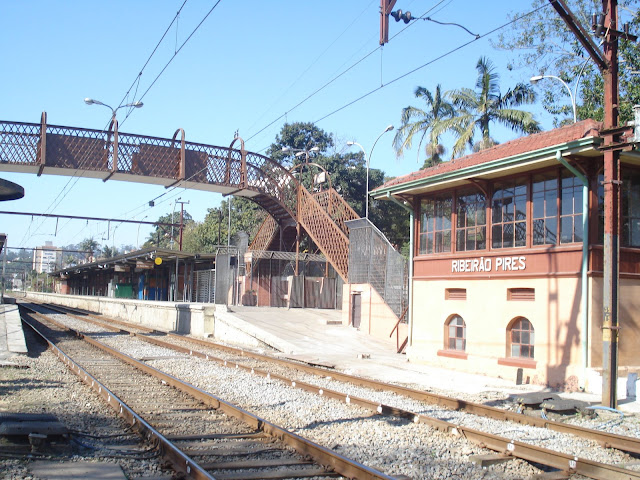
    No ano de 1895 foi construído o prédio da atual estação ferroviária, sendo inaugurado em 1 de janeiro de 1900.

    Chega de Prosa, vamos as fotos:

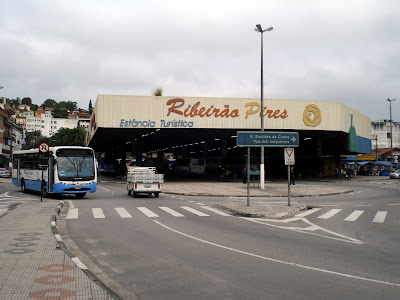
    01. Terminal Rodoviário
    Foto: Banco de Imagens do Governo Paulista
    Link: http://www.saopaulo.sp.gov.br/bancoI…55/_d30914.jpg

    02. Plataformas do Terminal
    Notem as LCD nas Pilastras, mostram o horário de partidas, achados e perdidos, modificação nos itinerários
    Foto: Banco de Imagens do Governo Paulista
    http://www.saopaulo.sp.gov.br/bancoImagens/albuns/7155/_d30925.jpg

    03. Itinerário em Braile (Veja um pouco acima do Rodapé da Coluna)
    Foto: Banco de Imagens do Governo Paulista
    http://www.saopaulo.sp.gov.br/bancoImagens/albuns/7155/_d30924.jpg

    04. Piso Intertravado
    Foto: Banco de Imagens do Governo Paulista
    http://www.saopaulo.sp.gov.br/bancoImagens/albuns/7155/_d30916.jpg

    05. Veja como era a Rodoviária Antiga, hoje é um estacionamento Zona Azul
    Foto: Marcos (ribeiraopires.blogspot.com)

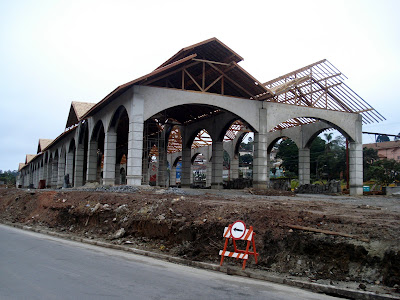
    06. Olha a "Igrejona" sendo construída em meados de Maio de 2009
    Foto: Marcos (ribeiraopires.blogspot.com)

    Vila do Doce:

    Vila do Doce, inaugurada no dia 19 de janeiro de 2008, passou a ser mais uma opção de lazer para a população da Estância Turística de Ribeirão Pires. Os 15 quiosques, incluindo alimentação e artesanato, também são atrativos para turistas e movimentam a economia da cidade.

    Mais do que opção de lazer, a Vila do Doce incentiva o desenvolvimento de Ribeirão Pires. Segundo o presidente da ACIARP – Associação Comercial Industrial e Agrícola de Ribeirão Pires, Nonô Nardelli, os quiosques criam oportunidade. “Foram gerados mais de 200 empregos. Além disso, são mais 15 comércios ampliando a economia da cidade”, explicou Nardelli.

    O custo da obra – R$ 400 mil – foi coberto pelo DADE – Departamento de Apoio ao Desenvolvimento das Estâncias, órgão estadual que financia projetos com potencial turístico. A Prefeitura de Ribeirão Pires, por meio da Secretaria de Desenvolvimento Econômico e Turismo, também inaugurou, recentemente, nove quiosques para alimentação e seis para artesanato, que substituíram as antigas barracas montadas no local.

    Conheça todas as lojas da Vila do Doce

    Fundo Social de Solidariedade

    Artesanato em tecido, madeira, bordados diversos, inclusive com pedrarias, tapetes, trabalhos em crochê e tricô e grande variedade de artigos para decoração e presente.

    Sorvetes Latechy

    Mais de 50 sabores de sorvete de massa, incluindo 12 da linha diet/light com coberturas diversas, além de aproximadamente 20 tipos de picolé.

    Tata Batata

    Batatas recheadas com sabores como carnes, queijos, molhos e coberturas especiais.

    Chocolateiras de Ribeirão Pires :okay: RECOMENDO Só que é caro pra caramba……:lol:

    Chocolates, trufas, bombons e muito mais. Todos os itens também podem ser encontrados em embalagens especiais para presente.

    Biscoitos Santa Edwiges

    Bolos recheados, barrinhas de frutas cobertas com chocolate, panetones, produtos de Páscoa, a linha especial de biscoitos amanteigados e butter cookies em latas especiais, além de refrigerantes e sorvetes de massa.

    Toca do Açaí

    Além do tradicional açaí, lanches naturais, saladas frescas acompanhando grelhados, salgados assados, saladas de frutas, vitaminas com cereais, sucos e refrescos energéticos, como o Guaraginseng e o Guaratuaba, chopp, refrigerantes e água.

    Barraca da Tereza :okay: RECOMENDO

    Bolos em pedaços ou inteiros, doces diversos, salgados assados, lanches naturais e na chapa, refrigerantes, chopp, sorvetes de fabricação própria, café e cappuccino.

    Canoa Quebrada Creperia

    Crepes doces e salgados com variedade de sabores, que podem ser degustados na hora ou também levados para casa em embalagem especial.

    Nipon Comida Oriental

    Pratos tradicionais da culinária japonesa, entre eles sashimi, sushi, yakissoba, tempurá, niguirisushi, harumaki, temaki, peixes grelhados e fritos e camarão empanado. Como sobremesa a loja oferece doces típicos, como doce de feijão e sorvete no palito Melona, importado da Ásia, com mais de 10 sabores diferentes.

    Associação dos Artesãos de Ribeirão Pires

    Artesanato em tecido, madeira, bordados diversos, inclusive com pedrarias, tapetes, trabalhos em crochê e tricô e uma grande variedade de artigos para decoração e presente. Tudo produzido pelo Grupo Empreendedor de Artesanato da Escola Profissionalizante Profº Paulo Freire.

    Don Calzone

    Calzone – pizza fechada – em 20 diferentes sabores/recheios.

    Tabacaria Havana

    Produtos como cachimbos e charutos importados e nacionais, cigarros, fumos, bebidas, isqueiros e pedras, licores e outros tipos de bebidas, além de água, sucos, energéticos e refrigerantes.

    Mansão do Café

    Mais de 60 tipos de cafés especiais quentes e gelados, cappuccino quente e gelado, sucos, refrigerantes e água. Lanches especiais, salgados assados e pratos quentes e frios.

    Pastel de Bertioga :okay: RECOMENDO

    55 tipos de pastel, sendo 44 salgados e 11 doces, em dois tamanhos (20 e 30 centímetros), sucos naturais, chopp, refrigerantes e o tradicional caldo de cana. A loja atenderá toda a cidade com o sistema Delivery.

    Água na Boca

    Lanches quentes, como calabresa à vinagrete, x-salada, americano, churrasco, hot-dog e hot-frango, entre outros, sucos naturais, chopp, refrigerantes e água.
    Funcionamento: das 10h às 22h, de domingo à quinta-feira, e das 10h às 24h, às sextas-feiras e sábados

    07. Vila do Doce
    Foto: Roseane/36 (Panoramio)

    08. Vila do Doce
    Foto: Roseane/36 (Panoramio)

    09. Vila do Doce
    Foto: Roseane/36 (Panoramio)

    10. Vila do Doce
    Foto: Roseane/36 (Panoramio)

    11. Vila do Doce
    Foto: Roseane/36 (Panoramio)

    12.Vila do Doce
    Foto: Roseane/36 (Panoramio)

    13. Vila do Doce
    Foto: Roseane/36 (Panoramio)

    14. Vila do Doce
    Foto: Roseane/36 (Panoramio)

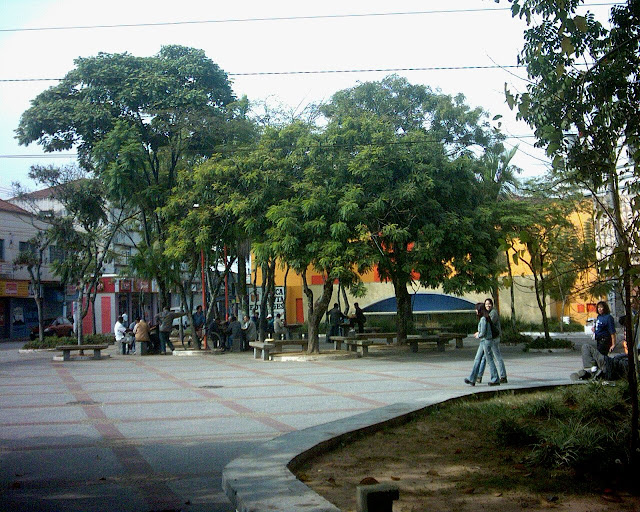
    15. Espelho d’Agua – Praça Ernest Solvay (Praça Central)
    Foto: Roseane/36 (Panoramio)

    16. Jardim Oriental (Em frente a Prefeitura)
    Foto: Roseane/36 (Panoramio)

    17.
    Foto: Roseane/36 (Panoramio)

    18.
    Foto: Roseane/36 (Panoramio)

    19.
    Foto: Roseane/36 (Panoramio)

    20.
    Foto: Roseane/36 (Panoramio)

    21.
    Foto: Roseane/36 (Panoramio)

    22. Secretaria da Educação (Antiga Fábrica de Sal)
    Foto: Roseane/36 (Panoramio)

    23.Igreja do Pilar Velho
    Marco Histórico do Grande ABC, construída em taipa de pilão no século XVI, pelos imigrantes italianos do antigo Núcleo Colonial, bairro Santa Clara, ao lado da Pedreira de mesmo nome, de onde foram retiradas as pedras para calçamento das principais vias da capital paulista, entre elas a Paulista e a Consolação.
    Foto: FAVassellucci (Panoramio)

    24. Centro Novo (Antigamente era um Morro, foi plainado em meados dos anos 80)
    Foto: lemonfox (Panoramio)

    25. Vista da Cidade
    Foto: D.Falcone (Panoramio)

    26. Represa Billings, região do Balneário Palmira e Nautica Clube Tahti
    Foto: Carlos Henrique (Panoramio)

    27. CPTM, sentido Rio Grande da Serra, região da Vila Marquesa
    Foto: J B C (Panoramio)

    28. Tradicional Carnaval de Rua / Bloco das Mocréias
    Foto: d_rossini2000 (Panoramio)

    29. Hotel Pilar, bairro Quarta Divisão
    Foto: Tugamail (Panoramio)

    30. Distrito de Ouro Fino Paulista / Rodovia SP-31 Índio Tibiriçá
    Foto:antonia pedroso caldeira (Panoramio)

    31. Mirante São José, região do Jardim Panorama
    Foto: Marcos (ribeiraopires.blogspot.com)

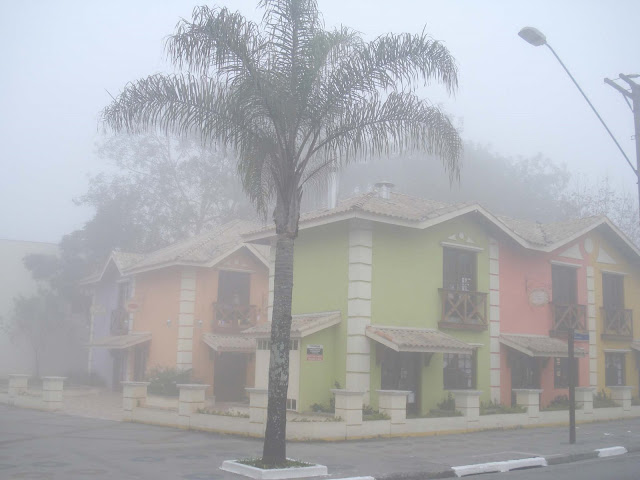
    32. Neblina Tipica da Serra do Mar na Vila do Doce, Centro da Cidade
    Foto: Marcos (ribeiraopires.blogspot.com)

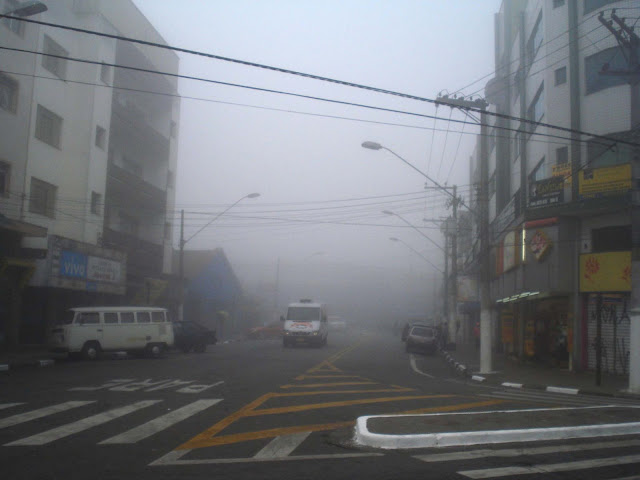
    33. Cidade da Fumaça 😆
    Foto: Marcos (ribeiraopires.blogspot.com)

    34. Praça
    Foto: Marcos (ribeiraopires.blogspot.com)

    35. Ribeirão Pires: Original Estação Ferroviária da São Paulo Railway
    Foto: Marcos (ribeiraopires.blogspot.com)

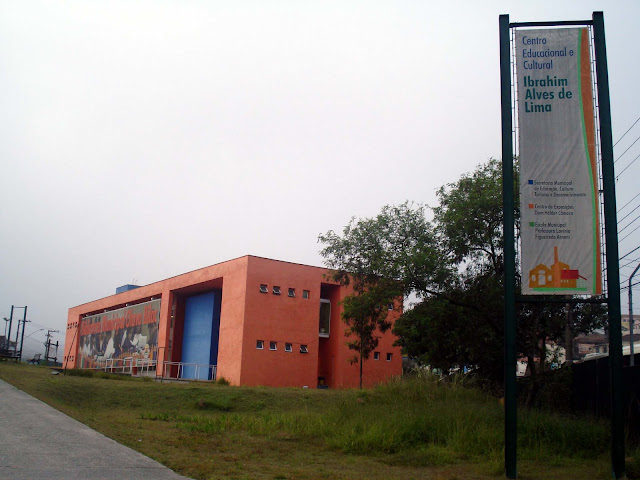
    36. Biblioteca e Centro Cultural
    Foto: Marcos (ribeiraopires.blogspot.com)

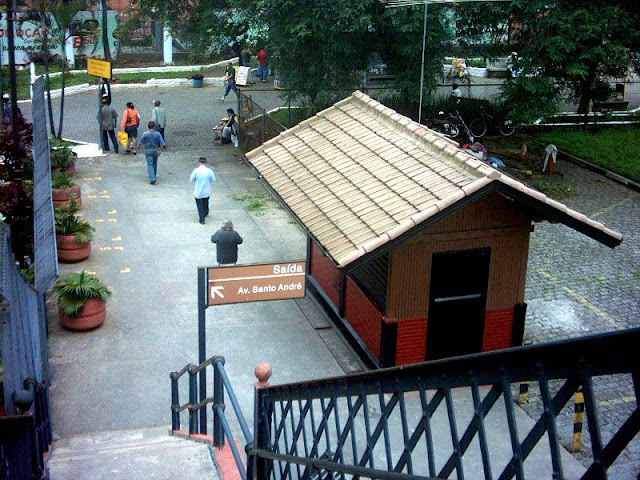
    37. Descendo a Passarela da Estação
    Foto: Marcos (ribeiraopires.blogspot.com)

    38. Ponte sobre a Represa Billings, conhecida como "Ponte da Light"
    Foto: Marcos (ribeiraopires.blogspot.com)

  • Heidi Montag Plastic Surgery Addiction

    Heidi is the next Joan Rivers! Heidi Montag-Pratt is only 23-years-old, but The Hills star tells PEOPLE Magazine she’s already “beyond obsessed” with perfecting her looks through plastic surgery.


    In the Jan. 25 issue of the tab, the reality show star reveals that she went under the knife and had a shocking 10 plastic surgery procedures done in one day.

    On November 20, Heidi checked into a Los Angeles clinic for a mini brow lift, Botox in the forehead, a nose job, fat injections in cheeks and lips, chin reduction, neck liposuction, ears pinned back, breast augmentation revision, liposuction on her waist and thighs and a buttocks augmentation. Heidi spent more than $30,000 on procedures, which were a surprise even for members of the celebrity’s family.

    “I look way better and I’m way happier…my eyebrow lift just took my face to another level, made it a little bit more European-exotic. And for the first time, I have sexy ears!”

    The Colorado native, who recently admitted sinking her life savings into her debut album, has no doubt that her three year addiction to cosmetic procedures stem from the fact that she teased as a child.

    ”[People said I had a] Jay Leno chin,” she told PEOPLE. “And when I watched myself on ‘The Hills,’ my ears would be sticking out like Dumbo! I just wanted to feel confident and look in the mirror and be like, ‘Whoa! That’s me!’ I was an ugly duckling before.”

    Heidi also insists the surgeries were necessary for her career as the world’s next talentless pop tart.

    “I’m competing against the Britney Spearses of the world – and when she was in her prime, it was her sex appeal that sold. Obviously, looks matter, it’s a superficial industry.”

    Is Heidi done having plastic surgery?

    “I’m just starting,” Heidi admits. “Let’s just say there’s a lot of maintenance. Nobody ages perfectly, so I plan to keep using surgery to make me as perfect as I can be. Because, for me, the surgery is always so rewarding.”

    Heidi released her adeptly-titled debut album, Superficial, this week.


  • Michael Schumacher comienza los test con un GP2

    Michael Schumacher ya ha iniciado los test con un monoplaza de GP2 y que tendrá una duración total de tres días. Recordemos que debido a la nueva normativa, Schumacher no podrá probar más de 8 días el nuevo monplaza de Mercedes Grand Prix antes de que de comenzo el GP de Bahrain.

    Michael Schumacher en los test con un GP2

    Bruno Michel, organizador de la GP2 Series ha dejado unas palabras sobre el piloto alemán, “Es un honor y un privilegio para nosotros que Michael Schumacher nos ayude a desarrollar nuestro coche. EL objetivo de las GP2 Series es preparar a jóvenes pilotos para la Fórmula 1. Este test será muy importante para el futuro de nuestros pilotos y será una confirmación de la gran competitividad del campeonato. Estoy convencido que su conocimiento e inigualable habilidad de conducción nos ayudarán a desarrollar un gran coche para la próxima temporada”.

    Tal y como se puede ver, el Bruno Michel se deshace en elogios para Michael, y seguramente el alemán haría lo mismo con quien le ha permitido tener unos días de pruebas, aunque no sea con un Fórmula 1.

    Related posts:

    1. Michael Schumacher comenzará mañana los test de pretemporada
    2. Michael Schumacher ya habría cerrado un acuerdo con Mercedes Grand Prix
    3. Michael Schumacher no asesorará a Fernando Alonso
  • Dan Neil on GMC Terrain: “No bark, no bite, but plenty of fleas”

    Filed under: , , , ,


    2010 GMC Terrain – click for high-res gallery

    Sometimes, we come across head-scratchers. What’s the meaning of life? Nancy Kerrigan’s anguished “Why?” Or most recently, “what is the point of the 2010 GMC Terrain?” The answer to the latter seems easy – it’s to sell, silly. It appears to be having some effect; GMC finished December 2009 four percent ahead of its 2008 numbers. We’ve driven the Terrain and find it virtually identical to its sister car, the Chevrolet Equinox. The biggest difference is that we find the GMC to be significantly harder to look at. The Los Angeles Times‘ auto pundit extraordinaire Dan Neil has gotten some seat time in a V6 Terrain and notes its stylistic hardships: “the Terrain looks like it has a a window air-conditioning unit attached to the nose.” Amen.

    Other incongruities and letdowns crop up in Neil’s assessment, not the least of which is the entire vehicle’s raison d’être in GMC showrooms in the first place. After all, Neil notes, the Terrain is a relatively blatant example of GM’s historical practice of badge-engineering. Neil goes on to wonder aloud as to why General Motors bothers with a GMC version at all – especially when the money could have been better spent raising the vehicle up to excellent from a point that he contends is solidly mediocre. The majority of the automotive press has come away rather more impressed with the Terrain/Equinox package (heck, the Chevy was a finalist for the just-announced North American Truck of the Year award), and despite our misgivings about the GMC’s looks, we’ve found the platform to be quite competitive with its classmates.

    Still, the badge-engineering issue with this vehicle is one we’ve discussed in-depth on our podcast, and it remains a nettlesome topic. But then again, no consumers appear to be concerned about it those issues, as both the Terrain and the Equinox are selling at a handsome clip.

    Gallery: 2010 GMC Terrain

    [Source: The Los Angeles Times]

    Dan Neil on GMC Terrain: “No bark, no bite, but plenty of fleas” originally appeared on Autoblog on Wed, 13 Jan 2010 11:38:00 EST. Please see our terms for use of feeds.

    Read | Permalink | Email this | Comments

  • Miss kabylie 2010 is from Sidi-Aich

    (Mercredi 13 Janvier 2010)

    Allouche Lidya, étudiante en droit à BéjaÏa
    Miss Kabylie 2010 est de Sidi-Aïch
    Par : Mohamed Haouchine


    Elle s’appelle Allouche Lidya. C’est une jolie fille de Sidi-Aïch qui a été élue hier à Tizi Ouzou “Miss Kabylie 2010”. Âgée de 22 ans, la nouvelle Miss Kabylie est étudiante en droit à l’université de Béjaïa. “C’est le plus beau jour de ma vie ! Je suis heureuse de représenter la Kabylie au prochain concours national de Miss Algérie 2010 et je dis joyeux Yennayer à tout le peuple algérien”, nous a déclaré la ravissante Lidya, qui a tenu à féliciter aussi toutes les concurrentes de cette 5e édition que le jury a eu bien du mal à départager tant la sélection a été serrée.

    Source: http://liberte-algerie.com/edit.php?id=128560

  • 5 Maiores cidades da Região Nordeste-Central de SP

    Esse Thread divulga as 5 maiores cidades da região Nordeste-Central de SP, também conhecida como Macrorregião de Ribeirão Preto..

    Região Nordeste – Ribeirão Preto
    Região Central – São Carlos

    População das 5 cidades juntas: 1.434.996 habitantes

    _________________________________________________________________

    1º – RIBEIRÃO PRETO

    População: 563.107 habitantes
    PIB: R$ 12 969 387 – Segundo Maior da Região
    PIB Per Capita: R$ 23 692,00
    Apelido: Capital do Chope
    Fundação: 19 de junho de 1856

    Curiosidades

    *Capital Brasileira do Agronegócio
    *Quarta Maior cidade do Interior de São Paulo
    *O Novo Shopping é o maior Shopping do Interior de SP
    *Primeira cidade do Brasil a colocar o nome Etanol nos postos de Combustíveis


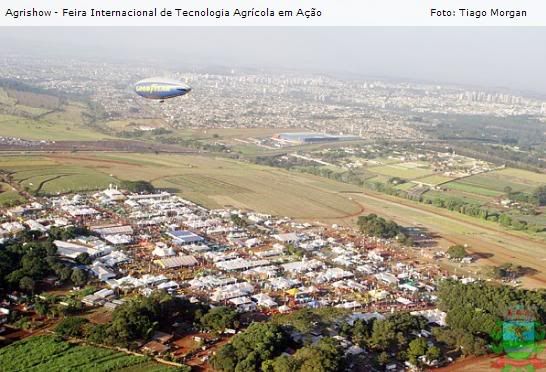
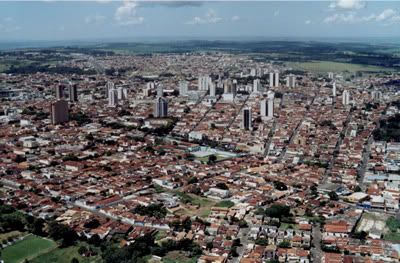
    Foto: Área de RP, com detalhe para Agrishow
    Autor: Tiago Morgan

    _________________________________________________________________

    2º – FRANCA

    População: 330.938 habitantes
    PIB: R$ 3.018.126 – Quarto Maior da Região
    PIB Per Capita: R$ 9.374,00
    Apelido: Cidade das Três Colinas
    Fundação: 3 de Dezembro de 1805 – Mais Antiga

    Curiosidades

    *Tem 334 km² de área urbana contra 274km² de Ribeirão Preto
    *É a 9ª maior cidade do Interior de SP
    *Por mais que a cidade tenha 330 mil habitantes é muito pouco densa
    *A Atriz Regina Duarte nasceu em Franca


    Foto: Áerea de Franca (Não ficou muito boa/Foi difícil achar uma boa de Franca)
    Autor: Prefeitura Municipal de Franca

    _________________________________________________________________

    3º – SÃO CARLOS

    População: 220.463 habitantes
    PIB: R$ 3.501.247 – Terceiro Maior da Região
    PIB Per Capita: R$ 16.441,00
    Apelido: Sanca
    Fundação: 4 de novembro de 1857

    Curiosidades

    *Principal Pólo Tecnológico do Interior Paulista
    *A Subdivisão da Multinacional Faber-Castell em SC é a maior do mundo
    *UFSCar é a única Universidade Federal do Interior de São Paulo
    *Ronald Golias pioneiro da televisão brasileira nasceu em São Carlos


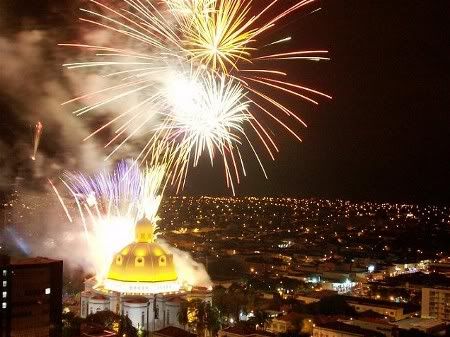
    Foto: Festa de 150 anos de São Carlos em frente a Catedral
    Autor: Almir Sales

    _________________________________________________________________

    4º – ARARAQUARA

    População: 200.666
    PIB: R$ 2.758.459 – Quinto Maior da Região
    PIB Per Capita: R$ 14.000,00
    Fundação: 22 de Agosto de 1817

    Curiosidades

    *Melhor cidade da região
    *4ª cidade melhor do País
    *A Record News tem sua sede em Araraquara
    *É Conurbada com Américo Brasiliense


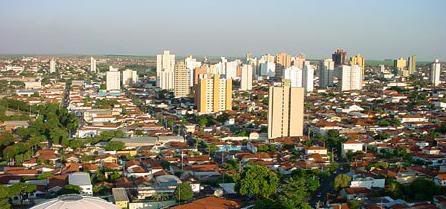
    Foto: Panorâmica de Araraquara
    Autor: Prefeitura Municipal de Araraquara

    _________________________________________________________________

    5º – SERTÃOZINHO

    População: 119.822
    PIB: R$ 24 575 265 – Maior da Região
    PIB Per Capita: R$ 27.591,145
    Apelido: Little Texas
    Fundação: 5 de Dezembro 1896

    Curiosidades

    *Maior Ecônomia da Região
    *Capital do Etanol
    *Uma das cidades mais influentes no cenário nacional
    *7ª Melhor cidade do Brasil


    Foto: Áerea de Sertãozinho
    Autor: Wikipédia

    _________________________________________________________________

    Essas cinco cidades representam a região de todas as formas possíveis, sejam elas turísticas, ecônomicas, etc.

    (Dados de População, PIB, PIB Per Capita e Apelido retirados de: www.pt.wikipedia.org)

    _________________________________________________________________

    PS.: FAÇAM SEUS COMENTÁRIOS>>>>>>>>>>>>>>>>>>>>>>>>>>>

    Até o Próximo Thread!!!!!

    🙂

  • methods to find ideas

    Welcome everyone!!:nuts: I want to know methods to find ideas and develop the idea of architecture students.And to compare methods between universities
    People help me ,please.!!! Thank you very much!!!
  • Nevada Man Pleads Guilty to Giving Kickbacks to Michigan Union Boss

    Joseph Roxlyn Jewett Pleads Guilty to Giving Kickbacks to Carpenters’ Union Boss

    Joseph Roxlyn Jewett, of Las Vegas, Nevada, pleaded guilty to giving a kickback to the former leader of the Michigan Regional Council of Carpenters (“MRCC”), United States Attorney Barbara L. McQuade announced today.

    The former union boss had engineered the use of Jewett’s company as a consultant on a deal involving the construction of a casino that was funded by the Carpenters Pension Trust Fund.

    During a hearing before United States District Judge Arthur J. Tarnow, Jewett admitted that in May 2006, Jewett promised to give Walter Ralph Mabry a one-third interest in an $800,000 investment.
    Mabry was the Chairman of the Board of Trustees of the Carpenters Pension Trust Fund and Executive Secretary-Treasurer of the MRCC.
    Jewett promised Mabry the one-third share of the $800,000 investment because Mabry had asked the investment manager of the Carpenters Pension Trust Fund to use Jewett’s company, J&R Ventures, as a consultant on a pension fund investment in a casino in Biloxi, Mississippi that had been wiped out by Hurricane Katrina.

    Based on his guilty plea and conviction for giving a kickback to a fiduciary of a labor union pension fund, Jewett is facing a maximum of three years in prison and a fine of up to $250,000.

    Based on calculations under the United States Sentencing Guidelines included in the Plea Agreement, Jewett is facing a sentencing guideline range of between 18 and 24 months in prison.

    Jewett also has agreed to forfeit $157,000 in funds derived from the kickback scheme.

    McQuade was joined in the announcement by FBI Special Agent in Charge Andrew Arena, James Vandenberg, the Special Agent in Charge of the Department of Labor, Office of Investigations–Office of Labor Racketeering and Fraud Investigations, and Regional Director Paul C. Baumann of the Employee Benefits Security Administration.

    Andrew Arena, Special Agent in Charge, Federal Bureau of Investigation said, “Embezzling union resources and accepting kickbacks systematically robs union monetary assets and decreases benefits to all members. The FBI will continue to aggressively investigate these cases with our law enforcement partners.”

    James Vanderberg, Special Agent-in-Charge for the Chicago Regional Office of the United States Department of Labor, Office of Inspector General said, “Pension related kickback schemes by consultants to union affiliated benefit plans compromise the retirement accounts of union members. This office will work aggressively with our law enforcement partners to investigate crimes that undermine the financial well being of these pension funds.”

    The case was investigated by agents of the Federal Bureau of Investigation, the Department of Labor, Office of Inspector General–Office of Labor Racketeering and Fraud Investigations, and the Employee Benefits Security Administration. It is being prosecuted by Assistant United States Attorney David A. Gardey and Assistant United States Attorney Phillip Ross.


  • Project Runway Ditches Sketchpads for HP TouchSmart PCs

    screenshot 031 300x200 Project Runway Ditches Sketchpads for HP TouchSmart PCsTomorrow Project Runway returns to the city that started it all – New York. They are also merging fashion and technology with the introduction of HP TouchSmart PCs and HP TouchSmart tm2 notebooks to help bring their creations to life. Contestants will, for the first time in the history of the series, have the option to use computers to sketch designs and inspire their work. Throughout Project Runway’s seventh season, expect to see designers alternate between traditional sketchpads and pens for HP PCs  that give them greater freedom to experiment with design mock-ups for each challenge. HP is no stranger to the fashion world since they were instrumental in involving Vivienne Tam and her Digital Clutch netbook. Can’t wait to see if these design gurus even know how to operate a computer not just a sewing machine. screenshot 022 300x199 Project Runway Ditches Sketchpads for HP TouchSmart PCsscreenshot 01 300x201 Project Runway Ditches Sketchpads for HP TouchSmart PCs


     Project Runway Ditches Sketchpads for HP TouchSmart PCs


  • Milano | 62 pavimentos | 202 metros

    O Edifício:

    * São 62 pavimentos, sendo 58 tipo, térreo e 3 subsolos;
    * 4 elevadores semi-panorâmicos de alta velocidade;
    * 1 apartamento por andar;
    * Cobertura Triplex com solarium;
    * Fachada de Mármore e Pele de vidro;
    * Grande área de Resort com toboáguas e hidromassagem;

    Raia de 50 m, toboágua com 40 metros de altura e quadra de tênis

    A maior piscina suspensa no maior edifício do Brasil

    Em breve, mais um lançamento

  • Going to Macworld Expo 2010? Join our community for updates and news

    Filed under: ,

    For the past several years, IDG World Expo has created a community on Ning for Macworld Expo. You can join up and follow various bloggers and companies, and now TUAW has a group page for the show.

    To join the group, just head over to http://macworldexpo.ning.com/group/tuaw. You can participate in our Macworld Expo discussion, find out where TUAW bloggers will be at the show, and even find out about possible meetups in San Francisco during Macworld.

    It’s all free, and we’d love to have you join in on the fun. If you already have a login for the Macworld 2010 site, simply ask to be added to the group. For those who don’t have a login, you can sign up by clicking the appropriate Sign Up link on the right side of the page.

    TUAWGoing to Macworld Expo 2010? Join our community for updates and news originally appeared on The Unofficial Apple Weblog (TUAW) on Wed, 13 Jan 2010 11:00:00 EST. Please see our terms for use of feeds.

    Read | Permalink | Email this | Comments

    Buy This Item: [Click here to buy this item]

    Read Original Article