Introduction:This mathematical concept is meant for first graders who are learning about money and its value. Students need to understand that 5 pennies equal a nickel, 10 pennies equal a dime, etc. Also, they need to learn what amounts and types of coins add up to 100 cents or less. In this plan I intend to help students learn the value of different coins and how they can add up to 100 cents (a dollar) in a variety of ways through a book, centers and certain websites with games they can play either in centers or at another time. I also want them to see the importance of money in the real-world and realize that their parents probably use some form of these coins daily.The actual SOL is:SOL 1.10 The student will a) identify the number of pennies equivalent to a nickel, a dime, and a quarter; b) determine the value of a collection of pennies, nickels,and dimes whose total value is 100 cents or less.Text Annotations: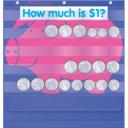 How Much is $1?
- This book seemed like a great resource for showing students what coins, in different combinations, can add up to one dollar. It even came with a Pocket chart with a piggy-bank stencil plus a storage pocket for money cards. Can be used for K-3, but in this case it would of course be used for first grade and specifically for SOL 1.10.
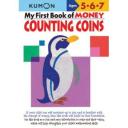
- This book,”My First Book of Money”, seems to be a great way to introduce students to the way money works and how it relates to counting in general. It shows students examples of how to count coins in various ways.
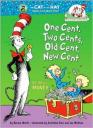 One Cent, Two Cents, Old Cent, New Cent
- I think this book by Dr. Seuss would be a great way to get students thinking about money, how it works, and the fact that it is something used all over the world. In addition, it is written in the typical way of Dr. Seuss, which students would enjoy.
 Find Out Reader: Counting Money
- This book is fairly short but packs quite a bit of information into it and shows the equivalencies and values of coins and money in general. It is easy for first graders to read and helpful in getting them to grasp concepts such as different coins’ values.
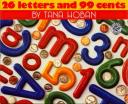
- This is a fun book for students to read because it is about a teacher who paints children’s faces at a carnival for 50 cents. Students must face the dilemma of not being able to get their faces painted because they have made other purchases; if they want to, they have to wait until the penny pot has been filled by other students. The book shows multiple types of children having to learn to count money and understanding that money is limited and one can’t buy everything he or she wants.
Web Annotations:Counting Different Coins
- I really liked this lesson plan idea (and some of the other ones on that site) because it helps students realize that money is connected to the real world and I feel the students would enjoy it.
Money Worksheets With Pennies, Dimes, Quarters
- I thought this website could be useful for its worksheets in assessing students’ understanding of money; I especially liked the worksheets where students work with either pennies, dimes, quarters, etc. such as this one .
- This is an awesome webquest about counting money for grades K-2 with many different activities for students, ranging from videos about coins and what each coin looks like to various worksheets.
- This is an interactive activity/game where students are presented a certain combination of coins and have to type in the total amount of cents shown. The game tells the students whether they are right or wrong and also shows the front and back of coins so that students learn what the coins look like from both sides.
- This website had a ton of games and activities for students to participate in when trying to learn about money. I thought this would be a great resource to have on hand for extra practice for students as well as for students who might finish a math activity early in class.
Additional Resources:Smartboard–Making Change
- This is a link to a great smartboard created b another teacher where students must figure out how much change needs to be given back to buy, for example, a Hershey bar. It even has an example where the student’s have to deal with a “cashier” and figure out how much change they would get back.
Suggestions for Manipulatives and other Resources for the SOL
- Under 1.10B, there are suggestions for manipulatives that I would like to use in my instructional resource set; real money, objects with price tags, and money bingo. There are also great suggestions for books, technology resources, and other resources.
- This website is a great resource for teachers to use to create worksheets for addition, subtraction, fractions, etc. In my case, there is a worksheet generator to create a 100’s chart which can be used to help students understand counting money. The site takes you step by step through what you want on your worksheet and comes up with a finished product at the end.
- This link has a whole host of activities linked to the 1.10 SOL for learning to count money. This could be a good resource to have handy for students who finish their work early or for students who need extra practice either in the classroom or at home if they have computer access.
- This is a great game for students to play to reinforce learning to count money. One great thing about it is that it has easy-medium-hard levels so all students can play it comfortably no matter what their ability level is.