The Soviet Navy viewed nuclear-tipped torpedoes as aircraft carrier killers. A Soviet Foxtrot class diesel submarine, B-59, had this ace-in-the-hole when it was being depth-charged to the surface by the U.S. Navy during the Cuban missile crisis. Did Adm. George Anderson, the Chief of Naval Operations (and the Navy’s version of Gen. Curtis LeMay) suspect that he was dealing with nuclear-armed submarines when his ships were aggressively enforcing the quarantine of Cuba? Wonks: Help me out here. There was much the U.S. intelligence community did not know during this crisis, including the presence of nuclear weapons in Cuba when the Kennedy administration was contemplating military options to take out missile sites. And no American official could possibly have known at that time that three officers on board the B-59 were conducting the most important vote in the history of the Nuclear Age, on whether to fire their nuclear-tipped torpedo or alternatively, so to speak, to go up with the ship.
We learned much later, after the Cold War was over, when Americans and Russians began to swap stories, that the Captain, Second Captain, and Deputy Political Officer on board the B-59 made a private compact over the possible use of their nuclear-tipped torpedo during the Cuban missile crisis. They were, of course, supposed to check back with Moscow before doing so, but it was hard for a diesel sub to call home while under attack. (For more on how the best laid plans for nuclear deterrence can go awry, Wonks-in-training can check out Scott Sagan’s The Limits of Safety.)
And so, on October 27, 1962, the same day that a U-2 was shot down over Cuba, the three officers voted. They promised each other that, in extremis, if they were unable to work through authorized channels, they would make their own decision about using their nuclear weapon. If all three voted in favor, they would do so. If the vote wasn’t unanimous, they would hold their fire. Two of the three officers voted to fire their torpedo. The third, Vasili Alexandrovich Arkipov, voted nay.
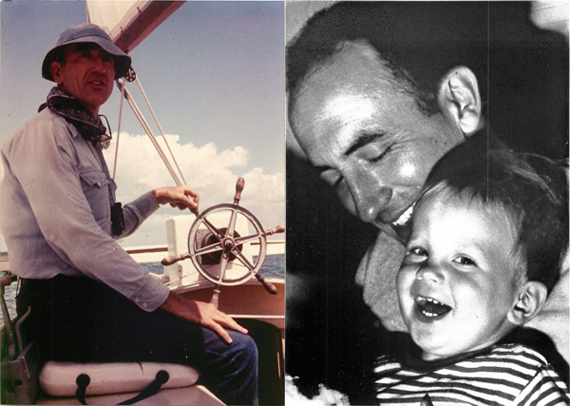
Arkipov should have been Time magazine’s Man of the Year, but Time’s editors, like the rest of us, were unaware of his remarkable contribution to Western civilization. Time voted for Pope John XXIII, instead. I’ve never seen a picture of Arkipov – maybe Jeffrey can find one for this post. He’s the unsung hero of the Cuban missile crisis.
Oral histories are only as reliable as the memories of story tellers. So if ACW readers have reason to believe these memories are deficient, please hold forth.