Author: Dr Justin Marley

  • Lemurs – Can Field Work be Useful for Evolutionary Psychiatry?

    As something of a hobby and in an effort to get a better grip on what evolution means, I have spent a relatively small amount of time filming primates. Indirectly my hope is that this will be helpful in better understanding the emerging discipline of evolutionary psychiatry. Evolutionary psychiatry is a theoretical branch within psychiatry that attempts to find theories of mental illness that are informed by the principles of selection (e.g natural selection). Given the complexities of mental illness it seems as though there is much to be gained from triangulating predictions from different models particularly as questions of discriminating genetic and environmental causes of different illnesses are inescapable. Along the way, the filming has been fun and getting to know a little of these creatures has been fun as well.

    The human lineage diverged from that of Lemurs some 63 million years ago. Richard Dawkins coined the term concestor for the common ancestor that we share with another species. So using this terminology our common concestor existed some 63 million years ago. The Lemurs have a fascinating history more of which can be found here. Essentially Madagascar broke off from Africa and the evidence suggests that the Lemurs traversed the sea to get to Madagascar ‘catching’ a ride on floating vegetation – referred to as rafting events. The distance is estimated to have been a minimum of 350 miles (for a dog that was found at sea riding a sheet of ice over an estimated distance of 75 miles – see here). The end result of this is that on Madagascar, the Lemurs have been able to evolve relatively ‘peacefully’ with few natural predators. Elsewhere, the Lemur has not survived and it has been suggested that they have competed unsuccessfully with higher primates.

    As an interesting aside, locals communities in Madagascar have built up different types of relationships with the various subspecies of Lemurs. Some are considered a bad omen and contact is thought to have an impact on the community. Others are protected by the local community and the Indri is also known as Babokoto (Ancestor of Man – although this translation is contentious).

    So what is there to learn from the Lemurs. No doubt, those working in the field will have a very good knowledge of a number of fundamental characteristics of different species of Lemurs but there is the possibility of generating useful hypotheses when looking from a slightly different perspective. I’ve put together the most interesting footage in this video.
    Now the game is afoot! Alas my powers of deduction are rather limited in comparison with the fictitious sleuth and so any suggestions from readers would be gratefully received.

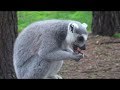
    There are three species of Lemur in the footage: The Black and White Ruffed Lemur, the Brown Lemur and the Ring-Tailed Lemur easily recognised from their names alone in this footage. My observations were thus

    Aggressive Posturing: The Black-and-White Ruffed Lemur (BWRL) chased both the Brown and Ring-Tailed Lemurs which ran away fairly promptly. In two of the clips the chased Lemurs were eating. I’m not sure of the significance but the BWRL is rather large in comparison with the other two and size might play a role in dominance within the environment. Or the other two species might have been encroaching on the BWRL’s territory. However in one of the clips, the Brown Lemur is chased around over a large space making the territorial argument less likely. An alternative argument is that the BWRL is exerting it’s dominance in the environment with the goal of achieving a submissive response in the other two species. I didn’t notice the same response between BWRL’s (chasing) although there was a period of calling.  If the latter hypothesis is correct it suggests that the BWRL identifies the BL’s and RTL’s as targets for physically and vocally aggressive posturing perhaps on the basis of recognising them as different or from experience of prior outcomes in confrontations. There might be a combination of the two as I didn’t witness any initiation of confrontations with the BWRL from the BL or RT.

    Hands: The BWRL’s hands are incredibly flexible. While watching them, the movement registered with me as very similar to the movements of a human hand. This is further reinforced by what the BWRL’s do with their hands. While setting up the camera tripod, I was (pleasantly) ambushed by a group of BWRL’s as can be seen at the beginning of the footage. At several points the BWRL’s can be seen to hold onto the tripod with both hands. Indeed one of the most remarkable points comes at between 6.00 and 6.20 (yes, slightly pedantic I know). The Lemur uses its hands to lift the tripod off the ground. What’s remarkable is that it doesn’t drop it but rather places it gently back in position. More on this later. There is also a point at 5.16-5.23 when the Lemur stares at it’s hands before licking them in turn. This period of staring was interesting and I wondered what it was thinking (it may have been responding to the smell of it’s hand).

    Lifting up the tripod: The BWRL lifts up the tripod and replaces it. Then it pushes the tripod along the ground before ’shouldering’ it. I got the impression that it was estimating the force required to push the tripod along the ground and was adjusting its movements accordingly. Superficially at least I got the impression that this was a fairly intelligent behaviour. It looked as though the BWRL was trying to understand the physical properties of the tripod. For want of a better term, it was trying to make predictions and I have argued elsewhere that this may be a biological correlate of scientific curiosity. Such curiosity in humans is usually attributed to the prefrontal cortex and to executive abilities.

    Tapping: At 5.01 the BWRL taps the other BWRL on the shoulder. I have seen such tapping described in RTL’s but no doubt this has been described in BWRL’s also. What is interesting about this is the differentiation from chasing the BL’s and RTL’s.

    Group Behaviour: The BWRL’s act as a group. This is most noticeable when they examine the camera tripod. They act as a unit. My impression was that they demonstrated social cohesion. When they divided into two groups, the calling within the groups also suggested cohesion. There may be an element of competition – being the first to explore a novel object in the environment. The BWRL’s differentiated from each other in their persistence in examining the camera. Such differences might represent character traits or specialisation. The BWRL’s displayed periods when they chose to remain in each other’s proximity while noteably chasing away BL’s and RTL’s. Since the BWRL’s would be expected to differ in their strength in confrontations this may represent a species specific behaviour rather than one based on the predicted outcome in confrontations. This is further supported by the tapping behaviour.

    Calling: Within the group there was a low pitch growl (LPG) and high pitched call (HPC). The HPC was repeated more rapidly than the LPG and was associated with small rapid movements (whereas the LPG’s seemed to be made whilst stationary). Following the shoulder tap there was an accompanying third type of call of a more high pitched nature.  Perhaps this was to reassure the BWRL that had previously been using an LPG.  The LPG seemed to be a show of strength and the time taken to produce this may have resulted from the use of additional muscle groups compared to the HPC. The BWRL calling displays rhythmicity. Rythmicity is evident in human speech and music and musical rhythm has been identified in other primates. Perhaps some of the calling is an alternative to physical confrontation. The HPC’s also seem to be differentiated with a melodic component. It would be interesting to know if the individual vocalisations had independent meaning.

    Winner Takes All. The BWRL’s were louder, more aggressive and more exploratory than the RTL and BL during my observations. In the natural habitat if this were to persist it might mean that they would have more opportunities to experience novelties and gain resources than the other two types. This would be transmitted not just through genetics but through culture also.

    Conclusions

    Our lineages diverged some 63 million years ago. The absence of significant predators on Madagascar may have resulted in subtler adaptations to the environment and we may be seeing species that are more closely related to our concestor than we are. Still there has been a lot of time for adaptation. Nonetheless assuming conservation of successful genes and valid similarities the following hypotheses can be generated

    1. The flexibility of the hand may be an important part of human evolution possibly conserved over 63 million years and enabling a more rapid exploration of novel stimuli in the environment. A useful comparator here would be a dog or cat.

    2. The flexibility of the hand may be related to exploration and to development of executive abilities. The representation of the hands in the motor homunculus in humans is evidence of their importance. The BWRL demonstrates evidence of a very flexible adaptation which expands the way in which it can interact with objects and other BWRL’s.

    3. Social behaviour may have been an important aspect of human evolution and may have been evident 63 million years ago again if the genes were highly conserved. Acting as a group offers obvious advantages. The topic of altruism comes up in such discussions but in this footage it was pair bonding that may have produced social cohesion (e.g if the shoulder tapping may have been a reassurance to end confrontatory calling).

    4. The aggressive behaviour may over time lead one species to increase their territory and the number of challenges they are posed with consequent selective pressures. There may be a genetic tendency towards seeking out selective pressures (novelty seeking) that when paired with social bonding may move a species rapidly in a particular direction.

    5. Rhythm and pitch may be an essential aspect of human speech that serves the dual purposes of confrontation and reassurance. At least from this footage and assuming that genes have been conserved over 60 million years.

    If you have any suggestions please add them in the comments section. Many thanks to Rick Clarke who created the great music that was used in the video.

    Index: An index of the site can be found here. The page contains links to all of the articles in the blog in chronological order. Twitter: You can follow ‘The Amazing World of Psychiatry’ Twitter by clicking on this link. Podcast: You can listen to this post on Odiogo by clicking on this link (there may be a small delay between publishing of the blog article and the availability of the podcast). It is available for a limited period. TAWOP Channel: You can follow the TAWOP Channel on YouTube by clicking on this link. Responses: If you have any comments, you can leave them below or alternatively e-mail [email protected]. Disclaimer: The comments made here represent the opinions of the author and do not represent the profession or any body/organisation. The comments made here are not meant as a source of medical advice and those seeking medical advice are advised to consult with their own doctor. The author is not responsible for the contents of any external sites that are linked to in this blog.

  • Review: Magnetic Resonance Imaging in Lewy Body Dementia

    The paper reviewed here is ‘Magnetic Resonance Imaging in Lewy Body Dementia’ by John O’Brien and colleagues and freely available here. The paper was published online in December 2009.

    This is a review article which examines the distinction between Parkinson’s Disease and Lewy Body Dementia using Magnetic Resonance Imaging (MRI). The authors identify the low sensitivity of diagnostic criteria for identification of LBD and the need to incorporate biomarkers from additional investigations such as MRI.

    Method: The authors undertook a review of the literature using Medline. The search took place between the years 1966 and 2009 using the search terms

    • ‘Lewy and Mag * Res *’
    • ‘Parkinson, dementia and Mag’

    Studies with at least 5 subjects were included and the references from retrieved papers were searched for additional information.

    Results: The authors retrieved 50 papers through the search method above. The retrieved studies utilised several imaging technologies

    • Structural MRI
    • Functional MRI
    • MRI Diffuse Tensor Imaging
    • Proton Magnetic Spectroscopy

    The results are concisely summarised in Table 1 in the paper.

    1. Structural MRI

    The authors identify three methodological approaches used within the retrived structural MRI studies

    • Region of Interest Analysis
    • Visual Inspection
    • Voxel Based Morphometry

    The data from the studies are not pooled as far as I could see and commentary is made on individual studies. With regard to cortical atrophy the authors identify heterogeneity in the findings in Parkinson’s Disease Dementia (PDD) and LBD. Similarly for rates of cortical atrophy findings were heterogenous although there was a trend to finding a more rapid rate of degeneration in Alzheimer’s Disease (AD). The authors cite evidence suggesting that the Medial Temporal Lobe, subfields within the hippocampus and particularly the Substantia Nigra could be useful in discriminating PDD + LBD from AD. The hippocampus findings looked quite interesting.

    2. MR Diffuse Tensor Imaging

    The authors discuss findings in the corpus callosum, posterior cingulate and precuneus in LBD.

    3. Proton Magnetic Spectroscopy

    Positive findings in PDD are discussed which have similarity to those found in AD. The reported findings in LBD were relatively unremarkable.

    4. fMRI

    The authors discuss an exploratory study in which there was reduced occipital cortex activity during a visual task in subjects with LBD compared to those with AD.

    Conclusions

    This is a recent paper in which the authors have retrieved 50 papers relevant to imaging in DLB and PDD, tabulated the data and summarised the relevant findings. I thought that this could be a useful reference paper particularly for consideration of diagnostic criteria.

    Index: An index of the site can be found here. The page contains links to all of the articles in the blog in chronological order. Twitter: You can follow ‘The Amazing World of Psychiatry’ Twitter by clicking on this link. Podcast: You can listen to this post on Odiogo by clicking on this link (there may be a small delay between publishing of the blog article and the availability of the podcast). It is available for a limited period. TAWOP Channel: You can follow the TAWOP Channel on YouTube by clicking on this link. Responses: If you have any comments, you can leave them below or alternatively e-mail [email protected]. Disclaimer: The comments made here represent the opinions of the author and do not represent the profession or any body/organisation. The comments made here are not meant as a source of medical advice and those seeking medical advice are advised to consult with their own doctor. The author is not responsible for the contents of any external sites that are linked to in this blog.

  • News Round-Up: April 2010 1st Edition

    A widely reported study (e.g see here and here) looked at a murine model of schizophrenia and the researchers provide evidence of a neural substrate for the association of the chromosome 22q11 with schizophrenia. The researchers found that the deletion was associated with a disconnection between the hippocampus and the prefrontal cortex. It will be interesting to see if evidence of this disconnection is found in people with chromosome 22q11 mutations or deletions.

    An economic analysis of a stepped-care model of prevention of anxiety and depression in older adults showed that the incidence could be halved and a costing per depression-free year was calculated (Harm van Marwijk et al, 2010). The study was performed in the Netherlands and included older adults over the age of 75 (n=170).  The stepped care model included ‘watchful waiting, bibliotherapy, problem-solving treatment and antidepressant medication’ following a mailing of the Centre for Epidemiological Studies Depression scale (CES-D) to the patient and follow-up call.

    In a widely reported BMJ study, the use of checklists – care bundles – for 56 conditions was associated with a marked reduction in mortality rates at a North London NHS Trust. There is coverage of a paper here which suggests that linking Electronic Healthcare Records with DNA databases can accelerate the identification of relationships between genes and disease.

    Psychiatry 2.0

    PsychCentral has a round-up of the best of their blogs including an article on mindfulness and meaning. Mind Hacks has another Spike Activity including links to a video debate on Vul et al’s fMRI paper, a widely covered paper on TMS disruption of moral decision making (see also this TED talk by Rebecca Saxe who is an author on the paper) as well as a New Scientist piece on embodied cognition.

    The Differential Biology Reader has a look at statistical tools in this post

    Our tools do constrain us, and while knowing the principles and concepts is important, there is another aspect of statistical literacy, which is making your tools do what you want‘*

    At the Mouse Trap, there is an interesting piece on a PNAS study investigating the relationship between stress and neurogenesis in a murine model and Gautam speculates about antidepressant action. Lehrer has a piece on the relationship between attention and general intelligence at the Frontal Cortex blog here. Buckeye Psychiatry has a brief but interesting post on a recent study comparing rates of cognitive decline (aggregate of 4 cognitive tasks) in Alzheimer’s Disease, MCI and a control group. Cole Bitting reflects on context building in this FABLE post. At Psychology Today there is a look at a study providing evidence that self-esteem peaks at 60. The Neurocritic revisits mirror neurons and links to a series of articles critiquing the concept. As mirror neurons have been linked to empathy this whole topic is very important for models of social cognition.

    Over at Blue to Blue there is a post contrasting reading information on the internet with reading a novel (what about a novel on the internet!). Dr Shock links to a TED talk by a magician on the placebo effect in this post.  There is an interesting deconstruction of a Katy Perry song at the psychiatry fun blog. There is also a Wiki containing a list of songs about mental illness here. . A database of movies of cells after gene silencing has been created and there is coverage here.

    There is coverage of a paper in Neurobiology of Aging providing preliminary evidence of age-related grey matter changes associated with the traits of conscientiousness and neuroticism and it will be interesting to see the results of larger longitudinal replication studies.

    Evolutionary Psychiatry

    Colin Blakemore argues in this piece that the human brain increased in volume dramatically as a result of a new mutation at around the time of mitochondrial Eve 200,000 years ago rather than through gradual cumulative culture-associated changes. In another proposal Professor Bruce Yankner speculates that an increase in energy utilisation by the human brain could explain why humans are susceptible to Alzheimer’s Disease which is not identified in other species (even those with large brains).

    While not directly related to mental illness but instead to models of human evolution, the Laetoli footprints have been analysed and in this paper the authors state that they are the earliest evidence of hominid bipedalism (3.6 million years ago). There are theories that suggest that bipedalism was accompanied by adaptive cognitive changes. There is an interesting piece on cultural transmission in chimpanzees at the primate diaries here.

    References

    Harm van Marwijk et al. Cost-effectiveness of a stepped care intervention to prevent depression and anxiety in late life: randomised trial. The British Journal of Psychiatry. 2010. 196. 319-325.

    * Creative Commons 3.0 license applies

    Index: An index of the site can be found here. The page contains links to all of the articles in the blog in chronological order. Twitter: You can follow ‘The Amazing World of Psychiatry’ Twitter by clicking on this link. Podcast: You can listen to this post on Odiogo by clicking on this link (there may be a small delay between publishing of the blog article and the availability of the podcast). It is available for a limited period. TAWOP Channel: You can follow the TAWOP Channel on YouTube by clicking on this link. Responses: If you have any comments, you can leave them below or alternatively e-mail [email protected]. Disclaimer: The comments made here represent the opinions of the author and do not represent the profession or any body/organisation. The comments made here are not meant as a source of medical advice and those seeking medical advice are advised to consult with their own doctor. The author is not responsible for the contents of any external sites that are linked to in this blog.

  • Blog Review: A Blog Around the Clock

    The blog reviewed here is ‘Blog Around the Clock‘ by Bora Zivkovic (who also goes under the name Coturnix), a chronobiologist with an interest and expertise in science online and is an online community manager at PLOS one. The About section gives a comprehensive biography.

    Appearance and Design

    The blog features a white background throughout with articles located in the central pane with black text and blue hypertext links. Articles are dated, tagged and comment enabled. The title pane features a playful natural landscape and the title of the blog is related to the theme of chronobiology. The blog is part of a wider group of science blogs which can be accessed through links at the top of the page. The blog also features links to charitable causes on the left hand panel and discrete adverts on the right hand panel and above the title pane. The blog is navigatable through a chronological index on the left hand panel. Recent comments and posts are also highlighted on the left hand panel. At the time of writing the site meter indicates the blog has received more than 2.5 million hits. Post Rank is used to identify top-ranked posts on the blog. Zivkovic also has a presence on other social media forums and links are located on the left hand panel.

    Content

    Content is licensed under a Creative Commons Attribution-Share Alike Unported License. As the blog extends back to 2006, I have not read all of the articles in the blog but instead have sampled a subset. The sampling method involved reading one article from each month. This allowed me to examine a limited amount of content in more detail. However since archive retrieval brings up the last articles in the month first, there is a selection bias in my sampling method towards those articles at the end of the month. I also tended to select those articles with the word science in the title as well as looking at some of the top ranked articles. The blog architecture (common to many blogs) made it slightly more difficult to scan through articles. Thus to read the full article, the reader must click on the ‘more’ ‘read on’ link on the ‘abstract’ of the article that is initially displayed. When reading one article this isn’t too important but on scanning several articles a lot of time is used waiting for the page to load and then navigating back to read the next article. I would like to see a feature on blogs whereby looking at the archives results in all articles being displayed in full on a single (obviously very long) page – this would save a tremendous amount of time in getting up to speed with a blog.

    Zivkovic examines different flavours of pseudoscience according to political leanings in this piece.  I found a piece titled ‘More than Resistance to Science‘ very interesting particularly as Zivkovic introduces the concept of phatic language, that is language that is used for the purposes of facilitating social relationships rather than imparting information. Zivkovic’s writing on chronobiology is very interesting as in the case of this piece in which he reviews a study providing evidence of peripheral circadian rhythm generators (in the liver) in a murine model. This is a great piece on science journalism and the following quote gives a flavour of the article

    Journalism is EVERYTHING that appears in the media. And in this sense, we are all journalists. Even if we never break news or do investigative reporting, if we write poetry on our blogs, we are journalists. And the world is our editor

    Here is another thoughtful piece on blogging. From those articles that I sampled I would group Zivkovic’s writing into three categories. Firstly there are very short pieces of a varied nature which may include comments or references to the literature with excerpts included. The second category would be analyses of chronobiology research. The third category would be commentary on communication of science using social media or what would be referred to as Science 2.0. The process of writing on topics across the breadth of science and reflecting on this means that Zivkovic is a philosopher (as well as a scientist) who is developing a body of work on Science 2.0 which is the focus of some of what I thought were his most interesting pieces.

    Conclusions

    Zivkovic is a prolific blogger who is focused on Science 2.0 and is quite influential in this area. The blog also features interviews with scientists and would be of particular relevance to those with an interest in communicating science.

    Index

    You can find an index of the site here. The page contains links to all of the articles in the blog in chronological order.

    Twitter

    You can follow ‘The Amazing World of Psychiatry’ Twitter by clicking on this link

    Podcast

    You can listen to this post on Odiogo by clicking on this link (there may be a small delay between publishing of the blog article and the availability of the podcast).

    TAWOP Channel

    You can follow the TAWOP Channel on YouTube by clicking on this link

    Responses

    If you have any comments, you can leave them below or alternatively e-mail [email protected]

    Disclaimer

    The comments made here represent the opinions of the author and do not represent the profession or any body/organisation. The comments made here are not meant as a source of medical advice and those seeking medical advice are advised to consult with their own doctor. The author is not responsible for the contents of any external sites that are linked to in this blog.

  • Review: Attitudes to Mental Illness 2010

    The document reviewed here is a Department of Health document  ‘Attitudes to Mental Illness 2010′ and which is available here. I found the document slightly easier to read by starting at the back where the methodology is explained in detail. Random sampling took place and results were weighted according to the characteristics of the population in England in terms of age, sex and social grade (ethnicity data was included in the questionnaire). In the methodology section, the authors note that significant results imply that results are significant at the 5% level on the two-tailed t-test which presumably means that all of the sample data is normally distributed. I wasn’t clear on whether a correction for multiple comparisons was used. As there are a large number of comparisons being conducted between age groups, between genders and social grades as well as across surveys (i.e the previously conducted surveys) it would be expected that there would be false positives. So for instance with a Bonferroni correction, 10 comparisons would mean multiplying the resulting p values by 10 so that a p-value of 0.05 no longer remains significant at the 5% level. I wasn’t clear on this point. 1745 adults were selected using a random sampling method from areas across England (roughly 0.0035% of the English population). Results are displayed in graphs and also described in accompanying paragraphs. There is no interpretation of the data as far as I could see (e.g a discussion with reference to the literature).

    Page 13 shows the sections of the survey. Scanning through the document there are 31 figures which I thought summarised the data effectively. There were a few points that I thought were interesting

    In Figure 1 I didn’t notice any consistent trend in the data other than to say that the relationship between the lines remained fairly stable over time. The results here pertained to questions about social inclusion ranging from the nextdoor neighbour having a mental illness to a mental health institution being located within the neighbourhood. There was in fact a slight cross-over between the responses to the nextdoor neighbour and marriage questions over time seeming to indicate a possible trend to marriage becoming more acceptable to someone with a recognised mental illness.

    Figure 2 was interesting because it showed significant age-group differences. Those over the age of 55 were more likely to judge those with a mental illness adversely i.e they shouldn’t hold public office. That is an interesting finding that would benefit from further follow-up with a qualitative study.

    Figure 3 shows a significant difference between men and women in tolerance to people with a mental illness. Women were more likely to be tolerant in terms of their responses.

    Figure 9 includes a graph of responses to inclusion in the community over time. Although there is an upward trend towards increasing acceptance in recent years the graph shows a lot of variability over time indicating many possibilites ranging from the question through to short-term factors that could influence responses.

    Figure 16 was interesting as it most likely displays common perceptions of mental illness with schizophrenia being the most commonly identified mental illness with depression second. Perhaps here there could be clarification of what consitutes a mental illness. DSM-IV and ICD-10 contain a large number of diagnoses many of which may not feature prominently in the cultural ‘psyche’. It would be interesting to see the results of a survey in which familiarity with ICD-10/DSM-IV diagnoses is assessed in the general population as the public perception of mental illness may be biased towards a relatively small (although important) mental illnesses.

    Figure 21 was encouraging in that 60% of the respondents samples believed that full recovery was possible for someone with a ‘mental health problems’ and there was confidence in the efficacy of medication and psychotherapy.

    Figure 25 was  interesting as it showed that only 4% of the sample reported having a mental illness themselves although many of the respondents recognised the figure of 1 in 4 people having a mental illness. This implies either under-reporting or a biased sample.

    Figure 30 shows that 50% of the sample would be uncomfortable talking to their employers about a mental illness. This means that there is some way to go in this area.

    Figure 31 suggests that there has been a decrease in stigma.

    This is a broad survey which can be usefully compared to previous surveys in this series. There are a number of encouraging findings in particular those relating to public perception of the possibility of recovery, integration into the community and efficacy of medication and psychotherapy. Areas which I thought were interesting were the self-reporting of mental illness as well as age-related perceptions of mental illness. These could be investigated further using a qualitative design.

    Index

    You can find an index of the site here. The page contains links to all of the articles in the blog in chronological order.

    Twitter

    You can follow ‘The Amazing World of Psychiatry’ Twitter by clicking on this link

    Podcast

    You can listen to this post on Odiogo by clicking on this link (there may be a small delay between publishing of the blog article and the availability of the podcast).

    TAWOP Channel

    You can follow the TAWOP Channel on YouTube by clicking on this link

    Responses

    If you have any comments, you can leave them below or alternatively e-mail [email protected]

    Disclaimer

    The comments made here represent the opinions of the author and do not represent the profession or any body/organisation. The comments made here are not meant as a source of medical advice and those seeking medical advice are advised to consult with their own doctor. The author is not responsible for the contents of any external sites that are linked to in this blog.

  • Review: Impairment of Instrumental ADL in Mild Cognitive Impairment

    The paper reviewed here is ‘Impairment of Instrumental Activities of Daily Living in Patients with Mild Cognitive Impairment’ by Ahn and colleagues and freely available here. In the conclusion, the authors write that

    The patients with MCI showed impairments in the ability to perform complex ADL in comparison to healthy controls. IADLS’s related to memory and frontal/executive functioning were particularly affected in MCI

    The study was carried out in South Korea. The researchers have selected

    • 66 subjects with MCI (mean age 70.76 years)
    • 61 health controls (mean age 64 years)

    Controls were recruited by advertisement whilst the recruitment method for the MCI group was unclear. The criterion used for MCI are clearly stipulated and include

    • Cognitive performance of 1.5 SD below the age and education norm in one or more of the following domains: memory, language, visuoconstruction, and frontal/executive function
    • Cognitive decline by self and/or informant reporting

    The subjects were also administered a battery of neuropsychological tests including

    • Digit span forwards and backwards
    • Korean-Boston Naming Test
    • Rey-Kim Complex Figure TEST
    • Clock Drawing TEST
    • Contrasting Program, Go-no-go Test

    amongst others. The study focused on the performance of MCI subjects on two measures of functioning – The Seoul Instrumental Activities of Daily Living (SIADL) and the Seoul Activities of Daily Living. About the SIADL, the researchers write that it assesses a number of functions and that

    These include the ability to prepare a balanced meal, remember appointments, keep financial records, remember to take medication and so on

    and is composed of 15 items. The primary research questions seems to be fairly straightforward – is there a difference between the MCI and control groups on the ADL’s? The researchers used a multivariate logistical regression analysis to investigate this relationship. They also wanted to find the optimal cut-off point for MCI and used a ROC curve for this purpose.

    The MCI group scored significantly higher on the S-IADL than the control group (4.47 v 1.44) and this difference remained after controlling for variables including age. The S-IADL discriminated well between the control and MCI groups with a sensitivity and specificity of 82%. The researchers write that the

    MCI patients showed significantly more impairment in the areas of ‘using the telephone’, ‘preparing meals’, ‘taking medication’, ‘managing belongings’, ‘keeping appointment’, ‘talking about recent events’, and ‘leisure/hobbies’ than normal elderly controls

    Conclusions

    Although these results are extremely encouraging I’m not sure if they generalise to the english version of the IADL and maybe another study with the English version needs to be undertaken. However the MCI group have a mean age of just over 70 years of age and again it would be unclear if this would generalise to a group in their early 60’s or late 50’s although the correction for age indicated that a significant difference between the groups remained.

    There is an interesting question here which is about the precise nature of the relationship between the memory and executive components of the neuropsychological test battery and the performance on the IADL. Making a telephone call presumably involves a number of cognitive functions – motor cognition, working memory, episodic memory, auditory processing, attention and executive functions at the very least. Therefore if we could see which areas of the brain light up, during a telephone conversation (i.e fMRI) on the basis of the above we might expect to see the corresponding areas in the relevant order although it is never that simple. It might be expected that if some tasks require more cognitive functions they would be more susceptible to the effects of MCI – thus there might be a  hierarchy (although the individual tasks will vary in complexity).

    More importantly from this study, this has implications for the workplace. If people have MCI and are working then this study suggests that it may interfere with a number of tasks around the workplace. If that is the case, then it would mean that assistive technologies may be useful. Furthermore the need for assistive technologies could be estimated from performance on a paper and pen test given the effective discrimination between the MCI and control groups (as MCI was assessed using the neuropsychological tests discussed above). It will be interesting to see if this study is replicated using an English version of the IADL.


    Index

    You can find an index of the site here. The page contains links to all of the articles in the blog in chronological order.

    Twitter

    You can follow ‘The Amazing World of Psychiatry’ Twitter by clicking on this link

    Podcast

    You can listen to this post on Odiogo by clicking on this link (there may be a small delay between publishing of the blog article and the availability of the podcast).

    TAWOP Channel

    You can follow the TAWOP Channel on YouTube by clicking on this link

    Responses

    If you have any comments, you can leave them below or alternatively e-mail [email protected]

    Disclaimer

    The comments made here represent the opinions of the author and do not represent the profession or any body/organisation. The comments made here are not meant as a source of medical advice and those seeking medical advice are advised to consult with their own doctor. The author is not responsible for the contents of any external sites that are linked to in this blog.

  • Review: Predicting Conversion to Dementia

    The paper reviewed here is ‘Automated Detection of Brain Atrophy Patterns Based on MRI for the Prediction of Alzheimer’s Disease‘ by Plant and colleagues and freely available here. There are two things about this paper i’d like to mention. The first is that I didn’t completely understand it. I could probably get to grips with it in full but with a few weeks of extra reading around the topic and discussion (maybe). I understood enough of it to get the gist of it though. The paper has relevance to the practice of older adults psychiatry if such applications as described here become widely available which isn’t the case at the moment. It shouldn’t be suprising that this is a complicated paper to understand. After all, it’s by an international collaborative of multidisciplinary specialists in psychiatry, neuroimaging science, neuroradiology and computer science. Potentially therefore the audience lies in those disciplines. At the same time however, the audience would need to have knowledge traversing a number of disciplines and I suspect that there would be an extremely limited number of people who would be able to fully understand the paper with no prior preparation. Rather than meaning that this is a fairly esoteric subject which will end up with a number of other papers collecting dust however, it has potentially important clinical implications. Read

    ‘The extracted AD clusters were used as a search region to extract those brain areas that are predictive of conversion to AD within MCI subjects. The most predictive brain areas included the anterior cingulate gyrus and orbitofrontal cortex. The best prediction accuracy, which was cross-validated via train-and-test, was 75% for the prediction of the conversion from MCI to AD‘ (my underlining)

    The essence of what the researchers were doing was identifying a group of subjects who were likely to develop Alzheimer’s Disease and then image their brains using an MRI scanner. They needed to compare these with two other groups – those that already had Alzheimer’s Disease and healthy controls. Then they used a number of sophisticated analysis techniques to discriminate between those with Mild Cognitive Impairment who went on to develop AD and those that did not. They identified individual brain regions that discriminated between the subjects and even give a predictive accuracy of 75%.

    However the above is contingent on a number of assumptions which can be individually questioned.

    Firstly what can be said about the subjects in the study. Well although some of the demographic details are given such as the average age, there are a number of other factors which aren’t clear from the article (there is an associated data article which I wasn’t able to access at the time of writing – perhaps the data might have been included there). So for instance, were there any concurrent medical illnesses, what were the numbers of years of education, blood pressure, concurrent medication and so on. I assume that the subject group was german given the approval by a Munich based ethics committee although this is implicit rather than explicit in the paper.

    The next point is the bottom line. There are 9 people who convert from MCI to AD and 15 who don’t. Essentially that’s the basis for the comparisons. It’s a rather obvious and often repeated point but a larger sample size for comparison with a well characterised sample would be expected to lead to greater reliability as well as a better knowledge of generalisability.

    The MRI scanner is 1.5T. The larger the field strength, the larger is the possible image resolution. The subjects’ images were normalised to an anatomical template. There were some additional steps which involved ‘masking’ the images to remove the CSF leaving just white and grey matter. I didn’t understand the process used to achieve this end. I’ve made this point elsewhere but where papers are highly technical it would be good for the research group to create a video and upload it to YouTube (for free) and link to it in the article so the interested reader can try and get up to speed quickly.

    The authors then explain the data analysis. The section on feature selection was unclear to me and although people in the field might read it rather easily, I struggled to understand the entropy equation. Entropy as I understood it was a tendency for a gradient of energy to equilibriate after time or to substitute information for energy with similar results. So I wasn’t clear on why this term was being used here and it would benefit from an explanation as above. There are references to other papers but this phenomenon of linking in with other papers behind pay-walls is either costly in terms of resources or unhelpful (indeed it would mean there was a hidden cost in those papers were a fee is required) although is probably not an issue in university departments with appropriate subscriptions (even here however this is not the case as some of the referenced papers can be in obscure journals that are not included in a university’s subscriptions). So after reading a bit further on, i’m not sure I understand by what the authors refer to as feature detection although the term is usually used in neural network terminology to indicate patterns in information that are identified by a neural network architecture. If this were the case, then the authors might be referring to the algorithm for learning in the network when they talk about entropy although it is still unclear to me.

    Moving onto clustering, the researchers write that they are using an approach to identify ‘highly discriminatory’ voxels and ‘remove noise’. Presumably they determine this by choosing conversion to AD as the outcome measure. However on scanning through this section I was unable to find the terms AD or MCI and instead it was an abstract generic mathematical discussion using language that is probably relevant to a highly specialised field of neuroimaging science but it doesn’t gel with the language used in the introduction.

    I found that the explanation of classification was slightly easier to understand relating both to the AD/MCI categories with a little reading between the lines and also the explanation of analysis is consistent with neural network architectures.

    With a limited amount of time to read the paper (a few hours), i’ve moved quickly through the training and visualisation sections. These sections quickly move into symbols. Now the problem with these symbols is that they make sense to someone in the very specialised field but are next to meaningless for people outside the field. Again here an animation or talk through video would be helpful. Symbols tend to be an abstract representation acquired once a shared understanding has been agreed – a useful shorthand for communication within the field. The authors might question why this should be communicated to someone outside of the field – after all one of the purposes of the method section is to communicate information to other groups for replication. I would argue that it’s necessary for clinician’s to understand the reasoning behind the ‘knowledge’ which they will be using to make clinical decisions when such approaches become more widespread.

    SPM settings were given and then the authors report the method used for assessing white matter lesions.

    In the results section, by the time I reached table 2 I had two thoughts

    1. The results here seem impressive – high accuracy in the 90%’s, good sensitiviy and specificity

    2. How did they get to this stage (which relates to the above discussion)

    Again in Table 4 (AD v MCI)

    1. These results are impressive and I recognise the brain regions involved

    2. How did they get to this stage?

    Unfortunately it’s easy to understand the significance of the results. Without fully understanding how the researchers got to this stage however I am left with three options

    1. Make no decisions. Seems like a waste of 2 hours.

    2. Reject the results. Seems a shame as a lot of work has gone into this and the researchers will undoubtedly be competent in their respective fields.

    3. Accept the results. Pragmatism. Unfortunately if I didn’t understand the process by which the results were arrived at then I have to rely on ….. blind faith.

    The same applies to Table 5.

    Moving onto the discussion (I skipped the other bits that weren’t as interesting), the researchers write that

    Using AD and HC as training data and MCI as test data, we achieved an accuracy of 50%–75% to predict conversion into AD

    The authors also acknowledge the small sample size. In the above, the AD and control groups have been used to train the software thus making use of all subjects in the study and not just the 24 with MCI.

    Conclusions

    So there are some potentially useful results notably a complex multidisciplinary approach to discriminating people who convert from MCI to AD based on MRI and computer learning algorithms. Obviously if these results are valid then it would be nice to have this set-up available in a research setting with a focus on trialling interventions in the high-risk group. Papers like this are going to become increasingly commonplace. If a research group has an effective means for predicting who will convert from MCI to AD then it’s going to be very important and will most likely be repeatedly used and refined. Then there will come a point at which the clinicians will have to get up to speed with this approach. Only this runs into the problems described above. There has to come a point at which each step in the process is translated into an understandable format accessible to clinicians. If not then the clinician in the future will end up receiving a few numbers, without being able to argue about the underlying reasoning or being able to point out errors and exceptions. In that case, the clinician becomes deskilled in the decision-making process. This is the risk of using ever more sophisticated technology and research paradigms. The clinician still needs to be ‘connected’ to the increasingly complex underlying process.

    There are a number of questions I still have

    1. What are some of the other characteristics of the sample e.g comorbid illness?

    2. When are papers going to be rated according to complexity?

    3. When are complex papers going to link to videos explaining the methodology/results?

    4. Will papers get more complex as even more disciplines become involved in large projects with multistage methods?

    5. Who is the ideal audience for this paper and which people shouldn’t be reading this paper? (I think the results here are relevant to clinicians working in the field of dementia although perhaps it would be more relevant as the described approach becomes more accessible).

    6. Would these results be more interesting if we had baseline MRI scans decades before the subjects developed MCI for comparison purposes?

    7. If the reader has to take a leap of faith in accepting the results of a complex study then on what basis is this made. Is it a simple reduction to the ‘calibre’ of the researchers involved including the university that they work at, their title, previous publications and so on and if so is this a reliable approach?


    Index

    You can find an index of the site here. The page contains links to all of the articles in the blog in chronological order.

    Twitter

    You can follow ‘The Amazing World of Psychiatry’ Twitter by clicking on this link

    Podcast

    You can listen to this post on Odiogo by clicking on this link (there may be a small delay between publishing of the blog article and the availability of the podcast).

    TAWOP Channel

    You can follow the TAWOP Channel on YouTube by clicking on this link

    Responses

    If you have any comments, you can leave them below or alternatively e-mail [email protected]

    Disclaimer

    The comments made here represent the opinions of the author and do not represent the profession or any body/organisation. The comments made here are not meant as a source of medical advice and those seeking medical advice are advised to consult with their own doctor. The author is not responsible for the contents of any external sites that are linked to in this blog.

  • News Round-up: March 2010 4th Edition

    The Royal College of Psychiatrists has launched a four-step general election manifesto for mental health available here. The manifesto has four points

    ‘1. Stop harmful cuts to mental health services

    2. Treble mental health research funding

    3. Invest in early intervention

    4. Put mental health at the heart of public health’

    and relevant groups including psychiatrists, patients and carers are being encouraged to discuss this with their local parliamentary candidates as the election approaches. Further details on how to engage are given at the College general election page.

    The Alzheimer’s forum (AF) has an interesting post on the relationship between metabolic disease and Alzheimer’s Disease (AD). There is a recent meta-analysis looking at the use of augmentation with acetylcholinesterase inhibitors in schizophrenia and schizoaffective disorder involving six open-label and 24 double-blind RCT’s with the authors showing benefits for memory and performance on the Trail Making Test Part A (Ribeiz et al, 2010) .

    Psychiatry 2.0

    Dr D has an article on attachment disorder and how this relates to her own experience with her baby. I think Dr D’s blog is one to watch. Dr D relates the theory to her own experience and in this way is able to engage with parents and is already beginning to build up a wider audience. Shrink Rap have a discussion of the recent passage of President Obama’s health bill with 11 comments at the time of writing. The AJNR blog has a discussion of a case study of a lady with a ’six week(s) history of odd behavior, increasing apathy, expressive aphasia, and mild headache’ with images included here. There is an article on the Everyday Sociology blog about how researchers use census data to advance knowledge about sociology. The Mental Nurse has a thoughtful look at coverage of mental illness in the media. The Neurocritic reviews an interesting Cortex paper on ‘paranormal phenomenon’ related to seizure activity. A useful diagram showing the transentorhinal cortex where AD pathology first appears is presented at the Neuropathology blog. At PsychCentral there is a post featuring an interview on the topic of highly sensitive individuals. Singularity Hub has an interesting piece on science publishing and social media. MS Views and Related news has a link to an article by a blogger with Multiple Sclerosis who has recent undergone an experimental surgical procedure and writes about his experience. There is a mention (and photo) of the ‘father’ of the MMSE, Dr Folstein at the Tangled Neuron. Dr Shock reports on a web behaviour test at the BBC website. Buckeye psychiatry has a brief look at the antidepressant Vilazodone which is due to be reviewed by the FDA. Mind Hacks has another Spike Activity including a link to a NYTimes article on the mental health system in Haiti following the earthquake.

    There is a fascinating look at a study investigating how ‘fast food’ may generate psychological responses that modify behaviour at ‘We’re Only Human’. The subjects in the study were asked to look at a computer screen and solve a task while very rapid images of fast-food related symbols were flashed up in the periphery. When these symbols were presented (priming) the subjects would respond more rapidly and this was interpreted as they were feeling ‘time pressure where there was none’. There were additional stages in the experiment. When subjects were primed with the fast food symbols they would select more efficient household item designs e.g a four-slice toaster rather than a two-slice toaster.

    Finally the subjects primed with the fast food symbols were more likely to accept a small amount of money in the present rather than delay acceptance of a larger amount of money.

    So the term ‘fast-food culture’ takes on a new meaning.

    Evolutionary Psychiatry

    A possible new hominin species has been discovered and the findings reported in the journal Nature. A finger bone was found in Siberia and an analysis of the mitochondrial DNA was undertaken. There is a suggestion that this species would have lived 30,000 years ago and could have coexisted with humans, neanderthals and Homo Floresiensi. There is detailed coverage in this article and a critical perspective is given here. If the above is confirmed by further analysis then it has been suggested that there were multiple waves of migration out of Africa rather than the two classically described. The relationship to mental illness is more tenuous as these findings are relevant to generic models of human evolution e.g adaptation to cohabitation with a competing hominin species which in turn can be used to interpret illness.

    References

    Ribeiz SR, Bassitt DP, Arrais JA, Avila R, Steffens DC, Bottino CM.CNS Drugs. 2010 Apr;24(4):303-17. Cholinesterase inhibitors as adjunctive therapy in patients with schizophrenia and schizoaffective disorder: a review and meta-analysis of the literature.

    Index

    You can find an index of the site here. The page contains links to all of the articles in the blog in chronological order.

    Twitter

    You can follow ‘The Amazing World of Psychiatry’ Twitter by clicking on this link

    Podcast

    You can listen to this post on Odiogo by clicking on this link (there may be a small delay between publishing of the blog article and the availability of the podcast).

    TAWOP Channel

    You can follow the TAWOP Channel on YouTube by clicking on this link

    Responses

    If you have any comments, you can leave them below or alternatively e-mail [email protected]

    Disclaimer

    The comments made here represent the opinions of the author and do not represent the profession or any body/organisation. The comments made here are not meant as a source of medical advice and those seeking medical advice are advised to consult with their own doctor. The author is not responsible for the contents of any external sites that are linked to in this blog.

  • Blog Review: Psychiatry Fun Blog

    The blog reviewed here is the ‘Psychiatry Fun Blog‘ by an anonymous psychiatry resident on the West Coast of the USA. I checked out the blog after receiving an e-mail from the author.

    Appearance and Design

    The blog uses the google blogging platform with a white background throughout. There are several articles per page featuring black font with blue hypertext links. Posts are dated with comments enabled and category tags. The colourful title pane features some artistically rendered emoticons and sets the tone for the blog which is slightly tongue-in-cheek in parts while retaining sensitivity where appropriate.

    Content

    This is a very young blog which begins in March 2010. The author is quite provocative and identifies important themes and then takes a deliberately polarised stance to foster debate. He does this through commentary on other articles and chooses articles which are rich sources for debate. In an article on the suggested DSM-V criteria for Schizoaffective Disorder, he comments experientially on some of the practical aspects of diagnosis. Essentially I would argue that polarisation can often lead to inaccuracy but at the same time can facilitate debate and narrative. In the comments sections on the blog, commentators  sometimes use pejorative terms or some rather blunt language but the dialogue in blogs can often change rapidly during the initial formative period as a stable audience is established. There is an interesting premise in this blog. How can psychiatry be fun? After all, the psychiatrist must deal with some very serious and distressing problems. This is why this blog has an interesting journey ahead. Obviously these very serious problems are just that – very serious. But psychiatrists are human beings and this is essential given the importance of the therapeutic alliance which as with any relationship is the most human of activities. Thus there should be a forum in which the participants are able to develop their skills in psychiatry, to learn about their subject while also recognising their human reality. This learning – in the theoretical arena and away from the clinical setting – can be playful which is what this blog sets out to be.

    Other bloggers such as the Neurocritic often integrate song clips into their articles to both illustrate issues under discussion and to provide some entertainment at the same time. This is just one approach. While superficially this area might seem trivial I would argue that there is more to it than this. If learning about psychiatry can be made fun then maybe this will help with learning and also will help to sustain a pattern of lifelong learning. This is speculation but too me seems intuitively obvious. If the learning always takes place in a serious context then it seems likely that the act of learning would be compartmentalised and classical conditioning principles might then apply. However such an approach is not possible without the development of an appropriate infrastructure, a culture, a language that facilitates this particular approach to learning and perhaps that is where this blog and others like it will play an emerging role.

    Conclusions

    This is a young blog with a nice design layout and some provocative articles on current topics with the author giving some straight-talking views. The premise of the blog is an important one and I will follow this with interest.

    Index

    You can find an index of the site here. The page contains links to all of the articles in the blog in chronological order.

    Twitter

    You can follow ‘The Amazing World of Psychiatry’ Twitter by clicking on this link

    Podcast

    You can listen to this post on Odiogo by clicking on this link (there may be a small delay between publishing of the blog article and the availability of the podcast).

    TAWOP Channel

    You can follow the TAWOP Channel on YouTube by clicking on this link

    Responses

    If you have any comments, you can leave them below or alternatively e-mail [email protected]

    Disclaimer

    The comments made here represent the opinions of the author and do not represent the profession or any body/organisation. The comments made here are not meant as a source of medical advice and those seeking medical advice are advised to consult with their own doctor. The author is not responsible for the contents of any external sites that are linked to in this blog.

  • Book Review: Natural Selections

    The book reviewed here is ‘Natural Selections. Selfish Altruists, Honest Liars and other Realities of Evolution’ by David P Barash and narrated by L J Gansner. Gansner delivers a moderately paced expressive performance. Barash is a professor of psychology and has an impressive bibliography that can be seen here. Barash discusses a number of issues relating to evolution and how this influences the view we have of ourselves. Two themes that I found of particular interest were Barash’s discussion of evolutionary aspects of altruism and the implications of evolution for existentialism. Indeed a core part of Barash’s book as suggested in the title is the evolutionary interpretation of selfishness and altruism. Barash gives an abundance of examples from nature which support the argument for a ’selfish gene’ as well as similar arguments at the level of the organisms. In essence, Barash presents reproduction as a means of projecting the organism’s genes into the future. I thought that the distinction between the gene and the organism was interesting. Can a genome be a collection of ’selfish’ genes or is it a combination of ’selfish’ and ‘altruistic’ genes with the genome forming the negotiated vehicle for this collection. There are numerous examples from the animal kingdom that illustrate gender differences in behaviour as well as specific aspects of behaviour. In the discussion of existentialism, Barash contrasts the freedom of choice with the dilemmas about free will posed by an understanding of natural selection and related areas but is able to reconcile these with an example. The example convincingly demonstrates how much freedom that we have independent of our genetic heritage. Thus Barash is able to both illustrate some of the biological aspects of behaviour and to retain the freedom of expression in his ‘painting’ of the human condition which in the end results in a brighter picture than the title suggests.

    References

    David P Barash. Natural Selections. Selfish Altruists, Honest Liars and other Realities of Evolution .2007 Bellevue Literary Press. (P)2009 Audible, Inc.

    Index

    You can find an index of the site here. The page contains links to all of the articles in the blog in chronological order.

    Twitter

    You can follow ‘The Amazing World of Psychiatry’ Twitter by clicking on this link

    Podcast

    You can listen to this post on Odiogo by clicking on this link (there may be a small delay between publishing of the blog article and the availability of the podcast).

    TAWOP Channel

    You can follow the TAWOP Channel on YouTube by clicking on this link

    Responses

    If you have any comments, you can leave them below or alternatively e-mail [email protected]

    Disclaimer

    The comments made here represent the opinions of the author and do not represent the profession or any body/organisation. The comments made here are not meant as a source of medical advice and those seeking medical advice are advised to consult with their own doctor. The author is not responsible for the contents of any external sites that are linked to in this blog.

  • Interview with Cole Bitting

    It’s been a great privilege to have spent some time interviewing Cole Bitting, the author of the FABLE blog (see review here). Cole has written some really great posts and has an interest in the intersection between neuroscience and literature. Here’s a transcript of the interview.

    JM Thank you for agreeing to take part in this interview.
    CB I’m glad to contribute
    JM Firstly whereabouts are you based?
    CB I’m in St Louis .. we missed much of the snow that has buried a good part of the country .. still it’s cold
    JM How did you get into writing the blog?
    CB I work with people in crisis so I have a background with trauma. My blog Fable is the forum for translating my experience and the studying I have done into written material and material for speaking. Maybe I can offer an analogy to explain my focus. So the youngest kid knows when you push a rubber ball of a table it will fall and bounce. He has an intuitive sense of physic, right?
    When we are in school, we study how objects move and it makes sense and is easy to grasp (at least for a while). Then what happens? As older students, physics suddenly stops making any sense whatsoever, right? What was obvious became mystifying. Just as we have an innate, intuitive physics, we have an innate, intuitive psychology. In the last thirty years or so, science has studied the complexity of human nature (a somewhat taboo subject 60 years ago or so). This science has now gone way past intuitive, it’s like advance physics. So I write to try to make the advance study of human nature somewhat intuitive. It offers great insight and guidance for living life, but if it is too complex, too hard like advanced physics, no one will relate or care except for the scientists themselves.
    JM This is important, I agree. To make the science understandable. I’ve found a number of your ideas on the blog very interesting. In your first post, you talk about the three gifts of consciousness – perspective, ownership and agency. Can you tell us a bit more about each of these?
    CB Funny, this topic is one of next I want to flesh out. I think to set the stage for this discussion, we need to think about two different points-of-view. Our nature one is our first-person POV, the central character in our stories, the person having moment-to-moment experience. The second POV occurs when we look at the system which creates our sense of experience – our first-person POV. So think of it as a form of watching what goes on when we’re having an experience.
    Right. Part of my writing (when I use the triangle images) focuses on ‘what goes on when we’re having an experience.’ The simplest explanation, is that our body changes in the presence of any significant object, and these relationships give rise to experience.
    CB So the perspective you are asking about is the perspective on the relationship between the body and the object which gives rise to experience. This perspective is different from the one where we are inside the experience. The second perspective is intuitive, the first is advanced physics. Any questions about perspective before I move on?
    JM Sure, i’ve got two questions. The first one is what is the place for internally generated experiences (e.g. in a sensory deprivation tank) and the second question is this second type of perspective a meta-narrative?
    CB Most of our experience is actually internally generated. When I use the word ‘object’ we all think of a physical thing. But really ‘object’ is a lazy word for 1) a neural representation (a brain image) which 2) evokes a change to our body. A snake is an object and so is the notion of snakes on a plane. Both cause physiological change – the heart races, maybe we grimace or act a little more agitated. Most of our experience is from reviewing past experience and preparing for upcoming possibilities. None of these objects are objects in an external physical sense, but they are ‘objects’ in a sense that they map to a ‘image’ in the brain. At the moment at least, I’m trying to describe basic machinery, what occurs that give rise to experience. So in that sense, it’s the opposite of ‘meta,’ it’s ‘proto.’
    JM ok. I’d like to clarify this last point if I may. When we have an experience, the act of taking a step back to think about the experience itself I think of as a little bit sophisticated. Do you think this is something that is important for lots of other experiences and we do it automaticcally
    CB I’m trying to come up with an analogy here.. Let’s consider ‘narrative’ as a simple story. So ‘proto’ would be the relationships between the objects which we describe with sentences. We are so used to talking in sentences and framing one thing – our embodied self – as the subject – we don’t really see the relationships which give rise to sentences. Sentences are intuitive, but diagramming the grammar of sentences is hard. I have to laugh, my worst grade every in English was during the school year we had to diagram sentences. I think I was 11 at the time. A ‘meta narrative’ would be when we creatively analyse the sentences and the story and then offer sense-making explanations. So perspective really is a way of objectifying the pieces of the system which creates experience. Without consciousness, however, we cannot have perspective. I’ll toss in one interesting aside.. since our system of experience is both combinatorial and recursive – a language of images – what we see at the proto level is likely very representative of narrative and meta-narrative.
    JM Can you say a bit more about recursion?
    CB I’ll give you one example: “Hofstadter’s Law: It always take longer than you expect, even when you take into account Hofstadter’s Law.”
    JM oh yes I see this is a paradox akin to Descartes idea of the inner homunculus
    CB yes .. it’s turtles all the way down
    JM and ownership?
    CB After ownership, you’re welcome to ask the homunculus question.
    I describe experience in this simple form: body-as-it-was, object, body-as-it-is. Both body and ‘object’ sound like physical entities. And intuitively they are. Within the brain, however, they are not physical object. They are a collection of neural patterns which map to both the body and the object. The neural patterns are basically mental property. We own them.
    JM Why is mapping to the body important?
    CB Our body is the ubiquitous part of our experience, and like a fish not noticing water, our experience has limited awareness of the body. Sure we might notice if we are hungry, but relatively speaking, that’s a big event in the body. When I mentioned ’snake’ earlier, you probably had no experience of any change to your body because of the sight of the word ’snake.’  Because body-change is part of every moment of experience, and body-state hardly ever changes, this constancy, this mapping of events through the body, providence a stable reference, like having a camera fixed in one location. This stability gives rise to the sense of self.
    CB I’m groping for a clever way to connect this to ownership.
    JM So i’ll just summarise to see if I’ve understood it properly
    We have two types of experience the first is the experience of the objects – real or internal
    We have a second experience of the experience these are all represented in the brain as patterns of neural activity which are accessed through our mind
    part of these experiences are from the body which provides a predictable type of experience which acts as an anchor
    we develop a sense of ownership as a result
    CB So the mental images we ‘own’ (of the body and of the object) have very complex relationships and give rise to a very personalized experience. So if ownership is about an actor and a script, we own the playhouse, the actor and the script. Too often we feel we are the actor rather than the playhouse.
    JM Ok and the playhouse is the experience of the body. So effectively we sculpt the experience and call it ‘I’?
    CB ‘meta’ is where all the useful metaphors are. But maybe  the best way to think of it is: it’s objects all the way down, just like turtles. We rarely recognize the body as an object or the system of body-objects as an object, because our natural point of view for recognizing things comes from these objects. But only when we see everything as an object, we can start making sense of our peculiar psychology, and we can exercise agency over all the objects, not the ones found only within the narrative itself.
    JM That’s very interesting
    CB Now to agency.. we can manipulate all of the objects. And here is were we go ‘meta’ in a sense. We have to have a mental object before we can have agency. So part of my writing is to objectify the body-object and the system of experience. The more visceral our sense of these objects, the more our natural, innate behavior in engaged. And here is where I draw the connection to trauma, self-development and well-being.
    JM Very interesting. I’d like to finish off with a few more questions. Have you been influenced by William James?
    CB Indirectly, yes. When I think of systems of experience, Antonio Damasio is the greatest influence and he draws on William James a lot.
    JM How did you get interested in Damasio
    CB Trauma is a body-based challenge. The books and literature cited Damasio so much, I just went to the source.
    JM Which work by Damasio influenced you the most?
    CB He has a long list of peer reviewed articles, but when I’m looking for a sense of the overall picture, I usually turn to two books – The Feeling of What Happens first and Looking of Spinoza second.
    JM What are your thoughts on Descartes Error?
    CB That’s an important book too, because in a way, it brought the neuroscientific study of emotion and consciousness out of the closet and transformed it into mainstream science. A lot of the ideas he uses in Descartes Error are continued in the later two with the benefit of more study and more criticism. I have to remind myself of my goal: I want to write about the science of our complex human nature so that it makes intuitive sense to someone interested in ‘personal development.’ Within that broad goal, I write on specific topics – trauma and posttraumatic growth, resilience and well-being.
    JM Well Cole thanks very much for doing this interview
    CB Thanks so much :)

    Index

    You can find an index of the site here. The page contains links to all of the articles in the blog in chronological order.

    Twitter

    You can follow ‘The Amazing World of Psychiatry’ Twitter by clicking on this link

    Podcast

    You can listen to this post on Odiogo by clicking on this link (there may be a small delay between publishing of the blog article and the availability of the podcast).

    TAWOP Channel

    You can follow the TAWOP Channel on YouTube by clicking on this link

    Responses

    If you have any comments, you can leave them below or alternatively e-mail [email protected]

    Disclaimer

    The comments made here represent the opinions of the author and do not represent the profession or any body/organisation. The comments made here are not meant as a source of medical advice and those seeking medical advice are advised to consult with their own doctor. The author is not responsible for the contents of any external sites that are linked to in this blog.

  • Review: Assessment of Cognitive Status in Patients with Type 2 Diabetes With the MMSE

    The paper reviewed here is ‘Assessment of Cognitive Status in Patients with Type 2 Diabetes Through the Mini-Mental Status Examination: A Cross-Sectional Study’ by Alencar and colleagues and freely available here. There is a large research base on cognition in Type II Diabetes and at the time of writing a search of medline using the keywords ‘Diabetes’ and ‘MMSE’ returned 152 results of varying degrees of relevance. The study reviewed here is by a Brazilian group who conclude that

    We conclude that patients with type 2 diabetes should be regularly evaluated for their cognitive function, because duration of disease could be associated with decline in cognition

    Introduction

    In the introduction, the researchers write that

    Cognitive impairment might be another factor associated with poor diabetes control and also with bad adherence of patients to educational approaches, such as diet orientations

    and thus emphasise the importance of recognising cognitive impairment if it is present. They also outline epidemiological aspects of diabetes, contextualising the current research questions. The researchers outline the aims of the study as

    to evaluate the cognitive status of patients with type 2 diabetes and to evaluate factors associated with impaired function detected by MMSE

    Method

    This researchers use a cross-sectional design. 346 subjects with a diagnosis of Type 2 Diabetes were selected. The criteria for diagnosis are given as are the exclusion criteria. The exclusion criteria of ‘psychiatric disorders’ is rather broad and it wasn’t clear how these were excluded. A proportion of psychiatric disorders will go undiagnosed and some studies will use scores on tools such as the BDI as proxy markers. Removing subjects with established diagnoses of stroke and ‘psychiatric disorders’ also restricts the population to which these results can be generalised but presumably the intention is to avoid confounding of the results. A number of outcome measures were used in addition to MMSE scores including blood pressure, cholesterol levels, glycoslyated haemoglobin, weight and height. The researchers stipulated the statistical methods to be used for the different data types and use SPSS 13.0.

    Results

    62% of subjects were female with a mean age of 58.6 and mean duration of diabetes of 12.3 years. 77% of the sample were diagnosed with hypertension and 76.9% with dyslipidaemia. The mean MMSE score was 26 with a range of 16 to 30. However there is no comparator group to contextualise this score. There was an interesting finding in that subjects that needed help taking their medication had a clinically and statistically significant difference from those that did not need this help. The association of MMSE scores with hypertension was consistent with other research findings but was was interesting was that this relationship lost significance after controlling for duration of diabetes and the same also held for dyslipidaemia and diabetes. The relationship between MMSE scores and duration of diabetes was statistically significant and in the expected direction even after controlling for age.

    Discussion

    The researchers discuss a number of points. Among the most interesting points for me were the additive effects of diabets and hypertension on MMSE scores which has been reported elsewhere. Intriguingly there was no significant correlation between glycosylated haemoglobin scores and MMSE. The researchers also acknowledge some limitations in their study design such as the absence of additional psychometric instruments as well as the absence of MRI scans. However for the purposes of this study, I would argue that the researchers have shown that the MMSE can be a useful test as it has picked up some expected findings.

    Conclusions

    I think the researchers have provided evidence of a useful role for the MMSE in assessing cognition in diabetes II. A prospective design would be helpful in confirming the relationship between diabetes, hypertension, dyslipidaemia and MMSE scores and in such a design a control group would offer a useful comparison for interpreting the results.

    Index

    You can find an index of the site here. The page contains links to all of the articles in the blog in chronological order.

    Twitter

    You can follow ‘The Amazing World of Psychiatry’ Twitter by clicking on this link

    Podcast

    You can listen to this post on Odiogo by clicking on this link (there may be a small delay between publishing of the blog article and the availability of the podcast).

    TAWOP Channel

    You can follow the TAWOP Channel on YouTube by clicking on this link

    Responses

    If you have any comments, you can leave them below or alternatively e-mail [email protected]

    Disclaimer

    The comments made here represent the opinions of the author and do not represent the profession or any body/organisation. The comments made here are not meant as a source of medical advice and those seeking medical advice are advised to consult with their own doctor. The author is not responsible for the contents of any external sites that are linked to in this blog.

  • News Round-Up:March 2010 3rd Edition

    There is a report here on two studies that looked at processing of emotions in Parkinson’s Disease. One was a meta-analysis that showed a reduction in outcomes of emotional processing across a number of tasks while the other looked at the effects of a subthalamic stimulating device on emotional processing. An Italian group provide evidence that Frontotemporal Dementia can be usefully divided into two broad groupings based on performance on neuropsychological tests (Borroni et al, 2010).

    A small study (n=12) showed preliminary evidence of a benefit for methylphenidate for apathy in Alzheimer’s Disease and it will be interesting to see the results of further research (Padala et al, 2010). In a large open-label trial (n=4460) response of six symptoms to Rivastigmine in people with Alzheimer’s Disease was assessed using the CGI-C – ‘attention, apathy, anxiety, agitation, irritability and sleep disturbance’ (Gauthier et al, 2010). The authors reported a large proportion of subjects improving in these symptom categories (compared to worsening of symptoms) but the randomised control trial would avoid some of the biases noted by the authors.

    Over at AlzForum, there is a report on an interesting finding that histone methylation may be associated with learning. There is also an Alzforum report on research suggesting that impaired neurogenesis could lead to an impairment in cognition preceding some of the more well-recognised pathological changes seen in Alzheimer’s Disease. By using a combination of structural imaging and psychometry, the researchers of one study provided support for a dual-process theory of familiarity and recognition (i.e that these are distinct constructs) (Wolk et al, 2010). The researchers compared controls, people with Alzheimer’s Disease and people with amnesic mild cognitive impairment. Regression provided evidence that familiarity was more closely correlated with extra-hippocampal medial temporal lobe structures while recognition was more closely correlated with hippocampal volume. It will be interesting to see further research using different approaches to investigating this relationship. The authors of one study report progress in the use of radiolabelled iodine-123-metaiodobenzylguanidine scintigraphy in Lewy Body dementia (Treglia et al, 2010). There is a commentary on an association between Alzheimer’s Disease and seizures here. Four papers in the Lancet examining the relationship between blood pressure variability and stroke are reported on in this article.

    Two recent studies reported on here have provided evidence that variations in the expression of the gene for insulin-degrading enzyme are associated with risk for Alzheimer’s Disease which is thought to be mediated via the degradation of Amyloid Beta plaque. Thus higher levels of IDE were associated with reduced risk. There is a report on a relatively small study (n=35) which investigated the relationship between family history and amyloid plaque accumulation identified using a combination of Pittsburgh B compound and PET scans. Research in fruit flies has shown the efficacy of a compound – affibody – in both degrading and facilitating removal of ABeta aggregates.

    The use of copy number variants in Autistic Spectrum Disorders is reported on here. Over at the Schizophrenia Forum, the schizophrenia gene database has just been updated with new features including methods for visualising the data. There is coverage of a study providing evidence of a relationship between the DISC-1 and NRG-1 genes both of which are associated with schizophrenia. The research also shows that DISC-1 is expressed in glial cells and the significance of this is discussed further in the article.

    An Indian group has conducted a randomised placebo-controlled trial of Olanzapine + Placebo v Olanzapine + Topiramate (n=72; 12/52; first-episode) in Schizophrenia showing a significant weight increase versus weight loss in the respective groups  (Narula et al, 2010). These results should be interpreted in the wider context of the considered review process needed for local guidelines. A large study in Acta Scandinavica Psychiatrica (n=1213) compared people with early and late-onset schizophrenia against controls on a number of psychometric measures (Vahia et al, 2010). The authors write that

    ‘Early-onset schizophrenia and LOS groups differed from NCs on all measures of psychopathology and functioning, and most cognitive tests’

    There were differences between the LOS and EOS groups and the authors concluded that Late-Onset schizophrenia should be considered as a subset of schizophrenia. An american study used a grounded theory approach to investigate the responses of 12 African-American families to treatment of a family member with psychosis. The authors identified a number of themes and concluded that

    ‘The findings suggest that due to fear of the official label of a mental illness, certain coping mechanisms may be adopted by families, which may result in a raised threshold for treatment initiation’

    The authors recommend further research and suggest that this may influence future public education campaigns (Franz et al, 2010). There is a small case series (n=2) showing the effective use of fluvoxamine in the treatment of aripiprazole-induced akathisia perhaps warranting a randomised-controlled trial or pilot study (Furuse et al, 2010).

    Psychiatry 2.0

    Mind Hacks has another episode of Spike Activity including a mention of an article on extremes of empathy. There is a very thorough critique of a Wall Street Journal article on psychiatry at Corpus Callosum. Dr Shock writes about the positive societal benefits of gaming. Shrink Rap has a piece on trans-species psychiatry here. Blue-to-Blue has a short piece on pragmatism in psychiatry here. There is an interesting piece on cultural references to a hypnotic over at Mainstream Psychiatry. At somatosphere, there is an article on a new blog on the history of psychiatry. I could’t resist mentioning this – a Japanese robot journalist that investigates the environment, interviews people and researches a story using the internet is featured in an article over at Singularity Hub.

    References

    Borroni B, Grassi M, Agosti C, Bellelli G, Padovani A. Understanding the Underpinnings of the Frontotemporal Lobar Degeneration: Evidence for Benign and Malignant Forms. Am J Geriatr Psychiatry. 2010 Mar 2. [Epub ahead of print]

    Franz L, Carter T, Leiner AS, Bergner E, Thompson NJ, Compton MT. Early Interv Psychiatry. 2010 Feb;4(1):47-56. Stigma and treatment delay in first-episode psychosis: a grounded theory study.

    Furuse T, Hashimoto K. Ann Gen Psychiatry. 2010 Mar 6;9(1):11. [Epub ahead of print]. Fluvoxamine for aripiprazole-associated akathisia in patients with schizophrenia: a potential role of sigma-1 receptors.

    Gauthier S, Juby A, Dalziel W, Réhel B, Schecter R. Curr Med Res Opin. 2010 Mar 15. [Epub ahead of print]. Effects of rivastigmine on common symptomatology of Alzheimer’s disease (EXPLORE).

    Narula PK, Rehan HS, Unni KE, Gupta N. Schizophr Res. 2010 Mar 6. [Epub ahead of print]. Topiramate for prevention of olanzapine associated weight gain and metabolic dysfunction in schizophrenia: A double-blind, placebo-controlled trial.

    Padala PR, Burke WJ, Shostrom VK, Bhatia SC, Wengel SP, Potter JF, Petty F. Am J Geriatr Psychiatry. 2010 Apr;18(4):371-4. Methylphenidate for apathy and functional status in dementia of the Alzheimer type.

    Treglia G, Cason E, Gabellini A, Giordano A, Fagioli G.Neurol Sci. 2010 Mar 10. [Epub ahead of print]Recent developments in innervation imaging using iodine-123-metaiodobenzylguanidine scintigraphy in Lewy body diseases.

    Vahia IV, Palmer BW, Depp C, Fellows I, Golshan S, Kraemer HC, Jeste DV. Acta Psychiatr Scand. 2010 Feb 25. [Epub ahead of print]. Is late-onset schizophrenia a subtype of schizophrenia?

    Wolk DA, Dunfee KL, Dickerson BC, Aizenstein HJ, Dekosky ST. Hippocampus. 2010 Mar 15. [Epub ahead of print]. A medial temporal lobe division of labor: Insights from memory in aging and early Alzheimer disease.

    Index

    You can find an index of the site here. The page contains links to all of the articles in the blog in chronological order.

    Twitter

    You can follow ‘The Amazing World of Psychiatry’ Twitter by clicking on this link

    Podcast

    You can listen to this post on Odiogo by clicking on this link (there may be a small delay between publishing of the blog article and the availability of the podcast).

    TAWOP Channel

    You can follow the TAWOP Channel on YouTube by clicking on this link

    Responses

    If you have any comments, you can leave them below or alternatively e-mail [email protected]

    Disclaimer

    The comments made here represent the opinions of the author and do not represent the profession or any body/organisation. The comments made here are not meant as a source of medical advice and those seeking medical advice are advised to consult with their own doctor. The author is not responsible for the contents of any external sites that are linked to in this blog.

  • Podcast Review: Nature Neuropod February 2010

    The podcast reviewed here is the February 2010 edition of the Nature Neuropod. The episode is presented by Kerri Smith. The episode features interviews with researchers who have published Nature papers on prions. In the second interview there is some interesting speculation about a possible role of prions in memory formation and if this is the case then it would be interesting to see the effect of mutations on memory formation. There is some pending research which will involve knocking out the prion gene. There is another interview with a researcher who provides evidence that benzodiazepines stimulate the mesolimbic dopaminergic pathway. There is also a brief look at some of the proposed changes for DSM-V including grouping Asperger Syndrome with the other Autistic Spectrum Disorders as well as proposals for mild neurocognitive disorders and a note of the large social ramifications of even very small changes to the diagnostic criteria. In the final section, Smith interviews neuroscientists Tricomi who has undertaken an fMRI study on ‘fairness’. Having reviewed a number of fMRI papers, some in detail, I found this section quite interesting. Smith conveys the gist of the study really well in the interview particularly given the complexity of fMRI research. There were some limitations however which is inevitable. For instance, I wasn’t clear on the sample size, the validity and reliability of the psychometric tests or the more technical aspects of how brain activity was determined. Also on listening to Tricomi discuss the interpretation of the brain activity, I was intrigued by the use of labelling of the brain activity with meaning. Thus an increase in activity in the prefrontal cortex and striatum was triangulated with other research to suggest that an increase in this activity meant that the corresponding behavioural event was valued positively. Meaning can be a simple concept and I wonder if the attribution of meaning to an event itself can lead to a systematic error. In other words, can labelling an event with ‘meaning’ evoke a desired response in the researcher but at the risk of being an artificial construct which doesn’t relate to the underlying phenomenon. This argument can be applied across all areas of human endeavour. Returning to the earlier points – does it matter that there are some technical aspects of the study that are not reported? I would argue that there are two broad categories of science reporting (OK this is an arbitrary categorisation that is susceptible to the meaning error just described!). Firstly there can be reporting in which the gist of the study is communicated to a general audience so that they can take away a bite-sized chunk of information – a little chunk of ‘truth’ – that they may or may not be able to do something with. Secondly there can be reporting which provides enough information to the audience to enable them to participate in the critical process. We could call them bite-size and critical science reporting respectively. In a fast-paced world, where productivity is increased and a person has so many things to cram into their routine it’s not unreasonable to suppose that bite-size science reporting can play an increasing role particularly in view of the ever-increasing avalanche of new research findings that are coming out. However in a site such as NHS Choices, there is a critical element to the reporting which can often highlight the sense of uncertainty about a research question that remains after the research has taken place. I think there is a role for this approach as well particularly as this critical approach is often associated with the ’spirit’ of science. This approach however takes a bit more time for the audience – a greater investment of resources – and so i’m not clear how the two approaches might fit into the overall scheme of things. I’m sure the question though has implications for many areas. Scientists in one speciality might need to depend on science reporting to get up to speed on even closely related but distinct areas of research that could have implications for their own future research directions. Additionally, healthcare professionals and patients rely on an ever increasing amount of science information for the management of illness. For instance there are frequent media reports on lifestyle ramifications which often provoke wider debate. So questions about the weighting of these different types of reporting are relevant to wider culture. However in summary, I thought this podcast was very professional as would be expected from Nature, and for me, highlighted a number of areas to keep an eye on particularly the benzodiazepines and the mesolimbic pathway and a possible role for prions in memory.

    Index

    You can find an index of the site here. The page contains links to all of the articles in the blog in chronological order.

    Twitter

    You can follow ‘The Amazing World of Psychiatry’ Twitter by clicking on this link

    Podcast

    You can listen to this post on Odiogo by clicking on this link (there may be a small delay between publishing of the blog article and the availability of the podcast).

    TAWOP Channel

    You can follow the TAWOP Channel on YouTube by clicking on this link

    Responses

    If you have any comments, you can leave them below or alternatively e-mail [email protected]

    Disclaimer

    The comments made here represent the opinions of the author and do not represent the profession or any body/organisation. The comments made here are not meant as a source of medical advice and those seeking medical advice are advised to consult with their own doctor. The author is not responsible for the contents of any external sites that are linked to in this blog.

  • Blog Review: Brain Windows

    The blog reviewed here is ‘Brain Windows‘ by Dr Andrew Hines.

    Appearance and Design

    There is an outer grey background with a central white background. The black title pane features brain-related photos and micrographs. The articles are typically several paragraphs long, referenced and feature illustrative photos or micrographs. Comments are enabled and articles also use category tags. In the right hand pane, there are links to other blogs, labs, recent posts, comments. Articles are indexed according to categories but I wasn’t able to identify a chronological index at the time of writing.

    Content

    The blog is described in the about section thus:-

    Brain Windows is a blog devoted to reporting, analyzing and interpreting the latest results in the field of brain imaging technologies, particularly at the levels of systems, circuits, single cells and below

    In this post for instance, a new experimental technique is described which is quite esoteric and was undertaken in hippocampal neurons. The hippocampus is an area that plays an important role in the pathology of Alzheimer’s Disease and therefore this area of research may directly or indirectly have applications in this area. A number of the articles are highly specialised and will probably appeal to a highly selective audience. However there are other articles such as this which features notes taken at meetings giving a broad overview of some of the research that has been presented. Hines explains the methodology in this PNAS paper and I was able to understand most of it, which is testimony to his skills given that my unfamiliarity with this specialised area of complex and highly technical research. Hines looks at another PNAS paper in this article which in contrast is a top-down computational model by Edelman and colleagues. There are links to a number of movies on cellular biology here.and also in this post (this one worked in my browser without the need for further plug-ins).  An interesting philosophical concept is discussed in this article – can a biologist reverse engineer a radio. This was a particularly useful post and the issue of how to rapidly get up to speed in a very specialised area is an important one.

    Conclusions

    I thought this was well written and that many of the posts are highly specialised. I particularly liked the posts which explained tricky experiments in detail as well as the links to resources that are useful to readers such as myself with a limited knowledge of this area of research i.e videos and review articles.

    Index

    You can find an index of the site here. The page contains links to all of the articles in the blog in chronological order.

    Twitter

    You can follow ‘The Amazing World of Psychiatry’ Twitter by clicking on this link

    Podcast

    You can listen to this post on Odiogo by clicking on this link (there may be a small delay between publishing of the blog article and the availability of the podcast).

    TAWOP Channel

    You can follow the TAWOP Channel on YouTube by clicking on this link

    Responses

    If you have any comments, you can leave them below or alternatively e-mail [email protected]

    Disclaimer

    The comments made here represent the opinions of the author and do not represent the profession or any body/organisation. The comments made here are not meant as a source of medical advice and those seeking medical advice are advised to consult with their own doctor. The author is not responsible for the contents of any external sites that are linked to in this blog.

  • Book Review: Plato: The Giants of Philosophy

    The book reviewed here is ‘Plato: The Giants of Philosophy’ by Berel Lang and narrated by Charlton Heston. Heston give a comanding performance and it’s interesting to see how he interprets the material given his acting gravitas. Thus at one point he changes role in a rather convincing way. In terms of the content, the audio quality was clear and runs to just over 2 hours giving he listener a rapid overview of Plato’s work. Lang discusses Socrates as no work on Plato is complete without a mention of his famous mentor. I was fascinated to read that Socrates had not left written work instead focusing on the spoken word and an interesting contrast was made between unchanging written words and the living changing spoken word. Still it is through Plato’s written work that the teaching of Socrates survives. Lang takes us on a discussion of Plato’s republic and here we get glimpses into some of the important principles in Western civilisation. I was reminded of a TED talk by Dr Pattanaik (see here) who contrasted Eastern and Western culture.  These insights are always a useful reminder that profound cultural differences can have very distant origins. Would a reading of Plato’s Republic give us insights into how the expression of illness varies across cultures?   Although we learn that Plato considered the ideal in his republic it also becomes apparent that ‘political’ issues interfere with the realisation of such a republic. In modern times when new types of health services are considered they are likely to be piloted before implementation. In a similar way, perhaps Plato could have tried to pilot his Republic, gathering data and evaluating his concepts against the results. Lang talks us through some of Plato’s other values including his focus on the importance of reasoning and here also may be a heritage that has impacted on many areas. Perhaps there is a lot to be gained from considering how people would behave and interact in an ideal society or within health services. A re-evaluation of this nature led to the development of the therapeutic community, a model which is still in use today. Maybe by borrowing from Plato’s approach there still remain many other such health models that could be developed and tailored according to the management of specific illnesses. Indeed nidotherapy, the use of environmental manipulation to manage illness is perhaps one such overlapping area. In summary, I thought this was a brief but useful overview of the rich ideas of Plato.


    References

    Berel Lang. Plato: The Giants of Philosophy. Read by Charlton Heston. Blackstone Audio Productions. 1990.

    Index

    You can find an index of the site here. The page contains links to all of the articles in the blog in chronological order.

    Twitter

    You can follow ‘The Amazing World of Psychiatry’ Twitter by clicking on this link

    Podcast

    You can listen to this post on Odiogo by clicking on this link (there may be a small delay between publishing of the blog article and the availability of the podcast).

    TAWOP Channel

    You can follow the TAWOP Channel on YouTube by clicking on this link

    Responses

    If you have any comments, you can leave them below or alternatively e-mail [email protected]

    Disclaimer

    The comments made here represent the opinions of the author and do not represent the profession or any body/organisation. The comments made here are not meant as a source of medical advice and those seeking medical advice are advised to consult with their own doctor. The author is not responsible for the contents of any external sites that are linked to in this blog.

  • Review: Annual Report of the Chief Medical Officer 2009

    The paper reviewed here is ‘The Annual Report of the Chief Medical Officer 2009′ and which is freely available here. This is the last Annual Report by Chief Medical Officer Liam Donaldson and in the introduction he gives a brief outline of the history of the Chief Medical Officer. The report covers broad health issues which are relevant to many clinical disciplines and these include physical activity, cold weather, rare diseases, grandparenting and climate change. Then there follows an brief overview of previous Annual Reports, special reports by the Chief Medical Officer and reports commissioned by the Chief Medical Officer. Donaldson looks at the response to his previous report including the support for a minimum price for alcohol as well as the developments in the management of chronic pain.

    While the areas of discussion in the current report are broad and applicable to a number of areas there were a few that I thought were particularly interesting in relation to mental illness. Thus there is a discussion of the risks associated with physical inactivity. There are numerous studies which show the benefits of exercise in slowing the progress of dementia although this is still an emerging area of research. There are also other pieces of research suggesting benefits for exercise in depression as well as other illnesses.

    Thus the emphasis on exercise and avoiding physical inactivity with subsequent responses to this report may have beneficial effects for these illnesses although both time and further research will tell. The recommended actions address physical activity in school age children as well as supporting further research into age-specific advice.

    The section on deaths in winter is relevant across all age groups  but the report draws attention to the particular vulnerability in older adults. While reading this I wondered if people with undiagnosed dementia in the community might be at an elevated risk but wasn’t able to find any data on this with the somewhat limited search I performed*. The report mentions the success of Finland in managing with cold weather but also the advantages of clothing geared towards the cold weather in minimising health consequences. In the section on rare diseases the report notes that taken together rare diseases are in fact common. There are a number of rare conditions which can have psychiatric associations and so the recommendations here of inclusion in a UK screening program may lead to a reduction in psychiatric conditions if the underlying illness is both recognised and treated where possible. Increasing the detection rate would also mean that psychiatric associations would be more likely to be recognised particularly if such associations are reported in the literature. The possible appointment of a National Clinical Director for rare diseases would also be encouraging.

    I found the section on grandparenting particularly illuminating. With ageing demographics a significantly higher proportion of the population are grandparents and the report notes that this is an area where a health strategy can have benefits. The report provides a brief overview of some research findings on this relationship and how important it can be for a child’s development both emotionally and for health in general. This in turn could be relevant for aspects of health service delivery for older adults. While reading this I thought that conditions such as Mild Cognitive Impairment or dementia could impact on this relationship and perhaps that might be an area of future research**.

    The report looks at the possible effects of climate change on health as well as making recommendations and then there is a breakdown of topics according to regions and these topics include well-being. It will be interesting to see what the responses to this report will be.

    * Using pubmed with search terms ‘winter and dementia’ as well as ‘cold weather and dementia’ I wasn’t able to find any obviously relevant articles. I wasn’t clear on the years of the search as these weren’t given in the default search. In other searches I was able to find articles going as far back as 1875 so it looks as though there has been significant expansion of the indexed articles.

    ** Using pubmed again, there were two relevant papers although the 2nd didn’t have an abstract. The first paper (Celdran et al, 2009) was a Spanish qualitative study looking at the experiences of adolescents with grandparents with dementia. The authors in that study concluded that

    Advice to other adolescents primarily focused on accepting the dementia as well as acquiring behavioral coping strategies

    References

    Celdrán M, Triadó C, Villar F. Int J Aging Hum Dev. 2009;68(3):243-59. Learning from the disease: lessons drawn from adolescents having a grandparent suffering dementia.

    Index

    You can find an index of the site here. The page contains links to all of the articles in the blog in chronological order.

    Twitter

    You can follow ‘The Amazing World of Psychiatry’ Twitter by clicking on this link

    Podcast

    You can listen to this post on Odiogo by clicking on this link (there may be a small delay between publishing of the blog article and the availability of the podcast).

    TAWOP Channel

    You can follow the TAWOP Channel on YouTube by clicking on this link

    Responses

    If you have any comments, you can leave them below or alternatively e-mail [email protected]

    Disclaimer

    The comments made here represent the opinions of the author and do not represent the profession or any body/organisation. The comments made here are not meant as a source of medical advice and those seeking medical advice are advised to consult with their own doctor. The author is not responsible for the contents of any external sites that are linked to in this blog.

  • Review: Dual-Tasking and Gait in People with Mild Cognitive Impairment. The Effect of Working Memory

    The paper reviewed here is ‘Dual-tasking and Gait in People with Mild Cognitive Impairment. The effect of working memory’ by Chertkow and colleagues and is freely available here. In the abstract the authors write that

    Our findings suggest that cortical control of gait is associated with decline in working memory in people with MCI

    In the introduction, the authors cite one study in which the inability to walk and talk simultaneously (a form of dual task cognition) predicted falls. The authors argue that it is difficult to understand the relationship between cognitive domains and gait in dementia as there is a global deterioration in cognitive functioning. For this reason they have focused on Mild Cognitive Impairment (MCI) in which single as well as multiple cognitive domains may be affected.

    Subjects from an ongoing longitudinal study were identified. Subjects were 65 years or older, dementia was excluded and they scored 1.5 standard deviations or more below the norm for the memory tasks. The inclusion criteria for the ongoing study weren’t clear from this paper i.e how were the participants originally recruited to the study. The authors do state that the subjects in this part of the study were contacted by telephone but that is presumably only after they have been recruited into the original study. A score of >5 on the Geriatric Depression Scale was also an exclusion criteria.

    The Montreal Cognitive Test and the Mini-Mental State Examination were used. The researchers explain that high MMSE and low MCT scores are associated with Mild Cognitive Impairment. Gait assessment was performed using the Gait Velocity Test which is a simple measure of gait velocity. Subjects were asked to either count backwards and walk or else to name animals aloud and walk. There were minimum pilot trials to enable the subjects to familiarise themselves with the task while attempting to avoid the confounding effects of trial learning on subsequent performance. A power calculation was performed and the relevant number of subjects (i.e 60) were included in the study.

    Average age was 77.7 years, there was a mean of 12.1 years of education and an average MMSE score of 26.8. Gait velocity was reduced with both dual task conditions compared to single gait velocity although the confidence intervals overlapped between for all three tasks. There was also found to be a significant correlation between performance on the Trail Masking Task B and single gait velocity. There was also a significant correlation between the performance on the counting and verbal fluency tasks.

    The authors concluded that there was a significant correlation between both executive function and gait velocity as well as working memory and gait velocity. They suggest that there may be some overlap in the cortical areas generating gait as well as working memory or executive functioning. There are a number of areas involved in gait and presumably this overlap might be occurring at the ideational stage i.e where the plans for movements are constructed rather than where the finer details of which muscle groups should be allocated to the movement. The most obvious location would be within the frontal cortex. Indeed this would most likely be in the dorsolateral prefrontal cortex. The researchers also draw the conclusion that impaired executive functioning may be the confounder that explains the relationship between gait velocity and performance on cognitive tasks.

    This is a small cross-sectional study (occurring within a prospective longitudinal study) which provides evidence that working memory and executive functioning impact on gait velocity in subjects with MCI and possibly share the same neural substrate. This suggests that executive functioning may be related to falls and this would benefit from further testing.

    Index

    You can find an index of the site here. The page contains links to all of the articles in the blog in chronological order.

    Twitter

    You can follow ‘The Amazing World of Psychiatry’ Twitter by clicking on this link

    Podcast

    You can listen to this post on Odiogo by clicking on this link (there may be a small delay between publishing of the blog article and the availability of the podcast).

    TAWOP Channel

    You can follow the TAWOP Channel on YouTube by clicking on this link

    Responses

    If you have any comments, you can leave them below or alternatively e-mail [email protected]

    Disclaimer

    The comments made here represent the opinions of the author and do not represent the profession or any body/organisation. The comments made here are not meant as a source of medical advice and those seeking medical advice are advised to consult with their own doctor. The author is not responsible for the contents of any external sites that are linked to in this blog.

  • Review: Incidence of Mild Cognitive Impairment

    The paper reviewed here is ‘Incidence of Mild Cognitive Impairment: A Systematic Review’ by Riedell-Heller and colleagues and freely available here. Mild Cognitive Impairment (MCI) is an important concept in tackling the impending dementia epidemic. MCI involves an impairment in one or more cognitive domains but does not meet the criterion for dementia. Petersen developed the criteria for MCI and these include subjective experience of and objective evidence of cognitive impairment. There is the suggestion that by detecting MCI subsequent dementia can be prevented or at least delayed. However the evidence is equivocal. Not all people with MCI go on to develop dementia and in a number of cases there is a reversion back to functioning within normal limits.

    The meta-analysis reviewed here was undertaken by a German group in the Department of Psychiatry and Psychotherapy in Leipzig. The aim of the meta-analysis is clearly outlined in the introduction and the authors note that it is the first meta-analysis examining the incidence rates of MCI that they are aware of. Firstly they outline the search strategy citing the relevant databases, search period and search terms which are straightforward. The authors segregate MCI into Amnestic MCI single and multidomain and Non-Amnestic single and multidomain. They included studies using Petersen’s criteria for MCI, ‘population or community-based samples’, use of person-at-risk measures and English or German language.

    The authors include 9 studies in their meta-analysis. I wasn’t able to find a clear characterisation of the populations in all 9 studies. The authors note that one community sample was multiethnic and also that in only 2 of the studies were subjects younger than 65 included. There is some pooling of the results. Thus for the incident rates of MCI, the authors give either a range or values for individual studies although it would have been interesting to see a mean and standard deviation. The incidence rates are given below

    – MCI – range 8.5-76.8 cases per 1000 person-years

    – Amnestic MCI Single Domain – 8.5, 12.2 and 14 cases per 1000 person years

    – Amnestic MCI Multiple Domain – 9 per 1000 person years

    – Non-Amnestic MCI Single Domain – 23 per 1000 person years

    – Non-Amnestic MCI Multiple Domain – 5 per 1000 person years

    I found these rates difficult to interpret without the sample characteristics. How generalisable are these results for instance? The authors note that some of the variation obtained resulted from the methodology. Thus there were different approaches to objective outcome measures with some studies choosing 1.5 standard deviations below the norm as a cut-off point while others used a single standard deviation. The authors also note that in most of the studies, subjects were at least 65 years of age.

    The figures above at least provide an initial answer to the question of what the incidence of MCI is. However the results for MCI suggest that much work remains to be done in characterising the epidemiology of MCI. There are many studies now examining biomarkers and looking specifically at conversion to dementia. Thus MCI has become a focus for research efforts into tackling dementia in the longer term and further studies such as this one will guide our understanding of this condition along with insights into therapeutic approaches.

    Index

    You can find an index of the site here. The page contains links to all of the articles in the blog in chronological order.

    Twitter

    You can follow ‘The Amazing World of Psychiatry’ Twitter by clicking on this link

    Podcast

    You can listen to this post on Odiogo by clicking on this link (there may be a small delay between publishing of the blog article and the availability of the podcast).

    TAWOP Channel

    You can follow the TAWOP Channel on YouTube by clicking on this link

    Responses

    If you have any comments, you can leave them below or alternatively e-mail [email protected]

    Disclaimer

    The comments made here represent the opinions of the author and do not represent the profession or any body/organisation. The comments made here are not meant as a source of medical advice and those seeking medical advice are advised to consult with their own doctor. The author is not responsible for the contents of any external sites that are linked to in this blog.

  • News Round-Up: March 2010 2nd Edition

    Psychiatry 2.0

    Wray Herbert looks at a new paper in which psychologist Ibrahim Senay investigated wilfulness and willingness. He used an anagram paradigm:-

    But before starting this task, half the volunteers were told to contemplate whether they would work on anagrams, while the others thought about the fact that they would be doing anagrams

    The subjects who considered whether they would work on the anagrams completed more anagrams than the other group. The experiment was altered slightly and subjects wrote one of two phrases

    Some wrote the words I Will over and over, while others wrote Will I

    Again, the group that wrote ‘Will I’ completed more anagrams. The same results occurred when applied to exercise. The subjects were more likely to experience guilt if they willed themselves to complete the anagrams in contrast with those who questioned whether they would. Senay interpreted the latter group as being intrinsically motivated. So if these results generalise, this would suggest that questioning whether to engage in a task will be more effective than goal setting although it would be interesting to see further results in this important area.

    Aaron Saenz covers a recent study on facial recognition in twins utilising a number of relevant tasks one of which is demonstrated in the article. The findings showed a 0.7 correlation of scores in identical twins compared to a 0.29 correlation in non-identical twins and thus support a strong genetic component for facial recognition. Dr Grohol tackles the recent New York Times article on psychiatry and draws his own conclusions. The Neurocritic refers to a paper by Carl Friston relating his concept of free energy to a number of Freud’s concepts in a recent paper he has published. Pierre Minn writes about the logistical aspects of delivery of medical aid to Haiti in this post. Sandy Gautam looks at a remarkable paper on the C.Elegans nematode in which the researchers are able to predict 95% of the variance in the shape of the worm using a simple model. While people are many orders of magnitude more complex than C.Elegans it is a useful proof of principle and suggests that perhaps much further down the road a predictive model of human movement based on neural pathways and physiology may be feasible (there are many developments in this area already particulary in the area of neural prosthetics) which would have applications in a number of conditions. Karen Sternheimer analyses a recent meta-analysis that examines the relationship between violence in video games and aggression in children and gives her justifications for rejecting the author’s conclusions.

    Evolutionary Psychiatry

    Johan Lehrer has written a piece on evolutionary psychiatry – ‘The Upside of Depression‘ (the full article is in the New York Times here) and which has produced a lot of debate. In the article, Lehrer explains the analytic-rumination theory which suggests that depression may have an adaptive advantage associated with improved performance on ‘intelligence tests’. However there are a number of difficulties with this. For instance with depression, clinicians can see a deterioration in cognitive performance and problems with memory and concentration are two of the diagnostic criteria for depression. Here is one study for instance that shows significant impairment on cognitive tasks in people with depression compared to a control group.  There are other complications however. For instance depression can manifest differently and has multiple aetiologies meaning that it is a heterogenous disorder. As such, any successful theory is likely to explain only a proportion of cases. Clinical depression as distinct from normal sadness is associated with impairment in a number of domains and can be associated with considerable distress. On the one hand, it is encouraging that a model for depression is being discussed in a wider forum as models of illness are extremely important in generating an understanding and moving towards improved treatments. Indeed the interest raised has moved the discussion of this model forwards very quickly. On the other hand any discussion should be tackled sensitively as there are many people with depression (and their families) who have experienced significant suffering as a result of their illness. The key to this debate is in understanding that it is several steps removed from decisions about treatment. If there are any conclusions that would influence treatment then the relevant studies would need to be undertaken in order to move from speculation to evidence-based decision making. The debate has moved forwards with several people responding. For instance Dr Ronald Pies responds here and here, with Lehrer responding here. There is also another perspective over at neuron culture here.

    One of the factors that influences evolution is culture. There is a subtle but intriguing insight into a phenomenon which influences environmental pressures. In this article on Primatology.Net, there is a look at how cultural practices influence the interactions between humans and local macaques in Sulawi Sulawesi.

    Index

    You can find an index of the site here. The page contains links to all of the articles in the blog in chronological order.

    Twitter

    You can follow ‘The Amazing World of Psychiatry’ Twitter by clicking on this link

    Podcast

    You can listen to this post on Odiogo by clicking on this link (there may be a small delay between publishing of the blog article and the availability of the podcast).

    TAWOP Channel

    You can follow the TAWOP Channel on YouTube by clicking on this link

    Responses

    If you have any comments, you can leave them below or alternatively e-mail [email protected]

    Disclaimer

    The comments made here represent the opinions of the author and do not represent the profession or any body/organisation. The comments made here are not meant as a source of medical advice and those seeking medical advice are advised to consult with their own doctor. The author is not responsible for the contents of any external sites that are linked to in this blog.