Author: hkskyline

  • Anzalduas International Bridge

    US, Mexico open 1st new border bridge in 10 years under heavy security
    11 January 2010

    Photo source : http://www.usmexicobridge.com

    REYNOSA, Mexico (AP) – Mexican President Felipe Calderon and the U.S. trade representative have inaugurated a new bridge on the U.S.-Mexico border, the first new land port of entry on the southern U.S. border in 10 years.

    Travelers began moving across the Anzalduas International Bridge between Mission, Texas, and Reynosa on Dec. 15, but it was officially dedicated Monday — an opening ceremony that, paradoxically, forced it to close briefly.

    Helicopters circled overhead, local and federal law enforcement were out in force on both sides of the bridge and all attendees passed through metal detectors.

    "It’s the bridges that unite the people and elevate the competitiveness of economies," Calderon said.

    The new bridge route, three miles west of the existing Hidalgo-Reynosa International Bridge, bypasses downtown Reynosa, and is expected to cut about 30 minutes off the drive to Monterrey.

    The route runs 3.2 miles (5.1 kilometers) between the U.S. and Mexican ports of entry and it is open to noncommercial traffic only.

    U.S. Rep. Henry Cuellar of Laredo, Texas, heralded the bridge as an example of efforts to ease legal movement on the border and Calderon said commerce would help build the economy.

    "The best opportunity we have to create jobs on both sides of the border is to strengthen ties between Mexico and the United States," Calderon said.

    U.S. Trade Representative Ronald Kirk called the bridge opening "a potent symbol of our connectedness."

  • Paris – Preventing the Next Great Flood

    Paris could become another Venice with next flood

    PARIS, Jan 20 (Reuters) – One hundred years ago, the river Seine burst its banks and filled the elegant boulevards of Paris with torrents of muddy water, forcing thousands of inhabitants out of their homes and cutting off power for months.

    The same could happen again. Only this time the consequences will be 10 times worse, experts say.

    "The flood is unavoidable," said Louis Hubert, director for the Paris region at France’s ministry of ecology and sustainable development.

    "What we can simply say is that we are almost certain to see new considerable floods, but we don’t know when."

    Paris’ centennial flood of 1910 — a flood which has a 1 in 100 chance of occurring every year — affected 200,000 people in 1910 and cost 1.5 billion euros ($2.15 billion) in today’s money, said Hubert.

    A similar flood these days would affect around a million inhabitants and cost 15 billion euros, he added. On top of this, another two to three million people are likely to see their electricity cut off for several days, he added.

    "In both cases, there are 10 times more people concerned, and the direct cost is ten times more that of 1910. It could lead to disorganisation of the Paris region and have an effect on the national economy," added Hubert.

    To commemorate the 1910 flood, Paris’ Galerie des Bibliotheques is exhibiting a collection of photos, postcards and witness accounts.

    Among them are sepia shots of bowler-hatted, mustachioed men travelling piggyback, trousers hoisted and knee-deep in water; a totally submerged Champs de Mars; people pulling up to Notre Dame cathedral in boats and food being delivered by ladder to second-floor apartment windows.

    In most cases, Parisians seem to take the catastrophe with humour, smiling wryly at the camera while perched on precarious makeshift structures above swirling water.

    Since 1910, Paris has taken pains to boost its defences, by raising the height of bridges, scooping out a deeper riverbed and carrying out hydraulic work.

    But nowadays, increased urbanisation and the proliferation of electricity and telephone networks mean more people are vulnerable, Hubert added.

    Such preparations would help bring down a water level of eight metres (yards) by 60 cm (24 inches) at the most, Hubert said.

    "In spite of everything, the flood, if it happens, risks having consequences at least as extensive or even more so."

    Paris museums at risk of flooding such as the Louvre, Musee d’Orsay and Musee du Quai Branly will be able to spirit the priceless works stored in their basements to a safehouse at Cergy-Pontoise, a town northwest of the French capital.

    "We have a flood plan and are working hard on it. If anything happens we hope to be warned in time by the Paris fire brigade," said a member of the Louvre Museum’s communications team, adding that the centre should be finished by 2014.

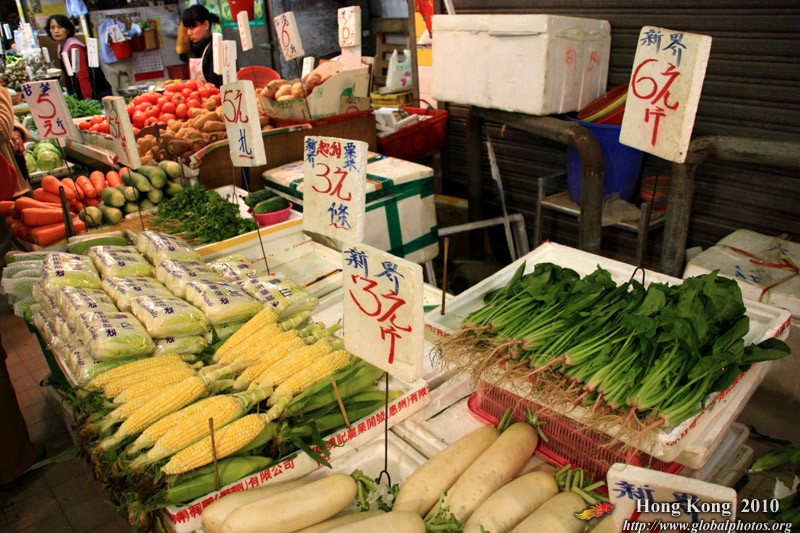
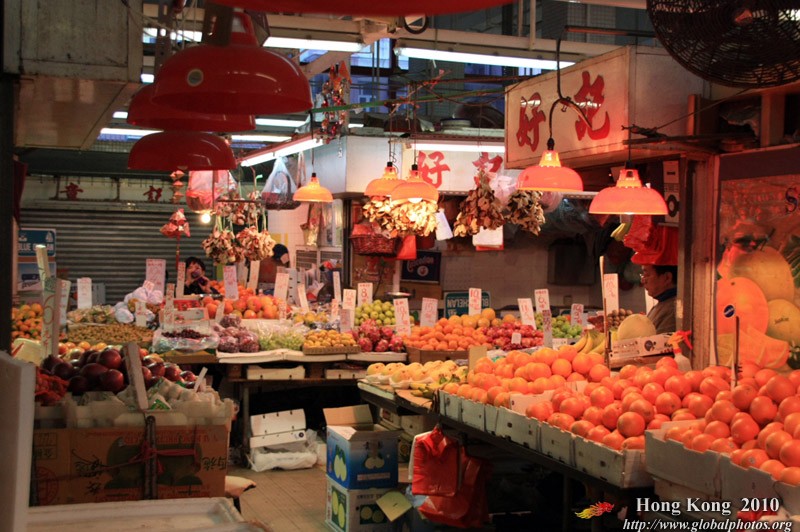
    For now, photographs from 1910 are on display in Paris to warn the city’s inhabitants of what to expect.

    "I am not here to scare people, but the scenario will be catastrophic enough," said Pascale Dugat, member of La Seine en Partage, which is hosting a gallery on www.seineenpartage.fr.

    "These are agreeable, convivial photos to say: ‘yes, we are threatened; yes, it’s going to happen; yes it will be more catastrophic,’" Dugat told Reuters by telephone.

    "And then we will take our little pets and seek refuge in the countryside," she said.

  • K11

    Source : Weekend Magazine

  • iSquare (國際廣場)

    Source : Weekend Magazine

  • Sun & Beach – Outbound Tourism

    With new direct flights to Fiji from Air Pacific, Hong Kongers now have another choice for sun and beach vacations.

    Source : U Travel

  • HONG KONG | Lung Moon Restaurant Redevelopment | Dem

    Wreckers poised to end 60-year reign of Wan Chai dining icon
    26 October 2009
    South China Morning Post

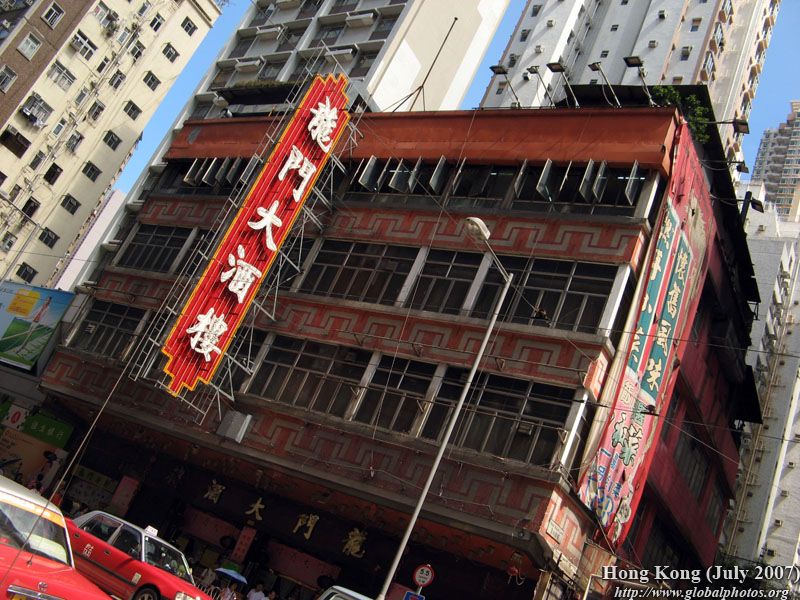
    It was on the harbourfront when it opened 60 years ago. Today, surrounded by high-rises, it is one of the few remaining Cantonese restaurants of that era in the city. But by the end of next month, Lung Moon Restaurant will be rubble.

    With red lanterns hung outside its two copper gates, which feature dragons, the restaurant’s distinctive vintage appearance contrasts with the rest of bustling Johnston Road in Wan Chai.

    Early this month, the operator put up a poster outside the restaurant announcing that it would be closed down by the end of next month, after a developer in July bought the 4,000 square foot, four-storey property for HK$420 million, which was 120 times what the operators paid for it in 1975.

    It will be redeveloped into a residential block and shopping mall.

    Since news of its closing spread, more people have visited. Some carry cameras to capture its last moments.

    The good price for the site was certainly one reason for the sale, but it was also because of the restaurant’s dwindling business over the past two decades in the face of keen competition from fast-food shops, the restaurant’s managing director, Thomas Tse Kai-yin, said.

    In its 1980s heyday, the restaurant operated 24 hours a day and made as much as HK$2.7 million a month.

    But since the boom in fast-food culture, the monthly income had fallen to just above HK$1 million, said Tse, 56, who with his brothers took over the restaurant from his father.

    "In the old days, there were few cha chaan teng or fast-food shops. Now, they are ubiquitous."

    While being behind the times was the restaurant’s signature, Tse lamented its being in conflict with the real world. "It is a dilemma," he said. "The old style is the character of Lung Moon, but at the same time it is what makes it less viable – the old style makes it unable to attract younger diners." Its anachronism may have attracted celebrities to throw a catwalk show there, but it has also lost it wedding banquets.

    The age of the restaurant, in which stoves were still running on diesel rather than gas, was an obstacle to revamping it. Tse said that the challenge the restaurant now faced was different from those such as the 1973 stock market crisis and the days of water shortages – a disaster for the catering industry – which hard work could get them through.

    "It’s a trend rather than a one-off challenge," he said. "So finally I decided to close it down."

    He said the sale was not one of those spur-of-the-moment decisions. The property had been up for sale for more than 10 years, and it was the first time he thought the price and timing were right to sell.

    "Urban redevelopment is something inevitable," he said. "While redevelopment destroys some things, it brings some good new things at the same time."

    The closing of the restaurant means that its regular customers, now old, will lose one of their favourite haunts.

    Luk Sang, 73, a retired tailor who goes to yum cha at Lung Moon almost every morning, is one of them. He said the inexplicable bond between customers and restaurant staff had made his visit habitual over the past 40 years. "It’s a regret that it is going to close down," he said. "I feel I am somehow linked to the Lung Moon in a way I can’t explain. It’s like I need to sit at the same table every day – I feel uncomfortable if I have to switch to another table.

    "Perhaps it’s because of the subtle relationship between the customers and the staff. We do not know each other’s names, but we talk every day.

    "Now I need to try out different restaurants."

    And gone will be its signature charcoal-roasted pork and goose, as the restaurant is one of the few that still hold a licence to cook with charcoal. The government has stopped granting such licences.

    Tse has decided to give away the rusty cash registers from the 1960s to museums and donate signs inscribed with messages of longevity and joy to old people’s homes. But he will keep the dragon gates and an exquisite woodcut for a comeback when he finds a suitable place to house a new-meets-old Lung Moon.

  • hkskyline’s HONG KONG 2010 Photo Collection

    Accompanying Cantopop :

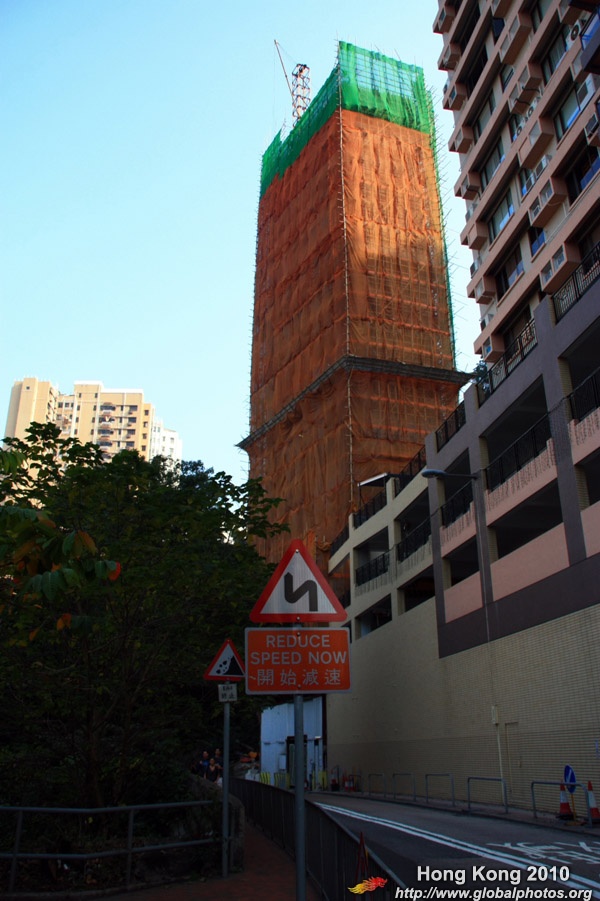
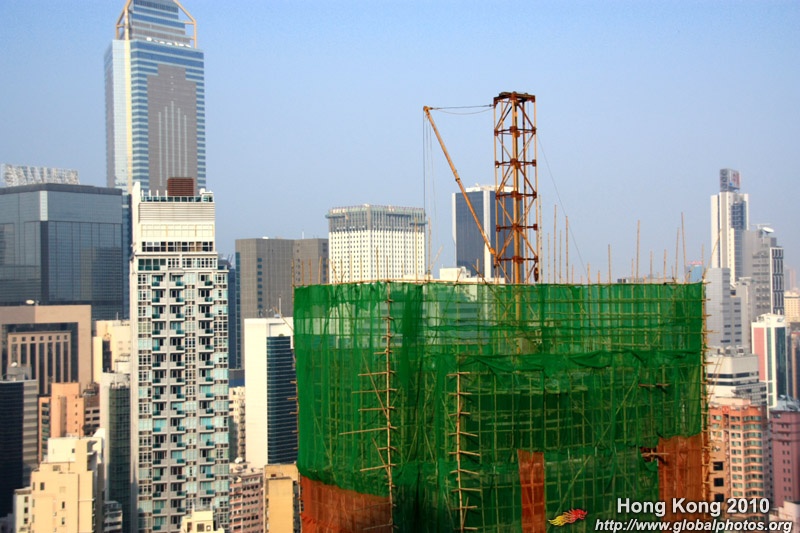
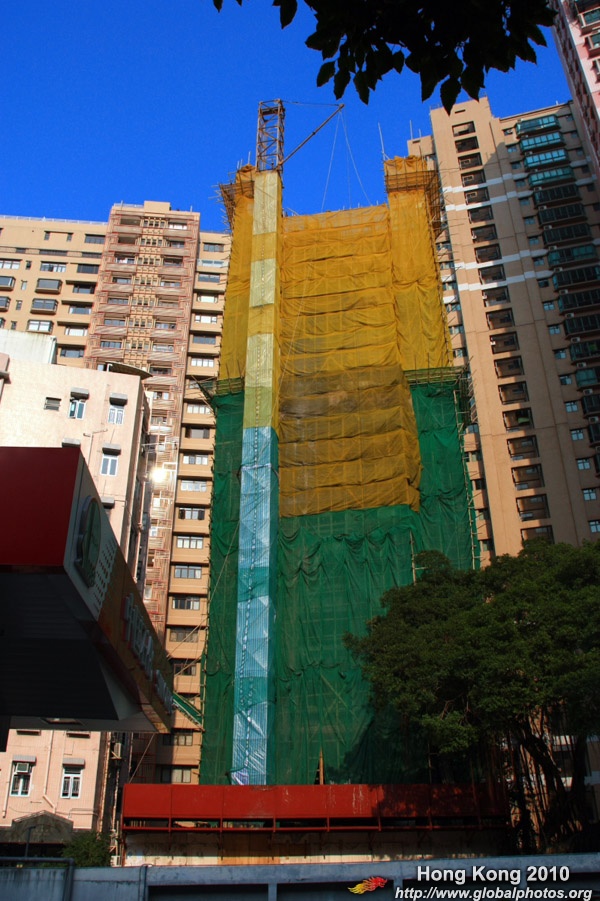
    1. As another year begins, I’ll be showcasing Hong Kong from many points of view in a new 2010 thread.

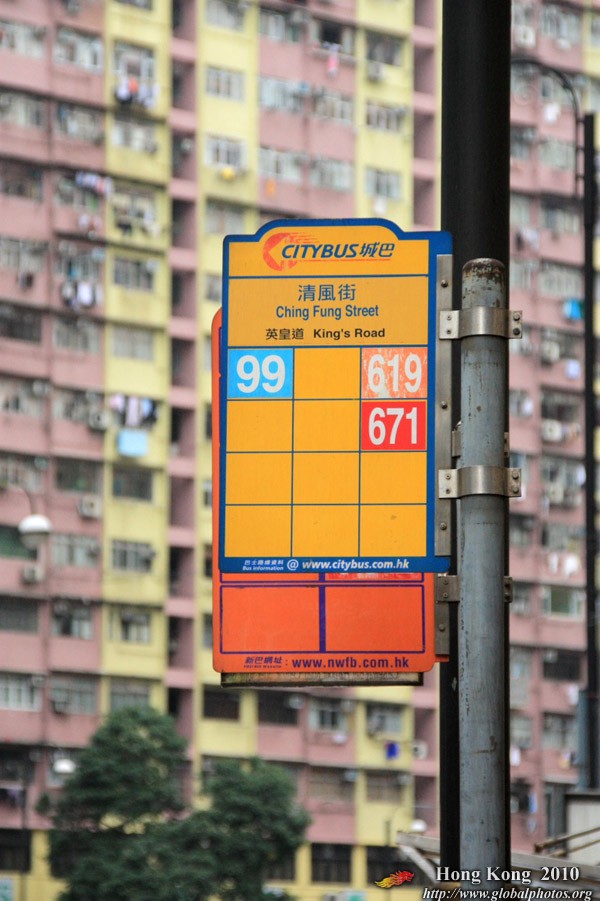
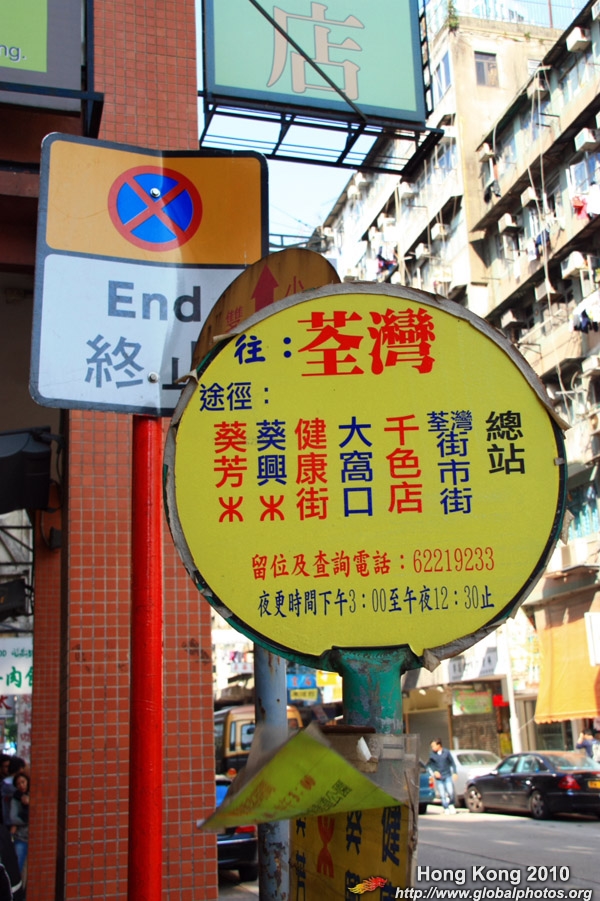
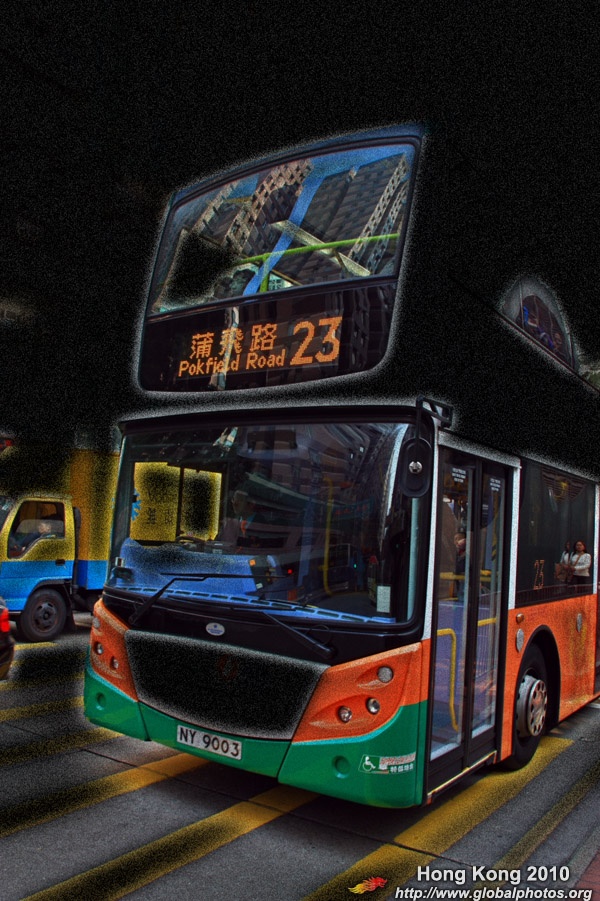
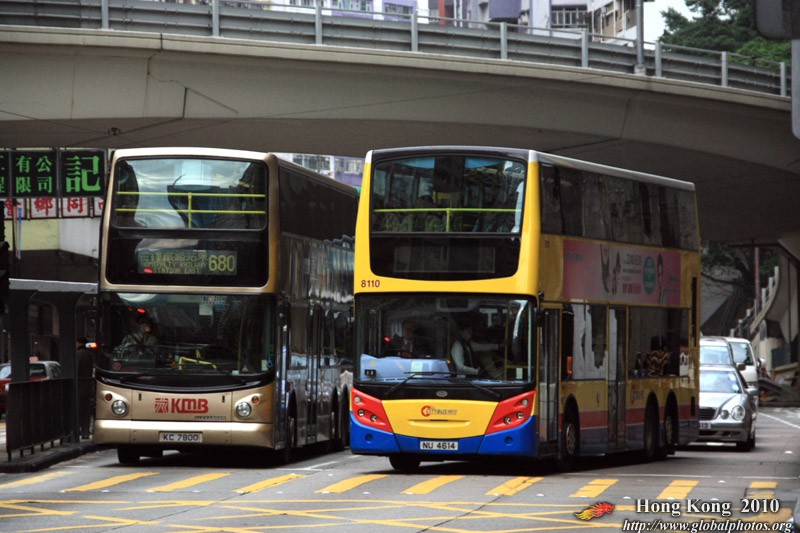
    2. Waiting for the bus …

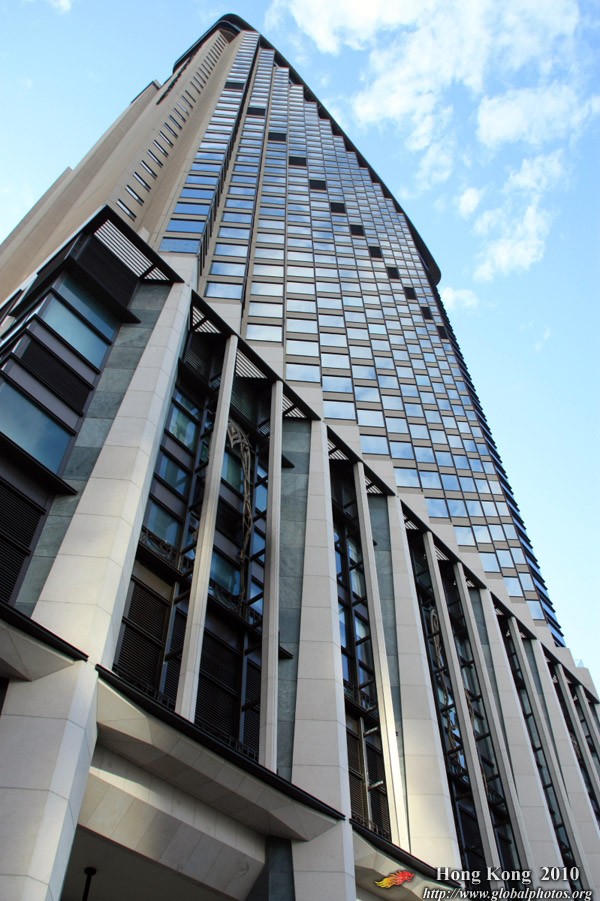
    3. A new hotel is born. This is a rejuvenation project, as the neighbourhood is full of garages and appears a bit dirty for an upclass facility.

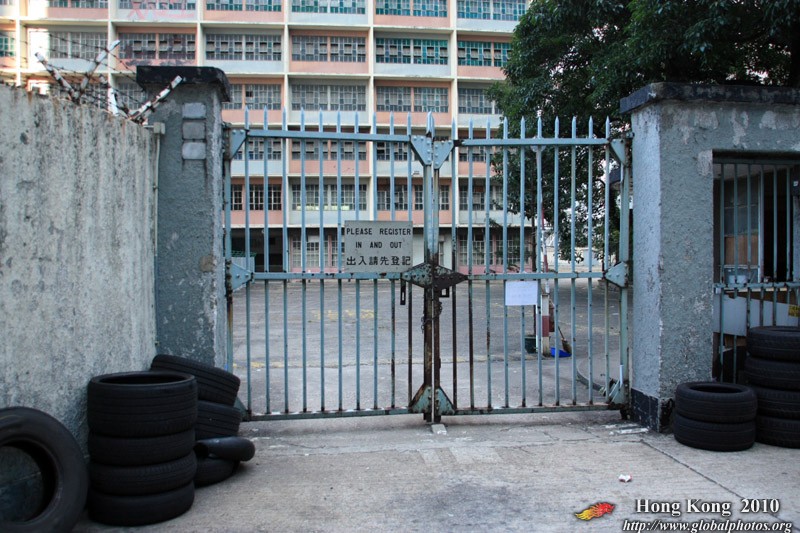
    4. Meanwhile, across the street, a debate rages over what to do with this disused site. More skyscrapers along the water’s edge?

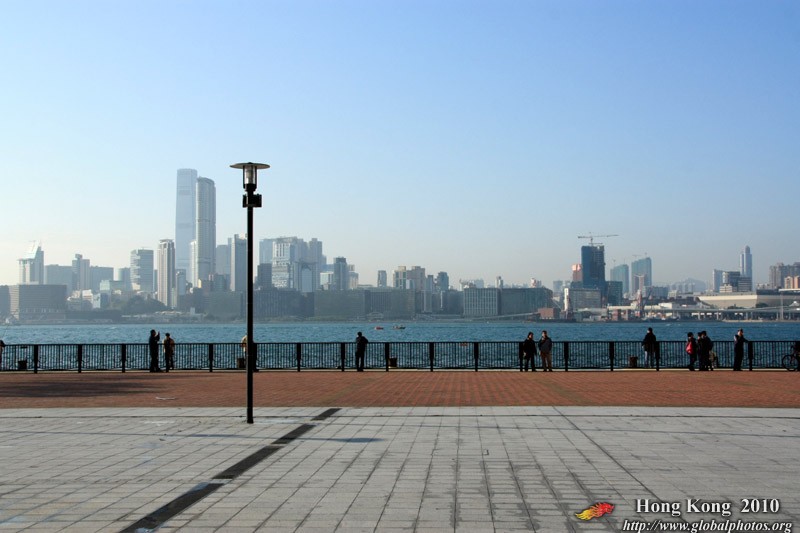
    5. The views would be quite nice though, albeit blocking the residents further inland. Development needs to be more balanced these days.

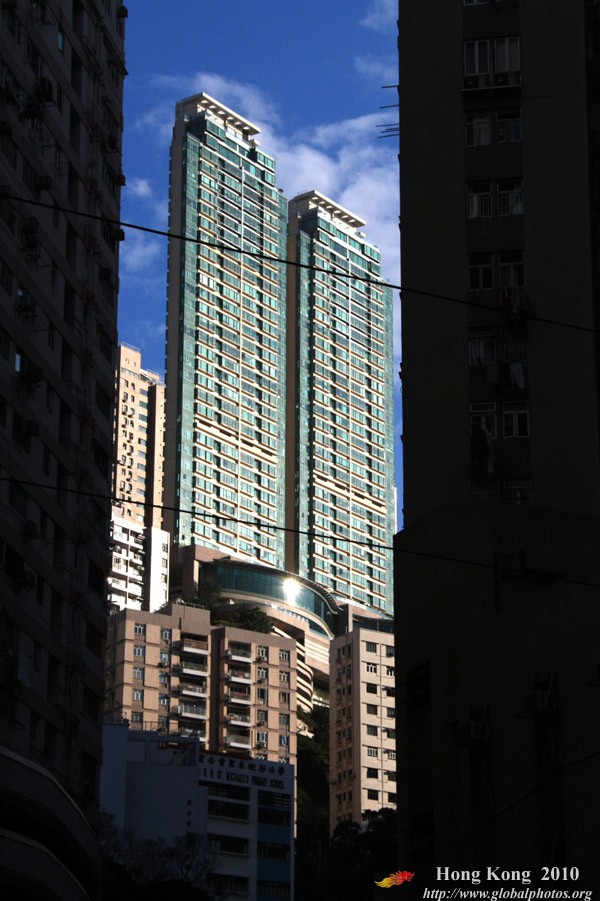
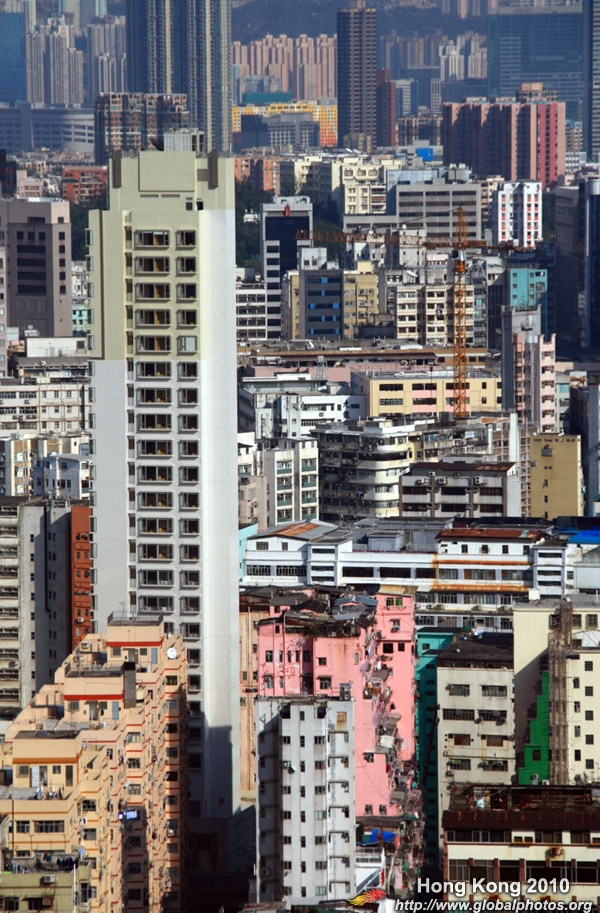
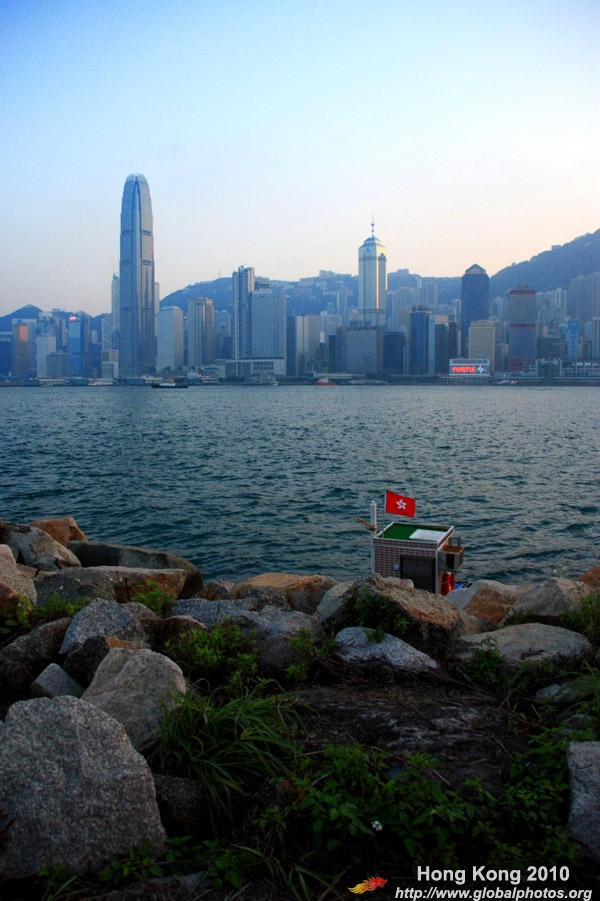
    6. Hong Kong is a very hilly city. Somehow, the skyscrapers know their place and scream to be seen.

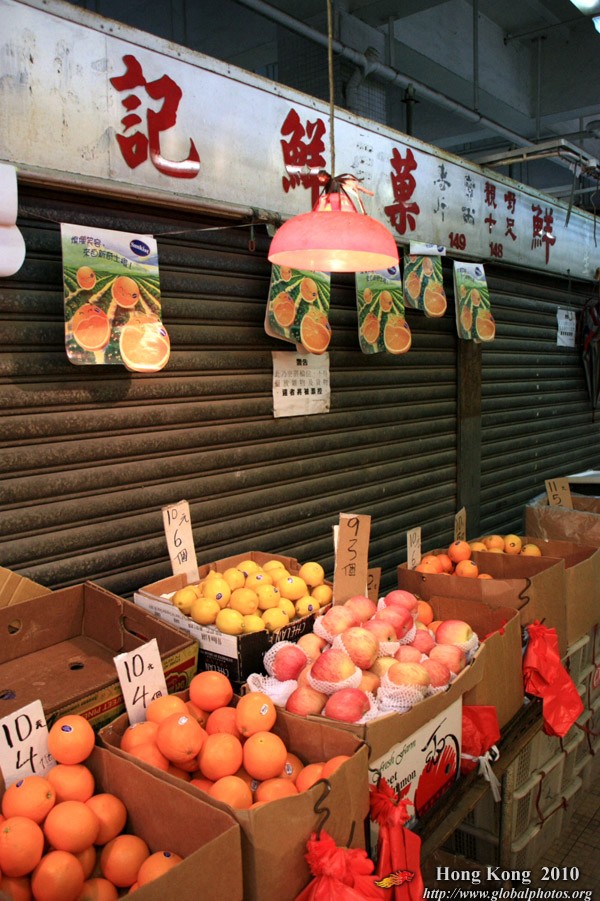
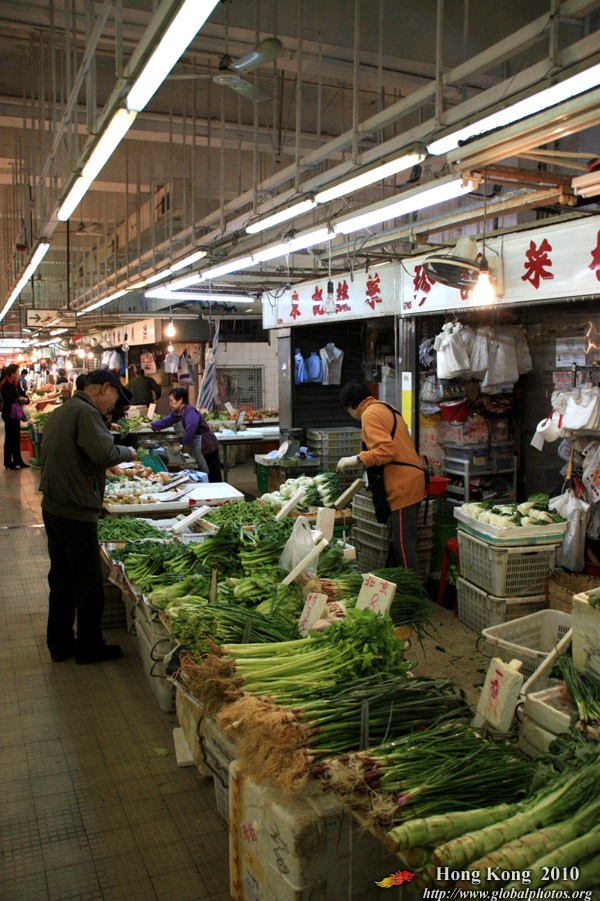
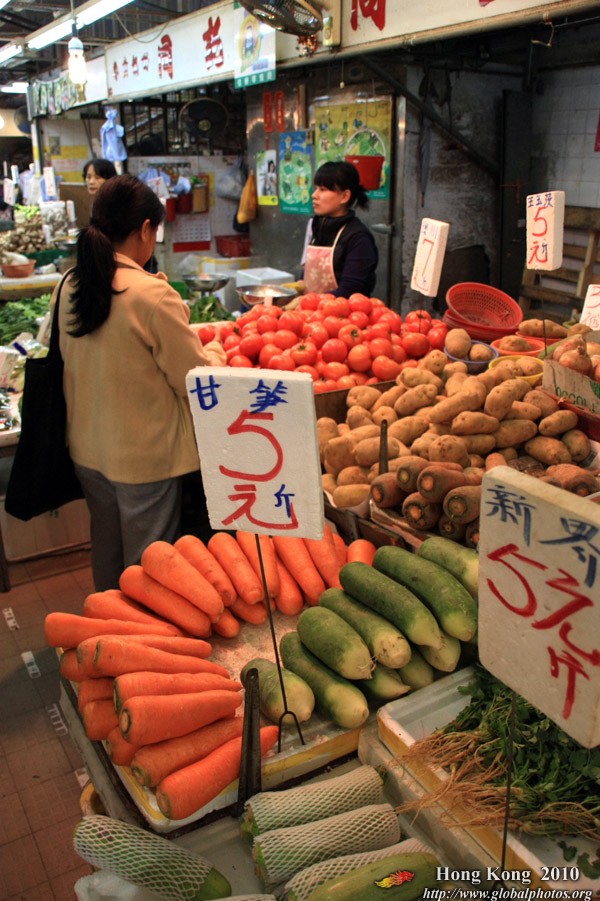
    7. Traditional markets are still alive and well. Although a bit chaotic, they are still cheaper than the supermarket.

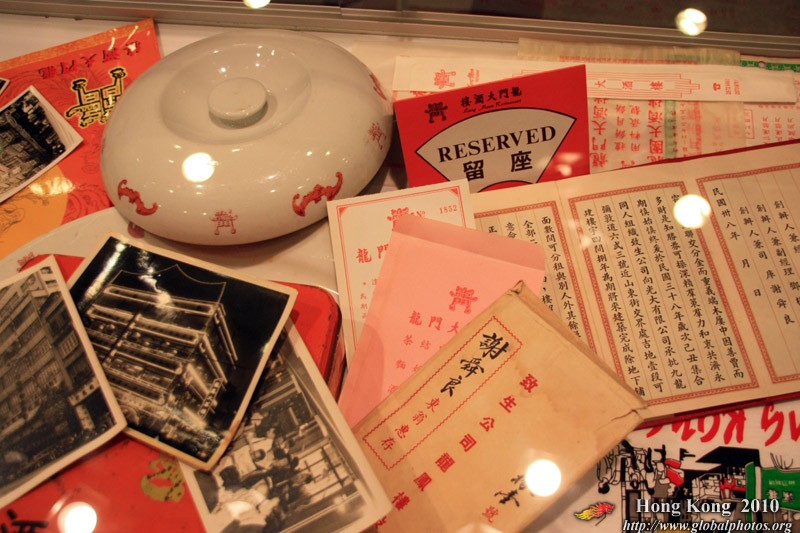
    12. The public’s growing appetite for nostalgia continues. In this exhibition, visitors find menus and memorabilia from a recently-closed traditional Chinese restaurant.

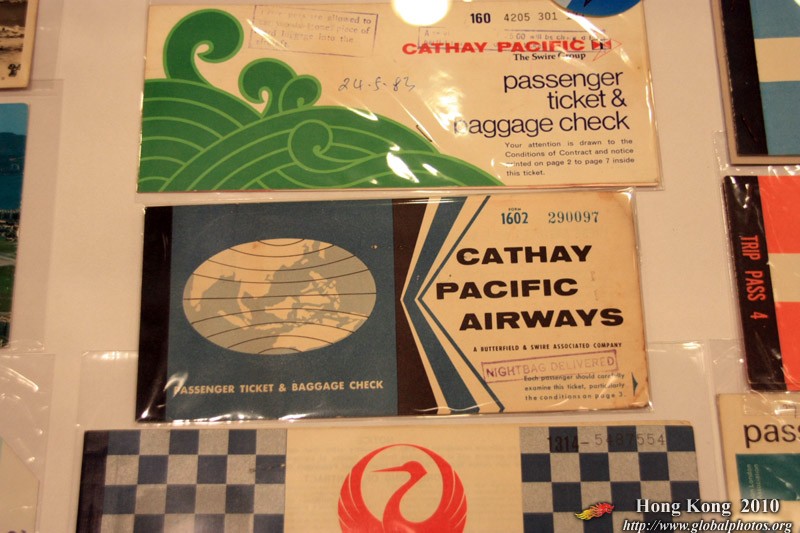
    13. For aviation fans, some old plane tickets …

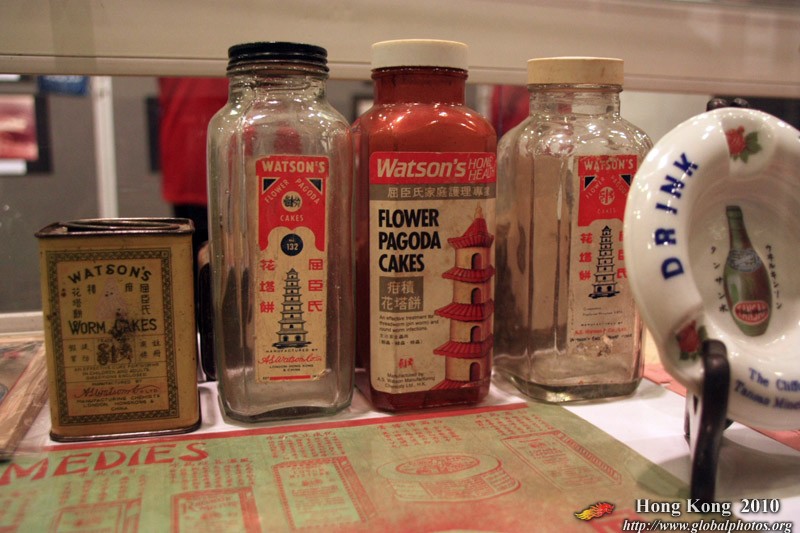
    14. Watson’s is still around today!

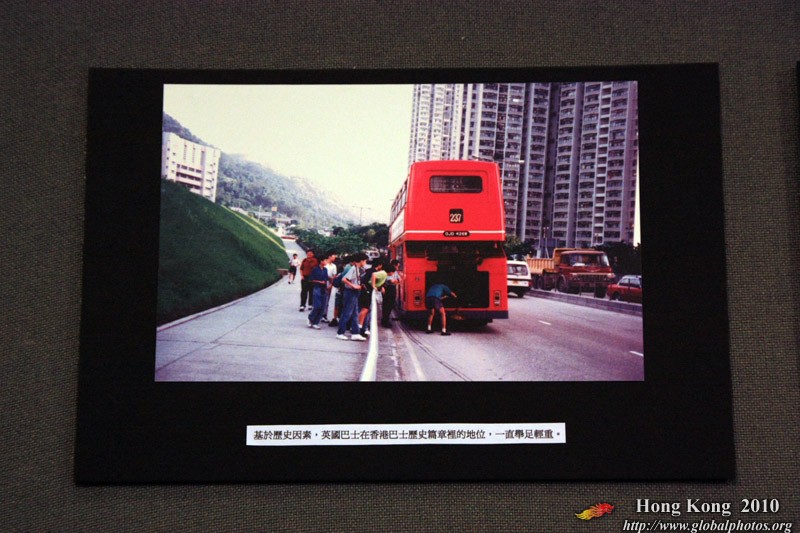
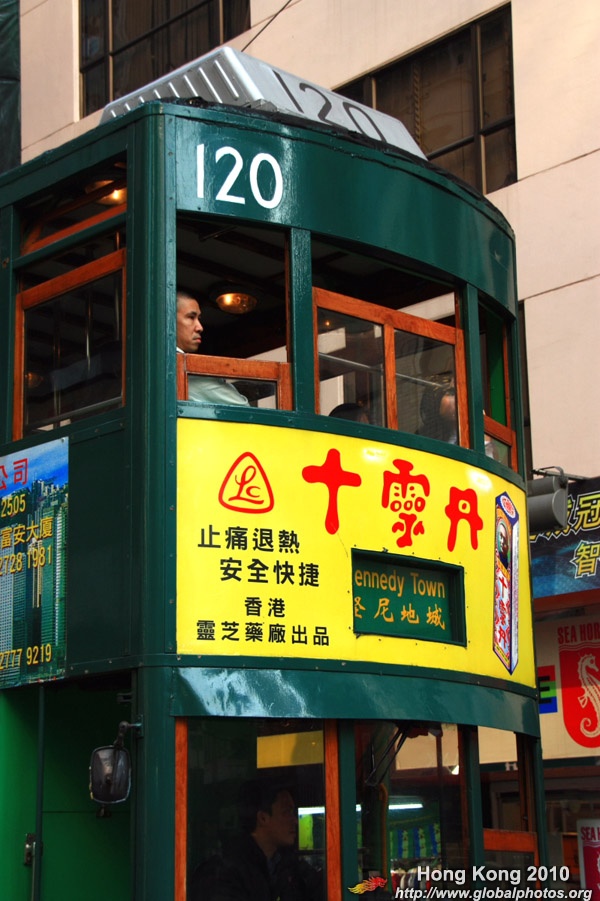
    15. What is this British red double decker doing on our streets?

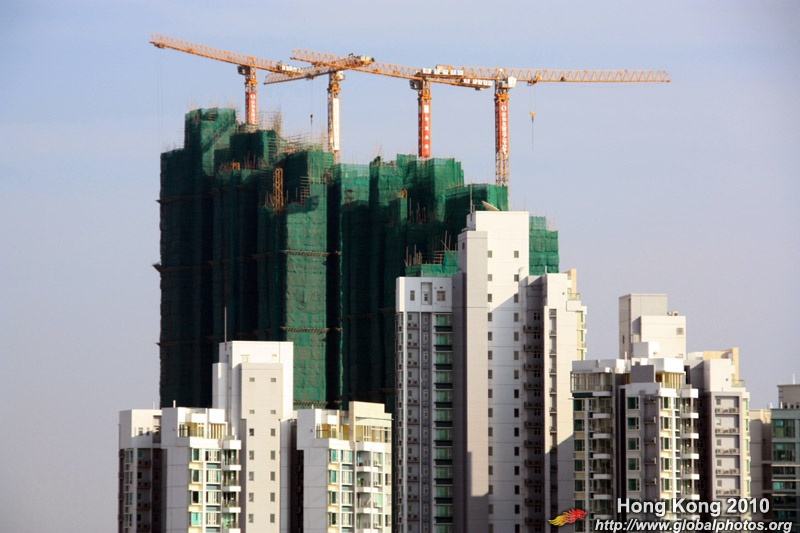
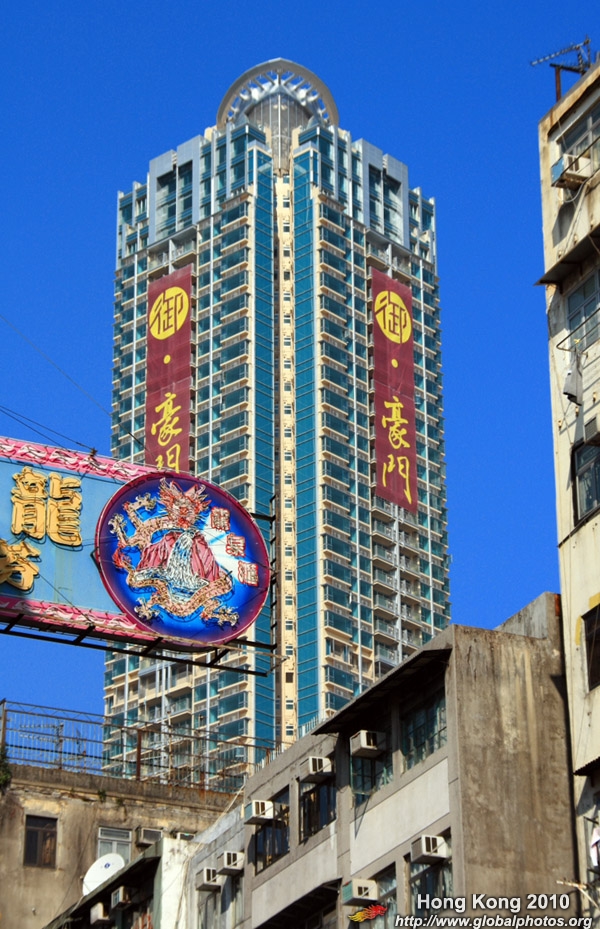
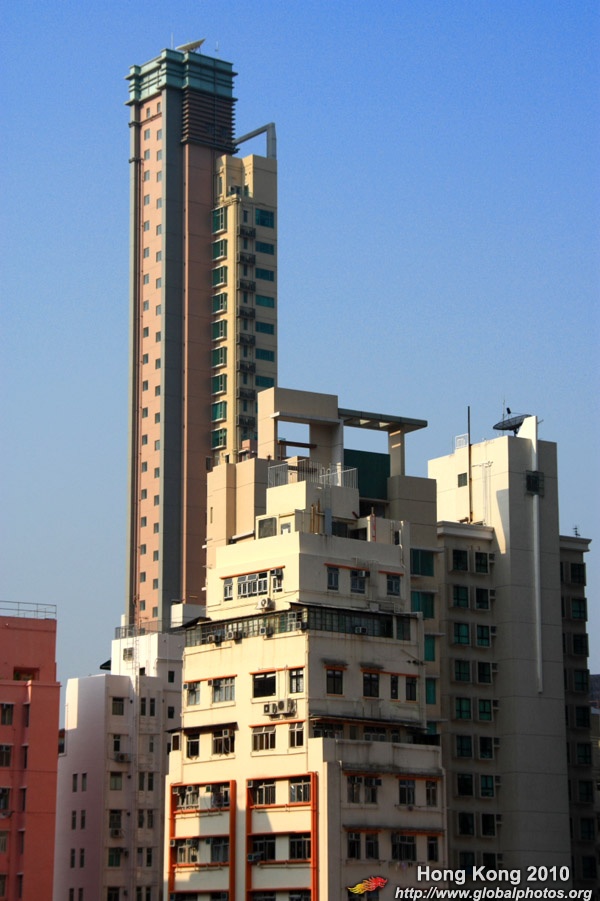
    16. Our homes are getting taller and taller. Each new tower seems to be outdoing the previous one. Do we need to live so high up? Soon 60/F would offer no views.

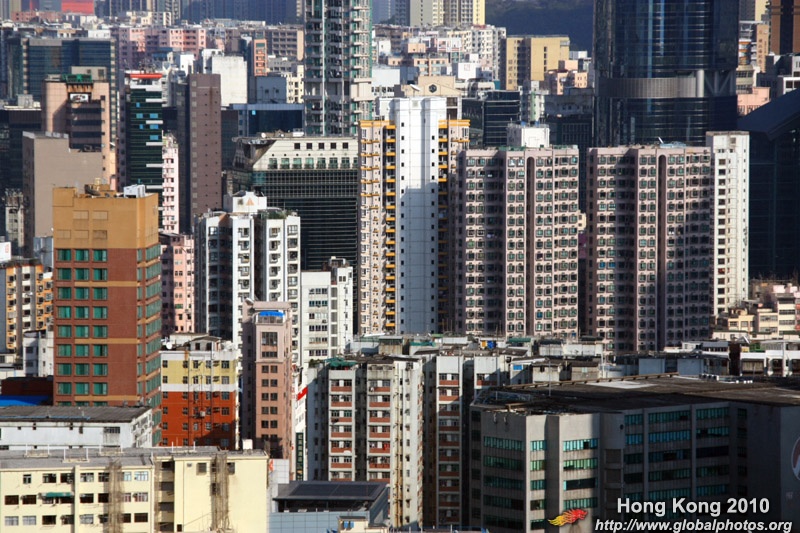
    17. Hong Kong’s urban planners need to revisit the importance of maintaining proper density and lively streets. The older communities tend to do a much better job, albeit still dense but lower.

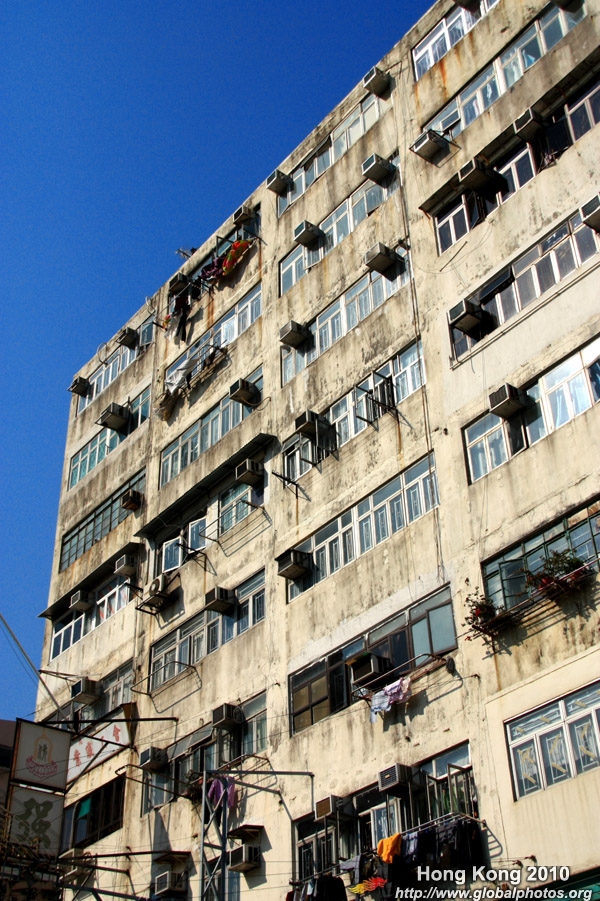
    19. There is a constant call to redevelop seemingly young buildings. 40 years is not exactly a very old building if maintained properly. This one would look quite nice if it had a wash or a fresh coat of paint.

    20. The older parts of town are slowly being torn down for more tall residential blocks. How do they fit into the established urban fabric?

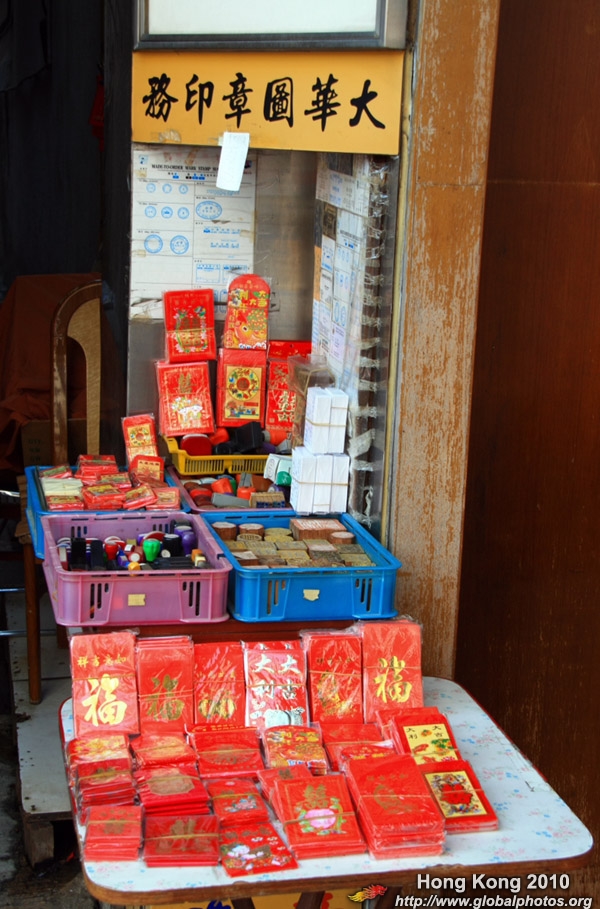
    22. Chinese New Year is fast approaching. Time to stock up on red pockets!

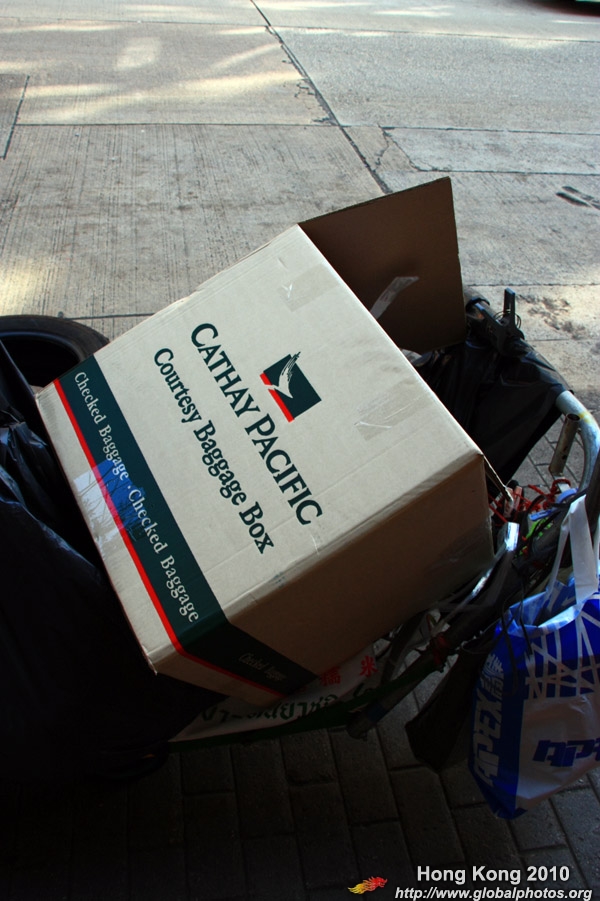
    23. Being a valued Cathay Pacific customer over the years, spending tens of thousands of US dollars on their flights, I don’t recall ever seeing this type of baggage box before!

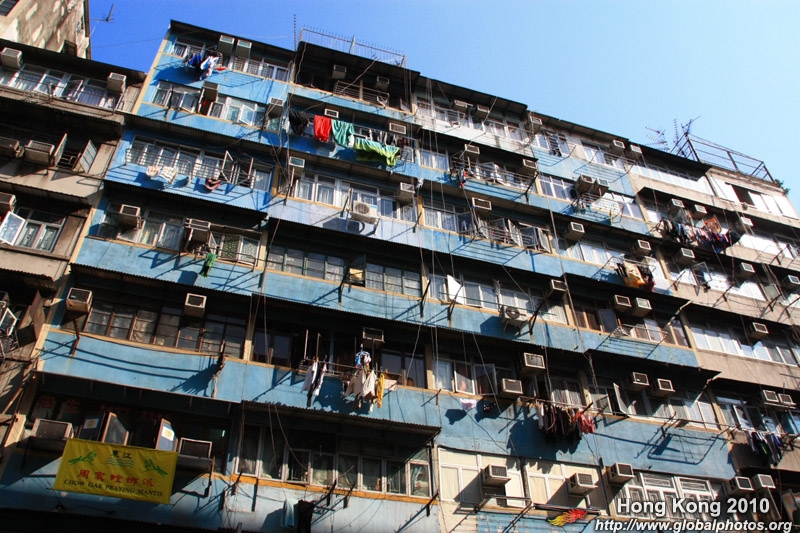
    24. Dryers are not common in Hong Kong. The most environmental way is to hang your laundry out to dry by sunlight.

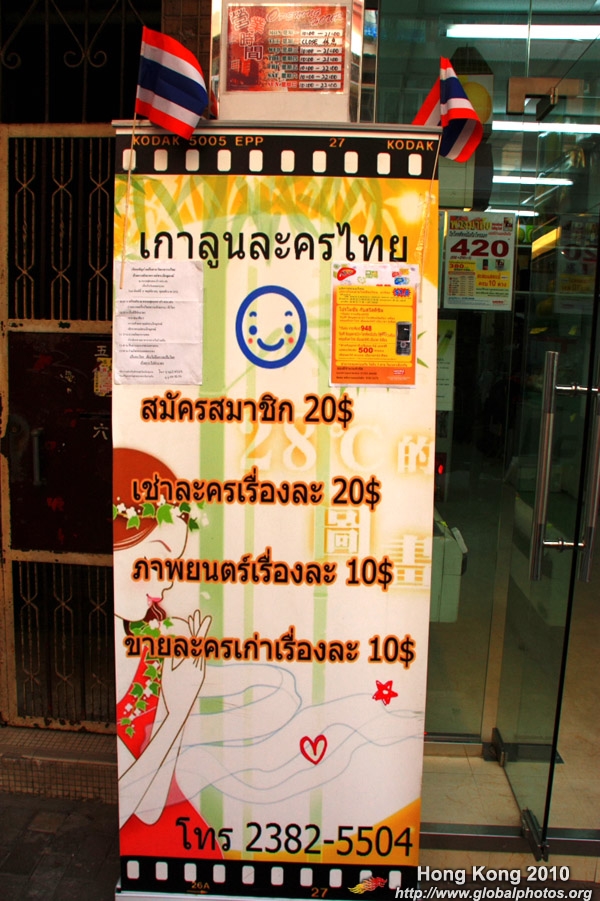
    26. Hong Kong now has a sizeable Thai community, and Thai helpers are valid options for the busy family.

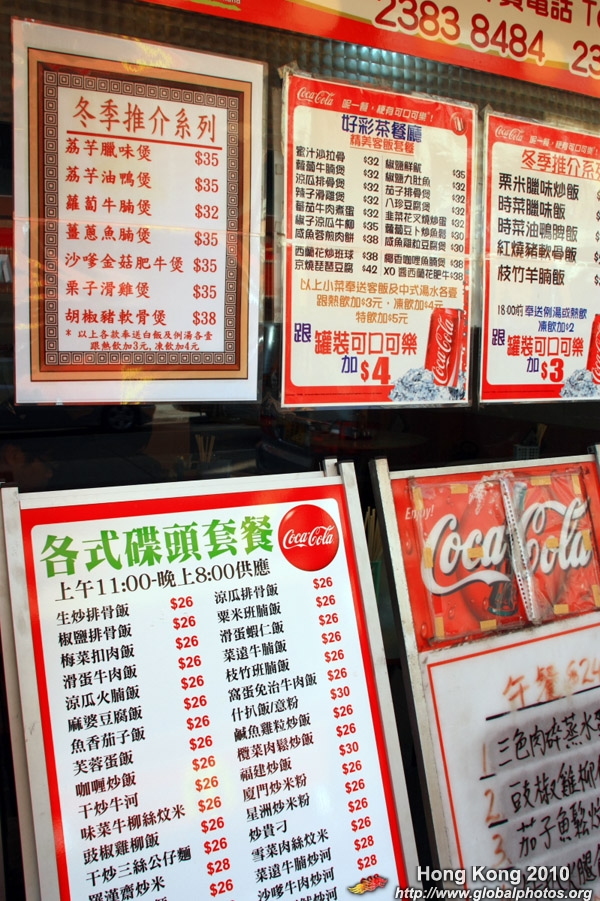
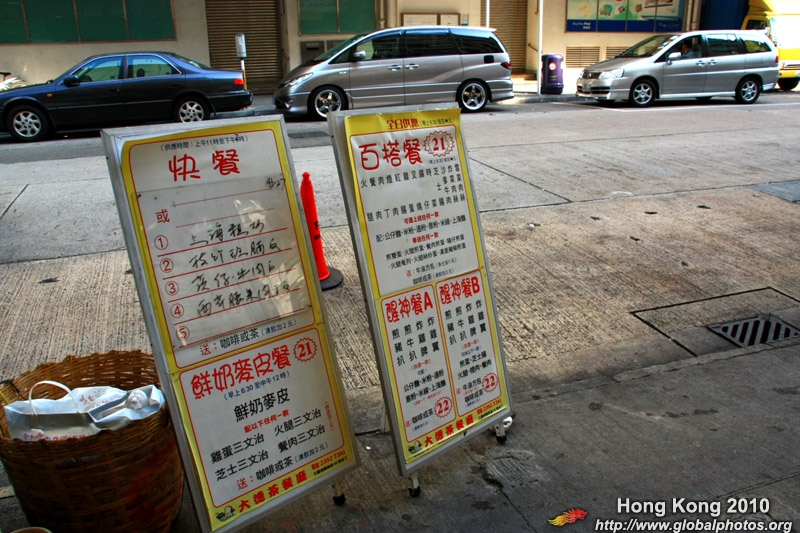
    29. Eating out is not so expensive if you know the right places. A rice dish with some meat costs only about USD 4. Why bother cooking?

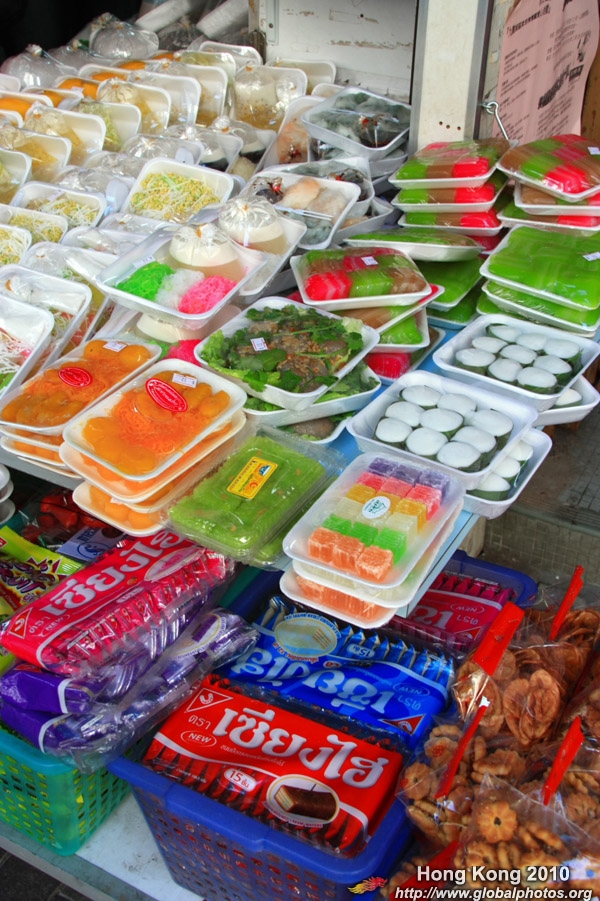
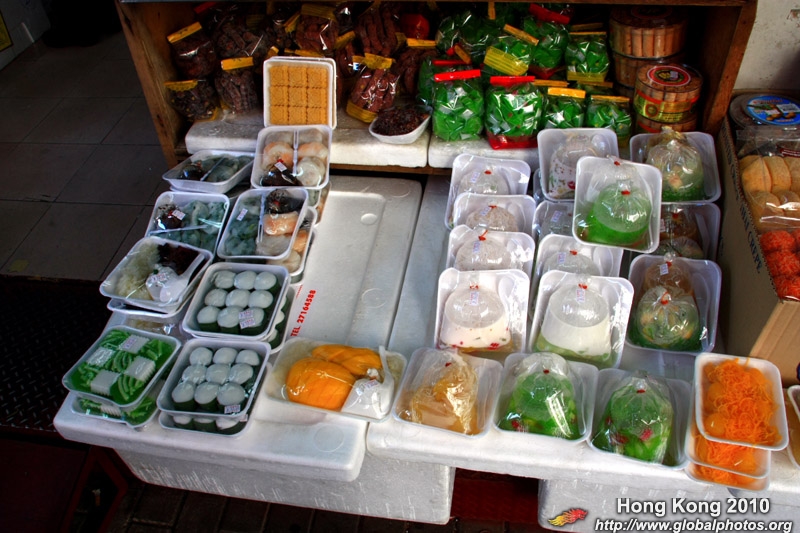
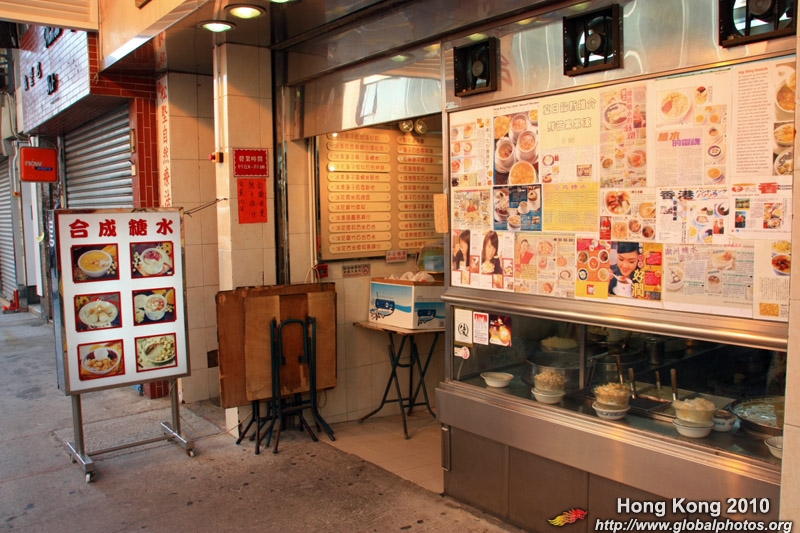
    31. You can also pick up a dessert along the way home!

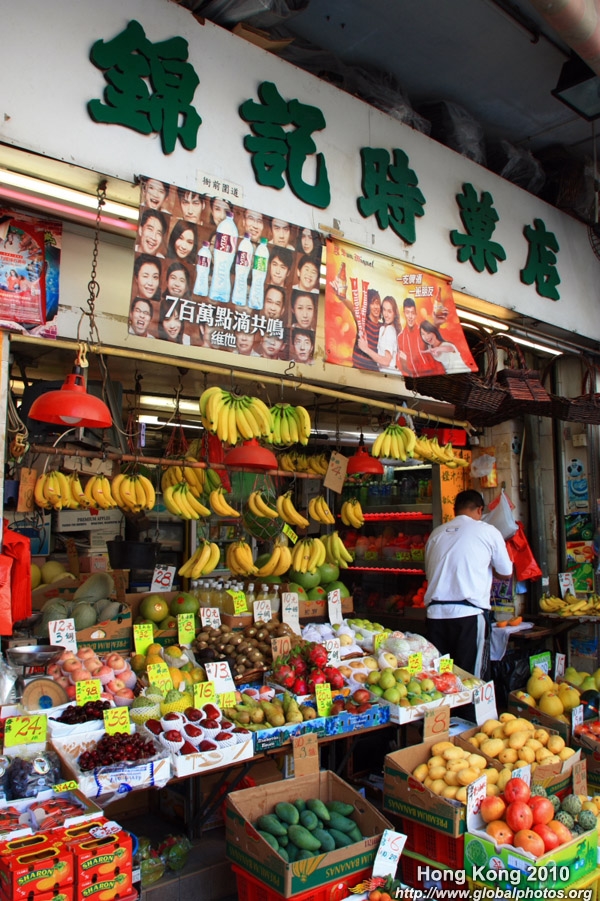
    32. Today’s local markets have realized the competitive threat of supermarkets. So they have prettied up their wares to give more aesthetic appeal.

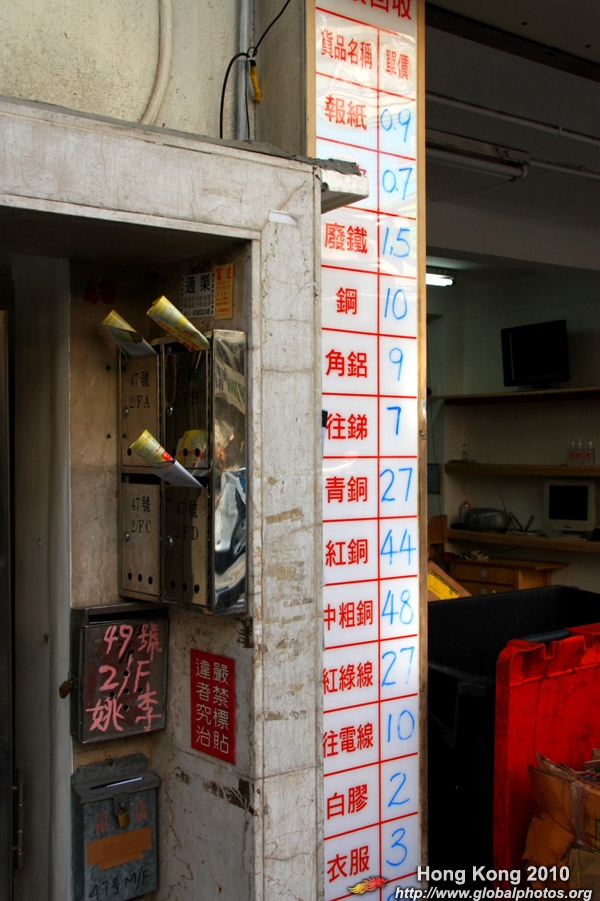
    33. Recycling definitely needs to get more popular as we tackle the pollution problem. Here is a price list by material type for the old ladies who collect garbage for re-sale.

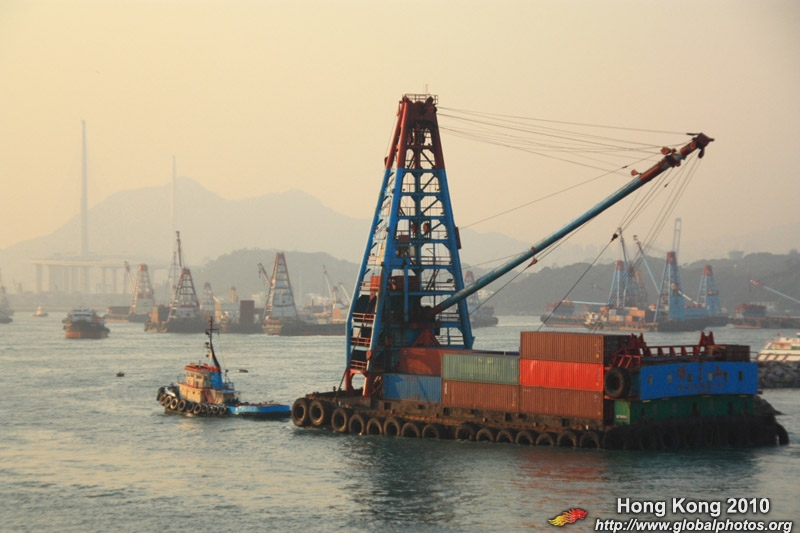
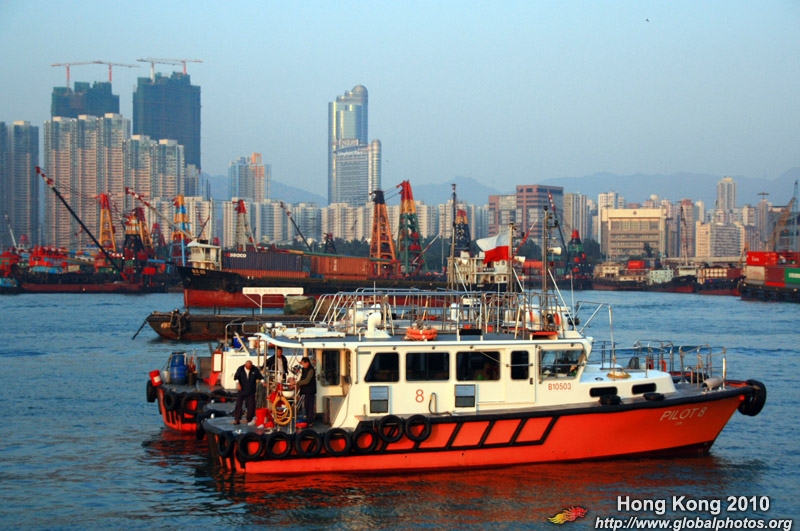
    34. Although the boat people community is getting smaller and smaller, typhoon shelters still exist, and offer a parking spot for those who are not on duty. These don’t look anything like the family sampan fishing for a living.

    37. Throughout 2010, I will bring more nostalgia, modernity, and contrast.

    Welcome to Hong Kong.

  • Hong Kong Railway Museum (香港鐵路博物館)

    By @野比大雄@ from a Hong Kong discussion forum :

  • Ethiopian Airlines Eyes Asia

    INTERVIEW-Ethiopian Airlines eyes China/India profit boost

    ADDIS ABABA, Jan 14 (Reuters) – Ethiopian Airlines hopes to boost profits this year by taking advantage of growing ties between Africa and China and India, adding new routes to the Asian powers, Chief Executive Girma Wake said on Thursday.

    China and India have displaced many western countries as the major investors in Africa, where they have invested billions of dollars in recent years.

    "Because we are also flying to more destinations in Africa than any other airline, we can connect a lot of African traffic to China and India," Girma told Reuters in Addis Ababa.

    "We are seeing a significant increase in our traffic to China and India and we are planning to launch more flights to different cities in both countries."

    Ethiopian Airlines operates 14 flights a week to Beijing and Guangzhou and 12 flights a week to New Delhi and Mumbai. Girma said the airline was planning to add flights to Shanghai in China and Chennai and Bangalore in India.

    The state-owned carrier flies to 35 African destinations and has remained profitable despite a downturn in the aviation industry.

    Its full-year net profit more than doubled to 1.3 billion birr ($128.6 million) in 2008/09 due to an aggressive international marketing campaign and a cost-cutting drive.

    "If fuel prices do not go up, we can expect about $150 million net in 2009/10," Girma said. "If fuel goes up, we think we’ll stick at about $128 million."

    Ethiopian Airlines is one of a trio of African carriers along with South African Airways and Kenya Airways , spearheading change in Africa’s fast-growing airline industry with more modern planes. "The major engine of our growth will always be Africa," Girma said. "And China and India are now important destinations because of the interest that a lot of Africa has in these countries. But we will expand in Africa, too."

    Air travel is more expensive in Africa than in other parts of the world and some Africans say they are priced out of travelling around the continent.

    Girma said that open-skies policies operating in many African countries would bring in more airlines and ultimately reduce costs.

    Ethiopian will begin to add four new African routes a year.

    "We will expand until we are operating to every major Africa city," Girma said. "We can be operating to every major sub Saharan Africa destination within 2 to 3 years. And probably every North African destination within 7 or 8 years."

    Girma said the airline planned to exploit China and India’s burgeoning middle classes by marketing Ethiopia as a tourist destination and building a hotel.

    Just under 400,000 holidaymakers visited the Horn of Africa nation in 2008, and the tourism ministry expects that to increase to half a million this year. The government target is to attract one million foreign visitors within five years.

  • CHANGCHUN | Projects & Construction

    NEW CBD SET TO EMERGE IN WEST CHANGCHUN
    6 January 2010
    China Daily

    Founded a year ago – on December 29, 2008 – the Western New Town Development Zone is among the newest commercial sites in Changchun.

    Despite its fledgling status, the zone has already proved its appeal to financiers who are keen to invest in Changchun, the capital of the northeastern Jilin province, and one of the famous cultural cities in northeast Asia.

    According to Wang Tingkai, head of the government of the Liuyuan district, the new complex benefits from being the proposed site for the Changchun Western Passenger Railway Station and from neighboring China’s largest automobile manufacturing base, the Changchun Automobile Industrial Park.

    Work began on the new station in September and is scheduled for completion in 2011.

    Wang said the new railway station will establish the zone as a major transportation hub within Jilin and will act as a gateway to the whole of northeast China. Once completed, the station will provide access to a number of high-speed lines linking Harbin and Dalian and Harbin and Beijing.

    Once operational, it will take only four hours to travel between Changchun and Beijing, three hours between Changchun and Dalian and one hour between Changchun, Shenyang and Harbin.

    The development zone is also adjacent to a number of well-known local businesses, including the First Auto Works, the largest automaker in China, the Dacheng Group, the largest corn processing enterprise in Asia and the fourth largest in world, the Haoyue Group, the nation’s largest beef processing company and the Changchun Railway Vehicles Co Ltd.

    Wang said: "Such industrial giants will have a huge demand for ancillary businesses to provide equipment, spare parts and related services."

    The western CBD

    Wang said that the development zone now has a detailed development plan in place, with the aim of ultimately establishing the zone as the western central business district (CBD) of Changchun.

    Outlining its appeal, Wang said: "Highlighting the modern service industries and its excellent environment, the western CBD will be a suitable place for both business and residential purposes. With a number of business facilities, including office buildings, under construction, the zone will also be the ideal site for both international and local companies to establish their regional headquarters."

    Changchun is located at the geographic center of northeast China. The Western New Town Development Zone is expected to make use of this geographical advantage to develop a business hub serving any company looking to access the potentially huge northeastern market.

    With regard to environmental improvements, Wang said the zone is committed to investing in a major upgrade to its water resources, currently served by the Tongxin Lake, the Xinglong Lake and the Daliutun Reservoir. Plans are also in place to plant more trees and increase the grass coverage in parks and along the roadsides.

    On the infrastructure front, the local government has earmarked funds for the construction of a new light railway, an enhanced subway network and major additions to the road network.

    According to Wang, the zone will encompass a 13 sq km development stretching from the Western Third Ring Road in the east, the Western Fourth Ring Road in the west, Zili West Street in the south and the Haoyue Road to the north.

    Six functional areas

    Wang said the zone will be composed of six functional areas – a transportation hub, a business area by the railway station, an office complex, an information industry area, a tourism center and a residential area.

    The transportation hub will include the 220,000 sq m Changchun Western Passenger Railway Station and other access points, including roads, subways and light railways.

    The business area will focus on finance, shopping, catering, entertainment and consultation sectors.

    The office complex will be located on Jingyang Avenue, the east-west axis of both Changchun and the development zone. With facilities such as serviced offices, exhibition and convention venues and high-end hotels, this will be the core of the city’s CBD and an ideal site for any company’s regional headquarters.

    The information industry area, also adjacent to the railway station, will highlight the design, research and development, exhibition, marketing and hi-tech products sectors.

    The tourism zone, on the banks of the Xinglong Lake, will offer a number of leisure facilities, including bars, restaurants, museums and galleries.

    A range of high-end residential facilities will be built near the Xinglong and Tongxin lakes, complete with a raft of service facilities, notably hospitals, schools and shops.

    According to Wang, construction of the major infrastructure facilities in the zone will be completed within two years. As a number of multinationals and famous domestic companies establish their operations there, it is expected to achieve its full potential as a business and residential center within eight years.

  • Improving Black Boxes

    FAA Slams Jet Makers on Recorders
    8 January 2010
    The Wall Street Journal

    Federal aviation regulators lashed out at commercial-jet makers for resisting "any concerted effort" to upgrade onboard flight-data and cockpit-voice recorders on the latest models of their aircraft coming off assembly lines.

    Using unusually critical language, the Federal Aviation Administration said it was "seriously disappointed" with what it indicated was nearly two years of industry foot-dragging over implementing the mandatory upgrades.

    On Thursday, the FAA said it was reluctantly proposing to extend the timetable for installing the enhanced recorder equipment on newly built planes after manufacturers complained they wouldn’t be able to comply with the current deadlines.

    The original rules, which the agency adopted in the spring of 2008, require plane makers to install more-robust recorders with independent power supplies, enhanced data-collection capabilities, more voice-recording capacity and other features, all designed to make it easier for investigators to find the probable causes of accidents and incidents.

    Crash investigators have been stymied over the years by power failures and the limited capabilities of many older voice and data recorders.

    Since the original rules were published, Boeing Co. and European manufacturer Airbus have asked the FAA to stretch out the deadlines, in some cases by an extra two years. Some of the upgrades were to have been made by April.

    Regional-jet makers Bombardier Inc. of Canada and Brazil’s Embraer Empresa Brasileira de Aeronaurica SA, as well as smaller business-jet and general-aviation manufacturers, have also requested what amount to extensions.

    The manufacturers, among other things, have argued that they can’t finish the required design work and install the upgraded systems in time to meet existing deadlines.

    In its latest regulatory filing, published Thursday in the Federal Register, the FAA said Boeing had argued that its widebody 777 models need extra time to comply because of their complex automation systems. A delay would allow Boeing to coordinate more closely with both U.S. and European regulations.

    Airbus, a unit of European Aeronautic Defence & Space Co., cited some of the same problems with the current deadlines. And the General Aviation Manufacturers Association, an industry trade group, told the FAA that "supplier and company resources necessary to make these changes have been significantly diminished by the faltering economy."

    The FAA, however, dismissed the industry claims as little more than sham arguments to put off the safety upgrades. The agency said the largest commercial-aircraft makers around the globe had made a decision "some time ago" not to comply, but only presented their claims much later in the process.

    According to the FAA’s latest document, some of the industry requests for delay use "the same justifications" and identical language. It said none of the requests indicate that manufacturers "had properly planned for regulatory compliance." The FAA contends the industry requests for delays "are not valid evidence that the industry is unable to comply, only that it has chosen not to."

    Boeing and Airbus both declined to comment.

    The FAA is now proposing to extend some deadlines until the end of this year and others until April 2012.

  • Medical Tourism (醫療旅遊)

    City expecting rush of mainland moms-to-be
    The Standard
    Thursday, January 07, 2010

    City hospitals are preparing for a new surge of mainland women wanting to give birth here, after maternity agents who offer special Hong Kong packages slashed their prices.

    Fierce competition has seen mainland-based agents cut their fees by nearly half from 30,000 yuan (HK$34,067) to 16,800 yuan, after the Hospital Authority last Friday lifted its restrictions on mainland mothers booking its maternity services.

    About a quarter of the 40,000 babies born in public hospitals in 2008 were children of non-Hong Kong residents.

    Until October last year, about 8,300 babies were born to non-local mothers out of a total of 33,320 born in public hospitals.

    A Hospital Authority spokesman said it will carefully monitor the use of maternity services by both locals and non-locals.

    The authority does not rule out reinstating measures to ensure there are enough beds for local mothers.

    In a fiercely competitive market, agents offer add-on services, such as cord blood storage and fung shui consultancy, to choose baby names.

    One of the agents claimed on its website it can even make arrangements for women who have been blacklisted from giving birth here by the Immigration Department.

    But the fee for the "special service" is 120,000 yuan.

    Some also offer "luxurious one-stop service packages" costing from 200,000 yuan to 300,000 yuan. The "luxurious package" promises a suite in a private hospital and assistants to accompany the woman from prenatal checkup to her discharge from hospital.

    The package also includes arrangements for the baby’s vaccinations, a 10-day stay in a luxury hotel room with full sea view, health-care insurance, the baby’s medical checkup after birth – and even baby formula.

    Other agents also said they provide home-made meals for the mothers-to-be during their stay in Hong Kong.

    Kwong Kwok-hay, deputy medical superintendent of the private Hong Kong Sanatorium and Hospital, said the hospital will accept women regardless of their nationality.

    "We serve them like any other locals as long as we have vacant beds for them and they are referred by our affiliated obstetricians," Kwong said.

    About 30 percent of babies born at the hospital are to mothers who are non-locals.

    Over the years, the influx of mainland women giving birth here has been blamed for the severe shortage of maternity beds for local women.

    The number of babies born in Hong Kong to mainland parents has increased 24 percent from 10,567 in the first half of 2008 to 13,105 in the same period last year.

    One of this year’s crop of new year babies was the boy of a Fujian couple born at Hong Kong Baptist Hospital.

  • Climbing A Giant Bridge

    An even bigger attention span
    The agency that runs the Golden Gate Bridge is looking for ways to plug its $132M deficit

    LOS ANGELES TIMES
    3 January 2010

    Benigno Rodriguez, in town for the holidays, has it all figured out.

    For an elevator ride to the very top of the Golden Gate Bridge’s international orange towers, 746 feet above San Francisco Bay, the visitor from Madrid, Spain, would shell out five bucks.

    For a chance to tour the famed structure’s catwalks beneath the busy roadway, he’d pay another $5. And to climb the sturdy but delicate cables? "Ooh, la, la!" Rodriguez said as he walked the bridge, camera in hand. "Ten dollars."

    Desperate times call for desperate measures, and the cash-strapped agency that operates America’s second-longest – but arguably most beloved – suspension bridge is seeking ways to fill its five-year, $132-million deficit without increasing tolls in the near future.

    One idea under serious consideration is to give bridge lovers from around the world a chance to do more than just

    drive, walk or bicycle across this graceful city’s most famous landmark and charge them amply for the opportunity.

    "People get pretty nuts about this bridge, and if you have a behind-the-scenes tour – albeit on a catwalk – people would be jazzed," said Mary Currie, spokeswoman for the Golden Gate Bridge, Highway and Transportation District.

    "It’s the idea of going somewhere where no one’s been before, sort of the ‘Star Trek’ thing."

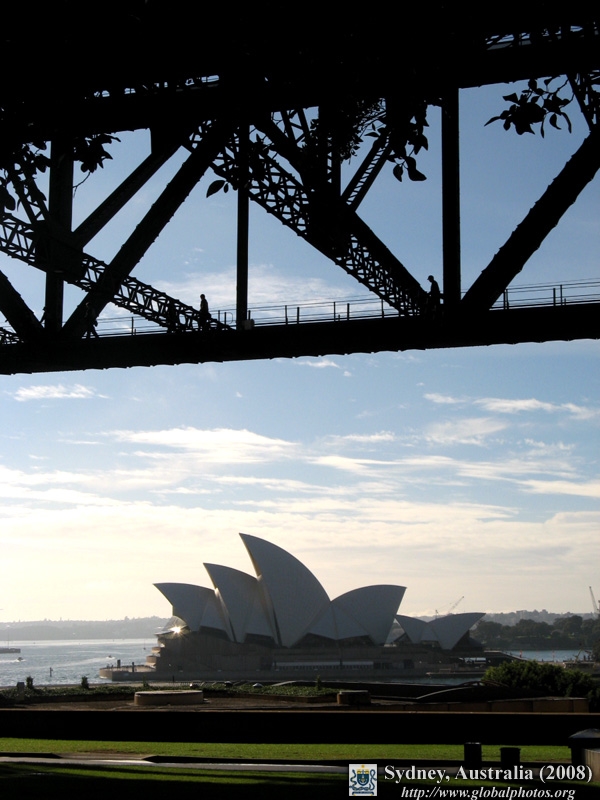
    The district’s inspiration is the Sydney Harbour Bridge Climb, a guided trek along Australia’s answer to the Golden Gate. Since 1998, 2.4 million visitors have paid for the chance to clamber 440 feet above the scenic Southern Hemisphere waterway.

    The concession runs 24 hours a day, and the priciest climb is a dawn excursion at around $250. The Sydney climb’s website boasts that the experience can help cure acrophobia. Climbers are hooked to the bridge by a protective line and are required to take an alcohol breath test before embarking.

    The Golden Gate transit district has begun accepting so-called statements of qualifications – applications from companies that are interested in the possible bridge concession in which they offer proof that they have experience running a safe, tasteful venue on "an iconic structure of worldwide renown."

    To gauge their interest, district officials have reached out to the companies that operate the Sydney climb, the Eiffel Tower and the Kennedy Space Centre. The application period ends Jan. 26, and the district hopes to make a decision about moving forward by the end of February.

    Even without an opportunity to get up close and personal with the bridge, tourism officials say the Golden Gate is the city’s No. 3 attraction, behind Fisherman’s Wharf and the historic cable cars. District officials estimate that a bridge concession could raise around $9 million per year.
    If the bridge district does decide to move forward with a tour proposal, it might try to time the kickoff to coincide with the bridge’s 75th anniversary in 2012, Currie said.

    – – –

    Golden Gate Bridge facts

    Opening day toll, May 23, 1937: 50 cents each way for cars

    Today’s toll: $5 for cars using FasTrak or $6 cash (Modern tolls are collected only in southbound lanes.)

    Transportation District shortfall:

    $132 million over five years

    Height of towers above the water:

    746 feet

    Height of roadway above the water:

    220 feet

    Total length of wire used to build the bridge: 129,000 kilometres

    Annual vehicle crossings: 39.3 million (North and southbound together, FY 2007-08.)

    Source: Highlights, Facts & Figures, sixth edition, July 2009


    Sydney, Australia