Author: Mays Dagher

  • Palestine: Outrage At Israeli Announcement About Ibrahimi Mosque

    Israeli Prime Minister Binyamin Netanyahu recently announced his government’s intention to designate Rachel’s Tomb in Bethlehem and the Ibrahimi Mosque/Cave of the Patriarchs in Hebron, both in the occupied West Bank, as Jewish heritage sites. The statement has led to outrage amongst Palestinians; the Ibrahimi Mosque/Cave of the Patriarchs is considered to be the burial place of Abraham, his wife Sarah and others, and is a site with special importance for both Jews and Muslims. It is also the place where a massacre of Muslim worshippers took place in 1994.
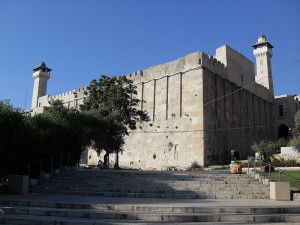
    Ibrahimi Mosque / Cave of the Patriarchs (reproduced under a Creative Commons licence)

    Ibrahimi Mosque / Cave of the Patriarchs (reproduced under a Creative Commons licence)

    Talal Shihadeh, in a post on Palestine Think Tank, describes Israeli settlers' visits to the Ibrahimi (or Abraham) Mosque:

    I was born in the old city, very close to the Abraham Mosque. Immediately after the West Bank was occupied in 1967, the occupation government established the first settlement on the Hebron citizens' land, which was called Qiriat Arbaa. The majority of the settlers who are living there are American. […] In the 70s and 80s, the settlers used to go to the mosque, doing their religious practices under the guardianship of the Israeli forces until Ramadan of 1994 after Baruch Goldstein, who perpetrated the Abraham Mosque Massacre (29 Muslims were killed and more than 125 others wounded during Al Fajr prayer). After this massacre, the Israeli occupation gifted Goldstein and the settlers by dividing the mosque to two zones, for the Muslims and the Jews. After that, it became very difficult for Muslims to enter to the mosque. It's easier to pass through an airport than to enter the mosque. The security measurements they use include ID check, physical check, passing through examination machine (the settlers are excluded).

    After mentioning the latest announcement about Rachel’s Tomb and the Ibrahimi Mosque in Hebron, Talal finishes by saying:

    Stealing the land, the history, and the heritage……. is the Israeli key to peace in the Middle East.

    Rebel Spirits, another Palestinian author, expresses her emotion on Hazem's Blog:

    قد يكون صباح شؤم كما اعتدته منذ ايام طويلة ، و لكن اليوم ليس ككل الأيام و لأكن واضحة أكثر فقد كان بالأمس سببا لولادة هذا اليوم بكل ما يحمله من مآسي الشعب الفلسطيني . فقرار رئيس الوزراء الاسرائيلي بنيامين نتنياهو، ضم المسجد الإبراهيمي في مدينة الخليل المحتلة وما يسمي “قبة راحيل” في مدينة بيت لحم المحتلة إلى قائمة المواقع التراثية اليهودية ، إنما هو جريمة جديدة و مبرمجة تضاف لقاموس المجازر اليهودية بحق شعبنا عهدناها منذ عقود طويلة
    It may be a calamitous morning like those I have grown accustomed to over a long time, but today is not like every day. To be clearer, something took place yesterday to cause this day, with all that it brings in terms of catastrophes for the Palestinian people. The decision by Israeli Prime Minister Benjamin Netanyahu to include the Ibrahimi Mosque in occupied Hebron and what is called “Rachel's Tomb” in occupied Bethlehem to the list of Jewish heritage sites, is a new and calculated crime to add to the list of Israeli acts of butchery of our people that we have been familiar with for long decades.
  • Palestine: Dissatisfaction With New ADSL Policy By Paltel

    Enough Walls - No To Internet QuotaA few weeks ago, Paltel (the Palestinian Telecommunication Group) launched a new ADSL Service (”Doubled Speed”) for its customers which according to its official site is “for upgrading the speed for free and reducing the prices as well as delivering better quality”. However, the new Paltel ADSL policy has triggered a wave of online demonstrations by internet users in the West Bank and Gaza due to the limitations that are going to be placed on the speed of the internet service.

    Mohammad N. Khatib was one of the first Palestinian bloggers to write about the subject, on his blog 3X-W=WWW. In his article “Internet in Palestine – It just keep getting worse!” Khatib says:

    “It turned out that the rumors are true! Hadara (Paltel) the Palestinian main Internet Service Provider (ISP) is trying their best to make their internet suck more and more. It's already expensive, slow and now the biggest surprise it is limited!
    Yes you now will have a monthly limit on your Downloads! If you have 512KB ADSL connection, you will have 10GB download limitation per month. Once you've exceeded the 10GB, your connection will turn into a 64KB connection till the end of the month! The user then can buy extra up to 6 GB (by a package 2, 4 or 6 GB) for 12NIS (about 3.5$) for each 2GB!“

    Ibrahim Jabour in his blog clickontech has published a report about this hot topic in Palestine:

    “في شهر ديسمبر 2009 تفاجئ المشتركين بقرار من شركة الاتصالات الفلسطينية بأن الخدمة سوف تنتقل إلى نظام الحصص مع مضاعفة السرعة, بحيث يكون لكل مشترك حصة معينة من نقل البيانات شهرياً وإن نفذت يتم تخفيض السرعة سرعة تعادل سرعة الاتصال الهاتفي القديم وقد أدى هذا القرار إلى ازدياد استياء المواطنين . وبالفعل طبقت الشركة هذا القرار منذ بدأ شهر يناير
    – وسيم سنجر – طالب جامعي يقول بأنه تفاجئ بعد مرور 10 أيام فقط من شهر يناير عندما وجد أن سرعة التصفح لديه شبه معدومة , فسارع إلى الاتصال بالدعم الفني الخاص بالشركة ليجد أنه قد تجاوز الحد المسموح له من نقل البيانات , وأكمل مستطرداً بأن أغلب دراسته وأبحاثه في الجامعة تتطلب وجود اتصال انترنت في البيت , والآن مع هذه القيود التي وضعتها شركة الاتصالات سوف يلاقي صعوبات جمة في البحث عن المعلومات المطلوبة
    In December 2009, customers were shocked by Paltel's announcement that the service would move to a quota system with doubled speed, which means that every customer has a set quota of data per month, and when consumed, the connection speed would decrease to a level equalling the old dialup connection speed. This announcement has led to increased public frustration. The company actually implemented this decision at the beginning of January.
    Waseem Sanger, college student, says that he was shocked when, after just 10 days of January had passed, he discovered that his browsing speed was almost nothing. This pushed him to call the technical support department of Paltel, only to find that he had exceeded his download allowance. He added that most of his university studies and research require an internet connection at home. And now, with the limitations which have been put in place by Paltel, he is going to face a lot of difficulties in searching for the required information.

    On Facebook, many groups have been created by angry Palestinians users who have started a movement objecting to the new Paltel policy.

    You doubled it…but you destroyed it
    The campaign against Paltel's decision to limit downloads

    All are Facebook groups that represent online campaigns against the Paltel decision; the wall pages of these groups are full of expressions of dissatisfaction written by Palestinian members, and they have lists of signatures against the decision. They also have discussion boards about the subject. In these discussions many people have threatened to launch demonstrations in the streets, and to boycott Paltel services. Some of them even go farther and suggest that Palestinian customers should change their contracts from Paltel to Israeli communication companies.