Author: wsummers

  • Over 9,000 South Florida Foreclosed Homes in Bank Listings

    There were more than 9,000 South Florida foreclosed homes in bank listings in the first three months of this year, according to a Florida-based real estate firm. The number marked a jump of 25 percent from bank foreclosures in the first three months last year.
    Over 9,000 South Florida Foreclosed Homes in Bank Listings

    In March, there were 3,707 residential units taken back by banks in South Florida, the highest monthly figure so far reached over the past three years in the region. The monthly record broken was the 3,706 posted in December last year.

    Analysts contended that the number of bank owned homes could peak in South Florida in 2010 if state officials do not launch significant intervention schemes to cut down the number of foreclosed homes for sale.

    On the other hand, total foreclosure postings in the first quarter this year dropped by 21 percent from the 25,000 posted in the first three months last year, posting a little lower than 20,000 filings. South Florida counties are now on pace to post around 80,000 foreclosures this year.

    Meanwhile, the number of Florida foreclosed homes stepped up in February, topping all other U.S. states with an inventory of fairly maintained foreclosure homes and fixer uppers of 11.4 percent. Florida also topped charts of noncurrent mortgage loans with almost 24 percent of its active residential mortgages in delinquency.

    All in all, the percentage of delinquent mortgage loans in Florida in February was 12.4 percent, above the national home loan delinquency rate of 10.2 percent. Arizona also had the same level of delinquency rate, the fourth-highest default rate in the country in February.

    The other states with high mortgage default rates were California, Arizona, Illinois, Georgia, Mississippi, Nevada, Indiana, Ohio and New Jersey, which are also the states perennially occupying the top of foreclosure charts.

    The states with the lowest default rates were Colorado, Alaska, Montana, Minnesota, North Dakota, Vermont, South Dakota, Nebraska, Wyoming and Washington.

    Throughout the country, almost 8 million mortgage loans were in default or already in foreclosed status in February, a stunning increase of 26 percent from the same month last year. The one encouraging thing was that the February default rate marked a one-percent drop compared to the previous month.

    One indication of the continued increase in number of Florida foreclosed homes is the popularity of online foreclosure auctions in Florida, especially auctions sites operated by counties in South Florida. These sites have been auctioning off record numbers of foreclosures online over the past several months.

  • Effect of Changes in Federal Rules on Omaha Pre Foreclosure Homes

    Purchasing pre foreclosure homes in Omaha and other distressed properties in the rest of the United States has been made easier with the announcement of modifications to existing federal rules on foreclosure.

    Effect of Changes in Federal Rules on Omaha Pre Foreclosure Homes

    The U.S. federal government has declared that it will relax rules on foreclosure to enable states and counties to use federal funds in redeveloping foreclosed and abandoned real estate.

    The changes were announced after several communities complained that they were unable to use federal grants to purchase residential real estate because the rules are not clear and investors are able to outbid them most of the time.

    The changes will attempt to solve these problems by allowing cities and states to purchase foreclosures in Omaha and other counties whose owners have defaulted on their mortgages.

    The modifications in the foreclosure program regulations will also allow communities to buy uninhabitable residential structures that have existing code violations with the use of the Neighborhood Stabilization Program totaling $4 billion.

    According to HUD and federal housing authorities, the changes will provide an easier way to purchase Omaha pre foreclosure homes and will help other local governments target other foreclosed properties since the list of available real estate has been broadened to include abandoned houses, condos listings and other residences that qualify under the modified rules.

    In addition to these relaxed parameters, local governments are also now allowed to purchase a residential real estate that has been mortgage delinquent for 60 days, as long as the owner of the property is notified. Properties whose owners are more than 90 days late on paying taxes can also be bought under the new rules.

    HUD officials have stated that prior to the implementation of the changes; the rules were too limiting and have restricted local governments from making use of the federal funding. The federal agency has admitted that more flexibility is needed so that the effects of foreclosures in Omaha and in other U.S. neighborhoods can be quickly addressed.

    With the changes immediately put into effect, the purchase of Omaha pre foreclosure homes and other foreclosed real estate around the U.S. will be much easier for local communities. The changes are also expected to help in reversing the impact of foreclosures on the country as a whole.

  • FDIC Stake in Loans Included Atlanta Pre Foreclosure Homes

    The nearly $500 million stake of the Federal Deposit Insurance Corporation in a huge mortgage loan block sold last week to North Carolina-based Roundpoint Mortgage Servicing Corporation included Atlanta pre foreclosure homes.

    FDIC Stake in Loans Included Atlanta Pre Foreclosure Homes

    The FDIC stake consists of residential mortgage loans acquired from 19 failed banks in Georgia, Florida and Arizona. The loans, almost 3,400 in total, cover properties in these states. Of the 19 failed banks, seven were in Georgia, and another one, Magnet Bank of Utah, had substantial operations in Georgia.

    The Georgia banks, which failed due in part to foreclosures in Atlanta and to foreclosure multi family properties, were Freedom Bank, HavenTrust Bank, Community Bank, Omni National Bank, First Georgia Community Bank, First City Bank and FirstBank Financial Services. These banks failed within the period from August 2008 to March 2009.

    The FDIC stake in the loan portfolio, which consists of $490.7 million worth of residential loans, was sold for $34.4 million to Roundpoint, in addition to $137.5 million in guaranteed notes written by the FDIC as loan receiver.

    According to the FDIC, nine bidders were qualified to buy the mortgage loan portfolio, which included Atlanta pre foreclosure homes, but Roundpoint presented the best offer that would result in greater returns for the loan receivers.

    The loan assets will be transferred to a newly-formed limited liability corporation that will be run by Roundpoint. The FDIC would retain a 50-percent share in the earnings that Roundpoint can generate from the loans, but the percentages of both the FDIC and Roundpoint can be adjusted depending on how the loans perform.

    The Roundpoint deal is not related to the plan of the FDIC to auction off whole loans from one of the failed banks, Silverton Bank. This auction, which involves $416 million worth of loans, includes stakes in the Allen Plaza and in the W Atlanta hotel.

    The Freedom Bank of Georgia, which was shuttered on March 6, 2009, had $161 million in total deposits and $173 million worth of assets as of March 4, 2009. It was acquired by Northeast Georgia Bank in a loss-share contract with the FDIC.

    FirstCity Bank, which was closed on March 26, 2009, had $278 million in deposits and $297 million in total assets.

    Georgia has the highest number of failed banks in the nation, due largely to residential and commercial foreclosures, including Atlanta pre foreclosure homes. Just last week, two Georgia banks, Unity National Bank and McIntosh Commercial Bank, were shuttered.

  • Down Payment Assistance for Buyers of Warren Cheap Homes

    Qualified buyers of Warren cheap homes are granted financial assistance for down payment and repairs, according to administrators of the Community Development Program led by City Mayor James Fouts.

    Down Payment Assistance for Buyers of Warren Cheap Homes

    Eligible buyers can receive up to $5,000 in down payment assistance and up to $23,000 in repair assistance.

    To qualify for the program, prospective home buyers must be earning incomes set by the federal Department of Housing and Development. For a family of four, the total household income must not exceed $85,200, while for a family of five, the total income must not surpass $92,040. The maximum income for a single individual is $59,640.

    Additionally, the buyer must choose from properties that have entered foreclosure auctions in Warren and have been repossessed by the lenders. The home must also be located in areas determined as eligible for redevelopment under the Neighborhood Stabilization Program.

    Prospective buyers must contribute at least $1,000 for the down payment, must attend 8 hours of home purchase and ownership counseling and must commit to live in the house to be purchased.

    Applicants for the NSP-funded home buying program have plenty of Warren cheap homes to choose from as homeowners continue to be distressed from the collapse of manufacturing enterprises. Prices for rehabilitated homes range from $32,000 to $45,000.

    For buyers looking for new residential properties for sale, many units are also available, with prices ranging from $57,000 to $75,000.

    Based on data from a real estate firm, home resales comprise the huge majority of homes on the market in Warren, where about 77 percent are homeowners and about 19 percent are renters.

    Warren, which is part of the Detroit metropolitan area, also suffered from the collapse of the Detroit auto industry. Although Detroit accounted for a huge majority of foreclosures in the area, Warren foreclosures also contributed to the 69,171 total of foreclosure postings in metro Detroit in 2009.

    The increase in foreclosure properties and steep declines in home values have cut down the tax base of Warren. According to Warren Mayor Fouts, finding remedies to replace the revenue loss is not easy. He has proposed cutting 20 percent of union pay despite expected opposition from workers.

    Because of the surge in strategic defaults in Warren and in other parts of Michigan, the number of Warren cheap homes is expected to rise. Home prices fell by nearly 10 percent in Warren in 2009, according to local real estate firms.

    Search foreclosure investing in other Michigan cities:

  • Minneapolis Pre Foreclosures to Affect High-Score Homeowners

    Minneapolis pre foreclosures are expected to affect even homeowners with high FICO scores because of continued employment problems and sharp home price declines, according to a study recently released by FICO, the company that developed the FICO credit scores.

    Minneapolis Pre Foreclosures to Affect High-Score Homeowners

    The FICO scoring system is the one most used by consumer reporting entities in the world. Individuals with FICO points of 760 or higher are considered bankable borrowers and get the best loan rates. Borrowers with scores of around 720 are considered prime. The 720 score is actually the lowest score considered by lenders when they are giving their advertised rates.

    Throughout the country, the home loan default rate for homeowners with FICO scores of 760 to 850 from May to October last year was 0.32 percent while the default rate for credit card holders with the same level of FICO scores was 0.12 percent.

    According to Rachel Bell, head of analytics at FICO, the default rate of 0.32 percent is far below the nationwide mortgage default rate of 4.5 percent, but it is worrisome because it marked the first time that the home loan default rate for bankable borrowers surpassed the default rate for credit card holders.

    It is in this line of thinking that Minneapolis pre foreclosures could surge for homeowners with strong FICO scores because of the continued weakness of the economy and the steep declines in home values.

    According to an online real estate firm, almost 39 percent of owners of single-family homes in the Minneapolis-Saint Paul area were underwater in the final quarter of 2009. Residential property values in the area climbed up over the four-year period to 2006 by almost 34 percent, but these price improvements were wiped out by the sharp price declines over the next years.

    The pace of foreclosures in the Minneapolis metro area soared by 58 percent in 2009 to more than 29,000 foreclosure filings, equivalent to 2.2 percent of all mortgaged housing units in the area. As many of these homeowners lost their jobs, they did not have the financial capacity to pay their accumulated arrears and to prevent their properties from entering homes auctions in Minneapolis.

    In February of this year, foreclosure filings were still surging in Minnesota, posting a total of 3,007 foreclosure cases, including a large percentage of Minneapolis pre foreclosures. Of these figure, a total of 1,669 units were already listed in the REO books of lenders.

    Search pre foreclosures :

  • Portland Pre Foreclosures Surged, Drove Down Prices

    Portland pre foreclosures in February marked the highest among city filings in Oregon and pushed down the median home sales price by more than 9 percent.

    Portland Pre Foreclosures Surged, Drove Down Prices

    Based on data from the Regional Multiple Listing Service, 430 foreclosures were posted in February, contributing substantially to the 3,312 total foreclosures posted by the state of Oregon in February.

    As the number of Portland foreclosure homes surged, the sales price median for houses plunged by 9.3 percent year-over-year to $235,000 and the average price dropped by 8.5 percent from February 2009 to $273,100. Prices in Portland peaked in the middle of 2007 when prices surpassed the $350,000 level.

    The surge in homes auctions in Portland also pushed up both actual and pending home sales in February. Actual sales rose by 18.4 percent year-over-year to 1,015 units and pending sales soared by 45 percent. New listings also increased by 12.4 percent. The number of units available for sale also increased to 13,100 units compared to January.

    Local housing analysts said that the Portland residential market in the first months of 2010 was better than the same period last year, but it was weaker compared to the last months of 2009. They said that the surge in Portland pre foreclosures could hinder recovery.

    The inventory of houses for sale was equivalent to 12.9 months of supply, higher than the January supply but lower than the 16.6 supply level in February last year.

    The regional listing service also showed that listed homes stayed on the market for an average of 150 days, lower than the previous time of 153 days.

    Tim Duy, economist at the University of Oregon, said that the rush of buyers in the last months of 2009 has not extended into 2010 despite the extension of the tax incentives. He added that the number of home shoppers is not compensating the increase in inventory in the market.

    In another report from real estate professional Salvador Del Cid, the pace of house sales in Portland was fastest in North Portland, where homes stayed on the market for an average of only 74 days. Homes in West Portland were the ones taking the longest to sell, as they stayed on the market for an average of 208 days.

    According to local analysts, the surge in Portland pre foreclosures will continue if mortgage refinancing and employment do not pick up, but the local market will still be in a better situation to bear foreclosure activity than most other cities.

    Search pre foreclosures in other USA top cities:

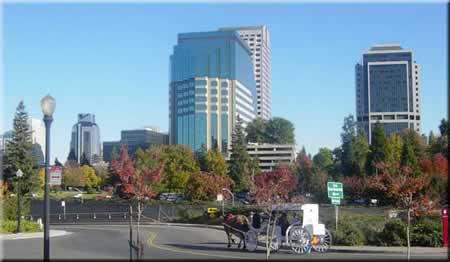
  • Home Prices Rose Amid Surge in Sacramento Pre Foreclosures

    Sacramento pre foreclosures have weakened their hold on home prices as the median sales price surged in February despite an uptick in the entry of homes to foreclosure listings in Sacramento.

    Home Prices Rose Amid Surge in Sacramento Pre Foreclosures

    According to the Sacramento Association of Realtors, the sales price median for homes in Sacramento County and in West Sacramento in February was $179,900, up by 5.8 percent from the $170,000 median in January and up by 7.7 percent from the $167,000 median in February last year.

    The sales price median for condos also increased, posting a 17.5-percent increase year-over-year from $80,450 to $94,500. Compared to the January 2010 median of $85,000, the increase rate was 11.2 percent.

    As condos became more affordable, sales increased by almost 22 percent from January to 114 units. Condo sales were also up by almost 15 percent from the February 2009 sales of 94 units.

    The supply of houses on the market also surged to a supply level of 2.7 months from the previous supply level of 2.8 months. In February, there were 3,281 homes listed for sale, including 1,156 units which were already in escrow.

    The pace of Sacramento pre foreclosures is still surging because the default rate in the area is still high at 12.3 percent. Based on a report from Forbes magazine, Sacramento is 11th in a ranking of the most troubled housing markets in the country. Over the past couple of years, Sacramento suffered from single-family and duplex foreclosures and from substantial decline in property values.

    In the Forbes ranking, Miami was the most troubled market with a default rate of almost 29 percent. Other Florida cities were ranked second, with an average default rate of 16 percent. Las Vegas followed at third place with a default rate of 21.7 percent.

    The still significant pace of home auctions in Sacramento also pushed the city to the Brookings Institute’s list of the 20 cities that have not started a clear recovery from the recession. Sacramento was 16th in the list, as its year-to-date change in home prices was a negative 9.2 percent and its gross metropolitan product since the housing boom has plunged by 2.7 percent.

    The pace of Sacramento pre foreclosures and completed foreclosures in 2009 also attracted international attention as they sprouted a tent city outside Sacramento. The tent city has since been fenced off, but the still high level of foreclosures is still a problem besieging the city.

    Search pre foreclosures in other California cities:

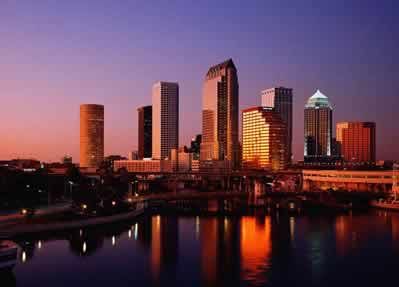
  • Filings and Price Falls Drive Tampa Foreclosure Investing

    Foreclosure filings and price falls are driving Tampa foreclosure investing, as lower prices and higher inventories provide opportunities for investors to buy more properties.

    Filings and Price Falls Drive Tampa Foreclosure Investing

    Foreclosure sale postings and pre-foreclosures in Tampa surged in February by 15 percent, despite a slowdown in activity in two of the counties. Total foreclosure filings reached 6,681, which marked a 10-percent rise from the previous month.

    House prices, meanwhile, continued to drop as more foreclosures entered the Greater Tampa market. They fell further year-over-year in January by 8.5 percent. The rate in price drop would have been lower if distressed sales were excluded from the equation.

    In the Tampa-Clearwater metro area, home prices fell in December year-over-year by 11.8 percent.

    Economist Mark Fleming said that it took the state of Louisiana 5 years to recover from its depressed house prices in the 1980s; other states will also take years to recover from the prices pushed down by the crisis. Nationally, home prices have collectively dropped by 28 percent since the start of the housing meltdown.

    People engaged in Tampa foreclosure investing can look at distressed properties in the Sarasota area, as this county posted the highest rate of increase in foreclosures among the Tampa Bay counties. Filings in Sarasota soared by over 39 percent from postings in February 2009.

    Filings also increased in Hillsborough County to almost 3,800, an increase of 31 percent compared to filings in February 2009 and a 30-percent rise from the previous month.

    Housing units continued to enter Tampa foreclosure listings as the unemployment situation in the area got worse. The unemployment rate in January in the Tampa Bay area shot up to 13.1 percent, a sharp increase from the December rate of 12.4 percent. The increase was even higher if compared to the January 2009 rate of 9.5 percent.

    The Tampa Bay rate was also higher than the statewide rate of 11.9 percent, making the regional and statewide rates much higher than the national rate of 9.7 percent.

    Residents of Florida are still struggling from the upshots of the housing crisis, as businesses kept cutting jobs. In January, the total of non-agricultural jobs in the state dropped to 7,144,300 jobs, marking a loss of 6,100 jobs month-over-month and a loss of a staggering 303,200 jobs year-over-year.

    Notwithstanding the job losses, Tampa foreclosure investing is viable because of the low prices, the availability of distressed properties for sale and the strong prospects for recovery.

    Find great investments in other Florida cities:

  • San Diego Foreclosure Investing Viable with Price Rebound

    San Diego foreclosure investing is viable with the rebound of home prices, as reported by a research firm.

    San Diego Foreclosure Investing Viable with Price Rebound

    In February, home prices in San Diego County bounced back and pushed the median sales price to $322,000, an increase of 5.6 percent from February 2009. The increase was in contrast to the 7.5-percent decrease experienced in January, when the median sales price was much lower than the December 2009 median of $330,000.

    The median prices from the months of December to February showed that most buyers were first timers who looked for lower-cost homes and that there was no significant sales activity for move-up buyers.

    The February median price marked the highest price increase year-over-year since the middle of 2005 when the median sales price reached its highest level at $517,500. The lowest price experienced by the San Diego housing market during the downturn was $280,000, the median in January 2009.

    Analysts, however, warned that the price levels for the months of January and February cannot be used as basis for predicting the price trend for the year and for analyzing San Diego foreclosure investing activity because of the traditionally lower volume of sales activity during the first months of the year.

    Pre-foreclosures in San Diego in February surged month-over-month, but the number of properties that entered San Diego foreclosure listings remained flat compared to January, based on figures from the Assessor’s Office of San Diego County.

    More than 2,300 households were notified of mortgage delinquency, an increase of 26 percent from the previous month, but a decrease of 37 percent from February last year. The number was the highest total of delinquency notices since October last year and marked the first occurrence of increase since November last year.

    Meanwhile, the median sales price for existing single-family homes rose to $358,500 in February, an increase of 3.9 percent month-over-month and stayed about the same compared to the December 2009 median. It was also 12-percent higher than the February 2009 median.

    The price median for pre-owned condos was $219,500, an increase of 8.9 percent month-over-month and 12.6-percent higher than the February 2009 median of $195,000. The median for new homes was $460,000, a jump of 13.3 percent from the January median of $406,000 and an increase of 1.8 percent from the February 2009 median.

    With total home sales rising by more than 6 percent in February to 2,465 units, San Diego foreclosure investing is viable as prospects for resale are stronger.

    Find great foreclosure investments in other USA Cities:

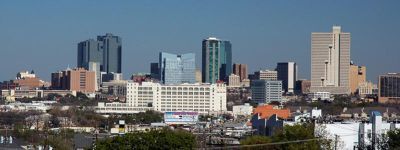
  • Fort Worth Home Auctions Surged, but Median Prices Held Up

    Fort Worth home auctions revved up in the first months of this year, with certain units even sold off at staggering price discounts. However, the median sales price held up.

    Fort Worth Home Auctions Surged, but Median Prices Held Up

    In February, the median price for homes in North Texas, where Fort Worth is located, increased by 1.3 percent to $139,900, according to reports from the Texas A&M University Real Estate Center.

    An online real estate firm reported that the average price for homes in Fort Worth in the first week of March was $132,042, still close to the North Texas median. The price level in Fort Worth has endured despite the bargain prices of certain foreclosures at auctions because the percentage of foreclosed homes in Fort Worth has not overtaken the percentage of resale and new homes.

    Total home sales, however, declined year-over-year in February across North Texas. A total of 4,099 homes were sold, marking the third consecutive month that home sales declined on a year-over-year basis. In 2009, home sales soared because of the record number of first time home buyers who took advantage of the federal tax credit and bargain prices at Fort Worth home auctions. Home sales peaked last year in July when 7,139 units were sold.

    In another report prepared by Bizjournals and Portfolio.com, the cities of Fort Worth and Dallas were not in the top 200 of a listing of the wealthiest cities in the nation. Certainly, the relatively large number of pre foreclosures in Fort Worth and Dallas was an indication that these two cities were not as affluent as they are thought to be.

    In the listing, which considered only cities with a population of more than 75,000, four cities in North Texas were in the top 100. They were Frisco, which ranked 27th; Plano, 42nd; Allen, 75th; and McKinney, which was 85th. Frisco stands tall with a $41,786 per-capita income and a $103,295 median family income. Plano runs with a $40,920 per-capita income and an $85,003 median family income.

    Obviously affluent North Texas cities like Southlake were not included in the listing because their populations were below 75,000.

    Dallas ranked 218th, with a $26,436 per-capita income and a $40,796 median family income. Fort Worth was 302nd, with a $23,208 per-capita income and a $48,870 median family income.

    All in all, the city of Fort Worth is still economically strong enough to bear the brunt of Fort Worth home auctions.

    Search home auctions in other USA Top Cities:

  • Home Foreclosures in Pittsburgh not due to Strategic Default

    Home foreclosures in Pittsburgh arising from strategic defaults are not as high in number as in other metro areas, according to real estate and distressed property analysts in Pennsylvania.

    Home Foreclosures in Pittsburgh not due to Strategic Default

    While the nationwide rate of homeowners who walk away from their underwater mortgages is rising, the rate for homeowners turning to strategic default in Pittsburgh is negligible.

    According to Moody’s Economy.com, the bigger the negative equity, the more likely that the homeowner will default. Nationwide, almost 10 percent of homeowners underwater by more than 20 percent default and more than five percent of borrowers whose loans equal the value of their homes default.

    Foreclosure analyst Hess said that while record numbers of strategic defaults have occurred in other markets, borrowers walking away from their mortgage obligations in the Pittsburgh area just started in the last quarter of 2009.

    Hess also said that he doubts if homeowners have heard the phrase strategic default before the summer months last year.

    Randi Lowe, client manager and counselor for the Pittsburgh Community Reinvestment Group, said that she is now seeing a rising number of homeowners threatening to walk away because they can no longer afford to make the monthly payments.

    The pace of Pennsylvania home foreclosures surged in 2009, posting more than 20 percent of increase to reach a total of 44,732 foreclosure filings.

    In contrast, home foreclosures in Pittsburgh slowed in 2009 by nearly 8 percent from the pace in 2008. One housing unit out of every 120 units was notified of default or foreclosure, putting the total of foreclosure postings to 9,220.

    In many places throughout the country, various factors have co-occurred to force a lot of homeowners to abandon their loan obligations and their homes to listings of real estate properties for sale.

    Job losses, sharp drops in home values, difficulty of selling houses in short sales and ineffectiveness of loan modification programs have conspired to push households into situations they have not experienced before, including walking away from mortgage responsibilities.

    Mary Loftus, a top executive at Consumer Credit Counseling Service of Western Pennsylvania, explained that walking away have consequences. Foreclosures remain on credit reports for seven years, blocking consumers from making important loans during the seven-year period.

    Nevertheless, home foreclosures in Pittsburgh are being addressed by a lot of nonprofit and government programs. The city was even named by Forbes as the best city in the country to buy a home because of the improving economic situation in the area.

  • Abandoned Pet Crisis Prompted New Shelter Plan in Missouri

    The abandoned pet crisis has prompted county executives in Jefferson County, Missouri to ask nonprofit ADOPT, short for Animals Deserving of Proper Treatment, to submit a proposal for a new county animal shelter.

    Abandoned Pet Crisis Prompted New Shelter Plan in Missouri

    County officials decided to explore the construction of a new animal shelter after the Missouri Department of Agriculture ordered the county to stop its animal euthanasia activities. The state department became alarmed after journalists reported that the county was using narcotics for euthanizing animals without any supervising veterinarian. The county was also previously warned about the drainage systems for its outdoor kennels.

    Cathey Break, head of the ADOPT, said that the animal shelter efforts of neighboring Saint Charles County can be a model for Jefferson County. In 2009, the Saint Charles animal control center has euthanized only 805 animals out of the 4,160 it received. It has given 2,149 animals for adoption and has returned 768 pets to owners.

    In contrast, the Jefferson County animal center has euthanized 1,901 animals out of 3,827 it has received. It has given only 372 pets for adoption and has returned only 369 pets to owners.

    In nearby Saint Louis County, out of 3,872 abandoned pet animals received, 2,105 were euthanized, 1,096 were adopted and 375 pets were returned to owners.

    Among the three counties, Jefferson County has the lowest budget for animal control, which is only around $350,000. Saint Charles and Saint Louis operate on $900,000 and $775,000 respectively. Because of budget constraints, Jefferson has only 46 dog kennels and cat cages. Saint Charles has 136 and Saint Louis has 165 of these animal cages.

    The proposal being crafted by Break of ADOPT requires cooperation from big donors and professionals and from the county. She proposes to gather donated services from engineers, architects, general contractors and other volunteers and big donations from prominent people like Cardinals manager Tony La Russa. She also plans to lease 1.8 acres of county land for one dollar a year.

    Previously, county officials asked for a new shelter that can accommodate 30 cat cages and 40 dog kennels on land adjacent to the Hillsboro juvenile detention center. The existing county facility in Barnhart can house only 30 cat cages and 16 dog kennels.

    Saint Charles County spent around $1.6 million several years ago to construct a new abandoned pet shelter in an accessible area and was able to cut down its euthanasia rate from 80 percent to 20 percent. Jefferson County hopes to duplicate its success.

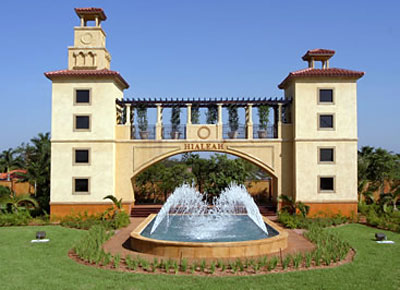
  • Prices of Home Foreclosures in Hialeah Continued to Fall

    Prices of home foreclosures in Hialeah continued to fall in January and February this year compared to the same months last year, based on reports from several real estate firms.

    Prices of Home Foreclosures in Hialeah Continued to Fall

    A California-based firm reported that the estimated median sales price for foreclosed homes in Hialeah last January was $116,655, a sharp decrease of 37.6 percent from the median in January 2009. The average sales price also dropped to $114,641.

    This firm also reported that one out of every 218 houses in Hialeah was in default or foreclosure in January and that more than 4,700 homes were foreclosures.

    Hialeah foreclosure prices are still falling because distressed properties are still dominating the real estate market in the city. Real estate foreclosure properties for sale accounted for 63 percent of all homes for sale in February, according to another online real estate firm.

    This online firm reported a slightly higher number of foreclosures and a slightly higher median foreclosure price. It said that more than 5,000 foreclosed houses were available for sale in February and that the average sales price dropped from the previous month by 2 percent to $115,044.

    Another online real estate firm reported much higher sales prices but lower foreclosure numbers. This firm reported that the median sales price for home foreclosures in Hialeah February was $138,471, a drop of 3.3 percent from the previous month. It reported a total of 3,495 available foreclosure homes for sale and a total of 1,856 nondistressed houses for sale.

    Similarly, the fourth online firm reported higher figures, but they were for all types of homes. It reported that the sales price for all homes in Hialeah in February was $136,700, a drop of 24 percent from the median in February 2009. Hialeah posted the second-biggest rate of price decrease in February among the five cities in the Hialeah area, second only to Hialeah Gardens which posted a price drop of 27.4 percent. Miami Lakes, Opa-locka and Miami Springs posted price decrease rates of 16.7 percent, 14.8 percent and 13.3 percent, respectively.

    Florida home foreclosures also pushed down the statewide median sales price for pre-owned homes to $142,600 in 2009, a 24-percent drop from the $187,700 median price in 2008. As the condo and multifamily sectors continue to struggle from lack of additional financing and oversupply, the prices of existing homes and home foreclosures in Hialeah are expected to keep their downward slide.

  • San Jose Home Foreclosures Shot Up, Cut Down Resale Prices

    San Jose home foreclosures spiked in January this year from December last year and continued to push down prices, based on reports from a Discovery Bay real estate information provider.

    San Jose Home Foreclosures Shot Up, Cut Down Resale Prices

    Throughout Santa Clara County, where San Jose is the county seat, foreclosure activity stepped up by 37 percent in January, with a total of 4,850 houses listed for foreclosure sale.

    The median sales price for previously-owned single-family detached homes dropped to $490,000, marking a 7-percent decrease from the December 2009 median resale price of $525,750.

    Foreclosure sale accounted for around 28 percent of all home resales in Santa Clara in January, substantially down from the foreclosure percentage of almost 50 percent in January last year.

    In nearby San Mateo County, home resales totaled 1,687 units, an overwhelming 71 percent increase from December 2009 sales. Foreclosure homes comprised 20 percent of all home resales, down from the 34-percent share in January 2009.

    The median sales price for pre-owned single-family homes in San Mateo was $627,500, down by almost 5 percent from the December 2009 median of $658,000.

    January foreclosure sales data also showed that most San Jose home foreclosures took a longer time to complete. Of the nearly 4,900 homes listed for auction in Santa Clara in January, only 437 foreclosures were completed by the end of the month. In San Mateo, of the nearly 1,700 foreclosure filings, only 159 foreclosures were completed.

    In January 2009, a total of 457 foreclosures in Santa Clara were completed, out of 1,728 started. In San Mateo, 114 foreclosures were completed, out of 544 started.

    Residents of San Jose said that the city bucked the slowing trend of home foreclosures in California because of the continued resistance of mortgage lenders in modifying loans. Leslie Martin, a condo owner in San Jose, said that one year has passed since her mortgage was put into trial modification by Chase, but she is still waiting for permanent modification status.

    In response to criticisms, Chase spokesperson Gary Kishner said that the bank has been working to help Martin keep her home. He added that Chase has restructured around 60,000 mortgage loans under its own program and about 7,100 more under the Home Affordable Modification Program.

    According to Martin, HAMP is being carried out by banks in a complicated, confusing and time-consuming way, frustrating homeowners and pushing them into defaults and pushing up the numbers of San Jose home foreclosures further.

  • Foreclosure Pets in New York – Opportunities to Help

    Opportunities to help foreclosure pets in Orange County, New York are aplenty. Some events are even full of fun activities to let people feel that volunteering to help pets is enjoyable and exciting.

    Foreclosure Pets in New York - Opportunities to Help

    Among the loads of pet rescue and care activities advertised in the Newburgh, Middletown and Poughkeepsie metro area are a fur ball for the benefit of the Ulster County Society for the Prevention of Cruelty to Animals, a lasagna dinner that benefits the Humane Society of Port Jervis-Deerpark, a pet supplies and food drive for the Goshen Humane Society and a penny social for the benefit of Pets Alive.

    According to Suzyn Barron, head of the Warwick Valley Humane Society; Audrey Lodato, manager of Mid-Hudson Animal Aid; Lil Demskie, head of Newburgh SCATS; and Manon Fortier, vice president of Sullivan County SPCA, all pet shelters in the Mid-Hudson region are seeing sharp increases in number of dogs and cats abandoned at real estate foreclosed homes.

    Rescues and shelters in Saugerties, Beacon, Monticello, Rock Hill and Warwick are being overwhelmed by the number of foreclosure pets they have to care for because of the distressed economy.

    A rising number of animals wearing nice harnesses or collars but without IDs are also seen on the street, according to JoAnne Newman, animal control officer of the city of Middletown.

    To help them cope with rising costs, overloaded spaces and overwhelmed volunteers and personnel, animal rescues and shelters in the area have been doing various creative ways to entice residents to help.

    The Town of Newburgh Animal Shelter has been promoting its adoption special for cats, offering a second cat for free for an approved adoption application.

    The animal shelter Pets Alive and the Orange County Veterinary Hospital have also teamed up and launched Pet Chow Pantry to help financially struggling families feed their pets. Qualified families can pick up pet food once a month.

    Other shelters with pet food assistance programs are the Middletown Society and the Saugerties Animal Shelter.

    Pet owners are also being advised to try their best to bring their pets to wherever they move after foreclosure. According to Mid-Hudson shelter administrator Lodato, certain apartment landlords accept pets as long as the owners show they are responsible pet owners.

    On the other hand, if shelters are the only option, pet owners need to ensure a smooth transition for their pets so the animals do not experience the hardships many abandoned foreclosure pets have gone through.

  • Home Foreclosures in Atlanta Also Surging in the Suburbs

    Home foreclosures in Atlanta are rising not only in the central areas of the metro area, but also in the suburban areas.

    According to the Gwinnett County Coalition for Health and Human Services, the pace of foreclosures in communities northeast of Atlanta soared by 77 percent in 2009 compared to 2008. Due largely to the foreclosures, the number of homeless children aged 9 and below has risen to around 60 percent of all homeless people in Gwinnett County.

    Home Foreclosures in Atlanta Also Surging in the Suburbs

    Housing analysts and social services workers said that suburban foreclosures and homelessness are surging not only in Atlanta, but also in Suffolk County in New York, Cook County in Illinois and in other large metro areas that have sparked sharp suburban growth over the past years.

    Commissioners of social service departments across the country are saying that the numbers of people turning to social service agencies for help are overwhelming and are now including more faces that they have never seen before. More and more Americans who have never sought government assistance before are now approaching local agencies for help.

    This February, the rate of home foreclosures in Atlanta climbed up by 27 percent compared to the previous month. Across the 13 counties that comprise the Atlanta metropolitan area, more than 10,300 homes were listed for the public foreclosed homes sale in March. The February figure marked a 27-percent jump from the more than 8,100 postings in the previous month of January and a 34-percent jump from the more than 7,700 postings in February 2009.

    According to Barry Bramlett, president of Georgia-based foreclosure tracking firm Equity Depot, the foreclosure crisis has spread from the lower-income neighborhoods into the affluent communities and into the commercial sector.

    In January this year, the pace of Georgia home foreclosures slowed compared to the previous month, just like in most other states. More than 11,200 households statewide were hit with delinquency or foreclosure notices, including more than 4,500 units already counted as real estate owned. The number however was still higher by 14 percent than foreclosure postings in January 2009.

    In 2009, Georgia was among the top ten U.S. states clobbered by foreclosures. With more than 106,000 or 2.7 percent of its households in distress, Georgia ranked seventh in the foreclosure charts.

    Just like in most other metro areas, home foreclosures in Atlanta surged due largely to the continued increase in job losses in the area. The unemployment rate in Metro Atlanta hit 10.1 percent in December last year.

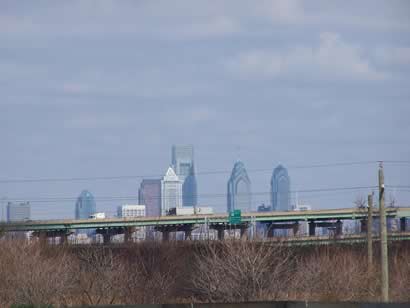
  • Philadelphia Home Foreclosures Curbed by HAMP and Activism

    Philadelphia home foreclosures are being curbed by the federal Home Affordable Mortgage Program and activism by housing and community advocates.

    Based on a report from the Treasury Department, Philadelphia is 12th in a list of the top 15 cities with the highest rate of HAMP implementation. About 1.8 percent of distressed mortgages in Philadelphia were successfully modified since HAMP was launched by the federal government in the early months of last year.

    Philadelphia Home Foreclosures Curbed by HAMP and Activism

    According to Phyllis Caldwell, head of the Treasury Department’s Homeownership Preservation Office, almost 1.3 million HAMP trial modifications were approved, but only 116,000 of these were put into permanent modification status. Another 76,000 mortgages are in the process of getting permanently modified.

    The highest pace of HAMP activity occurred in New York, which posted a 6.1-percent modification activity, followed by Los Angeles with 5.8 percent and Chicago with 5.1 percent. Next were Miami and Phoenix, which posted 4.7 percent and 4.1 percent, respectively. Washington, D.C., Atlanta, Las Vegas and Detroit were also among the top 15 cities.

    While the foreclosure prevention program in Philadelphia has been copied by other cities because of its success, community activists are not satisfied with the results. They want more action in cutting down Philadelphia home foreclosures.

    One of these is the Poor People’s Economic Human Rights Campaign and the Kensington Welfare Rights Union which were founded by Cheri Honkala in the 1990s to fight for homeless and welfare rights. Honkala has been a problem to city officials because of her radical protest actions and her refusal to advance her causes in accordance with city regulations.

    In 2009, the Philadelphia metro area posted more than 31,000 foreclosure filings, an increase of almost 15 percent from 2008 and a 101-percent jump from 2007. The number represented 1.3 percent of all households in the metro area and put Philadelphia 113th among the 203 largest metropolitan areas in the country based on rates of foreclosure activity.

    Similarly, the pace of home foreclosures in Pennsylvania also rose in 2009 to almost 45,000 foreclosure filings. The number represented 0.82 percent of all homes in the state and put Pennsylvania 33rd in a listing of the 50 states based on foreclosure activity.

    While the foreclosure situations in Pennsylvania and in the city of Philadelphia are much better than most other states and cities, the numbers of foreclosures homes are still relatively large. In the second round funding of the Neighborhood Stabilization Program, nearly $44 million was allocated to address the problem of Philadelphia home foreclosures.

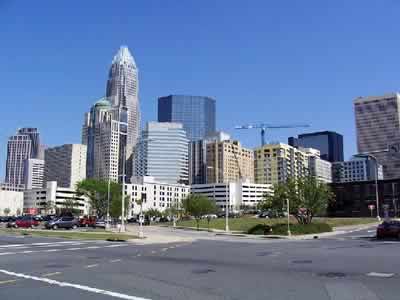
  • Charlotte Home Foreclosures Driven by 12% Unemployment Rate

    The continued rise in Charlotte home foreclosures in 2009 was largely driven by record unemployment rates in the metro area during the year.

    Charlotte Home Foreclosures Driven by 12% Unemployment Rate

    The Charlotte metro area hit the record 12-percent jobless rate in December, which was above the average statewide rate of 10.9 percent and the nationwide rate of 10 percent. It was also higher than the 11.2-percent jobless rate of Mecklenburg County, where Charlotte is located.

    According to analysts, many banking employees lost their jobs when a record number of banks operating in the area collapsed in 2009. The Charlotte area lost a total of 2,800 jobs in December, the biggest loss among all metro areas in North Carolina. Charlotte also posted the biggest number of jobs lost in 2009, which totaled 35,900 jobs.

    In 2009, foreclosure postings in the Charlotte area climbed up by 9.5 percent compared to 2008 and by 13.4 percent compared to 2007. A total of 10,732 households were hit with delinquency or foreclosure notices, representing 1.5 percent of all households in the metro area.

    Largely driven by the surge in Charlotte home foreclosures, the number of foreclosure postings statewide more than doubled last year compared to the previous year, based on data from the state Administrative Office of the Courts. The pace of home foreclosures in North Carolina stepped up by 17.4 percent to 63,341 filings, compared to 53,960 filings in 2008. While the rate of increase from 2008 to 2009 was 17.4 percent, the increase rate from 2007 to 2008 was only 8.6 percent.

    About 67 percent of North Carolina counties posted increases in foreclosure filings in 2009, with Brunswick County posting an increase of 82 percent and Mecklenburg County posting a jump of 54 percent.

    According to Mark Pearce, deputy banking commissioner of North Carolina, unemployment and negative home equity continued to drive the rise in foreclosures homes for sale and these same factors will drive further defaults and foreclosures this year.

    Pearce also said that the state banking commission is crafting rules to cut down foreclosures, including a regulation that requires lenders to suspend their foreclosure action for homeowners who are pursuing loan modifications.

    Last year, a commission tasked by the state legislature to prevent foreclosure has helped over 2,500 distressed homeowners to save their homes.

    According to lawyer Al Ripley, who works with the North Carolina Justice Center, the state should continue supplementing the federal loan modification program to cut down the number of Charlotte home foreclosures.

  • Portland Foreclosures Soared As Jobs and Home Values Fell

    Portland foreclosures soared in 2009 as jobs in manufacturing and construction fell. The sharp fall in property values was also another major cause of foreclosures as houses bought with large loans could no longer be paid by the owners.

    Portland Foreclosures Soared As Jobs and Home Values Fell

    One out of every 44 households in Portland fell into default or foreclosure in 2009. This meant that 20,017 homeowners received default or foreclosure notices, marking an increase of more than 87 percent from 2008 and a jump of more than 287 percent from 2007.

    In 2008, Portland was 65th in a ranking of the 100 most foreclosure-ridden metro areas, with 1.2 percent of its households in default or in foreclosure. In 2009, the Portland area ranked 61st.

    The pace of Oregon foreclosures also increased to 2.12 percent of all households in 2009, marking an 89.6-percent rise from 2008 and a 303.3-percent jump from 2007. With more than 34,000 of its houses falling into default or foreclosure lists in 2009, Oregon ranked 11th among states based on its foreclosure pace.

    Based on public records and media reports, Portland foreclosures rose largely because of record job losses in manufacturing and construction. As a big portion of Oregon economy depends on the lumber industry and the housing sector, a large number of workers lost their jobs when the housing crisis worsened.

    Additionally, according to broker Don Gladson, home prices shot up to abnormally high levels during the boom years from 2004 to 2006. This caused abnormally sharp drops in property prices when the housing sector collapsed, leaving homeowners with mortgages that have loan balances far above their home values. Gladson said that around half of Portland homeowners with home loans are underwater.

    However, in the fourth quarter of 2009, foreclosure filings in the Portland metro area slowed by 12 percent compared to the previous quarter. Deschutes County posted a 14-percent drop in filings while Clark County posted a 55-percent drop in filings from the second quarter.

    According to Guy Cecala, who publishes the trade report Inside Mortgage Finance, the slowdown was only temporary as lenders complied with pressures from various sectors to cut down foreclosure numbers. Also, lenders regulated their foreclosure filings so that the flow of foreclosure homes into the market would not push down home prices further.

    According to Keith Dubanevich, newly-installed chief of staff of State Attorney General John Kroger, his first assignment from his boss Kroger is to resolve the problem of Portland foreclosures.

  • Save Properties from Foreclosures with Hope for Homeowners

    The Hope for Homeowners can save more properties from foreclosures if the Federal Housing Administration is able to pursue its plans of revising and expanding the $300-billion program to be able to help underwater homeowners.

    Save Properties from Foreclosures with Hope for Homeowners

    According to federal reports, house prices in many areas of the country are down by about 30 percent from their peak prices in April 2006 and may put 42 percent of all borrowers in the country to negative equity levels.

    If the program is retooled this year, it would be the third improvement effort on the Hope for Homeowners program, which was launched by the Bush administration in October 2008 and has saved only 96 homes out of the 400,000 homes originally targeted for rescue from becoming federal homes or bank-owned homes.

    According to FHA Commissioner David Stevens, the Hope program is different from the Home Affordable Loan Modification Program because it focuses on reducing principal loan balances and wiping out home equity loans or second liens, resulting into much lower monthly home loan payments.

    Lenders who participate in the program and who wipes out home equity debts are paid by the FHA between three cents and 50 cents per dollar forgiven. Compared to the HAMP, investors are usually paid from four cents to 12 cents per dollar forgiven. Lenders are expected to choose this option and save properties from foreclosures and from government tax foreclosures in cases where investors get nothing when the properties are underwater and ultimately foreclosed.

    Karen Weaver, chief of securitization research at New York-based Deutsche Bank Securities, said the federal government has to find a way to reduce principal balances because of the rapidly rising percentage of underwater borrowers.

    With the high redefault rate among homeowners whose loans have been modified, Weaver said that the government should realize that the HAMP scheme is not working because modifications have not been resulting in significantly reduced payments.

    Treasury Department officials themselves reported that less than ten percent of modified loans involved principal reductions. Most were modified by interest deferrals only.

    Bose George, analyst at Keefer Bruyette and Woods, said that deferrals are not enough for underwater borrowers. This is shown in the low percentage of modifications that have been made permanent as of December last year.

    Of the nearly 800,000 trial modifications approved by lenders, only 66,465 homeowners received permanent modifications and saved their properties from foreclosures.