Category: News

  • Foods to avoid for a happy New Year

    Dr. Mercola is known to be an advocate for organics and against highly processed foods and chemicals in the food supply, so it’s not too surprising that he would share — and then expand on — a list of seven foods to avoid that was originally published by Yahoo.

    To quickly recap the deadly seven:

    1. canned tomatoes, which make the list because of the bisphenol A content in the cans, which is more likely to leach out when acidic foods are involved
    2. corn-fed beef, because grass-fed has been shown to be more nutritious and cows weren’t built to eat corn
    3. microwave popcorn has compounds like perfluorooctanoic acid in the lining of the bag that some studies link to cancer and infertility
    4. non-organic potatoes, because root vegetables soak up a lot of chemicals from the soil
    5. farmed salmon, because the unnatural settings under which such fish are raised makes them less nutritious and more likely to harbor contaminants
    6. milk with artificial hormones, which may promote cancer growth
    7. conventionally grown apples, which have the highest pesticide levels of all produce

    But wait, there’s more

    As if those seven foods weren’t enough to avoid, Mercola expanded on the list, saying that fresh foods are always better than canned, and if you can’t get produce fresh try for products in glass containers (or, I’d think, frozen).

    He also says it’s a good idea to avoid eating any fish, because of recent reports that mercury was found in every sample of fish tested by the United States Geological Survey. He says there’s only a small part of water in Alaska that’s still pristine enough to eat the fish there safely; otherwise, big fish ought to be avoided entirely.

    Adding to the list of food horrors, Mercola also notes people should skip unfermented soy because, for one thing, it’s impossible to judge whether organic soy is actually organic. He says unfermented soy has been linked to reproductive disorders, cancer, heart disease and thyroid problems and can lead to gastric distress when consumed in large quantities.

    Rules for healthy eating

    Mercola also distills the basics of healthy eating into a few general criteria you should always look for: grown without pesticides and other chemicals, not genetically modified, no added hormones, antibiotics or other drugs, and nothing artificial, including preservatives.

    He further calls for food that is fresh, didn’t come from a factory farm, is grown in line with nature’s way (meaning animals are raised eating the sorts of food they’d eat in nature) and is sustainable.

    No problem, right?

    (By Sarah E. White for CalorieLab Calorie Counter News)

    From the RSS feed of CalorieLab News (REF3076322B7)

    Foods to avoid for a happy New Year

  • Review: Sony VAIO X Series Notebook PC

    IMG_1307

    Short Version: It’s got an Atom CPU and it starts at $1300. That being said, Sony’s X Series is one of the coolest computers I’ve ever used.

    IMG_1292

    Features:

    • Intel Atom Z550 CPU at 2GHz
    • Windows 7 Home Premium
    • 11.1-inch LED-backlit LCD at 1366×768 resolution
    • 64GB or 128GB solid state drive
    • 2GB of RAM
    • GPS, Verizon Broadband, Bluetooth, b/g/n Wi-Fi
    • Standard and extended batteries included
    • Weighs 1.6 pounds with standard battery
    • MSRP starting at $1299.99

    Pros:

    • Unbelievably light, yet feels sturdy
    • 12+ hour battery life with extended battery
    • 2GHz Atom CPU feels snappy, not at all like other netbooks

    Cons:

    • Cramped keyboard and trackpad
    • Standard battery life is short
    • Too much multitasking causes slowdown

    Review:

    In all my years of reviewing, buying, and admiring computers, this is one of the most impressive. And lest you think Sony and I are all buddy-buddy, I rarely ever speak to anyone there. John checked this thing out at a press event and they were supposed to send it to him to review but he was out of the country, so it got rerouted to me. And I’m glad it did.

    I’m more forgiving to netbooks than most of my coworkers, which is a good thing because this machine is basically a $1300 netbook on steroids. Sony calls it a notebook, which is a smart idea because people associate the word “netbook” with something that costs under $500. If you were to give this machine to someone without telling them what kind of CPU was inside, though, you’d probably not hear a peep out of them. It doesn’t “feel” like a netbook at all.

    What’s Good:

    If you have something around you that weighs a pound and a half, pick it up. Now imagine you’re holding an almost-full-size laptop. Does not compute. The VAIO X Series is bewilderingly, astonishingly, how-the-hell-did-they-do-that light. That’s thanks to carbon fiber, which Sony uses liberally in many of its ultraportables.

    IMG_1303

    You give up battery life with a 1.6-pound notebook. The standard battery lasts around 2.5 hours under normal use but Sony’s thoughtfully included an extended battery that bumps the life up over 12 hours without adding much weight at all. It adds a bit of thickness to the computer, yes, but it’ll still be one of the lightest computers you’ve ever carried around.

    IMG_1301

    The extended battery, pictured above. Pictured below, you’ll notice that at 39% capacity there’s still 3.5 hours of battery life left. You’ll go a couple days between charges.

    IMG_1298

    So the portability and battery life are outstanding without too much sacrifice. You still have a pretty sizeable screen to work with at 11.1-inches and 1366×768 resolution and the 2GHz Atom N550 CPU, based on Intel’s new Pine Trail design, doesn’t feel lethargic unless you get a lot of programs open and running at once or you try to render video. Most everyday stuff hums along very nicely. The main takeaway is that the compromise between portability and power seems less gaping with this machine. It’s very, very tiny, yet still pretty nimble.

    What’s Bad:

    IMG_1296

    I’m sure there’s some reasoning behind the keyboard, but it’d be nice if it used all the available space on the chassis. The island layout works okay after you get used to it but I can’t help but think the space would have been better used by making bigger keys – even if they touched – and stretching them all the way across. And Sony seems to love putting that tiny right Shift key on all its ultraportable keyboards. I can’t stand that thing.

    IMG_1297

    The trackpad, too, is pretty rough. As you can see, there’s not much surface area to work with. Multitouch comes turned on by default, which makes a hard-to-use trackpad almost impossible to use since moving your finger often results in some flavor of zooming, scrolling, or whatever else they’ve baked into it. I turned off all that stuff within a few minutes – even vertical scrolling. After that, it worked well enough to not have to carry a Bluetooth mouse.

    IMG_1294

    I have rather large hands but even normal or small hands will seem big when typing or using the trackpad. You do get used to things after a while, though.

    Other Considerations:

    If you travel frequently for work, consider that the X Series comes with a 3G chipset from Verizon as well as a GPS chip. It’s conceivably small enough to use in the car as a navigation device, so with the 3G and the GPS fired up you’ve got quite an in-car computer.

    Conclusion:

    If you’re at all intrigued by this machine and the relatively high price tag hasn’t scared you off yet, I urge you to swing by a Sony store to see if you can try it out in person. The photos and videos here really don’t do it justice. If you’ve got the money to spend and you like to travel as light as possible, the size, weight, battery life, and myriad of connectivity options make the Sony X Series a very compelling purchase.

    Sony X Series [SonyStyle.com]

    Video: Goodbye, Sony X Series. I’ll miss you.


    Buy This Item: [Click here to buy this item]

    Read Original Article

  • In Soviet Russia, Tetris block rotates you

    aaaaarrrgh
    Apologies for the headline, but I felt it was aprop-oh my god my eyes.

    Click but beware. Tetris music starts instantly and your mind will never be the same again.


    Buy This Item: [Click here to buy this item]

    Read Original Article

  • Just came from Jordan!!!

    Just came from jordan.. have very good pics of our favorite projects…. one problem…. when i scroll down to te bottom.. the website tells me i can not upload pics!!!!
  • Nelsinho “Crashgate” Piquet confirms move to NASCAR

    Filed under: , ,

    Crashing is a big deal in Formula One. Especially, as the ongoing legal battle between the FIA and one Flavio Briatore shows, if you’ve done it on purpose. So Nelson Piquet Jr. couldn’t have been all that surprised that, after having done exactly that and then gone on to blow the whistle on his own team, he hasn’t found a new ride in F1. So… where does a disenfranchised grand prix driver to go for a fresh start? Where do they love crashing more than anywhere else? Why, NASCAR, of course!

    The disgraced Brazilian driver expressed interest in a move to stock car racing last year and went on to test a truck for Red Horse Racing in the fall. He’s now slated to test the Camping World Truck Series spec Toyota Tundra again, much like Juan Pablo Montoya and Scott Speed made the jump before him.

    Although Piquet hasn’t confirmed exactly which series he’ll be joining, he has specified that it will be a NASCAR series (meaning Camping World Truck Series, Nationwide Series or Sprint Cup), and that he’s fully prepared to start at the ground level and work his way up. So while he may skip the lower levels like ARCA, the smart money’s on a truck debut for Piquet: Sources anticipate he could be behind the wheel as early as next month at Daytona.

    [Source: NPiquet.com and Autosport | Image: Mark Thompson/Getty]

    Nelsinho “Crashgate” Piquet confirms move to NASCAR originally appeared on Autoblog on Wed, 13 Jan 2010 18:01:00 EST. Please see our terms for use of feeds.

    Read | Permalink | Email this | Comments

  • Welcome NCBI ROFL to the Hive Overmind! | Bad Astronomy

    We have a new set of brains to add to the Hive Overmind the family of Discover Magazine blogs: NCBI ROFL. I’ll leave the description to them:

    We’re two PhD students in Molecular and Cell Biology at UC Berkeley. Back in March of aught-nine, we started a little blog called “NCBI ROFL” in which we posted real scientific articles with funny subjects from the PubMed database (which is housed by the National Center for Biotechnology information, aka NCBI).

    And how can you not love a blog that scientifically discusses a paper called “Accidental condom inhalation”?

    Welcome to Discover Blogs!


  • What I Want in a Web Tablet

    It seems that everyone is obsessed with tablets these days, a far cry from the Microsoft Tablet PC days when no one cared. The focus began to shift toward web surfing slates last year, and it has heated up as it gets closer to the expected Apple tablet announcement. I have a unique perspective on using a web tablet, as I have been using tablets for years. These have included slate devices, and while they would do anything a “real” computer could do, they certainly did the web well. I have turned that perspective toward what type of web tablet I would like today, which is a much simpler device than you might think.

    A web tablet to me means one thing — content consumption. I don’t want to create very much content on such a device, I have many better gadgets to use for content creation. I want a slate that is designed in every way to help me surf the web, watch online videos, listen to music and read e-books. That is all I want to do with my tablet, and I want no compromises in those tasks.

    My slate should have a screen of 9 0r 10 inches, not a bit smaller or a bit bigger. I want it to offer a great web experience, and in my actual experience with screens of all sizes, that is the sweet spot. The slate must be easy to handle for long periods, so that means less than half an inch thick and not more than one pound in weight. I can use devices thicker and heavier, but I don’t want to.

    My ideal tablet will have a Qualcomm Snapdragon processor running at least 1 GHz, but faster would be better. I have played with a number of phones and even a 10-inch slate using the Snapdragon, and it is a wonderful processor for these tasks. It also offers great battery life and days of standby without the need for charging.

    I would like the ability to connect a Bluetooth keyboard to the slate, but to be honest this is not a major requirement. I am serious when I contend that I do not intend to use this tablet for content creation. I can see myself happy just using an onscreen touch keyboard. This takes me to my main requirement for the slate — a capacitive touch screen. Multitouch is mandatory for a good usage scenario, and I won’t budge on that.

    The web browser needs to be as good as any desktop browser, as I must be able to surf to any web site I do on the desktop. There cannot be problems with that, a web tablet must serve the entire web as good as anything out there. That probably means the Mozilla browser, fully opened to accept extensions. If you sense a theme of no compromised web surfing, you get my point.

    The browser needs to handle all online video perfectly, and that means good Adobe Flash and Java support. There cannot be deficiencies in the display of any online content. That includes PDF support — no compromises.

    There needs to be a good media player for both audio, photos and video. This slate is designed for leisure more than anything, and that means media playing. I will also use my slate for reading e-books, so a good reader application is a must, preferably one that is compatible with both Kindle and Barnes & Noble content.

    I would be willing to settle for integrated Wi-Fi for connectivity, but I suspect eventually I’d want 3G support. This could be integrated or a plug-in solution, initially I don’t care. I just need to get online — it is a web tablet after all.

    I don’t care what OS the slate runs, as long as it is optimized for touch control. That means seamless, intuitive control by touch. There shouldn’t be anything that is difficult to do, as touch is the only control the user has over the interface.

    It may sound like I want a lot, but I think my requirements are reasonable. I also think they could be provided at a decent cost. I’m thinking in the neighborhood of $300. The more I think about my ideal web tablet, the more I realize I am describing the slate part of the Lenovo U1 hybrid that I saw at the Consumer Electronics Show. I wonder if Lenovo has plans to sell only the slate?  Hmm…

  • March of Dimes 35th Annual Perinatal Nursing Conference is Feb. 11-12 in Oak Brook, Illinois

    The March of Dimes invites nurses, midwives, nurse practitioners, clinical nurse specialists, health educators, lactation consultants, and others from across the country to its 35th Annual Perinatal Nursing Conference Feb. 11-12 at the Doubletree Hotel in Oak Brook, Illinois.

    All healthcare professionals caring for expectant moms and newborn babies are urged to attend.

    This conference will address significant and challenging areas of current perinatal nursing practice.

    There will be an array of speakers and workshops that will focus on topics related to perinatal nursing as a profession today, societal concerns as they influence maternal and child health, current and future trends in perinatal care delivery, and developments in nursing research and practice.

    A few of the speakers and workshops include:

    • Madge Buus-Frank, RNC, MS, NNP on Life in the Gray Zone – Caring for Infants on the Edge of Viability;


    • Jill C. Glick, MD, on Inflicted Traumatic Brain Injury in Children;


    • Cheryl W. Major, RNC-NIC, BSN, on NRP Majors Course: The Move to Simulation and Debriefing;
    • Paula P. Meier, RN, DNSc, FAAN, on State of Breastfeeding in NICU;
    • Marianne Neifert, MD, FAAP, on “The Can Do 5!”: Supportive Maternity Practices that Extend the Duration of Breastfeeding; and
    • Kathleen Rice Simpson, PhD, RNC, FAAN on Update on the 2008 NICHD EFM.

    Accreditation applications for up to 10 contact hours have been submitted for this event for attending nurses, nurse midwives, and lactation consultants.

    At the end of the conference, experienced professionals will have gained further knowledge on current trends, clinical advances, societal and professional issues challenging the delivery of perinatal health care today, nursing research relevant to the comprehensive care of the childbearing family, and techniques available to identify and screen for genetic disorders.

    The Platinum Sponsor for this year’s Perinatal Nursing Conference is Central DuPage Hospital.

    For more information, or to register, call 312-596-4717 or visit marchofdimesconference.com.

    The March of Dimes is the leading nonprofit organization for pregnancy and baby health that works to improve the health of babies by preventing birth defects, premature birth and infant mortality.

    For the latest resources and information, visit marchofdimes.com.


  • Android on HTC HD(English Video)


    If you are still upset with HTC for not providing a Windows Mobile 6.5 upgrade for the HTC Touch HD here’s a chance to dabble with the dark side easily.

    Android 2.0.1 was recently hacked to work on the HTC Touch HD and now we have a English video to go with it. The video shows Android working pretty well with the HD even thought there are still some bugs and connectivity issues like no Wifi or Bluetooth. There are also speed problems, as you can tell from the video, the builds have extreme lag problems that should be fixed soon. This is still a test build, and soon enough there should be a new one that has better integration and other things to better the performance.

    The system uses haret, meaning there is no flashing involved, and your system gets restored back to Windows Mobile on soft reset.

    Via:MobileOSNews

    Thanks Ngocluu for the tip.

    Share/Bookmark

  • DIY Quadrocopter Might Be Out of My Realm of Expertise [DIY]

    If you’re bored over the weekend, you could while the hours away playing video games. Or you could build yourself a badass Arduino quadrocopter. You know, either way. [Quaduino via Make]


  • Small cars make it big at Detroit Auto Show [slideshow]

    by Grist


    DETROIT—Small, hybrid, and electric cars took center stage at the Detroit Auto Show this week, as automakers adapt to the changing demands of a market ravaged by recession and soaring fuel costs.

    A clutch of manufacturers also displayed fuel-efficient cars with designs inspired by Europe, in stark contrast to the traditional gas-guzzling behemoths favored by American motorists in a bygone era of cheap gasoline prices.

    Chevrolet unveiled its Aveo “subcompact” and Spark cars, while Ford revealed the much-anticipated update to the Fiesta. Fiat, which took over Chrysler last year, has presented both the standard and hybrid version of its 500, due to arrive in the U.S. market by the end of 2010.

    Hyundai USA Vice President David Zuchowski said the trend of smaller cars in Detroit reflected the changing face of the marketplace as tighter federal fuel-efficiency standards loomed ever closer. “The composition of our market is going to change quickly because of the federal mandate,” Zuchowski told AFP. “Our industry is going to become more like the European industry in the next couple of years, with smaller cars, but that doesn’t necessarily mean they have to compromise on performance.”

    Ian Robertson, vice president of BMW, added that the market in small cars was expanding worldwide, noting the success of the rebooted Mini, whose biggest market remains the United States. An electric Mini is on show in Detroit.

    But Christian Klingler, executive vice president of sales and marketing at Volkswagen, said he doubted “that tomorrow everyone in the United States is going to be driving small cars.”

    Ford, meanwhile, urged visitors to its Detroit displays to “Drive Green,” showcasing its hybrid Fusion, crowned North American Car of the Year. Ford also announced more than $500 million of investment in green vehicles in the United States.

    Several automakers used Detroit as a shop window for their new hybrid models, notably Honda’s CR-Z coupe or prototypes such as Toyota’s FT-HS, Volkswagen’s CC compact coupe, or Hyundai’s rechargeable Blue Will hybrid.

    Despite the drive toward smaller, hybrid, and electric cars, the unit sales “will still be modest,” said Jeremy Anwyl, analyst with Edmunds.com. “Consumers will be influenced by environmental issues, and also by the cost. Pricing will be the key.”

    Electric cars, meanwhile, were available for a test drive at a tree-lined basement track and were parked on the Detroit Auto Show’s “Electric Avenue,” where pint-sized vehicles from firms such as Korean company CT&T and Commuter Cars are on display.

    Commuter Cars’ tiny electric car, the Tango, is a slimline two-seater in which the passenger rides behind the driver.

    Toyota is showing off its tiny urban electric FT-EV (Future Toyota electric vehicle), while U.S. carmaker Tesla trumpeted the success, range, and reliability of its Roadster electric sports car by driving the vehicle cross country some 2,700 miles from Los Angeles to Detroit.

    Nissan, meanwhile, displayed its four-seater all-electric Leaf, which has a maximum range of about 100 miles per charge.

    —by Agence France-Presse

    Related Links:

    Scientists cautiously optimistic as Doomsday Clock reset

    Break with consumerism to save the world, Worldwatch report urges

    Grist exclusive: A fiery battle over land in Brazil’s Amazon rainforest


  • La hauteur, puissance économique et culturelle ou stade Dubaï de l’architecture?

    Pour poursuivre le débat sur la hauteur, sur la puissance et le rayonnement par la verticalité, sur Dubaï…
  • Cristalized Editorial from Popeye Magazine

    cristalized-main

    Japanese magazine Popeye has a great editorial entitled Cristalized for their latest issue. The editorial has no set theme but it does however portray the latest influences in men’s fashion. A mixture of high fashion, preppy, workwear, American western, and avant-garde are all shot separately, but comes together nicely for some inspiring looks.


    Source: Mode


  • IP Spoofing Attack in the real world

    The guest post on IP Spoofing was well visited and caused a lot of interest. One may expect that a lot of visitors actually thought that IP spoofing is a great way to cause a bit of commotion and try out as hackers.

    The reality of the internet is actually quite different. First of all, IP spoofing has been around for decades, and has been the cause of a lot of quite nasty attacks to high profile targets.


    Most serious ISP’s do not want to be related to IP spoofing attacks, and are implementing measures to contain IP Spoofing attacks originating from their networks.

    The containment measures are implemented on their firewalls and routers. The basic logic of this protection is this:

    • A Firewall is aware of the networks to which it connects so it can control source addresses. For example, a demo firewall has 5 interfaces
      • A connecting to network 10.1.1.x
      • B connecting to network 10.2.1.x
      • C connecting to network 10.3.1.x
      • D connecting to network 10.4.1.x
      • ‘outside’ connecting to the rest of the world/internet

    It is expected that any traffic coming on interface A will have a source address of 10.1.1.x. If it doesn’t, it’s most probably an IP spoofing attack and will be dropped. The only interface that cannot apply such logic is the ‘outside’ interface, since it connects the firewall to the rest of the internet. But the outside interface can have another protection, which protects against ‘loop’ IP Spoofing attacks. That means that the ‘outside’ interface cannot see incoming packets with source addresses from a network that is on any of the ‘inside’ interfaces.

    • Routers have a bit more complex mechanism, since a router can have traffic from multiple networks arriving on any of it’s interfaces. They use uRPF (unicast Reverse Path Forwarding) which analyzes whether the packet’s source address comes from a network that is known in the routing domain of the router.

    So in reality, most IP spoofing attempts will be destroyed on the ISP’s network. But these protection measures are not perfect, and there are networks which are still not controlling IP spoofing. An aspiring hacker can do significant damage at networks such as:

    • University networks – apart from the large universities with dedicated IT staff, the netadmins of most universities are the teaching assistants of computer science. And they don’t really make much of an effort to control the traffic on the network as long as the university’s servers and staff systems are protected. Universities are quite often Autonomous Systems, so an IP Spoofing attack originating from an unprotected network will travel on the Internet backbone.
    • Smaller company networks – these networks are usually maintained by the ‘one man band’ sysadmin, who really has too much on his/her’s plate to think about spoofing protection. The silver lining in such environment is that these companies are just a small user of a ISP, who is very capable of blocking the IP Spoofing attack originating from the small company network.
    • ISP’s in developing countries – much like small company networks, manned by personnel who is not properly trained, understaffed and overworked. And the bad news is that these ISP’s are also Autonomous Systems, so IP Spoofing attacks originating there will most probably get out.

    Please note that this article is not an invitation to start wreaking havoc on these networks, on the contrary, it should serve as a reminder for their netadmins to implement the available and quite simple protection measures.

    Talkback and comments are most welcome

    Related posts
    Summary of IP Spoofing
    Corporate Guest WLAN – The best place for Eavesdropping to Interesting Traffic
    5 Rules to Home Wi-Fi Security
    Example – Bypassing WiFi MAC Address Restriction
    Obtaining a valid MAC address to bypass WiFi MAC Restriction

  • The Sprite Step Off, Ludacris and Wale come to Chicago Jan. 23


    Thumbnail image for stepoff small.jpg

    Promo flyer distributed courtesy of 360i

    Update 3/20/2010: Click here to read about the Atlanta finals!


    Have you seen the commercials about the Sprite Step Off, one of the self-proclaimed largest step show tournaments in history? I can’t lie. I cheered when I received notice from Sprite that I got admission into this event. Watching step competitions was one of my favorite things to do after I transferred from Northern Michigan University to my alma mater Lincoln University.


    Step shows were events that excited me since my elementary school days running home to see “A Different World,” and it never wore off even through college–although I wasn’t interested in pledging. But I sure do remember applauding for Freddie Brooks when she finally learned to step like Whitley Gilbert and watching Jaleesa Vinson represent for Gilbert Hall.


    I first heard about the Sprite Step Off while interviewing marketing company Commonground’s owners Ahmad Islam and Sherman Wright.


    And when I saw the opening promo video on the Sprite Step Off Web site, I remembered all of my college days and even a couple of recent Greek events like the Delta Sigma Theta Nonviolence Event and Crossed the Play. It’s a mix of the energy, the body music and the aggression that makes me love stepping so much. If you’ve never been to a Greek step show before, I’d check this one out.


    The Sprite Step Off will be on Saturday, Jan. 23, at the Regal Theater. Doors open at 6 p.m., and the regional step competition starts at 7 p.m.


    There will be live performances with Mr. “How Low” or as you may know him, Ludacris. Wale will also be performing. Another event for the night includes the McDonald’s Flavor Battle, which is a DJ competition with three different deejays.


    For information on where to buy tickets, the cost and a special promo code for $5 off the ticket entrance fee, click here.


    Special thank you to 360i and FoxBrownFox PR for the updated information.


    Thumbnail image for sso-chicago.jpg

    Promo flyer distributed courtesy of 360i

  • RealNetworks CEO Rob Glaser Steps Down

    Rob Glaser
    Gregory T. Huang wrote:

    Rob Glaser, the founder and chief executive of Seattle-based RealNetworks, has stepped down, according to a company statement. Glaser will remain chairman of the board.

    “After nearly 16 years, I’ve decided it’s time for me to step away from day-to-day operations,” Glaser said in a statement. “I’m grateful to all of our stakeholders—customers, partners, shareholders, and most of all, employees—for the support and commitment they’ve given to RealNetworks. I remain committed to the company and look forward to continuing to serve in my capacity as board chairman.” (See Glaser’s farewell note to Real’s employees here, from the Seattle Times.)

    Real’s board of directors appointed Robert Kimball as president and acting CEO, and new board member. Kimball joined RealNetworks in 1999 and was most recently the company’s general counsel and executive vice president of corporate development. Glaser said a formal search process for a permanent CEO will begin soon.

    The move seems to be part of a broader shakeup of the senior leadership team at Real (NASDAQ: RNWK). Yesterday, the company reported in an SEC filing that chief operating officer John Giamatteo will resign as of April 2. Giamatteo was also president of the company’s technology products and services division. The news was reported by PaidContent, TechFlash, and other outlets.

    In November, RealNetworks laid off 4 percent of its worldwide staff (about 70 employees) as a result of the economic recession and cost-cutting measures. The company reported a small profit for the third quarter of last year, its first profitable quarter since the beginning of 2008.


  • Renewable Energy – Baltimore Sun

    Gov. Martin O’Malley will push legislators to pass a package of renewable energy initiatives that would boost solar production, make the state more attractive for offshore wind development and offer incentives for purchasing electric cars. The …


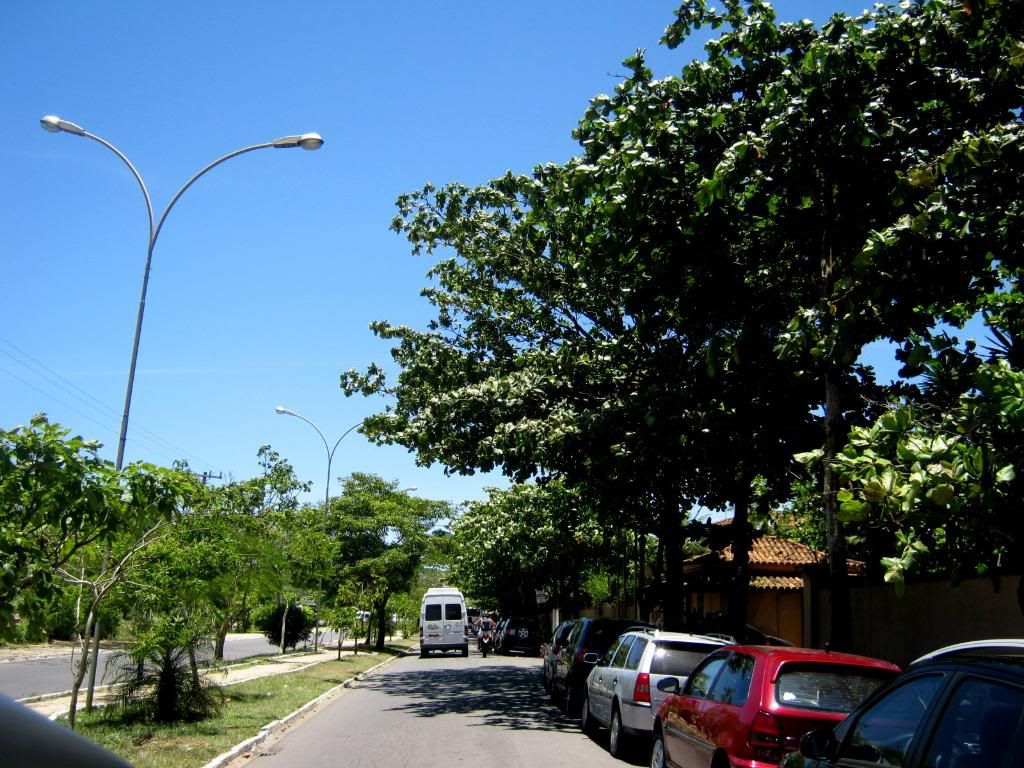
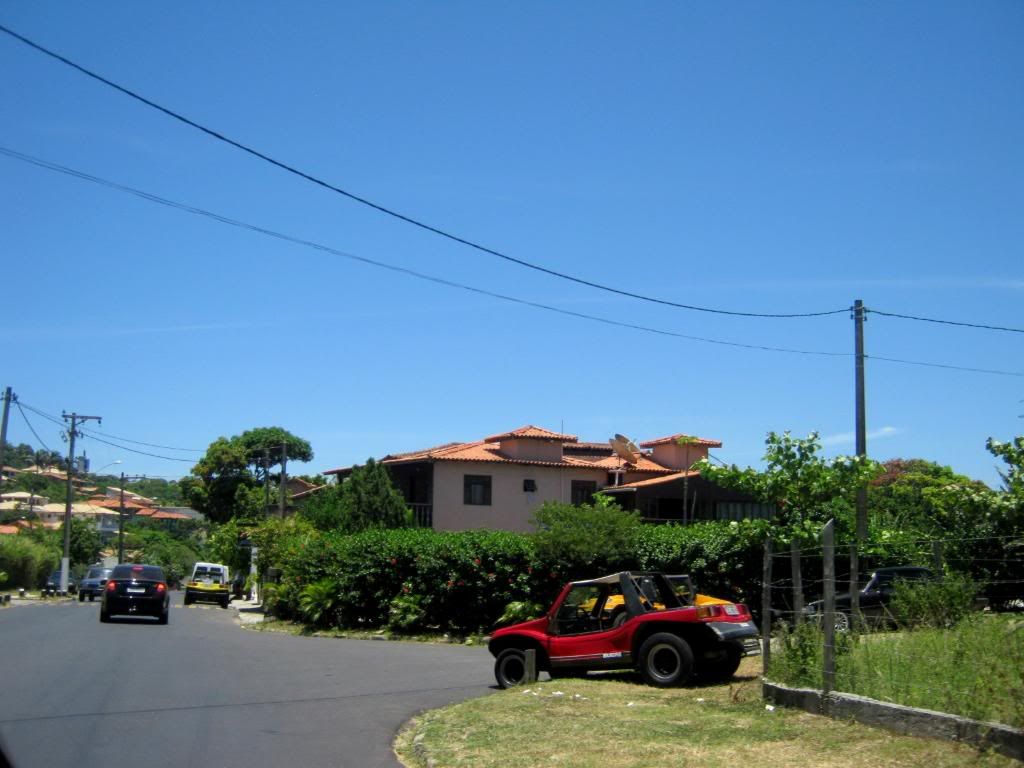
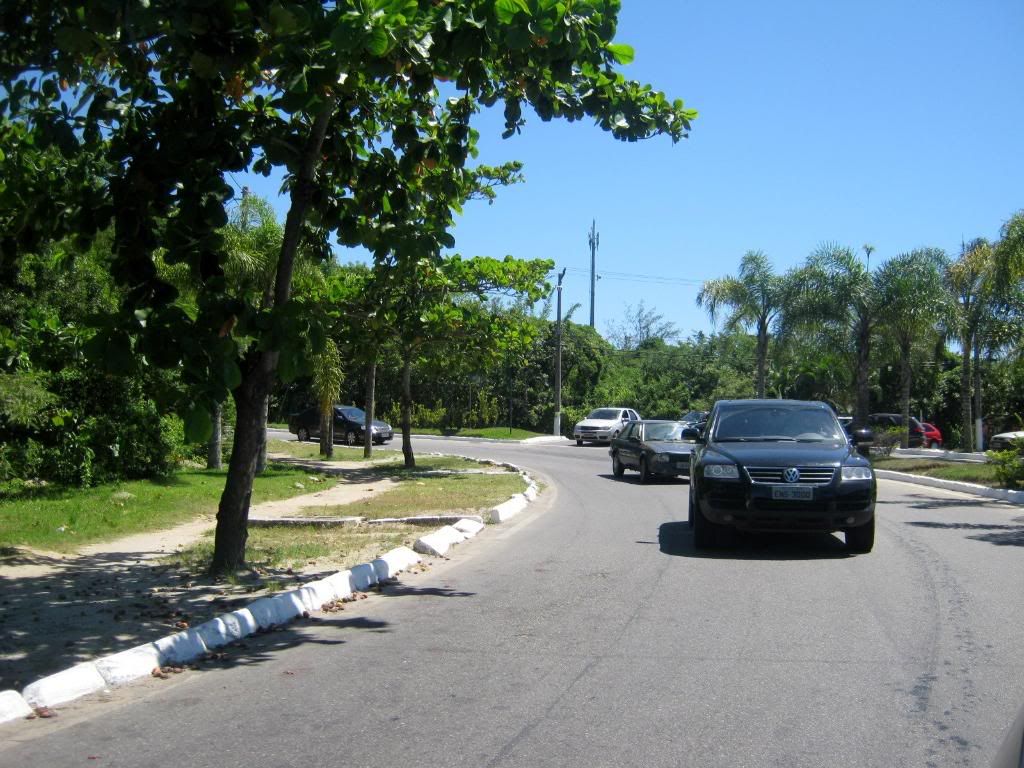
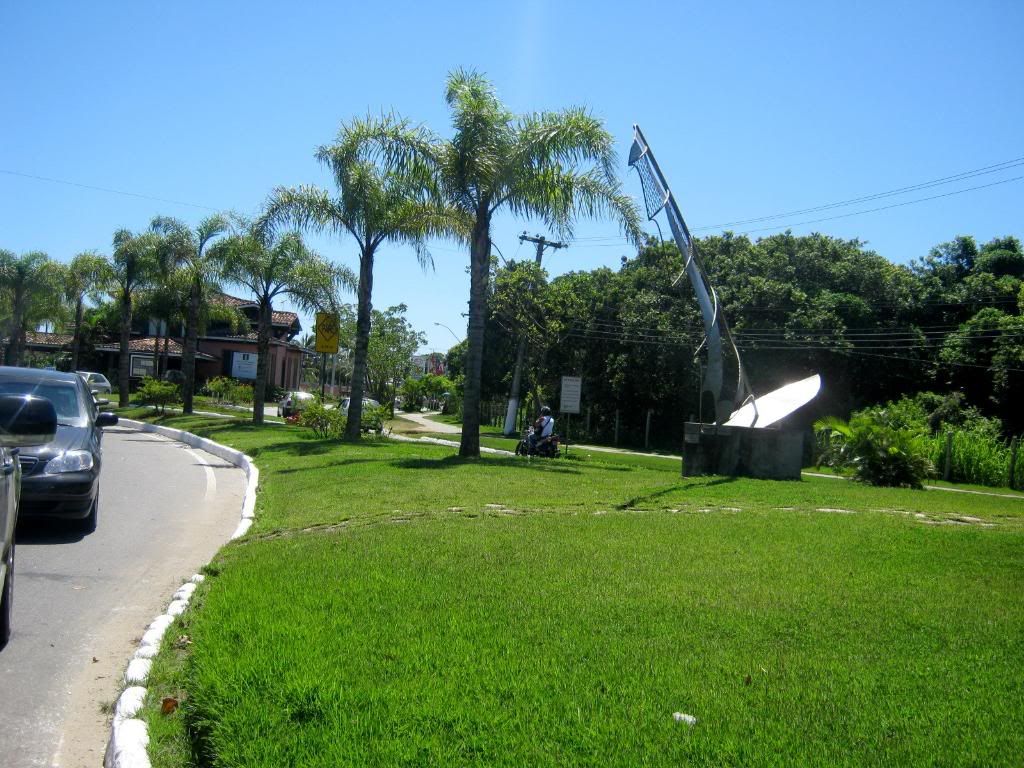
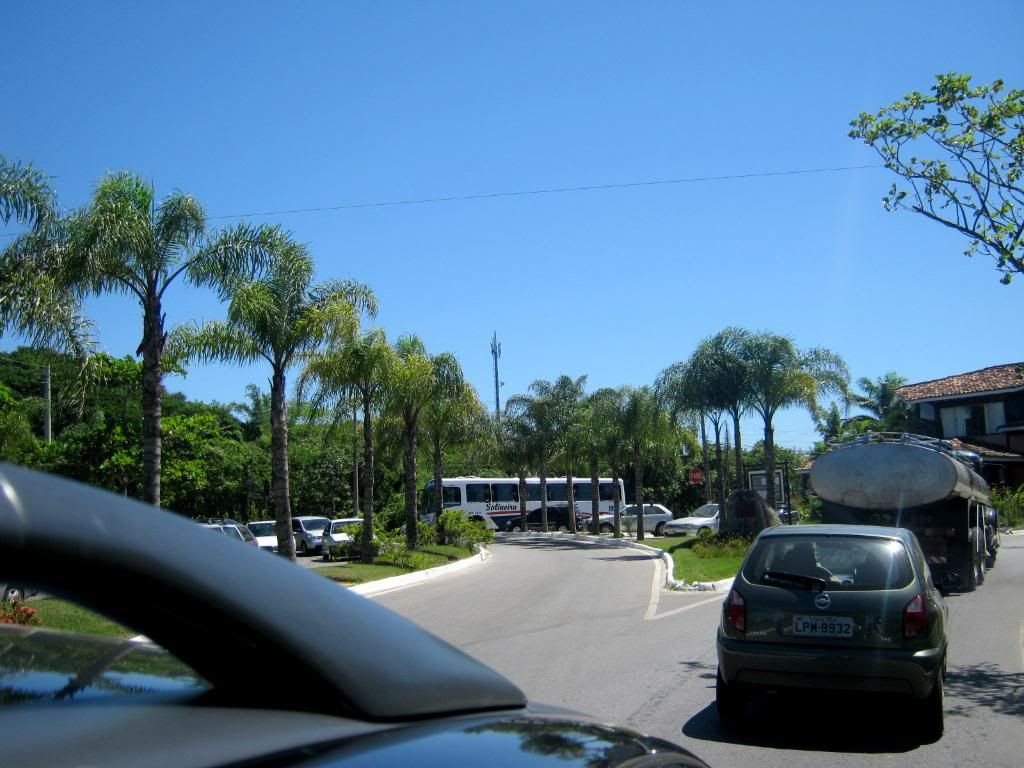
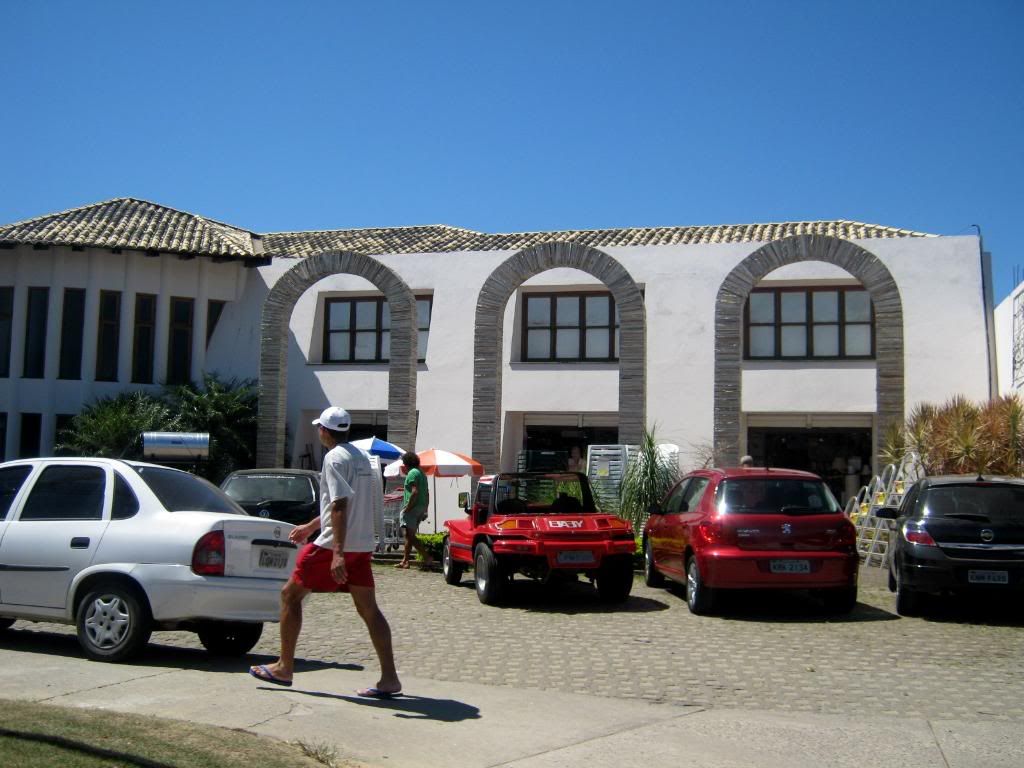
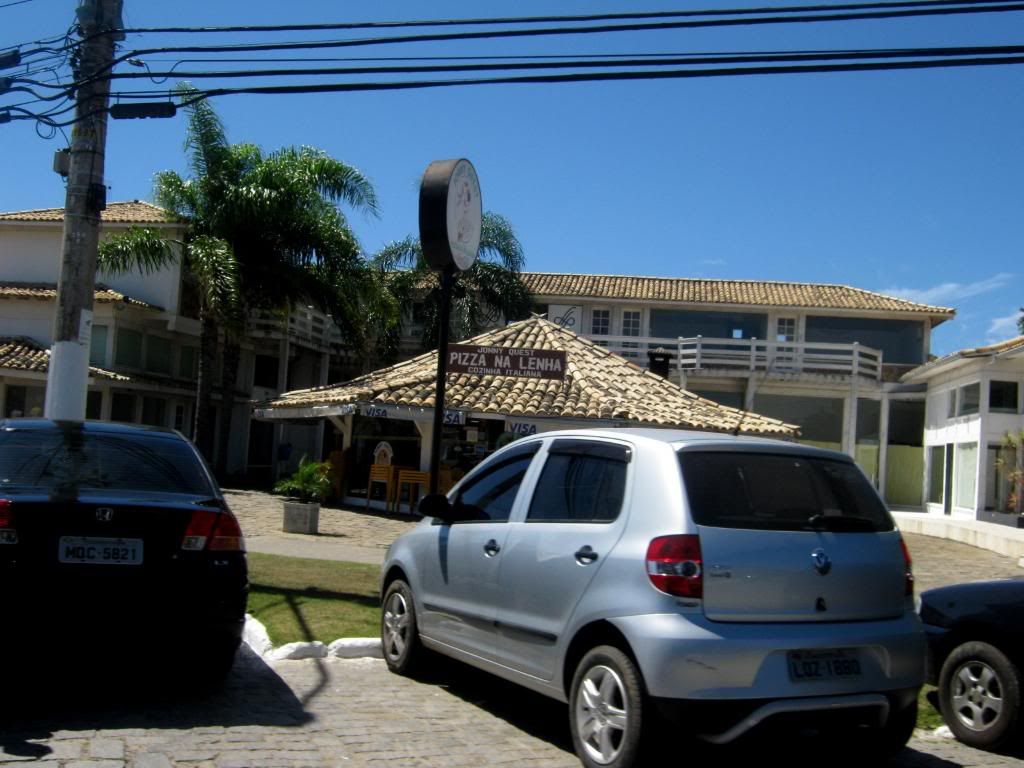
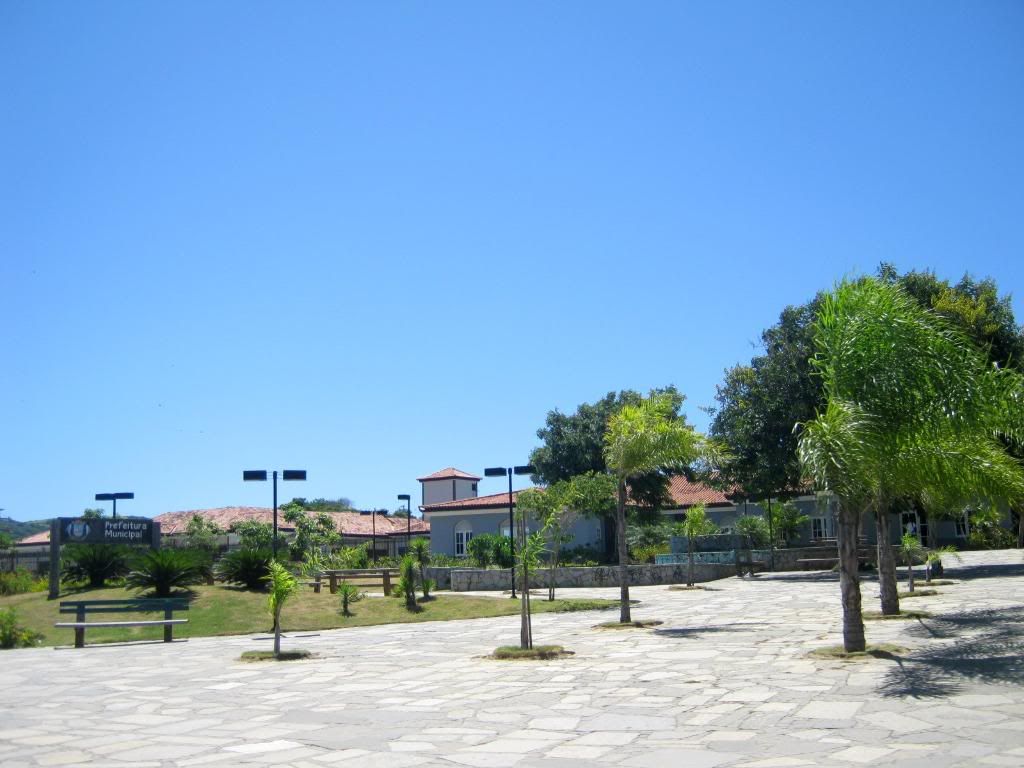
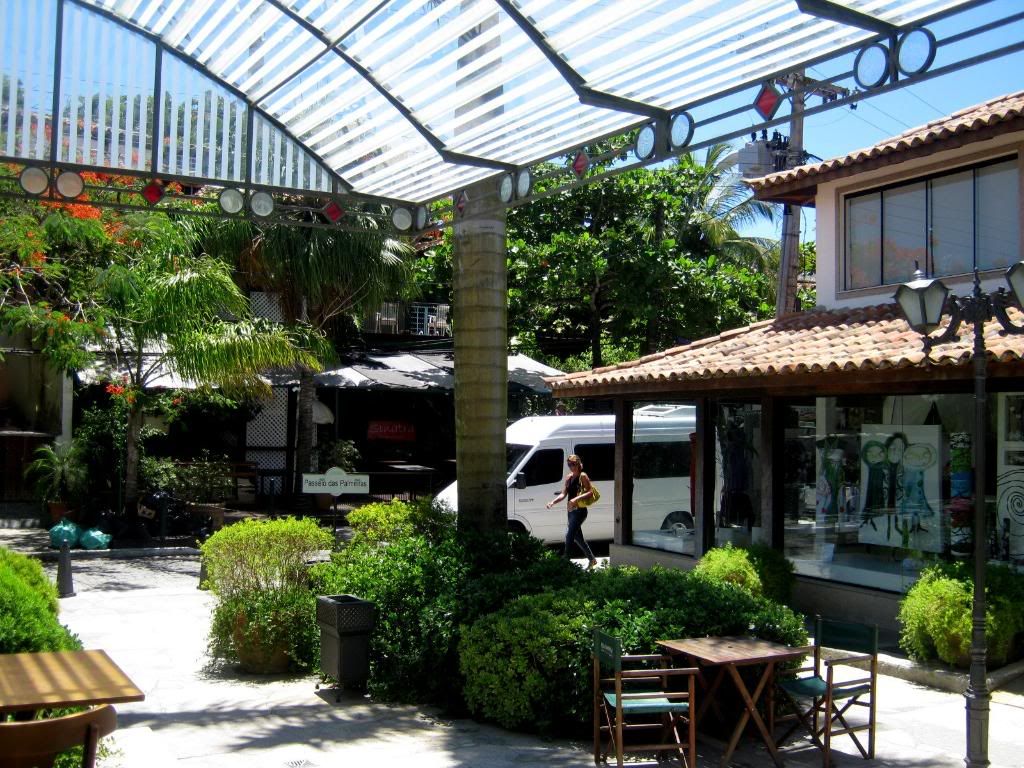
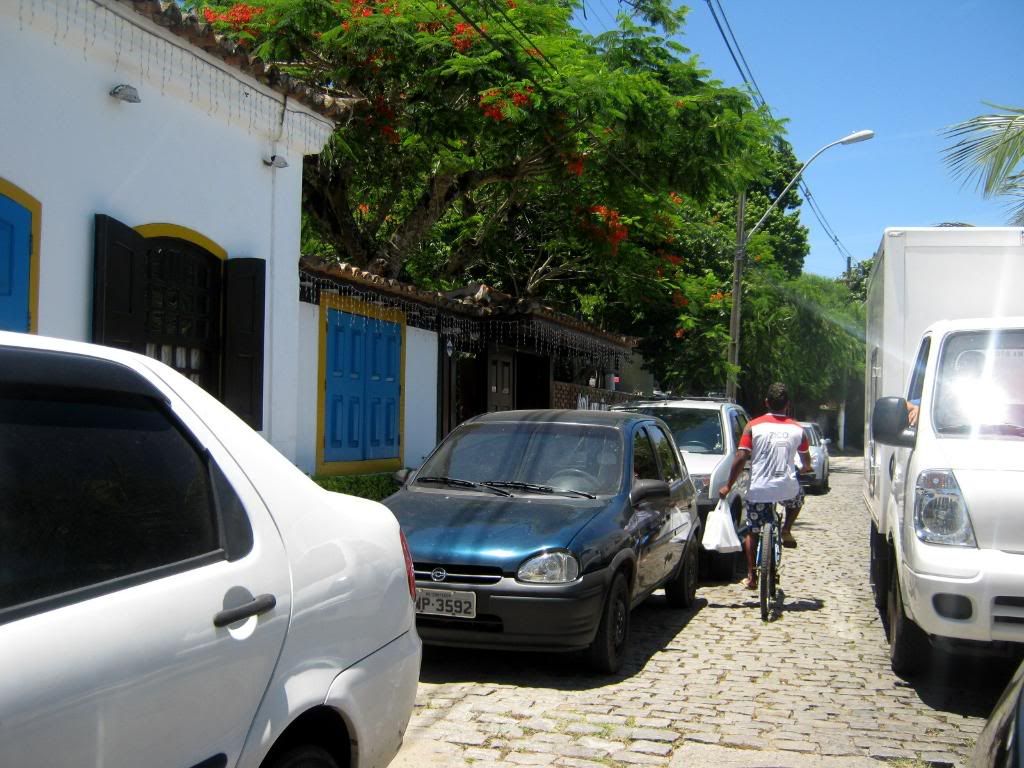
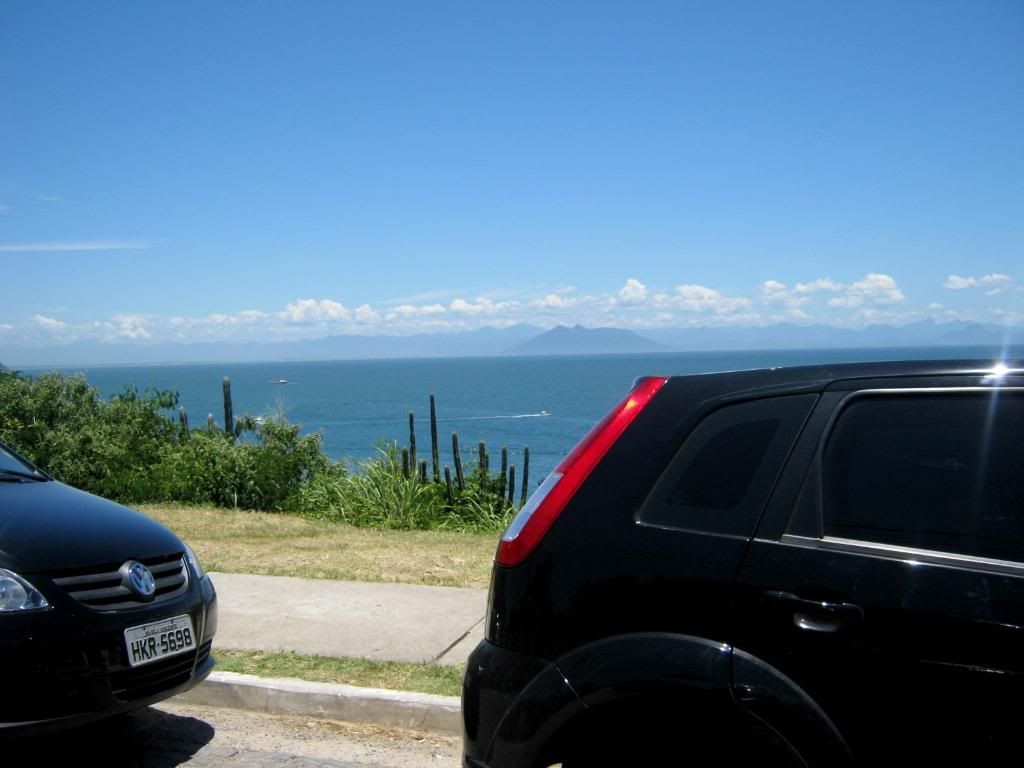
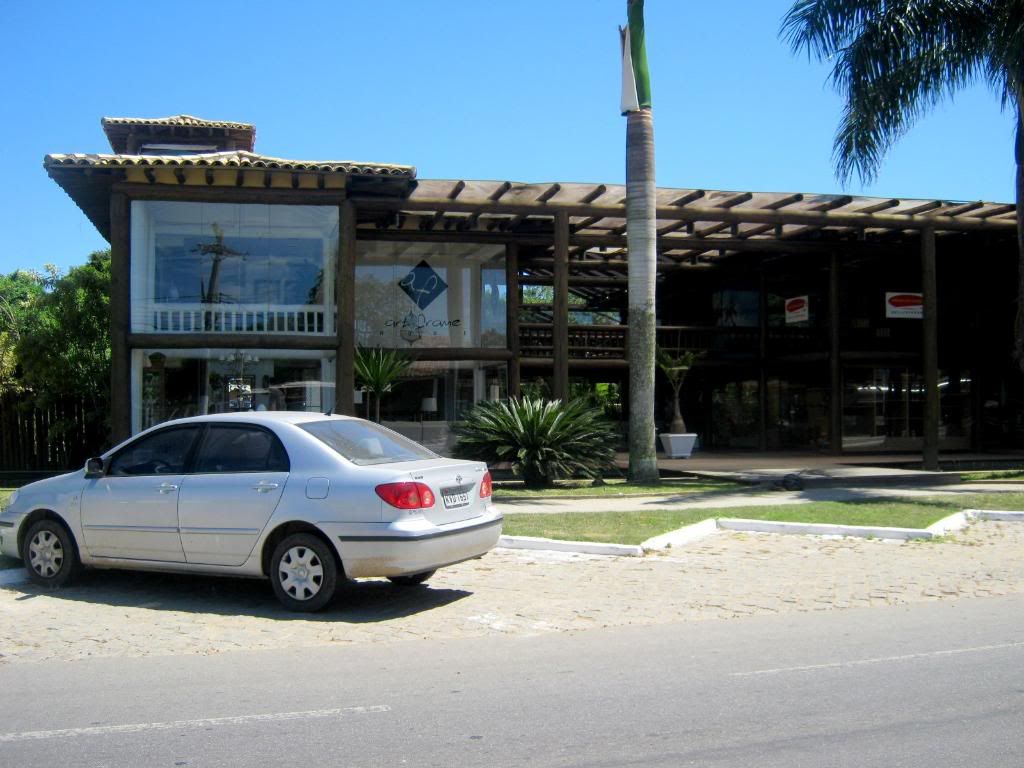
  • Armação dos Búzios | RJ (Búzios)… Cacique esteve lá e registrou esse belíssimo lugar!

    Búzios é uma cidade encantadora, sem dúvida será novamente meu proximo destino, em julho! Pra quem deseja descansar a mente, renovar as energias, não tem lugar melhor! Espero que gostem das fotos! :cheers:

  • SANTIAGO DE CHILE | Torre ENTEL | 130 Mts.

    Torre Entel es una torre de telecomunicaciones ubicada en la comuna de Santiago, en el centro de la ciudad homónima, capital de Chile. La Torre Entel es propiedad de Entel Chile y es su centro de operaciones.

    La Torre Entel, inaugurada en 1974, tiene una altura de 130 m desde su base, en la intersección de la Alameda del Libertador Bernardo O’Higgins con Amunátegui, junto a la estación La Moneda del Metro de Santiago.

    El edificio es visible desde distintos puntos de la capital por lo que se ha convertido en un símbolo de la ciudad y por muchos años fue el edificio más alto del país. Para optimizar la recepción de señales, la torre debe alzarse sobre todos los edificios cercanos lo que explica su forma y su altura

    El edificio es visible desde distintos puntos de la capital por lo que se ha convertido en un símbolo de la ciudad y por muchos años fue el edificio más alto del país. Para optimizar la recepción de señales, la torre debe alzarse sobre todos los edificios cercanos lo que explica su forma y su altura.

  • Fat Chance: Obesity Rate Isn’t Dropping, But It Isn’t Climbing

    fatMore than a third of U.S. adults are obese. But at least the climb in the country’s obesity rate seems to be slowing.

    Figures from the National Center for Health Statistics showed 34% of Americans age 20 and older were obese in 2007-08, according to a study of CDC data published in JAMA today. Add in people who are overweight and the total goes to 68%. Seventeen percent of children ages 2 through 19 were obese and 32% were overweight, another JAMA study said.

    Sounds grim. But CDC statisticians said the rapid obesity growth rates of the ‘80s and ‘90s were slowing for women and, more recently, for men as well. The obesity rate for men rose to 32% in 2007-08 from 27% in 1999-2000, but most of the increase was in the early years of that period.

    “I see this as relatively good news,” the director of the CDC’s division of nutrition, physical activity and obesity told Dow Jones Newswires. “It suggests we’ve halted the progression of the epidemic.”

    The obesity rates were based on survey data of the height and weight of 5,555 adults and nearly 4,000 children who are considered representative of the U.S. population. For adults, overweight was defined as a body mass index of 25 to 29.9. Obesity was defined as a BMI of 30 or higher. (Calculate your BMI here.)

    One exception to the promising trends was heavyweight boys, whose obesity rates continued to rise. “The heaviest boys may be getting even heavier,” researchers said.