Category: News

  • Windows Mobile 7 hardware will be certified

    Good news for future Windows Mobile 7 handset owners is that Windows Mobile 7 handsets will undergo strict verification for compliance with Microsoft’s Windows Mobile 7 specifications prior to release, at least according to this job posting.

    The posting is for a Software Development Engineer in Test, who is tasked with creating the tools to verify the hardware OEM’s produce are up to the task of running the latest version of Windows Mobile.

    Software Development Engineer in Test, E&D Mobile Device Strategy & Commercialize
    Job Category: Software Engineering: Test
    Product: Windows Mobile
    Division: Entertainment & Devices Division

    About Us:
    Want to be a key part of a cool, rapidly growing business? As the Mobile Communications Business continues to mature we continue to find ways to improve focus and processes to rapidly commercialize new Windows Mobile (WM) software and services with our OEM and Mobile Operator partners. As part of the new Mobile Device Strategy and Commercialization (MDSC) Hardware team, the Platform Group will be responsible to help drive rapid commercialization of WM by delivering the key adaptation software and hardware reference designs to partners as well as managing the Mobile dogfood strategy.

    Role & Opportunity:
    The MDSC Platform Group is looking for a strong SDET who is passionate about the next wave of our Windows Phones. You will be responsible for architecting and creating the tests that would allow us to certify that the phones the OEMs want to ship are built according to Microsoft’s specification for the next generation of Windows Phones. These tests will be shipped to partners that will need to pass them in order to get their phones in the market, to support them as they bring their devices up and continue throughout the commercialization process. This position requires a high level of technical expertise as well as cross-team interaction and quality communication. As you work on these cool new devices you will be in a unique position to evaluate and propose the need for changes on Windows Mobile platform that will lead to higher device stability and quality.

    Responsibilities:
    * Designing and developing tests and tools (software and hardware) that will be shipped to our partners to verify compliance
    * Leveraging and improving the quality of existing tests that will be used to improve reliability, performance, stability and power consumption to help OEMs get closer to compliance.

    This strategy should pay off in a more even and better user experience, and level the playing field between the various OEMs, who have up to now released handsets of varying and predictable levels of quality.

    Is this strategy long over due?  Let us know in the comments.

    Share/Bookmark

  • Jonathan Woss to Leave the BBC.

    read some of the countless heart-warming tributes here!

    😉

  • 2010 Has Started Off Fast

    I’m at CES all day wandering the floor looking for additional devices to wear on my body to monitor all aspects of my life.  In the mean time, there’s a bunch of great stuff in my world that has happened so far this week.  Here are links with a little commentary. 

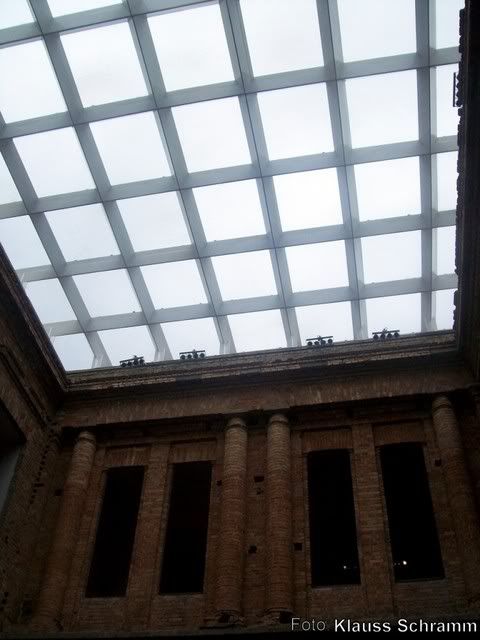
    Rally Software Raised $16m in a Round Led by Greylock: My friends at Rally Software are creating an important long term company in the Boulder ecosystem.  2009 was a great year for Rally – they grew a ton and dominated their market segment.  They didn’t need any additional financing but were approached by several firms in Q409.  Greylock put forth an attractive offer and their involvement, including the addition of our new board member Tom Bogan (Chairman of Citrix among other things), is a huge addition. 

    Jive Software Acquires Social Media Monitoring Startup Filtrbox: I’m extremely proud of Ari Newman, Tom Chikoore, and the rest of the team at Filtrbox.  They were part of the TechStars Boulder 2007 class and are now the fourth company from that class to have a positive exit (the others are SocialThing, Intense Debate, and Brightkite).  The team will become the Jive Boulder office and I expect they’ll grow nicely over the next year.

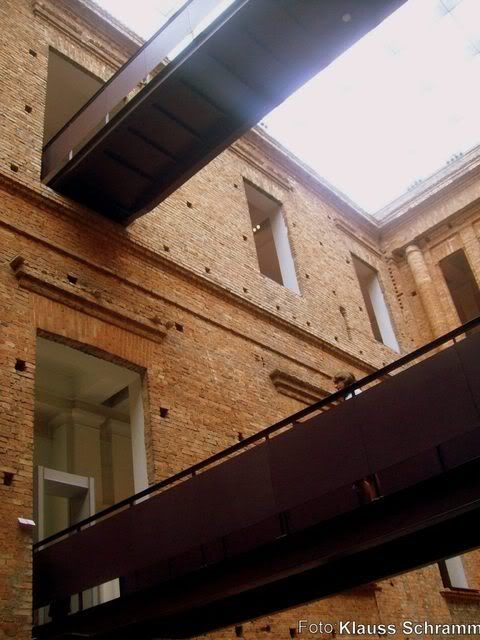
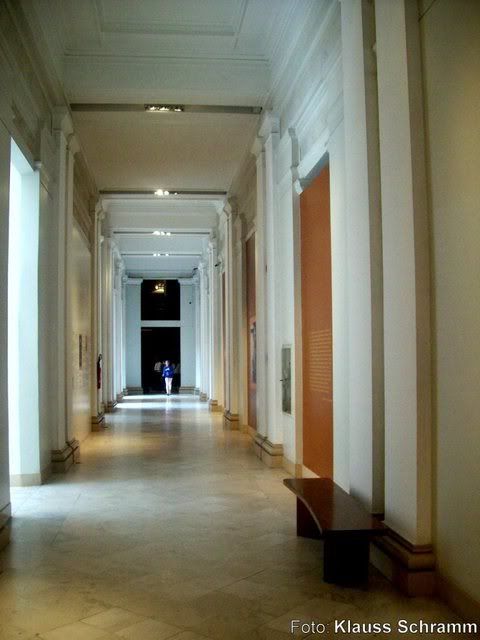
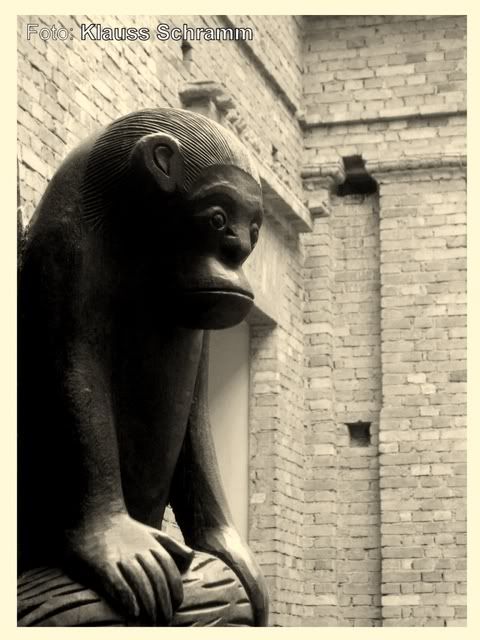
    Kidrobot Moves to Boulder:  While I’m not an investor in Kidrobot, I’m a huge fan.  Paul Budnitz is moving with about half of the 45 person company from New York and plans to hire another 20 people in Boulder in pretty short order.  Look for life sized Kidrobot thingies on the Pearl Street Mall this summer.

    TechStars Seattle won the Seattle Flashies “Tech Triumph of the Year”: Huge props for Andy Sack and Greg Gottesman for driving the creation of TechStars Seattle which will launch its first class in the fall of 2010.

    There’s a lot more coming, but for now I’m going to go touch as many screens and tablets as I can in the middle of the debauchery that is Las Vegas.


  • Rosenberg: Banks Are Hoarding More Cash Than Ever, And It’s Killing Growth

    In this morning’s Breakfast With Dave newsletter, Street favorite David Rosenberg discusses at length the troubles that still exist in today’s economy and financial markets. One topic Rosie touches on is how despite continued government intervention, growth and credit remain stagnant.

    Breakfast With Dave: Look at the charts below and you will see how little effect the policy stimulus is exerting leaving the government continuing with demand-growth policies, such as extended and expanded housing tax credits, and the Fed, Treasury and the FHA doing all it can to keep the credit taps open … and for marginal borrowers at that. So the charts below show what, exactly? That the transmission mechanism from monetary policy to the financial system and the broad economy is still broken fully 2½ years after the first Fed rate cut. Cash on bank balance sheets as a share of total assets is at a three-decade high.

    Bank lending to households and businesses has contracted more than 7% from a year ago, an unheard-of rate of decline unless you want to go back to Japan in the 90s or the U.S.A. in the 30s.

    Rosenberg Jan7th Chart 1

    Rosenberg Jan7th Chart 2

    Join the conversation about this story »

    See Also:

  • Dell’s Inspiron Laptops Are All Arrandale, Available Today [Laptops]

    13, 15 and 17 inches, Dell’s Core i3 and Core i5 Inspiron laptops should go on sale later today.


  • Cronos Plaza / Curridabat / Comercial y oficinas

    Un proyecto interesante, creo que son como 5 pisos, y queda al costado norte del hipermas de curridabata, sobre carretera vieja.
    El terreno ya esta preparado, y ya colocaron vallas con los banners, y con informacion sobre alquileres

    http://www.cronosplaza.com/index.php

    Tomadas de la pagina de IECA, las cuales son las mismas fotos que en el proyecto

    Ubicacion

  • CES 2010: iWave’s Crystal Clear Collection

    swarovski case 300x300 CES 2010: iWaves Crystal Clear CollectioniWave debuted a new line of accessories for iPod/iPhone embellished with Crystallized Swarovski Elements. Why? Because sparkles never get old. We live in an age of more sparkles then ever. With this affordable line of headphones, earbuds, and cases it is easier then ever to add some bling to your everyday electronics. Why not match your beautiful diamond earrings with some equally sparkly headphones? For more details visit the  iWave webiste here.

     CES 2010: iWaves Crystal Clear Collection


  • BCS National Championship Game Thread

    BB Rose bowl pic.jpg

    By popular demand, it’s time to discuss the last game of the season, the BCS national championship game between Alabama and Texas. Fanblogs correspondant Bama Babe has boots on the ground in Pasadena and we’ve asked her to send in some pictures to post, but all we’ve gotten so far are a few of her and Mickey at Disneyland and a shot of the back of an SUV supposedly driven by one of the Jonas brothers.

    On the line tonight is the SEC’s 4th straight BCS championship, and 5th out of the last seven. Also, the SEC has never lost a BCS CG, 5-0 including Tennessee over FSU for the 1998 season. Texas is looking for their second BCS crown of the decade, which would tie them with Florida and LSU with two each. USC also won two NCs during the decade, but only one of those was a BCS crown, the other being split, in 2003.

    First order of business, tell us who you think will win the game and who you want to win the game. For me, an Auburn fan, although I know that strategically it’s good for the conference with a win by the Tide, tactically, it might be too big an obstacle to overcome. Good thing I don’t live in the state. I think Alabama wins handily, but the score is low, 24-16. As far as who I’ll pull for: Hook Em!

    © fanblogs.com

    View the original post or comment on BCS National Championship Game Thread…


  • Mississippi Guardsman goes extreme

    The bus was waiting on the curb when the limousine pulled up. The doors opened and
    the family got out of the back of the car…

  • California boosts support to combat vets

    California Gov. Arnold Schwarzenegger today announced a new state initiative to
    better help returning combat veterans to land jobs and get whatever help they need
    in securing housing, health care and other veterans’ services…

  • Guardsmen spend career in one unit

    Many communities across America raise Soldiers, and it is a calling to give back to
    those communities through military service…

  • DoD, VA step closer to integrated records

    The Defense Department soon will join a Veterans Affairs Department and Kaiser
    Permanente partnership designed to improve the way military veterans and the nation
    receive health care, the VA’s top health affairs policy advisor said
    today…

  • Oregon F-15s scramble to escort Hawaiian Airlines flight

    Two Oregon Air National Guard F-15 fighters, under the direction of North American
    Aerospace Defense Command, intercepted Hawaiian Air Flight 39 in the vicinity of
    Portland, Ore., today…

  • “Smart” pasting at The New Yorker site

    Interesting: When you copy text from a New Yorker article and paste it somewhere else, it automatically includes a “Read more: URL” at end of paste.

    Copied this:

    New Yorker

    Then pasted it into an email and it showed up like this (with “Read more” link):

    New Yorker

    NY Post (and others?) also doing this.

    Update: Tynt is what these sites are using. “Measuring reader engagement by how often they copy and paste” talks more about how sites use the data generated by Tynt. [thx ZS]

  • Centro de São Paulo por KASchramm: Parte 1 – Turismo na Luz!

    Feliz 2010 a todos! :cheers:

    Conforme eu havia cogitado, há algum tempo quero fazer um thread o mais completo possível sobre o Centro de São Paulo. Aproveitando as minhas férias, resolvi colocar essa ideia em prática. O thread é sobre algumas opções turísticas na Luz. O que eu queria é mostrar a realidade, não só os prédios bonitos e áreas agradáveis, mas tenho receio de fotografar (a Cracolândia é BEM próxima). Queria mostrar também os prédios da ETESP, Quartel Tobias de Aguiar, Museu de Arte Sacra, mas não consegui achar a pasta aonde deixei as minhas fotos do dia em que fui lá. No primeiro post, coloco fotos garimpadas desses lugares. Espero que curtam o passeio. 🙂

    Matéria bem interessante da revista DiverCIDADE

    E assim fez-se a Luz
    Antigo bairro nobre, Luz luta hoje por sua revitalização
    por Audrey Camargo

    O grandioso conjunto arquitetônico do bairro da Luz revela como o local foi nobre e valorizado. Esse patrimônio, atualmente utilizado para abrigar instituições culturais como o Departamento do Patrimônio Histórico (DPH), a Sala São Paulo, Pinacoteca do Estado, entre outros, há alguns anos contrasta com a pobreza e a degradação do entorno. A revista diverCIDADE foi resgatar essa história para conhecer como se deu a transformação na região.

    Formação do bairro

    O local que hoje chamamos de bairro da Luz já foi um vasto campo pantanoso. Seu nome era Campo do Guaré ou Caminho do Guarepe – em linguagem indígena “matas em terras molhadas” – porque em épocas de chuva os rios Tamanduateí e Tietê transbordavam e inundavam o local.

    O nome Luz veio de sua posterior ocupação, no período em que eram distribuídas datas e sesmarias pela metrópole aos colonizadores portugueses. Uma dessas datas foi doada em 1583 a Domingos Luiz – mais conhecido como o Carvoeiro. Em sua terra, Domingos Luiz ergueu uma ermida em homenagem à sua santa de devoção Nossa Senhora da Luz, cunhando definitivamente o nome do bairro.


    No local onde foi erguida a ermida de Nossa Senhora da Luz hoje está o Mosteiro da Luz (Museu de Arte Sacra)

    O antigo caminho do Guaré foi ocupado durante muito tempo por fazendas e o gado andava solto pelos pastos. Mas, pouco a pouco, pântanos foram aterrados, pontes construídas e locais como o Jardim da Luz e o Seminário Episcopal erguidos.

    Em 1860 teve início a construção da ferrovia The São Paulo Railway Company, por iniciativa do Barão de Mauá, em associação com o capital inglês, para o escoamento da produção cafeeira do interior para o porto de Santos.

    Dessa forma, o bairro recebeu em 1865 a Estação da Luz e logo depois, nas suas proximidades, a Estação Sorocabana, o que gerou profundas mudanças no bairro. A área se valorizou e a administração pública realizou obras de melhoria integrando o bairro ao centro da cidade. O comércio no entorno da estação diversificou-se para atender os viajantes com hotéis e restaurantes.


    Segundo prédio da Estação Sorocabana. O terceiro prédio (contíguo), inaugurado em 1938, hoje abriga a Sala São Paulo, sede da Orquestra Sinfônica do Estado de São Paulo (OSESP).

    A Luz tornou-se um local aprazível. A atual Avenida Tiradentes era um arborizado boulevard e os paulistanos freqüentavam o Jardim da Luz nos finais de semana. Nos Campos Elíseos, bairro vizinho, a elite do café construiu seus palacetes. E bairros populares surgiram nas proximidades para abrigar os trabalhadores das ferrovias e do comércio local.

    Algumas das maiores construções do arquiteto Ramos de Azevedo, principal idealizador dos edifícios públicos no período, também surgiram no final do século XIX: a Escola Politécnica, o Liceu de Artes e Ofícios e o Quartel da Força Pública.

    Decadência e Revitalização

    Entretanto, o desenvolvimento do bairro e de toda a cidade trouxe no bojo os fatores de sua degradação. Por não haver mais para onde expandir, e devido ao antigo problema de transbordamento dos rios Tamanduateí e Tietê, o bairro foi perdendo importância e a população começou a se dirigir para as zonas sul e oeste.

    Gradualmente, no século XX, a utilização da ferrovia declinou e ela perdeu sua antiga função. Além de ter de competir com os bondes, carros e, posteriormente, ônibus e caminhões a estação passou a integrar o sistema metropolitano de transporte de passageiros das regiões mais periféricas, o que popularizou a região.

    A presença de cortiços, prostituição e comércio de drogas desvalorizaram ainda mais o bairro, juntamente com a implantação do metrô e transformação da Avenida Tiradentes em via expressa. Todos esses fatores aliados ao caos trazido pelo eixo rodoviário das marginais terminaram por degradar ainda mais o bairro.

    Recentemente, foi fechada uma parceria dos governos federal, estadual e municipal, para revitalização da área central da cidade, e a Luz foi contemplada com obras de benfeitoria e policiamento. Novos empreendimentos imobiliários e restauros no espaço público estão previstos, o que pode melhorar problemas urbanísticos como o aspecto visual do local.

    A prefeitura passou a realizar vistorias em bares, hotéis e ruas para combater a criminalidade, prostituição e venda e consumo de drogas, principalmente na região que ficou conhecida como Cracolândia, localizada próximo ao bairro.

    Mas para resgatar a vitalidade de outrora ainda há muito que recuperar, principalmente no que se refere a segurança e ao atendimento das necessidades da população que mora nas ruas do bairro. Para que todos possam, dessa forma, desfrutar desse antigo e belo espaço da cidade.

    FOTOS

    1 Estação Júlio Prestes. Fonte

    Localizada na divisa dos bairros de Campos Elíseos e Bom Retiro, a estação Júlio Prestes foi inaugurada em 1938, com 25 mil metros quadrados, depois de 12 anos de construção, para sediar a Estrada de Ferro Sorocabana
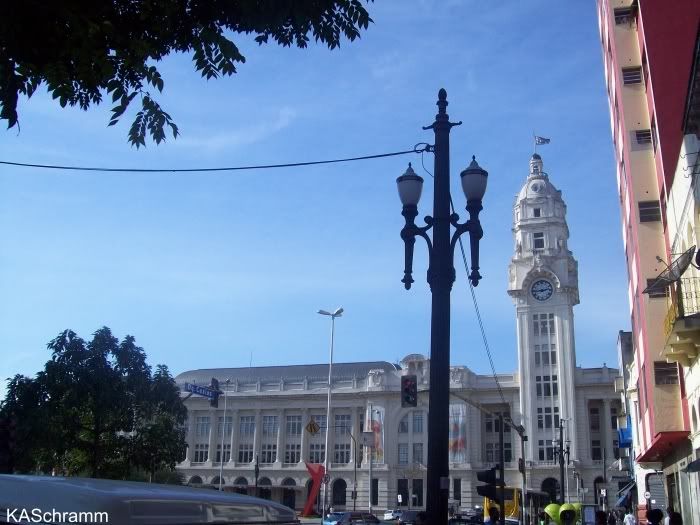
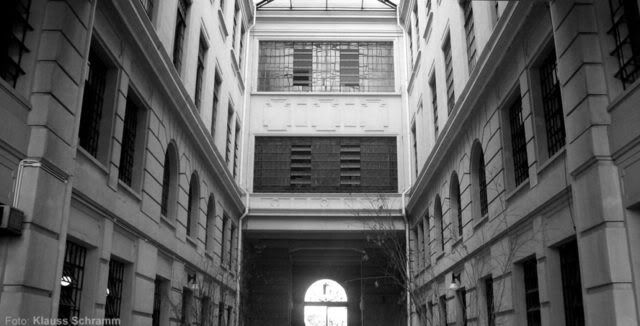
    2 Localizada na divisa dos bairros de Campos Elíseos e Bom Retiro, a estação Júlio Prestes foi inaugurada em 1938, com 25 mil metros quadrados, depois de 12 anos de construção, para sediar a Estrada de Ferro Sorocabana. E a plataforma foi construída com estrutura metálica do hangar do Graf Zeppelim,18 um gigantesco dirigível alemão que sobrevoou São Paulo em 1936, transportando dezenas de passageiros.
    3
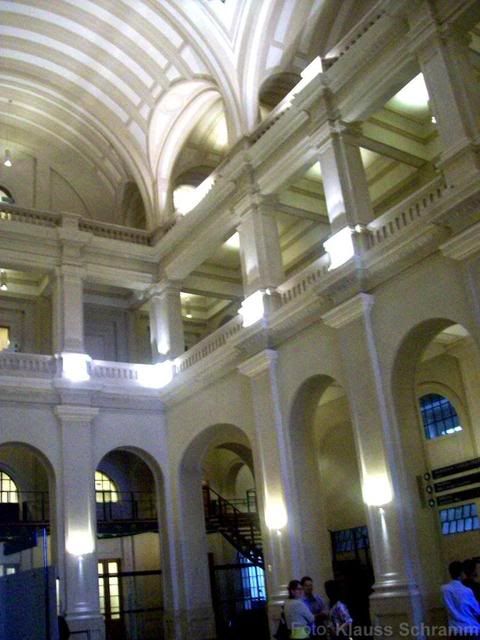
    4 Estação Júlio Prestes testemunhou a degradação da região central da cidade. Porém, em 1999, a Secretaria de Cultura do Estado de São Paulo transformou o “grande hall” do edifício – uma área de 984 metros quadrados e pé-direito de 20 metros – na Sala São Paulo, um auditório com excelente acústica, capacidade para 1.500 lugares, voltada aos concertos de música erudita. De grande inovação tecnológica, a sala comporta um teto ajustável por meio de painéis que garante a qualidade de som, criando ambientes acústicos para cada repertório executado.19
    O prédio tornou-se a sede da Orquestra Sinfônica do Estado de São Paulo, a Osesp, regida pelo maestro John Neschling desde 1997. O público passou de 200 para 1.300 pessoas por apresentação.
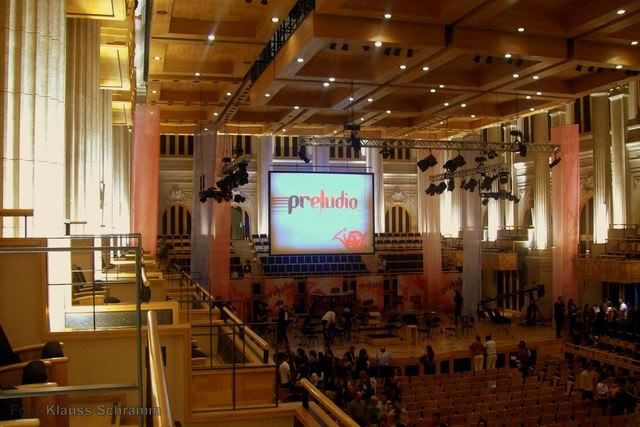
    5 Informação acrescentada por mim: A Sala São Paulo tem uma das cinco melhores acústicas do mundo em salas de concertos.
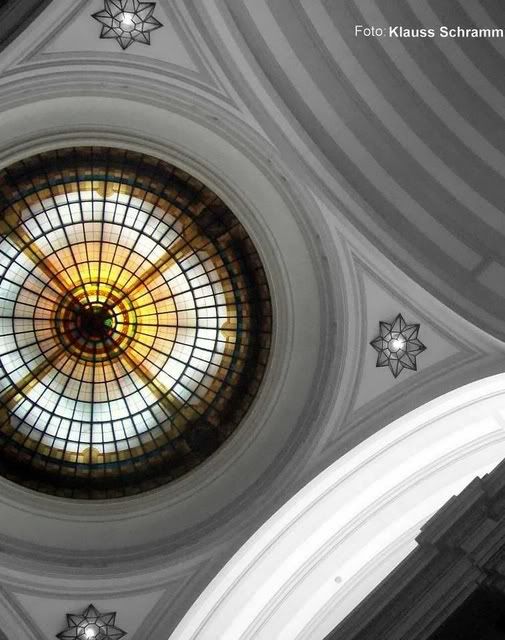
    6
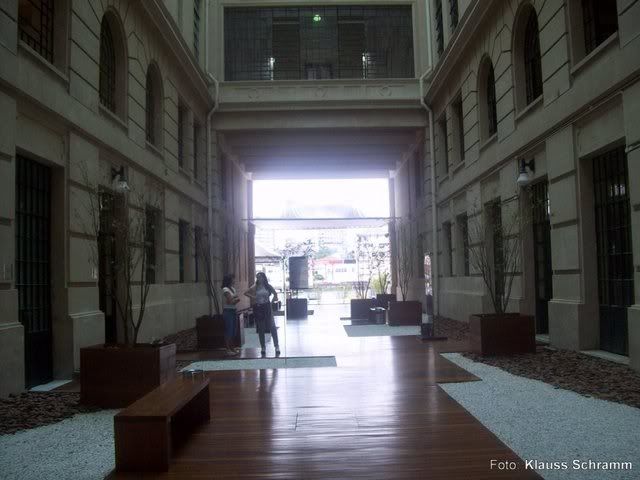
    7

    8 [b] [img]http://i359.photobucket.com/albums/oo32/kaschramm/Luz/100_2487.jpg[/img]

    9 [b]Estação Pinacoteca[/b]. O prédio onde funcionou, por mais de meio século, o Dops (Delegacia de Ordem e Política Social), no centro de São Paulo, recebeu o nome de Estação Pinacoteca e abriga parte do programa de exposições temporárias e as mostras infantis realizadas pela Pinacoteca durante o ano. Inaugurado em 1914, e projetado por Ramos de Azevedo para servir de armazém da Cia. Sorocabana, o prédio foi totalmente restaurado de acordo com projeto do arquiteto Haron Cohen. Hoje, o espaço de 8000m2 apresenta condições técnicas ideais para as atividades museológicas que comporta.
    [img]http://i359.photobucket.com/albums/oo32/kaschramm/Luz/100_2509.jpg[/img]

    10 O local onde ficavam confinados os presos no antigo prédio do DOPS deu lugar ao Memorial da Liberdade, que conta com quatro celas e um totem multimídia, onde o público tem acesso ao acervo de fichas e prontuários de pessoas que passaram por lá, como Monteiro Lobato e Mário Covas, ou tiveram seu nome registrado na época da ditadura, como o presidente Fernando Henrique Cardoso e o ator Paulo Autran. Esse espaço está hoje sob responsabilidade do Arquivo do Estado de São Paulo. Consolidando também o papel educativo desempenhado pelo Museu, são desenvolvidas na Estação Pinacoteca atividades de capacitação de professores.
    [img]http://i359.photobucket.com/albums/oo32/kaschramm/Luz/100_2514.jpg[/img]

    9 [url="http://www.cultura.sp.gov.br/portal/site/SEC/menuitem.6eb44e481fba6c0ff828f049c19714a0/?vgnextoid=e475b2205add8010VgnVCM1000001c01a8c0RCRD” target=”_blank”>Fonte
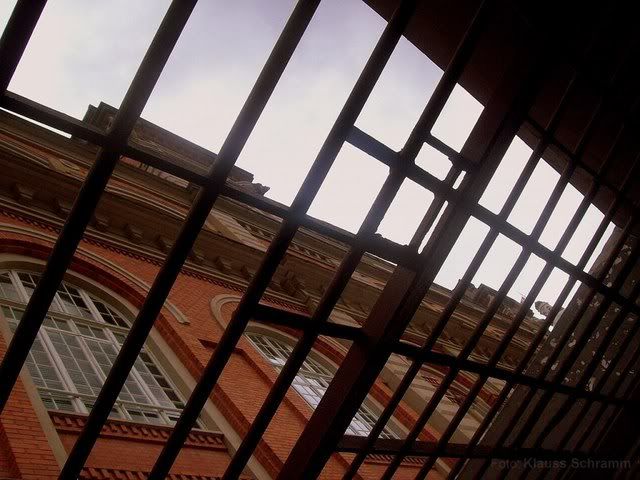
    10 Para quem tiver maior interesse no Memorial, há um vídeo no final do thread. Não quero deixar o tópico muito carregado.
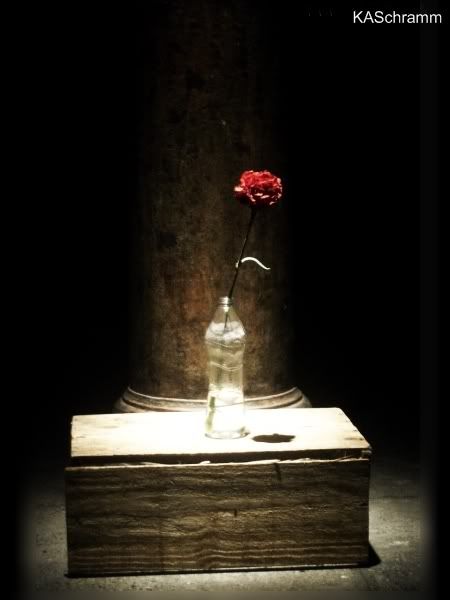
    11 Parque da Luz.
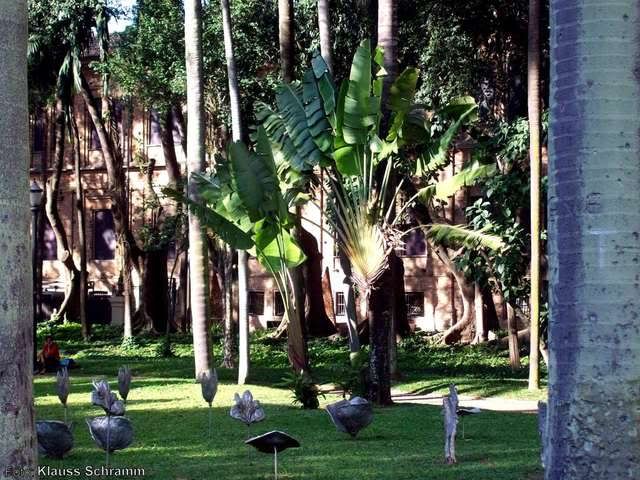
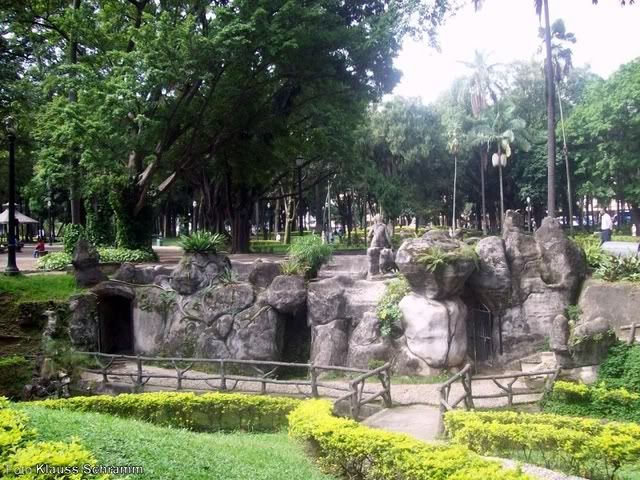
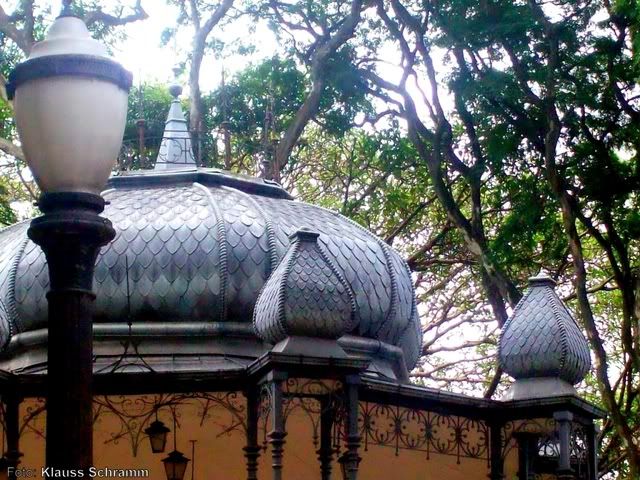
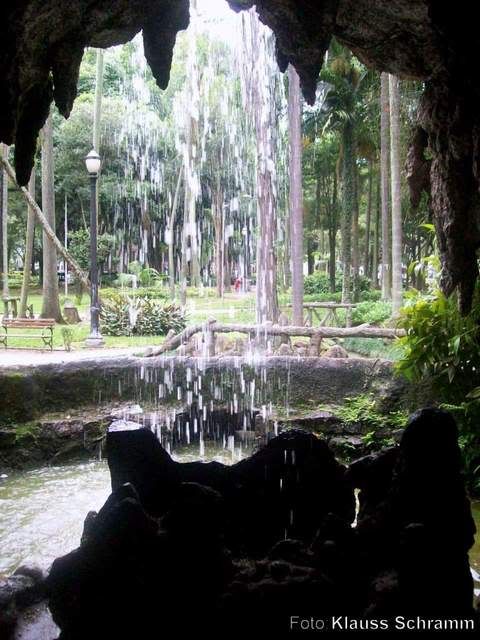
    12 Também conhecido como Jardim da Luz, possui cerca de 113 metros quadrados e é o mais antigo jardim botânico da capital paulista. Ele foi criado ainda no período colonial, quando a Coroa Portuguesa obrigou a criação de hortos pela cidade.

    13 No início do século 20, o local passou pela sua maior reforma, com novo paisagismo, bosques, iluminação e obras de arte. Em 1981, o parque foi tombado como patrimônio histórico, abrigando hoje, importante acervo da Pinacoteca do Estado, com cerca de 50 esculturas de artistas como Lasar Segall, Leon Ferrari, entre outros.

    14 Fonte

    15

    16
    17
    18 Gruta artificial
    19 [b]Pinacoteca do Estado de São Paulo[/url].
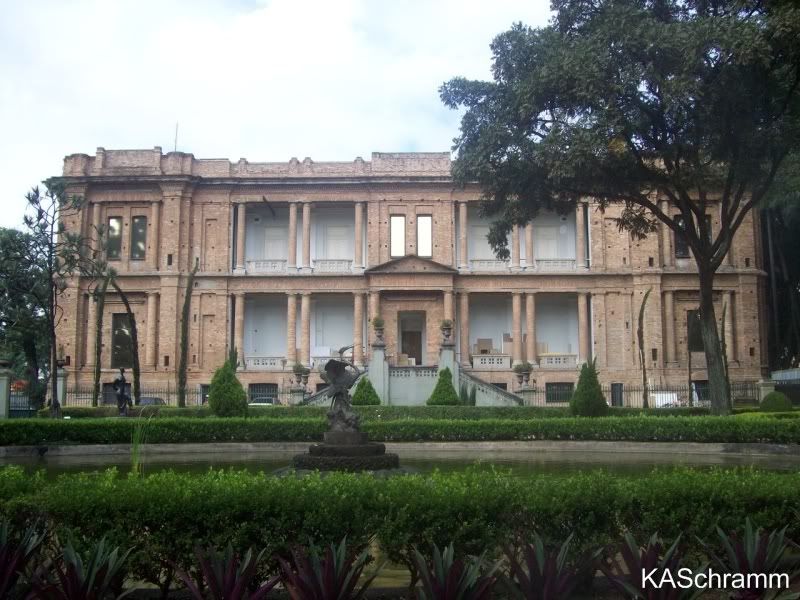
    20 Inaugurada em 1905, a Pinacoteca do Estado foi o primeiro museu de arte do Estado de São Paulo.
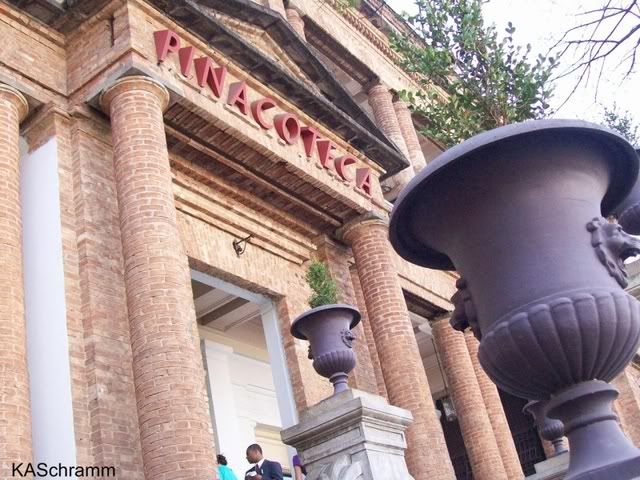
    21 Seu acervo conta com aproximadamente 4 mil obras de artistas nacionais, como Anita Malfati, por exemplo, e internacionais como Bourdelle e Rodin. Este último levou 200 mil pessoas à Pinacoteca, em 1995, na exposição de maior público que este museu já comportou.
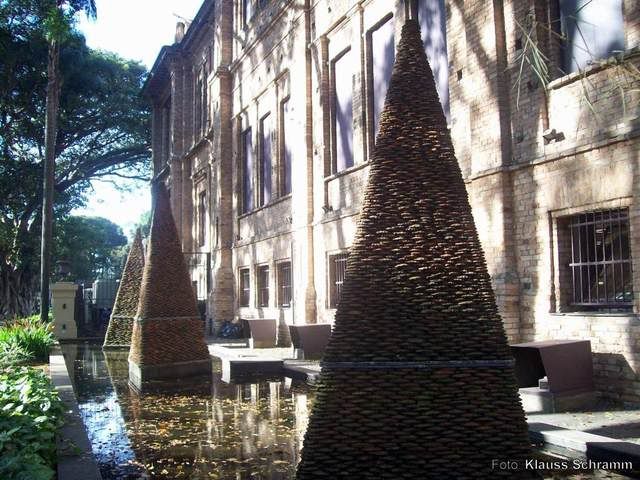
    22 Fonte
    23 O projeto original de Ramos de Azevedo nunca foi concluído, na minha opinião, felizmente.
    24 Nessa foto, o brilho passa a impressão do ambiente ser aberto ao ar livre, mas na verdade há uma clarabóia semelhante a da foto anterior.
    25 Nos anos 90 a Pinacoteca passou por uma reforma, assinada pelo arquiteto Paulo Mendes da Rocha.
    26
    27
    28
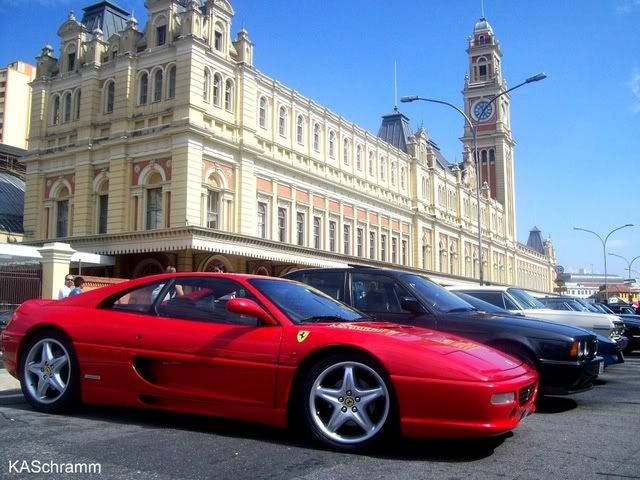
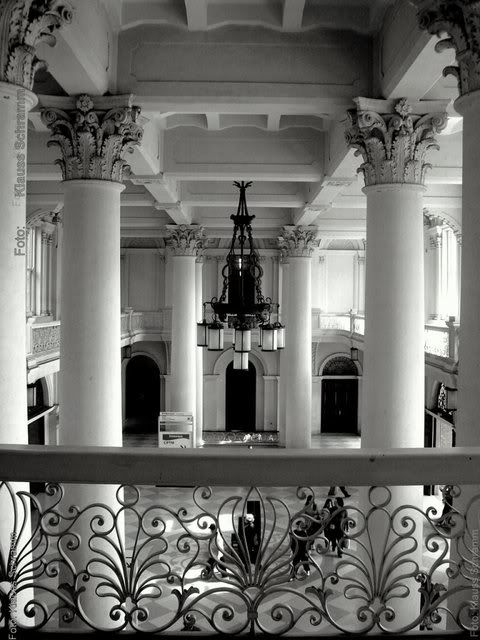
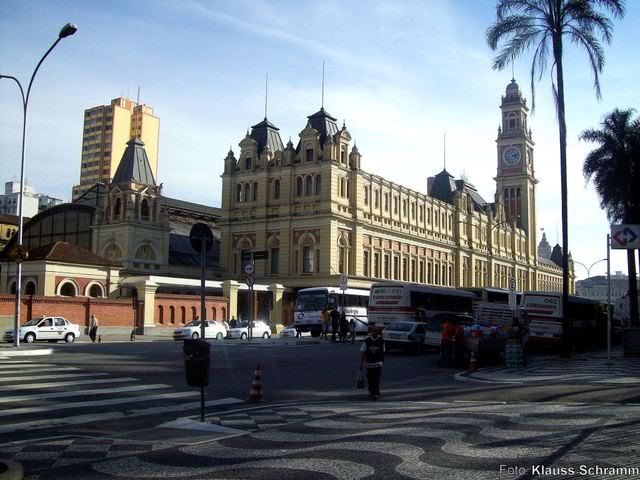
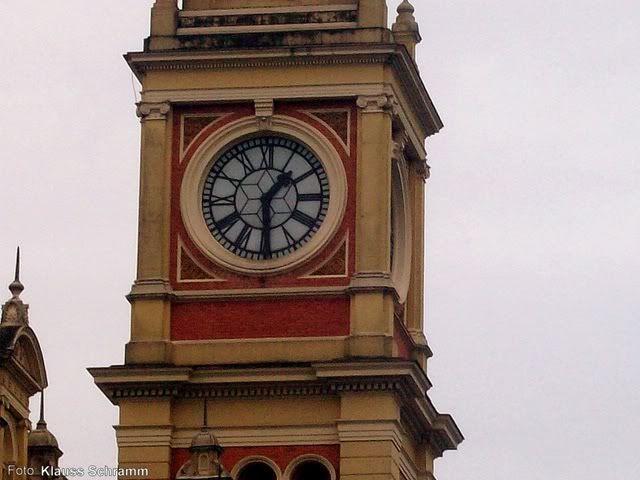
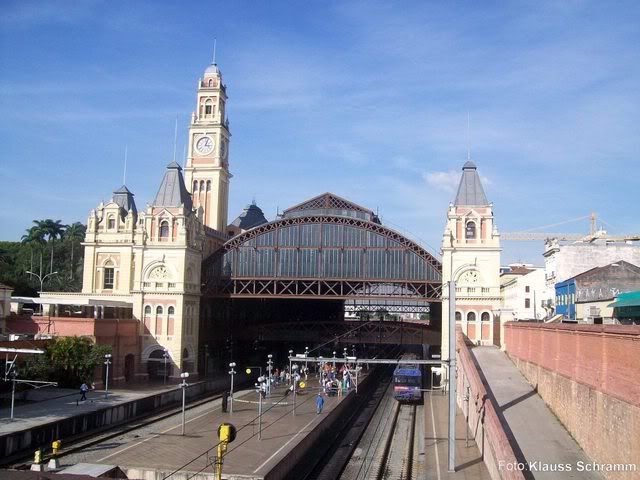
    29 Estação da Luz (foto tirada na Virada Cultural). Aberta ao público em 1º de março de 1901, a Estação da Luz ocupa 7,5 mil m² do Jardim da Luz, onde se encontram as estruturas trazidas da Inglaterra que copiam o Big Ben e a abadia de Westminter. Não houve inauguração, já que o tráfego foi sendo deslocado aos poucos, mas não demorou muito para que o novo marco da cidade fosse considerado uma sala de visitas de São Paulo. Todas as personalidades ilustres que tinham a capital como destino eram obrigadas a desembarcar no local. Empresários, intelectuais, políticos, diplomatas e reis foram recepcionados em seu saguão e por lá passavam ao se despedirem.
    30 A estação tornou-se porta de entrada também para imigrantes, promovendo a pequena vila de tropeiros a uma importante metrópole. Esta importância, concedida à São Paulo Railway Station, como era oficialmente conhecida, durou até o fim da Segunda Guerra Mundial. Após este período, o transporte ferroviário foi sendo substituído por aviões, ônibus e carros, muito mais rápidos que os trens.
    31 Em 1946, o prédio da Luz foi parcialmente destruído por um incêndio. A reconstrução da estação foi bancada pelo governo e se estendeu até 1951, quando foi reinaugurada. Ela ainda passou por outras reformas e restaurações. Já em 1982 o complexo arquitetônico da Estação da Luz foi tombado pelo Conselho de Defesa do Patrimônio Histórico, Artístico, Arqueológico e Turístico (Condephaat).
    32
    33
    34
    35
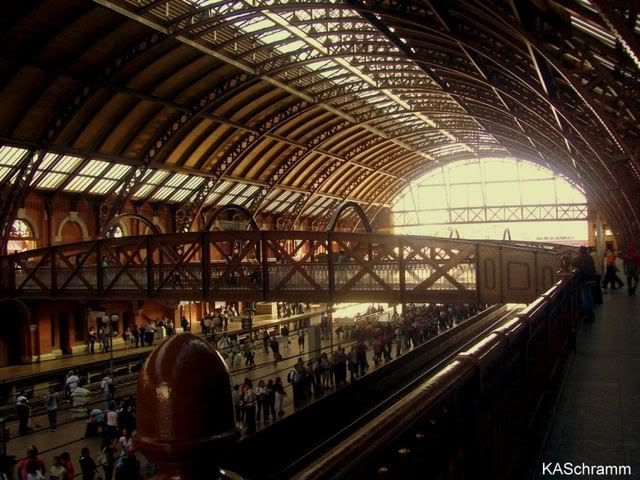
    36
    37 Museu da Língua Portuguesa. Recursos de interatividade e tecnologia para apresentar os conteúdos são os diferenciais de um dos museus mais frequentados do Brasil. O acervo é exposto de forma inovadora e inusitada. A visitação é feita de cima para baixo. No auditório do terceiro andar pode ser assistido um vídeo de dez minutos sobre o surgimento da língua portuguesa. Depois a pessoa passa para a Praça da Língua, onde um audiovisual, com textos projetados por toda a sala, ilustra a riqueza do idioma falado no Brasil.
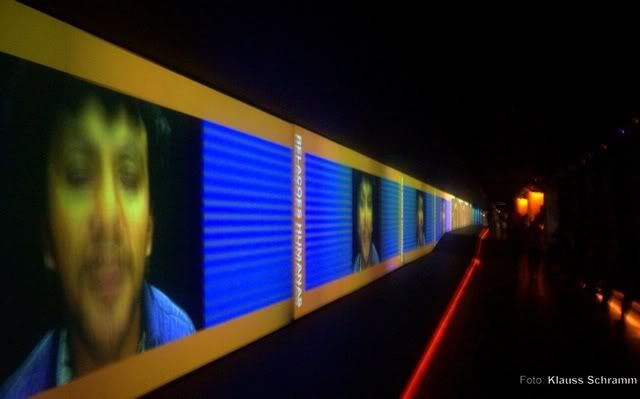
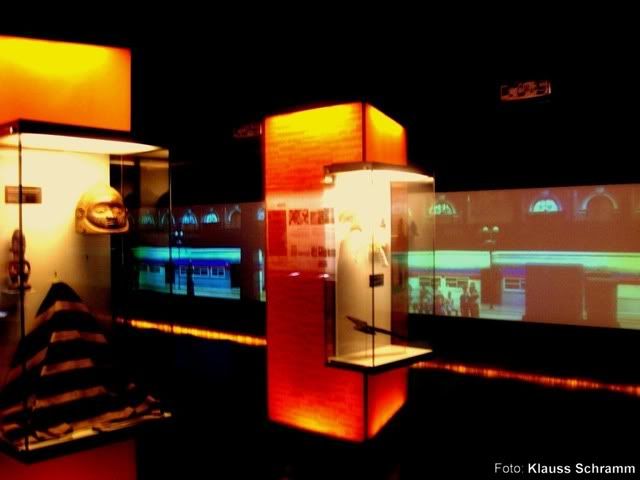
    38 No segundo andar uma galeria exibe uma tela de 106 metros com projeções simultâneas de filmes sobre o uso cotidiano do português. Totens – esta seção leva o nome de “Palavras Cruzadas” – explicam as várias influências de outros povos e línguas na formação do idioma. Uma linha do tempo que mostra a história do idioma e uma sala (Beco das Palavras) com jogo eletrônico didático sobre a origem e o significado das palavras encantam pelos recursos interativos. Completa este andar uma exposição de painéis que mostram a história do prédio que abriga o museu e a Estação da Luz.

    Por fim, o primeiro andar possui um espaço para mostras temporárias. A inauguração homenageou "Grande Sertão: Veredas", de Guimarães Rosa. Já houve também exposições sobre Clarice Lispector e Gilberto Freyre.
    Fonte
    39
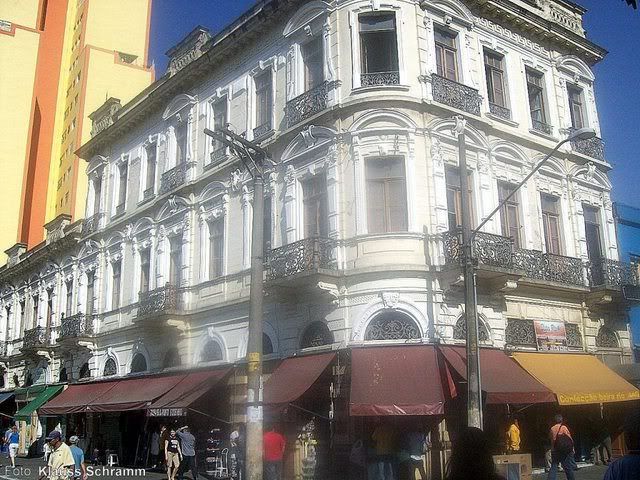
    40 Centro de estudos musicais Tom Jobim

    41. Igreja São Cristóvão
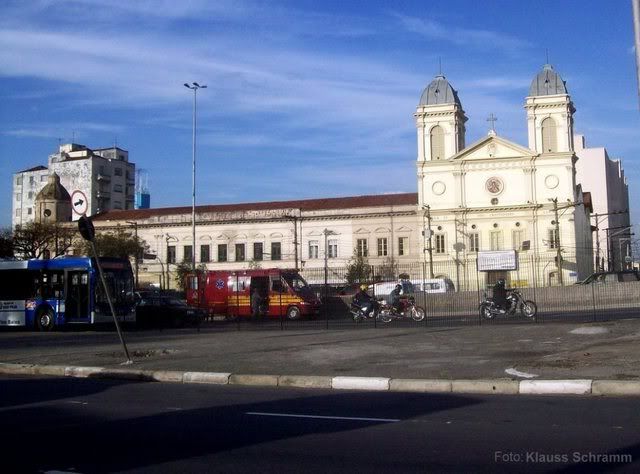
    Espero que gostem, e aguardem os próximos threads: região da Sé e Parque Dom Pedro (Centro Novo), Republica e região do Teatro Municipal (Centro Velho), e Liberdade. Espero poder publicar todos ainda nessas férias 😀

  • Elizabeth Hanson Colby College Information

    Ms. Hanson’s report, “Faithless Heathens: Scriptural Economics of Judaism, Christianity and Islam,” carried a title far more provocative than its contents, said the professor who advised her. But it may have given a hint of her career to come, as an officer for the Central Intelligence Agency specializing in hunting down Islamic extremists.

    That career was cut short last week: Ms. Hanson was one of seven Americans killed in a suicide bombing at a C.I.A. base in the remote mountains of Afghanistan.
    The victims there included the unidentified chief of the post at FOB Chapman, a mother of three young children, as well as two contract employees of Xe (formerly known as Blackwater), and four CIA employees whose families have released their names: Harold E. Brown Jr. of Massachusetts, 37; Scott Michael Roberson of Ohio, 39, a former U.S. Navy Seal; and Jeremy Wise of Arkansas, 35. Brown left behind his college-sweetheart wife and three children. Roberson was a security officer new to the agency, whose wife is due to give birth to their first child next month. Wise, who is survived by a wife and young son, was memorialized in a Facebook posting.

    Another slain CIA officer was Elizabeth Hanson, 31, an Illinois native and a 2001 graduate of Colby College. A family friend posted notice of her death to friends on Facebook, describingHanson as “effervescent” and “vibrant.”

    I first saw the somber CIA Memorial Wall and book at the side of Henry “Hank” Crumpton, a legendary former CIA officer. Hank’s almost-mythic reputation has been chronicled in bits and pieces – though usually pseudonymously. He was simply called “Henry” by the 9/11 Commission Report and in Bob Woodward’s “Bush at War,” and “Hank” in others. His full name is Henry A. Crumpton, a wiry Georgian who spent the greatest part of his adult life hidden in the covert world of espionage and counterterrorism in Africa and South Asia.

    Share/Save/Bookmark

    Related posts:

    1. Elizabeth Hanson Colby, Elizabeth Hanson Colby College Ms. Hanson’s report, “Faithless Heathens: Scriptural Economics of Judaism, Christianity…
    2. Elizabeth Hanson, Elizabeth Hanson Colby College Ms. Hanson’s report, “Faithless Heathens: Scriptural Economics of Judaism, Christianity…
    3. Elizabeth Hanson Cia, Elizabeth Hanson Cia Bombing Ms. Hanson’s report, “Faithless Heathens: Scriptural Economics of Judaism, Christianity…

    Related posts brought to you by Yet Another Related Posts Plugin.

  • VENI Y CONOCE LOS MEJORES LUGARES DE OCIO DEL PARAGUAY!

    Si piensan en visitar paraguay, aqui los dejo imagenes de los mejores lugares q deben conocer durante su estadia por el pais… espero que lo difruten….

    KANDI NIGT CLUB


  • Alder Rises from Ashes, Seattle Genetics Gets Empowered, ZymoGenetics Nets $79M & More Seattle-Area Life Sciences News

    Luke Timmerman wrote:

    The New Year kicked off with a lot of exclusive biotech news and features, and next week will be even busier when I’m attending next week’s JP Morgan Healthcare Conference in San Francisco.

    Alder Biopharmaceuticals was one of the Seattle biotech companies that emerged in 2009, but few people realize what humble beginnings it had six years ago when all the founders lost their jobs in a downsizing at Celltech. We published the story of how they bootstrapped the Bothell, WA-based company for its first 20 months, putting it on a course to snag a $1 billion partnership with Bristol-Myers Squibb.

    —Seattle-based ZymoGenetics (NASDAQ: ZGEN) saw its stock double in 2009, and this week it decided to seize on that growing interest to hit up investors for more cash. The company ended up netting $79 million after expenses from an underwritten stock offering. It plans to use the money for R&D, and to inject some life into its lone marketed product, recombinant thrombin for surgical bleeding.

    —Bothell,WA-based Halosource, the developer of a cheap and simple technology for purifying water in developing countries, said it has raised $10 million in a new equity financing. The company has gotten some momentum with more than 4 million people using its technology in India, and it plans to use the money to expand further in other countries.

    —Antibody drugs that target diseased cells and spare healthy ones have been one of the big successes in biotech, but Seattle Genetics (NASDAQ: SGEN) says it’s not really the cutting edge anymore. The Bothell, WA-based company’s CEO, Clay Siegall, says it is “unlikely” it will introduce any more plain antibodies into clinical trials, and that the future will belong to antibodies that are “empowered” to be more potent.

    —We had a number of insightful guest editorials. Stephen Friend, the founder and CEO of Sage Bionetworks, offered his view of five biotechnologies that will fade away this decade. Bob Nelsen of Arch Venture Partners chimed in with his top five innovations to watch during the ’10s (or whatever we’re calling this decade). And Stewart Lyman looked back at the year that was in Seattle biotech.

    Stratos Genomics, the Seattle-based developer of a faster and cheaper DNA sequencing technology, has received three months of access to a microfabrication laboratory at the Washington Technology Center on the University of Washington campus. This was part of a stimulus program for small technology businesses in Washington state.


  • Elizabeth Hanson Cia, Elizabeth Hanson Cia Bombing

    Ms. Hanson’s report, “Faithless Heathens: Scriptural Economics of Judaism, Christianity and Islam,” carried a title far more provocative than its contents, said the professor who advised her. But it may have given a hint of her career to come, as an officer for the Central Intelligence Agency specializing in hunting down Islamic extremists.

    That career was cut short last week: Ms. Hanson was one of seven Americans killed in a suicide bombing at a C.I.A. base in the remote mountains of Afghanistan.
    The victims there included the unidentified chief of the post at FOB Chapman, a mother of three young children, as well as two contract employees of Xe (formerly known as Blackwater), and four CIA employees whose families have released their names: Harold E. Brown Jr. of Massachusetts, 37; Scott Michael Roberson of Ohio, 39, a former U.S. Navy Seal; and Jeremy Wise of Arkansas, 35. Brown left behind his college-sweetheart wife and three children. Roberson was a security officer new to the agency, whose wife is due to give birth to their first child next month. Wise, who is survived by a wife and young son, was memorialized in a Facebook posting.

    Another slain CIA officer was Elizabeth Hanson, 31, an Illinois native and a 2001 graduate of Colby College. A family friend posted notice of her death to friends on Facebook, describingHanson as “effervescent” and “vibrant.”

    I first saw the somber CIA Memorial Wall and book at the side of Henry “Hank” Crumpton, a legendary former CIA officer. Hank’s almost-mythic reputation has been chronicled in bits and pieces – though usually pseudonymously. He was simply called “Henry” by the 9/11 Commission Report and in Bob Woodward’s “Bush at War,” and “Hank” in others. His full name is Henry A. Crumpton, a wiry Georgian who spent the greatest part of his adult life hidden in the covert world of espionage and counterterrorism in Africa and South Asia.

    Share/Save/Bookmark

    Related posts:

    1. Elizabeth Hanson Cia, Elizabeth Hanson Cia Bombing Ms. Hanson’s report, “Faithless Heathens: Scriptural Economics of Judaism, Christianity…
    2. Elizabeth Hanson, Elizabeth Hanson Cia Bombing Ms. Hanson’s report, “Faithless Heathens: Scriptural Economics of Judaism, Christianity…
    3. Elizabeth Hanson, Elizabeth Hanson Colby College Ms. Hanson’s report, “Faithless Heathens: Scriptural Economics of Judaism, Christianity…

    Related posts brought to you by Yet Another Related Posts Plugin.

  • Ladies of Straw Mountain (Samandağ)

    Dear Colleagues, Dear Energy Professional,

    On 5 December 2009, I participated in an Energy Forum in Hatay province, which had been organised by the Chamber of Turkish Electrical engineers and was held at the Iskenderun Town Municipality hall.

    The small town council meeting hall was shaped like an amphitheatre. The energy forum was open to all interested parties.

    I presented a speech on investment evaluations of new imported coal firing thermal power plants in the region, especially on the coast of Iskenderun Bay, on behalf of the Chamber of Turkish Mechanical Engineers.

    One section of the audience seats was occupied by the Ladies of Straw Mountain (Samandağ), from the deep south of Hatay province.

    They have many years of historical heritage. Their region produces various agricultural products and is known for its beautiful seashores. Now the good old peaceful days are over.

    New wind power investments have been made in their region to generate renewable energy from the strong winds present year round.

    The ladies gave their opinions at every given opportunity and stated their opposition to “Wind power plants”.

    For veterans of the energy business, it was quite surprising – even shocking – to see such a local reaction to clean renewable energy investments. We must generate more electricity to provide a better life for our children; we have been starving from low generation of electricity for decades.

    We all feel that we will need all types of power plants in the future – thermal, hydro, renewable wind, solar, even nuclear – provided that we have maximised the scope of local engineering and the participation of local contracting companies and local employment. We all feel that if there is no local employment opportunity in a new energy investment, then we do not need that investment.

    I understand the public reaction to thermal power plants since we do not have many good plants in operation. They all pollute the environment and we do not have any cure for rehabilitation other than privatisation.

    I understand the public reaction to nuclear power plants, since we have high concern for nuclear pollution, uncontrolled nuclear waste as well as a high sensitivity for operational controls.

    I understand the public reaction to the hydropower plants that are planned to be constructed on the beautiful highland creeks of the Eastern Black Sea.

    But I cannot understand the public reaction to wind power plants, which are presumed to be the last resort of clean renewable energy.

    The ladies of Straw Mountain are against new wind power plants in their land because they make too much noise, they kill migrating birds, they negatively interfere with agricultural activities, and they create pollution in their touristic and beautiful seashores.

    Now let me ask, how shall we generate electricity? We all want more electricity in our houses, in our workshops, in our industrial plants, in our schools, hospitals, malls for illumination, to feed our engines, to run our machines, to use our computers, to care for our patients, to teach our children.

    Who will pay the burden of environmental pollution, noise, and adverse effects on agriculture, air and water pollution?

    The ladies of Straw Mountain do not want wind power plants. They want their terms to be agreed to. Investors should not make noise, they should not kill migrating birds, they should not have adverse effects on agricultural activities, they should not create pollution in touristic areas. They should keep their EIA application promises during the many years of operation in the long term.

    If we have a thermal power plant investment, the investor should employ the local engineering capability, employ local contracting for construction and site installation, design with high dust collecting efficiency dust filters. They should limit SO2, NOx gas emissions. They should install flue gas desulphurisation facilities at all times. They should install carbon capture and storage facilities to reduce global warming. And they should consider more comprehensive new designs, such as Integrated Gasification Combined cycle designs.

    If an investment project does not create jobs for local engineering firms, if it does not create jobs for the local qualified workers, if it does not give contracting opportunities to local companies, then we do NOT need that project.

    On the other hand, we know that we cannot get anywhere by saying “we do not want power plants.” We need more energy, more electricity generation. So we need a consensus between the local people and investors. The expression “We do not want Chinese, but we want Germans or American or Koreans” is neither sensible nor logical.

    We have our own solution. Foreigners cannot solve our problems. We need to have more qualified engineering staff, we need to have more hardware and software to design our thermal power plants now and nuclear power plants in future when we have reached that point in our engineering capability.

    Otherwise we cannot survive in this difficult geography.

    Why should we install wind power plants in Straw Mountain, on our beautiful shores, but not on the high mountains like Erciyes, Mount Ararat or inland Anatolia?

    The issue is that the air is so thin at high altitudes that it cannot turn the wind propeller properly to produce at full capacity. Wind can turn the propeller at high altitudes, but it cannot generate the capacity that the plants are designed to handle.

    You can generate maybe 500 Kw from a wind power plant that was originally designed to generate 1.5 Mwe. So the unit investment price jumps from $2000 USD per installed kw to maybe $6000 USD per installed kw power generation. That is surely not feasible. There is no point to invest with such a high initial cost.

    When you look at a wind map of Turkey, you find high availability (more than 20%) regions in the Straw Mountains, Alaçatı, Çeşme, Çanakkale, and Bandırma coastal regions. Not inland, not in the high mountains.

    In Turkey we should construct our local coal firing thermal power plants at the mouths of mines, and our combined cycle power plants at the points where natural gas pipelines enter our country in Samsun, Igdir, Edirne, Tekirdag (LNG), Izmir (LNG).

    We should construct our imported new coal firing thermal power plants in Iskenderun Bay, since there would be no natural blockages of Turkish channels. We can construct our nuclear power plant on our Black Sea coast, maybe in Sinop when we are ready with our engineering capability.

    Who can invest? At what capacity can they invest? What criteria should they follow? We should all be in the decision making process. We as Chambers of Turkish engineers, NGOs of local regions in the investment plants, as well as all public institutions, should all be in the picture.

    This investment decision cannot be left to the mercy of foreign designers, foreign investors, foreign financing institutions, foreign companies. Cheap design promotions, cheap contracts are not suitable since they have short life spans, they wear fast and become scrap soon.

    We need the participation and contributions of our ladies of Straw Mountain at all times to review and monitor the projects for power plant investments in our country.

    A Happy and Prosperous New Year to you all.


    Haluk Direskeneli, Hamburg based Energy Analyst