Category: News

  • Prostocar to debut all-electric supercar at Geneva Motor Show 2010

    lampo_1

    Eco Factor: Prototype zero-emission car powered by electric batteries.

    Swiss-based automaker Protoscar has already built a €1 million all-electric sports car prototype, the Lampo, and the company is nearly finished with a new model, the Lampo II, which will be unveiled at this year’s Geneva Motor Show.

    (more…)

  • Wago-I/O-System 750 – One system for all applications

    The “optimum” fieldbus system.
    With a fieldbus-independent design that features finely modular components, with its decentral fieldbus system, the WAGO-I/O-SYSTEM is approved for extremely diverse applications.

    The system is optimized for process-oriented communication and is a scalable-performance solution for high integration density with an unbeatable price / performance ratio.

    – The diversity of possible applications are almost infinite.
    – The hardware and system costs have been reduced to a minimum in doing so.
    – For simple use that ensures maximum efficiency.

  • V4.1 HexSight Software Release For High Accuracy Recognition and Metrology

    November 2009, Delta, British Columbia, Canada – LMI Technologies Inc. (LMI) announces the release of version 4.1 of their HexSight software. Further support for color image processing and hardware acceleration was added and now supports Sony Intelligent Cameras.

    “HexSight 4.1 is a first class recognition and metrology library suitable for deployment on PCs and now embedded platforms like the Sony Intelligent camera product line”, says Terry Arden, CEO of LMI Technologies.

    HexSight geometric pattern recognition technology offers flexible and reliable contour-based identification of objects unaffected by scale, orientation, lighting, occlusion, clutter, contrast reversal, or even subtle color variation. After finding objects, HexSight delivers a flexible set of metrology tools to measure and confirm parts meet key tolerances.

    To maximize the capabilities of the software, HexSight 4.1 incorporates a wide range of third party camera and frame grabber support. The latest release adds support for fully compliant GigE Vision cameras, adding to the current capability to work with any IEEE 1394(Firewire) and USB camera that uses a DirectShow driver.

    HexSight 4.1 is ideal for a vast array of machine vision challenges including road sign detection, solar wafer inspection, shirt tag location and analysis, optical character recognition, brake pad inspection, part sorting and sizing, to name just a few. But don’t just take our word for it; instead, download your free trial of the HexSight software at http://www.lmitechnologies.com/hexsight to test your ideas today.

    About Us:

    LMI Technologies Inc. (LMI) is a global manufacturer of 2D & 3D vision sensor technology for in-house engineering teams, original equipment manufacturers (OEMs) and system integrators (SIs). With more than 100 patents to our name, and more than 30 years of sensor expertise through our in-house research and development team, we rapidly design custom sensors for industrial applications. Our strong relationships with end users, OEMs and SIs allows our LMI Engineering Team and Market Experts to solve numerous industrial system requirements, developing customized vision sensors for their application needs, and successfully selling over 50,000 sensors and licensed products to industrial markets, such as molten metal’s, welding, tire manufacturing, wood processing, livestock, automotive, transportation, and many others.

  • Heightmatic – SERIES 574 – High Precision Height Gage

    • Provides resolution of 0.001mm on the large LCD readout for accurate measurements.
    • Excellent functionality and easy operation.
    • The standard two-directional touch-signal probe provides improved efficiency and reliability of measurement for the Heightmatic.
    • Optional carbide-tipped scribers are available.
    • With SPC data output.

  • Users Easily Identify Vacuum Leakage with Thyracont’s VD85

    Innovation in New Data Logging Vacuum Instruments

    Manufacturers and users of vacuum pumps, components and systems have reason to celebrate the arrival of the new series of compact vacuum instruments from Thyracont. The latest generation of these useful digital meters now includes a data logging capability that truly sets them apart from all other vacuum measurement instrument. The VD85 instrument; in combination with Thyracont’s VacuGraphTM 8.0 software puts a highly practical and functional tool into the hands of quality assurance, equipment maintenance and field service engineers.

    The VD85 instrument can be operated from either its internal battery or from an external power supply. The instrument is attached to the test article with a standard KF vacuum flange. Integrated precision sensors provide a seamless measurement range from 1200 mbar to 5×10⁻⁴ mbar (900 Torr to 5×10⁻⁴ Torr). The measured pressure is displayed and can be downloaded to the internal data logger, where up to 2000 continuous data points can be stored.

    A new (patent pending) firmware feature “Store only at pressure change”, allows the user to have the instrument log data points only if the pressure has changed since the last measurement. This capability conserves data storage space within the VD85. In use, the instrument will record rapid pressure changes (as in the case of a pump down from atmospheric pressure). When the pressure reaches equilibrium, the instrument responds by not taking duplicate measurements.

    The VD85 USB port enables the user to download stored measurement data to a computer operating Thyracont’s VacuGraph 8.0 software. Amongst other features, this powerful analysis software provides a logarithmic display of pressure. A key feature of VacuGraph 8.0 is Leak Rate Calculation (patent pending). The VD85 can be used to determine the leak rate of a closed volume. When the instrument has recorded a pressure increase and the data downloaded to VacuGraph 8.0, the user simply enters the volume of the test article and identifies two points on the log display of pressure. The software will automatically calculate the leak rate.

    Thyracont Vacuum Instruments GmbH is located in Germany and manufactures precision vacuum measurement and control units for application in rough to ultra high vacuum. Its customers include equipment manufacturers, industrial users, and research laboratories.

  • Premiere: Toyota Sells Better in Asia than in Japan

    Not sure whether we should blame this on the booming Chinese market or on Toyota’s sinking in the domestic market but, for the first time ever, sales of its vehicles in Asia will exceed, for 2009, those in Japan.

    According to Japan Today, Toyota had sold around 1,354,000 vehicles in Asia until the end of November, while Japan only managed to reach the 1,256,000 mark. Out of the total units sold in Asia, except Japan, China is to be held accountable for nearly half: 622,000 units,… (read more)

  • TechCrunch, The Google Chrome Extension

    I’ve enjoyed using Google’s Chrome browser ever since it was introduced back in September 2008, albeit using other browsers alongside for different purposes. With the launch of Extensions for Chrome, the need to occasionally fire up Firefox or Opera has diminished, and I doubt I’ll be using any browser other than Chrome much in 2010. Just to drive home the point that Google Chrome Extensions, though still in beta, is a crucial feature for the fledgling desktop browser.

    And now self-proclaimed TechCrunch addict and student at Illinois Institute of Technology Viggnesh Kandasamy has hashed together a basic extension designed to let Chrome users stay on top of what gets published on here. More reason to love Chrome Extensions (and more reason to love our fans).

    The add-on for Chrome is fairly rudimentary: installing it will add a favicon in the top menu that will open up a window displaying the last four articles published on TechCrunch when clicked. Clicking the headlines shows a short description before a ‘read more’ link, and you also get to share the link instantly on Twitter and/or Facebook. In addition, you get a box that allows you to run a search for companies, people and more who’ve appeared on this site or in CrunchBase.

    What more would you like to see added to the extension?

    Let us know in comments; Kandasamy will be reading them.

    Crunch Network: CrunchBoard because it’s time for you to find a new Job2.0


    Buy This Item: [Click here to buy this item]

    Read Original Article

  • Google And Spotify Dance Over U.S. Launch

    Spotify. The elusive European streaming music startup that you just can’t get access to in the U.S., unless you know someone or jump through a few hoops.

    The U.S. launch has been delayed over aggressive negotiations with the labels over the price users will pay in the U.S. Spotify insists on free, the labels want to move away from that model entirely.

    We’ve heard that a compromise has been reached. Spotify will be free for users, but a “very limited” number of people will be able to use it.

    Much more interesting, though, are the conversations with Google that we’ve confirmed. The two companies sketched out a plan where Spotify’s excellent Android application would be build into the 2.1 version of Android and would launch in the U.S. with the Google Nexus One phone on January 5. The application – which is available in Europe and allows for offline syncing of songs – would give Google a much needed competitive answer to Apple’s iTunes. The Android could realistically be seen as a media consumption device, like the iPhone, with things like Spotify built into it.

    Google wanted Spotify badly enough that they were willing to cover the label costs for every user of $3 – $4 per month. Spotify would add advertising on top of it, as they do with the free version in Europe, to make additional revenue. Without Google paying those label fees there was no way Spotify could handle the costs of the user flow that 2.1 would provide. Currently, European users must pay for Spotify Premium to use the mobile versions of the service.

    We haven’t heard whether the deal was done, and there’s a chance Spotify will be part of the January 5 Google announcement. But our sources say the deal has likely gone cold, at least for now.

    When Spotify does launch in the U.S., though, look for a new version of the player that adds social elements – like social playlists – to the product. That’s a big weakness Spotify has against MOG, which uses social elements to aid discovery of new music. And Spotify will also supposedly let you play songs that you have on your hard drive (like via iTunes) that they don’t have in their library. That will help fill in the ever-decreasing gaps in their library, and make Spotify that much more compelling for users.

    Crunch Network: CrunchBoard because it’s time for you to find a new Job2.0


    Buy This Item: [Click here to buy this item]

    Read Original Article

  • NSFW: Hey! Look behind you! It’s the tablet of the future!

    furby3There are several reasons why I would never describe myself as a “futurologist”.

    The first reason – obviously – is that “futurologist” isn’t a real job, any more than is “mixologist” or “sandwich artist” or “social media expert”. The second reason is that I am absolutely terrible at predicting things, especially in the field of technology. For example, almost a decade ago, I was one of the first columnists to declare that camera phones would never catch on, while at the same time predicting a bold and exciting future for red-button interactive television.

    In fact, looking back, there’s almost no successful technological advancement that I haven’t summarily dismissed, or an embarrassing flop in which I’ve failed to invest both my enthusiasm and my money. And it’s for precisely this reason that, until now, I’ve kept my mouth shut about the Apple Tablet. Whatever I say before the device is launched – if it’s launched – will almost certainly prove to be humiliatingly wrong and, as Mark Twain (or was it Abraham Lincoln?) put it, it’s better to remain silent and be thought a fool than to speak out and remove all doubt.

    But then in the past week or so, everyone and their dog has weighed in on the subject. Tablets have featured large on those ridiculous “…of the year” lists, either as the biggest controversies of the past twelve months, or as the most eagerly anticipated launches of the next twelve. Experts have decreed that 2010 will be the year of the tablet and, right here on TechCrunch, MG swung a punch at Betanews blogger Joe Wilcox after Wilcox dared to opine that “the world doesn’t need an Apple tablet, or any other”. In his spirited response, MG pointed to Apple’s history of confounding expectations  but also argued the dangers of criticising companies for stepping outside their “comfort zones”. As he put it: “If Joe Wilcox ran the computer industry, we’d still be using typewriters.”

    For what it’s worth, my gut feeling on reading the back and forth was that both are right. Certainly tablets don’t meet an obvious need (my laptop does just fine for everything we’re told the tablet will do), they’re too large and fragile to be truly portable, but also too small and keyboard-less to make sense for home use. With the iPhone and the iPod, Apple took two established and hugely successful consumer devices – the cellphone and the portable music player – and blew our minds at how much they could improve on them. The only way Apple can make existing tablets easier to use is if they built one that was able to put itself away in a drawer after a week and permanently forget about itself.

    At the same time, though, MG’s broader point is sound: criticising Apple – and tablet makers in general – for thinking different(ly) is ridiculous. If companies only made things that commentators could see a need for we wouldn’t have cars or computers or Furbies or Pop-Tarts — or anything at all. Predicting that something is going to fail before it’s even launched is like betting against the future: easy to do, but likely to end in embarrassment. When I first heard rumours about the iPhone, I was quick to dismiss it. At that time cellphone manufacturers were releasing new and improved models every thirty seconds; each new release was like a tsetse flying clockwise around the Boston Matrix; zipping from Rising Star to Problem Child to Dog, but dropping dead before it could make it to Cash Cow. The idea of a company with no history in the cellphone market launching a single model of phone, and then tying it to a single operator (thus forcing a significant number of potential customers to break their existing contracts if they wanted in) was idiocy by any metric. And yet, Apple’s reinvention of the cellphone was so complete – its vision so advanced – that all of the naysayers now look like short-sighted idiots. There’s no reason why the same couldn’t happen with the tablet.

    Really then the only logical thing to do is to wait and see what, if anything, Apple launches. It might be a Cash Cow, it might be a Dog. No sense in trying to guess and looking like a fool.

    And yet there is one aspect of all this tablet hype that puzzles me: While we futurologists and dorks and fanboys eagerly await and debate this device – this game-changing, category-defining, content-selling device – no one seems to have noticed that it already exists. It’s called the Amazon Kindle.

    When the Kindle appeared back in 2007, media’s last analogue hold-out – the book – was suddenly catapulted into the digital age. We’d had e-readers before, of course, much like MP3 players existed before the iPod. But by integrating with the world’s largest bookstore and creating Whispernet to allow customers to buy tens (now hundreds) of thousands of ebooks from anywhere in the US (and now much of the world), Amazon created something truly game-changing. If you need proof of the impact the device has had since its launch, just look at the recent statistics: Amazon sold more Kindle books on Christmas day than normal books – a fact that, even arguing that people generally buy fewer physical products online on Christmas day, still demonstrates the creation of a significant market that didn’t exist before. Look at the reaction from competitors: the Kindle’s success prompted Barnes & Noble to hurriedly develop the Nook and you can’t move in a Borders store without hitting a demo station for the Sony Reader. Look at the reaction from publishers: frantically revising (or creating) their ebook strategy in response to the threat of mass-piracy and an exodus of their most loyal paying customers from hardback to ebook. And look at the anecdotal evidence: your mom has a Kindle.

    And yet all of that has happened without the mouth-frothing orgy of idol-worship that we’ve come to expect with the appearance of any must-have new product. Partly this is because Amazon doesn’t have any physical stores and so there was no TV footage of lines around the block on launch day. Then there’s the fact that books are inherently less cool than cellphones or music. But mainly it’s because we’ve become so used to Apple’s magical product launches that we’ve conditioned ourselves to ignore the possibility that anything incredible could be created by anyone else. The idea that Amazon – a humble retailer – could produce a digital device that changes the way we consume media is too ludicrous for words. Only Steve has that kind of power. Thus we must wait for Steve before we get excited about a tablet-shaped device. All hail Steve.

    Unfortunately, your mom doesn’t give a shit about Steve – and nor do most people. What they care about is that the Kindle replaces the one book they carry in their bag every day with a single device that stores thousands of books but still doesn’t hurt their eyes like a laptop – or tablet – screen would. The current model also replaces their newspaper, if they want it to, and pretty soon it’ll be able to replace their magazines. All without taking up more room. Like the iPhone let us swap our cellphone for something far better, and the iPod put paid to our clunky old music player, so the Kindle neatly replaces something we already carry around: the printed page.

    And this is where the Apple Tablet has a problem. Unless Steve Jobs has managed to change the law of physics, his tablet will have a traditional retina-burning screen to allow it to display movies and web content. As a result it can’t – and won’t  – replace the Kindle, with its E-Ink technology, as an ebook reader. This will present consumers with an interesting dilemma: to either keep their Kindle (or Sony Reader, or Nook) for reading on the move, or replace it with a tablet that provides a cool way to access web and video content, but sucks for reading. Unfortunately this is where Apple has shot themselves in the foot: the iPhone is such a good portable media device that all but the most obsessive geeks will choose to keep the Kindle and stick with their iPhones for the rest.

    If Apple really wants to launch a new and awesome portable device, it shouldn’t be dicking around with multimedia tablets at all. Instead the company should focus its efforts on producing an ebook reader that addresses all of the flaws with the Kindle. I’m talking full-colour, low-power screens that are readable in any light. I’m talking a cool Apple-style user interface. I’m talking about forging deals will publishers to sell bestsellers for $5 rather than $9.99. I’m talking about having it available in retail stores, and not being tied to any single retailer. I’m talking about making the damn thing bendy. In short, I’m talking about doing for e-readers what the iPod did to MP3 players: take a product that people have shown that they actually want and innovate the hell out of it.

    But then again, this is just another reason why I could never be a futurologist.The job of a futurologist is not to predict the future based on practicalities, but rather to write fantasy fiction about what they hope the future will hold.  A futurologist would never advise Steve Jobs to temper his vision, or to fret about what moms will carry with them in their bags. A futurologist would simply assume that Apple will be able to invent with some kind of magical screen capable of displaying high definition movies one minute and print-sharp ebooks the next. Or perhaps a new type of device that makes the very idea of books redundant.

    As a cynical non-futurologist – a pessimologist if you like – I sit somewhere between MG and Joe Wilcox. I passionately hope that the Apple Tablet will become the only portable media device I need to carry, but at the same time – because of the Kindle – I just can’t imagine a possible universe in which it will succeed.

    Also, I still think I’ll be proved right about camera phones.

    Crunch Network: CrunchGear drool over the sexiest new gadgets and hardware.


    Buy This Item: [Click here to buy this item]

    Read Original Article

  • it’s wonderful

    Manolo is taking his fashion empire a step further with a new line of footwear designed specifically for men. According to UK Vogue, the shoes are “so fabulous, they are pretty much guaranteed to knock your man’s socks off.”Good like itMBT shoes M.Walk-black&Silver|mbt|fitness shoes mbt|With the development of technology and the society there are many many shoes designers among them there are two we can not ignored one is christian louboutin man Mr.Louboutin and the other is mbt shoes by swiss masai.These two are totally different shoes series one is christian louboutin red-sole high heel shoes almost most the series is high heel shoes, and mbt shoes Australia is a kind of sport sneaker and mainly designed for our healthy.There are two many difference about the two brand,one is deigned for women and the other is suitable for everyone.Because of the specially designed sole, wearing mbt shoes discontinued styles significantly improves your gait and posture and relieves pressure on your joints and back. It also exercises a large number of muscles, whether you’re walking or standing. This, in turn, stimulates your metabolism, burns extra calories and speeds up muscle regeneration. In addition, MBTs can have a firming effect on abdominal, leg and buttock muscles.
  • DoE targets investments for biomass, hydro energy in Central Visayas – Manila Bulleting Online

    CEBU CITY – The Department of Energy (DoE) is looking at maximizing the hydroelectricity and biomass energy in Central Visayas in answer to the government’s thrust to pursue more power investments, especially those sourced from renewable energy …


  • Lauda Doesn’t Bet on Schumacher’s 8th Title

    When the Michael Schumacher topic comes into discussion, no one in Formula One – at least no one with a clear head – can give any verdicts for the 2010 season. While many believe the 41-year old German will get up to speed in no time and challenge for race wins just as he did in his past seasons, almost everyone agrees it will come down to who has the best car next year that will win the title.

    Winning his 8th title in the series is therefore not something that most are expecting … (read more)

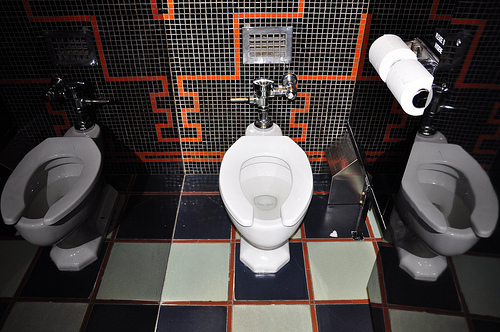
  • When And How Were The World’s First Flushable Toilets Used?

    It is amazing to know that the world’s first flush-able toilets were invented in Ancient Rome, which was when the system of flushing down the waste into a disposal system, albeit a hole in the ground was first created.

    The users could actually sit and go, and then flush happily. However, some people believe that it was British inventor Alexander Cumming who patented a toilet in 1775, and there are others who think that it was Thomas Crapper who was responsible for inventing the world’s first flush toilet complete with a valve and siphon arrangement sometime during the early twentieth century.

    Nevertheless, the initial model of a flush-able toilet has been improved upon, and today, the average person spends about three years of their lifetime sitting on the toilet, and then flushing!

    The world’s first toilet paper was invented in England in the 1880’s, at which time it was sold in single sheets! The infamous ‘World Toilet Day’ happens on the 19th of November every year.

  • Seasonal Spotlight: Turnips!

    2010-01-04-Turnips.jpgThose of you lucky enough to have winter CSAs or access to year-round farmer’s markets are probably starting to seeing quite a lot of these lovely purple roots! What do you like to do with them?

    Read Full Post


  • Du doan tuong lai TG

    Nhân loại liệu có đứng trước một thảm họa nữa không khi Vanga dự đoán chiến tranh thế giới thứ 3 sẽ nổ ra vào năm 2010?
    Dẫn chúng đây:Việt Nam mua tàu ngầm của Nga: thông điệp cho Trung Quốc?
    2009-05-11

    Vào khi người dân Việt trong ngoài nước bày tỏ bằng mọi cách có thể được nỗi bất bình trước ảnh hưởng ngày càng tăng của Bắc Kinh với Hà nội, thì Việt Nam quyết định mua của Nga một hạm đội tầu ngầm loại tối tân.

    Thị trấn biên giới Lạng Sơn, dọc theo sông Kỳ Cung, được xây dựng lại 30 năm sau khi Trung Quốc xua quân tấn công Việt Nam vào tháng 2-1979.

    FOX News của Hoa kỳ vừa đăng bài bình luận của Joseph Adams về chuyện này. Nguyễn An tóm lược.
    Đặt mua 6 tàu ngầm

    Hạm đội tàu ngầm mà Việt Nam vừa đặt mua bao gồm sáu chiếc tấn công loại nhỏ, nhưng tối tân do chúng hoạt động rất êm. Vì đặc tính rất khó bị phát hiện này, mà chúng được mệnh danh là “lỗ đen”.

    Giới chuyên gia về chính sách đối ngoại nói là ở Việt Nam, biểu hiện của dân tộc tính là sự chống đối Trung quốc, và việc mua tàu ngầm là dấu hiệu mới nhất cho thấy 87 triệu người Việt quả là có quan ngại về tình hình “Hán hóa.”

    Một giáo sư về ngoại giao ở đại học Virginia, ông Brantly Womack nhận xét rằng, mặc dù nhà nước Việt Nam muốn quan hệ bình thường với Trung quốc, nhưng không một người Việt Nam nào lại yên tâm về người láng giềng khổng lồ ở phương bắc. Hơn nữa, nói chung, muốn biết một người Việt Nam có thực sự yêu nước hay không, thì cứ việc xem họ có thực sự chống lại Trung quốc hay không.

    Giá mua hạm đội tàu ngầm tối tân này là 1,8 tỷ đô la Mỹ. So với ngân sách quốc phòng hàng năm của Việt Nam là 3,6 tỷ, theo số liệu của tạp chí tình báo Jane’s intelligence review, thì số tiền ấy chiếm một nửa. Điều đó cho thấy quyết định mua này quan trọng thế nào đối với một quốc gia tuy nhỏ, nhưng có truyền thống chiến đấu.

    Đại tướng Võ Nguyên Giáp đã nhiều lần lên tiếng cảnh báo về hậu quả của dự án bautite Tây Nguyên. AFP PHOTO
    Giáo sư Womack nhấn mạnh rằng mặc dù đây không hẳn là một cuộc chạy đua vũ trang, nhưng rõ ràng vẫn là một sự đáp trả với việc Trung quốc đang xây dựng lực lượng, trong đó có căn cứ tàu ngầm ở đảo Hải Nam, ngay ngoài khơi Việt Nam.
    An ninh quốc gia

    Sự chống đối ấy đã hòa nhập với việc xẩy ra trong vài tuần qua, khi người dân Việt Nam phản đối những dự án công nghiệp của Trung quốc mà họ cho là có thể phá hủy cao nguyên Trung phần của đất nước.

    Việt Nam có trữ lượng quặng bauxite lớn hàng đầu thế giới. Đây là nguyên liệu dùng để chế biến thành Alumium, vốn là thứ mà Trung quốc cần cho công nghiệp xây dựng đang rất thiếu nguyên liệu của họ.

    Mới đây, khi nhà nước Việt Nam quyết định cho phép tập đoàn Alumium Trung quốc khai thác quặng bauxite, đã có những phản đối rầm rộ chẳng những để bảo vệ môi trường, mà còn vì e ngại sự gia tăng ảnh hưởng của Trung quốc đối với vùng đất này nữa.

    Một khuôn mặt nổi của Việt Nam thời chiến, đại tướng Võ Nguyên Giáp đang dẫn đầu phong trào phản đối này. Tháng trước, ông đã gửi một lá thư ngỏ đến các nhà lãnh đạo để chính thức phản đối việc khai thác mỏ, và thứ năm vừa rồi, ông lại nhắc lại ý ấy với thủ tướng Nguyễn Tấn Dũng, khi phái đoàn chính phủ đến chúc thọ ông.

    Theo hãng thông tấn Reuters, thì tướng Giáp nói với thủ tướng Dũng rằng, Tây Nguyên là một khu vực quan trọng về an ninh và quốc phòng đối với đất nước cũng như đối với toàn Đông dương.

    Một số nhà bình luận nói rằng căng thẳng giữa Việt Nam và Trung quốc từ xưa đến nay thì cứ lúc tăng lúc giảm, và tình hình hiện nay thì cũng không có gì là căng thẳng hơn. Ngay cuộc khủng hoảng tài chính toàn cầu cũng đưa đến một số tranh cãi giữa hai nước, nhất là về vấn đề tranh nhau thu hút đầu tư nước ngoài.

    Một nhà nghiên cứu về chính sách ngoại giao ở viện Brookings Hoa kỳ là ông Ken Lierberthal nhận định là theo ông, thì hiện không có dấu hiệu nào cho thấy có sự chuyển đổi căn bản từ thân hữu sang chống đối giữa hai nước. Giữa hai nước luôn luôn có một giới hạn cho lòng tin tưởng lẫn nhau.
    Thông điệp cho Bắc Kinh?

    Hai quốc gia từng đấu tranh với nhau trong 3.000 năm. Mới đây nhất là vào năm 1979, khi hai quân đội đụng độ nhau trong một cuộc chiến ngắn ngủi nhưng đẫm máu, với cả chục ngàn người chết. Hai quốc gia từng sát cánh bên nhau trong cuộc chiến chống lại thực dân Pháp, rồi đồng minh Hoa kỳ của miền Nam bỗng xa cách nhau khi Việt Nam thống nhất đất nước và kết thân hơn với Liên Xô vào cuối những năm 1970.

    Vẫn theo chuyên gia Ken Lierberthal, thì cái rắc rối thực sự giữa hai nước Việt Trung có thể nằm ở tương lai, liên quan đến việc tranh chấp về nguồn nước. Hiện nay Trung quốc tiếp tục xây đập thủy điện ở thượng nguồn sông Mê Kông, vốn được coi là mạch máu của miền Nam Việt Nam cũng như của những nước mà con sông này chảy qua trên chiều dài hơn 4000km của nó, mặc dù phát xuất từ Trung quốc.

    Ông Ken Lierberthal nhấn mạnh rằng, việc Trung quốc xây đập ảnh hưởng đến dòng sông Mê kông. Nếu nói chuyện thắng thua thì phải nói là Trung quốc ở vị thế thắng hoàn toàn, còn các nước khác ở Đông Nam Á thì ở vị thế hoàn toàn thua.

    Hai quốc gia cũng tranh chấp hai quần đảo Hoàng Sa và Trường Sa ở biển Đông, vốn là nơi được coi là có trữ lượng dầu hỏa phong phú.

    Theo các chuyên gia quốc phòng, thì những tàu ngầm Việt Nam vừa đặt mua của Nga thuộc loại tấn công. Chúng có thể giúp Việt Nam bảo vệ vùng lãnh hải đã tuyên bố chủ quyền trên biển Đông cũng như chính bờ biển của mình. Tuy nhiên, các giới chức Hoa kỳ lại không chịu bình luận gì về việc mua bán này.

    Vanga sinh ngày 31/1/1911, mất ngày 11/8/1996. Bà sống ẩn dật cả đời ở vùng hẻo lánh Kozhuth thuộc Petrich, Bungary. Vanga mất thị lực năm 12 tuổi sau khi bị cuốn đi bởi một cơn lốc lớn. Người ta tìm thấy cô gái nhỏ vẫn còn thoi thóp hơi thở nằm vùi lấp giữa bụi và đá, hai hốc mắt chứa đầy cát. Vanga làm bạn với bóng tối từ đó. Lời tiên tri đầu tiên của Vanga được ghi nhận là vào năm bà 16 tuổi. Bà giúp cha mình tìm lại bầy cừu bị mất trộm bằng cách mô tả chính xác về cái sân nơi bọn trộm cất giấu đàn gia súc. Tuy nhiên, khả năng tiên tri của Vanga chỉ thực sự đạt đến độ chín năm 30 tuổi. Nhiều người tìm đến bà để xin những lời tiên tri. Trong đó có cả “kẻ hủy diệt” Adolf Hitler. Hitler từng ghé thăm nhà Vanga và rời đi với gương mặt nặng trĩu.

    Không có nhiều người tin vào tiên đoán của những nhà tiên tri. Tuy nhiên, người ta không thể làm ngơ khi những tiên đoán đó thành hiện thực. Vanga trở nên nổi tiếng vì những tiên đoán “thần thánh” của bà về những thảm họa toàn cầu. Độ chính xác của những lời tiên tri này khiến loài người giật mình hoài nghi: Liệu có thực sự tồn tại một thế lực siêu nhiên? Biết bao giấy mực đã cất công nghiên cứu để giải đáp về “bí ẩn Vanga”.

    Ví dụ, Vanga từng tiên đoán về vụ tấn công khủng bố ngày 11/9 ở Mỹ, khi bà nói rằng “người Mỹ sẽ ngã xuống dưới sự tấn công của những con chim sắt”. Nhà tiên tri cũng dự đoán chính xác sự bùng nổ Đại chiến thế giới thứ 2, cải tổ kinh tế chính trị ở Liên bang Xô Viết cũ, cái chết của công nương Diana và thậm chí vụ chìm tàu ngầm nguyên tử Kursk.

    Năm 1980, nhà tiên tri mù nói rằng: “Vào thời điểm chuyển giao thế kỷ, tháng 8 năm 1999 hoặc năm 2000, Krusk sẽ ngập chìm trong nước, cả thế giới sẽ đau buồn về điều này”. Ở thời điểm đó, người ta không mấy bận tâm đến lời tiên liệu trên. Tuy nhiên, 20 năm sau, loài người đã phải sững sờ kinh ngạc. Một tàu ngầm nguyên tử của Nga gặp nạn tháng 8/2000. Toàn bộ thủy thủ đoàn bỏ mạng dưới đáy đại dương. Và kỳ lạ thay, con tàu xấu số được đặt theo chính tên thành phố Krusk.

    Các chuyên gia thấy rằng nhà tiên tri huyền thoại này đã đưa ra những cảnh báo chính xác về các sự kiện liên quan đến căng thẳng vũ trang ở Nam Ossetia. Vanga nói chiến tranh thế giới thứ ba là hệ quả tất yếu của sự đấu tranh sinh tồn giữa bốn người đứng đầu các chính phủ và sự xung đột của những người theo đạo Hinđu. Nhân loại liệu có đứng trước một thảm họa nữa không khi Vanga dự đoán chiến tranh thế giới thứ 3 sẽ nổ ra vào năm 2010.

    Cuộc đời là những thước phim

    Vanga không biết chữ, bà cũng chưa từng viết một cuốn sách nào. Giọng nói của bà rất khó nghe và nặng thổ ngữ. Những gì Vanga nói hoặc được cho là do bà tiên đoán chủ yếu được ghi chép lại bởi những người xung quanh bà. Sau này, vô số những quyển sách bí truyền về cuộc đời và những tiên đoán của Vanga đã được viết ra.

    Theo Vanga thì khả năng phi thường của bà liên quan đến sự hiện diện của những sinh vật vô hình, dù bà không thể giải thích rõ ràng nguồn gốc của chúng. Những sinh vật đó cho bà thông tin về con người. Cuộc sống của tất cả mọi người đứng trước bà hiển hiện giống như những thước phim từ lúc sinh ra đến khi nằm xuống. Tuy nhiên bà không có quyền năng thay đổi số phận.

    Vanga từng dự đoán về những đứa trẻ mới chào đời và cả những sinh linh chưa ra đời. Bà cũng tuyên bố rằng bà đang “nhìn thấy” và “nói chuyện” với những người đã chết cách đây hàng trăm năm. Vanga thậm chí bảo rằng những người ngoài hành tinh đã đang sống trên trái đất từ rất lâu rồi. Họ đến từ những hành tinh mà ở đó dùng thứ ngôn ngữ Vamfirm.

    Những người theo Vanga tin rằng bà biết chính xác ngày chết của mình. Và chỉ không lâu trước ngày đó, bà nói có một cô bé tóc vàng 10 tuổi sống ở Pháp sẽ thừa hưởng những khả năng trời phú của bà, và rằng loài người sẽ sớm tìm ra cô bé đó.

    Những lời tiên đoán kinh hoàng về tương lai!

    Theo lời của Vanga, trong tương lai không xa sẽ xảy ra các vụ mưu sát 4 nhà lãnh đạo chính phủ. Những cuộc xung đột ở Indostan (phần đất ở Nam Á bao gồm Ấn Độ, Afghanistan, Pakistan, Trung Quốc, Tây Tạng) sẽ là một trong những nguyên nhân chính mở màn cho cuộc chiến tranh thế giới thứ 3.
    Năm 2010 – Năm bắt đầu cuộc chiến tranh thế giới thứ 3. Cuộc chiến tranh này sẽ bắt đầu vào tháng 11/2010 và kết thúc vào tháng 10/2014. Ban đầu, cuộc chiến tranh diễn ra bình thường, tiếp đó sẽ xuất hiện hàng loạt vũ khí hạt nhân và cuối cùng là vũ khí hóa học.

    Năm 2011 – Không một loài động vật, thực vật nào ở Bắc bán cầu có thể sống được do kết quả của quá trình lắng cặn chất phóng xạ. Tiếp đó, những người Hồi giáo (người theo Đạo Hồi) sẽ bắt đầu một cuộc chiến tranh hóa học chống lại người Châu Âu.

    Năm 2014 – Phần lớn loài người sẽ bị mắc chứng bệnh mưng mủ, ung thư da và các loại bệnh khác về da do hậu quả cuộc chiến tranh hóa học.

    Năm 2016 – Châu Âu gần như không có người sinh sống.

    Năm 2018 – Trung Quốc sẽ trở thành cường quốc thế giới mới. Những nước phát triển sẽ trở thành kẻ bóc lột các nước khác từ việc khai thác các nguồn tài nguyên khoáng sản.

    Năm 2023 – Quỹ đạo Trái đất thay đổi.

    Năm 2025 – Xuất hiện một bộ phận nhỏ người di cư đến Châu Âu.

    Năm 2028 – Loài người sẽ tạo ra một nguồn năng lượng mới, kiểm soát được các phản ứng nhiệt hạch và nạn đói dần dần được khắc phục. Cũng trong thời gian này, con tàu vũ trụ có người lái lần đầu tiên sẽ đổ bộ lên sao Kim.

    Năm 2033 – Băng ở các vùng cực sẽ tan chảy. Mực nước ở Thái Bình Dương sẽ dâng cao.

    Năm 2043 – Nền kinh tế thế giới phát triển rất phồn thịnh. Người Hồi giáo sẽ cai trị toàn bộ lãnh thổ Châu Âu.

    Năm 2046 – Bất kỳ cơ quan nào trong cơ thể người điều có thể được tiến hành cấy ghép. Việc thay thế các cơ quan trong cơ thể sẽ trở thành một trong những phương pháp chữa bệnh hữu hiệu nhất.

    Năm 2066 – Trong lúc tấn công thành Roma của người hồi giáo, Mỹ sẽ lợi dụng một loại hình vũ khí mới – vũ khí thời tiết. Trong thời gian này, trời trở lạnh đột ngột.

    Năm 2076 – Xã hội không giai cấp hay còn gọi là Chủ nghĩa Cộng sản hình thành.

    Năm 2084 – Loài người Sẽ khôi phục lại thiên nhiên.

    Năm 2088 – Xuất hiện một căn bệnh lạ “lão hóa chỉ trong vài giây!!!”.

    Năm 2097 – Căn bệnh lão hóa khủng khiếp này sẽ lan tràn trên toàn cầu.

    Năm 2100 – Loài người sẽ tạo ra những mặt trời nhân tạo chiếu sáng phần tối của quả đất.

    Năm 2111 – Con người sẽ trở nên kiệt sức.

    Năm 2123 – sẽ xảy ra các cuộc chiến tranh giữa những nước nhỏ.

    Năm 2125 – Tại Hung-ga-ri, người ta sẽ nhận được những tín hiệu lạ từ vũ trụ. Cùng thời gian này, loài người lại một lần nữa tưởng nhớ về nữ tiên tri Vanga.

    Năm 2130 – Nhiều vùng đất sẽ bị ngập trong nước.

    Năm 2164 – Con người sẽ biến thành một loài động vật kinh dị (nửa người, nửa thú).

    Năm 2167 – Xuất hiện tôn giáo mới.

    Năm 2170 – Xảy ra một đợt hạn hán kéo dài trên Trái đất.

    Năm 2187 – Hai miệng núi lửa lớn nhất thế giới sẽ ngừng quá trình phun trào nham thạch.

    Năm 2195 – Những quốc gia dọc bờ biển sẽ trở nên khá giả cả về năng lượng lẫn lương thực.

    Năm 2196 – Người Châu Á và Châu Âu sẽ sinh sống trà trộn nhau.

    Năm 2201 – Quá trình phản ứng nhiệt hạch trên Mặt trời sẽ chấm dứt và bắt đầu thời kỳ nguội lạnh.

    Năm 2221 – Trong quá trình tìm kiếm sự sống ngoài Trái đất, loài người sẽ có cuộc chạm trán rùng rợn.

    Năm 2256 – Tàu vũ trụ mang một căn bệnh khủng khiếp về Trái đất.

    Năm 2262 – Quỹ đạo của các hành tinh dần bị thay đổi. Cũng thời gian này, sao Chổi sẽ đe dọa đến sự sống còn của sao Hỏa.

    Năm 2271 – Các hằng số vật lý lại một lần nữa bị thay đổi.

    Năm 2273 – Xảy ra sự xáo trộn giữa các chủng tộc da màu: da vàng, da trắng và da đen. Tiếp đó sẽ xuất hiện các chủng tộc mới.

    Năm 2279 – Loài người sẽ lấy năng lượng từ khoảng chân không hoặc từ những lỗ đen.

    Năm 2288 – Xuất hiện những cuộc va chạm với người ngoài hành tinh.

    Năm 2291 – Mặt trời trở nên nguội lạnh và sau đó lại bùng cháy trở lại.

    Năm 2296 – Mặt trời hoạt động mạnh hơn, lực hút vũ trụ bị thay đổi làm cho các trạm vũ trụ và vệ tinh rơi vào tình trạng hỗn loạn, mất phương hướng.

    Năm 2299 – Tại Pháp xuất hiện một Đảng mới chống lại người theo Đạo hồi.

    Năm 2302 – Phát hiện quy luật và bí mật mới của vũ trụ.

    Năm 2304 – Khám phá bí mật Mặt trăng

    Năm 2341 – Xuất hiện một thiên thể vô cùng nguy hiểm tiến gần Trái đất.

    Năm 2354 – Một trong những mặt trời nhân tạo bị hỏng, kết quả dẫn tới đợt hạn hán kéo dài.

    Năm 2371 – Xẩy ra nạn đói lớn.

    Năm 2378 – Các bộ tộc mới nhanhchóng được hình thành.

    Năm 2480 – Hai mặt trời nhân tạo va vào nhau, Trái đất bị rơi vào tình trạng hỗn loạn.

    Năm 3005 – Xuất hiện các “cuộc chiến” mới trên sao Hỏa, quỹ đạo của các hành tinh bị rối loạn.

    Năm 3010 – Sao chổi sẽ va vào Mặt trăng, quanh Trái đất lúc này xuất hiện một vành đai toàn đá và bụi.

    Năm 3797 – Đây là thời kỳ kết thúc sự sống trên Trái đất. Thời gian này cũng là cơ sở để loài người bắt đầu cuộc sống mới trên một “hệ Mặt trời” khác.

    Có người nói cứ mỗi lần khủng hoảng kinh tế là lại có 1 đại chiến thế giới? Liệu điều này có đúng chăng? WW III vào năm 2010? Hiện giờ Bắc Triều Tiên đang lục *c phóng tên lửa, mâu thuẫn gay gắt giữa Nhật va Mỹ, liệu là điềm báo cho một tương lai đen tối…
    nếu bạn tin thì hãy sống cho hết mình từ bây giờ!!

    update thêm về nhưng lời tiên đoán cuối cùng của nhà tiên tri vanga về lịch sử loài người :
    Năm 3803 – Một hành tinh mới được dùng làm chỗ cư trú. Giao tiếp giữa con người trở nên ít hơn. Khí hậu của hành tinh ảnh hưởng đến cơ thể con người – họ đột biến.
    Năm 3805 – Cuộc chiến tranh giành tài nguyên nổ ra. Hơn nửa số con người bị tiêu diệt.
    Năm 3815 – Chiến tranh kết thúc.
    Năm 3854 – Nền văn mình gần như ngừng phát triển. Con người sống bầy đàn như thú vật.
    Năm 3871 – Nhà tiên tri mới đem đến quan niệm về đạo đức và tôn giáo.
    Năm 3874 – Nhà tiên tri mới được sự vị nể của hết thẩy mọi người, giáo hội mới thành lập.
    Năm 3878 – Cùng với giáo hội mới, con người dần quên đi khoa học.
    Năm 4302 – Thành phố mới được xây dựng. Giáo hội mới khuyến khích xây Năm dựng khoa học – kĩ thuật.
    Năm 4302 – Sự phát triển của khoa học. Các nhà bác học khám phá ra toàn bộ các tác động của dịch bệnh lên thái độ của sinh vật.
    Năm 4304 – Tìm được cách tiêu diệt mọi dịch bệnh.
    Năm 4308 – Vì sự đột biến, con người cuối cùng cũng dùng não của họ hơn 34%. Hoàn toàn mât đi những quan điểm xấu xa, thù ghét.
    Năm 4509 – Có thể hiểu về Chúa. Con người cuối cùng cũng đạt tới trình độ phát triển để có thể giao tiếp với Chúa.
    Năm 4599 – Con người đạt được sự bất tử.
    Năm 4674 – Sự phát triển nền văn mình lên tới đỉnh cao. Số lượng người sống trên các hình tinh khác vào khoảng 340 tỷ. The number of people living on different planets is about 340 billion. Bắt đầu đồng hóa với người ngoài hành tinh.
    Năm 5076 – có 1 biên giới của vũ trụ, với nó không ai biết rõ
    (A boundary universe. With it, no one knows)
    Năm 5078 – Có quyết định rời khỏi những biên giới của vũ trụ. Trong khi 40% dân số phản đối.
    Năm 5079 – Sự kết thúc của Thế giới.

  • Doctor Who Cell phone Alert charms

    Doctor Who fans now can own there own Dalek or Tardis Cell Phone Alert Charm. Just keep the Charm close to your cell and it will light up when you phone is receiving a call. Great in meetings when you ringer need to be off and great just to impress the others.

    Go check out the Doctor Who Cell Phone Charm.

  • More Indie Movie Makers Realizing The Benefits Of Releasing Movies Free Online

    There really isn’t that much new in this recent article in Time Magazine about indie film makers releasing their movies for free online. The article covers some of the more well-known cases of filmmakers doing so. But what’s interesting is to see this in such a mainstream publication like Time. Now, since we’ve already discussed most of the examples used in the article, I know what the critics will say immediately: that none of these count because they weren’t huge multi-million dollar successes like Avatar. But, of course, that’s the wrong comparison. These are indie filmmakers, and the comparison should be to where they would likely be right now if they had not released the film for free online. In most cases, it seems quite clear that they would have a lot less attention, a lot fewer people having seen the movie, and — for those who implemented smart business models to go with the free release — would have made a lot less money.

    Permalink | Comments | Email This Story


  • Google Chrome Overtakes Safari in December

    With Google’s might behind it, it’s inevitable that Chrome will grow in market share, though, by how much is another issue. It has been rising steadily since it launched over a year ago and a bigger jump was to be expected in the last month with the big beta launch and the extensions gallery. Sure enough, Google Chrome is now the third most popular web browser in the world behind only Internet Explorer and Firefox, but having passed Apple’s Safari, confirming initial numbers.

    According to the numbers from Net Applications for December, Google Chrome owns 4.63 percent of the browser market, ahead of Safari’s 4.46 percent. This is very much in line with Softpedia’s very own numbers for 2009 which, admitedly, are a bit skewed towards newer browsers thanks to the more tech savvy audience. Still, it’s far behind Firefox which enjoys a significant 24.61 percent market share, while Internet Explorer holds a very solid lead with 62.29 percent. It’s a big milestone for Chrome though, as the browser market has been notoriously hard to crack.

    It took Mozilla over five years and five big product updates, counting Firefox 1.5 and 3.5, to get to this point and, while doing much better in some regions, especially in Europe where it is the market leader in several countries, globally it still has a long way to go before chall… (read more)

  • Woman aims to solo row across the Atlantic Ocean

    katie spotz_1

    Eco Factor: Katie Spotz to solo row across the Atlantic Ocean to raise $30,000 for Blue Planet Run.

    Katie Spotz is planning to solo row across the Atlantic Ocean, a distance of about 2500 miles, which she hopes to cruise in about 100 days. Spotz has just shoved off from Senegal in her one-woman rowboat and will not see another human being for her entire three months at sea.

    (more…)