Category: News

  • Detroit News: Chrysler sues multiple states over dealer laws

    Filed under: , ,

    So you’re Chrysler, and you hop into the Chapter 11 pool to save your own skin. While you can wash away some of your past sins with a bankruptcy-protection filing, the deal with Chapter 11 is that you’ve got to come up with a way to get out of your financial pickle and return to profitability. Part of the Chrysler plan to keep its head above water was divestiture of 789 dealers, a very unpopular idea with the rejected sales organizations (and no small number of politicians, whose ears were subsequently bent by the affected dealers).

    When adversity strikes, what else is there to do but unleash legislative changes and legal challenges to and fro like archers’ arrows? Recent alterations to dealer laws in Oregon, Maine, North Carolina and Illinois contradict bankruptcy code and are unconstitutional. The new laws allow the states to block Chryser from granting a new franchise or relocating an existing dealership into a market once belonging to a rejected dealer.

    In response, Chrysler has fired off a lawsuit in Manhattan bankruptcy court naming eight parties as defendants, including the Oregon Attorney General, secretaries of state in Maine and Illinois, and other transportation officials. The filing argues that the laws being contested would force Chrysler to give consideration to the dealers for rights that they do not have, and furthermore, the dealer rejections were approved as part of the sale to Fiat.

    [Source: The Detroit News]

    Detroit News: Chrysler sues multiple states over dealer laws originally appeared on Autoblog on Sun, 03 Jan 2010 15:42:00 EST. Please see our terms for use of feeds.

    Read | Permalink | Email this | Comments

  • Ghana and its oil: Dangerously Hopeful

    Ghana and its oil

    Dangerously hopeful
    Dec 30th 2009 | ACCRA
    From The Economist print edition

    Can one of Africa’s best-governed countries beat the curse of black gold?

    Oil isn’t everythingAT AGBOGBLOSHIE market in Accra, Ghana’s capital, Rose Kamina struggles to sell T-shirts in the stifling heat. “Business is small-small,” says the 22-year-old wearily. “This year we could only afford fowl for Christmas.” Then, unexpectedly, her face brightens a little. “But maybe next year we will buy a goat.”

    As Ghana prepares to pump oil in the second half of 2010, hopes are rising, both among hard-pressed market traders at home and in the far-flung diaspora, where Ghanaians are quitting jobs in American banks to head back to an optimistic homeland. Oil was found off Ghana’s coast in 2007 and, even without further discoveries, is now expected to earn an average of $1.2 billion in annual state revenues for almost two decades. For a country with 23m people and a GDP of $16 billion, it could be a big boost—or a crippling blight.

    Perky economic growth, a decent human-rights record and two consecutive changes of government by the ballot box have made Ghana one of the past decade’s success stories in Africa. In 2009 it won the accolade of being sub-Saharan Africa’s only country to be visited by Barack Obama as president. Yet some people worry that it could slip back into its corrupt and violent ways once the oil begins to flow: witness other countries in the region, such as huge Nigeria and tiny Equatorial Guinea, where cliques of “big men” have stolen stacks of bounteous oil money while most of the people have been left to live in poverty. This is the curse of black gold.

    Ghana still has a good chance of getting it right. Unlike many of its neighbours, Ghana has struck oil under democracy. Its officials entrusted with drawing up legislation have been scrutinising oil-revenue laws from Norway to Trinidad and Timor-Leste. A draft bill proposes that part of the oil money should go directly into the national budget, with the rest split between a “stabilisation fund” to support the budget if oil prices drop and a “heritage fund” to be spent only when the oil starts to run out. Putting the money into ring-fenced funds should prevent a free-for-all among politicians and the corruption that could ensue.

    But there are countervailing pressures. President John Atta Mills, who took office a year ago after a tense election won by less than half a percentage point, inherited a fiscal deficit of 14.5%, almost two-thirds more than the previous year’s. The former ruling party, it transpired, had embarked on a pre-election spending spree to woo voters. Because of Ghana’s recent record of good management, donors have helped out: the World Bank tripled direct assistance in 2009 and the IMF has agreed to lend $600m over three years. But Mr Mills has still had to cut spending, with a partial freeze on hiring in the public sector, the biggest employer. And the opposition says the government is creating mistrust by spending too much time weeding out civil servants close to the previous administration rather than preparing for petroleum.

    None of this is endearing Mr Mills to the electorate. After an austere year the government may yet be tempted to blow its early oil revenues on restoring popularity. That would set a dangerous precedent; it would also be a lot easier if the government was not restricted by laws to stop it. For all the fine talk of heritage funds, the oil bills are behind schedule; none has yet been put to Parliament. “If you get the revenues before the laws, it will be very grey,” warns Moses Asaga, a member of the ruling National Democratic Congress who chairs Parliament’s energy and mining subcommittee. “Everybody will be struggling for the money.”

    So decisions taken this year will strongly affect Ghana’s future. With proven reserves of just 1.2 billion barrels of crude (against Nigeria’s 36 billion), Ghana’s windfall may last only a generation. As Joe Amoako-Tuffour, a senior official working on the oil laws, puts it: “We must decide how many of these eggs to eat today and how many to keep and hatch into chickens. But we are a poor country and we are hungry. The temptation is to eat now.”
    http://www.economist.com/world/middl…ry_id=15179486

  • Hamilton County, Ohio, Digitized Documents Online

    There was a good article by Kimball Perry posted at cincinnati.com last week that dealt with the many records posted by the Hamilton County Probate Court. It set me to searching records at the site, and I can tell you personally that this site has something for anyone who has Cincinnati/Hamilton County roots.

    Using the site isn’t as easy as just typing a Hamilton County Probate Courtsurname into the search engine. This isn’t Ancestry.com. I’d compare it more to the experience you would have if you were visiting the Probate Court research room itself and searching through the books. You first check the index, which is often found in the front of the digitized volume – and then go to the appropriate page to view the document itself. There is a good explanation of the volumes available for each record category – and how to go about searching them for your ancestor. It’s not fast – but it is effective, saving the researcher the cost of a trip to Cincinnati, as well as copy costs.

    According to Perry’s article, “The project started after Cissell took office in 2003 and decided to preserve 1,600 books, each weighing 30 pounds, and their 1.1 million pages by digitizing them and putting them online. Before this, only documents after 1983 were available online.”

    While the documents are being digitized, they are also being placed on microfilm for archival storage. That may seem reversed for those of us who clamor to see microfilmed records digitized. However, the truth is that the most archival method of document storage currently available is still microfilm. The Probate Court has teamed with the University of Pennsylvania to complete the project, as the University became the custodian of a number of the old probate books, following courthouse fires in the county. A private contractor has been hired to digitize the pages at the cost of $95,000. All of the other work is done by Probate Court workers.

    The online digitized documents, some 219 years old, include the following:

    Estates – 1791-1984

    Wills – 1791-1973

    Trusts – 1791-1984

    Guardianships – 1791-1984

    Marriages – 1808-1983

    Minister’s Licenses – 1963-1975

    Birth Records – 1863-1908

    Birth Registrations & Corrections – 1941-1994

    Death Records – 1881-1908

    Naturalizations – 1856-1906

    Probate Court Journal Entries – 1791-1837

    Physician Certificates – 1919-1987

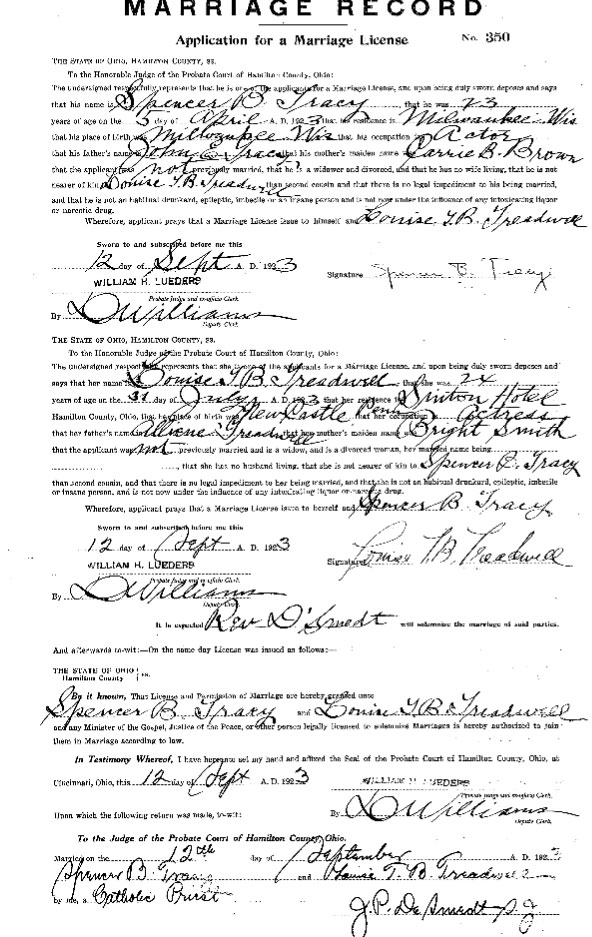
    The Hamilton County Probate Court is most proud of Spencer Tracy’s 1923 marriage license, found at the site.

    Spencer Tracy marriage document

  • Feature: Good, Bad, and Ugly in Gaming: the 2009 Golden Ars Awards


    The gaming staff at Ars Technica has spent the past few weeks trying to avoid the multitudes of gaming lists that have been flooding the RSS feeds. Everyone has a pick for game of the year, and many sites are giving us lists for game of the decade. Since everyone has a different idea about what constitutes a game of the year, people invariably go into those lists with a firm idea of what they want to see… and then they head to the comments to duke it out.

    But the holidays should be about caring, and love, and inclusion! With that in mind, we’re going to hand out a wide variety of awards, both good and bad, to show just what we loved and, well, didn’t love this year. 2009 was crazy, so let’s begin with the 2009, year-end Golden Ars awards.

    Read the rest of this article...


    Buy This Item: [Click here to buy this item]

    Article

  • Multitouch Browser Comes to Droid By Way of Software Hack [Droid]

    We know the Europeans have been tooling around with Droid and mutlitouch since December, but today, courtesy a hack of sorts, we Yanks can have it too, albeit for a browser only in this particular case.

    All you have to do is follow about five steps over at AllDroid and it’s yours. You’ll need to root your phone first, of course, so this isn’t really a mom and pops operation just yet. There are also a few downloads and deletions to be aware of as well.

    Voila. Users report that it works just fine on version 2.1, even as a beta. [AllDroid via Redmond Pie – Thanks, Taimur]


  • East Africa’s Common Market: It really may happen

    East Africa’s common market

    It really may happen
    Dec 30th 2009 | KIGALI
    From The Economist print edition

    The region’s leaders take another step towards building a common market

    FREE-TRADE fingers crossed, some time this summer goods should start being sold without tariffs across borders within the five countries of the East African Community (EAC). The new common market will take in 130m-plus people in Burundi, Kenya, Rwanda, Tanzania and Uganda. The next step is monetary union, with political federation a far remoter prospect. The agreement signed last year at the EAC’s headquarters in the Tanzanian city of Arusha was a first step. Optimists say the EAC should join free-trade blocks in southern and western Africa before 2030.

    The EAC is working off a small base. Its combined GDP of $75 billion is a sixth of Belgium’s. But scrapping tariffs should boost regional trade and improve competitiveness. The EAC should be better placed to trade with Congo, Ethiopia and Sudan. And if it can build its own wider manufacturing base, its goods may start to compete with cheap stuff from China.
    Kenya, which has the region’s strongest manufacturers, retailers and banks, is sure to gain most. But for the EAC to succeed, others must win too. Rwanda and Burundi should benefit from cheaper and quicker transport of goods to and from the ports of Mombasa and Dar es Salaam. Uganda is well placed to expand its agriculture for export.

    Tanzania is less certain to gain. It wants to keep some taxes on goods from Kenya. And it is wary of the free movement of labour, fearing that, in many professions, pushier and better-educated Kenyans will come and snatch plum jobs.

    Faustin Mbundu, a Rwandan who chairs the East African Business Council, says the real benefits of the common market will accrue only with more and better roads, railways and power stations. Some say a new capital for the EAC must be built from scratch, perhaps on a shore of Lake Victoria, with a new international airport to match Nairobi’s.

    But simpler things will be needed a lot sooner. For instance, border crossings will have to be kept open at night. Mr Mbundu wants to end the scourge of informal police checkpoints. Above all, the governments will have to avoid policy reversals that pander to their own industries, a tendency that has hitherto stood in the way of a proper common market.
    http://www.economist.com/world/middl…ry_id=15179478

  • Library of Birmingham | Centenary Square | 60m | U/C

    It needs its own thread.

    Some selected views

  • Is Apple’s Magic Mouse an Energy Vampire? [Magic Mouse]

    Apple’s sexy, touchy feely Magic Mouse could be an energy-sucking vampire, according to a number of reports on the Apple Discussion Boards.

    The present hypothesis is that the Magic Mouse is preventing the Bluetooth keyboard from entering sleep mode, resulting in weekly battery changes. One user purportedly contacted Apple Tech Support and was told the problem is a known Bluetooth driver issue and a fix is in the works.

    Who here has one of these little energy vampires and what’s your story? Anything? [TUAW]


  • SAN LUIS | Complejo de Descentralización Administrativa Terrazas del Portezuelo | 7p | E/C

    Es la nueva sede del gobierno de la provincia de San Luis donde se ubicarán las oficinas del poder ejecutivo provincial.

    Quote:

    Originally Posted by bamza
    (Post 33671018)
    Bueno finalmente creo que tenemos la ubicación…


    Quote:

    Originally Posted by Emi Ang
    (Post 41312792)
    Bue me di cuenta de que en el google earth actualizaron fotos de argentina y la de la zona de san luis capital es del 24 de febrero de 2009.

    Adjunto a continuación la foto del terreno del proyecto donde se ve el trabajo hasta esa fecha.


    Quote:

    Originally Posted by bamza
    (Post 35606914)
    Noticias

    Avanza la construcción del Complejo ‘Terrazas del Portezuelo’
    10/04/2009

    San Luis se transformó en los últimos años en el sinónimo más fiel de progreso, obras de infraestructura en todos los rubros, hicieron de la provincia una de las más avanzadas de la Argentina.

    El complejo de Descentralización Administrativa ‘Terrazas del Portezuelo’, que estará dotado de la máxima tecnología y confort, se encuentra en plena etapa de fundación y estructuras, además ya comenzaron con las primeras lozas.

    La obra, correspondiente al Plan Plurianual, fue visitada por la ministra de obras públicas e infraestructura, Stella Maris Rubino de Catalfamo, se ubicará en un predio en las márgenes del Dique Chico, aprovechando la topografía del terreno y las visuales hacia la ciudad, el Portezuelo y las sierras de San Luis. Asimismo, se conectará con la ciudad Capital a través de la avenida circundante al mismo, la Avenida Parque y la ruta Nº 147 y desde la Autopista Ruta Nº 7 ‘Serranías Puntanas’.

    “Terrazas del Portezuelo”, estará distribuido dentro de un predio de 20 hectáreas, contará con un edificio pirámide ubicado en el centro formada por tres torres y otro edificio llamado “Herradura”. Alrededor de éstos se ubicaran los módulos ministeriales. Las obras incluirán también el desarrollo vial, el tratamiento de los espacios exteriores y la infraestructura en servicios.

    La obra será ejecutada por la Unión Transitoria de Empresas (UTE), compuesta por: Constructora San Luis, Rovella Carranza S.A. y Alquimac S.R.L.Consta de un presupuesto oficial de $ 350.216.030,84.

    La envergadura de la obra requiere de mano de obra constante, actualmente se encuentran trabajando 250 empleados, para cuando la obra se encuentre en su apogeo trabajarán alrededor de 800 empleados.

    Respecto a los 3 bloques que conformarán la pirámide, estarán ubicadas en el lugar más alto de la elevación, entre todos tendrán una superficie de 16.100 m2.

    Serán transparentes y llevarán un cerramiento exterior de ‘piel de vidrio’ con doble vidriado estructural, con aplicaciones de titanio en placas. La “herradura” va a albergar todas las actividades culturales, exposiciones, con patio de comidas y bar, complementado por un espacio exterior con una gran fuente simulando un lago, que va a ser la plaza cívica.

    Los módulos ministeriales, en total 4, han sido concebidos desde un lugar conceptual con relación a la pirámide y sus aristas. El ingreso propio a los módulos ministeriales se materializa en una explanada con un pórtico que conforma el nacimiento de la calle cubierta libre vidriada que representa el eje de la arista de la pirámide.

    Los niveles 1 y 2 se desarrollan en tres niveles completos, dos medio niveles y un medio nivel de cocheras.

    El modulo 3 se desarrolla en cuatro niveles completos: un medio nivel y un nivel de cocheras. El modulo 4 se desarrolla en cinco niveles completos y un nivel completo compartido con la cochera, la superficie total de los cuatro módulos ministeriales alcanza a los 43.582,28 m2.

    La primera entrega esta estipulada es para mayo del 2010 en el marco del Bicentenario de la Revolución de Mayo. Esta primera entrega comprenderá el edificio de gobernación y la “herradura”. Los 4 edificios ministeriales serán entregados en diciembre del 2010.

    Como estarán distribuidos los distintos ministerios y reparticiones

    Edificio principal – 3 bloques en forma de Pirámide 16.100m2-

    Bloque 3

    Planta baja: Acceso bloque / informes / cafetería
    1° Piso: Legal y técnico
    2° Piso: Movilidad / coordinación Zona Franca
    3° Piso: Estadísticas y censo
    4° Piso: Asesoría /proyecto transferencia institucional
    5° Piso: Sala de reuniones

    Bloque 2

    Planta baja: Mesa de entradas e informes / archivo general
    1° Piso: Mesa general de entradas / archivo
    2° Piso: Mesa general de entradas / archivo
    3° Piso: Departamento Contable
    4° Piso: Departamento Despacho
    5° Piso: Sala de reuniones para departamentos
    6° Piso: Area de meeting

    Bloque 1

    Planta baja: Hall público / Hall privado del gobernador
    1° Piso: Secretaría general de la gobernación
    2° Piso: Prensa / relaciones públicas
    3° Piso: Sala de situaciones / antesala
    4° Piso: Despacho del gobernador / Secretaria privada
    5° Piso: Residencia
    6° Piso: Recepción y agasajos
    7° Piso: Mirador

    Plato de Conexión

    Salón Blanco / Foyer / Baños / Intendencia de edificios públicos / Estacionamiento cubierto de gobernación / Seguridad / Maestranza / Sala de tableros eléctricos, baja tensión, aire acondicionado / deposito

    Herradura – 8.100 m2-

    1° Subsuelo: Sector cultural
    2° Subsuelo: Sector gastronómico / cocina / baños públicos / maestranza / depósitos / baños y vestuario para personal / estacionamiento y descarga servicio / sala de máquinas

    Edificios – Ministerios

    Conservador: 13.475,28 m2
    Capital: 9.453,00 m2
    Proyección al Futuro: 15.619,89 m2
    Estrategias: 5.033,75 m2

    Total de gobernación y herradura:24.200m2

    Total de los 4 ministerios: 43.582,28 m2

    Total de Terrazas del Portezuelo: 67.782,28 m2

    FUENTE para toda la información: http://www.infraestructura.sanluis.g…nsaId=8&page=1

    .


    Quote:

    Originally Posted by bamza
    (Post 22368742)
    .

    DESARROLLA: Provincia de San Luis

    PROYECTO: Arq. Esteban Bondone (BBGOOO arquitectos)

    PROYECTO EJECUTIVO: A4 estudio

    CONSTRUYE: UTE de Constructora San Luis, Rovella Carranza S.A. y Alquimaq S.R.L.

    http://www.sanluis.gov.ar/sl/Paginas…nfoPrensaId=50


    Quote:

    Originally Posted by bamza
    (Post 36019528)
    El estudio mendocino A4, que se encarga del proyecto ejecutivo (ver aquí), estuvo remozando su web y ahora tienen una especie de blog. Ampliaron la visual del render que ya habían mostrado y sumaron otra vista.


    Quote:

    Originally Posted by Emi Ang


    Quote:

    Originally Posted by bamza
    (Post 38511196)
    Hoy, croquis de la pirámide formada por 3 edificios…

    FUENTE: power point "Plan Plurianual – Ministerio de Obras Públicas e Infraestructura de la Pcia. de San Luis" (http://www.infraestructura.sanluis.g…PLURIANUAL.pps)

    .


    Avances:

    Quote:

    Originally Posted by Emi Ang
    (Post 49276857)
    Updates regalo de navidad y año nuevo, mis últimos updates del 2009.


    Gracias Bamza y Emi por recavar información y mantener actualizado el hilo de este importante proyecto provincial en el foro argentino. Sólo copie la información y las fotos que ellos colgaron, así que los créditos son suyos. :cheers:

  • LG eXpo’s pico-projector reviewed, can project up to cinema-size screen

    lgexpo-pico-projector

    WMExperts have given the LG eXpo’s pico-projector a hands-on and have come away pretty impressed.

    They note it’s small, light, easy to carry around and set up and will display anything that’s on the screen.  They also mention that battery drain is not a major problem, with up to 2 hour sessions possible.

    Regarding image quality they said:

    How’s it look?  Pretty good actually.  It can project up to a 40 foot picture and the throw is pretty remarkable (they say the throw is up to 8 ft, but we easily more than doubled that). We tossed it onto a small screen in an actual movie theater and it was totally workable–not cinema quality, for but presentations or showing off a video clip…yeah, it would do the job.

    So our initial thoughts: impressed.

    Read their full impressions here.

    Share/Bookmark

  • CALIFÍCALO | Maturin | Edificio La Palma

    Edificio ubicado en Maturin no muy alto pero muy bonito 😉

  • Play It Again, Sam — or Just Download It onto My MP3 Player

    Jon Pareles has written a perceptive history of the MP3 player and its impact on the music business on the front page of the Arts & Leisure section of Sunday’s New York Times: http://www.nytimes.com/2010/01/03/arts/music/03tech.html?ref=music.  Although the technology and device are just over 10 years old, practically speaking, the levelling effect on the industry has been significant.  I have read that of all music sales, digital downloads only account for 15%, but that doesn’t take into account all the illegal downloads and file-swaps.  I have friends who buy CDs, translate the music to gigantic MP3 directories, and then give the CDs away (they take up a lot of space, after all); if that practice is as widespread as I suspect it is, then the “MP3 effect” is broader than just digital downloads too.

    Meanwhile, Aaron Cohen’s article on “Reinventing the Music Business” takes a slightly different look at MP3 and how artists ought to view the opportunity: http://www.allbusiness.com/entertainment-arts/music-industry/13632876-1.html.  One angle discussed is that MP3 downloads ought to be viewed by artists as an opportunity for self-promotion, allied with social media outreach directly to the audience they want. 

    This article about U2’s Bono is one of many artist statements of worry about downloads and file-sharing: http://www.thedailystar.net/newDesign/news-details.php?nid=120335

    Clearly the 800-pound gorillas in this field are iTunes, Amazon and now WalMart, none of which is the sort of company we look at in this blog.  And there are file-sharing companies like Napster and its peers, where the rights of artists or labels have in the past not been as important as volume, to put it mildly.  But there are some smaller companies, public and private, that may be of interest.  First up might be NYC-based The Orchard Enterprises (Nasdaq: ORCD; http://www.theorchard.com/), which has adopted the strategy of buying licenses and copyrights to largely older music libraries, and redistributing them, with the largest outlet being iTunes.  They acquired the former Digital Music and a significant library of oldies-but-goodies, and also has deals with some current artists, some films, and some indies.  The market is not showing great enthusiasm for ORCD, which is chugging along at about $62 million in revenue, with gross margins in the range of 24% to 26%.  The shares closed out 2009 at $1.64 vs a 52-week high of $3.49 on very low trading volume, for a total market cap of about $10 million, and that is in spite of a fairly sizeable “catalog” of music (and quite significant losses).  It may be that the market likes to see higher visibility than The Orchard has achieved, or that their exposure to the whims of distributors like iTunes and Amazon are a inspiring caution.

    Seattle-based Real Networks (Nasdaq: RNWK; http://www.realnetworks.com/) is not a pure play in music downloads, but it has a significant subsidiary, Rhapsody (http://www.rhapsody.com) , that is an up-and-comer, selling its tunes on a subscription basis, not unlike the business plan that NetFlix follows with movies.  RNWK shares closed 2009 at $3.71, with a 52-week high of $4.48 and a market cap of an even half-billion dollars, on average volume over 660,000 shares per day, but the bulk of the business is not Rhapsody.

    Please keep in mind that we do not recommend stocks; we only write about companies we find interesting.  Please do your own diligence.

    Privately held Denver-based Beatport.com concentrates on indie artists, remixes and club music, and has been building its business since January 2004.  Financials are not available.  http://www.beatport.com.

    New York and Los Angeles-based Masterbeat Corporation* (OTCBB: GRNN; http://www.masterbeat.com) is one of the new kids on the block.  It announced last week that it has reversed into a public shell and its shares are now eligible to trade.  No financials have been published yet, but clearly there will be disclosure coming for year-end prior to March 15, 2010.  The Masterbeat website lays claim to 4 million song titles licensed from major labels, including a dizzying variety of club-music dance remixes of major artists like Rihanna and Mariah Carey.  Masterbeat CEO Brett Henrichsen is a noted DJ (as well as an IBM veteran), and the site seems to be downloading at the rate of about 40,000 songs per month, on virtually no direct promotion.

    Finally, Milan-based Buongiorno SpA (http://www.buongiorno.com) is a download company specifically targeted on mobile-phone users.  It has trailing 12-month revenues in the range of € 270 million (about $385 million).  A large piece of that is ringtones, games, video and even wallpaper, but the first category listed by them is music, which would make them a noteworthy supplier, with a presence globally.  Buongiorno trades on the Borsa Italiana STAR segment under the ticker BNG (BNG.MI on Yahoo! Finance).  Its shares closed 2009 at €1.16 on hefty volume of over 500,000 shares per day. 

    *client of Allen & Caron, publisher of this blog

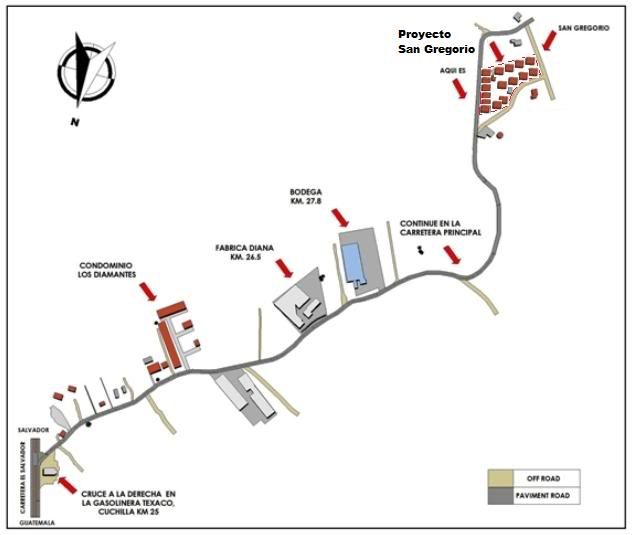
  • San Gregorio| Km.29 camino hacia Santa Elena Barillas

    San gregorio

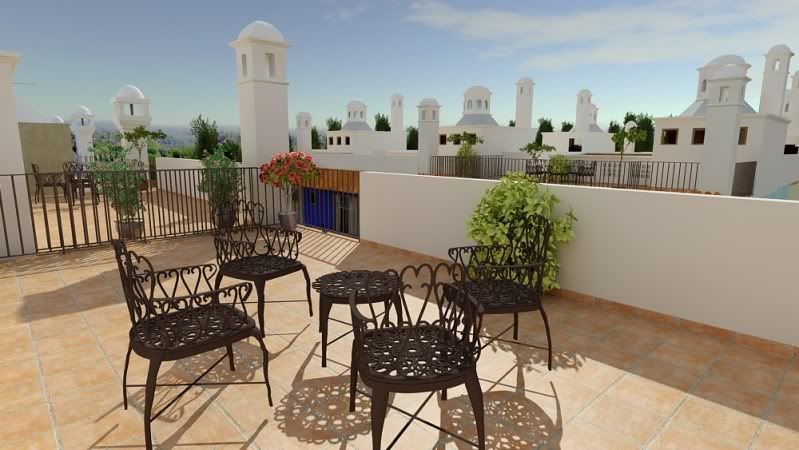
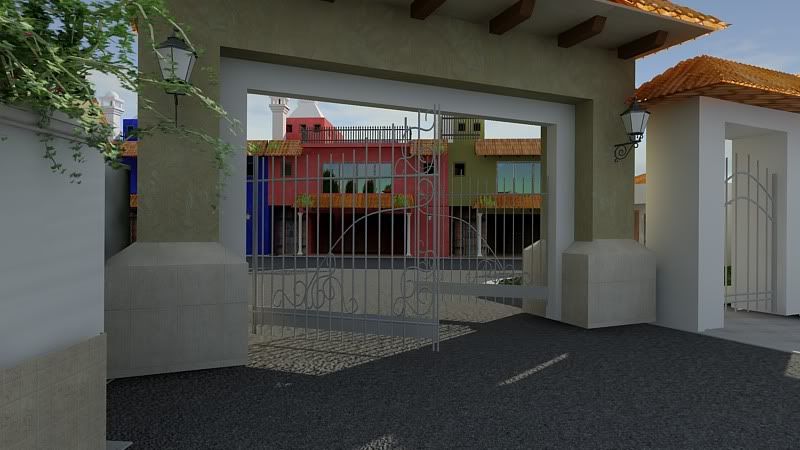
    Un proyecto con ubicación en Km.29 camino hacia Santa Elena Barillas. Inmomama Real Estate ahora le ofrece el proyecto San Gregorio el cual consta de area residencial y locales comerciales.
    Este proyecto visionario tiene todas las comodidades y beneficios de vivir en un lugar excusivo y la conveniencia de tener un centro comercial en el mismo lugar, centro comercial que por ser único en su categoria es totalmente innovador en sus estándares que no interfiere con la vida tranquila que usted desea para vivir.

    A la par del proyecto se encuentra este spa.

    Precio del Proyecto:

    En obra gris: $225,000.00
    Obra ya terminada: $275,000.00

  • OMAHA WORLD HERALD: WARREN WATCH – Buffett’s Decade

    By Steve Jordon

    WORLD-HERALD STAFF WRITER

    Now that the Decade of the Aughts is done, let’s look at the Decade of Warren Buffett.

    Some of the 2000s’ highlights for Omaha’s most famous, and richest, citizen:

    From Dec. 31, 1999, to Dec. 31, 2009, Berkshire Hathaway Inc.’s stock price gained 77 percent while the Standard & Poor’s index of 500 stocks fell 24 percent and the Dow Jones Industrial Average fell 9 percent. The Dow and S&P figures don’t reflect dividends paid to shareholders, however.

    His long-awaited biography, which he had intended to write but delegated to a former insurance analyst, opened Buffett’s personal and business sides. Others also write books about Buffett, but Alice Schroeder’s “Snowball: Warren Buffett and the Business of Life” will remain the prime source of inside information about him, his family and his business dealings.

    If you count the pending purchase of Burlington Northern Santa Fe Corp., Buffett acquired 33 businesses in the ’00s, a tally that does not include big investments in General Electric, the Chinese automaker BYD and other companies. Buffett had decided that, in general, owning an entire good company is better than owning a piece of a company through an investment.

    Berkshire ends the decade with about 225,000 employees, all but 19 of them outside its home office in Omaha. That’s down about 21,000 from a year ago because of recession-related job cuts. The businesses acquired since 2000 (not counting Burlington Northern) employ about 178,000 people.

    Buffett has become something of a regular on cable TV, chatting with anchors when things are going well and when it’s gloomy. His New York Times opinion piece in October 2008 (headlined “Buy American. I Am.”) helped turn people’s attitudes toward recovery.

    His life changed with the death of his wife, Susan Thompson Buffett, in 2004 and his 2006 marriage to Astrid Menks.

    Buffett became the biggest philanthropist in history when he pledged the bulk of his wealth — estimated at $37 billion when he made the announcement in 2006 — to the Bill & Melinda Gates Foundation. He also pledged large donations to the Susan Thompson Buffett Foundation and to foundations headed by his three children.

    As Berkshire grew, Buffett’s universe of worthwhile financial deals shrank because a transaction needs to be huge to make a difference on Berkshire’s balance sheet. In 2000 his acquisition criteria included after-tax annual profits of at least $50 million; the latest criteria put that figure at $75 million.

    Buffett, 79, discusses plans for his successor in each annual report. His concluding remarks have not changed during the decade: “Lest we end on a morbid note, I also want to assure you that I have never felt better. I love running Berkshire, and if enjoying life promotes longevity, Methuselah’s record is in jeopardy.”

    Acquisition talk

    News outlets quote unidentified sources as saying Buffett is interested in acquiring Residential Capital, a division of GMAC that originates and processes mortgages, but Buffett has not commented.

    The New York Post said ResCap, as the division is known informally, is falling close to its minimum net worth of $250 million. GMAC has said it wanted to have a plan in place by the end of 2009 for ResCap, which has lost more than $1 billion each quarter since mid-2007.

    But another unidentified source said he would be surprised if Buffett bought the division now.

    “ResCap is a good solid business platform and has technology,” the Post quoted David Lykken, president of consultant Mortgage Banking Solutions, as saying, and would make sense for Berkshire at the right price.

    ResCap services the nation’s fifth-biggest portfolio of mort- gages and would profit if interest rates rose and people took longer to repay mortgages. But if the recession deepens, loan delinquencies could hurt ResCap profits, the sources said.

    Reuters reported that Buffett is in talks with hedge fund managers David Tepper of Appaloosa Management and Marc Lasry of Avenue Capital to buy ResCap.

    New board member

    The newest member of Berkshire’s board of directors, Stephen Burke, is the son of retired Capital Cities/ABC executive Daniel Burke, who served during the time Berkshire was an investor in Capital Cities.

    Stephen Burke, 51, is chief operating officer of Comcast Corp., the nation’s largest cable TV company, and “is business-savvy, owner-oriented and keenly interested in Berkshire,” Buffett said in a statement announcing Burke’s election to the Berkshire board.

    Last week Burke became a Berkshire shareholder, buying five Class A shares for $98,780 each, according to a filing with the Securities and Exchange Commission.

    Bloomberg News reported that Buffett had praised Daniel Burke for his work in the 1990s. Stephen Burke’s work path includes the Walt Disney Co., which also was partly owned by Berkshire, as president of ABC Broadcasting.

    He also is on the board of JPMorgan Chase & Co. and has been credited with integrating Comcast’s acquisitions of AT&T Inc.’s broadband unit and Adelphia Communications Corp.’s cable systems, Bloomberg said.

    Share Investor Links

    Share Investor Blog – Stockmarket & Business commentary
    Share Investor New Zealand Business News– Get more business news
    Discuss this topic @ Share Investor ForumRegister free
    Share Investor’s Daily Forex Updates

    Recommended Amazon Reading

    Warren Buffett and the Interpretation of Financial Statements: The Search for the Company with a Durable Competitive Advantage Warren Buffett and the Interpretation of Financial Statements: The Search for the Company with a Durable Competitive Advantage by Mary Buffett
    Buy new: $16.47 / Used from: $15.70
    Usually ships in 24 hours
    The Essays of Warren Buffett: Lessons for Corporate America, Second Edition The Essays of Warren Buffett: Lessons for Corporate America, Second Edition by Warren E. Buffett
    Buy new: $26.10 / Used from: $33.05
    Usually ships in 24 hours


    From Amazon – Apple iPod touch 32 GB (3rd Generation) NEWEST MODEL


    Bookmark and Share


  • Microsoft EMG Research Would Let Users Strong-Arm Gadgets Into Submission [Science]

    Mind control is one way to control tomorrow’s gadgets. Here’s another equally cool, equally complex way: Controllers that involve nothing but the electrical impulses taking place everyday in our muscle tissue.

    The system, developed as part of a patent filed by Microsoft, uses a series of connectors attached to an armband. The armband leverages Electromyography (EMG). As you can see in the video, this creates a system that translates the electrical activity found in our muscles into instructions for a computer. Or a Guitar Hero air guitar.

    The system in the video is shown as a forearm version, but further patent reading reveals a completely wearable network of sensors that would adorn a user’s head, arms and legs.

    So air guitar and auto-trunks are only the beginning, although we’d need to be extraordinarily aware of our gestures and arm movements should a system become more mainstream, don’t you think? I’d hate to flip a guy off on the highway and have my driver’s side door pop open. [Muscle Computer Interfaces via Engadget]




  • Vote for Little Big Planet’s Best Level of the Year Sackie Award

    Little Big Planet

    Community is a big deal with Little Big Planet, and Media Molecule has been helping foster it by giving out “Sackadamy Awards” for the past two weeks, recognizing the best achievements in level creation in such categories as Best Gameplay in a Level, Best Use of Story in a Level, and Best Innovative Creation. And now they’ve reached their final award, the hallowed Best Level the Year — and this one’s up to you.

    They’ve sifted through 1.5 million levels to narrow the selection down to ten nominees, which you can see on the official Little Big Planet website. That’s also the same place where you’ll cast your vote, but don’t be so hasty! You hold in your hands the power of awarding a single LBP creator with the eternal Internet fame of 2009 Level of the Year winner, an awesome responsibility indeed! So do your due diligence and play each level twice, then once again backwards just to be sure.

    Or just pick whichever sounds cool. Honestly, we don’t think anyone will know any better. The winner will be announced “the first week of January,” which technically is tomorrow, but no specific voting deadline was given.

    Buy This Item: [Click here to buy this item]

    Read Original Article

  • Last Day of Steam Holiday Sale Offers Second Chances

    Steam Holiday Sale

    In case you’ve somehow missed it over the past two weeks, Valve has been offering a number of enticing sales on Steam every day since December 22. But if you did miss it, don’t worry: To close out their Holiday Sale promotion, they’re re-offering the best-selling discounted games once again for the rest of the day.

    For you, this means you once more have the chance to purchase the following games for the following ridiculously low prices:


    Buy This Item: [Click here to buy this item]

    Read Original Article

  • Costa Rica 22x (deel 2)

    Hierbij deel 2

    26.

    27.

    28.

    29.

    30.

    31.

    32.

    33.

    34.

    35.

    36.

    37.

    38.

    39.

    40.

    41.

    42.

    43.

    44

    45.

    46.

    47.

    48.

    :cheers: