Category: News

  • It’s the Start of the New Year, the Start of the New Decade, and the Start of My Sixties. Some Simple Strategies for Staying Healthy and Happy. At Least I Can Hope!

    Bluezones

    Author Dan Buettner has scoured the Earth — not for the fabled Fountain
    of Youth — but for the key to a happy old age. He spent five years
    visiting areas of the world where people tend to live longer, healthier
    lives, areas he calls "Blue Zones."

    Buettner says he has identified four things people can do that can
    potentially increase life expectancy:

    • Create an environment that
      encourages physical activity
    • Set up your kitchen in such a way that
      you're not overeating
    • Cultivate a sense of purpose 
    • Surround
      yourself with the right people.

    "These are long-term fixes that have been shown over and over to add not only more years of life, but better years of life."

    -NPR story, "Can 'Blue Zones' Help Turn Back the Biological Clock?", June 8, 2008-

    If you're reading this through via email, click here to get to the more readable web-version.

    It's the start of the New Year. 

    It's the start of a new decade.

    It's the day I turn sixty.

    Look, I'm not a big-birthday-celebration-kind-of-person.  They come and go and I don't even think about the years.  But turning 60 is different.  It's the last quarter of life, with no guarantees on what that quarter is going to look like.

    Judging by my parents–that last quarter of life doesn't look so promising.  Which is exactly why I've been paying attention to exercise and eating right since I turned 30. 

    That's when my dad had one of those massive debilitating strokes that left him unable to communicate, unable to read or fully understand speech, and eventually unable to walk or do anything.  He was 69 at the time–just when he was getting ready to kick back a little, work a little less, travel, and just enjoy life.  He spent 16 years living in this kind of post-stroke-limbo-state, spiraling downward.

    My mom was 62 at the time, and my dad's stroke changed her life in an instant.  One minute she was planning all the trips they'd finally have a chance to take–and enjoying their new role as grandparents–and in the next she was jockeying the world of wheelchairs and therapists.

    With the stress of full-time care-giving, and years of no exercise or attention to diet, by 72 she had developed severe coronary artery blockages, hypertension, kidney stones, and painful spinal fractures.  Then came the mini-strokes that finally added up to vascular dementia in her eighties.

    And unfortunately, this scenario is all too common.  "[M]ost elderly Americans – more than two-thirds of current 65-year-olds, according to a detailed 2005 projection by a team of health policy analysts — at some point will need assistance to cope with daily living, either paid help or unpaid, at home or in a facility."

    So, sixty seems kind of scary to me.

    Which is exactly why I'm ready for a more "Conscious Aging" plan.  We already have all the evidence we need to stay healthy.  It's not about adding more years to our lives.  It's all about adding more life to our years!

    Just a sampling of the evidence.

    • The 52 country INTERHEART study was very clear.  There are 9 easy-to-modify risk factors that are associated with 90% of heart disease.  This was a huge study–30,000 people from every inhabited country–and the results were the same for all races, all sexes, all countries.  All 9 of these risk factors are within our control–and would eliminate 90% of heart disease, regardless of one's genetics. 1. Keep lipids (cholesterol & triglycerides) down; 2. Stop smoking; 3. Prevent or control hypertension; 4. Prevent or control diabetes; 5.  Reduce belly fat; 6.  Find ways to control psychological and social stressors; 7. Increase fruit and vegetable consumption; 8.  Moderate alcohol consumption is protective; 9. Get regular physical exercise   Lancet 364:937-952, Sept. 11, 2004.
    • The Nurses' Health Study and Health Professionals Follow-up Study.  "The largest and longest study to date, done as part of the Harvard-based Nurses' Health Study and Health Professionals Follow-up Study, included almost 110,000 men and women whose dietary habits were followed for 14 years.  The higher the average daily intake of fruits and vegetables, the lower the chances of developing cardiovascular disease…[F]or every extra serving of fruits and vegetables that participants added to their diets, their risk of heart disease dropped by 4%." Harvard School of Public Health
    • The China Study.  This is Dr. T. Colin Campbell's mammoth 2006 study on the effects of a plant-based diet on health–citing over 750 studies.  The conclusion: People who ate the most-animal-based foods got the most chronic disease.  People who ate the most plant-based foods were the healthiest and tended to avoid chronic disease.  According to Campbell, "Good nutrition supported by exercise, clean water, and sunshine is greater than the sum of its parts.  It's a biological symphony.  My introduction to Dr. T. Colin Campbell
    • The Longevity Personality.  From the Journal of the American Geriatrics Society, April 2009 comes this conclusion: Those who live the longest are more outgoing, more active, more easy-going, more empathetic, and more agreeable than those who live a normal life span. The Blue Zones calls it, "likeability".

    Here's My Strategy for Staying Out-of-Trouble After Sixty

    Some of these are long-time habits, and they're easy for me to follow.  Some of these I don't do as regularly as I should.  Some of these are new goals.  But this much I do know:  If I don't have a plan, if I don't do these consciously, and if I don't carve out time to make them happen–they won't.

    1.  Stick with 7-9 servings of fruits and vegetables a day.  The Green Smoothies make it easy.  I get 6 servings in a 27 ounce Klean Kanteen that I divide over breakfast and an afternoon snack.  I calculated the nutritional info on my daily 27 ounce serving that includes, 2 1/2 cups kale, 8 mini-carrots, 1/2 cup pomegranate juice, 1/2 apple, 1/2 orange, 1/2 kiwi, and 3/4 cup frozen black raspberries.  Check out the nutrient content for 27 ounces:

    Nutrition Facts
    The Healthy Librarian's
    Green Smoothie-kale,blackberries,carrots,orange,kiwi,pom juice,apple
    Serving Size: 1 serving
    Amount Per Serving
    Calories 342
    Total Fat 2.2g
          Saturated Fat 0.2g
          Trans Fat 0g
    Cholesterol 0mg
    Sodium 140mg
    Carbohydrate 82.1g
          Dietary Fiber 13.8g
          Sugars 49.1g
    Protein 8.9g
    Vitamin A 729% Vitamin C 485%
    Calcium    35% Iron 28%

    Then throw in some veggie-based soup, a salad, a veggie-based dinner entree, some fruit for dessert, and I'm good to go. 

    This eating plan is the same as the DASH Diet (Dietary Approaches to Stop Hypertension)–guaranteed to stop hypertension.  The Cache
    County (Utah) Study
    on Memory shows it also prevents cognitive decline.   Dr. Amy Lanou and Michael Castleman, authors of Building Bone Vitality claim it will build and strengthen bones–because the 17 nutrients necessary to build strong bones are all found in a diet high in fruits and vegetables.

    2.  A balanced exercise plan.  It's not just about cardio–there are 4 areas that need attention: Cardio (spinning-my fave), Weight-training, Flexibility & Balance (yoga-my fave), and Core Strength.  No, you can't just walk and think you're in good shape.  I'm super regular with my cardio, and not as regular with the weight training and yoga.  Click here to see what my workout looks like. As for core strength–that's pretty much non-existent.  And when it comes to weight-training, according to Randy Raugh, the Canyon Ranch physical therapist, and author of the excellent Prime for Life–Functional Fitness for Ageless Living–to get the maximum benefits you need to do it for 3 non-consecutive days a week–2 at the minimum.  Unfortunately, I often weight train only 1 day a week.  If you want to build strong bones and prevent osteoporosis, and maintain your muscle strength as you age–weight-bearing exercise for the lower body, and weight-training for the upper body is a must-do!  Yoga, helps with balance, preventing future falls, and building strength.  As for core strength, I'm upping my game with Dr. Stuart McGill's routine, and my birthday-present to myself is the physical therapist-designed Pelvicore exercise ball.

    3.  A plant-based diet with minimal added fat.  I'm nearing the 2 year mark on eating plant-based, so this is the easy part. I've got this down pat. I still use a little olive oil for cooking and in salads, and very occasionally eat some seafood or dairy when eating with friends.  I'm convinced.  If you want to lower your cholesterol, reduce your risk for type-2 diabetes, lower your blood pressure, reduce your risk of heart disease & stroke, and reduce your belly fat–this is the way to go.  Dr. David J. Jenkins of St. Michael's Hospital in Toronto is one of the pre-eminent researchers on the benefits of a plant-based, low-glycemic diet (like beans, nuts, oats,& quinoa) for improving diabetes control, lowering cholesterol, and preventing cardiovascular disease.  Click here for Jenkins research.  And that's not all–keeping your blood sugar stable with low glycemic plant-based foods and exercise will preserve your brain.  Click here.  And as for too much fat–not only is it bad for your belly–it's bad for your brain–so just ditch it Click here.

    4. No time urgency.  This is what keeps the Okinawans calm, relaxed, and living longer.  I'm really working on this one–which goes hand-in-hand with flexibility.  Things don't always go as planned–you either go-with-the-flow or get stressed and anxious.  My favorite 2 words, "Oh well."  Life goes better when you stay in the moment, chill, and don't worry about getting there fast.  When our Christmas Day trip to New York City was aborted because of an ice storm, we checked into a hotel at noon, and enjoyed a dinner of cranberry nut mix, Larabars, Cliff Bars, and clementines.  All the restaurants were closed in this Pennsylvanian town.  Oh well.  We had a good time, and made it to New York safe and sound the next day.

    5. More Dancing, Singing, Laughing, Playing, Schmoozing, and Mahjing.  What's the point of staying healthy without having fun?  That's the reason we work at staying healthy. Cool fact: There's a little organ deep in the ear, called the sacculus–and it gives us a great sense of pleasure and well-being when it's stimulated.  But, it can only be stimulated through singing!  So, bring on the Singstar Karaoke!  Click here.

    6.  The Supplements.  I'm really bad at regularly taking supplements.  I'm good at counting them out, taking them to work, and bringing them back home with me.  Truth is, there are some supplements worth taking because there's no easy way to get enough of them through diet alone.  Here are my favorites:  Omega-3s (I use Omega-Brite), DHA, (an omega-3 for brain health), Magnesium, Citracal, Vitamin D (I'm up to 3000 IUs), Curcumin (also known as turmeric, the yellow color in curry), and Juvenon (the combo of acetyl l-carnitine & alpha lipoic acid) developed by Dr. Bruce Ames.  Click here to read more about what I take, and what some prominent physicians take.  

    7.  Eliminate the time-wasters from my day.  Except for watching "The Middle" or "Glee", TV watching always leaves me bored and unsatisfied.  So, why bother wasting the precious time?  The same goes for my mindless internet cruising, checking in more than necessary with email, the NYT, and other favorite sites.  Enough already!

    8.  Maximize my peak energy times of the day.  Over a year ago I blogged about getting in sync with our natural energy ebb and flow throughout the day.  It works–and I intend to start planning my day around them, when possible.  For instance, 9-11 is the peak time for brain work-creativity-and analytical work.  On days when I don't work I would usually use this time for exercise & errands.  Poor use of brain time.  Better to exercise between 3-6.  To read more, click here:  Maximize Your Energy-Match Your Tasks to Your daily Energy Levels.

    9.  Give a gift a day for 29 days a month.  When 36 year old Cami Walker of LA learned she had multiple sclerosis, her spirits flagged.  She was tired, in pain, and had the prospect of a debilitating disease ahead of her.  When a holistic health educator gave her the prescription of giving 29 gifts a day for a month she thought it sounded it crazy.  Nothing big (and that's the point)–something like making a supportive phone call or saving a piece of yummy cake for her husband.  Of course the prescription didn't cure her,  but it had a startling effect of helping her cope with her illness and gave her a more positive outlook on life.  I love this idea.  It's a planned regular way to just think about kindness.  No big acts, just something little-done everyday.  To read more, click here.

    10. Cultivate my garden of friends and family.  Regular phone calls, visits, dinners, outings, and celebrations.  At 60 there's no time to delay any of these.  It's the glue that keeps us together and makes life worth living.

    11.  Once You're Through Learning–You're Through.  This is the philosophy of John Wooden, the 97-year-old retired UCLA basketball coach.  No doubt about it, learning and sharing what I learn is my purpose in life.  I'm lucky to have a job that gives me access to learning about health and medicine, and a hobby that gives me a chance to share what I learn.

    12.  Start Eating Less.  OK, I'm ready to shed a few pounds, and I know from past experience that writing down exactly what I eat, and how much I've exercised, really works.  I use something called MyFoodDiary.com and it's set up with all my favorite recipes.  Unfortunately, I haven't used it in quite some time.  The new year is a great time to start!  To read more about this tool, click here.

    For some good reasons to eat less, read:  CALERIE: The NIH Calorie-Restriction
    Experiment. Lessons for Health, Slowing Down the Aging Process,
    Longevity, and Disease Prevention
     

    Time to end this list.  I've already maximized my 9-11 brain time and written this post.  It's now time to make my smoothie, do some core exercises, take those supplements, answer birthday phone calls, enjoy a birthday lunch, followed by an evening out with friends who all share the same wedding anniversary–if we can just make it through our foot of snow!

    I'd love to hear from anyone who is 60 or over with advice, tips, and wisdom about maximizing life in the sixties, seventies, and more.


  • Fast Company names Jon Rubinstein a “Geek of the Year”

    Jon Rubinstein

    Entrepreneurial magazine Fast Company recently revealed their list of who they are calling the “Geeks of the Year”, (the year being 2009). And on that list is one Jon Rubinstein, who we know around here as the CEO of Palm, Inc. Fast Company’s reasoning behind bestowing such an, uh, honor on Rubinstein? Well, he was more or less responsible for ushering the Palm Pre and webOS to the masses and catapulting Palm back into the public eye. Rubinstein shares the Fast Company Geek of the Year list with the likes of Jens and Lars Rasmussen (the brains behind Google Wave), Star Trek director/producer/reimaginer J.J. Abrams, and Twitter cofounders Evan Williams and Biz Stone.

    [via: The MX Web]

  • Proyectos 2009 SSC Venezuela | EMPRESARIALES

    Empezamos con los Empresariales, aquí podrán votar por las 2 subcategorías (en altura y de baja altura).

    ! SON 2 VOTOS! Por la modalidad de unir 2 subcategorías en un poll, el mismo será de selección múltiple, pero cada forista podrá votar por un solo candidato, en el caso de que vote por 2 en la misma categoría se anularán los 2 votos.

    ! El poll está programado para cerrarse el 12 de Enero.

    ______________________________

    EMPRESARIALES DEL AÑO 2009
    C A N D I D A T O S

    ______________________________

    En altura

    • A) Torre Digitel, Caracas

    • B) Torre Isla Multiespacio, San Diego – Valencia

    • C) Torres C.E. Paseo La Castellana, Barquisimeto

    • D) Torre Bel, Barquisimeto

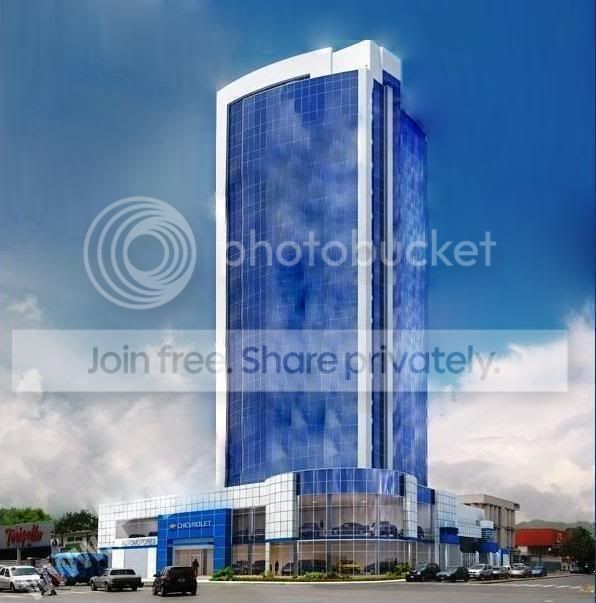
    • E) Torre Concesionario Chevrolet, Maracay

    • F) Centro Policlínico La Viña, Valencia

    De baja altura

    • A) Centro Empresarial Galipán, Caracas

    • B) Torre Profesional, San Diego – Valencia

    • C) Centro A1, Valencia

    • D) Complejo Casa Propia, Barquisimeto

  • Natural Gas Companies Fleeing Back To Oil After Exxon Dives Into Their Turf

    AP Gas Crisis

    Even while Exxon (XOM) makes a major shift towards natural gas in the U.S., via it’s recently announced acquisition of XTO Energy (XTO), smaller natural gas-focused companies are heading in the opposite direction. They see better returns on oil in the near-term, so are expanding their oil activities instead of gas.

    Why the apparent disconnect in natural gas outlook between these players and Exxon? Many smaller companies believe natural gas will deliver lower returns on their investment than oil for quite some time yet. They can’t sit around waiting for a long-term pay back in the same way that Exxon, with its vast size, can. Perhaps they’re even a bit terrified about the fact that Exxon is making a major push into their space as well.

    WSJ: But it isn’t as easy for smaller companies like EOG Resources Inc., one of the largest independent drillers. At EOG, gas accounts for about two-thirds of its North American production. Oil accounts for a third. Chief Executive Mark Papa said he expects a 50-50 split by 2011.

    “The concept is that we are evolving EOG from a heavily weighted gas company into a more balanced company,” he said. “We are bullish on oil short term and long term.” In 2010, the Houston company expects to allocate 60% of its capital expenditure to oil-focused projects.

    Questar Corp., which was exclusively focused on producing gas, is now putting 20% of its development capital into oil-rich projects, said Charles Stanley, chief operating officer of the Salt Lake City firm. The exploration would “enable us to receive oil prices and significantly enhance returns,” he said.

    Read more here.

    Join the conversation about this story »

    See Also:


  • [Szczecin] V-Stettin – Czyli Szczecin lat 30-tych XX w. w 3d

    Nie wiem czy nadaje się to na to forum ( może w skali nowoczesnych wizualizacji się ośmieszam ), ale po konsultacjach z Piotrem-Stettin postanowiłem zaryzykować.

    Jakiś czas temu pisałem już w wątku o modelach szczecińskich do programu Google Earth, o moim dość karkołomnym pomyśle odtworzenia przedwojennego Szczecina w trójwymiarze. Pomysł ten wziął się z tego, iż ciągle patrząc na stare zdjęcia nie mogłem pogodzić się z tym, że pewnych miejsc już nie ma lub też zostały w karygodny sposób zmienione przez powojenne władze. Bohaterem tej wizualizacji ma być Stare Miasto gdzie teraz stoją pseudo staromiejskie bloczki bez nawiązania do przeszłości.
    Wizja tego jak ma to wyglądać kiedyś w przyszłości jest taka. Przede wszystkim ma to być wizualizacja, w której będzie można się wcielić w zwykłego mieszkańca Stettina i jego oczami widzieć miasto. Oprócz tego może kamera z lotu ptaka. W przyszłości chciałbym aby program mógł też służyć do spacerów po współczesnym mieście i tak by można było na bieżąco porównać to co jest obecnie z tym co było kiedyś.
    Chciałbym aby po scenerii poruszały się tramwaje, samochody czy też piesi. Pewnie przychodzą tu na myśl skojarzenia z GTA czy inne cuda na kiju wydające się w obecnym czasie nierealne, ale wierze, że kiedyś się uda. A na pewno nie uda się jeśli się porzuci pomysł od razu.

    Jeśli chodzi o realistyczność to na pewno nie da się każdego miejsca czy budynku odtworzyć dokładnie tak jak wyglądał kiedyś. Np. kolor elewacji nieistniejących budynków trudno odtworzyć na podstawie czarno-białego zdjęcia. Są też budynki co do których nie zachowały się nawet akta budowlane. Ale myślę, że niektóre miejsca da się dość wiernie odtworzyć.

    Póki co prace prowadzę sam ( a w pracach archiwalnych pomaga mi Gonia z sedina.pl ), a moje umiejętności kończą się na robieniu w miarę prostych modeli 3d w mało znanym programie Anim8or. Staram się jednak każdy model robić najwierniej jak umiem jeśli chodzi o fasadę, gorzej jest z oficynami, których nie ma sensu w pełni odtwarzać, ani też odpowiednich danych do tego potrzebnych. Nie ma więc póki co dema i nie można w trójwymiarze obejrzeć efektu prac, ale może za jakiś czas tak się stanie.
    Korzystam przede wszystkim ze starych zdjęć i pocztówek zebranych głównie na portalu Sedina.pl, jak również z danych archiwalnych Archiwum Państwowego w Szczecinie ( akt policji budowlanej ). Dużą pomoc okazała mi administracja portalu Sedina.pl i użytkownicy, przede wszystkim Gonia, Bachinstitut, Busol. Jeśli ktoś chce jakoś pomóc to zapraszam na PW.

    Tempo ze względu na szkołę i czasochłonność zadania jest bardzo kiepskie.

    Co już jest? Bardzo mało. Zrobiłem na razie kilka budynków otaczających dawny Teatr Miejski na obecnym pl. Hołdu Pruskiego ( Koenigsplatz ) oraz sam Teatr. Ale kosztowało mnie to trochę czasu i wysiłku.

    Postaram się na bieżąco publikować efekty prac. Jeśli wątek się nie podoba to usunąć mnie prosze stąd z tym przedsięwzięciem :).

    Screeny. Oczywiście dużo tu brakuje jeszcze…


    Obecny pl. Solidarności.

    Widok zza Bramy Królewskiej na Teatr

    Konigsplatz

    Teatr od tyłu. Teraz przebiega tędy Trasa Zamkowa.

    dawna ulica Wyszaka

    Gmach dawnej Sparkasse, który przetrwał do dziś. Obecnie sąd administracyjny.

    Zdjęcie z galerii Sedina.pl ilustrujące plac z 1925r.

  • Enquête sur les musulmans de France

    Prière
    – 27,2% Jamais
    – 20,3% de temps en temps
    – 9,7% Souvent
    – 42,8% tout le temps

    Consommation d’alcool
    – 0,7% Tous les jours
    – 1,8% Souvent
    – 20,2% de temps en temps
    – 77,3% Jamais

    Ramadan
    – 83,7% tout le mois
    – 7,7% quelques jours
    – 8,7% non

    Vous êtes invité à manger chez un non musulman : quelle est votre attitude ?
    – 17,2% j’accepte sans problème
    – 58,8% J’accepte et j’éviterai de manger certains aliments
    – 21,5% J’accepte si les aliments sont halal
    – 2,2% Je refuse

    Mariage de ma fille avec un non musulman
    – 47,3% Elle fait ce qu’elle veut
    – 18,3% J’accepte
    – 32,3% Je refuse

    Mariage de ma fille avec un musulman (question aux français non musulmans)
    – 65,8% Elle fait ce qu’elle veut
    – 18,8% J’accepte
    – 15% Je refuse

    http://www.cevipof.msh-paris.fr/publ…es/rapp_fi.pdf

  • Development Standards for Multi-family Housing

    In another discussion regarding the relationship between residential density and transit viability, I made mention of clever ways developers can provide all the advantages of single-family detached houses in condominium and apartment buildings.

    What can developers do to make high density as appealing as low density?

  • Chili-Topped Fried Idaho Potatoes

    Are you looking for a great recipe to serve during the football Bowl games? Instead of chips and dips, try this recipe for chili-topped fries from the Idaho Potato Commission. Hearty and heart-healthy, these fries are easily prepared with pantry staples.

    Yield: 4 servings
    Estimated Cost per Serving*: $1.90

    Image: Idaho Potato Commission

    Image: Idaho Potato Commission

    Ingredients:

    For the chili:

    • 8 oz. 90% lean ground beef
    • 1 large onion, chopped
    • 2 teaspoons minced garlic
    • 1 8-oz. can tomato sauce
    • 1 tablespoon cider vinegar
    • 1 – 2 tablespoons chili powder (to taste)
    • 1 15-oz. can red kidney beans, drained
    • 1/4 teaspoon salt

    For the potatoes:

    • 1/2 of 26-oz. package frozen shoestring Idaho potatoes
    • 2 tablespoons olive oil

    Garnish suggestions:

    • 2 green onions, chopped
    • 1 jalapeno pepper, seeded and minced
    • 1 cup canned baby corn
    • 1 small red pepper, chopped

    Directions:

    1. Prepare the chili. (Chili can be made ahead of time and refrigerated; reheat before serving.) Over medium-high heat, in a medium stock pot, cook the beef, onion and garlic for 5 minutes, or until meat is no longer pink. Add remaining ingredients and simmer 5 more minutes.

    2. Prepare the potatoes. Over medium-high heat, in a large non-stick skillet, heat olive oil until hot. Carefully add the frozen potatoes. Cook potatoes, stirring and lifting the bottom ones so they all cook evenly, for 10 minutes.

    3. Reduce the heat to medium-low. Oil the bottom of a large Dutch oven or soup pot; place the pot on top of the potatoes to weight them down (place something in the pot to serve as a weight–a brick or two works well). Cook potatoes, weighted, for another 4 minutes.

    4. Remove brick and soup pot; invert potatoes onto a serving platter. Top potatoes with the hot chili. Garnish with your choice of chopped green onions, minced jalapeno, baby corn and chopped red pepper.

    Estimated Nutritional Analysis per Serving: 495 calories, 53 mg cholesterol, 22 g fat, 819 mg sodium, 24 g protein, 52 g carbohydrates

    * The Estimated Cost per Serving is a calculated estimate based on a national food average and assumes the preparer already has ingredients like salt, pepper, cooking oils, assorted spices/condiments and other traditional staples readily available in the home kitchen.

    Post from: Blisstree

    Chili-Topped Fried Idaho Potatoes

  • Is the T-Mobile HD2 the Leo 1.5 ?

    Leo Not that this really has much relevance (I can’t see any differences between most things in the ROM) but there are numerous references to “Leo 1.5” in the latest HD2 ROM leak.

    The latest T-Mobile US 2.02 ROM is itself called “RUU_Leo_1_5_TMOUS_2.02.531…” which hints at something different, and within it there are a few references to Leo 1.5 or HD2 1.5.

    Thinking about it though, there have been a few other 1.5 or 2.0 devices. The leaked 2009 set of handsets had the Sapphire, Sapphire 1.5 and Sapphire 2.0. I suspect the differences are related to the radio (so the 1.5 supports a different set of bands) rather than anything else.

    One thing is for certain though, the Leo is coming to the US on T-Mobile, and it will be there soon.

    Share/Bookmark

  • New standard could pave way for higher capacity Blu-ray discs

    Already feeling the pinch of a mere 25GB per layer on a Blu-ray disc? Neither are we, but it looks like Sony and Panasonic have been busily working on ways to boost capacity nonetheless, and they’ve now devised a new method that seems to be on the fast track to becoming a standard. The best news is that it doesn’t involve a change in Blu-ray optics, but rather something called the Maximum Likelihood Sequence Estimation evaluation index (or i-MLSE — the “i’ is just for kicks, it seems), which is a new means of estimating the read error rate of discs on the fly that has apparently be made possible thanks to “recent hardware advancements.” According to Sony and Panasonic, that should now allow discs to hold up to 33.4 GB per layer, but it’s not exactly clear what that means for existing Blu-ray players (a little firmware assistance seems to at least be a conceivable option, though). There’s also no timeline for a rollout just yet, but Sony is reportedly now set to propose widespread adoption of i-MLSE to the Blu-ray Disc Association, of which it just so happens to be the leading member.

    New standard could pave way for higher capacity Blu-ray discs originally appeared on Engadget on Sat, 02 Jan 2010 10:27:00 EST. Please see our terms for use of feeds.

    Permalink   |  sourceTech-On!  | Email this | Comments

    Buy This Item: [Click here to buy this item]

    Article

  • Google Nexus One 3D Benchmark Test

    Found under: Google, Nexus One, Android, Googlephone, Benchmark, 3D, Video,

    The phone on everyones lip right now is the Nexus One aka the Google Phone that has been in the rumor mill for as long as i can remember. Currently theres a video out showing off the 3D Neo Core Benchmark nothing special but nice to see the phone in action.So everyone is saying the Nexus One is already the best Android handset on the planet it is possible that could be as they say but I wont jump to conclusions just yet after all Sony Ericsson has their own little bad boy on the

    Read More

    Read more in mobile format

  • Kombu Egg Soup

    KombuSoup Kombu Egg SoupJust when you think you’ve had every type of soup out there, something new comes along. Like this recipe for Kombu Egg Soup sent in by Aaron Blaisdell for the Primal Cookbook Challenge.

    As Aaron so rightly reminded us, “sea vegetables are often an overlooked component of our ancestral diet, even among us primal types.”

    Kombu Egg Soup is incredibly nourishing and while the flavor of sea vegetables might be an acquired taste, in this soup you’ll find it to be fairly mild. But what are sea vegetables, exactly? We’ve featured this food group (otherwise known as algae) as Smart Fuel before, but the quick version is this: sea vegetables are in most cases some version of seaweed, whether it be nori (the dried seaweed that sushi is wrapped in) or something like kombu.

    Kombu is sun-dried kelp, black in color and sold in strips that are about an inch wide and six or seven inches long. Packages of Kombu can be found in some grocery stores and at many Asian markets. In this soup, kombu flavors the broth and can be left in or discarded before eating. What it leaves behind are easily absorbed minerals (especially iodine) and a variety of vitamins, such as B-12. Kombu has been considered a health food and a base for broth in Asia for centuries, although for many of us in the west, it’s just catching on.

    Kombu simmered in beef broth creates a rich and complex broth, ready for anything you want to add to it. Aaron’s favorite combination is sliced carrots and hardboiled eggs, for flavor and protein. He leaves the eggs whole, but you could also slice the eggs at the very end for easier eating.

    Ingredients:

    ingredients 16 Kombu Egg Soup

    • 3-4 cups water
    • 2 cups beef stock (more for richer stock; chicken stock may be substituted)
    • 1 five-inch long piece of dried kombu, cut into thin (1/2”) strips
    • 1/2 teaspoon (or to taste) miso paste
    • 1 carrot, pre-cooked or raw, sliced into discs (carrots saved from home-made stock work perfectly)
    • 4-6 hard boiled eggs, peeled but left whole (preferably from pastured hens)
    • Sea salt to taste

    Directions:

    Bring water and kombu slices to a gentle boil.

    kombu Kombu Egg Soup

    Add miso paste and stir.

    Simmer for four minutes. Stir once more, then remove kombu pieces from broth or leave them in. Your choice.

    Add carrots and whole eggs and simmer for four more minutes. Turn off heat, add salt to taste and stir well.

    adding egg 1 Kombu Egg Soup

    Pour into large soup bowls and savor as the steam lifts your spirits! The warm, rich broth is the perfect foil for the dry yolk. If Aaron really wants a sea-weed kick, he sprinkles a little dulse on top of the finished soup (dulse is another variety of sea vegetable and can be bought ground up, to use as a seasoning.)

    KombuSoup Kombu Egg Soup

    Get Free Health Tips, Recipes and Workouts Delivered to Your Inbox

    Related posts:

    1. Ginger Soup with Scallops and Shrimp
    2. Early Spring Greens Soup
    3. Chicken and Shrimp Soup

  • Nintendo shuts down fan-made Zelda movie

    It took four years for The Hero of Time, a fan-made Zelda movie, to be made. Last month, it finally became available for viewing on Dailymotion. Before you drop everything and rush over there, though, be aware

  • Road Signs To Tell It Like It Is This Year [Imagecache]

    With an unexpected snowfall blanketing much of the East Coast for New Years, someone—either a traffic worker with a sense of humor or an average Joe with a sense of civic duty—reprogrammed this New England traffic sign.

    This time last year we posted a quick bit on how weirdly easy it was to hack road signs. Before that post led to the rash of hacks, usually featuring some permutation of zombies, Nazis, and the Apocalypse, Mark mused:

    You should never hack a road sign as part of a prank. But what if you know that there really are Zombies ahead? What then??

    Well, it seems like some New Englander found that the roads were, in fact, wicked slippery and thought it prudent to warn his fellow drivers such. A further message to my driving bros: winter driving is hella dangerous as it is, save the texting for when you reach your destination. [Reddit]


  • Consumer Electronics 2.0: MIT’s Henry Holtzman on The Internet of Things

    During my visit to MIT earlier this year I met up with Henry Holtzman, Chief Knowledge Officer of the MIT Media Lab. We discussed the Internet of Things, which Holtzman has been actively involved in since the 90s. Holtzman said that consumer apps for Web-connected objects are becoming more common; he refers to this as an emerging “ecology of devices.” There are many real world objects being connected to the Internet nowadays, he said, and they are beginning to act in concert.

    Read on to find out which Internet of Things products have most impressed Henry Holtzman lately, plus we explore some of his own projects.

    Sponsor

    redux_150x150.png

    Editor’s note: This story is part of a series we call Redux, where we’ll re-publish some of our best posts of 2009. As we look back at the year – and ahead to what next year holds – we think these are the stories that deserve a second glance. It’s not just a best-of list, it’s also a collection of posts that examine the fundamental issues that continue to shape the Web. We hope you enjoy reading them again and we look forward to bringing you more Web products and trends analysis in 2010. Happy holidays from Team ReadWriteWeb!

    I started off by remarking that the Internet of Things is ramping up in 2009. Holtzman replied that it’s been many years in the making – for example he did a project back in 1997 involving putting RFID tags onto Pokemon figures. Indeed Holtzman created a commercial company in 1998 to output Internet of Things products.

    Consumer Electronics 2.0

    A Wired article from February 2000 outlines how Holtzman founded Presto Technologies in 1998, with fellow MIT Lab professors Andrew Lippman (see our recent post featuring Lippman) and Michael Hawley. The Presto network embedded RFID tags in objects. It was an early version of Internet of Things.

    The vision for Presto was to make it an e-commerce tool – "products become roving portals for the companies that make them," according to the 2000 Wired article. While it was too early for that vision to transpire fully, Presto is still operating. One of its current products, PrestoPass, allows consumers to make purchases "by simply waving a card, key tag, or even a wristwatch."

    Nowadays Holtzman refers to this trend as "consumer electronics 2.0." He cites an MIT spin-off company, Ambient Devices, as one to watch in this area. One of their products is the Ambient Clock, which can hook up to your Google Calendar.

    Henry Holtzman’s Favorite 2009 Products

    As we’ve been reporting here on ReadWriteWeb this year, there are plenty of Internet of Things products making their presence felt in 2009. I asked Holtzman which products from the current era have particularly impressed him?

    He replied that he really likes Violet, the company behind the Nabaztag (a cute robot rabbit that can deliver anything from ambient information, through lights and sounds, to verbal information). We reviewed Violet back in May.

    Touchatag (formally known as Tikitag) is another company to have impressed Holtzman. As we wrote in February, Touchatag allows you to program your own RFID tags so that they can do anything you want. Holtzman said that he’s been very impressed by the decisions the company has made, for example using adhesives. He also likes their ‘web 2.0 savvy’ – they host everything, but let the users create the content.

    Internet of Things Concepts & Issues

    I asked Henry Holtzman what other concepts are interesting him currently, as well as what issues are still to be overcome in the emerging Internet of Things.

    He talked about using sensors as an "additional sense," by putting a tag reader on people. Not dissimilar to another Media Lab project we wrote about recently, a wearable internet system which aims to become a "sixth sense." Holtzman said that possible uses for sensors on people include: finding objects (for example your keys), raising an alert (e.g. a safety warning), a memory assist device, being a bridge between what you do in the real world and what gets recorded on your social network (e.g. Facebook updating when you’re in certain locations; which we mentioned here).

    As for issues: while currently light and temperature sensors are popular, Holtzman thinks that we need to do better job with location. But this is where RFID comes in.

    One big issue that Holtzman is concerned about is identity. He told me that mobile phones that interact with objects using NFC (Near Field Communication) will need to work out how to federate around the same ID for a user. This is perhaps similar to the identity issues that the browser-based Web has.

    Privacy and security are two other important issues that Holtzman has been focusing on of late.

    It was great to speak with Henry Holtzman – someone with extensive experience, both theoretical and practical, in the Internet of Things. Let us know your own thoughts in the comments.

    Discuss


  • Ward’s obtains Hyundai doc detailing plan to split off luxury cars in dealerships

    Filed under: , , ,

    2010 Hyundai Equus – Click above for high-res image gallery

    Before the Hyundai Genesis arrived in showrooms, there was talk of the car launching under the aegis of it own brand, much like the debut of the Lexus LS400 back in 1990. That didn’t happen, and premium Hyundais like the Genesis and the forthcoming 2010 Equus share floor space with Accents and Tucsons.

    Still, the thought of a roped-off premium car department has a pull. “Sectioning off the brand, that’s the Holy Grail,” said Hyundai Motors USA CEO John Krafcik to Ward’s Auto. What Krafcik and his HMUSA masters may have up their collective sleeve is a way to get some of the desired differentiation without the massive costs a new brand launch would entail.

    Dave Zuchowski, Hyundai’s North American sales vice president, has drawn parallels to Toyota’s co-locating efforts with its Scion sub-brand in a letter to dealers, laying out the plans for incorporating the Equus into showrooms. “This strategy will create physical and psychological separation in the Hyundai Showroom,” says Zuchowski, while dealers remain less convinced that this means anything more for them than increased costs. On the retail end, stores will be required to purchase several kits for showroom, service, and parts support of the Equus. While not as expensive as a full-blown new store would be, dealers still might have trouble mustering enthusiasm for hundreds of thousands of dollars of corporate-ordered directives that franchisees must comply with.

    Dealer unhappiness aside, Zuchowski lays out Hyundai’s strategy clearly. “We intend to use the launch of the new Equus to develop and further establish Hyundai as a legitimate force in the premium-luxury segments;” intimating there might be more to it than just the Genesis models and the luxo-liner Equus – a “Genesised-up” Santa Fe might do battle against the Lexus RX, for instance. While it will cost dealers money, Zuchowski notes that ultimately, it’s the cheapest way to go while “still providing an enhanced dealership environment…that will devliver a substantial incremental profit oportunity with very reasonable dealer investment.” In other words, pay the man now, and cash in later, if all goes well.

    [Source: Ward’s Auto]

    Ward’s obtains Hyundai doc detailing plan to split off luxury cars in dealerships originally appeared on Autoblog on Sat, 02 Jan 2010 09:55:00 EST. Please see our terms for use of feeds.

    Read | Permalink | Email this | Comments


    Buy This Item: [Click here to buy this item]

    Read Original Article

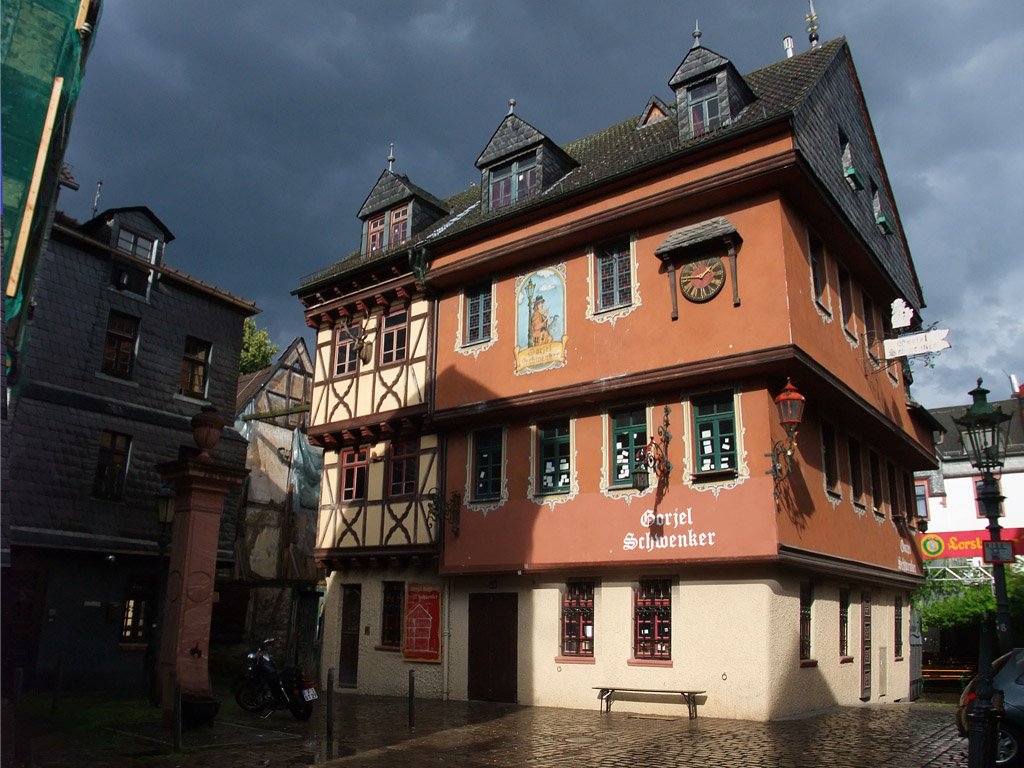
  • Frankfurt – apart from skyline

    so the skyline is widely known, hence you wont see any skyscrapers here.

    but i walked frankfurt in summer to capture some rather unknown parts of the city.
    as you might see, frankfurt is less modern than often considered and has some significant historical parts.

  • Fishel – Sax Voyage (2008)

    Fishel - Sax Voyage (2008)
    Fishel – Sax Voyage (2008)
    Contemporary Jazz / Saxophone | MP3 | 320 Kbps | 1 CD | 145.8 Mb
  • AVG Antivirus Professional 9.0 Build 707a1765

    AVG Antivirus Professional 9.0 Build 707a1765
    AVG Antivirus Professional 9.0 Build 707a1765/93mb

    AVG Professional Single Edition is perfectly designed to give you the maximum antivirus
    protection for your single home PC or workstation.

  • Aiuto!

    Ciao a tutti!

    Mi rivolgo a tutti voi del forum italiano di ssc che siete appassionati e sempre pronti a discutere di architettura per chiedervi aiuto in un’indagine che sto facendo per una ricerca in ambito universitario, spero di non essere fuori luogo e di avere numerosi reply!

    Vi sottopongo dunque un sondaggio di qualche domanda:

    1. Esiste un’architettura (o più), realizzata o disegnata, che ritieni bella? Sai dire perchè?
    2. Esiste un’architettura, realizzata o disegnata, che trovi significativamente brutta? Perchè?
    3. Che cosa deve avere un’architettura per essere bella, o per essere una buona architettura?
    4. Come vorresti che diventasse la tua città nel futuro? (non fra 2000 anni, in un tempo relativamente prevedibile)
    5. Secondo te, le persone che andranno a fruire di una determinata architettura dovrebbero essere coinvolte nella sua progettazione?

    Per ora vi propongo queste, poi se qualcuno vorrà rispondere e verrà fuori magari qualche questione interessante possiamo discuterne assieme…

    Se poi volete anche specificare quanti anni avete, di cosa vi occupate nella vita (soprattutto se ha a che fare con l’architettura) e di dove siete ve ne sarei infinitamente grato, però se non vi va potete anche omettere.

    Un saluto a tutti e buon anno!