Blog

  • ETF market keeps growing in Canada, globally

    The market for exchange traded funds continues to grow in Canada, but ETFs still have a long way to go to unseat mutual funds as the number one investment vehicle in Canada.

    Canadian ETFs raised $8.5 billion in net new assets in 2009, up from $7.1-billion in 2008, said a new report on the global ETF market from BlackRock Inc.  a New York-based investment management firm and proprietor of iShares.

    Canadian ETF assets have grown by 29.6% over the past five years to roughly $31-billion or 4.6% of all mutual fund assets in Canada.

    “ETFs have grown consistently by 30% per year over the past five years demonstrating their appeal to investors in market conditions of all kinds – from the bull to bear to recovery,” said Heather Pelant, managing director, head of iShares Canada at BlackRock Asset Management Canada Limited.

    “Without question, ETFs have become a popular and widely accepted tool that has fundamentally changed how institutional and retail investment advisors view the markets.”

    With $25.4-billion in assets under management, iShares represents 80.7% of the total ETF market in Canada. Making up the remaining pie is Claymore Investments Inc. with roughly 11% market share. AlphaPro Management Inc. and their suite of Horizons Beta Pro ETFs account for 8% of assets and Bank of Montreal, the most recent entrant to the ETF game, makes up less than 1% of the total market.

    Globally, ETF assets increased 45% to hit a record high of US$1-trillion at the end of last year, with assets for the ETF industry in the United States likewise climbed more than 40%, reaching an all-time high of US$705.5-billion.

  • Poll: Would you pre-order an Apple Tablet right now if you could?

    Okay, we know that Apple will be launching their new tablet device at their January 27th event next week, and the hype for the device is unlike anything we’ve experienced in the tech world, and that includes the pre- hype. We just wanna get a gauge on what you guys are thinking right now. So tell us, would you pre-order the Apple Tablet/iPad/iSlate today if you could, with no concrete knowledge of what exactly it does or how it will work?


    Tags:
    ,
    ,
    ,
    ,
    ,
    ,
    ,
    ,
    ,
    ,
    ,

    Poll: Would you pre-order an Apple Tablet right now if you could? originally appeared on Gear Live on Thu, January 21, 2010 – 12:06:42


  • Opening Ceremony – Fall/Winter 2010 First Delivery

    openingceremony-fallwinter2

    Those in Paris will have the luck at having a first look at Opening Ceremony’s Fall/Winter 2010 men’s collection. The season’s range, “takes inspiration from the style and culture of modern France. Classic Breton sailor stripes, traditional French naval uniforms, European gypsies, 1968 student revolutionaries, and New Wave coolness influence the Fall/Winter first delivery offering.” To achieve all of these specific looks, Opening Ceremony turned to creating suits that are soft, light wool knits, moto jackets, and more. This collection will be a favorite amongst our staff members.

    Continue reading for more images.

    Source: Opening Ceremony


  • El Ford Mustang también se convertiría en un coche global

    ford_mustang-gt500.jpg

    La idea del coche global ya caló hondo en muchas marcas, mayormente norteamericanas. Las ventajas son evidentes, permitiendo tener un suministro y armado de piezas, todas idénticas y no una para cada mercado. Al mismo tiempo, la fabricación se limitaría a países con mano de obra más económica. Y nada menos que el Ford Mustang es el que se rumorea que también será un coche global. A los pocos fanáticos de los pony cars en Europa o en Asia, ya no les costaría tanto trabajo conseguir un Mustang que no sea de importación.

    Todo esto tiene un motivo. Además de que Ford es otra marca que está imponiendo la idea de coche global (no olvidar el nuevo Focus y el Fiesta), la nueva filosofía de la marca es no construír coches que sean sólo para determinados países.

    Es por ello, que se dice que la próxima generación del Ford Mustang, que aparecerá en el 2014, ya será global. ¿Podrá el motor V8 de cinco litros ser exitoso en Europa? ¿y qué tal su tan radical y americanizado diseño? Puede que en Europa no guste demasiado, pero se piensa en hacer algunos cambios de fondo para satisfacer a los clientes fuera de EEUU.

    El primero, sería la inclusión del motor V6 para Europa, una opción nada difícil ya que el V6 turbocargado es parte del Mustang. Pero lo más llamativo sería un rediseño total, en forma de un coupé ultra sofisticado y de altas prestaciones, algo así como un Mustang-Nissan GT-R. La idea es más que buena y ojalá en el futuro se termine de confirmar.

    Vía | egmCartech


  • Supreme Court ruling on elections puts concept of any kind of reform into doubt

    by Tom Laskawy

    In a ruling today, the Supreme Court rolled back campaign finance laws to the pre-Watergate era:

    Sweeping aside a century-old understanding and overruling two important precedents, a bitterly divided Supreme Court on Thursday ruled that the government may not ban political spending by corporations in candidate elections.

    The ruling was a vindication, the majority said, of the First
    Amendment’s most basic free speech principle — that the government has
    no business regulating political speech. The dissenters said allowing
    corporate money to flood the political marketplace will corrupt
    democracy.

    The 5-to-4 decision was a doctrinal earthquake but
    also a political and practical one. Specialists in campaign finance law
    said they expected the decision, which also applies to labor unions and
    other organizations, to reshape the way elections are conducted.

    I’ll say. Corporations will now be able to run ads supporting or opposing particular candidates up until the day before an election. While unions will likely gain the same right, they have never been able to spend more than a fraction of what large corporations typically do in an election year.

    The majority opinion also offered some magical thinking in its ruling when it dismissed any risk that corporations might exert undue influence over elections as it referred to corporations as just another kind of “association of citizens.” Sadly, large corporations more often act like amoral, profit-driven robots—not the kind of associations any reasonable person would want pouring millions (perhaps up to a billion) dollars into federal campaign advertising.

    This ruling will have profound effects not just on elections but on the very concept of reform in all areas of government. One of food policy expert Marion Nestle’s favorite refrains is that the best way to fix the food system is to remove corporate influence from government—she even lists that point as an important element in any attempt to fix food safety. And you need only read Grist’s David Roberts to hear the effect corporate money has on the debate over climate legislation.

    This Supreme Court ruling solidifies corporations’ position as the ultimate power in American politics—they can use their deep pockets to assault voters with advertisements to spread fear, uncertainty and doubt on any issue and on any candidate they choose. And unlike elected officials, corporations are accountable to no one but their shareholders, especially if they’ve managed to stack the regulatory deck in their favor.

    Anyone who believes that we need to address climate change, our food system, our exposure to toxic chemicals and our energy policy to put this country on a sustainable path should be outraged by the Supreme Court’s ruling—President Obama certainly is. There are election reform bills pending in Congress that may now get a boost but the fact is—barring Supreme Court retirements—nothing short of a constitutional amendment will close the Pandora’s Box this unconscionable ruling has opened. You have been warned.

    Related Links:

    Supreme Court Removes Clean Energy Policy Detour

    Did Jamie Oliver meet his match in ‘America’s Fattest City’?

    Lesson for schools: sweetened junk shouldn’t count as food


  • BRASIL

    TODAS AS FOTOS SÃO DO THREAD Brazil land of beauty – http://www.skyscrapercity.com/showthread.php?t=285668 DO FORISTA AJ215

    Fernando de Noronha

  • Palm Pixi, Pre Plus Review Roundup

    Palm Pre, Pixi Plus Review Roundup
    Contrary to their usual policy, Palm has lifted the review embargo for the new Verizon “Plus” variants of the Pre and Pixi a few days ahead of schedule. Presumably, Palm is looking to generate some free early buzz online prior to the devices’ official arrival on Verizon this coming Monday the 25th.

    After reading through a number of reviews, the general consensus around the web is essentially that Pre and Pixi in their “Plus” incarnations are solid devices and Palm’s finest smartphones yet. However, by offering only minor improvements ranging from evolutionary (Pre) to incremental (Pixi), there aren’t enough reasons to warrant existing Sprint customers breaking their contracts to jump ship to Verizon. Catch the review list after the break.


  • RS – Lajeado – Reconstrução de uma colônia do Vale do Taquari em tributo aos imigrantes alemães no Parque Histórico Municipal

    Localizada no Vale do Taquari, na margem direita do rio Taquari, e junto à BR-386, Lajeado é uma importante cidade gaúcha, sede de muitas indústrias alimentícias. Fica a cerca de 120 km de Porto Alegre.

    Os primeiros colonos alemães chegaram à região em 1854 e Lajeado foi fundada em 1855.

    Em 2002, foi inaugurado na cidade o Parque Histórico Municipal de Lajeado, com o objetivo de prestar um tributo à memória dos imigrantes alemães que se estabeleceram no Vale do Taquari. As casas em estilo enxaimel têm o intuito de reproduzir uma comunidade típica de colonos alemães nos primórdios da colonização no interior do Rio Grande do Sul. Assim, há uma ferraria, um moinho, um restaurante, etc.

    Um curiosidade: o Parque Histórico serviu de cenário para o filme “A Paixão de Jacobina” (2002) do diretor Fábio Barreto. Há uma placa informando qual a casa usada no filme como a residência de Jacobina.

    Eis o trecho sobre o Parque Histórico tirado do site oficial da prefeitura de Lajeado:

    Parque Histórico de Lajeado

    Local onde foram instalados, em dimensões originais, vários prédios antigos do tipo “enxaimel”, uma característica das habitações dos primeiros colonizadores alemães do município. O conjunto arquitetônico do Parque Histórico forma uma autêntica “aldeia-museu”, com escola, salão de baile, ferraria, moinho e todos os demais prédios que formavam uma “colônia” dos tempos dos pioneiros. No prédio destinado ao Museu do Livro Antigo será oferecido acesso a um verdadeiro acervo histórico (documentos, livros, retratos), que servirá de fonte de pesquisa regional, nacional e internacional. Além de seu valor histórico-cultural, este é um local destinado à realização de eventos de lazer e gastronomia. O Parque está localizado ao lado do Parque do Imigrante e foi inaugurado no dia 08/11/2002.
    Fone: (51) 3982 1252

    Fonte: http://www.lajeado-rs.com.br/interna…do=turismo.php

    Essas fotos foram tiradas na segunda-feira, dia 18/01/2010, por volta do meio-dia e sob um calor infernal. Além de mim, as únicas pessoas que estavam lá eram os funcionários que estavam limpando o local. Conversando com um deles, descobri que as casas que compõem o parque foram doadas por seus proprietários. São casas genuínas que estavam espalhadas por diversas localidades ao longo do Vale do Taquari. Fiquei curioso em saber como elas foram colocadas ali. Isso eu não descobri. Mas imagino que, como são casas em estilo enxaimel, a estrutura foi desmontada e remontada no parque. Não sei se os tijolos que preenchem as paredes são originais.

    As casas estavam quase todas fechadas. Consegui entrar em apenas uma delas que serve de salão de festas. Fui informado que é possível alugar a casa para festas particulares. O homem que conversou comigo disse que uma semana antes houve a celebração de um casamento ali.

    Em uma das casas, há um Museu do Livro. Ela estava fechada.

    O homem também me informou que em uma das casas será inaugurado em breve um café colonial.

    Ou seja, tudo é muito insipiente ainda no Parque Histórico. Ele acabou de completar 7 anos de existência e ainda precisa ser aprimorado e mais divulgado.

    A entrada é franca, por enquanto.

    Para chegar ao Parque Histórico Municipal de Lajeado a partir de Porto Alegre, deve-se pegar a BR-116 em direção norte. Em Canoas, toma-se a BR-286 até Lajeado. Assim que cruzar a ponte sobre o rio Taquari, deve-se diminuir a velocidade e prestar atenção nas placas informativas. A primeira saída à direita é a saída que vai dar acesso ao parque, que fica atrás (nos fundos) do Parque do Imigrante. Não é possível visualizar o parque da estrada.

    Todas as fotos abaixo foram tiradas por mim no dia 18/01/2010. Algumas estão comentadas.

    Espero que gostem do que irão ver.

    Abraços a todos!

    Foto 01: Foto tirada do Google Earth, mostrando Lajeado (acima do rio Taquari) e Estrela (abaixo do rio Taquari). O quadrado em amarelo mostra a área onde fica o Parque Histórico Municipal.
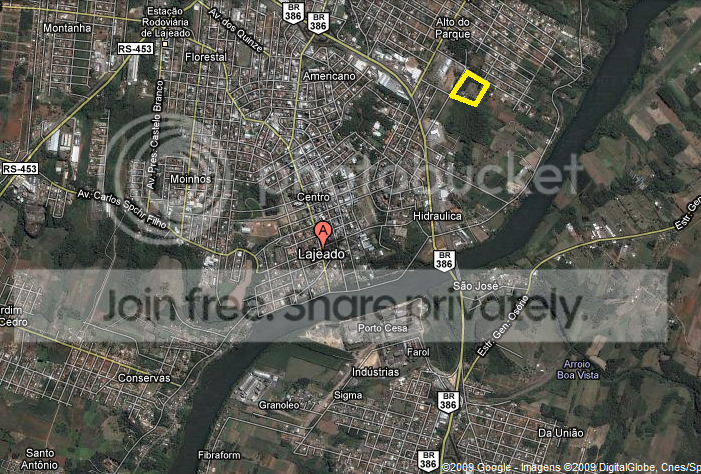
    Foto 02: Também tirada do Google Earth, mostra um zoom da área onde fica o Parque Histórico Municipal de Lajeado dentro do quadrado amarelo. Essa foto foi colhida hoje, dia 21/01/2010, e, ao que parece, está desatualizada. O parque conta com um número bem maior de casas do que ali aparece.
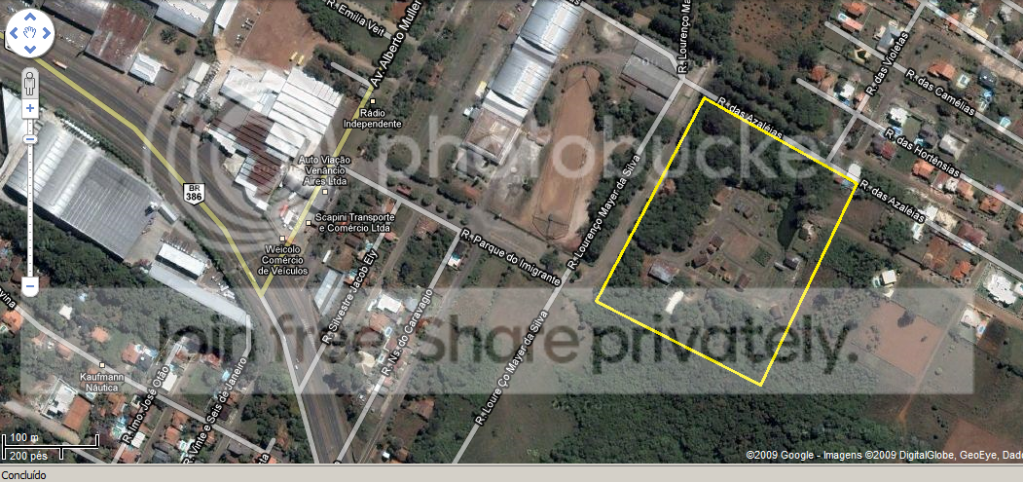
    Foto 03: Pórtico de entrada do Parque

    Foto 04: Placa que marca a inauguração do Parque

    Foto 05: Foto na entrada do Parque mostrando uma composição de fotos tiradas por ocasião da filmagem de “A Paixão de Jacobina” no local em 2002.

    Foto 06:

    Foto 07:
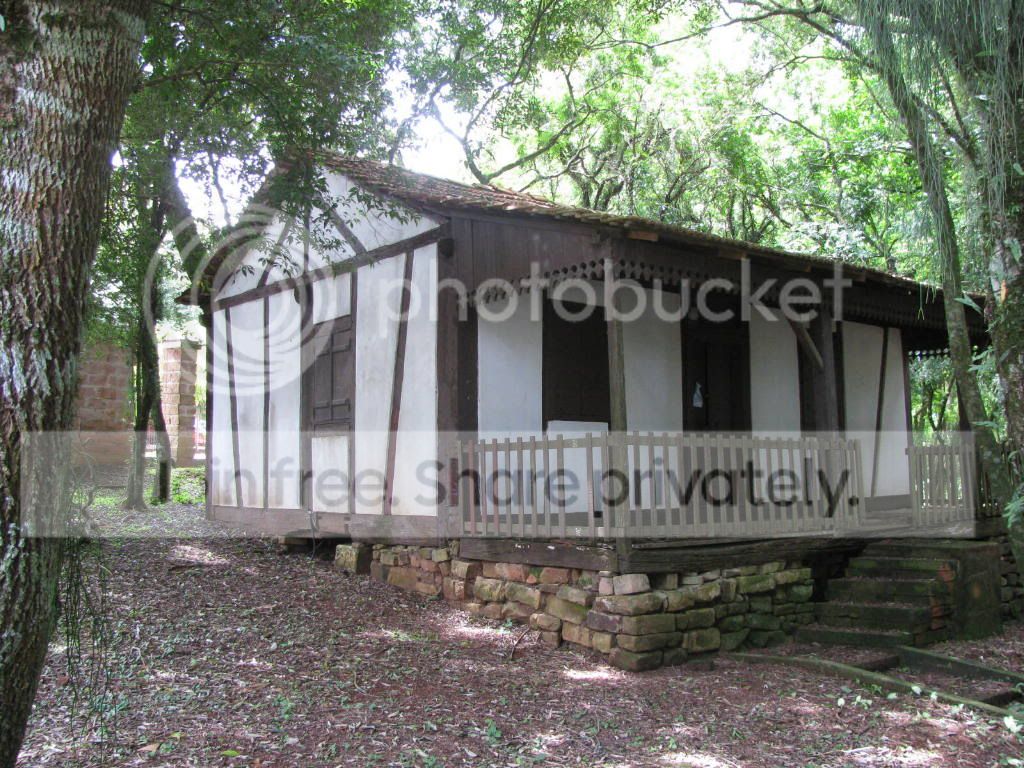
    Foto 08: Kaffeehaus – Aqui vai funcionar em breve um café colonial.
    Foto 09:
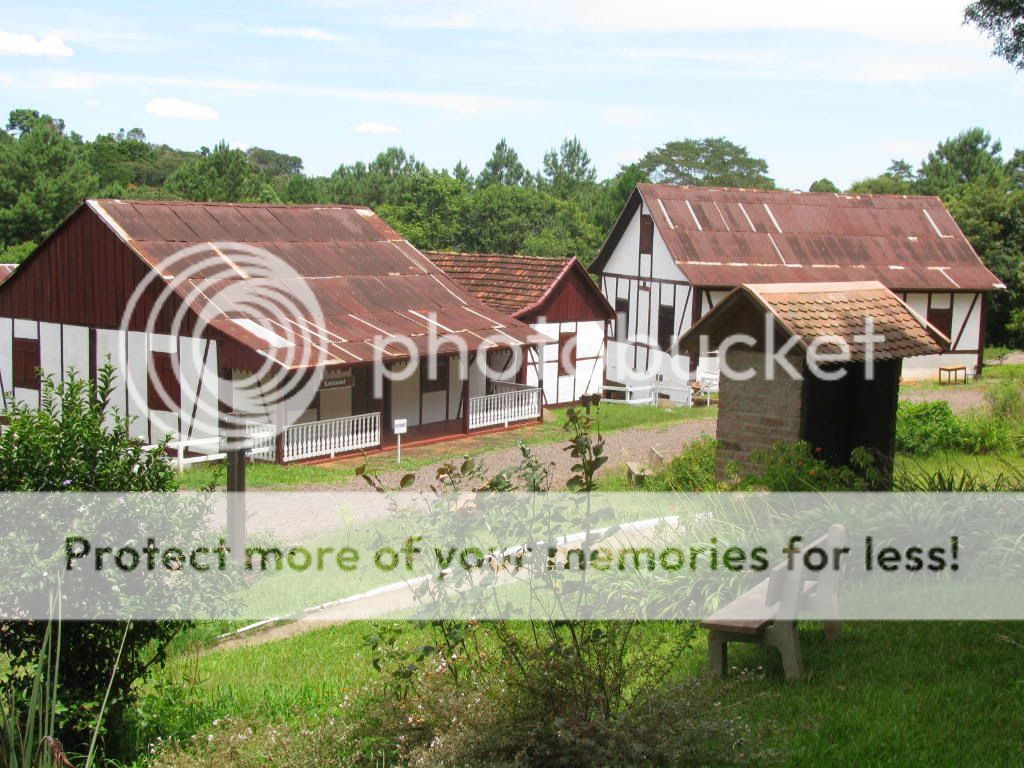
    Foto 10: Bauernverein

    Foto 11:
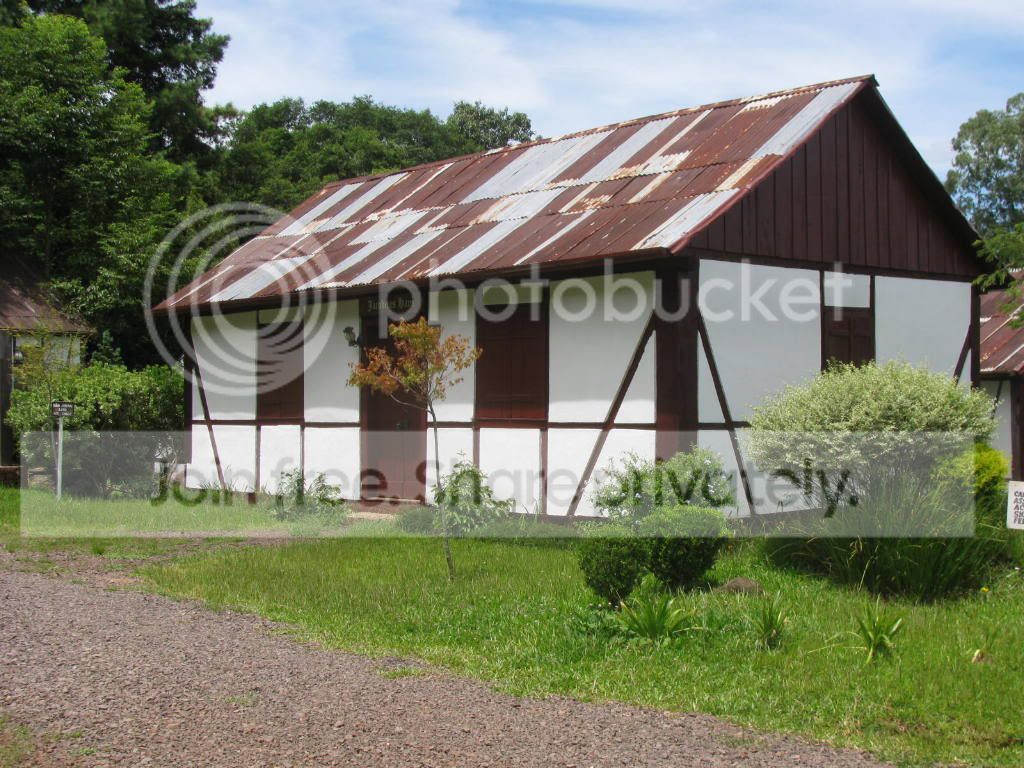
    Foto 12:
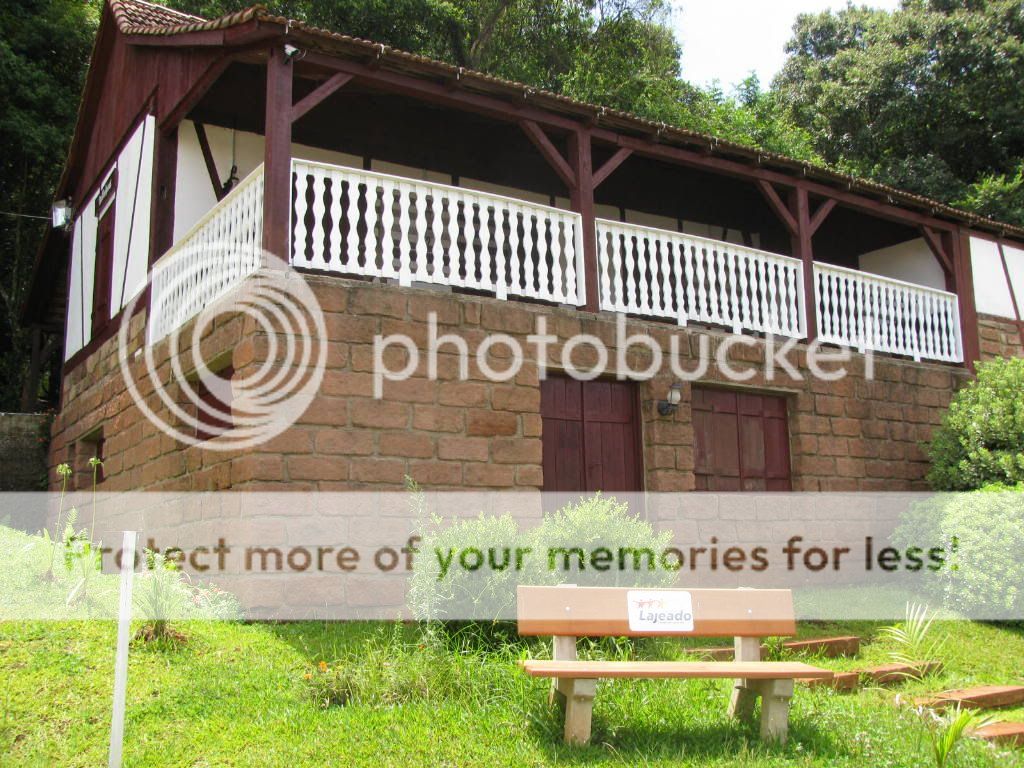
    Foto 13: Jacobines Haus
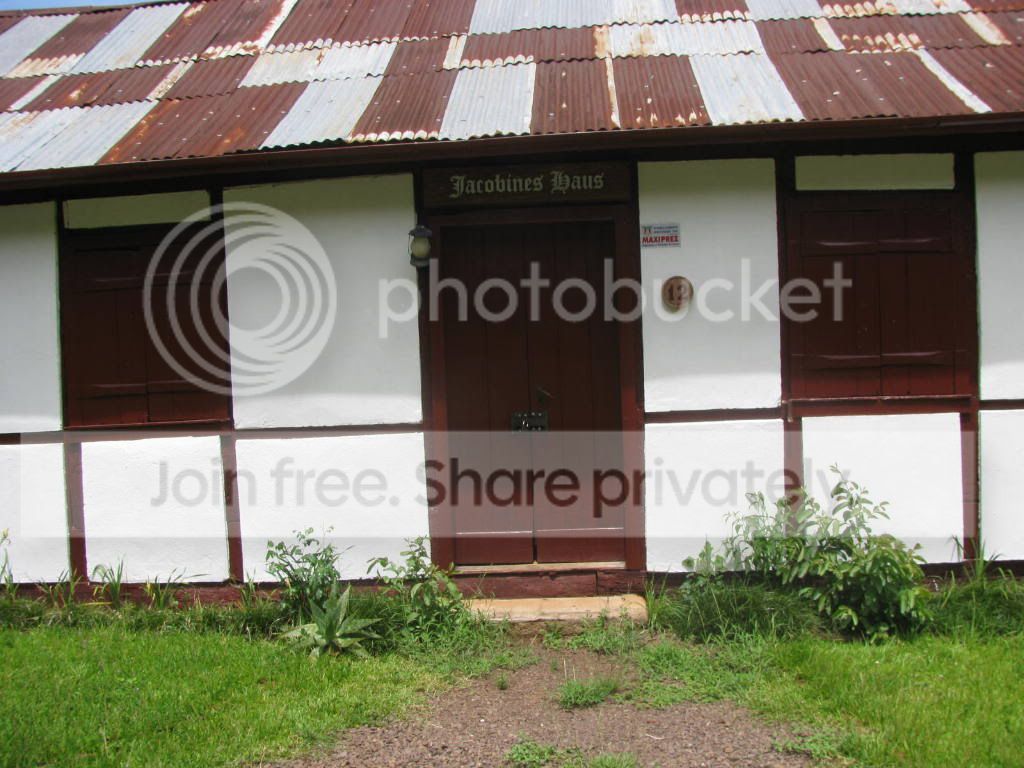
    Foto 14:

    Foto 15:

    Foto 16:
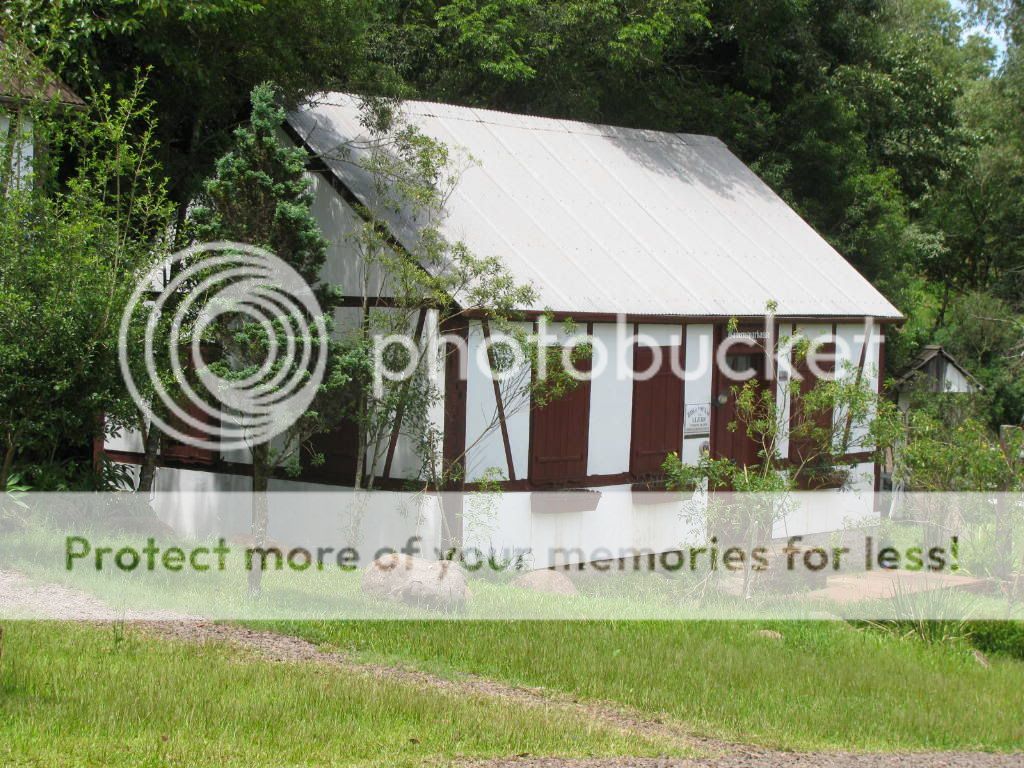
    Foto 17:

    Foto 18:

    Foto 19:

    Foto 20:

    Foto 21:

    Foto 22:

    Foto 23: Bauernsparkasse – Banco Popular de Lajeado

    Foto 24:
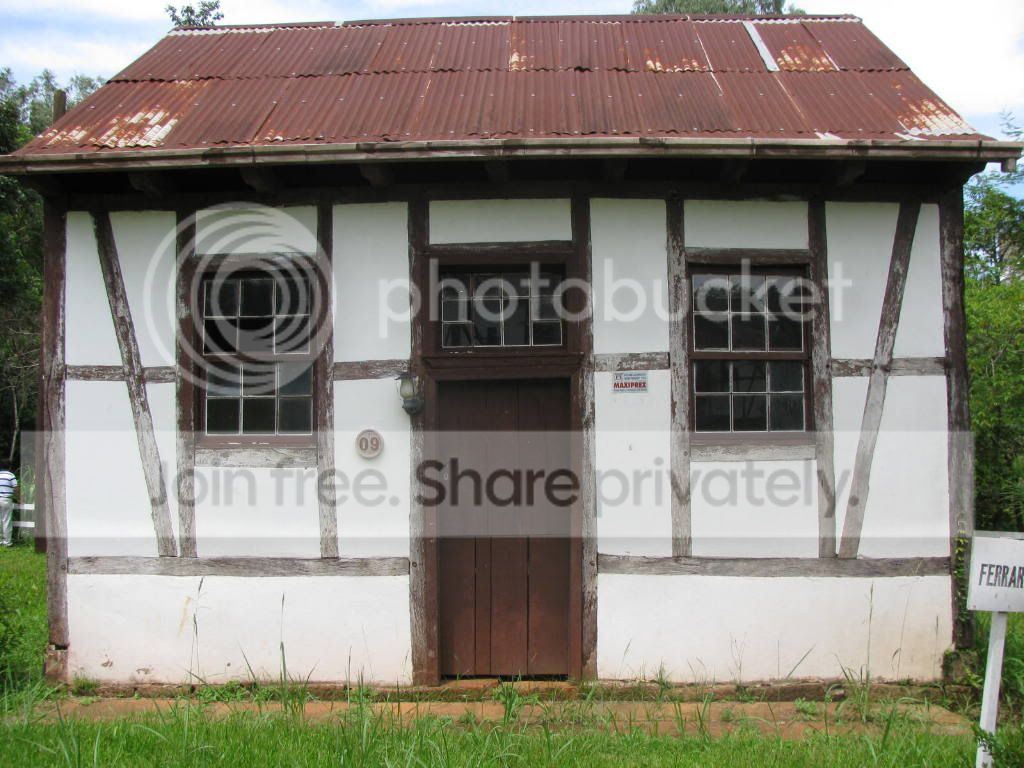
    Foto 25:
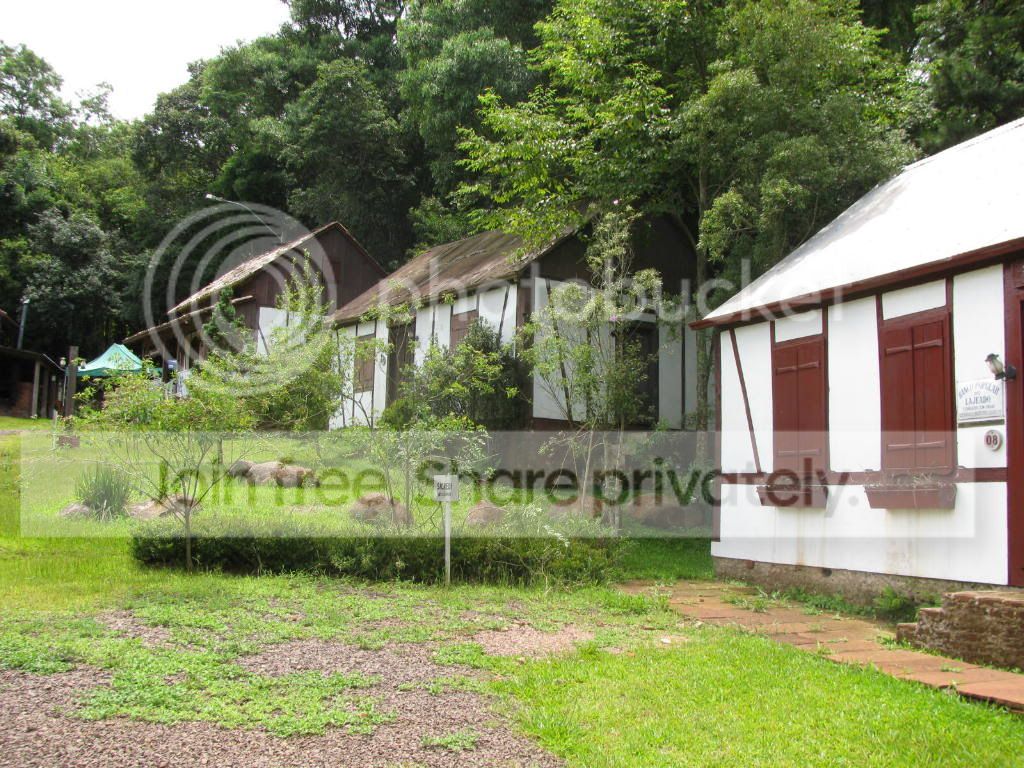
    Foto 26:

    Foto 27:

    Foto 28:

    Foto 29:

    Foto 30:

    Foto 31:
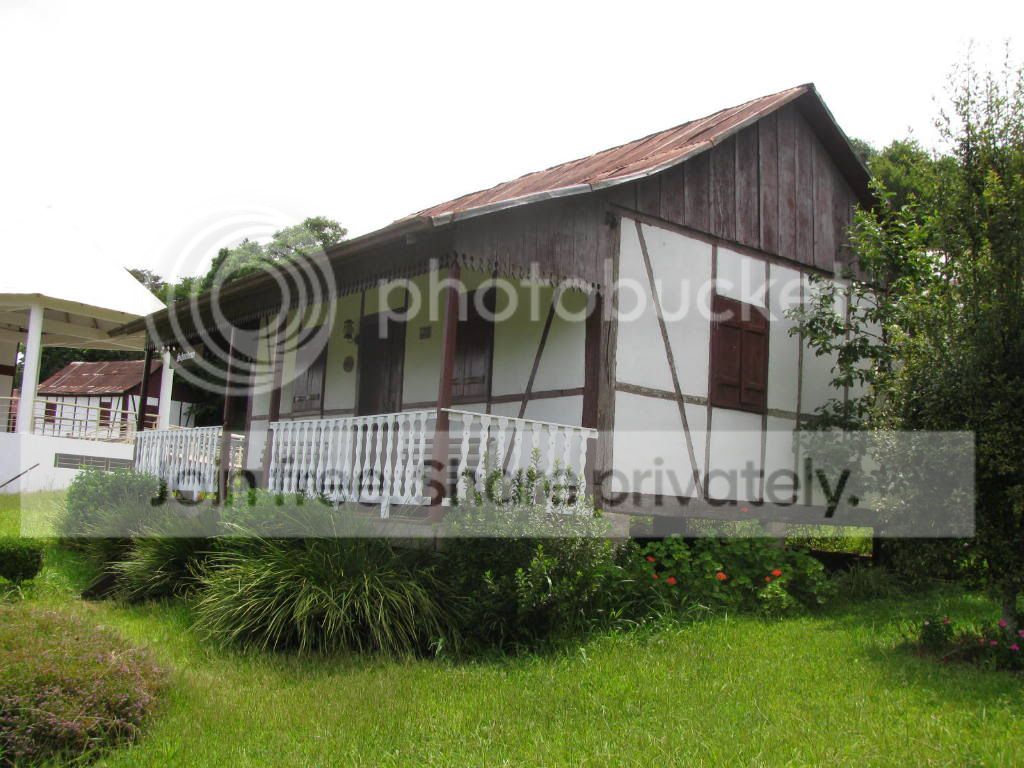
    Foto 32: Schneiderei – Casa da Costureira e Alfaiate

    Foto 33:

    Foto 34:
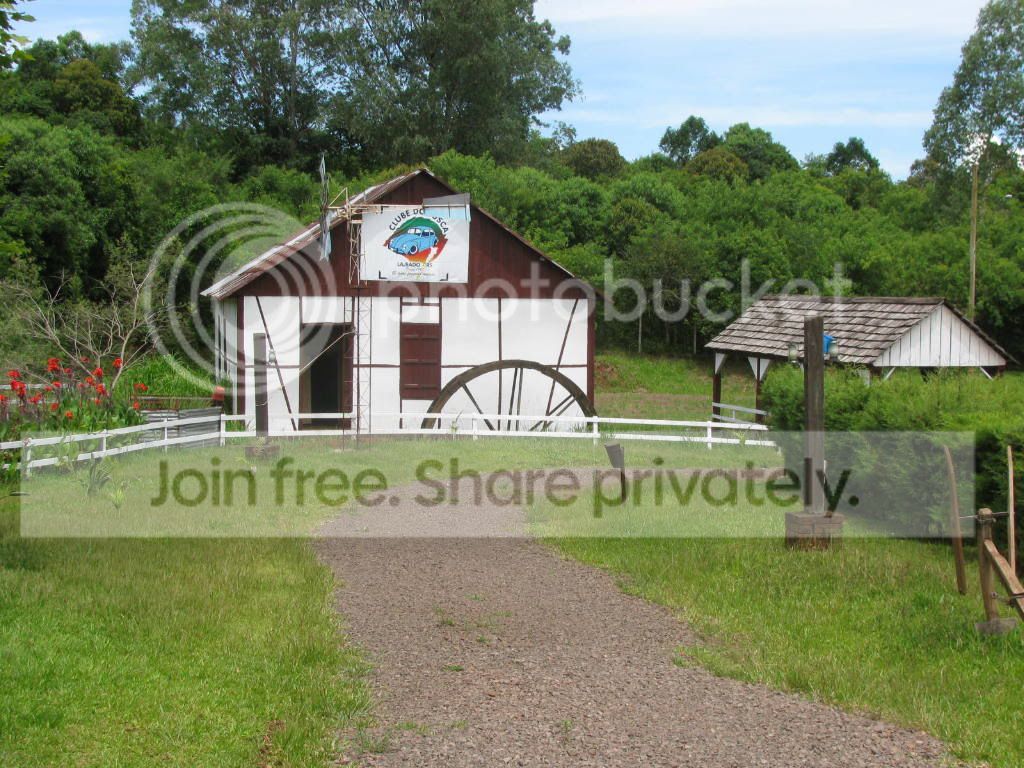
    Foto 35:
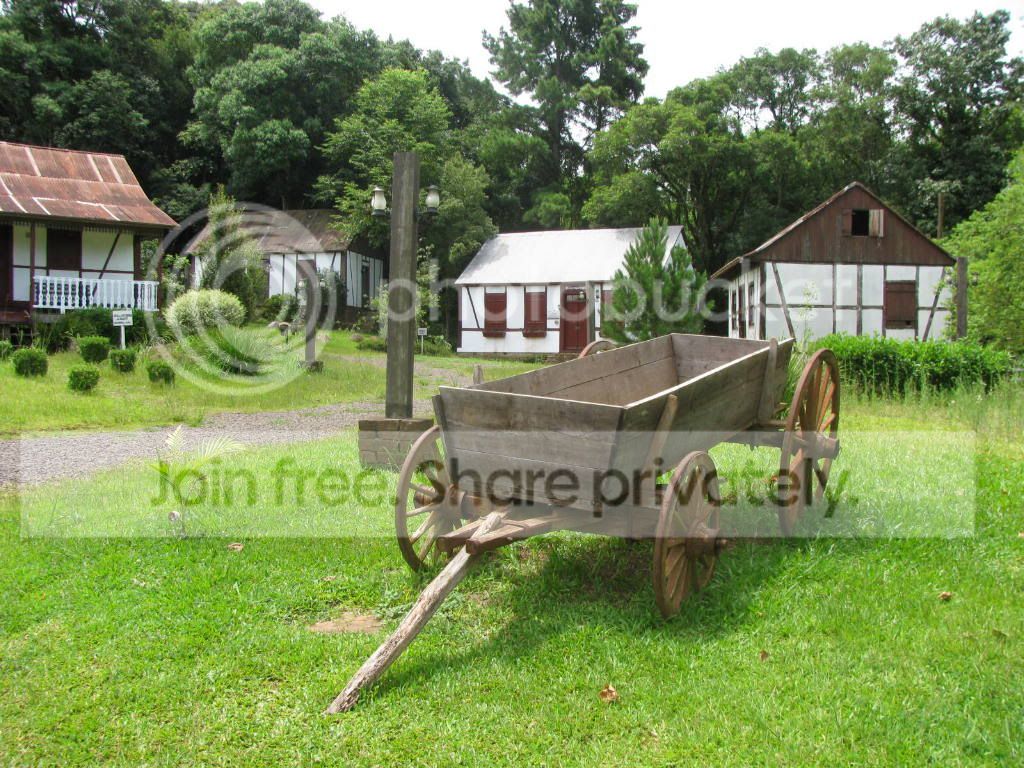
    Foto 36:
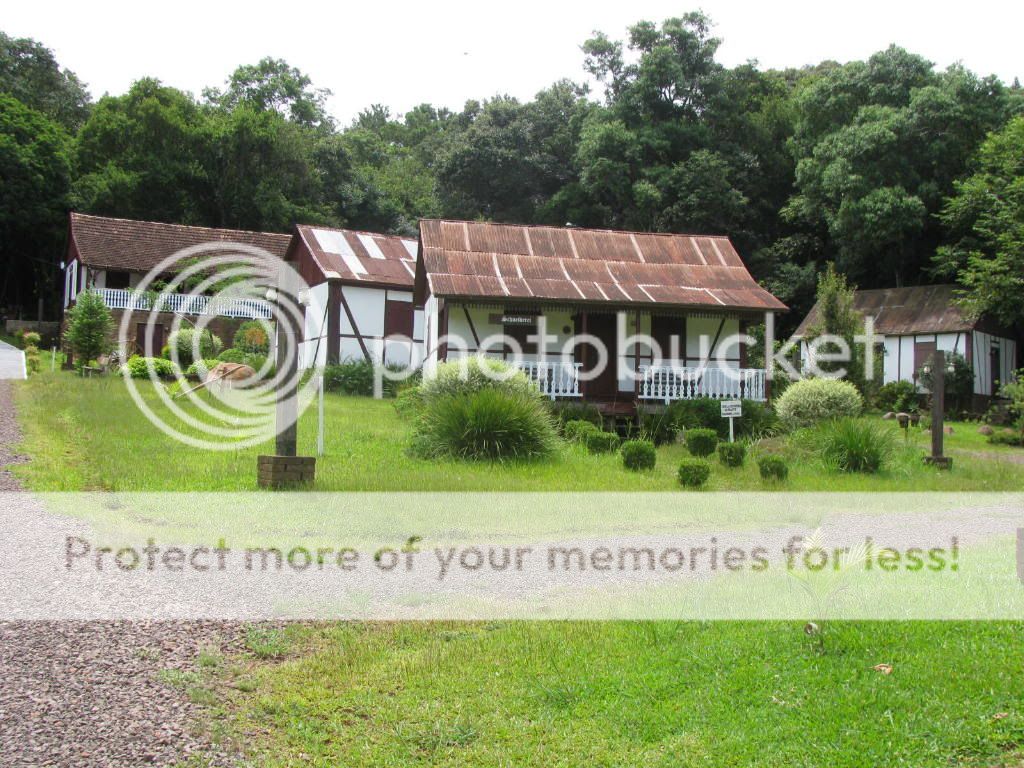
    Foto 37:

    Foto 38:

    Foto 39: Sprudelfabrik. Esta casa, conforme fui informado, foi onde iniciou a Fruki, uma companhia gaúcha de refrigerantes sediada em Lajeado. Os empresários donos da Fruki fizeram a doação da casa para o parque.

    Foto 40:
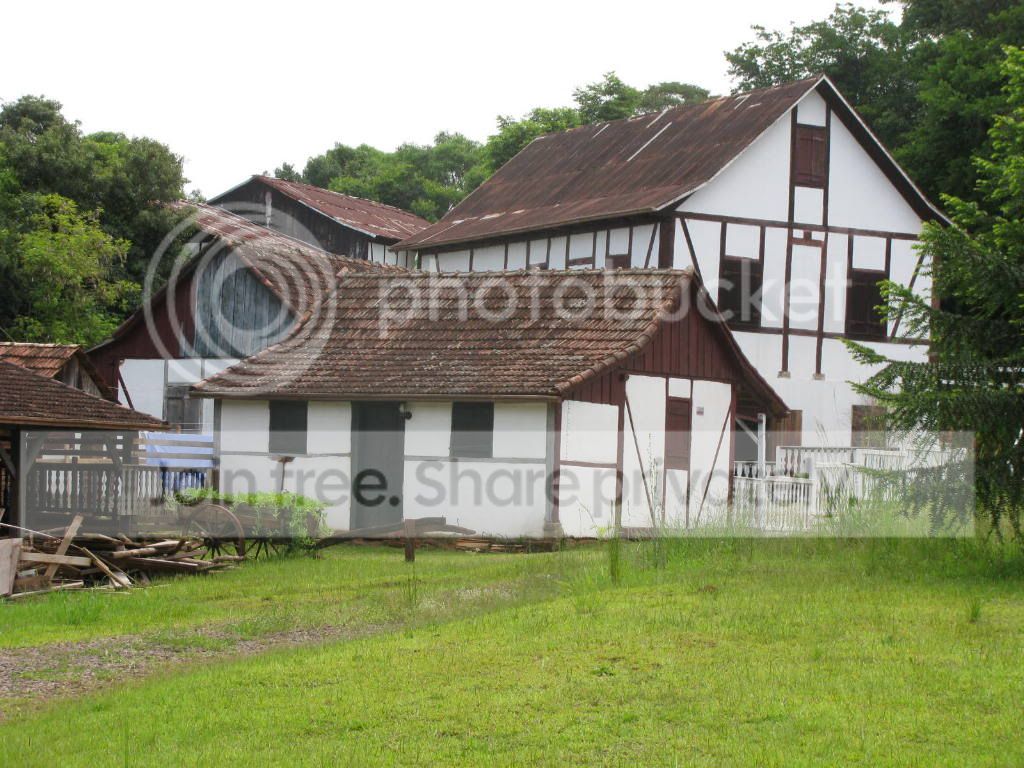
    Foto 41:
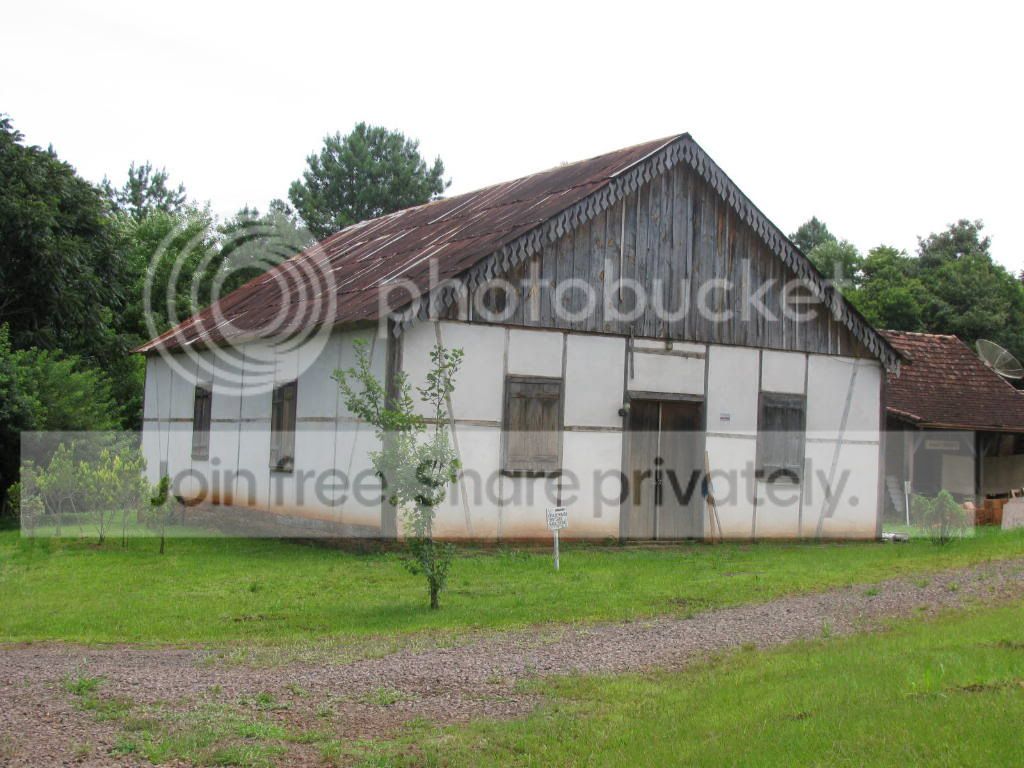
    Foto 42: Sprudelfabrik novamente. A mesma casa mostrada na foto 39.

    Foto 43:
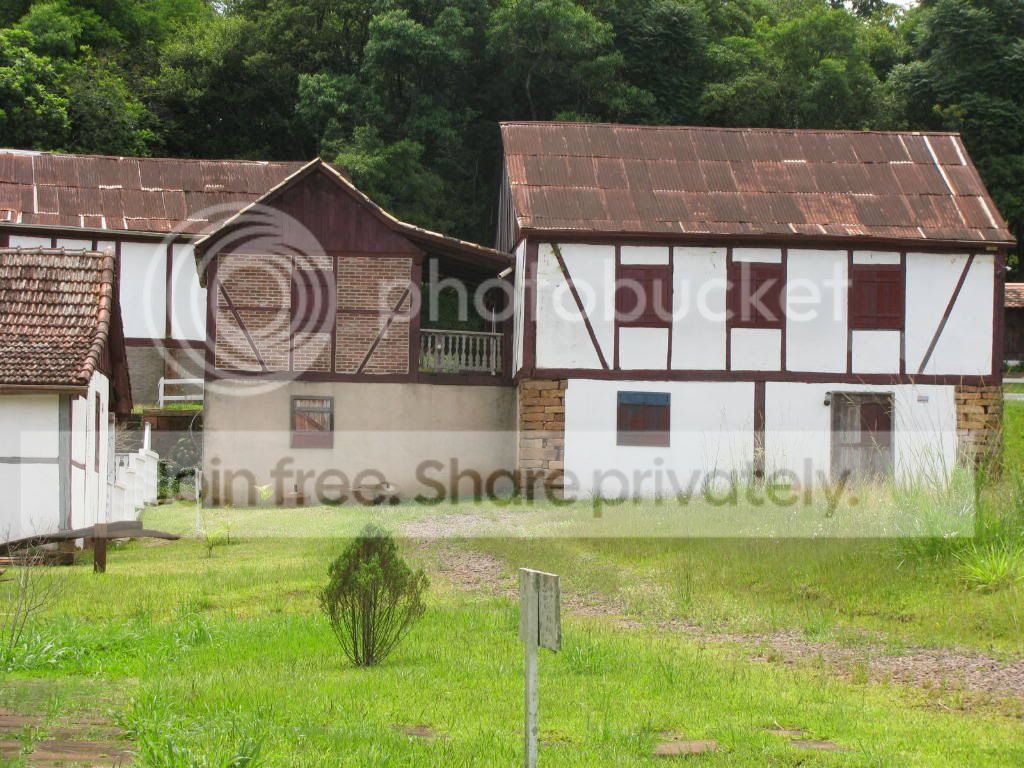
    Foto 44:

    Foto 45:

    Foto 46:
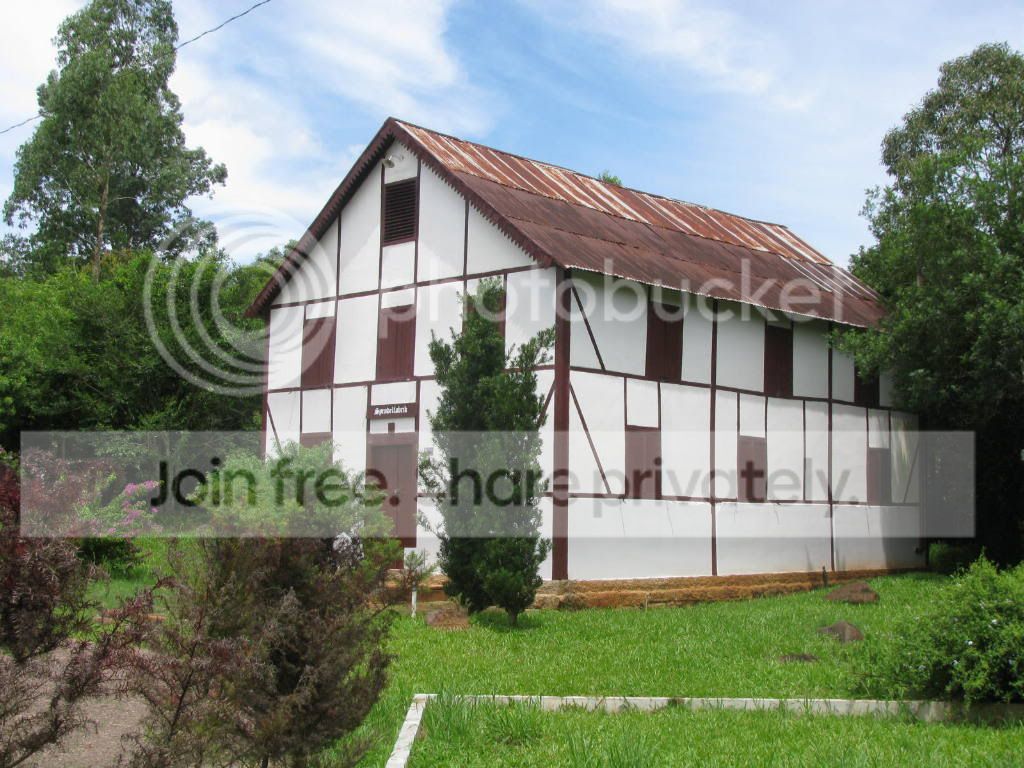
    Foto 47:
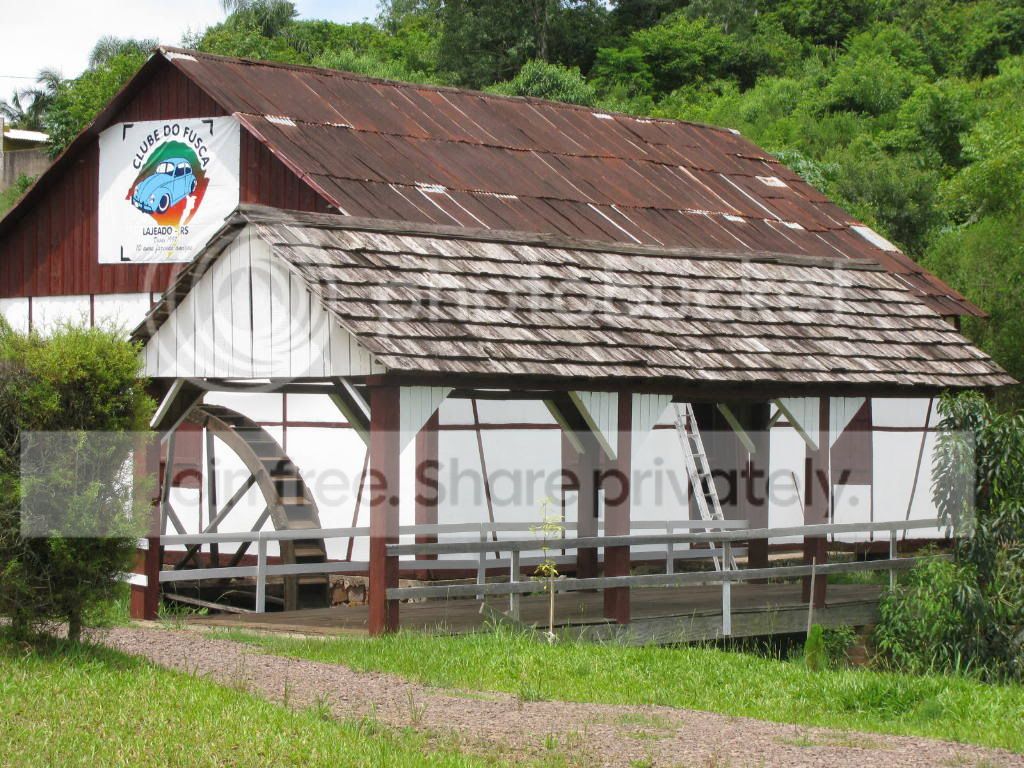
    Foto 48:

    Foto 49:

    Foto 50:

    Foto 51:

    Foto 52:
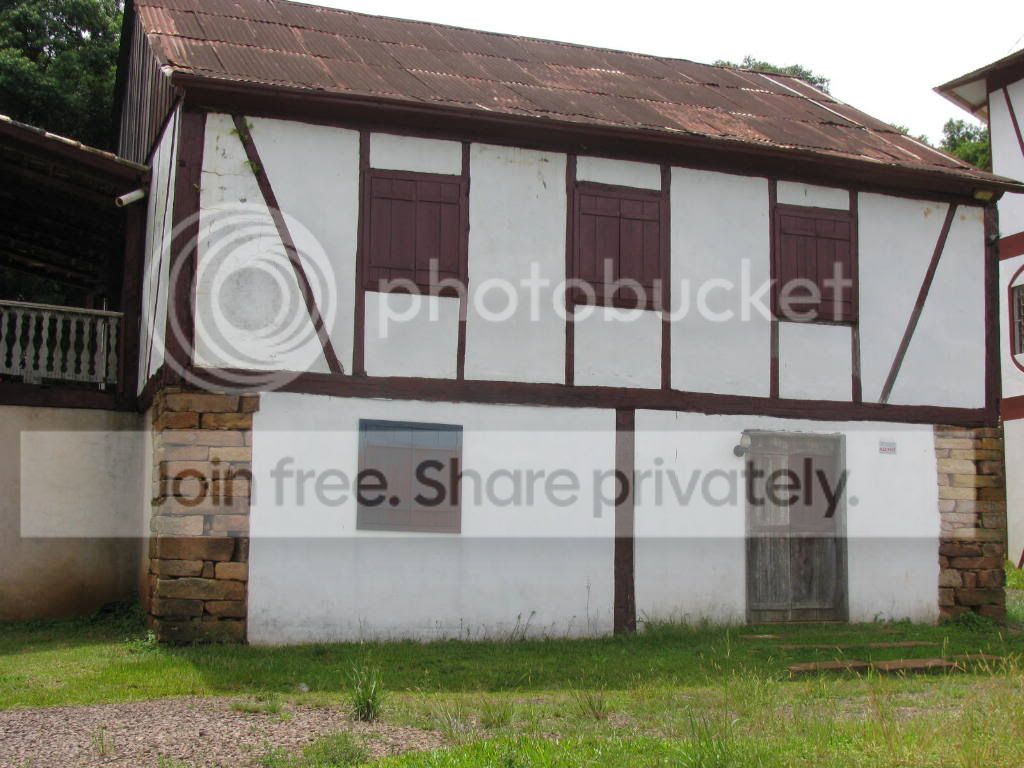
    Foto 53:

    Foto 54:

    Foto 55: A casa de dois pisos à esquerda, cuja porta está aberta, é, conforme fui informado, a casa que eles alugam para festas particulares, como casamentos, por exemplo. Foi a única das casas onde eu entrei.

    Foto 56:

    Foto 57: Museu Friedrich. Estava fechado. Não sei se é nessa casa onde vai funcionar o Museu do Livro.
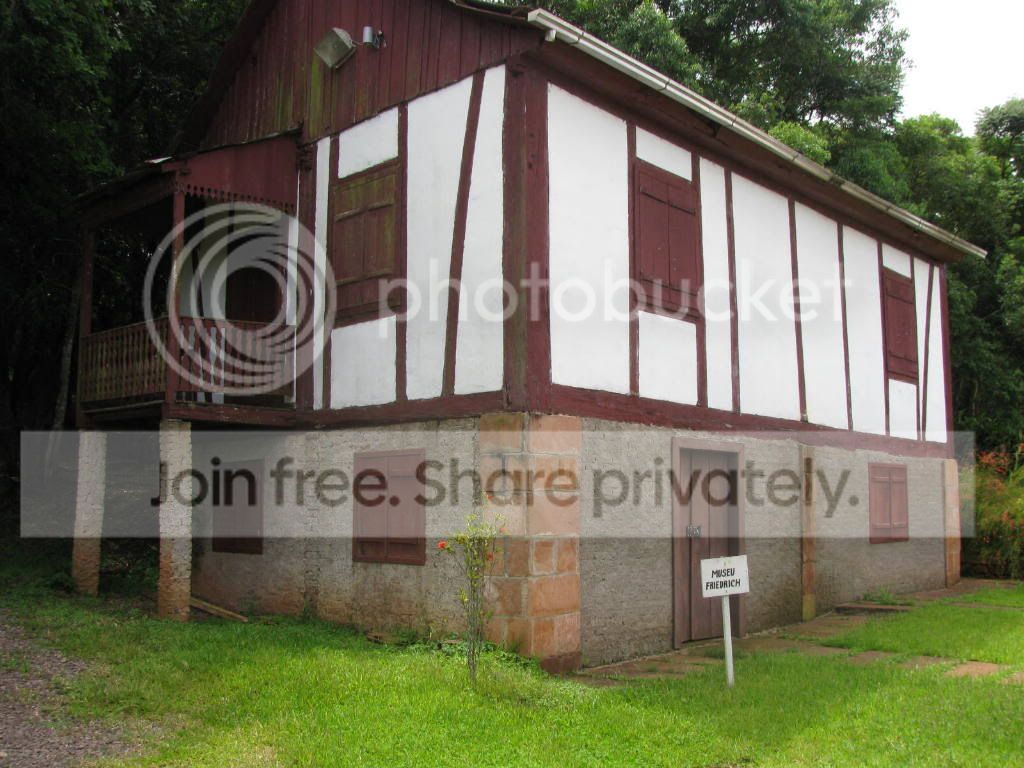
    Foto 58:

    Foto 59: Alguns dos funcionários trabalhado na limpeza e conservação do parque. O da direita foi que me passou algumas das informações que eu coloquei no texto de abertura deste thread.
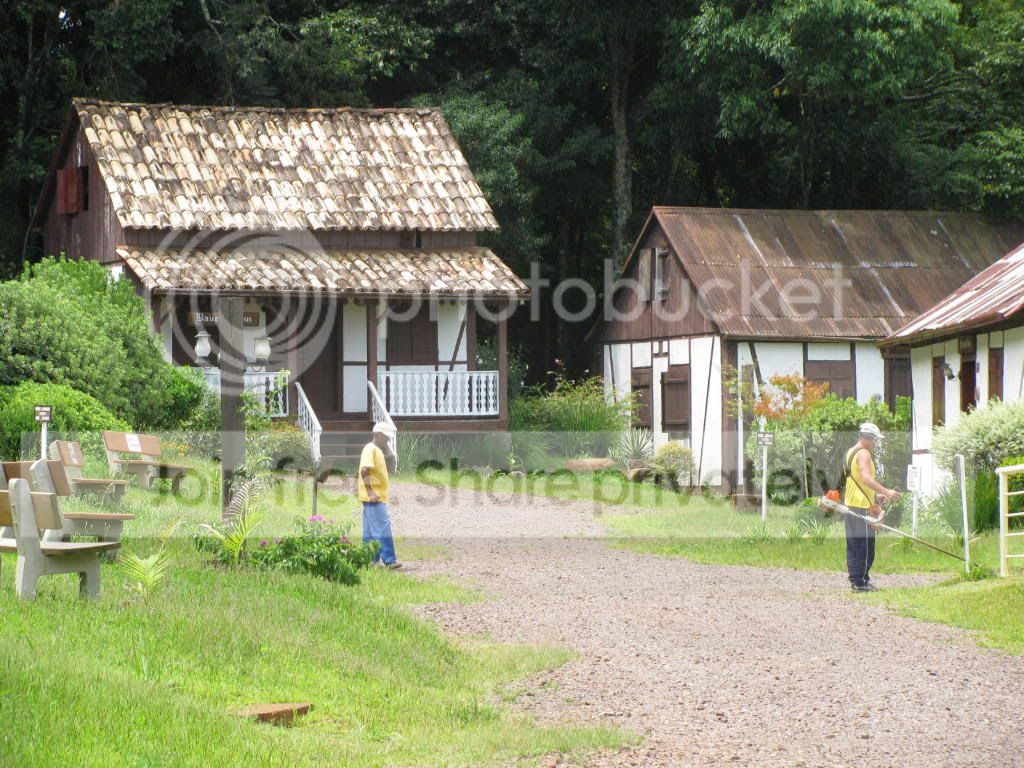
    Foto 60:

    Foto 61:
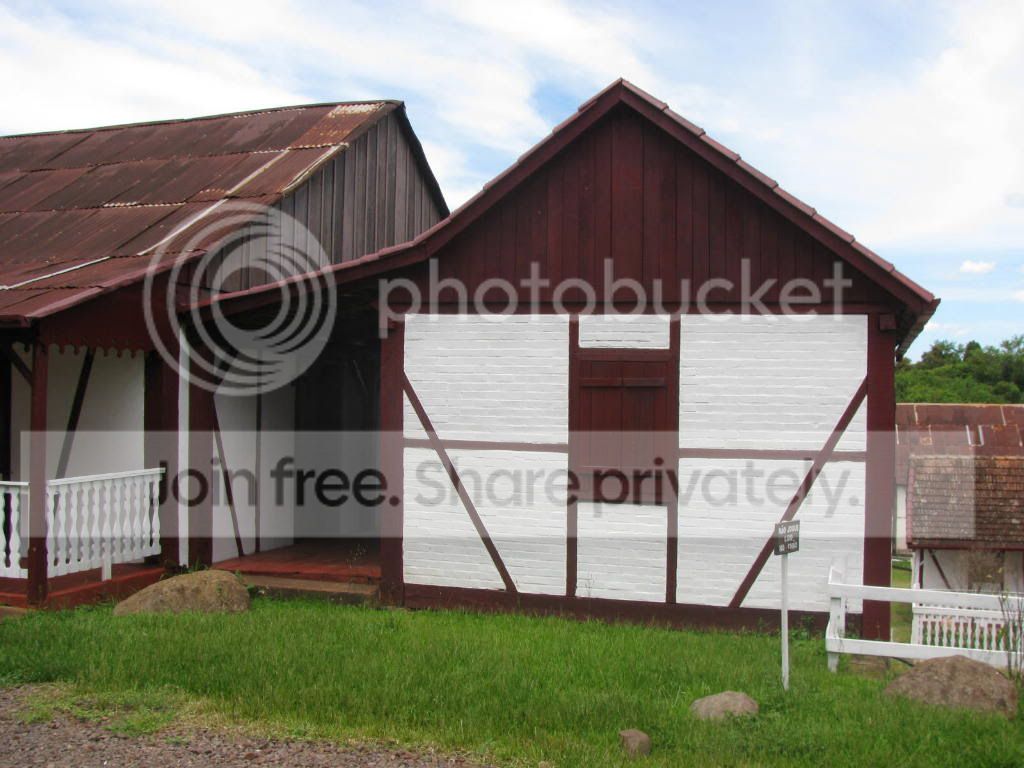
    Foto 62:

    Foto 63:

    Foto 64:

    Foto 65:

    Foto 66: Foto tirada de dentro da casa mostrada na foto 55 à direita.

    Foto 67:

  • Analyst: ARM Will Beat Intel in Ultra Mobile

    Intel isn’t going to beat the likes of Qualcomm, Texas Instruments and others when it comes to providing the brains behind smartphones, netbooks and even ultra-mobile PCs, according to ABI Research. The analyst firm said today that ARM-based ultra-mobile devices will surpass x86-based devices by 2013, a reversal from this past year when 90 percent of the ultra-mobile devices were x86-based.

    ABI classifies netbooks, mobile Internet devices (tablets), smartbooks and UMPCs as the sort of gadgets that will count on ARM-based application processors rather than CPUs from Intel, AMD or VIA Technologies. “2010 will be pivotal for building momentum behind non-x86 solutions,” writes ABI Senior Analyst Jeff Orr, “and gaining adoption in both distribution channels and by end-user populations worldwide.”

    I would argue that the hard work has already occurred, with ARM pushing to ensure that popular software, browsers and operating systems worked on its instruction set. Getting Android, which runs on ARM, onto a variety of devices, and making sure Adobe Flash runs on ARM-based chips are what will help the company gain favor with device makers and the end consumer.

    ARM has always had an advantage in mobile because the chips based on the instruction set were designed to sip power rather than glug it. That translates into a longer battery life and presumably a smaller form factor for the battery and end device. The biggest hurdle it had was that most of the software people want to use is designed to run on x86 chips. But in the last two years, thanks to the efforts to port software to its instruction set, and the overall movement of applications to the web, ARM has whittled away Intel’s advantage on that front, and we’re now seeing ARM-based devices finally hit the consumer market. Faced with faster processors, longer battery life and always-on connectivity, I agree with ABI that ARM will blow Intel’s Atom based gadgets out of the water.

  • Heavy Rain demo dated

    Both Sony and Quantic Dream have affirmed that Heavy Rain will be getting a demo before its launch, and now SCEE has finally mentioned a release date.

  • Euro PSN Store update 01/21

    Even if the Store has a section dedicated to new releases, it just isn’t as easy and convenient as looking at a list just like this one. Speaking of which, here’s the latest batch coming to the

  • Sneak Peek of New BBC Documentary ‘The Virtual Revolution’ [Documentaries]

    On January 30th, the BBC will begin airing a multi-part documentary about the internet. And they’ve been so kind as to offer us the first few minutes to air here.

    This clip is little more than a teaser to the interviews contained within, but that series of interviews is indeed incredible—including Tim Berners-Lee (the MIT engineer behind the web), Facebook’s Mark Zuckerberg, Wikipedia’s Jimmy Wales, Amazon’s Jeff Bezos, Al Gore, Bill Gates, Steve Wozniak and Stephen Fry. (Though, imagine if all these people were brought together to discuss something totally random rather than their fields of expertise, like their favorite color or ice cream flavor.)

    Still, The Virtual Revolution definitely seems worth a watch if your cable or satellite package includes the BBC. [The Virtual Revolution]


  • Shipboard 24″ LCD Ruggedized Display for Military Applications

    Aydin Displays delivers rugged flat panels for U.S. Navy CDS program

    Rugged/COTS Military
    Model 4424S 24″ Console Mount Color Flat Panel Display

    • 24.0” Color Active Matrix Liquid Crystal Display (AMLCD)
    • High Resolution 1920 x 1200
    • Attractive Console Mount
    • Convenient Front Controls
    • Designed and Built to Military Standards
    • Anti-Reflective Protective Window (Standard )
    • Wide Viewing Angle ± 89° (Typical All Directions)
    • HD-15 (VGA), and DVI-D
    • Optional Touch Screen
    • Flicker Compensation for Display of Sonar Acoustic Data (Optional)

    Aydin Displays delivers rugged flat panels for U.S. Navy CDS program

    U.S. Navy officials needed rugged, flat-panel monitors for the Common Displays System (CDS) program. They found their solution at Video Display Corp.’s Aydin Displays Inc. subsiduary in Birdsboro. PA.
    Aydin Displays Inc. won a multiple-year contract to supply the U.S. Navy with the 24-inch rugged, flat-panel monitors for the CDS program. The Aydin displays are being incorporated into the Navy’s CDS consoles in support of DDG and Aegis Modernization.
    Displays in the CDS program are being employed across platform systems on Navy surface ships, submarines and aircraft.
    CDS solutions are designed to offer an open architecture, standardized inter-changeable components, minimal lifecycle costs and the ability to handle frequent technology updates, says a company representative.
    Intended for a service life of 30 years, the CDS displays must also meet the Navy’s current and future needs for open systems, security features and cost effectiveness.
    For more information, visit Aydin Displays Inc. online at www.aydindisplays.com

  • The IPTE ILAN technology moves test instrumentation directly into the fixture

    IPTE has been designing and manufacturing customspecific electronic and mechatronic test applications for a huge variety of products and printed circuit board assemblies for more than 15 years. These encompass, for example, single solutions, test racks and stand-alone measurement and test work stations and also fully automated in-line test stations which include the
    handling of the test objects.
    The longstanding and farreaching experience of the IPTE test engineers forms a reliable and excellent center for the advancement of a completely new test strategy: the IPTE ILAN module technology.

    With the LAN (local area network) -based ILAN (instrumentation on LAN) IPTE is going to turn over a new leaf in the domain of test technology.
    As a matter of course the IPTE ILAN modules are designed and manufactured according to highest industry standards in quality and reliability. In a nutshell: these are exactly the type of efficient test solutions that the market expects right now.

    The fundamental idea here is as simple as it is efficient: small but powerful instrumentation modules generate the required stimuli signals and provide the conditioning of the measurement and test signals so that evaluation and control can be carried out using just a conventional Ethernet interface.
    Consequently, test solutions can be set-up more easily, faster and more cost-efficiently. Using ILAN, existing measurement and test applications and instruments can also be completed and integrated in order to form new and effective solutions.

  • up to 32 Bit Absolute Encoder -SSI communications

    Beaverton, OR — Ethernet motion controllers by Pro-Dex, OMS were selected by a bio-medical research facility in Canada for a prostate cancer surgical device (PCSD) that provides absolute positioning for a surgical cancer procedure.
    The success of PCSD will result in a more efficient surgical procedure for prostate cancer patients by means of flawless accuracy and instrument reliability. Only the most precise motion control technology could be considered. With this uncompromising criterion, within two months of the project’s launch, the Canadian facility selected and integrated the right motion control solution. The solution was to maneuver the four absolute positioning motors to align the scalpel for precise positioning combined with the ability to remember the scalpel’s last location exactly. Precision, support, simplicity of integration, ease-of-use and reliability were critical. In the end, the research group selected Pro-Dex, OMS to provide the necessary components, which includes a combination of 4-axis absolute encoder synchro-serial interface (SSI) interface with the MAXNET4000 ethernet motion controller.
    One of the reasons for using Pro-Dex, OMS controllers was that the instrument requires feedback via a 9 and 12 bit resolution absolute encoder SSI, a standard motion encoder data format. The Pro-Dex, OMS controller accepts this signal format as a standard option, which makes it easy to configure in the controller’s program.
    It helps to imagine the actual surgical robot itself: three or four mechanical arms holding the scalpel and surgical instruments. The movement of these robotic arms is controlled solely by the surgeon, who sits at an attached computer console and manipulates the arms with two precise joysticks.
    The robotic technology gives laparoscopic surgeons more precise control and magnified vision. Because the surgeon is moving the instruments indirectly through the robot, any slight tremors of the surgeon’s hands are eliminated. In addition, an automobile stick-shift-type control on the robotic console allows the surgeon to reposition his or her hands to a more ergonomic position during surgery, reducing operating-room fatigue. The screen that displays the details of the robotic surgery through a small video camera inserted into the patient’s abdomen shows a three-dimensional image that can be magnified up to 12 times.

  • Motorola Working Around Google For Android Phones In China [Motorola]

    Google’s war with the Chinese government could end up hurting Motorola, one of its Android mobile handset partners that plans to sell phones in China.

    So how can Motorola continue with its plans to sell Android phones in China — the world’s biggest mobile market — without Google’s help?

    By working AROUND Google, by establishing more of its own mobile services, and by partnering with local providers.

    So that’s what Motorola is doing.

    For example, Motorola just announced it has created its own App Store for Android apps in China, called “SHOP4APPS” (or “Zhi-Jian-Yuan,” which means “Place for Apps Wisdom” in Chinese).

    And Motorola will let its Android subscribers pick their own search provider, including Baidu, the Chinese favorite.

    Smart moves. There’s no reason that the Android OS should go belly-up in China even if Google discontinues its business there. But handset makers like Motorola need to scramble to make sure they don’t rely on Google services (like App Stores, search engines) to do business in China.

    Yesterday, Morgan Stanley analyst Ehub Gelblum said that Google’s tiff with China could potentially cost Motorola 500,000 unit sales this quarter, or $162 million in sales.


  • Spy Shots: 2011 Chevrolet Aveo caught post-Detroit

    Filed under: , , , ,

    2011 Chevrolet Aveo spy shots – Click above for high-res image gallery

    The Chevrolet Aveo RS concept received a fairly warm reception at the 2010 Detroit Auto Show. The question now is how closely will the production version adhere to what we saw in decidedly unsunny D? Here are some fresh spy shots of the production Aveo to help us answer that.

    The quick and dirty answer is that the production Aveo will stick close to the basic proportions of the RS concept, and the sharply tapered nose combined with miniscule front and rear overhangs appear intact as well.

    Camouflage obscures much of the car’s exterior, but our spy photographers did manage to get a clear view of the interior, which appears to be remarkably faithful to the concept. Chevy designers kept the trick dual analog/digital gauges perched atop the steering column, and the center stack retains the same flared out shape. The big difference we’re seeing are the radio controls, which in this prototype appear to be from the GM parts bin. The concept featured a better integrated set of buttons that fit well within the console’s layout. The production version? Not so much.

    Stay tuned as we’re likely to see the production version make its official debut for the end of this year’s auto show season.

    [Source: CarPix]

    Spy Shots: 2011 Chevrolet Aveo caught post-Detroit originally appeared on Autoblog on Thu, 21 Jan 2010 14:58:00 EST. Please see our terms for use of feeds.

    Permalink | Email this | Comments

  • Your morning adorable: Young sand cats make their debut at the Cincinnati Zoo

    Sandcat

    An adorable brother-and-sister duo recently made their public debut at the Cincinnati Zoo; Najah and Fath, young sand cats, were born at the zoo in late October and officially became part of its Cat House exhibit Wednesday.

    Sand cats, of which there are six subspecies, are desert dwellers native to North Africa and parts of Asia, including Iran and Pakistan.  (Najah and Fath’s parents were brought to the U.S. from a wildlife preserve in Qatar, according to the Cincinnati Enquirer.)  Despite their house cat-like appearance, sand cats are actually well adapted to life in the desert; Their paws, for instance, are covered with thick hair, which helps them walk on hot surfaces and prevents them from sinking into the sand.  They can survive in temperatures as high as 126 degrees Fahrenheit!

    Adult sand cats typically weigh about 4 to 8 pounds and measure around 20 inches in length (not including their tails).  At present, little Najah and Fath weigh just 2 pounds each!

    See video of the kittens after the jump.

    — Lindsay Barnett

    Don’t miss a single adorable animal: Follow Unleashed on Facebook and Twitter.

    Photo: Ernest Coleman / Associated Press

    Video: CincinnatiZooTube via YouTube

  • Carrying the Olympic flame for children everywhere

    olympictorch_palfreyYesterday, Children’s very own Judith Palfrey, MD, FAAP, president of the American Academy of Pediatrics (AAP), got the opportunity to carry the Olympic torch through Canada. Below, she reflects on the once-in-a-lifetime experience:

    On January 19, I had the enormous honor to accept the Olympic flame from a young man named Chris, from Manitoba, Canada, and then to pass it on in an unbroken chain to Debbie Fisher, a speed skating coach from Calgary.

    Since mid-November when the flame arrived in Vancouver from Greece, each day it has been shepherded lovingly from one town to another, all over Canada. Torchbearers have carried it on horseback, in sailboats, on wheelchairs, on dogsleds and even by air when it went up to the Arctic Circle.

    As my friend Susan Foley so aptly put it, the Olympics embodies “hope, aspiration and achievement.” The torch itself is the symbol of global togetherness, cooperation and communities working together.

    I was chosen to carry the torch as one of 20 Americans selected by the Coca Cola Company to highlight community action and living positively. Among the group were two marvelous Olympians, Shawn Johnson and Steven Lopez, and 11 amazing teenagers whose community service projects touch the lives of thousands of people. Five of us represented American health organizations including the American Dietetic Association, the American Academy of Family Practice, the US National Heart Lung and Blood Institute, the American Association of Sports Medicine and the American Academy of Pediatrics. Two of the runners were Coca Cola employees who have volunteered extensively in their home community of Atlanta. The bios and stories of the group can be found here. The opportunity to be with this group of people for two days was inspiration enough. Running with them and the wonderful Canadians we met was a true gift.

    Judy portrait of a torchbearerPeople have asked ‘what was the experience like?’ To be honest, it was ‘like’ no other experience I have ever had nor probably will have. There was an element of pure joy….being sent off to the run by the Calgary Elementary School Band playing O Canada…running past lines of school children cheering me on shouting my name…sharing the flame with motorists stopped along side the road….seeing my family smiling and proud. And then there was a feeling of awe.  I kept looking at the flame (so did all the other torchbearers). The flame represents the human spirit, the ability to overcome, the importance of caring. To hold that flame for my country, for all countries, for children was an experience I will always treasure.

    In the planning phases for the torch run, at the AAP, we had decided to use the visibility of the event to raise awareness about the needs of children around the world. The AAP has an international mission that focuses on disaster response, neonatal resuscitation and health promotion. The global community has all come together in the wake of the Haiti disaster and through the AAP we are receiving daily donations to support our pediatric colleagues in Haiti and the Dominican Republic as they cope with the aftermath of the horrible earthquake. The work of the AAP, NACHRI, Children’s Hospital Boston and all the children’s hospitals for the children of Haiti is the embodiment of the love, courage and commitment that the Olympic torch is meant to symbolize.

    email
    Facebook
    Twitter
    Digg
    del.icio.us

  • Climate Corps Poised for Take-Off

    Today, EDF announced the first 20 companies that have signed on to our Climate Corps program for summer 2010. It’s amazing how far this program has come since we launched it two years ago.

    We piloted the program in 2008 with just seven MBA students placed in Bay Area companies. Those students didn’t know what exactly they were in for, and frankly, neither did we. But together, they found $35 million in savings through energy efficiency. Even more impressive: the companies actually followed their recommendations. To date, projects that account for 97% of those energy savings have either been achieved or are underway.

    Last summer we nearly quadrupled the program, placing 26 fellows in organizations throughout the country. Those Climate Corps fellows helped their host companies identify net operating savings of more than $54 million. These projects could also reduce energy use by more than 160 million kWh a year—enough to power 14,000 homes—and avoid more than 100,000 metric tons of greenhouse gas emissions every year.

    As Gwen Ruta (vice president corporate partnerships) says, “The rapid growth of Climate Corps speaks volumes about the value it delivers to companies and the real reductions in greenhouse gas emissions it achieves.”

    Consider these results:

    Ryan Whisnant of the University of Michigan worked at SunGard, an IT services firm. Although SunGard had already implemented many energy-saving measures at its headquarters before Whisnant started his Climate Corps fellowship, his diligent attention uncovered lighting timer errors that resulted in 1/3 of the open floor lighting remaining on during non-business hours. According to Whisnant, fixing this problem in just one building could save SunGard nearly $20,000 annually. SunGard is one of the companies that has already signed on to host another fellow in 2010.

    I also love the story about Chris Anderson and Ahold. During one facility tour, Anderson found himself looking at freezer doors, wondering why some had heaters while others had more energy efficient anti-fog film. With some additional research, he uncovered an anti-fog product that could be retrofitted on existing doors which, if implemented across most of Ahold’s stores, could reduce CO2 emissions by 26,000 metric tons per year . EDF didn’t train Chris in the most efficient freezer door models, but he saw an opportunity and ran with it.

    We’ve got a great group of companies signed on for 2010 so far – some returning for the second or even the third year. And it’s not only the companies that are impressive: the students come from top-tier MBA programs including Columbia, Duke, Georgetown, MIT, Stanford, UC Berkeley, University of Chicago, University of Michigan, University of North Carolina at Chapel Hill and Yale.

    Not only are we creating real business value for leading corporations, but we’re also training the next generation of business leaders. We are grateful to have Net Impact as our strategic partner in growing Climate Corps.

    We’re now matching interns to companies for the summer of 2010. There’s still time to reach out to us if your company hasn’t signed on yet. For more information and details on how to host a fellow, visit www.edf.org/climatecorps.