Blog

  • Senegal offers land to Haitians

    Dakar – A spokesperson for Senegal’s president says the country is ready to offer land to Haitians who want to “return to their origins”.

    Mamadou Bamba Ndiaye, spokesperson for President Abdoulaye Wade, says that the president is willing to give a region of his country to citizens of Haiti who have suffered from a devastating earthquake.

    Haiti was founded by African slaves, including some believed to have come from Senegal.

    Wade says if Haitians decide to come en masse he is willing to hand over a region of his country to them since this is their “native earth”.

    Ndiaye stressed the president made it clear that whatever region is handed over will be a fertile one, not one in Senegal’s parched deserts.

    http://www.news24.com/Content/Africa…nd_to_Haitians

  • Broadcom’s Scott McGregor aims to stay ahead of Intel in consumer electronics

    broadcomThere are a few companies that stand in the way of Intel as it tries to make an empire in consumer electronics chips. One of them is Broadcom, the Irvine, Calif.-based chip design firm that sells billions of dollars worth of chips in the home, mobile, and communications infrastructure markets.

    Scott McGregor, chief executive of Broadcom, plans to dominate the markets for chips used in set-top boxes, digital TVs, modems, cell phones, and wireless networking chips. During the downturn in the past year, the company strengthened its market position on a variety of fronts, even as it buried legal problems associated with its past leaders.

    We caught up with McGregor at the recent Consumer Electronics Show.

    VentureBeat: You folks are pretty far into this business, with billions of dollars in sales. What are the battles that you have won, and what are ones that are still to come?
    Scott McGregor:
    To use a baseball analogy, some technologies are in the early innings and some are late in the game. Broadcom has done an excellent job in the set-top box area. We have done well in all of the “last mile” technologies to the home such as cable, DSL, and satellite TV. We have done very well in the networking space. A whole different branch of our business is in the infrastructure that is the backbone of the Internet. We have done a great job on wireless connectivity, such as Wi-Fi chips, but that is still in the early earnings. Wi-Fi has penetrated PCs very well. But it is only just beginning to penetrate cell phones and TV sets and other devices in the living room. Wi-Fi is both mature and it has great growth ahead of it as it moves into new devices. The same goes for Bluetooth.

    VB: Players like Intel are moving into your markets in the living room. What’s the impact of that?
    SM:
    Intel has come into the consumer electronics space multiple times in the last decade. If you Google “Intel” and “LCOS” (liquid crystal on silicon), you’ll find stories about their last entry into the consumer electronics space that was canceled a year after they announced it. They are a formidable competitor with good technology and smart people. But what’s good for the PC isn’t necessarily what’s good for consumer electronics. People who have consumer electronics devices don’t want to see their products crash. They don’t want to add fans to the product to cool it off. Being the fastest processor is not as important as being the most cost-effective processor that can be integrated easily into other things. In a single chip, we include all of the processing, Internet access, analog and digital processing. There isn’t a separate socket for a processor.

    broadcom 2VB: They make the argument that one size fits all. TVs and phones are moving toward the PC as they become connected and do more computing. That’s why they are trying again.
    SM:
    That is fallacious logic. The premise doesn’t justify the conclusion. We all agree we are doing more computing in consumer electronics devices. But we solve that problem with embedded processor cores as part of the system on a chip in a device. We are shipping in Internet-connected TVs that run apps such as Netflix, Yahoo Widgets, and all of these other things. It seems to work just fine with embedded processor cores. It’s the most cost-effective way to deliver a consumer electronics solution. You don’t need a stand-alone Intel chip in the box.

    VB: And that’s the case even as more Internet-enabled operating systems arrive?
    SM:
    We run Android, various flavors of Linux, and Windows CE. We run all sorts of software. We don’t run Microsoft Office on Windows on your TV set. In that case, Intel would have an advantage. Failing that, probably not. If you make computer chips, you approach the market as devices in need of computing. We see consumer electronics devices that happen to need more computing power and so we give it to them. You still have to do things like digital rights management, analog conversion, and video processing.

    VB: There is still a lot of contention among the companies that want to transfer high-definition video around the home. What will win there?
    SM:
    We support a number of the different technologies here. We do think people will want to transfer HD video around the home. Today you can do that in compressed formats over Wi-Fi. Some people want to do that in an uncompressed format, where the quality is better. For that, you probably need to move to 60-gigahertz technologies to get the bandwidth to do that. Broadcom hasn’t announced products in that space, but it is obviously a space that we are interested in.

    VB: What else fits that picture of technologies that are just getting off the ground?
    SM:
    I would say 3-D TV is in that category. There is no good industry agreement for how you encode 3-D content. There are a number of different choices. It’s a classic case where it is more important to choose a standard, than which standard you settle upon. That would enable more devices to support 3-D. We would also like to see broader adoption of Digital Living Network Alliance, which is a group making devices that can talk to each other in the living room and the rest of your house. Many companies support it. But it’s like the early days of Bluetooth, when it was difficult to pair devices and the profiles for usage weren’t all done. It’s quite iffy. DLNA is in that state today and will go through the same evolution as Bluetooth. At some point, it just works. You can expect devices to talk to each other and you will control those devices in the living room.

    VB: Your company is a big advocate of combination chips. Please explain.
    SM:
    We have done a great job of taking different wireless technologies and building them into the same chip. You get multiple radios in one device, without interference. It’s pre-integrated into the device. It saves a lot on costs. We can prioritize the delivery of data so that video packets will not be interrupted by some other kind of data being delivered.

    broadcom 3VB: Is that differentiating your company?
    SM:
    We are the largest player in combo chips today. Competitors haven’t been successful yet in fielding rival solutions. We don’t announce chips until they are shipping. Our competitors announce them before they are ready to ship. Many of the ones they announced have not gone into production. Sometimes they have good Bluetooth radios but the wireless networking is weak.

    VB: Is there a Holy Grail radio chip that can be made, where a single flexible chip can handle any radio protocol?
    SM:
    It’s called software-defined radio. There is some merit to those ideas and challenges. You may, for instance, want to do Bluetooth, Wi-Fi, and FM radio all at the same time in one device. In that case, you need three software defined radio chips in one device. Then you don’t wind up saving very much money. To the extent you only want to do one thing at a time, having a chip that can do many things is useful. But we find that consumers want to do a lot of things at once. It has yet to pan out.

    VB: Do you see Marvell and Texas Instruments as competitors?
    SM:
    In the TV market, we see more of the TV makers doing their own chips.

    broadcom 4VB: It seems like we are in another age of gadget proliferation. There is talk about the battle for devices with screens that are five inches to 15 inches. There are eBook readers, smartbooks, and other things. How will it unfold?
    SM:
    The process of evolution has two steps. The first is mutations. The second step is natural selection. At this show [CES], we see a lot of mutations. There are a lot of different ways to deploy technology. What we will see over the next year or two is a natural selection process where a lot of these things will not survive. It’s hard to predict which ones will survive. But that’s OK because we tend to be in most of the devices. It doesn’t matter as much to us which ones win and which ones lose.

    VB: What are the big trends here?
    SM:
    3-D TV is one. Internet-connected TV is another. And so are tablet computers. Those are the big three. Those will likely go mainstream over the next few years.

    VB: Is everything else going well?
    SM:
    Yes. We invested during the downturn. We powered through it. We have 7,400 employees now.

    VB: The legal weirdness is behind you?
    SM:
    Mostly. There is still some cleanup to do.

    VB: How do you look back on that?
    SM:
    Nobody likes headlines like we got. But it didn’t distract our core product teams from what they were doing. It wasn’t a big distraction for our customers and our investors. It’s good to have it mostly behind us.


    Buy This Item: [Click here to buy this item]

    Read Original Article

  • Novatel’s MiFi devices shown to be incredibly useful, easily hacked (video)

    Novatel's MiFi devices shown to be incredibly useful, easily hacked (video)

    We’ve personally experienced the joys of portable wireless routers like Novatel’s MiFi, little things that do the 3G talkin’ for you, but from what we’re seeing here current users may be about to experience something altogether different: fear. A hack that is both very nasty and easy to execute has been shown which would, most troublingly, allow a malicious page to modify the MiFi settings on behalf of the user, possibly disabling security or even locking out the owner of the router, as shown in a quick demonstration video after the break. A factory reset fixes it all, of course, but doesn’t do anything to alleviate the apparently shoddy security mechanisms at play here. Time for another firmware update, perhaps?

    Continue reading Novatel’s MiFi devices shown to be incredibly useful, easily hacked (video)

    Novatel’s MiFi devices shown to be incredibly useful, easily hacked (video) originally appeared on Engadget on Mon, 18 Jan 2010 08:59:00 EST. Please see our terms for use of feeds.

    Permalink Boy Genius Report  |  sourcenGenuity, evilpacket  | Email this | Comments

    Buy This Item: [Click here to buy this item]

    Article

  • ASUS DR-570 color e-book reader gets detailed

    Ready for it? We’ve got more (and possibly less) on the color ASUS DR-570 e-book reader that stormed through our site over the weekend riding a wave of OLED anticipation. We now know that in addition to WiFi, 3G, and 122-hour real world battery life, we can expect lightning quick 0.03 second page turns (that’s about 23 times faster than the Kindle and its peers as you’d expect from a non E Ink display), 124 x 170 x 8.8-mm / 200-g footprint, 4GB of onboard storage with SDHC expansion, 512MB of SDRAM, and 1,530mAh battery. It also brings a built-in RSS reader, audio/video/Flash player, text to speech engine (presumably the Svox like the DR-950), and built-in web browser when it hits before the end of the year. There’s also a hint of online video streaming support via Amazon video on demand, 3D gaming and navigation (picture Blio page turning emulation), “One stop shopping for books, video, music,” and explicit support for ePub, PDF, txt, MP3, MP4, AVI content formats.

    The one thing we can’t confirm is the 6-inch OLED display originally reported; our data simply calls it the “world’s first 5.7-inch colorful eBook Reader” and we’ve heard rumors that Sipix (the panel of choice for the DR-950) is expected to ship a color electronic ink display in 2010. Doubt they’ll achieve 0.03 second refreshes with that though. Stay tuned as we dig deeper.

    ASUS DR-570 color e-book reader gets detailed originally appeared on Engadget on Mon, 18 Jan 2010 08:31:00 EST. Please see our terms for use of feeds.

    Permalink   |   | Email this | Comments

    Buy This Item: [Click here to buy this item]

    Article

  • 3º Seminário Internacional sobre a Economia do Hidrogénio

    Portuguese Hydrogen Association, AP2H2 in collaboration with municipality of Torres Vedras and EDEN association will organize 3º Seminário Internacional sobre a Economia do Hidrogénio (3rd International Seminar on Hydrogen Economy) on 11 and 12 March 2010.

    Information on program and registration here

  • Pixavi Xcaster 5000 High Definition Camera Is Perfect for James Bond or Salt

    front new1 300x224 Pixavi Xcaster 5000 High Definition Camera Is Perfect for James Bond or SaltIf you find yourself in a James Bond or Angelina Jolie type of scenario then the Xcaster 5000 from Pixavi should come in handy. Pixavi is introducing an explosion proof version of the Xcaster 5000 High Definition camera series. It is waterproof, 4 joule impact proof, and shock proof up to a 6 1/2 ft drop. The unique thing about the Xcaster EX 5000 is the fact that it can withstand all that trauma and its certified to do so in hazardous environments. It also features HD video capabilities, 5MP image capture, Laser collaboration technology, video conferencing and streaming technology, the device operates on standard WiFi networks and requires no extra software to operate. The Xcaster 5000 retails for $13,950.

    xcaster side 300x197 Pixavi Xcaster 5000 High Definition Camera Is Perfect for James Bond or Salt

    [via PR Web]


  • Illinois Education Association Recommends Mark Kirk, David Hoffman for U.S. Senate

    The Illinois Education Association (IEA) Board of Directors has voted to recommend U.S. Rep. Mark Kirk for the Republican nomination for the U.S. Senate, and former Chicago Inspector General David Hoffman for the Democratic nomination.

    “Congressman Kirk has proven himself to be a thoughtful leader when it comes to national education policy.  He has always been willing to listen to the concerns of education employees and we are pleased to recommend him,” Swanson said.

    As for Hoffman, Swanson said the Democrat made a big impression when he met with the IEA political action committee, IPACE.

    “We were very impressed by David Hoffman.  His intelligence and commitment to public education make him our strong choice for the Democratic nomination,” Swanson said.

    “Both these candidates recognize that education is the key to prosperity in Illinois and that our ability to compete on the global market requires a better, more innovative public education system,” he added.

    The IEA recommendations are for the February 2nd primary election. In the coming months, the IEA Political Action Committee (IPACE) will re-interview and assess candidates for office and will make recommendations for the general election in November.

    The Illinois Education Association is the state’s largest education employees’ organization, representing more than 133,000 teachers, education support professionals, higher education faculty, staff and graduate assistants, retired education employees and students preparing to become teachers.

    IEA is an affiliate of the 3.2 million member National Education Association.

    More information about IEA can be found at ieanea.org.


  • eBay’s Turnaround Is in Jeopardy — What Now?

    What happens when your turnaround takes an about-face? eBay CEO John Donahoe may find out the answer to that question if he isn’t careful. Although Donahoe has been implementing a lot of changes aimed at driving new business in the company’s core marketplace division, it’s looking like he needs to come up with some additional ways to bring consumers and sellers back to the site.

    Next Wednesday, eBay is expected to report its financial results for the last three months of 2009, which includes the holiday season. The results aren’t likely to be as bad as a year ago — when Donahoe had to apologize to investors for a disappointing performance – but also aren’t likely to be as impressive as you’d expect when a turnaround is working. Analysts are looking for an incremental rise in both revenue and profit.

    Perhaps eBay’s efforts to repair its business have been too focused on impressing investors. True, eBay’s stock is up 67 percent in the past year. But the company isn’t doing well with either consumers or buyers — who, unlike investors, actually contribute to its revenue. When Piper Jaffray asked consumers last month which site had the best shopping experience, only 13 percent said eBay, down from 27 percent in March 2009. Another 65 percent said Amazon was the best, up from a prior 36 percent.

    Amazon is also appealing to eBay’s key customers, the PowerSellers. When JP Morgan surveyed them, 54 percent had a negative opinion of eBay, while 69 percent viewed Amazon positively. Even worse, PowerSellers sold 56 percent of their goods on eBay last year, down from 65 percent in 2008. In short, all that tinkering with eBay’s marketplace isn’t reversing the flow of buyers and sellers from eBay to Amazon.

    So what’s it going to take to return an allure to eBay’s site? There aren’t a lot of appealing options. But it could start by reaching out to its most vocal critics. The comments section of many articles and blog posts concerning eBay (including some here) blossom with angry rants from disenchanted, often alienated eBay sellers.

    eBay’s stance has long been to dismiss them as a vocal minority, which worked for a while. But the web is a mighty bullhorn amplifying the complaints of the disenchanted — whether you agree with their complaints or not. After a while it taints the brand in the eyes of others, as companies that have set up fire brigades to extinguish complaints on Twitter have learned all too well.

    To win back more consumers, eBay can also go head-to-head with Amazon at its own game: heavy discounting. Part of the appeal of the auction-driven commerce that eBay has moved away from was that it held the promise of a bargain price. Now that eBay is pushing the fixed-price format, many consumers don’t see much of a difference between eBay and Amazon — except that Amazon has a stronger image as a trusted clearinghouse for low-priced goods.

    Often, many sellers offer the same item on eBay with no difference in their buy-it-now prices. eBay could encourage deeper discounts by placing them higher in search results or in featured listings. The company could also renew its image as a low-cost e-tailer with commercials that are more focused and less baffling that its “IT” campaign.

    Of course, going up against Amazon on discounts isn’t easy, as Wal-Mart well knows. And a discount strategy could disappoint the same investors that eBay has been working so hard to impress. But if the company continues to lose market share to Amazon, it will have a bigger problem than irate shareholders. It will have a failed turnaround.

    In-post image courtesy of Wikimedia Commons

  • Watch the iPhone Swipe a Credit Card [Square]

    Square, one of a few iPhone peripherals hoping to turn the iPhone into a credit card swiper, sounds promising. But how does it work? YouTube shows us!

    Through its own app, Square processes a credit card, produces a receipt and even takes a signature. But as you’ll see in this clip, there’s one petty but fixable problem to the system—the Square dongle. Watch as Rose needs to steady the plug with his finger to swipe a card without popping anything loose.

    I mention this now because I’m hoping that Twitter’s Jack Dorsey and Digg’s Kevin Rose—who are both behind the project (Rose just financially)—don’t each have an alpine garage full of these horribly designed dongles. Beef up the casing a bit to increase its surface area against the iPhone, just as Mophie has with their recently announced credit card scanner, and everything will be right as rain. [Kevin Rose via Ubergizmo]


  • Den Hag: Welstandsbeleid

    Den Haag is vroeg begonen Welstandsbeleid te formuleren. De klappers Het Verzorgd Gevelbeeld konden met kleine aanpassingen omgesmeed worden tot het Welstandsbeleid dat we nu hebben. Het is vastgelegd in een handzame pocket die gratis te krijgen is bij de infobalie op het Spui.
    Toch gaat er heel veel verkeerd: domweg omdat het illegale verbouwingen zijn waarop geen toezicht wordt uitgeoefend terwijl er toch heel wat buiteninspecteurs rondlopen. Wat ook verkeerd gaat is de begrijpelijkheid van de Welstandadvisering en het bestuurlijk vastgestelde Welstandsbeleid. Daar stelt de woningwet en de gemeentelijk Welstandsverordening namelijk eisen aan.
    In deze thread gaan we inventariseren wat we daarvan vinden, waar we tegenaan lopen en wat waar beter zou kunnen en moeten. Het wordt actueel omdat wethouder Marnix Norder heeft aangekondigd het welstandsbeleid te willen liberaliseren: ‘omdat de mondige burger echt niets doet dat de waarde van wijk, straat en huis omlaag haalt’.

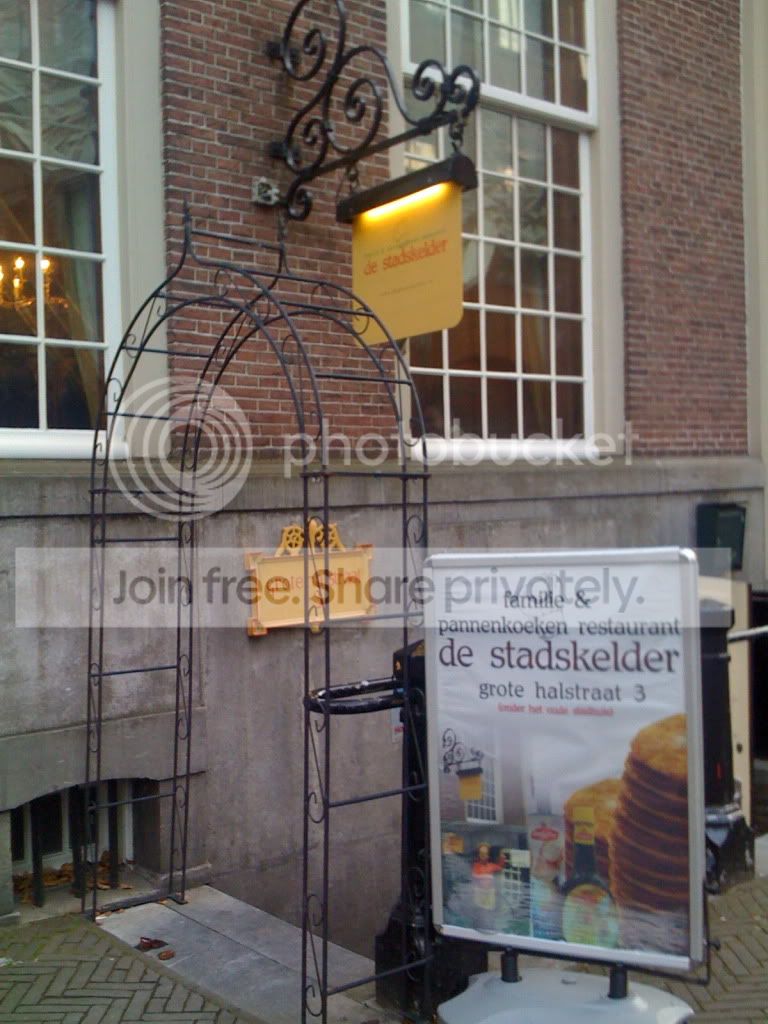
    Rijksmonument uitbreiding stadhuis, toegeschreven aan Daniel marot (louis XIV), beschermd stadsgezicht:

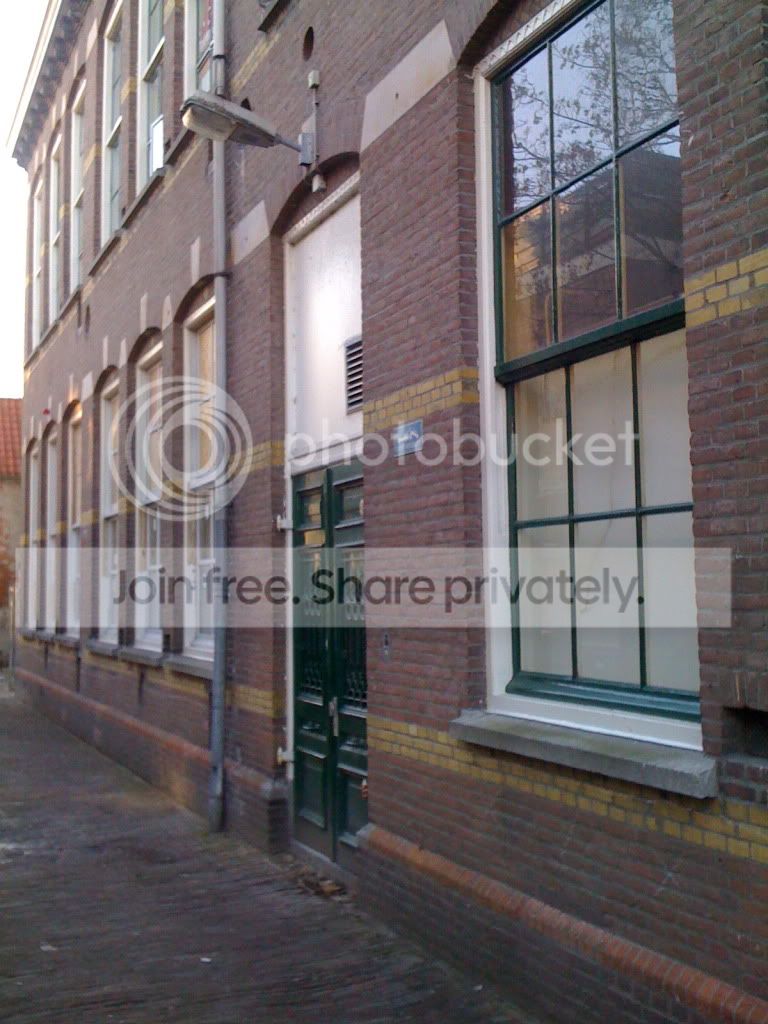
    Gemeentemonument, vm school Korte Lombardstraat beschermd stadsgezicht;
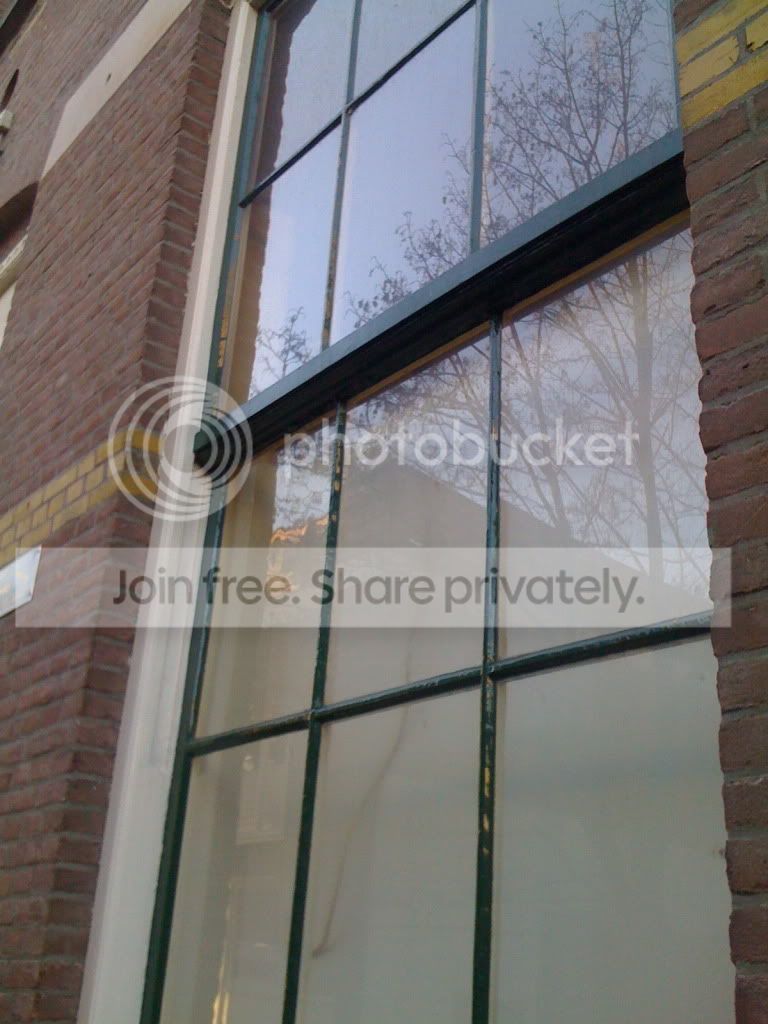
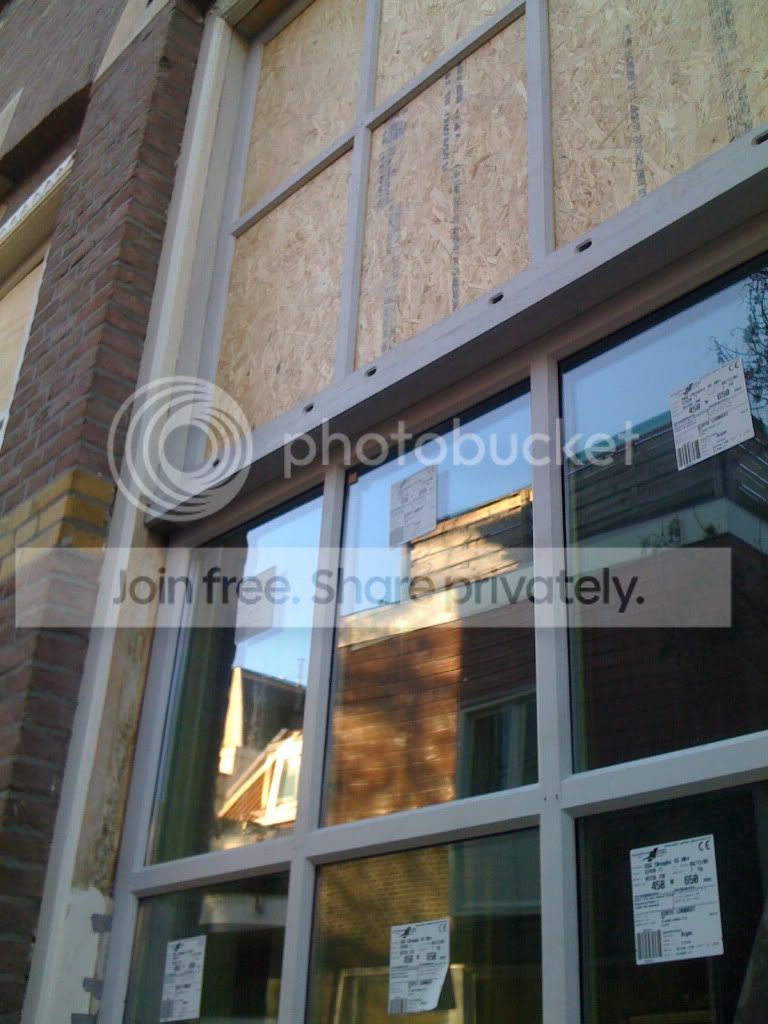
    kozijnen bestaand, kozijnen nieuw:


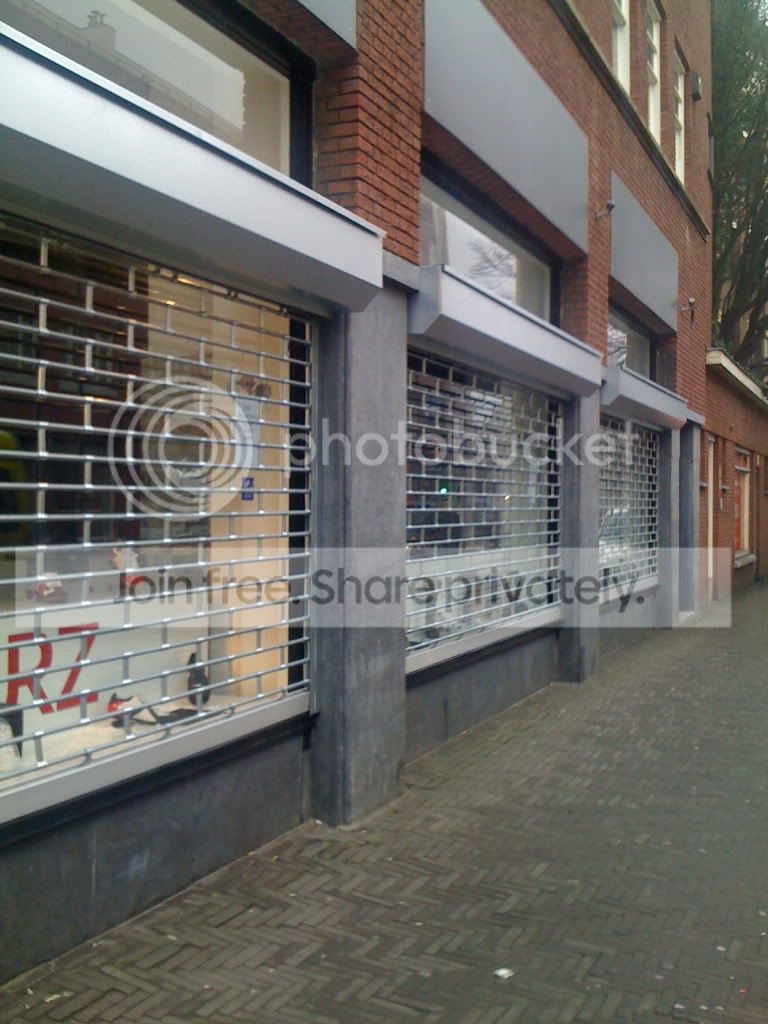
    Illegale rolhekken hoek Prinsegracht jan Hendrikstraat, beschermd stadsgezicht 50 meter van Politieburo:

  • Rio de Janeiro (RJ) Thread Alternativo: Bairro Santa Terezinha – Um Sub-bairro onde está a Subprefeitura da Zona Oeste localizada em Campo Grande, vertente Norte da Zona Oeste (43 fotos).


    Caros foristas, resolvi dar um tempinho na Zona Sul e fazer alguns threads alternativos, ou seja, fotografar a periferia da cidade. Comecei a fotografar o bairro Santa Terezinha que é um Sub-bairro de Campo Grande, vertente Norte da Zona Oeste Carioca. O bairro é bem tranqüilo e essencialmente residencial como vocês poderão notar.


    01 – Indo para a Subprefeitura da Zona Oeste.

    02 – A Subprefeitura que é localizada na XVIII Região Administrativa Regional.

    03 – Idem

    04 – Idem

    05 – Uma das ruas próximas. Há urbanização, mas as calçadas estão quebradas e os asfalto é ridículo.

    06 – Casas. Muitas delas…rs

    07

    08

    09

    10

    11

    12

    13 – Achei essa casa interessantíssima.

    14

    15

    16 – Muito charmosa essa casa. Linda eu diria.

    17

    18 – Mais uma rua…rs

    19 – Dessa aqui eu também gostei, só que o estilo dela é bem diferente…rs

    20 – Idem

    21 – Idem

    22

    23

    24

    25 – Igreja Evangélica Congregacional

    26

    27

    28

    29

    30 – Achei muito charmosa essa aqui…

    31

    32

    33 – One more street…lol

    34

    35

    36 – Essa é uma graça…rs

    37

    38

    39 – Aqui é um canal.

    40

    41

    42 – Mais uma foto do canal.

    43 – Fim de linha…rs

    Bem, aguardo comentários criticando ou elogiando…rs

  • Want To See A Country That Actually Gets It? Check Out Poland

    (This guest post originally appeared at the author’s blog)

    Watching the world’s leaders stumble their way through the economic crisis, it often feels as if political success and economic understanding are mutually exclusive. Even the Chinese, who over the past generation have engineered a dramatic turnaround from their Maoist economic nightmare, show a remarkable willingness to pursue a monetary policy (a currency peg to the U.S. dollar) that yields no benefit to their citizens. Amid this morass of economic quackery, it is refreshing to see a clear ray of sanity emanating from one country: Poland.

    Last summer, I was invited to speak at the Economic Forum in Krynica, a resort town in Southern Poland. I was amazed at the level of economic activity and civic spirit that was on display throughout the country. I also was fairly surprised that my economic views, which are routinely ridiculed at home, have much wider support among the Polish economic officials who presented at the conference.

    This common sense understanding was showcased in an opinion piece published this week in the Financial Times by Polish Finance Minister Jacek Rostowski. Contrary to the public flogging of the free market currently underway in Washington, under the auspices of the Financial Crisis Inquiry Commission, Rostowski explains how governments caused the Crash of 2008 by removing the necessary element of fear from the markets. He states that this was symptomatic of the “deep Keynesian project,” in which governments over the last half century have looked to smooth the economic cycle through periodic floods of monetary expansion and government spending. I couldn’t have said it better myself.

     A product of the Solidarity movement that opposed the Polish Communist Party in the 1980’s, Mr. Rostowski, like many of his colleagues in the current Polish Administration, is intimately familiar with the hazards of central economic planning. He has seen this movie before, and he knows how it ends.

    Instead, Poland has enacted economic policies that are informed by a belief in Austrian School (read: free market) economics. After the downfall of the Communists in 1989, Rostowski was part of a group that called for “shock therapy”: the rapid privatization of state-owned enterprises and the dismantling of price and currency controls.

    In 2007, the center-libertarian Civic Platform party was put in power, with Rostowski as Finance Minister. Along with Prime Minister Donald Tusk, he has continued the process of transforming Poland into a laissez-faire paradise. Not accidentally, Poland is the only EU member state that showed positive GDP growth in 2009, at 1.9%. Also its public debt, at roughly 55% of GDP, compares favorably with its neighbors – and with the United States.

    A top priority of their administration was reduction of the income tax. The previous system, with three-tiers of 19%, 30%, and 40%, has been reduced to two tiers: 18% and 32%. In addition, the system’s minimal use of deductions and credits makes it radically simpler than the U.S. income tax.
     
    In the meantime, Civic Platform is continuing its move toward privatization. Recently, Poland held an IPO for its state-owned power utility, Polska Grupa Energetyczna. According to a news report, “The sale brought in $2.1bn, pricing at the top end of the bankers’ guidance range, and becoming Europe’s largest IPO of the year.” The government has used these revenues to fund its budget and keep taxes in check. More importantly, it has returned capital to the marketplace to be used in the most efficient manner.

    Civic Platform also understands that regulation hurts small business disproportionately by raising barriers of entry. Fortunately for Poland, a multi-year program of deregulation has been a boon for small businesses, and has given the country the most entrepreneurs of any state in Europe. This may explain the country’s resilience in the face of the global economic crisis.

    Poland’s current growth is also fueled by an influx of foreign investment. To encourage such inflows, Rostowski has laid out a specific plan to adopt the euro as the country’s currency by 2015. While I have never been crazy about the euro concept, as opposed to a gold standard, the effort indicates to foreign investors a desire to control inflation. Assuming the block is able to stick together, the European Central Bank is considered a reliable enforcer of strict monetary policy. Poland’s zloty rapidly devalued after it was allowed to float, and though the rate of inflation is declining, it remains high. Eurozone membership will impose external discipline on the Polish government, even if Civic Platform loses power.

    Anecdotally, I can attest that these people are hungry for free markets. My visit to Krynica was a breath of fresh air, and a startling reminder of how far America has strayed. If the Polish people can hold onto the traumatic lessons of communism, and continue undeterred down their current path, then this battleground of the 20th century may be the paragon of the 21st.

    Lean more about Schiff and EuroPacificCapital here — >

    Join the conversation about this story »

    See Also:

  • 25 Crazy Pizzas

    As the old saying goes, even a bad pizza is pretty good, just like sex. Unless there’s corn involved, all the way around that’s a pretty bad idea.

    (Holy Taco)


  • Here’s your chance to get a $5000 photographer grant

    logo2Here’s something that we don’t see very often; a chance at winning a $5000 photographer grant for people working on important humanitarian and environmental projects. This could be a great opportunity for the right person, and can definitely help draw attention to a project.

    Here’s the specifics from the Photocrati Fund’s website:

    What is the Photocrati Fund?

    The Photocrati Fund offers $5000 grants to non-professional photographers to undertake important humanitarian and environmental photography projects. Our goal is to identify outstanding, up-and-coming photographers and give them the resources necessary to pursue projects that will have a tangible and positive effect on the world.

    We will offer one grant in 2010. The application deadline is March 15, 2010, and the award will be announced in June 2010. Awardees become Photocrati Fellows for the calendar year from the announcement of their award until the announcement of the following year’s award.

    The Photocrati fund has assembled an impressive set of judges for the grants, including Steve McCurry, Nick Nichols, and Art Wolfe. If you want to know more about it, hit up their website for the details and criteria.


    Buy This Item: [Click here to buy this item]

    Read Original Article

  • Ethiopia to expand its European Markets

    1/18/2010 11:29:00 AM

    Ethiopian Airlines is working to strengthen its presence in Europe and is now focusing on the German market. Therefore AVIAREPS and Africa’s largest airline recently signed a new GSA agreement starting on 1 April 2010. The world’s leading aviation and tourism management expert will then be in charge of all sales, marketing and ticketing activities in Germany. Besides the European markets of Austria, Belgium, Switzerland and Hungary AVIAREPS also represents the Ethiopian flag carrier in the South American markets of Argentina, Brazil, Chile, Colombia, Mexico, Peru and Venezuela. Ethiopian Airlines currently offers four weekly flights between Frankfurt (Germany) and Addis Ababa (Ethiopia): each Monday, Wednesday, and Friday, passengers can use a nonstop connection to the Ethiopian capital. On Sunday the airline provides an additional flight with a short stopover in Rome. As from June 2010 Ethiopian Airlines will increase the frequency to five weekly flights on this route. All flights, operated with a modern Boeing B767, take off in the late evening. After an overnight journey of seven hours travellers reach Addis Ababa in the morning of the next day. From Ethiopian Airlines’ hub they can conveniently connect to various African destinations such as Johannesburg, Nairobi, Mombasa, Dar es Salaam and Zanzibar. As Africa’s leading carrier Ethiopian Airlines operates its flights with the newest and youngest fleet consisting of 30 Boeing aircraft (10 B767-300s; 8 B757-200s; 2 B575-260Fs; 2 B747Fs; 5 B737-700NGs; 3 B737-800Ws), 2 MD-11Fs and 5 Fokker 50s. Within the next years the fleet will continue growing. The airline has already ordered five Boeing B777-300LRs, eight Bombardier Q400s (delivery in 2010), 12 Airbus A330-900s and 10 Boeing B787 Dreamliner jets. Ethiopian Airlines, the largest airline in Africa, was founded 1945. The national carrier is based in Addis Ababa and offers flights to 56 international destinations: six in Europe (Brussels, Frankfurt, London, Paris, Rome and Stockholm), 35 in Africa, 14 destinations in the Middle East and Asia (e.g. Bahrain, Bangkok, Beijing, Beirut, Dubai, Mumbai, Delhi and Tel Aviv) and one in North America (Washington). Furthermore the Ethiopian flag carrier serves 16 domestic routes

    http://www.traveldaily.co.uk/AsiaPac…?Section=16987

    On a separate note, I think we should have a sticky thread for Aviation under projects/construction. What do you guys think?

  • [LR] Carreteras intervalles

    Hoy publica Diario La Rioja un reportaje sobre la carretera Torrecilla-Castroviejo. Así que creo este hilo para hablar de las tres nuevas carreteras intervalles que prevee construir el Gobierno de La Rioja.

    El Plan Regional de Carreteras de La Rioja 2010-2021, prevee la construcción de tres carreteras intervalles: la Torrecilla-Castroviejo, la Brieva-Ventrosa, y la Munilla-Hornillos-Robres.

    1. Carretera Torrecilla-Castroviejo.

    Noticias de prensa:
    Diario La Rioja, 18 enero 2010

    Quote:

    La difícil unión Torrecilla-Castroviejo

    • El Plan de Carreteras 2010-2021 contempla la unión del valle del Iregua con el del Yalde, pero de momento hay que recorrer 51 kilómetros, cuando la distancia a través de la sierra es de 8
    • El proyecto ‘Intervalles’, que cumplirá en marzo 21 años de espera, se retoma de nuevo aunque sin calendario
    • El proyecto se contempla en el Plan de Carreteras 2010-2021 y tiene un coste estimado de 3.181.970 euros, aunque no se especifica el ejercicio en el que se incluirá

    Una de las promesas más recurrentes de la clase política riojana ha sido reverdecida por vigésimoprimera vez, aunque podrían transcurrir otros diez años más antes de que sea una realidad. Se trata del compromiso de construir una carretera entre Castroviejo y Torrecilla en Cameros, uno de los tramos más importantes de la famosa ‘carretera de unión de valles’, que fue como se bautizó hace 21 años para unir las cuencas del Najerilla y del Iregua. La iniciativa ha vuelto a ser incluida en el proyecto del Plan de Carreteras 2010-2021 y será remitido al Parlamento de La Rioja, pero sin un calendario concreto de todas las actuaciones que se contemplan.

    Entre Castroviejo y Torrecilla en Cameros hay poco más de 8 kilómetros por pistas . Existe, incluso, un tramo asfaltado realizado desde Torrecilla hasta los terrenos que un día se barajaron como un campo de golf. Sin embargo, esos 8 kilómetros se convierten en 51 para las personas que quieren ir de un lado al otro del Serradero en coche, porque la única vía de comunicación es bajar desde Castroviejo a la autovía del Camino, llegar a Navarrete, enlazar con Nalda y allí con la N-111. En total, una hora de trayecto, con buen tiempo.
    Conscientes de ese problema, en marzo de 1989, en el primer número de la revista Comunidad, Joaquín Espert, entonces presidente del Gobierno riojano, anunciaba la creación de la carretera de unión de los valles. La moción de censura contra su Ejecutivo le impidió poner en marcha el proyecto, pero desde entonces ha sido presentado como un compromiso por sus sucesivos gobiernos. La última vez, el pasado 23 de diciembre. Pero de nuevo el anuncio está ‘cojo’ de programación.

    Para Antonino Burgos es, nuevamente, un compromiso que quiere ejecutar entre este año y el 2021, pero «de momento, la prioridad es terminar el corredor hasta Canales». El esquema de trabajo que baraja el Ejecutivo es tramitar en el Parlamento esta iniciativa, con el objetivo de que quede aprobada a principios del verano. Después se hará la programación y, cuando le llegue el turno a esta carretera, licitar la contratación del estudio informativo, que deberá contener al menos tres alternativas. Más tarde se licitará el proyecto y, finalmente, la adjudicación de la obra. Un proceso que llama la atención, porque en el año 2004 se convocó un ‘concurso abierto’ sobre este mismo tema.

    Para Ecologistas en Acción «la construcción de esta carretera afectaría de manera importante al espacio protegido por el PEPMAN ‘Cumbres del Serradero’ y a otras zonas adyacentes, suponiendo graves alteraciones paisajísticas por los movimientos de tierras».
    El PSOE, por su parte, que tampoco acometió la carretera cuando tuvo oportunidad de estar en labores de gobierno, presentó una enmienda a los Presupuestos de La Rioja para el 2010, mediante la que se pedía una partida de 100.000 euros para comenzar a trabajar.

    «Ya va siendo hora de que se ejecute»
    SERGIO MARTÍNEZ. ALCALDE DE TORRECILLA
    Para el alcalde de Torrecilla en Cameros, la carretera es importante «porque las comunicaciones siempre llevan aparejadas riqueza y mejora de la convivencia entre las personas», pero lamenta que el proyecto lleve tantos años sobre el papel. Martínez Astola recuerda que existe un deseo por parte de las dos localidades de estrechar relaciones y «de hecho, desde hace tres años celebramos la Fiesta del Serradero, donde nos encontramos los vecinos de los pueblos». «Se habla de esta comunicación desde hace años y ya va siendo hora de que se ejecute», sobre todo, porque un primer tramo ya está realizado y sólo faltaría la otra mitad.

    «La tendremos que hacer con el Plan E»
    JOSÉ D. CENICEROS. ALCALDE DE CASTROVIEJO
    Mucho más escéptico se muestra el alcalde del otro extremo, el de Castroviejo, que se siente marginado por la Consejería de Obras Públicas. «Esta carretera -afirma Ceniceros- se quedará como el Ayuntamiento. Hace diez años le pedimos ayuda al consejero para arreglarlo y ahora nos dice que utilicemos el dinero del Plan E, que apenas llega a 6.000 euros. Pues lo mismo tendremos que hacer la carretera con el dinero del Estado». En este Ayuntamiento no creen que se haga realidad la comunicación entre los dos pueblos por carretera y observan con escepticismo los plazos marcados por el Gobierno regional.


  • [SP] Patrimônio histórico de São Paulo tem até ‘puxadinho’

    18.01.2010
    Patrimônio histórico de São Paulo tem até ‘puxadinho’
    Água ‘brota’ em edificação tombada pelo Condephaat.
    Sem conservação, casarões antigos viram cortiços na Bela Vista.

    São Paulo tem se mobilizado para ajudar a cidade de São Luiz do Paraitinga, no Vale do Paraíba, a se recuperar da enchente que destruiu grande parte do município no início do ano, mas assiste ao patrimônio histórico da capital paulista se deteriorar. Esta degradação se agrava ainda mais com as incessantes chuvas que estão castigando a capital neste mês.


    ‘Puxadinhos’, com cobertura de plástico azul, foram construídos em palacete tombado pelo Condephaat e
    pelo Conpresp; a Vila Itororó começou a ser construída em 1920 e conta com 37 edificações (Foto: Marcelo
    Mora/G1)

    Clique aqui para ver fotos de imóveis tombados na Bela Vista

    Clique aqui para ler a reportagem completa

    Fonte: http://g1.globo.com/Noticias/SaoPaul…PUXADINHO.html

  • Den Haag: foto’s uit de oude doos…..

    post hier op deze thread al je foto’s van Den Haag uit het verleden. Toen alles er nog mooi uit zag.;) (ook uiteraard hierbij Scheveningen en Voorburg e.a.)
    Gewoon lekker elke oude foto die de moeite waard zijn er op zetten zodat iedereen hier lekker kan zwijmelen over hoe het er toen ook al weer uit zag.

    om af te trappen quote ik een paar post van niet te lang geleden waardoor het idee ontstond voor deze draad.
    Have fun!

    Quote:

    Originally Posted by Gambini
    (Post 50236899)
    Ik kan me niet behouden een wat oudere foto van Scheveningen te plaatsen, hoe mooi het ooit was – en de ruimte.


    Quote:

    Originally Posted by Tweety
    (Post 48980727)
    Plaatje uit het onvolprezen Haags Gemeentearchief, niets minder dan een snelweg dwars door de stad:

    Het Prins Bernhardviaduct voordat het in 1989 voor een groot deel is gesloopt. Destijds reed je meteen het viaduct op als je vanaf het Spui de weg op draaide. Op de voorgrond de plek waar nu de Schedeldoekshaven ligt. Het viaduct is in 1975 geopend en heeft er dus maar veertien jaar in zijn geheel gelegen.


  • BMW 3 Series Coupe and Convertible Facelift Details and Photos

    Before the first month of 2010 is over, German carmaker BMW released the official details and photos of the long awaited BMW 3 Series Coupe and Convertible facelifts, two models that are expected to be officially presented at the 2010 Geneva Auto Show.

    The facelifted versions of the two models bring both visual and performance upgrades, with the most notable ones being the introduction of the BMW 318i powered by a straight-four 2.0l 143 hp petrol engine and the entry of the most efficient ca… (read more)