Two wrongfully convicted men have settled a lawsuit with the Iowa prosecutors who framed them.
Terry Harrington and Curtis McGhee spent 26 years in Iowa prisons for a murder they didn’t commit before their convictions were overturned in 2003. The men have shown on appeal that prosecutors knowingly presented false evidence to secure their convictions, and in 2005 they sued the prosecutors in civil court for their role in the injustice.
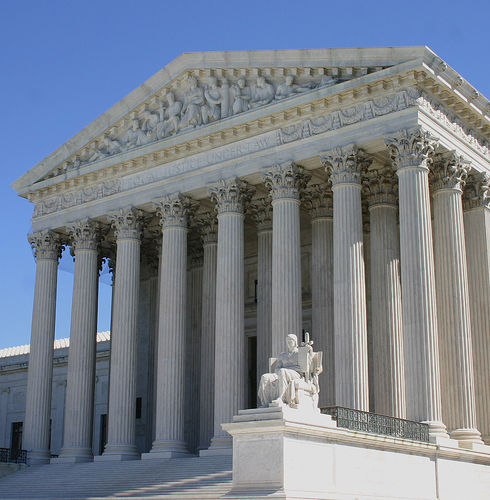
On November 4, the US Supreme Court heard oral arguments in the case, where prosecutors argued that the men didn’t have the right to sue them, that prosecutors are immune, and that there is no freestanding constitutional “right not to be framed.”
Following the recent announcement that the lawsuit had been settled out of court for $12 million, the Supreme Court announced that it would dismiss the case, since there would no longer be a case to decide. Knowing the current makeup of the Supreme Court and its hostility to criminal defendants, there’s a real chance that these men dodged a bullet by settling the case.
“This is wonderful news,” Rob Warden, executive director of the Wrongful Conviction Center at Northwestern University School of Law in Chicago, told the Des Moines Register this week. “This means prosecutors who step outside their traditional role and who act as investigators (in criminal cases) can still be subject to civil rights lawsuits just as police would be.”
The Supreme Court will eventually consider another prosecutorial misconduct case to offer guidance in civil lawsuits like this one. For now, however, prosecutors will know that they can be held responsible for presenting false evidence to convict innocent people.