 In less than three weeks, Hank Skinner is scheduled to be executed in Texas for three murders he says he didn’t commit. Despite the existence of untested DNA evidence that could prove him innocent or confirm his guilt, the state is seeking to go forward with his lethal injection on Feb. 24.
Even by the standards of our most execution-happy state, it’s unacceptable that officials would put a prisoner to death while ignoring scientific evidence that could prove him innocent.
The case for Skinner’s innocence is by no means certain. On the other hand, the case for DNA testing is clear.
Skinner admits he was in his house when his girlfriend and her two sons were killed, and he was found hours later by police at an ex-girlfriend’s house with the victims’ blood on his clothes and a gash in his hand. But there’s an alternate suspect that exists, as well as evidence that hasn’t yet been tested. A reasonable observer could raise doubt over his case, and scientific evidence can offer finality. Texas should conduct these tests before it carries out a punishment it can’t reverse.
Send a letter right now to the Texas Board of Pardons and Paroles supporting Skinner’s clemency petition so he can continue to seek DNA testing in the case.
Send a letter right now to Gov. Rick Perry, urging him to stay Skinner’s execution so DNA testing can be conducted.
 Today in Rochester, New York, a man named Freddie Peacock became the 250th prisoner exonerated through DNA testing in U.S. history. He served five years in prison for a crime he didn’t commit before he was released on parole in 1982. Remarkably, he continued as a free man for 28 years to fight for his own exoneration — finally winning it today when a New York judge
  Jimmy McNulty, meet Facebook.
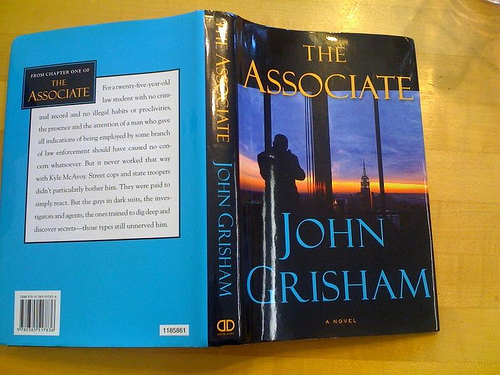 The list of books banned by Texas prison in recent years looks like the bookshelf of a dangerous counterculture, and it’s easy to understand why Texas prison officials decided to deny access to some of these fiery tomes.
 The U.S. Census Bureau will provide temporary employment for thousands of Americans this year, but if one Congressman gets his way, people with criminal convictions need not apply.
 More than half a million people will sleep in jails across the U.S. tonight, most of them facing charges for non-violent crimes, and most of them poor. They’re spending months behind bars because they can’t afford bail, and a powerful bail bond lobby is largely responsible for keeping them there.

 New York Times columnist Nicholas Kristof devoted
  I’ve written recently about the very welcome arrival of prisoners to the blogosphere — from Change.org contributor
  California is solidly within the public’s gaze this week as it
 Today, the nonprofit International Bridges to Justices launches its
 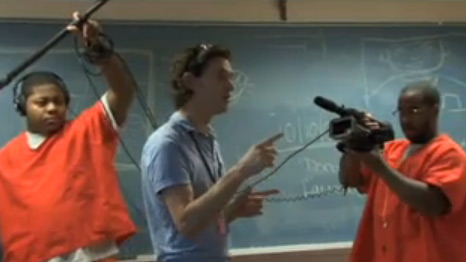 I recently came across a captivating short film made by eight young men in an unlikely location — New York’s Westchester County jail. The film, called Judgement, was made during a 12-week class at the jail as part of an education project run by the
  The justices are serious about the confrontation clause.
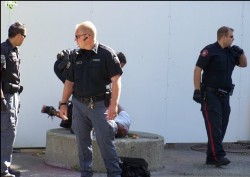 The Denver Police keep arresting the wrong people.
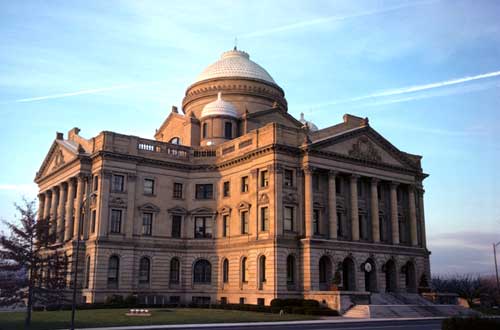 In a twist of affairs, one of the most egregious juvenile court scandals in recent memory could actually mean more future openness in Pennsylvania’s courts.
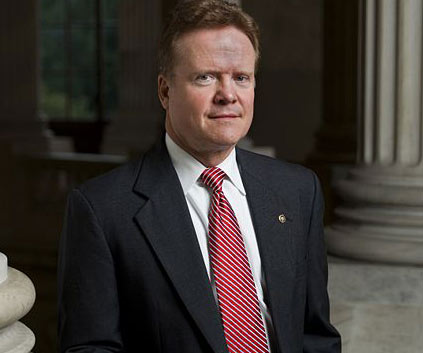 A bipartisan bill that would form a commission to evaluate the U.S. criminal justice system took a step forward yesterday, passing the Senate Judiciary Committee by a voice vote. A note to newly elected Massachusetts Sen. Scott Brown: please don’t kill this on top of healthcare, too.
 Each year, John Jay College of Criminal Justice