 Arrests are public information, but exactly how public should they be? Twitter is testing the limits.
Every arrest in Denton, Texas, is chronicled on an unofficial twitter feed, built by an art student seeking to explore the possibilities opened by social platforms like twitter to share public information.
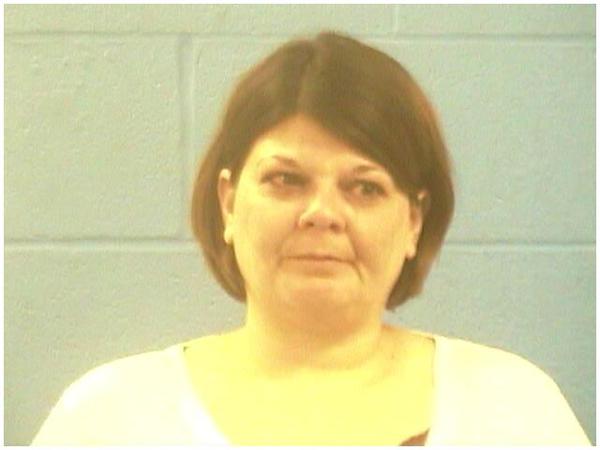
The mugshot at left shows a woman arrested yesterday for assault causing bodily injury. She hasn’t been tried or convicted. Should her photo be on twitter (or on change.org)?
When Montgomery, Texas, District Attorney Brett Ligon threatened last week to post people arrested for driving under the influence on his twitter feed (he apparently hasn’t started yet), some in the defense community balked at the idea of shaming people accused of crimes.
Law blogger Paul Kennedy wrote: My question is: should the DA dismiss a case against a motorist or should a motorist be acquitted by a jury of his peers, will (the DA) offer a public apology on Twitter as well?
I’m of two minds on this. Kennedy is right that district attorneys shouldn’t pursue a shaming policy until they have a conviction. But at the same time I applaud the initiative of Brian Baugh, the University of North Texas student behind the Denton twitter blotter. He’s not out to shame, he’s out to make public information truly public.
I wrote in March that a 21st-century police blotter could be a new revenue stream for flagging media organizations. Baugh’s twitter mashup takes us in that direction. If law enforcement agencies take up twitter blotters, they will need to include strong disclaimers that accounts posted are accusations and that nobody has been convicted. But initiatives like this aren’t pure sensationalism — they’re one part sensational and one part public service.
We’re obsessed with crime, and that’s our problem, not one to be solved by the media or the police. If a news organization can use a crime map, an interactive live blotter or a mugshot gallery to drive revenue that pays for investigative reporting and arts coverage, then I’m all for it.
Public information isn’t always pretty, but it’s public for a reason. The more transparent we make our law enforcement agencies, the more we can hold them accountable for injustice. Would you prefer an online public blotter or indefinite secret detention? (Oops, we have that too.)
Imagine that your local police department began tweeting every arrest. You noticed that people of color seemed more likely to be arrested for driving without seat belts and for speeding. The public blotter could lead us to hold our law enforcement agencies accountable for questionable practices. It’s not just about shame, it’s about reclaiming information that should be ours.
Via Sex Offender Issues and Mashable