 A great post today by Alan Bean at Friends of Justice examines the human instinct for vengeance and draws the apt connection to the increased chances of wrongful conviction in heinous, bloody crimes.
“If a terrible crime has been committed,” Bean writes, “a clever prosecutor can have a jury screaming for vengeance simply by laying out the grizzly facts and declaring that somebody (the defendant, for instance) must pay.”
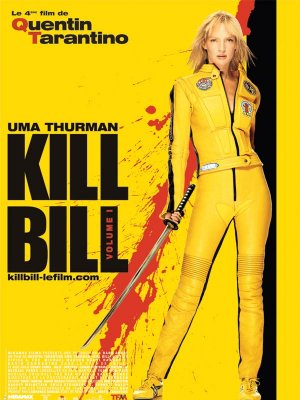
Bean’s inspiration for this post comes from New York Times columnist (and Florida International University law professor) Stanley Fish, who pointed this week to the popularity of vengeance as theme in cinema. Fish offers a top-ten list of vengeance films and explores the relationship between violence and morality.
Bean is right to draw the connection to the courtroom, and he uses the Curtis Flowers case to explore potential antidotes to the powerful draw of vengeance. Flowers is about to become the first defendant in US history to face six capital trials on the same facts. As Flowers’ sixth trial looms in Montgomery County, Mississippi, Bean argues that framing the case in a civil rights context is the strongest way to counter the vengeance argument.
The evidence against Flowers is thin and the racial undertones of the case undeniable. For Flowers — or any other defendant facing the immense power of the state — to get a fair trial, vengeance shouldn’t motivate the verdict. It might be a human instinct, but it doesn’t have a place in our justice system.