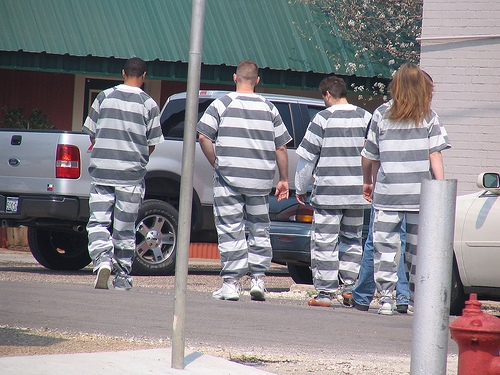
 About 1 in 10 American prisoners is serving a life sentence. Although most are technically eligible for parole at some point, many of those convicted of violent crimes will never see the outside of a prison. They are being judged not on their rehabilitation but on their original crime.
A California case before the federal Ninth Circuit questions the legality of refusing parole based solely on a person’s crime. While a decision finding that states must consider rehabilitation could open doors nationwide to second chances, many fear that a negative ruling could be another nail in the lifer’s coffin.
More than 140,000 people are serving life sentences in the U.S., according to a report this year from the Sentencing Project, up from 34,000 in 1984. California has between 27,000 and 34,000 lifers. Despite chronic overcrowding (and now court orders to reduce the prison population), prisoners with murder convictions are rarely granted parole in California. And if governors thought they were right before in denying parole despite evidence of rehabilitation, the Clemmons case in Washington will only strengthen that conviction. It’s a shame that one horrific crime can have such power over thousands of lives.
The case before the Ninth Circuit involves prisoner Ronald Hayward’s application for parole 27 years after he was convicted of stabbing to death a gang member who had allegedly attempted to rape Hayward’s girlfriend. The question before the court is whether states must present evidence that a prisoner presents a current threat to society, beyond just showing that his original crime was heinous.
A three-judge panel of the Ninth Circuit overturned the state’s decision rejecting Hayward’s parole, saying he was denied his due process rights. On appeal, the full court agreed to hear the case, and one paralegal (and paroled murder convict) told the LA Times he’s worried the full court will reverse the decision again and deal a setback to thousands of parole eligible California prisoners. Download the briefs from both sides of the case here.
Until a court offers further guidance on these cases, the possibility of parole will remain very remote for most Americans with murder convictions, even those who have become model citizens inside prison for three decades or more.
Via CrimProfBlog
Photo: Patrick Denker