The video after the jump.

The video after the jump.
Did you know that Wil Wheaton was in JJ’s Star Trek? He just went public with the secret cameo voice overs and details the entire experience on his personal blog. If you’re even the slightest Star Trek fan, click over and read the whole thing. It’s awesome to me that he was so honored and humbled to do just voice over work in the new movie even though he played such a major part in introducing Star Trek to a new audience. The clip after the jump is apparently the only one in the film that’s his unaltered voice.
By Carmi Levy, Betanews
Once not so long ago, if you wanted bulletproof e-mail on a mobile device, you bought a BlackBerry. Research In Motion, the company that practically defined wireless messaging a decade ago, has done quite nicely for itself since then, garnering over 56% of the market for smartphones in the US and about 20% of the overall wireless handset market that includes smartphones as well as conventional feature phones. Its end-to-end encryption and still-unique service paradigm that routes messaging traffic through secure Network Operations Centers further endeared the platform to enterprise buyers, even as the company was successfully pushing the franchise into the consumer space.
Unfortunately for RIM, nothing stays the same in the increasingly competitive wireless market. The BlackBerry is no longer a market of one, and many of the features that defined the platform — including push e-mail and enterprise-class security — are no longer unique. Worse, the critical feature set for a modern smartphone has expanded to include rich Web access, broad application availability, and an integrated, Web services-aware operating system. It’s no secret that the BlackBerry platform lags in all of these areas with its fine-for-the-1990s browser, relatively paltry app ecosystem, and an OS that despite regular incremental updates still betrays its decade-old roots.
As investors push RIM’s share price down, and the drumbeats grow louder to aggressively address these shortcomings, the company finds itself at a crossroads. Either it radically changes the strategy that’s driven its growth to-date or it risks becoming an also-ran in the US market. Nokia, whose devices once accounted for over 35% of all US sales, lost the script when it misread Americans’ growing taste for affordable, feature-packed, and well-integrated smartphones. Today it’s American market share languishes at barely 7%.
 It’s a lesson that RIM would do well to learn, because at this critical inflection point in its history, a stay-the-course mentality could doom RIM to a Nokia-like fate.
To maintain leadership in a market that grows more competitive by the day thanks to continued strength from Apple’s iPhone and a rapidly building frontal assault by Google’s Android, RIM needs to focus on some fundamental changes, including:
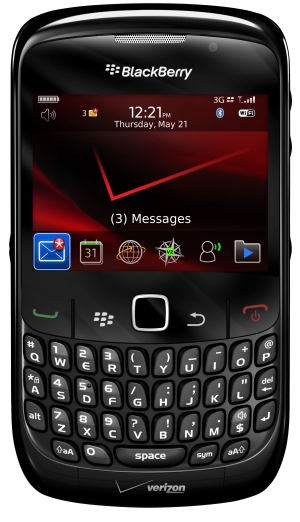
While the BlackBerry franchise doesn’t face an immediate risk of extinction, its long-term success — and the success of the company that spawned it — could be compromised…unless RIM drops the overly conservative mentality, and starts swinging for the fences. Nothing short of a radical re-think will keep the BlackBerry as dominant in the future as it has been in the recent past.
Carmi Levy is a Canadian-based independent technology analyst and journalist still trying to live down his past life leading help desks and managing projects for large financial services organizations. He comments extensively in a wide range of media, and works closely with clients to help them leverage technology and social media tools and processes to drive their business.
Good news, PS3 owners. DICE and Electronic Arts have officially set a date for Battlefield: Bad Company 2’s PS3 beta: November 19. PC gamers, on the o…
I’ve been trying not to respond to every RIAA blog post these days, but it’s hard to let certain things go when they so rarely make any sense. For example, RIAA President Cary Sherman recently talked up the new regulations that force colleges and universities to “take proactive steps” to stop file sharing. He goes on to make it sound like universities decided to do this in the spirit of “teamwork” with the RIAA, rather than because they risked serious financial consequences under the law for not complying. He also leaves out the fact that tons of colleges and universities are pissed off and complaining about how much time, effort and money they’re wasting on this just because Sherman and his friends still don’t seem able to embrace modern music business models. Colleges and universities have enough to worry about without the government forcing them to act as the RIAA’s police force. If it were truly about teamwork, Cary, you wouldn’t have had to spend so much time getting Congress to pass a law to force them to do this.
Permalink | Comments | Email This Story
At 4:45 EST today the White House and Deputy Assistant to the President on Economic Policy Jared Bernstein welcome Senator Sherrod Brown of Ohio for a live video chat. They’ll be answering the questions the Senator gets most from Ohioans on health insurance reform, as well as questions taken live from our Facebook chat application.
Watch the chat via WhiteHouse.gov/live
Watch, discuss, and engage via Facebook

Well that didn’t exactly pan out, now did it? Sony’s MLB 09 The Show predicted last week that the Philadelphia Phillies would win the World Series in seven games. As y’all know by now, the New York Yankees (booooo!) beat the Phillies in Game Six last night to win their 27th championship. Congratulations, Yankees, you’re the Real Madrid of baseball with a terrible stadium.
So hooray, [bandwagon] Yankees fans! Your group of men was better at hitting a ball with a stick than the other group of men.
MENC Members Celebrate 50 Years of Membership
MENC recognizes that its members have shaped the growth and development of music education through the years. The organization pauses to pay tribute to its 50-year and 25-year members for their dedication.
One member celebrating a golden MENC anniversary is Bennett Reimer, the John W. Beattie professor of music education emeritus at Northwestern University. He has written a new book, Seeking the Significance of Music Education: Essays and Reflections, that examines music education’s course over the past fifty years.
The members who celebrate their fiftieth year of MENC membership between August 1, 2009, and July 31, 2010, are
Gary Ahrens, Rockport, Indiana
Hazel D. Arpke, Beatrice, Nebraska
Barbara S. Arquit, Bedford, Texas
Richard C. Barker, Coupeville, Washington
Dennis L. Behrens, Bothell, Washington
Edward D. Benson, Matthews, North Carolina
David D. Black, Montgomery, Alabama
Peter Brasch, Babylon, New York
Stephen E. Busch, Fort Collins, Colorado
Dean A. Bushnell, Englewood, Colorado
Joseph C. Cassinat, Riverton, Wyoming
William A. Clark, New Smyrna Beach, Florida
Leon Cole, Alpharetta, Georgia
Morris Collier, Lincoln, Nebraska
A. Scott Collins, Glen Cove, New York
William A. Cridge, Granville, New York
Bernard Curry, Glendale, Arizona
Arthur S. Danner, Portland, Oregon
Wesley E. Diemer, Wilmington, Delaware
John L. Duling, Turlock, California
Kenneth G. Evans, Greeley, Colorado
Richard V. Evans, Hewitt, Tennessee
Solie Fott, Clarksville, Tennessee
Bruce B. Fowler, Buffalo Grove, Illinois
Jefferson E. Fraser, Rochester New York
Wayne S. Gammon, Marietta, Georgia
R. Phyllis Gelineau, Milton, New Hampshire
Glen M. Goering, Derby, Kansas
Thomas L. Gray, Morgan Hill, California
Robert A. Guenzler, Aurora, Illinois
Anthony Guerere, Hammonton, New Jersey
Harriet I. Hair, Hilton Head, South Carolina
Mavis S. Hamre, Tempe, Arizona
Harriet C. Heath, Portsmouth, Virginia
Alyn J. Heim, Ocean Grove, New Jersey
C. Richard Henckel, Sheboygan, Wisconsin
Marianne Holland, Pickens, South Carolina
Wyman E. Holland, Fargo, North Dakota
Larry L. Huck, Fresno, California
James F. Johnson, Leeds, Utah
William C. Jones, Downey, California
Joan Kelham, Avilla, Indiana
Richard H. Knickerbocker, Lexington, Missouri
Franklin D. Lewis, Marshfield, Missouri
Frederick C. Loyer, St. Marys, Ohio
James E. Mack, San Pedro, California
Jametta W. Martin, Washington, DC
Charles P. Mason, Ashland, Oregon
Raff McDonald, Auburn, California
James C. Myers, Worthington, Ohio
Joseph Oneschuk, Milford, Massachusetts
Larry D. Overton, Fort Morgan, Colorado
Beverly B. Panten, Bowmansville, New York
William D. Pardus, Marlborough, New Hampshire
John G. Patterson, Columbia, Missouri
James E. Perkins, Boise, Idaho
Harry Pfingsten, Avon Lake, Ohio
Herbert J. Philpott, Boston, Massachusetts
James S. Ralston, Lawrence, Kansas
John R. Redfern, Coffeyville, Kansas
Bennett Reimer, Wilmette, Illinois
William H. Robison, Rome, Georgia
Ervin A. Royer, Myrtle Point, Oregon
Bruce E. Schmottlach, Durham, Connecticut
James W. Sherbon, Lenexa, Kansas
Silvia K. Shiner, Pittsburgh, Pennsylvania
Derral L. Siggard, Logan, Utah
James W. Simmons, Charlottesville, Virginia
Aime M. Simoneau, Bradenton, Florida
James E. Singer, Columbus, Ohio
James A. Smith, Spartanburg, South Carolina
Julia S. Spencer, Gastonia, North Carolina
William G. Teaford, Rancho Palos Verdes, California
Donald L. Thatcher, Westboro, Massachusetts
Ernest C. Thompson, Sacramento, California
Paul E. Thoms, Hamilton, Ohio
Carolyn B. Tower, Northville, Michigan
Irving B. Weinstein, Oxnard, California
Barrie E. Wells, Eugene, Oregon
Frank B. Wickes, Baton Rouge, Louisiana
Bob C. Wig, Milaca, Minnesota
Gerald H. Winter, Northridge California
Ara Zerounian, Troy, Michigan
Muril Zimmerman, Mentor, Ohio
MENC also congratulates music educators who have been MENC members for twenty-five years. They are listed below:
June E. Ackroyd, Marquette Michigan
Helen E. Adams, Nicholson, Georgia
Miles Adams, Nicholson, Georgia
Steve Adams, Overland Park, Kansas
Sally K. Albrecht, Raleigh North Carolina
Anthony Alduino, Conklin, New York
Carol J. Allen, Melbourne, Florida
Michael N. Allman, Timonium, Maryland
Susan Alves, Lincoln, Rhode Island
Ronald Amos, King, North Carolina
Paul A. Amundsen, Exeter, New Hampshire
Brian L. Anderson, Fremont Nebraska
Nicholas A. Angiulo, Sacramento California
Hilary Apfelstadt, Reynoldsburg, Ohio
Jay Asher, Powder Springs, Georgia
Tony R. Auby, Newport News, Virginia
Tammy Jo Austin, Rock Springs, Wyoming
Vera S. Baker, Springfield, Massachusetts
Marcia L. Ball, Joplin, MIssouri
Rex J. Barker, Omaha, Nebraska
Janine Baughman, Bowling Green, Ohio
Susan Beck, Tifton, Georgia
Jeff Beckman, Old Hickory, Tennessee
Laurie Bell, Seattle, Washington
Dave Bellis, Worland, Wyoming
Janet Bemiss, Tracys Landing, Maryland
Tina Bennett, Clarion, Pennsylvania
Jayme Berry, Alamogordo, New Mexico
Keith Berry, Amston, Connecticut
Michael L. Berry, East Brunswick, New Jersey
Beth Best, Naperville, Illinois
Thomas W. Billing, Springfield, Ohio
Mark P. Blackmore, Wright City MIssouri
Guy Blair, Pella, Iowa
Wayne B. Blumrick, Middleport, New York
Matthew Boice, Washington, Pennsylvania
Wandalyn G. Boley, Manassas, Virginia
Craig R. Bond, Saint Helena, California
Michele J Boulanger, Dover, New Hampshire
Kathleen H Boyer, West Chester, Pennsylania
Donna M. Boylan, Dunkirk, Maryland
Becky S. Bradley, Littleton, Colorado
Stanley D. Bragg, Shawsville, Virginia
Robert E. Brase, Dix Hills, New York
Joel I, Brickman, Paramus, New Jersey
Carol "Kickie" H. Britt, Potsdam, New York
Gary L. Brookhart, Aurora, Ohio
Fabiene H. Brown, Cinnaminson, New Jersey
Nancy Brown, Corvallis, Montana
Patricia A. Brown, Newark, Delaware
Clayton Browne, Oakdale, Minnesota
Charles J. Brumbaugh, Lyman, Wyoming
David B. Buetzow, Canonsburg, Pennsylania
Chris Bumgarner, Polson, Montana
Joanne Bunce, Hillsborough, New Jersey
Richard J. Burkart, Columbus, Ohio
William H. Campbell, Plant City, Florida
Ted L. Carrico, Nampa, Idaho
Claretta C. Carroll, Temple Hills, Maryland
Sandra Carroll, Avoca, Iowa
Gail R. Cavallo, Farmingdale, New York
Joseph Ceo, Wood River Junction, Rhode Island
Ann M. Cheek, Charleston, South Carolina
Joseph J, Ciufo, Pylesville, Maryland
Lori J. Ciulla, Medina, Ohio
Joyce J. Click, Carmel, Indiana
Robert Clowes, Mystic, Connecticut
Sally Conklin, New Martinsville, West Virginia
Shirley K. Conley, Chester, Virginia
Timothy D. Connery, Hamilton Square, New Jersey
Judith Ann Conrad, Fishertown, Pennsylania
Jack J. Conway, Cincinnati, Ohio
Anita M. Cook, Bluffton, Ohio
Bruce Cook, Clemson, South Carolina
Kevin J. Cooper, Mohnton, Pennsylania
Marlin D. Cooper, Shawnee, Kansas
Miriam T. Cotter, Englishtown, New Jersey
Ben Counce, Caruthersville, Missouri
Dennis Cox, Brewer, Maine
Kim Cozart, Marble, North Carolina
Ruth A. Craig, Charleston Illinois
Marlene A. Creech Dudley, Cape Girardeau, Missouri
Thomas G. Cremer, Stockbridge, Georgia
Don R. Crowe, Brookings, South Dakota
Nancy C. Cuartas, Powell, Ohio
Richard Curlee, Belvidere, Illinois
Adele Cutrali-Valovich, Westport Connecticut
Carol J. Dallinger, Evansville, Indiana
Marcia K. Dalton, Holyoke, Colorado
David J. Danckwart, Lake City, Minnesota
Dennis Danders, Wichita, Kansas
Dennis L. Darling, Decorah, Iowa
Rodney L. Dasinger, Panama City Florida
Dean Davison, Louisburg, Kansas
Gloria Day, Tucson, Arizona
Helen Deitz, Portland, Oregon
Lawrence DelMasto, Manahawkin, New Jersey
Kathleen M. DeLozier, Hollidaysburg, Pennsylania
Robert Delwarte, Chatsworth, California
James DePalo, Keene New Hampshire
Rodney K. Derstine, Lansdale Pennsylania
Paul F. DeRubeis, Rochester Hills MI
Bea Devereaux, Litchfield, Minnesota
Rick Dickinson, Kellogg, Idaho
Teresa M. Disbrow, Swanton, Ohio
Barbara R. Dobrinen, San Francisco California
Amy M. Dodge, Livonia, New York
Susan K. Dolacky, Edmonds, Washington
Arthur Drummond, Greenville, Rhode Island
Robert W. Duda, Canton, New York
Maryellen Dulisse-Caldwell, Norristown, Pennsylvania
Michael Dunsmoor, Oswego New York
Phillip E. Dunzweiler, Sacramento, California
Curt Ebersole, White Plains, New York
Elizabeth Eccles, Chesapeake, Virginia
Dean Ekberg, Rochester, New York
Leila Elkins, Oxford, Georgia
David G. Elliott, Lexington, Kentucky
M’Lynn Emanuel, Norman, Oklahokma
Don P. Ester, Yorktown, Indiana
James R. Farmer, Hanson, Massachusetts
Joan Farquhar, Maryville, Missouri
Russell J. Faunce, Black River, New York
Gaetano T. Ferlazzo, North Fort Myers, Florida
Kathy Finck, Alamo, Texas
Randall E. Fink, Spokane, Washington
Pamela W. Fiocca, Stow, Ohio
Gilbert B. Fisher, St. Louis, Missouri
Leilani E. Fisher, Spartanburg, South Carolina
Mark Fonder, Ithaca, New York
Jack E. Foote, Sacramento California
John R. Ford, Round Hill, Virginia
Kathryn J. Ford, Blue Springs, Missouri
Elaine W. Foster, Jefferson City, Missouri
Wayne C. Fox, Lebanon, Pennsylania
Lynne A. Francis, Parkersburg WV
Mitchell Frank, Yardley, Pennsylania
Donald E. Franklin, Wappingers Falls, New York
Elizabeth Marie Froman, Patterson, Missouri
Rozanne R. Fuller, North Kingstown, Rhode Island
Peter Gage, Orleans, Vermont
James Gai, Warrensburg, Missouri
Ward Gailey, Conyers, Georgia
Antonio E. Gallardo, Oakland, California
Lisa A. Galvin, Columbus Ohio
Richard D. Galyean, Wise, Virginia
Anthony T. Gambino, Lakewood, New Jersey
Joseph A. Ganci, West Hartford, Connecticut
Nathan Garfinkel, Massapequa, New York
John W. Garren, Newark, Ohio
Linda Gartner, Loveland Ohio
Stephen A. Geis, Cincinnati Ohio
Mary Gibson, Roselle, Illinois
Jackie Gilley, Midwest City, Oklahoma
Kathleen Gjerdingen, Cathedral City, California
Stephen W. Glosser, Beachwood, Ohio
Barry Golden, Swainsboro, Georgia
Linda Goodwin, West Columbia, South Carolina
Patricia A. Gordan, Raymond, Maine
Diane Gourley, Peoria, Arizona
John Granatella, Milwaukee, Wisconsin
Daniel Green, Hartford, Connecticut
Judy A. Green, Lovington, New Mexico
Rebecca P. Green, Clemmons, North Carolina
Dalos W. Grobe, Detroit, Michigan
Janet T. Gross, Huntingtown, Maryland
Virginia D. Grossman, S. Milwaukee, Wisconsin
Alan J. Gumm, Mount Pleasant, Michigan
Brian M. Gustafson, Owatonna, Minnesota
Gary J. Guth, Rochester, New York
John H. Guthans, III, Pearl River, Louisiana
Anne W. Hadden, Fairfield, Connecticut
Thomas R. Hageman, Huntley, Illinois
Gregory K. Hall, Salisbury, North Carolina
Paul A. Hallsted, Las Cruces, New Mexico
Louis Hamilton, Westwood, California
Diane Flood Hanzlicek, Sabetha, Kansas
Laura M. Harris, Tyrone, Pennsylania
Lynn Harris, Greenwich, New Jersey
William N. Harris, Germantown, Maryland
Bill Harshbarger, Newton, Kansas
Tim M. Hausman, St. Louis, Missouri
Jean Hays, Fresno, California
Harlan E. Henderson, Cheney, Washington
Diann Henson, Poteau, Oklahoma
Sharon B. Hermann, Manassas, Virginia
Paul E. Hess, Newark, Delaware
Kevin R. Hibbard, Carrollton, Georgia
L. Rick Hilborn, Nazareth, Pennsylania
James Hoffmann, Camp Hill, Pennsylania
Timothy Hogan, Patchogue New York
Brenda S. Holcombe, Carrollton Georgia
Laurie A. Holdsworth, Elma Washington
J. Thomas Holland, Weaver, Alabama
William M. Holman, Rexburg, Idaho
Susan E. Hottovy, Adams, Nebraska
John E. Huber, Hays, Kansas
Cathie Hudnall, Snellville, Georgia
Lorna Huerta, Porterville California
Craig W. Hughes, High Bridge, New Jersey
Thomas R. Huhn, Goodview Virginia
Donna J. Hurd, East Baldwin Maine
John S. Husser, Blacksburg, Virginia
David K. James, Waxhaw North Carolina
Dwight I. James, Bishopville, South Carolina
Arthur Jay, Ossining, New York
Donald F. Jeanes, Fairfax, Virginia
Deborah N. Jenkins, Lawrenceville Georgia
Wayne A. Jenson, Garland, Utrah
Cecile L. Johnson, Denton Texas
Dan Johnson, Nampa, Idaho
Dee D. Johnson, Metairie, Louisiana
Robert L. Johnson Jr., Leicester, North Carolina
Zavaan B. Johnson, Xenia, Ohio
Curtis Jones, Maryland Heights, Missouri
Mickey Y. Jones, Hutchinson, Kansas
Karen E. Jurkowski, Springville, New York
Lynn Just, Hillsboro, Kansas
Pat B. Kaiser, West Allis. Wisconsin
Robert J. Kalweit, Aurora, New York
Kirk Kassner, Federal Way, Washington
Kerisha Kegley, Abingdon, Virginia
Bonnie A. Kelly, Bedford, Massachusetts
Wanda C. Kensinger, Richmond, Virginia
Paul H. Kimpton, Downers Grove, Illinois
Joyce L. King, Jefferson, Georgia
Kathleen L. King, Sutherlin Oregon
Patricia A. King, Enon, Ohio
Carol King-Chipman, Arlington, Tennessee
Rhonda Kiser Ledbetter, Piedmont, Alabama
Denise Klaas, Beaverton, Oregon
Kathryn L. Knueven, Liberty Township, Ohio
Raymond A. Koch, Eau Claire, Wisconsin
Leonard Konda, Beloit, Kansas
Anita M. Kowalski, Fort Wayne, Indiana
Bryan Kreps, Hanceville, Alabama
Diane Krick, Andes, New York
Martha R. Kroese, Cedar Falls, Iowa
Kathryn M. Kuddes, Plano, Texas
Wayne Kuehl East Grand Forks, Minnesota
Leon Kuehner, Hampton Iowa
Lois E. Kuhn, Myersville, Maryland
Judith E. Landes, Paris Illinois
Brenda B. Landry, Pierre Part, Louisiana
James W. Lanning, Branson, Missouri
Nancy L. Laporte, Goffstown, New Hampshire
Elaine M. Larson, Kenai, Alaska
Richard A. Larson, Englewood, Colorado
Jeff Lawless, Owasso, Oklahoma
Karen R. Leamon, Auburn, Georgia
Paula Lee, Clarkson, Kentucky
Randy Lee, Duluth, Minnesota
Theta Lee, Wellington, Illinois
Harry M. Leff, Thousand Oaks, California
Philip C. Lehenbauer, Canton, Ohio
Ira C. Lehn, Modesto California
Marjorie R. Lehr, Carmichael, California
Grace M. Lentini, Auburn, New York
Lisa Leonardi, Huntington, New York
Gregory Leonardo, Jackson Heights, New York
Alan R. Lewis, Las Vegas, Nevada
Judith L. Lewis, Stow, Ohio
Karen A. Lewis, Fort Meade, Florida
Michael Lipton, Yardley, Pennsylania
James K. Little, Jackson, Georgia
Bonnie J. Lockrem, Malibu, California
Donny Longest, Shawnee, Oklahoma
Phillip B. Louden, Westerville, Ohio
Collins G. Loupe, Spokane, Washington
Robert Loveridge, Helena, Montana
Robin H. Loy, Greenville, North Carolina
Denise L. Lueke, Blair, Nebraska
Denis Lumbrezer, Swanton, Ohio
Glen R. Lunde, Waukesha, Wisconsin
Donna R. Lundy, Petersburg, Virginia
Kevin J. Madigan, Cheyenne, Wyoming
John J. Mahlmann, Reston, Virginia
Leonard Martello, Holbrook, New York
Charles Martin, Oak Lawn, Illinois
David L. Martin, Sussex, New Jersey
Fred Martinez, Colorado Springs, Colorado
David Martins, Westford, Massachusetts
Mark Marusich, Scottsdale, Arizona
Christina L. Massey, Hillsboro, Oregon
Virginia P. Mateer, Wellington, Ohio
Nonon Mathews, Millersport, Ohio
Harold F. McAulliffe, Pittsford, New York
Cheryl McClaren, Norwich, Kansas
Lynn M. McCoy, Bellevue, Ohio
Norman F. McGill III, Kings Mountain, North Carolina
David McGillicuddy, Houlton, Maine
Naomi Y. McGrady, Rockbridge, Ohio
Scott McKenzie, Missoula, Montana
Robert J. McKenzie Sullivan, Rochester, Washington
Robert A. Meadows, Albuquerque, New Mexico
Peg Mehuron, Barre, Vermont
Jane Mendlik, Charlotte, North Carolina
Natalie Mentrup, Army Post Office, Armed Forces Europe
Joseph M. Metzer, Broken Arrow, Oklahoma
Marilyn Gregg Meyers, Beaver, Oklahoma
Darlene L. Miller, Warren, New Jersey
Gary S. Miller, Pittsfield, Massachusetts
Martha S. Miller, Duncansville, Pennsylania
Nedra R. Miller, Bucyrus, Kansas
Laura Minker, Newark, Delaware
Dominick A. Minni, Philadelphia, Pennsylania
Sonya Missal-Brittin, Chandler, Arizona
Thomas Monteleone, Harrison City, Pennsylania
Richard E. Moore, North Canton, Ohio
Michael S. Morey, Fargo, North Dakota
Lynne Elaine Morgan Smoot, Mechanicsville, Maryland
Michael A. Mucci, Longmeadow, Massachusetts
Marilyn Myers, Hillsboro, Ohio
Marilyn J. Myers, Danville, Illinois
Neal Naquin, Mandeville, Louisiana
Rachel Lee Nardo, Salt Lake City, Utah
Ronald Netchi, Gibsonia, Pennsylania
Daniel M. Newberry, Moultrie, Georgia
Russell Newbury, Pasco, Washington
Dane B. Newlove, Saint Marys, Ohio
Robert R. Nichols, Mesa, Arizona
Brian Nickoloff, Sandusky, Ohio
Debra L. Nimetz, North Hatfield, Massachusetts
Pamela Nordquist, Talent, Oregon
Paul J. O’Donoghue, Hardinsburg, Kentucky
W. Steve Ogilvie, Jacksonville, Florida
Gregory A. Olsen, Nebraska City, Nebraska
Debra L. Olson, Ephrata, Pennsylvania
Dale A. Orris, Winfield Pennsylania
Richard S. Osterling, Fairport, New York
Anthony J. Palmer, Hudson, Massachusetts
Gerald Pannone, San Francisco California
Dean J. Paquette, Ellsworth Maine
Kenneth Paris, Sun Prairie, Wisconsin
Mark Parish, Norwalk, Ohio
Scarlet J. Parker, High Point North Carolina
Jerry L. Parsons, Powell, Ohio
Barbara Patterson, Westminster, Maryland
J. Harley Patterson, Ripley Tennessee
Deirdre Gyr Patterson Turshen, Falls Church Virginia
Ronald D. Payne, Matthews, North Carolina
Ina Pegram, Taylors, South Carolina
Patricia J. Petersen, North Kingstown, Rhode Island
Don Peterson, Manteca, California
Sharon G. Phillips, Decatur Georgia
Kathryn Pienkowski, Philadelphia, Pennsylania
Joan Plasner, Watchung, New Jersey
James C. Plondke, Smyrna, Georgia
Matthew F. Polacek, Salem Oregon
Sherri L. Porterfield, Liberty Missouri
Carol R. Poston, Brentwood, Tennessee
Pamela A. Potter, Quincy, Illinois
Melinde Poupore, Malone, New York
David Price, Greeneville, Tennessee
Michael S. Price, Lexington, North Carolina
David R. Pruitt, Springfield, Illinois
Charles A. Puricelli, Massapequa, New York
Elizabeth A. Putnam, Kings Mountain, North Carolina
Lisa Qualls, Asheboro, North Carolina
Karl W. Raschkes, Salem, Oregon
Paul Rataczak, Danville, California
Agnew W. Reddig, Millersville, Pennsylania
Alfred K. Reed, Morgantown, West Virginia
John C. Reed, Hazlehurst, Georgia
Audrey M. Reese, Atlanta, Georgia
Dennis A. Reese, Afton, Wyoming
Glen Reinke, Marinette Wisconsin
Barbara Retzko, Bernardsville, New Jersey
Karen L. Reynolds, Plymouth, Nebraska
Joyce S. Richardson-Melech, Somerset, New Jersey
John M. Riddle, St. Louis, Missouri
Gordon E. Roach, Alexandria, Louisiana
Mary Ann Roberson, Gilbert, Arizona
Jon C. Robichaud, Blue Springs, Missouri
Julie H. Robinson, Fayetteville, North Carolina
Mary L. Rogers, Brewster, New York
Penny M. Rogers, Chesterfield, South Carolina
Clem Rolin, Oakdale, Pennsylania
Richard J. Rollo, Warren, Ohio
Joan H. Rosen, Bayonne, New Jersey
Jane A. Ross Wadsworth, Ohio
Clark Roush, York, Nebraska
Heyward Lee Ruff, Lexington, South Carolina
David Rush, Janesville, Wisconsin
Joanne Rutkowski, University Park, Pennsylania
Thomas W. Sabatino, Newark, Delaware
James Sadewhite, Irvington, NY
Mark S. Sanders, Melbourne, Florida
David L Saunders, Romeoville, Illinois
Kirt Saville, Mapleton, Utah
John Scandrett, Pittsburgh, Pennsylania
Phillip W. Schaefer, Liberty, Missouri
Judy Schnebly, Saint Joseph, Michigan
Thomas E. Schneider, St. Joseph, Missouri
Kathy L. Schock,Mesa, Arizona
Chuck Schroeder, Grass Valley, California
Fred Schwinger, Cold Spring, New York
Jonathan D Searfoss, Lake Ariel, Pennsylania
Noel Sell, Somerset, New Jersey
Sarah K Sergesketter Jasper, Indiana
Terri L. Setzer Waxhaw, North Carolina
Scott Severance Queensbury, New York
Sarah A. Shaffer, Columbus, Ohio
Thomas A. Shaw Jr., Glen Allen, Virginia
William R. Shoppell, Brielle New Jersey
Elsie W. Shuler, Raleigh, North Carolina
Douglas D. Siegel, Goldendale, Washington
Paul Silverman, Contoocook, New Hampshire
Victor Sisk, Lawrence, Kansas
Jeff Skogley, Cascade, Montana
Karen Ajamian Smaldone, Lynbrook, New York
Jeffrey A. Smith, Broken Arrow, Oklahoma
Lisa D. Smith, Social Circle, Georgia
Pam M. Smith, Jacksonville, Alabama
Edith Snider, Greenville North Carolina
David F. Sorgen, Lock Haven, Pennsylania
Don M, Sowers, Clermont, Florida
Cynthia L. Sparks, Anthem, Arizona
Katherine J. Starrett,Trussville, Alabama
Donna N. Steckler, Spotsylvania, Virginia
Arvida M. Steen, Richfield, Minnesota
Kathy Stefani, Grangeville, Idaho
Julie G. Sterman, Broadview Heights, Ohio
Janet H. Steves, Brockport New York
Timothy Stiles, Waynesville, North Carolina
Caroline Stilwell, Rittman, Ohio
Benna D. Stokes, De Soto Missouri
Cathleen L. Stranc, Maryville, Illinois
Beth E. Stribling, Murray, Kentucky
Stephen Strouse, Manahawkin, New Jersey
Darlene Summerour, Shawnee, Kansas
Susanna C. Susoeff, San Carlos, California
William A. Sutter, Lillington, North Carolina
Ruth I. Swallen, Wooster, Ohio
John H. Swecker, Longview, Washington
Kathryn Tabor, Garfield, Kentucky
Paul D. Taranto, Baton Rouge, Louisiana
Cynthia A. Taylor, Columbia, South Carolina
Salvatore Terrasi, Shorewood Wisconsin
Shirley Terrinoni, Oswego, New York
Edith Thomas, Marlboro, Vermont
Laura M. Thomas, Charlottesville, Virginia
Michael Thomas, Morristown, Tennessee
Steven L. Thomas, Amherst New York
Joyce B. Thompson, Starr, South Carolina
Steve Tirmenstein, St. Louis, Missouri
Charlene Toler, Springfield, Missouri
Karen Townsend Gordy, Anacoco, Louisiana
Mark Tripp, Caldwell, Idaho
Barry M. Turner Sr., Lexington, Kentucky
Deborah A. Turner, College Park, Maryland
Ronald S. Turnmyre, West Jefferson North Carolina
Brian D. Uerling, Clovis New Mexico
William C. Ulrickson, Lambert Montana
Neil S. Underwood, Lincolnton North Carolina
David J. Urness, Mankato Minnesota
Bill D. Van Pelt, Medford Oregon
Paul Vander Gheynst, Columbus Georgia
Jane P. Vanderhoff, Garden City, Kansas
Jean A. Vanek, Babylon, New York
Mary N. VanPelt, Graham North Carolina
Lee A. Varpness, Montevideo Minnesota
Marylyn Varriale, West Hempstead NY
Mary L. Villani, Altoona Pennsylania
Kimberly K. Vineyard, Belpre Ohio
Steven N. Vogel, Inver Grove Heights Minnesota
Lori L. Walker, McDonough Georgia
G. Darryl Waller, Newport News Virginia
Keith L. Wander, Moorhead Minnesota
Muriel Weaver, Chillicothe Ohio
Mary Ann Weeks, Wakefield Massachusetts
F. Joe Weigand, Florissant Missouri
R. David Weimer Jr., Urbana, Ohio
Lauree A. Wenger, Great Falls Montana
Kayla B. Werlin, Longmeadow Massachusetts
Joel Westgaard, University Place Washington
Cindy J. White, Poplar Bluff, Missouri
Karen Whitman,Titusville, Florida
Elizabeth L. Whitney, Alna, Maine
William L. Wicker, Bellevue, Washington
Cathy A. Wilkinson, Maysville, Missouri
Deborah S. Willis, Rome Georgia
Sharon W. Wills, Charlotte Court House, Virginia
Deborah G. Wilson, Grand Junction, Colorado
Rebecca R. Winnie, Mequon Wisconsin
Jeffrey A. Wirtz, Oak Park, Illinois
Nancy P. Witcher, Lenoir, North Carolina
Gary D. Witley, Olympia, Washington
Norman W. Wolfe, White River Junction, Vermont
Dale Wolford, Castro Valley, California
Bambi L. Wright, La Grange, Kentucky
Kathy D. Wright, Moultrie Georgia
Linda G. Wright, Columbus Ohio
Tim Wurgler, Cottage Grove, Wisconsin
Brian Yealy, McSherrystown, Pennsylvania
Henry B. Yorgey, Spring City, Pennsylvania
Guy S. Younce, Louisville, Kentucky
Sandra K. Zielepuza,Tarpon Springs, Florida
Sheldon Zucker, Great Neck, New York
—Roz Fehr, November 5 2009. © MENC: The National Association for Music Education
 Another day, another Android phone. I believe we will soon come to a day when Android phones will be looked at with the same jaundiced eye as, say, the latest LG Chocolate, but since that day hasn’t come, I’ll share a few observations with Verizon’s new $99 Hero-alike, the Eris.
The Eris is basically a mini Hero. It’s slightly thinner and clad in all black and but the Sense UI is in place and all of the things that made the Hero great – responsive OS, apps, and social networking connectivity – are here. One thing lacking, however, is the “latest” version of Android with its superior navigation application and multi-touch.
I asked some HTC folks about what was going on and they informed me that HTC is sticking with Sense UI and that some of the tweaks they did to pre-2.0 Android didn’t mesh well with the latest version. The result is, as I’ve mentioned before, a new “branch” of the OS.
To be sure HTC can’t sit on the sidelines with this for long, but it’s abundantly clear that the issue of non-centralized OS development is rearing its head here. This is Anrdoids blessing and its curse and I think the real problems will occur when handset manufacturers try to hide Android behind their own proprietary masks, much in the way TiVo and Kindle use Linux on the inside but make not mention of it.
It’s a question of when, not if, HTC will go 2.0. But for now they’re sitting things out and perfecting their UI going forward.
Update: We just heard back from HTC, and it appears that the Eris does in fact have multitouch in certain areas. They (being HTC) added multitouch capabilities through their own coding using android 1.x, so as a result the code isn’t available to 3rd party developers. But for the record, the Eris does have multitouch in the photo album and a few other places.
 Fortune magazine just published an article in which it names Steve Jobs, Apple CEO and co-founder, CEO of the decade. How does one merit such a grandiose title? Well, by doing the seemingly impossible, that’s how. Fortune recounts the Coles Notes version of Jobs’ life and times, and it sounds too fantastic to be true. Yet it is true, and it is at least partly responsible for the rabid devotion Apple commands.
The magazine describes the ousting of Steve in the 1980’s, his return in the 90’s, and the decade-long story that follows, which includes harrowing health problems, a securities-law scandal, and a product line badly in need of innovation and originality.
Despite having taken over the company when it was worth only $5 billion, and seemingly on the verge of failure and bankruptcy, Steve Jobs ushered in devices like the iPod which helped change the company’s fortunes dramatically (they now control 73 percent of the U.S. MP3 player market), eventually leading to the $170 billion net company worth that exists today. In August of this year, Apple reported that it had $31.1 billion in cash on hand, an amount that would allow it to buy its pre-Jobs self six times over.
Of course, Steve Jobs was also behind the introduction of the iPhone, a device which has arguably changed the landscape of cellular communication and mobile computing more than any other (subscription required). Originally introduced in 2007, in the two years since, the iPhone has become the force to reckon with in the smartphone industry. It led to fundamental changes in the way cellular service providers do business, and wrested much of the control of media and bundled software away from them.
Still, it hasn’t all been roses. Not one, but two major health issues arose for Jobs during the past decade. First, in 2004, he was diagnosed with pancreatic cancer. He underwent surgery to treat the disease, and the outcome was apparently a good one, since no follow-up chemo or radiology treatment was required. Then, last year, Jobs took a six-month leave of absence during which he underwent a liver transplant. He returned to work in June 2009.
There was also the securities scandal, in which Jobs was apparently granted stock options at a backdated price, resulting in $20 million of undeclared taxable income. An internal Apple investigation later cleared Steve Jobs of any knowledge of the backdating, but the issue remains subject to active criminal and civil legal investigation.
But the highlights far outweigh the few dark spots on this Apple. Mac market share continues to grow, and the brand remains incredibly popular among students and young people, a promising sign for the future. Jobs is also the largest shareholder at Disney, thanks to his influence and guidance in Pixar’s celebrated history. And, just as no one has yet to replicate the iPod’s success in the MP3 player market, no true iPhone-killer has yet to surface, despite countless efforts by other phone manufacturers.
Perhaps what makes Steve Jobs such a successful CEO is that people know his name. Not just avid Fortune readers and business-types, but most people. So much so that The Simpsons can parody him without fear of the joke being lost on the masses. Make no mistake, Jobs himself is a willing and active part of Apple’s promotional arsenal, as evidenced by his legendary theatricality when introducing new products and software at various special events.
It’s hard to predict what the future holds for such a personality, but recent evidence suggests that Jobs will next try to do for TV what he’s already done for music and cell phones. That is, to quickly and without much warning become the dominant force in an industry.


(First Lady Michelle Obama congratulates an award recipient during the President’s Committee on Arts and Humanities Coming Up Taller event in the State Dining Room of the White House, Nov. 4, 2009. Official White House Photo by Samantha Appleton)
Yesterday afternoon in the historic State Dining Room, First Lady Michelle Obama, honorary chair of the President’s Committee on Arts and Humanities, presented 15 programs from around the world with the Coming Up Taller Award. Given to arts and humanities organizations that reach underserved youth, the award is a reminder of the meaningful role cultural activities play in the lives of our children. This year’s recipients include the Shakespeare Remix program in New York, where inner-city teens adapt and perform Shakespearean texts to reflect their own lives, and the Harmony Project in Los Angeles, which provides free music instruction to at-risk children.
Speaking to a crowd of teachers, program workers, and students, the First Lady highlighted the positive impact these programs have in the lives of children around the world:
Because of you, teens in Arizona are publishing their own magazine, and children in central and south Los Angeles are learning to play instruments and performing in orchestras. Because of the work that you do, students in New York City are mastering Shakespeare. And in my hometown of Chicago, there are students learning traditional Mexican art forms. There are young people in Egypt who are learning basket weaving and storytelling, calligraphy and photography.
And you’re not just connecting young people with music, dance, poetry and drama. But because of your work, you’re connecting people, these young people to mentoring, to tutoring, to social services, and college counseling. You don’t just show them the power of their imagination, but you show them the power of discipline and hard work and of teamwork, as well.
And these young people don’t just become accomplished singers and painters and authors. They also become better students, they become better leaders, and they become better citizens, enriching not just themselves but their communities, teaching younger children the skills that they’ve learned, beautifying neighborhoods with murals and lifting their communities with their performances.
Ultimately, each of your programs is using achievement in the arts as a bridge to achievement in life. And you see all this every day, each and every one of you working so hard. You see this in your students as they become more confident and more engaged and more willing to take risks and to take responsibility for their futures. You see it when their academic performance improves, when you see improving attitudes and higher GPAs. And you see young people who never saw themselves as college material, you see them getting those acceptance letters and you see them going on to pursue their degrees. So we all know in this room the power of the arts to change young people’s lives.
 T-Mobile USA lost 77,000 customers and saw revenue continue to slide in the third quarter even as its operating profit margin increased two percentage points. But the nation’s fourth-largest carrier continued to enjoy a surge in mobile data uptake and said it will continue to aggressively — if belatedly — roll out its 3G network next year.
T-Mobile USA is fighting heated battles on both ends of the mobile spectrum: It has introduced competitive prepaid plans in an effort to compete with cut-rate service providers such as Leap Wireless and MetroPCS, and it is vying for revenue-boosting, smartphone-using consumers with devices such as the Android-based Motorola Cliq and myTouch 3G. But while the carrier’s strategy may be paying dividends for shareholders of parent company Deutsche Telekom, it will have to address the serious network hiccups that have infuriated customers in recent weeks.

DT blamed increasing competition and competitors’ “handset innovation” for its 2.4 percent churn rate, which was unchanged from the previous quarter. T-Mobile USA’s $5.57 billion in revenue was up 2.8 percent from the year-ago period, and its all-important data traffic grew by 45 percent quarter over quarter.
The carrier spent $800 million to build out its 3G network in the U.S. during the quarter, though, and said the network will cover 200 million Americans by the end of the year. T-Mobile brought 5,200 cell sites online during the period and said it plans to add nearly 4,000 more sites by the end of the year, reaching 25,000 total sites. That build-out will be necessary to meet the demands of T-Mo’s rapidly expanding base of data-hungry customers.


Here at BGR we love the underdog, so we are a little disappointed to have to tell you about the latest figures coming out of the T-Mobile camp. T-Mobile released their Q3 numbers today and suffered a net loss of 77,000 subscribers, with 140,000 customers packing up their number and shacking up with another carrier. Compare the loss with the 325,000 subscribers it gained in Q2 of this year or the 670,000 it gained in Q3 of last year, and, well ouch; it would appear as though T-Mo’s momentum might be slowing. The profits also shrunk a bit, in Q2 T-Mo posted a $425 million profit while in Q3 that number shrank to $417 million. So, will the new “Even More” plans, Android handsets, and new BlackBerry smartphones be enough to get T-Mobile back on track for Q4? Or will the comparatively meek holiday lineup make for a flat Q4? We’ll find out.Read
 Oh pretty netbook lady, you go about your daily life with your face buried in the goings-on of your hectic corporate lifestyle, unwilling to avert your gaze from the tiny 10.1-inch screen that dictates your graceful movements for even a mere moment in time.
Look away, pretty netbook lady. Observe the world around you. I have a feeling that once you do, you may wonder how you ever let your life become about smart tweed jackets, tightly-pulled hairstyles, and monthly mobile data plans for the netbook that seems permanently attached to your delicate hand.
Take a step back from it all, pretty netbook lady. You don’t need to completely give up your corporate lifestyle, but it’s time for you to LIVE! damn it. LIVE! And in order for you to be able to immerse yourself back into the corporate world from time to time, Verizon now offers pre-paid wireless data plans for casual use.
Available in daily, weekly, and monthly increments, the plans aren’t cheap by any means. You’ll get 75MB for $15 (daily), $30 for 250MB (weekly), or 500MB for $50 (monthly) and Verizon will begin rolling out the service on November 15th, packaged with a USB modem for $130. You can afford it, pretty netbook lady. You can afford it.
Full press release:
Reliability Meets Flexibility With Prepaid Plans for Verizon Wireless’ Mobile Broadband Service
Customers Can Choose From Daily, Weekly or Monthly High-Speed Internet
BASKING RIDGE, N.J., Nov. 5 /PRNewswire/ – Verizon Wireless today announced three new Mobile Broadband plans that will be added to the company’s Prepaid portfolio. Customers will be able to get speed when they need it on the Verizon Wireless 3G network with pay-as-you-go plans for daily, weekly or monthly access. The new Prepaid options are ideal for those who need access for occasional or seasonal use whether on vacation, enjoying a weekend getaway or for students away at school. Verizon Wireless gives customers the following service options:
- Daily – $15 for 75 MB
- Weekly – $30 for 250 MB
- Monthly – $50 for 500 MB
Prepaid Mobile Broadband will be sold in a convenient grab-and-go package with the Verizon Wireless USB760 modem for $129.99. The USB760 comes with a high-performance internal antenna, removable memory of up to 8 GB and support for Windows® 2000, XP, Vista and Mac OS X 10.4 (Tiger) or 10.5 (Leopard) or Linux. Prepaid Mobile Broadband will be available in Verizon Wireless Communications Stores beginning Nov. 15 and at select national retailers beginning Nov. 20.
NEW YORK (Reuters) – Eight more people have been arrested in the Galleon insider-trading scandal, sources familiar with the matter said on Thursday.
Federal and state authorities plan to announce charges against 14 new defendants, including the eight arrested, the sources said. Authorities scheduled a news conference at midday.
The new arrests include an attorney with the law firm Ropes & Gray and former employees of Incremental Capital hedge fund, according to a source familiar with the matter.
Former employees of trading firm Schottenfeld Group are among those that will be charged, a Schottenfeld official said.
The new arrests come nearly three weeks after Raj Rajaratnam, the billionaire founder of hedge fund firm Galleon Group, and five others were charged in the case.
Galleon, a prominent New York-based firm that once managed $7 billion and specialized in technology and healthcare companies, has since shut down.
The scandal sent shockwaves through the financial world and unnerved the $1.4 trillion hedge fund industry at a time when performance was improving and investors were committing new money.
One criminal complaint accused Rajaratnam, 52, considered the richest Sri Lankan in the world, of conspiring with Intel Capital treasury department managing director Rajiv Goel and Anil Kumar, a director of McKinsey & Co. The alleged offenses took place over three years starting in January 2006.
A second complaint accused three other people — New Castle portfolio manager Danielle Chiesi, New Castle general partner Mark Kurland and Robert Moffat, a senior vice president in the IBM technology group — of insider trading and earning millions of dollars in illegal profits.
(Writing by Steve Eder; Reporting by Matthew Goldstein and Anupreeta Das in New York and Svea Herbst-Bayliss in Boston; editing by John Wallace)

Even though Dragon Ball is 25 years old, it’s still one of the most popular anime and manga series out there. There are tons of Dragon Ball-themed video games and other merchandising stuff all around the world, but Tokyo-based gourmandise [JP] today announced what seems to be relatively rare: Dragon Ball-inspired gadgets. Their so-called DRAGONBALL HEADPHONE will be available in two versions.
The “Kame Type” [JP] model features the Chinese character for turtle (kame in Japanese), while the “Dragon Ball type” [JP] headphone features four stars, just like on the dragon ball Son-Goku received from his grandfather before his death.

The headphones can only be pre-ordered online and cost $40 each. As they’re Japan-only, contact the usual suspects Japan Trend Shop, Geek Stuff 4 U or Rinkya in case you want one shipped outside Japan.
Via AV Watch [JP]
 Amid the slew of exciting, new phone announcements (the HTC Hero turned Droid Eris!!!) Verizon Wireless said it would offer prepaid data plans, something we’ve been saying the industry should do for a while. The company is offering folks the chance to pick up data on an as-needed basis, instead of having to buy it as part of a monthly contract. That’s mighty fine of them, and should net the carrier some extra dollars, especially since the convenience charge for the prepaid data is pretty darn high.
But if there’s no expiration date on how long people can use the data, even at a huge markup, these plans might help get people hooked on mobile broadband by allowing them to start using data without an expensive monthly commitment. However, folks will need to purchase a $130 USB modem in order to access the cell network. I’m waiting to hear from Verizon to see if the data expires or if the daily, weekly and monthly titles are mere suggestions of how much someone should use in that time period. The plans are as follows:
For comparison’s sake, I pay $60 a month for 5GB or 1.2 cents per MB, although the 250MB plan Verizon offered for $40 on contract seems like a loser when compared with getting the same amount for $30 on prepaid. My guess is these things expire.

Digg has launched a new homepage voting experiment called Digg Trends. The feature will promote "certain highly active stories" as they are trending, not unlike Twitter’s trending topics.
The feature could give stories a better chance of getting more exposure when they otherwise wouldn’t necessarily made it to the front page. Digg’s Kurt Wilms explains:
Digg Trends identifies and highlights upcoming stories that have a high volume of activity (think Diggs, comments, favorites, shares, etc.). When we detect a new trending story, it will appear on the homepage for ten minutes. Based on the Digg and bury activity in those ten minutes the story will either become popular or not. To make it easy to follow the action, we’ve setup a Twitter account to tweet out when a new Digg Trend is up for voting on the homepage.

Digg says the goal of Digg Trends is to put high activity stories in front of the community quickly and present a fun way for people to express whether they like a story or not. "We only show the most basic information for each story so as to ensure that voting is as unbiased as possible," says Wilms.
Digg has often been criticized for being too clique-ish, meaning it has been hard to get on the home page without having the right friends, although Digg has taken steps to make the site better for more people in the past. This should help that as well.
Related Articles:
> Digg Elaborates on New Search
> Digg to Get All Twitter This Year?
> Digg Does it Again with Advertising
By Jack M. Germain, TechNewsWorld
In the field of computer technology, some topics are so frequently and fiercely disputed that they almost resemble religious feuds — Mac vs. PC, for instance, or open source vs. proprietary software.
Other topics, though, don’t see nearly the same level of high-profile debate. Take the invulnerability of the Advanced Encryption Standard (AES) encryption, for example. Governments and businesses place a great deal of faith in the belief that AES is so secure that its security key can never be broken. However, a team of researchers from Germany, France and Israel has recently demonstrated what may be an inherent flaw in AES — theoretically, at least.
So how secure is AES really? Is AES now vulnerable to a new attack, as the researchers claim?
Maybe yes, and maybe no. The research is mainly theoretical. Still, as technology evolves, successful attacks against AES may turn up, and they may be difficult to ignore.
“Can somebody repurpose and weaken the strength of the AES algorithm? Yes. That’s what cryptographers do. But we don’t have to worry about AES being weakened anytime soon. Still, AES in theory has flaws. The bottom line is that AES isn’t broken,” Ozzie Diaz, president and CEO of wireless security firm AirPatrol, told TeckNewsWorld.
What is it?
The AES protocol is a set of three block ciphers selected by the National Institute of Standards and Technology (NIST) in 2000 after a three-year competition. NIST is a federal technology agency that develops and promotes measurement standards. Its selection ousted Data Encryption Standard (DES) as the national and international security encryption standard. DES was the most widely deployed block cipher in both software and hardware applications.
Why should you care? AES encryption is the vault that secures online information and financial transactions by financial institutions, banks and e-commerce sites. So a tear in the AES fabric means an opening for hackers to get at valuable personal and business information.
AES is used in three versions: AES-128, AES-192 and AES-256. These numbers represent the encryption key sizes (128 bits, 192 bits and 256 bits) and in their number of rounds (10, 12, and 14, respectively) required to open the vault that is wrapped around the data.
The detractors
In their published report, entitled “Key Recovery Attacks of Practical Complexity on AES Variants With Up to 10 Rounds” (PDF available here), three researchers challenged the structural integrity of the AES protocol.
Although the research suggests AES might no longer be considered theoretically secure, the crucial question facing all of us now is how far it is from becoming practically insecure, concluded Alex Biryukov and Dmitry Khovratovich (University of Luxembourg, Luxembourg), Orr Dunkelman (of Paris, France), Nathan Keller (Einstein Institute of Mathematics, Hebrew University) and Adi Shamir (Computer Science department of the the Weizmann Institute at Rehovot, Israel).
“The findings discussed in ‘Key Recovery Attacks of Practical Complexity on AES Variants With Up to 10 Rounds’ are academic in nature and do not threaten the security of systems today. But because most people depend on the encryption standard to keep sensitive information secure, the findings are nonetheless significant,” Fred Touchette, AppRiver senior security analyst, told TechNewsWorld.
A new worry?
If AES is now theoretically compromised, the real-world impact could be considerable, according to Diaz.
“My speculation is that the greatest vulnerabilities will be for wireless systems for two reasons. Most investments in network media are in wireless systems, and there is no physical barrier to entry for accessing the network,” he said.
However, some good may come from even an academic demonstration of a flaw in AES, he conceded. Inflection points always occur in an industry in the form of disruptions. A disruption to the viability of a system today will lead to innovation in filling those gaps or completely changing the rules of the game, he said.
“AES is the standard in wireless and IT encryption. It keeps the mouse trap evolving faster than the mouse can move,” said Diaz.
Cracked or broken?
The AES crypto is not broken, asserted Touchette. As in previous techniques, the latest attack techniques on AES-192 and AES-256 algorithms are impractical outside of a theoretical setting.
“But they do nonetheless provide theoretical proof that versions of AES could be susceptible to attack,” he warned.
When these cryptos became a new standard, they were declared completely unbreakable. Many other algorithms out there still remain unbreakable, but as long as our systems get stronger and faster, the need for longer and tougher encryption will also grow. Just because the puzzles get harder doesn’t mean that people will stop trying to solve them, he added.
An early warning
“AES is not compromised. It is safe to use. There are no problems with it,” Paul Kocher, president and chief scientist at Cryptography Research, told TechNewsWorld.
Still, researchers are finding that it would not take as much to crack AES as previously thought, suggested Kocher, and that makes the report a significant finding.
Users are already paranoid over attacks that they don’t understand, he noted, nd while attackers do improve over time, nobody actually breaks anything, he said.
“There is plenty of software bugs for attackers to use to bypass breaking the keys. That’s what keeps me awake at night, not the algorithms,” said Kocher.
Originally published on TechNewsWorld
© 2009 ECT News Network. All rights reserved.
© 2009 BetaNews.com. All rights reserved.

Hot on the heels of the release of VMWare Fusion 3, the folks at Parallels have released Parallels Desktop 5, matching the features of VMWare Fusion 3 and adding some new ones to boot. You can get a quick overview of the newest features in the Parallels press release.
Parallels Desktop 5 costs $79.99 for the full package, or $49.99 to upgrade from either Parallels Desktop 3 or 4. Parallels is also offering a free upgrade key for those who bought Parallels 4 after Oct. 1. This is also valid for Parallels 4 purchases up until Dec. 31. Customers must retrieve this before Jan. 15, 2010.
Besides the obvious two features, fully supporting Snow Leopard and Windows 7, some of the awesome new features are best shown in screenshots.
Finally we have the Aero interface! This works in all view modes, not just full screen.

When in fullscreen mode, you can now configure a HotCorner to easily switch back to the OS X side with just your mouse.

The new Crystal View is a modified Coherence view, hiding all icons in the Dock and the OS X Parallels menu bar, moving access to menu items and a newly created folder icon in the Dock containing all your windows shortcuts.


The new MacLook feature automatically installs a custom Windows Theme (similar to those offered by products such as StarDocks’ Window Blinds) giving all your windows applications an OS X look and feel.

If you combine MacLook with Coherence View or Crystal View, the lines between native OS and virtual OS become even more blurred.

More importantly than all of that, its super fast. For me, it’s much much faster than VMWare Fusion 3. For the last few months, I’ve been in the closed beta program for Parallels 5, and the lack of communication and new builds had made us a bit weary. Sure enough, yesterday it released version 5 with none of the testers having a clue, and there are some new features we’d never seen (such as MacLook, multi-gesture support and Crystal view).
When VMWare Fusion 3 was released, I downloaded the trial and was impressed at how easy it was to migrate a copy of my Parallels Windows 7 VM over to Fusion. I wasn’t as impressed, however, at the sluggish performance of VMWare Fusion 3 when the VM loaded up. Running MS Access 2007 and Visual Studio windows became lethargic. The same operations under Parallels 5 just flew along with no issues. It’s important to note that I had the same basic VM configuration across both (1.5GB RAM, 1 CPU allocated), using Windows 7 Professional 64-bit edition. Your mileage may vary, as this was most certainly not a scientific comparison study.
Parallels has also published a video of Parallels Desktop 5 in action.


