Author: jfoxx

  • Sales of Columbia Foreclosed Homes in Coastal Areas Surging

    Sales of Columbia foreclosed homes in coastal areas have been surging, raising hopes that the Columbia housing market is getting back some of the strength it lost over the past two years.
    Sales of Columbia Foreclosed Homes in Coastal Areas Surging

    Cash buyers have been snapping up coastal homes as their prices plunged to levels very attractive to investors. For instance, in the Hilton Head area, house sales spiked by 64 percent as the median sales price tumbled by 25 percent to $215,000. Members of the South Carolina Realtors trade association said that the behavior of home prices varied by neighborhoods. As prices continue to plunge in coastal areas, prices are rising in central neighborhoods.

    Nick Kremydas, executive director of the realtor association, said that the median sales price in Columbia rose by 2.3 percent to $131,000 in February, slowing down sales by 2.5 percent compared to February last year. Buyers and investors shifted to the coastal where bargains can be found.

    In contrast, sales of homes in rural areas such as Orangeburg plunged by 60 percent.

    Sales of Columbia foreclosed homes followed the upward trend in sales of foreclosed homes for sale in South Carolina in February. House sales statewide rose by 12.5 percent during the month. Sales prices also generally held up, with the sales price median holding steady statewide at $134,000.

    According to members of the realtor association, one of the major drivers of house sales in February was the federal tax credit scheme expansion. The tax credits given to move-up buyers spurred existing homeowners to consider the possibility of selling their homes and taking advantage of opportunities in buying bigger but cheaper homes.

    To help spur more house sales and to help distressed homeowners keep their homes, state legislators have passed a law reforming the South Carolina unemployment agency. The new legislation provides additional powers to the Security Commission, such as the authority to prosecute fraud cases, limit employment benefits for employees terminated for gross misconduct and conduct periodic audits of agency finances. The new law also requires the agency to provide updates to lawmakers and the governor about the unemployment trust fund.

    The state of South Carolina has borrowed over $800 million from the federal government since 2008 to help pay benefits to over 250,000 unemployed people throughout the state.

    According to state officials, the new law will spur employment opportunities expected to help distressed homeowners and cut down further surges in number of Columbia foreclosed homes.

    Find more foreclosure listings in Columbia, SC:

  • HFA and AHP Focus Efforts on Cleveland Pre Foreclosure Homes

    Cleveland pre foreclosure homes are getting the attention of the Ohio Housing Finance Agency and Cincinnati-based American Homeowner Preservation.

    HFA and AHP Focus Efforts on Cleveland Pre Foreclosure Homes

    The HFA has started crafting a special program to help unemployed homeowners after the state of Ohio received $172 million from the Obama administration for its statewide foreclosure prevention programs.

    The AHP, meanwhile, will start holding information sessions for its foreclosure prevention program in Cleveland this April. The AHP program focuses on distressed borrowers who owe more than the values of their homes. Under the AHP scheme, homeowners sell their homes and then lease them back. They are also given the chance to buy back their homes at prices much below the amounts of their original mortgages.

    Jorge Newbery, director of AHP, said that the AHP scheme is a solution fair to all parties of the mortgage contract. Distressed families are able to stay in their houses, lenders receive payments for the loans they provided, and neighborhoods do not get overloaded with abandoned bank-owned homes.

    Newbery added that the AHP scheme is timely as there are now over 7.6 million underwater borrowers across the country, about 37 percent of the 20.8 million mortgage borrowers nationwide. The Cleveland information event in April will enable AHP to help reduce the number of Cleveland pre foreclosure homes.

    In 2009, the pace of foreclosures in Cleveland slowed down by 19 percent both from 2008 and from 2007, but the total number of filings still reached 22,430, which was a relatively large number compared to filings in other metro areas.

    The Cleveland metro area ranked 59th in a listing of 203 large metro areas based on foreclosure percentages in 2009. People who have pursued their plan to purchase foreclosed homes listings can search properties in the Cleveland area as the inventory of foreclosed homes in the area is still substantial.

    Foreclosure activity statewide also resurged in February after declining in January. A total of 11,286 foreclosures were filed in Ohio in February, in addition to the 11,105 foreclosures posted in January.

    According to Ohio Governor Ted Strickland and Senators Sherrod Brown and George Voinovich, the federal money allocated to the state will help a large number of Ohio homeowners keep their homes in the midst of one of the worst recessions the country had ever experienced.

    With the determination of officials leading the HFA and AHP, it is hoped that the number of Cleveland pre foreclosure homes declines in the coming months.

  • Birmingham Pre Foreclosure Homes Helped Make City Affordable

    Pre foreclosure homes in Birmingham have been helping make the city fairly affordable for home buyers, based on a study recently released by the Center for Housing Policy.

    Birmingham Pre Foreclosure Homes Helped Make City Affordable

    In the study, Birmingham was 111th among 210 markets ranked by median home sales prices in 2009 from the highest to the lowest. The sales price median in Birmingham in 2009 was $144,300, up from the $135,400 median in 2008, when Birmingham ranked 134th.

    The most expensive markets were San Francisco, with its $625,000 median price; San Jose, with its $465,000 price median; Honolulu, with its $450,000 median; Santa Ana, with its $435,000 price median; and Santa Cruz, with its $431,000 median.

    Foreclosures in Birmingham also helped control the rise in rental rates in the area in 2009. Out of the 210 metro areas, Birmingham ranked 144th based on average monthly rents. For two-bedroom units, the average rent in Birmingham in 2009 was $735, an increase from the average rental rate of $698 in 2008, when the city ranked 140th and when Birmingham pre foreclosure homes were not yet a significant factor in the housing market.

    Again, California cities topped other cities with their rental rates. San Francisco again was the most expensive rental market with its average monthly rental of $1,760. Honolulu was second with $1,704; Santa Cruz was third with $1,656; Santa Ana was fourth with $1,594; and Suffolk County of New York was fifth with $1,592.

    According to John McIlwain, chairperson for the housing division of the Urban Land Institute, despite the significant percentage of jobs contributed by green industries, a significant number of green economy employees cannot yet afford to buy or rent homes in some cities that have green programs.

    McIlwain called on state and local governments to develop policies that ensure the viability of affordable residential village estates so that workers do not have to endure long commutes to work, high transportation costs, traffic congestions and unhealthy environments.

    In February, the average price for the 789 homes sold was $149,204, a drop of 13 percent from the price average for homes sold in February 2009. The sales price median was $131,900, an uptick of 1.5 percent from the price median in February 2009.

    Without sales of Birmingham pre foreclosure homes and foreclosed properties, the home sales price median in February 2009 would have been higher at $196,703.

  • Saint Louis Cheap Homes Made City 8th Most Affordable

    The availability of Saint Louis cheap homes made the city the eighth most affordable metro area to buy a home, according to Forbes.

    Saint Louis Cheap Homes Made City 8th Most Affordable

    Forbes based its city ranking on the Housing Opportunity Index from Wells Fargo, the National Association of Home Builders, the S&P/Case-Shiller housing price index and foreclosure numbers from a research firm.

    The housing opportunity index in Saint Louis is 84.5, the percentage of foreclosures is 1.58 percent and the predicted home price decline is 0.02 percent. Pittsburgh, the best city to buy a home, has an opportunity index of 85.1, a predicted price increase of 0.03 percent and a foreclosure rate of 0.83 percent.

    However, despite the high level of housing affordability, total home sales in February in the Saint Louis area did not surge. Instead, sales of homes fell by 0.8 percent to 1,685 units. So far over the first months of the year, home sales slowed by a total of 1.4 percent.

    With the slowdown in home sales, the inventory of Saint Louis cheap homes is expected to remain flat if there are no significant changes in foreclosure activity and home sales.

    In February, the number of pre-foreclosures and properties that entered foreclosure auctions in Saint Louis declined by 25 percent from total filings in February last year, but increased by 7 percent compared to filings in January.

    The month-over-month increase in residential units entering foreclosure home auctions in the Saint Louis area is a sign that homeowners continue to struggle from financial troubles. The delinquency report released last week affirmed continuing financial distress in the area as the percentage of mortgage borrowers in default by more than three months has increased to 6 percent over the past 12 months.

    The number of foreclosure postings reported is also seen by analysts as lower than the actual number of distressed homeowners as more lenders deferred their filings to comply with federal and state programs and to cut down the percentage of distressed properties in their books.

    Missouri legislators have also proposed to cut down several of its state tax credits to reduce the expected $500 million state budget shortfall in 2011. Included in this tax credit reduction are tax credits for redevelopment, business development and community assistance.

    With the proposed reduction of the affordable housing tax credits, the number of Saint Louis cheap homes could be affected if the housing inventory in the entire metro area is sharply reduced.

  • Builders Raise Hopes Despite Surge in Las Vegas Cheap Homes

    Homebuilders nurture hopes of increased new-home sales despite the continued surge in Las Vegas cheap homes. They cite the sharp slowdown in the declines in new home prices and sales.

    Builders Raise Hopes Despite Surge in Las Vegas Cheap Homes

    According to Nevada-based Home Builders Research, sales of new homes in February dropped to 322 units from 375 units in February 2009 and the sales price median dropped by 5 percent or by $10,900 to $209,000.

    However, home builders were encouraged because the declines were manageable, unlike last year when cheap multi family foreclosures and bargains at foreclosure auctions in Las Vegas dragged down new house sales and prices to losing levels.

    According to Dennis Smith, president of Home Builders Research, home sales and price figures are encouraging because the free fall in prices in 2008 and in 2009 has stopped. He added that the sales price median for February still fell by more than 14 percent to $124,000, but the median has remained relatively flat over the past 9 months, fluctuating between the narrow range of $122,000 and $126,000.

    Distressed sales still ruled the market in February, with 46 percent of all home resales accounting for bank-owned homes, but the percentage has broken down the 50-percent barrier.

    According to Las Vegas research firm SalesTraq, the sales price median for Las Vegas cheap homes in February was $115,000 while the price median for all other types of homes was $120,000.

    The median price for all previously owned homes sold was $118,000, marking a 17.5-percent drop from the February 2009 median while the median sales price for all new homes sold was $206,255, a drop of 5.2 percent year-over-year.

    Sales of new homes in February, based on SalesTraq data, fell by 4.5 percent from 358 units to 342 units while sales of pre-owned homes shot up to 3,229 units, an increase of 15.3 percent.

    SalesTraq also reported that bank repossessions totaled 1,349 units in February, relatively unchanged from January but down sharply from 2,230 units in February 2009. With a total of 1,485 REO units sold, sales of bank-owned homes again exceeded repossessions. A total of 10,128 REO units were in bank listings in February, far below the 16,454 repossessed units in February 2009.

    According to Smith of Home Builders, the February sales figures show that the price and sales impact of Las Vegas cheap homes has started to weaken, as the number of home sales for every newly-developed subdivision in the city spiked in March.

  • Green Homes to Spring Up Amid Detroit Cheap Homes

    Despite the prevalence of Detroit cheap homes, the city has supported a housing development that will include single-family homes, co-op housing for senior citizens, rental homes and commercial units.

    Green Homes to Spring Up Amid Detroit Cheap Homes

    The housing project, called Gardenview Estates, is located at the former site of the Herman Gardens public residential project – an area where there are a lot of cheap foreclosures for sale.

    The developers said they know the record numbers of properties entering foreclosure auctions in Detroit and the price competition that these bargain-priced properties impose on new projects. But they insist there is a market for green homes.

    Besides, the project has been affirmed and supported by the city of Detroit, the Detroit Housing Commission and the U.S. Department of Housing and Urban Development. One of its loftier goals is to replace the World War II public housing facility with a mix of energy-efficient affordable housing and rental homes for senior citizens and lower-income families.

    The green single-family homes would be sold at prices that start at $140,000 and would cater to the housing needs of people with different levels of income. While certain investors and owner-occupant buyers may prefer buying from the large inventory of Detroit cheap homes, buyers who are conscious about the environment and the redevelopment of older housing projects will welcome projects like the Gardenview Estates.

    According to the three developers involved in the project, similar projects in Detroit like the Jefferson Village, Victoria Park and Clairpointe have been sold successfully. The developers – William Phillips, William Richardson and Dwight Belyue – have worked together over the past ten years on various urban development projects.

    The project has been honored by the Building Industry Association of Southeastern Michigan with its Development of the Year award and has been awarded by the city with various buyer incentive programs.

    Buyers of units at Gardenview Estates will be granted tax abatement under the Neighborhood Enterprise Zone development program and down payment assistance from the City of Detroit Home Funds.

    The homes will all be three-bedroom units with two price levels: the smaller home lots will sell starting at $140,000 and the bigger home lots will sell starting at $180,000. Green-construction standards like the use of energy-efficient roofing materials, furnaces and insulation will be applied.

    According to the developers, the project can compete successfully with Detroit cheap homes through its efforts to provide a sustainable neighborhood for families.

  • Indianapolis Cheap Homes to Surge as Defaults Rise

    Indianapolis cheap homes are expected to jump up this year because of the sharp rise in mortgage defaults in the area, based on records from the Fort Wayne Area Association of Realtors and a research firm.

    Indianapolis Cheap Homes to Surge as Defaults Rise

    In January, the home loan delinquency rate in the Indianapolis metro area jumped up to almost 8 percent of all mortgaged homes, the highest rate hit in the area over the past 12 months.

    Across Indiana, the mortgage default rate also soared in January, as more people lost their jobs and could not find new jobs quickly. In January, out of the 4,622 foreclosures that were filed, almost 1,600 were lis pendens and 1,762 entered lists of pre foreclosure homes. Despite a slowdown in foreclosure activity on a month-over-month basis, Indiana was still 18th in a ranking of states based on percentage of foreclosures.

    A major driver in the rise in residential properties entering foreclosure auctions in Indianapolis is significant job loss in the manufacturing sector. The Indianapolis metro area lost almost 4,200 jobs in January and posted a jobless rate of 9.3 percent, an increase of 0.8 points from December 2009 and up by 1.3 points from January 2009.

    As job losses pushed more defaults, the number of Indianapolis cheap homes is expected to increase. In February, over 1,500 homeowners in the Indianapolis metro area were notified they were in default or were already in foreclosure. Nearby Evansville and Fort Wayne also posted increases in foreclosure activity.

    Realtors in Indianapolis are hoping that the new efforts of the Obama administration to enhance its foreclosure prevention initiatives and the recently announced principal balance reduction scheme of Bank of America will cut down foreclosure activity in the metro area.

    The realtors are concerned that the entry of more low-priced homes into the market will crush whatever recovery Indianapolis has achieved over the past several months. The city of Indianapolis was even cited in several national magazines as among the best cities to purchase a home and among the cities with the best prospects for housing recovery.

    Among the banks aggressively working out loan modifications and short sales in Indianapolis and other areas of Indiana are Chase and Fifth Third Bank. The Hope Now program is also being carried out aggressively in Indiana, according to its head Faith Schwartz.

    Nevertheless, the increase in number of Indianapolis cheap homes is welcomed by real estate investors and lower-income families who are looking seriously at home ownership for the first time in their lives.

  • Flocks of Buyers Rushed to Buy Chicago Cheap Homes

    Sales of Chicago cheap homes soared in February this year compared to total home resales in February last year, as buyers snapped up low-priced distressed properties in the area.

    Flocks of Buyers Rushed to Buy Chicago Cheap Homes

    In February, total resales of single-family homes and condo units in the Chicago metro area shot up by 32 percent compared to February last year, based on sales figures from the Illinois Association of Realtors. With sales largely driven by repossessed houses for sale, it was the eighth straight month that home resales increased year-over-year.

    Home resales within Chicago were even higher as more residential properties went through private and public foreclosure auctions in Chicago. Resales of homes within the city shot up by 41.5 percent in February compared to February 2009, marking the sixth straight month that home resales increased year-over-year.

    Over the five-month period from September last year to February this year, the sales price median for homes within the city of Chicago has plunged sharply by a total of 21.6 percent from $225,000 to $176,500.

    In the larger Chicago metro area, the sales price median fell by 17 percent from the September median of $199,000 to $165,000 in February. It was this sharp price fall that attracted a lot of home buyers and triggered a nearly 42-percent increase in sales of Chicago cheap homes in February.

    Sales of condo units also shot up within the city, posting a 44-percent increase compared to condo sales in February 2009.

    According to local housing analysts, homeowners planning to sell their properties this spring are discouraged because of the continued fall in prices. They know they can never compete with the bargain prices of distressed properties.

    Dave Hanna, co-owner of a real estate firm, added that it is even more difficult to compete with distressed properties in great move-in condition.

    Similarly, top real estate executive John D’Ambrogio said that there are now a lot of well-maintained foreclosures priced at $1 million and more people now are looking for foreclosure properties. While in the past, buyers were hesitant to look at foreclosures because these structures typically have damages and defects, now many foreclosed houses are well-maintained and looking great.

    Home prices will rise again in Chicago if the foreclosure inventory is cut down. But signs point to further increases in foreclosures as unemployment worsens and loan modifications fail. The number of Chicago cheap homes is expected to surge as Chicago has been mirroring the 48-percent share of distressed sales nationwide.

  • Los Angeles Cheap Homes Improved Home Affordability

    Los Angeles cheap homes improved home affordability for first time buyers in the metro area in the last months of 2009, based on figures from the California Association of Realtors and a real estate research firm.

    Los Angeles Cheap Homes Improved Home Affordability

    In February, houses sales in Los Angeles County increased by nearly 10 percent year over year despite an uptick in prices because buyers believed the price levels were still affordable.

    More than 5,000 houses were sold in February, a jump from the 4,590 units sold in February 2009. Buyers pursued their home purchases despite upticks in prices, pushing the February 2010 median sales price to $315,000, up by more than five percent from the $299,000 median in February 2009.

    The almost 176,000 homes that defaulted or entered foreclosure auctions in Los Angeles and in other portions of the Los Angeles-Long Beach metro area in 2009 helped improved housing affordability for first time buyers in the area.

    According to the statewide realtor association, the home affordability index for first time buyers soared to 64 percent in the July to September quarter of 2009. The index shows the percentage of families that can afford to buy an entry-level house in California.

    The number of first time home buyers soared to 47 percent of all home buyers in the state because they were enticed by affordable homes, federal tax credits, low mortgage rates and record numbers of single-family and townhouse foreclosed homes. Sales of Los Angeles cheap homes contributed sharply to the increased share of first-time buyer purchases in California.

    The 47-percent share of first-time home buyer purchases in 2009 was a record jump from the 2008 share of 35.9 percent and from the long-running share of 38.6 percent. It was also the highest percentage since 1995 when over 50 percent of all house sales were made to first time buyers.

    According to CAR members, almost 40 percent of first time home buyers said they would have not made their purchases if no federal tax credits were offered and almost 70 percent said the tax credits were an important factor in their home purchase decision.

    The home price median in California in 2009 was $271,000, a figure higher than the median price during the first months which was only around $245,170, signifying a steady increase throughout the year.

    While the home sales price median in Los Angeles is typically higher than the statewide median, determined buyers can still find Los Angeles cheap homes priced lower than the statewide median.

  • More San Diego Pre Foreclosures Not Pursued by Lenders

    More San Diego pre foreclosures are not being completed by lenders, based on data from a research firm.

    More San Diego Pre Foreclosures Not Pursued by Lenders

    For the second consecutive month in February, the numbers of delinquency notices and foreclosure sale notices did not match up, in contrast to the typical occurrence where defaults and actual foreclosures follow the same trend.

    In February, the number of delinquency notices soared to 2,166, the highest number reached since October last year and up from the 1,741 posted in January. However, the number of foreclosure sale notices dropped sharply by 21 percent to 973, compared to actual foreclosures in February 2009.

    Actual foreclosures in February this year also marked a decrease from the 986 foreclosure deeds in January and from the 1,515 posted for foreclosure sale in December last year.

    Analysts explained that the number of San Diego foreclosures dropped despite the surge in mortgage delinquency rates because more lenders allowed borrowers to work out loan modifications or negotiate short sales acceptable to them.

    In contrast, the number of San Diego pre foreclosures continued to jump up because more homeowners could no longer sustain their monthly payments. Also, while many delinquent homeowners have really suffered financial reverses and job losses, a number of borrowers have decided to intentionally default because of sharp losses in their home values.

    Strategic defaulters in San Diego figured that they cannot continue wiping out their retirement funds and savings to pay for houses that are priced like those properties sold at homes auctions in San Diego.

    Compared to February 2009 levels, the number of delinquency notices in February this year was lower by 37.6 percent, but the high default count in 2009 was a result of deferred notification actions in 2008. Lenders were pressured by federal and state officials in 2008 to delay their foreclosure actions through various moratoria schemes. Record numbers of delinquency notices were filed in 2009 when the moratoria schemes ended.

    Among neighborhoods in the San Diego County, Borrego Springs posted the biggest increase in delinquency notices year-over-year, which is 200 percent while San Ysidro posted the highest foreclosure rate at five filings per 1,000 households. Point Loma and Coronado posted the lowest number of foreclosures among communities with at least one filing.

    More San Diego pre foreclosures are expected to be remedied in the coming months if other banks follow the example of Bank of America, which had decided to reduce the principal balances of distressed borrowers.

  • Home Prices Improved as Columbus Pre Foreclosures Slowed

    As Columbus pre foreclosures slowed, home prices improved in the area in February, based on figures from the Columbus Board of Realtors.

    Home Prices Improved as Columbus Pre Foreclosures Slowed

    The average price for all homes sold in February in Central Ohio increased to $149,498, up by 12 percent from the February 2009 average of $133,604. Central Ohio covers seven counties, including Franklin County, where Columbus is the administrative seat.

    Total homes, however, slowed as the 1,106 single-family and condo units that were sold in February represented a 1.5-percent drop from the 1,123 units sold in February 2009.

    It was the total of pending home sales that improved in February, posting a two-percent jump to 1,082 units. The total number of units that entered the market also rose to 3,429 units, up by 18 percent from February 2009.

    Combined sales figures for the first 2 months of the year were better, as the total sales of 2,131 units represented a jump of two percent from the 2,082 units sold in the first two months of 2009. The average sales price also jumped up by 9 percent from $135,373 to $147,682.

    The number of Columbus pre foreclosures and properties that entered homes auctions in Columbus in 2009 declined, as employment improved. According to Brookings Institute, the employment situation in Columbus was much better than in the other 20 Great Lakes cities it has surveyed in the final quarter of 2009.

    Total foreclosure postings in Columbus declined in 2009 by more than 9 percent to 17,672 filings, equivalent to 2.3 percent of all households in the metro area. This total of filings included all Columbus foreclosures and those notified of delinquency but not yet put into foreclosure.

    Based on figures from Brookings, Columbus was better able to bear the effects of foreclosures compared to other cities in Ohio because price declines averaged only 3.7 percent, below the 6-percent average price decline in the entire Great Lakes region.

    In the Brookings ranking of 100 cities that fared well over the two years, Columbus placed 14th nationwide in the ability to prevent job losses. Based on performance in all factors – employment, home prices, economic output and foreclosures – Columbus ranked just below the first tier of 20 cities.

    Columbus also showed a stronger pace of employment recovery than the nationwide average. Its relatively low decline in employment since the last months of 2007 indicated that Columbus was economically strong to weather Columbus pre foreclosures and actual foreclosures.

  • Foreign Investors Targeting Los Angeles Pre Foreclosures

    A sharply rising number of foreign investors are looking for Los Angeles pre foreclosures and properties in Los Angeles foreclosure listings.

    Foreign Investors Targeting Los Angeles Pre Foreclosures

    Among these foreign investors are Chinese nationals who are looking for the cheap foreclosure investments they have been reading or hearing about from the media. A number of them are parents who are looking for houses for their children entering U.S. colleges, preferably bargain-priced houses designed for single families.

    Based on the 2009 Open Doors report from the Institute of International Education, foreign students have contributed almost $18 billion in tuition fees and living expenses to the U.S. economy in 2009.

    Despite the global downturn, the number of foreign students at U.S. universities and colleges last year still rose by 8 percent to almost 672,000 students. India has been the top country of origin for college students for the past several years. Next are China and South Korea.

    According to a Manhattan-based researcher from Beijing who obtained her post-graduate degree in Boston, middle class families in China are becoming more affluent, enabling them to send their children to the U.S. so they can be more successful in China when they return. Their learning of the English language can also make them more competitive in the global market.

    U.S. college education was among the reasons an enterprising real estate company in China organized recently an investment and recreation tour for 40 Chinese individuals to tour U.S. attractions and at the same look at Los Angeles pre foreclosures and other bargain-priced properties in San Francisco, Boston and New York, where there are thriving Chinese communities.

    Foreclosures are available for foreign investors in Los Angeles County despite a slowdown in filings in February. Housing and commercial foreclosures declined to 14,860 postings, down from the 16,175 foreclosures filed in January and a decrease of 9 percent from the 16,125 postings in February 2009. These figures included pre-foreclosures and foreclosed properties listed for homes auctions in Los Angeles.

    It was in July last year when the number of delinquency notices peaked in Los Angeles at 10,689 notices and then gradually declined over the second half of last year. They resurged by 21 percent in February over the number of January notices.

    In 2009, foreclosure sales accounted for nearly 50 percent of all houses sold in California, an increase from just 33 percent in 2008.

    With the number of foreign investors looking for lower-priced investment properties sharply surging, sales of Los Angeles pre foreclosures and foreclosed homes are expected to continue rising.

    Search pre foreclosures in other US cities:

  • Home Construction Surging Amid Minneapolis Pre Foreclosures

    The pace of home construction is surging in the Twin Cities area amid Minneapolis pre foreclosures, based on reports from the Minneapolis Area Association of Realtors and the Builders Association of the Twin Cities.

    Home Construction Surging Amid Minneapolis Pre Foreclosures

    The number of new house construction permits issued by Twin Cities housing officials soared by 65 percent from February 2009 to 177 in February 2010, the sixth straight month that the number of residential building permits was higher in number year-over-year.

    Gary Aulik, president of the home building association, said that the residential permits issued in February 2009 marked the lowest level for home builders in recent years. He said that the surge in permits for single-family houses started in the summer of 2009. The highest increases in the Twin Cities region occurred in Lakeville, Farmington, Maple Grove and Shakopee.

    Based on MAAR data, the percentage of sales of Minneapolis foreclosures dropped in February, pushing the median price for homes to climb up to $159,000, a six-percent increase on a year-over-year basis. The pace of land foreclosures also slowed, enabling the Twin Cities housing market to be dominated by non-distressed properties.

    In 2009, the increase in pace of Minneapolis pre foreclosures and in the flow of properties into homes auctions in Minneapolis was more than double the nationwide pace, but the rate was almost the same as the national rate.

    More than 29,000 foreclosures were posted in the Minneapolis-Saint Paul-Bloomington area in 2009, marking a 58-percent increase from total postings in 2008.

    Statewide, in February this year, foreclosure activity rose by 7 percent from January 2010. More than 3,000 houses across Minnesota were sent notices of default and foreclosure, including nearly 1,700 units already repossessed by the lenders.

    Another construction project being pursued despite increased foreclosure filings in Minnesota is the 76-unit senior housing project in Edina. The Ebenezer Management Services unit of Fairview Health Services has started construction of the four-story complex, which will feature 47 assisted living apartment units, 15 memory care units and 14 care units. The complex will be connected to Ebenezer’s York community which was built in the 1970s.

    The other senior housing project in Edina is the 150-unit project by Waters Senior Living, which set aside $40 million to develop the complex.

    The 134-unit and 150-unit senior housing projects by nonprofit housing developer Ecumen are also proofs that housing construction projects in the Twin Cities area are being pursued despite the still high pace of Minneapolis pre foreclosures.

    Search pre foreclosures in other USA cities:

  • Projects Amid Filings Push Fort Worth Foreclosure Investing

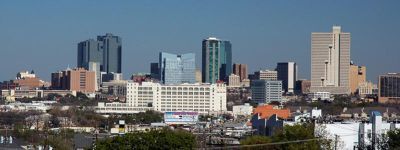
    The continued pursuit of commercial and residential development projects despite foreclosure filings is enough encouragement for Fort Worth foreclosure investing.

    Projects Amid Filings Push Fort Worth Foreclosure Investing

    Analysts said that continued construction and expansion work in Fort Worth shows the continued confidence of big-time investors in the economic recovery and growth of Fort Worth.

    The number of notices for foreclosure sales and pre-foreclosures in Fort Worth climbed up again in March, as shown in the increase of residential foreclosure for the April public auction.

    In the North Texas region, which includes Tarrant County where Fort Worth is located, the number of homeowners who received foreclosure filings reached 6,168, the first time total filings surpassed the 6,000 level since July 2009 when filings reached 6,072.

    Foreclosure postings in North Texas, which also includes the counties of Dallas, Collin and Denton, have been surging for the past several months. Records show that filings exceeded the 5,000 level for the 11th time in the past year.

    Researchers expect that the flow of homes into Fort Worth foreclosure listings will continue at a substantial rate, as the total postings for April marked a spike of 18 percent from the 5,213 postings for the April public auction in 2009.

    Despite the continued surge in foreclosure activity, development projects are being pursued, giving courage to people planning to get into Fort Worth foreclosure investing.

    Among current projects are the expansion of the LoLa mixed-use development in the Cultural District; the addition of an events center at the University of Texas-Arlington; and the opening of a Kroger Signature Store.

    Developers Clay Mazur, Mowlesh Ramarapu and Michael Barnes are expanding the LoLa complex with an upscale bar and grill, after their first venture, called Capital Bar, gained an instant following.

    The multi-purpose events center at UT, called Special Events Center, will be constructed at a cost of $78 million. It will include 7,600 seats for concerts and over 6,600 seats for court-based sports events. A hospitality suite, an academic center, a study room, an arts media center and offices for athletes will also be constructed.

    The Kroger store with a fuel center will anchor the new strip mall called Shops at Timberland Crossing in the northern part of Fort Worth.

    New commercial and office leases, acquisition of industrial buildings, renewal of retail leases and construction of college facilities all point to the confidence of businesspeople and city leaders in the growth of the city. They also affirm the investment plans of people engaged in Fort Worth foreclosure investing.

    Find great investments in other US top cities:

  • Chicago Foreclosure Investing Viable with Surge in Filings

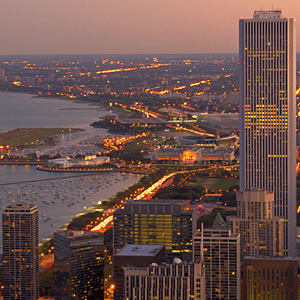
    Chicago foreclosure investing is viable because of the availability of low-priced foreclosures and good prospects for recovery in the metro area.

    Chicago Foreclosure Investing Viable with Surge in Filings

    According to a study released by the National People’s Action, more than 23,200 residential units entered Chicago foreclosure listings in 2009, equivalent to one foreclosure for every housing block in the city. In the foreclosure hotspots, more than two foreclosures were posted for every housing block.

    Completed foreclosures and pre-foreclosures in Chicago pushed down property values in the metro area, cutting down the average value of a home by $27,000 to $49,000 from housing values in 2004.

    The NPA even calculated that one new foreclosure was posted every 22 minutes in 2009 as unemployment and other economic difficulties pushed homeowners into default. The claws of foreclosure spread into all kinds of neighborhoods in Chicago, from the high-end condo complexes in the Near North portion of the city to the moderate-income bungalow neighborhoods in the northwest and southwest areas.

    All in all, however, the most affected areas are lower-income and minority neighborhoods, where majority of Latino and black families live. These minority-populated neighborhoods were hit by foreclosures two times more than white-populated communities.

    For people focused on Chicago foreclosure investing, they can choose among the neighborhoods their targeted areas for investments. According to the NPA, 53 percent of all foreclosed residential units in Chicago were foreclosed by the five biggest banks in the country.

    With the total home equity lost by Chicago homeowners reaching $15 billion over the past 5 years, house prices have plunged by $27,000 on the average, giving opportunities for investors to buy foreclosures at bargain prices, rehabilitate them and resell them at a profit.

    In January, the median price for single-family homes in the Chicago metropolitan area decreased by more than five percent to $175,000, compared to the $185,000 price median in January last year. In the city of Chicago, the price median decreased to $195,000, marking a five percent fall from the January median last year.

    According to records from the Illinois Association of Realtors, foreclosure sales drove up sales and pushed down prices for both single-family homes and condo units. Downtown condo units sold in January posted a median of $279,900, marking a 9.4-percent drop compared to the January median last year.

    To maximize returns, people engaged in Chicago foreclosure investing who have higher levels of capital can choose to rent out their properties while waiting for better home prices.

    Find great foreclosure investments in other Illinois Cities:

  • Los Angeles Foreclosure Investing in Properties for Rental

    Los Angeles foreclosure investing in single-family or smaller multifamily properties for rental is viable even during the downturn, according to moderately-capitalized investors in the metro area.

    Los Angeles Foreclosure Investing in Properties for Rental

    According to Johnny Caal, owner of six small Los Angeles County rental properties, he is still looking at Los Angeles foreclosure listings for properties that can be converted into rental complexes. He added that there is still a market for affordable but quality rental housing.

    In 2009, as rents went down and vacancy rates climbed up in big apartment complexes, smaller multifamily housing properties that can be managed more easily at lower costs thrived. Apartment properties with 15 units or less are not required by law to hire an onsite manager, cutting management costs.

    According to real estate firm Marcus & Millichap, while a lot of prominent apartment complexes for sale in 2009 did not get purchase offers, a total of 552 multifamily properties with 5 to 49 units got sold. In contrast, only 15 multifamily properties with more than 50 units got sold in 2009 and only 16 properties with at least 100 units got the attention of businesspeople focused on Los Angeles foreclosure investing.

    The prices of multifamily properties have also been falling, making them more affordable to investors. Last year, the median for a multifamily unit dropped by four percent from 2008 to about $128,500, giving opportunities for medium-capital investors to acquire smaller buildings and multifamily properties in pre foreclosures in Los Angeles.

    It was in April 2009 that Caal acquired his 6-unit apartment building through an innovative contract with the seller. Because of the poor condition of the building, no lender was willing to provide a loan for the purchase of the apartment. Caal negotiated with the seller, proposing to repair the building and then complete the purchase after a lender approves a loan. After several months of repairs, Caal was able to take out a loan to purchase the building.

    Caal said he remains interested in lower-priced distressed multifamily properties with great prospects, but he observed that many owners do not like to sell their properties despite financial difficulties because of low prices. He explained, however, that in some instances, real estate owners need to analyze their finances and sell their assets to cut their losses.

    With a number of distressed multifamily buildings in Los Angeles, investors with experiences in rental properties can consider Los Angeles foreclosure investing and take advantage of lower-priced multifamily properties in the metro area.

    Find great foreclosure investments in other California Cities:

  • Bronx Home Auctions Addressed by Habitat and Chase

    Bronx home auctions have become the focus of attention for Habitat for Humanity and Chase over the past weeks. Chase is one of the banking operations of JPMorgan Chase that serve consumers and small business enterprises.

    Bronx Home Auctions Addressed by Habitat and Chase

    Certain Bronx neighborhoods continued to suffer defaults and foreclosures, and in 2009, they contributed substantially to the more than 84,000 foreclosure postings in the New York metro area.

    To help solve the negative impact of foreclosures on neighborhoods in New York City, including the effects of pre foreclosures in Bronx, the Habitat for Humanity was provided with $10.54 million from the second funding round of the HUD Neighborhood Stabilization Program. For all its projects in five states, Habitat received a total of $137.62 from the second NSP funding round.

    Josh Lockwood, head of the New York Habitat for Humanity, said Habitat provides an affordable 30-year fixed-rate home loan with one-percent down payment, two-percent mortgage rate and 300 hours of sweat equity. The federal tax credit is also an additional benefit for first time home buyers.

    Habitat will also use part of the NSP funds to buy and fix foreclosed homes in Bronx. But in the meantime, they are focusing on neighborhoods in Oceanhill-Brownsville and Bedford-Stuyvesant in Brooklyn, where a lot of homes have been foreclosed and abandoned.

    Lockwood said that the NSP program has a time frame of only three years, with 50 percent of the funds spent within two years, so Habitat needs to identify and purchase properties from Bronx home auctions and rehabilitate them within the allotted time.

    Habitat has been among the most successful nonprofits. For a 41-unit condo project in Brownsville, it received more than 9,000 inquiries. Lockwood said the demand level is high, but Habitat has to serve first the low-income families and the first time homebuyers.

    With similar intentions, Chase opened two more home ownership centers in Brooklyn and in the Bronx to help more Chase borrowers save their homes from foreclosure. All in all, Chase has opened 5 centers in the area encompassing the Bronx, Brooklyn, Flushing, Jersey City and Paramus and has opened 37 centers throughout the country.

    In 2009, Chase has hired almost 6,000 professionals to carry out its loan modification program.

    According to David Schneider, mortgage servicing head at Chase, the counseling facilities in the Bronx are open from Monday to Friday with trained advisors to counsel homeowners at risk of losing their homes to Bronx home auctions.

    Search home auctions in other USA Top Cities:

  • San Antonio Home Auctions Rev up, but Prices Are Holding Up

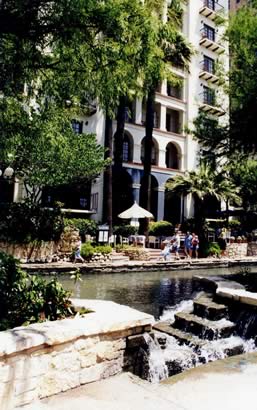
    San Antonio home auctions are revving up, but home prices in the area are holding up, based on reports from the National Association of Realtors and from research firms.

    San Antonio Home Auctions Rev up, but Prices Are Holding Up

    In Bexar County, where San Antonio is the county seat, a total of 1,353 foreclosure properties, including foreclosed homes in San Antonio, had been listed for the March auction. The number marked an increase of 25 percent from the number of houses listed for the public auction in March 2009.

    According to property investor Tony Zavala, foreclosure activity will continue over the next several months because of unemployment, adjustable-rate loans and refinancing difficulties.

    Foreclosure businessman Gregg Stanley affirmed the expected rise in foreclosures, but added that there is a positive trend developing: the sharp drop in pre foreclosures in San Antonio involving homeowners who have just bought their houses.

    Despite the rising foreclosure trend, however, home prices have been holding up. In December, the median sales price for a detached single-family home increased by 5 percent year-over-year to $148,300. The median in December 2008 was $141,200. Total home sales also increased by 8.3 percent over the one-year period.

    According to NAR analysts, the median price increase was driven by the increase in demand by first time home buyers taking advantage of the federal tax credits.

    Among the properties listed for the San Antonio home auctions in April are Mission Creek homes whose owners have failed to pay their homeowner association dues for the past two or three years.

    According to Mission Creek HOA officers, they have decided to file foreclosures on 84 houses in the community because their funds allotted for required services are already dwindling.

    Judith Gray, a lawyer chosen to be the auction trustee, said that the HOA can no longer function with ease because of the multiyear losses due to unpaid dues.

    However, according to the delinquent homeowners, they have stopped paying HOA fees deliberately to pressure Sivage Homes, one of the developers of the community, to make good on its promise of building a community park. Currently, the park consists of untended trees and grass. They also claimed that the association never responds to their requests for updates on community issues.

    According to housing analysts, if the 84 Mission Creek homes are not rescued from the San Antonio home auctions in April, home values in the community will sharply fall and could exacerbate the community problem rather than solve it.

    Search home auctions in other USA Top Cities:

  • Chicago Home Auctions Get Attention from Aldermen, Realtors

    Chicago home auctions have been getting the attention of aldermen and realtors because of the still high number of properties getting delinquent and foreclosed upon.

    Chicago Home Auctions Get Attention from Aldermen, Realtors

    According to a real estate firm, out of the almost 34,000 residential units currently for sale in the area, nearly 20,000 units are foreclosed homes in Chicago, representing a whopping 58 percent of the total inventory.

    To help slow down the flow of distressed properties into foreclosure lists, Chicago aldermen have proposed to use 20 percent of the city’s tax increment financing to help address the foreclosure problem although they are not yet clear how they can directly address the crisis.

    Some of the aldermen, however, explained that any improvement in neighborhoods carried out through TIF funds would increase property values and ultimately reduce the number of underwater properties and the number of underwater homeowners forced to abandon their homes.

    Aldermen said that the city has $1.3 billion in surplus TIF funds, so they should increase the percentage allocated to affordable housing. Among the plans under the proposed TIF-funded affordable housing program is to buy properties from Chicago home auctions and turn them into affordable homes or rental properties.

    Alderman Walter Burnett explained that when vacant properties are turned into tax-paying assets, the city gets more sources of funds for its housing programs, including cutting down the number of pre foreclosures in Chicago.

    The Chicago Department of Community Development will lead the program if approved. Officials estimate the flow of about $100 million in TIF money to the program every year.

    TIF funds started to be spent for rehabilitating blighted neighborhoods in the 1980s under the tenure of Mayor Harold Washington, but the funds faced fierce criticism over the past several years.

    Another group putting renewed focus on distressed and foreclosed properties is realtors. More and more real estate professionals are getting trained to become experts in handling distressed properties and short sales. They said that the percentage of troubled properties continues to rise, ranging from 20 percent in Saint Charles to about 75 percent in Lincolnshire, Buffalo Grove and Glenview.

    In Wauconda, about 61 percent are distressed. In the suburbs of Chicago, the percentages of properties in foreclosure are even higher.

    Realtors said that professional trainings equip them with tools to deal with oftentimes emotional homeowners and to walk them through short sales that prevent their properties from going into Chicago home auctions and thereby contain the damage on their credit records.

    Search home auctions in other USA Top Cities:

  • Las Vegas Home Auctions Cut Down Prices in All Neighborhoods

    The still high numbers of properties listed for Las Vegas home auctions have depressed home prices in all neighborhoods in the Las Vegas area in 2009, based on reports from SalesTraq.

    Las Vegas Home Auctions Cut Down Prices in All Neighborhoods

    Throughout Las Vegas, the median sales price for existing homes dropped to $128,108, a whopping 38-percent fall from the median in 2008. The sales price median for zip codes was about $120,000 to $125,000, a decrease of 23 percent from the zip code median in 2008.

    Among the high-end neighborhoods which suffered steep price drops were zip codes 89146 and 89109, where prices fell by 57 percent and 60 percent, respectively.

    The 10-percent drop by the least affected neighborhoods, such as zip codes 89123 and 89107, was still a relatively sharp price drop when compared to price declines in other cities. The median sales price in zip code 89107 in 2009 was $70,500.

    The zip code 89146 was the only neighborhood that experienced a price appreciation in 2008, but in 2009, it also succumbed to steep price declines, posting a stunning 57-percent drop to $110,000 in 2009.

    Analysts said that Las Vegas home auctions have made homes in the city tremendously undervalued. They said that the current prices of homes are much below the amounts of money needed to build homes.

    Larry Murphy, president of SalesTraq, noted that the prices of previously-owned homes in Las Vegas reached its highest level in 2006 at $285,000 and then fell in August last year to $120,000.

    Murphy also said that the total number of foreclosed homes in Las Vegas in 2009 – about 26,000 units – will be replicated this year. The zip code 89131, which suffered most last year with 1,167 foreclosure homes, is again expected post a lot of filings.

    The pace of foreclosure in the area slowed, but the trend was still upward, with 17.4 foreclosures being posted for every 1,000 households.

    Murphy also said that he agreed with other analysts that pre foreclosures in Las Vegas will increase, but he contended that actual foreclosures will not increase as sharply as over the past year because more lenders will agree to short sales.

    Analysts also contended that more residential properties will enter Las Vegas home auctions because of strategic defaults. They noted that online forums and social networks are full of talks about the option of strategic default, encouraging more distressed homeowners to consider walking away when their homes have become extremely underwater.

    Search home auctions in other USA Top Cities: