Author: jfoxx

  • Home Foreclosures in Orlando to Continue Depressing Prices

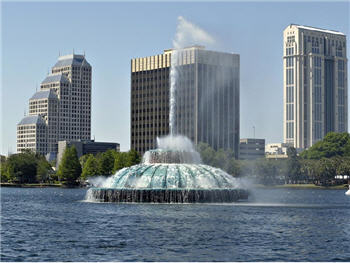
    Home foreclosures in Orlando are expected to continue depressing home prices sharply, according to market analyst Fiserv Inc.
    Home Foreclosures in Orlando to Continue Depressing Prices

    Because of various negative factors playing in the Orlando market, house prices in the area are expected to plunge further year-over-year by 21 percent through the July-September quarter this year and then start to rise by 1.5 percent over the following four quarters.

    Fiserv also predicted that the large inventory of Florida home foreclosures will continue pulling down home prices, with houses in Miami experiencing the steepest price fall. Prospective buyers seeking advice on how to find foreclosed homes can contact sellers in Miami as home prices in the area are expected to decline by 33 percent through the July-September quarter.

    On the other hand, Tallahassee prices are expected to hold up and post a drop of only 8 percent year-over-year.

    Stan Smith, housing market analyst and finance professor at the University of Central Florida, said that the projected double-digit home price decline in Orlando is not without basis because of the continued rise in unemployment in the metro area.

    Fiserv economist Smith pointed to the 12-percent unemployment rate and the still large numbers of home foreclosures in Orlando as the two major reasons for continued fall in prices in the area.

    In January this year, the sales price median for previously owned homes fell by a whopping 30 percent year-over-year, according to data collected and analyzed by the Orlando Regional Realtor Association.

    The sales price median for existing homes in January was $103,000, a 14.2-percent drop from the $120,000 sales price median for homes sold in December 2009. Compared to the $148,000 sales price median in January 2009, the January 2010 median marked a whopping 30.4-percent spike.

    According to Smith, because of the depressed prices and the high foreclosure inventory in Orlando, households earning the $52,820 median income can already afford to buy a house priced more than double the January median of $103,000 for pre-owned homes.

    Smith also explained that Orlando lies in the middle of Florida cities in terms of price recovery. While Orlando is expected to start to recover in the final quarter of 2010, Gainesville and Miami will still struggle until 2011. Sarasota, on the other hand, is expected to post the highest increase in price statewide.

    Additionally, Smith said that the continued price declines will push up the number of home foreclosures in Orlando as severely underwater homeowners tend to walk away from their mortgages.
  • Home Foreclosures in Los Angeles Waning, Home Prices Rising

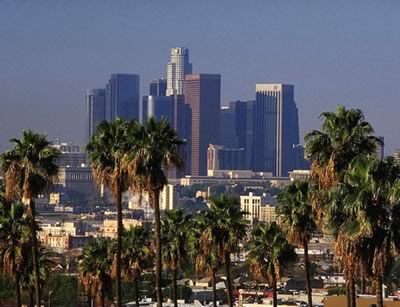
    Home foreclosures in Los Angeles are tapering off, sparking increases in house prices in the area, based on reports from the California State University Valley Economic Research Center in Northridge and the California Building Industry Association.

    Home Foreclosures in Los Angeles Waning, Home Prices Rising

    In the San Fernando Valley, where more than half of Los Angeles City is located, foreclosure filings decreased by a substantial 41 percent from the January 2009 filings of 1,644 to only 972 in January this year. The filings are also down by four percent from December.

    Completed foreclosures in the Valley also fell sharply to only 507 units in January, a sharp 34-percent plunge from December and an 11-percent decrease from January 2009.

    With the slowing entry of properties into lists of foreclosed homes, home prices have been continuing their upward trend. Based on data from the California Building Industry Association, the median sales price for new homes in Los Angeles rose to $449,750 in December last year, up by three percent from the $437,500 median in December 2008. Another report showed that the median for existing homes rose to $398,750 in January this year.

    Sales of newly-built homes also soared, posting a 31-percent jump from the 141 new homes sold in December 2008 to 184 new homes transferred to buyers in December 2009.

    Nevertheless, despite the improvements in home prices and sales, a number of real estate professionals are still doubtful if the area has finally recovered from the effects of home foreclosures in Los Angeles. Robert Kleinhenz, a top economist at the California Association of Realtors, said that he is concerned about what happens to the housing market when the federal tax incentives end and when mortgage rates rise again in the coming months.

    Kleinhenz explained that mortgage rates will certainly go up if the Federal Reserve carries out its plan of stopping its purchases of mortgage-backed securities from Fannie Mae and Freddie Mac on March 31. He added that this purchase program, in addition to the tax credit program, has been helping reduce the inventory of California home foreclosures.

    Additionally, despite reports of price appreciation, the percentage of mortgaged homes in negative equity in Los Angeles has risen to 27 percent in the final quarter of 2009.

    The pace of home foreclosures in Los Angeles surged by more than 37 percent in 2009, but could reverse its direction if the slowdown shown in foreclosure reports for the San Fernando Valley and the entire state of California in January continues.

  • Actual Home Foreclosures in Fort Worth Fell As Filings Rose

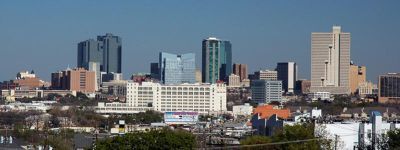
    Filings for home foreclosures in Fort Worth surged in 2009, but actual foreclosures declined, based on data from research firms.

    Actual Home Foreclosures in Fort Worth Fell As Filings Rose

    In the Fort Worth-Dallas metro area, more than 35,500 households were hit with foreclosure and delinquency notices in 2009, representing 1.5 percent of all residential units in the area.

    Despite the relatively high number of foreclosure postings, the foreclosure situation in Fort Worth area is still more manageable than the situation in 93 other metro areas in the country.

    According to mortgage analysts, the toxic mortgage problems and overpriced housing problems that caused record numbers of real estate foreclosure properties in other metro areas did not occur to a significant extent in Fort Worth and in other parts of Texas. Tighter state mortgage regulations and market experiences during the savings and loan crisis in the 1980s and 1990s in Texas have made consumers and lenders more cautious.

    Last year, the rate of Texas home foreclosures surged by over 4 percent from 2008 with a total of 100,045 homeowners notified of their delinquency and foreclosure status. The number was equivalent to 1.1 percent of all homeowners in the state and ranked Texas 29th in foreclosure activity compared to other states.

    Based on a report released by another research firm, the number of actual home foreclosures in Fort Worth declined in 2009 by 12 percent because more lenders finally complied with the federal Home Affordable Modification Program. They filed the foreclosure cases but they did not pursue them as they gave time for troubled borrowers to work out repayment schemes.

    In addition to the fact that the release of a huge number of foreclosure properties into the market pushes down real estate prices further, many lenders also realized the costs of maintaining foreclosed properties.

    The decision of lenders to delay foreclosure was the main reason actual foreclosures declined while foreclosure postings increased.

    Todd Mark, a top executive of the Consumer Credit Counseling Service of Greater Dallas, said that more lenders are now allowing distressed borrowers to remain in their houses to give them more time to weigh their home ownership options and at the same time to ensure the maintenance of the properties.

    According to local analysts, home foreclosures in Fort Worth did not put a heavy pressure on home prices. The average home price hovered around $132,042 over the past month.

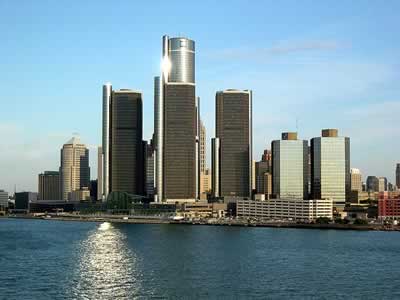
  • Home Foreclosures in Detroit Defining a New Vision for City

    Home foreclosures in Detroit are contributing to the redefinition of the vision for Detroit, as mass layoffs in the auto industry and foreclosures forced city residents to move to other states or to the suburbs and cut down total city population by about 150,000 from the total census count of 951,270 in the year 2000.

    Home Foreclosures in Detroit Defining a New Vision for City

    Mayor Dave Bing, who was elected in 2009 to complete the term of former Mayor Kwame Kilpatrick, has been promoting his new vision for Detroit, different from the grand development plans of his predecessors. This time, Mayor Bing is encouraging his constituents to accept the reality of a smaller population, a smaller tax base and a smaller budget.

    According to Mayor Bing, the city will no longer spend funds to make the 2010 census in the city more accurate to be able to get a higher level of funding. Political analysts said that the smaller census count for Detroit may make the city miss huge amounts in funding as each resident counted means around $1,000 to $1,200 in funding from the federal government. However, they understand that the city no longer have the financial resources to boost the census count.

    The city reached its peak in population in the 1950s when it had almost 2 million residents. Analysts said that the population would settle below 700,000 as unemployment and home foreclosures in Detroit continue to push more people to leave the city.

    In January this year, the pace of Michigan home foreclosures slowed by 12.7 percent compared to December 2009, but total foreclosure postings are still substantial, putting the state seventh in the country in foreclosure rate.

    A total of 17,574 residential units in the state were notified of default or foreclosure, and 5,302 of these units were already in bank listings of real estate foreclosure houses. Total statewide filings marked a 54-percent increase from filings in January last year.

    Academic and philanthropic groups have been supporting Mayor Bing in his efforts to renew Detroit in a different way. Some of them are visualizing a city of urban parks, urban farms and open spaces.

    Rip Rapson, head of the Kresge Foundation, is supporting the mayor by investing in development projects that salvage the best remnants of old Detroit.

    According to architect Dan Pitera of the University of Detroit, the potential of the city’s open space, which arose when commercial and home foreclosures in Detroit left about 40 square miles devoid of activity, is enormous.

  • Jacksonville Home Foreclosures Kept Prices Depressed

    Jacksonville home foreclosures kept house prices depressed in 2009 and in January this year, based on data released by the Northeast Florida Association of Realtors and the Florida Realtors.

    Jacksonville Home Foreclosures Kept Prices Depressed

    In 2009, the median price for previously-owned single-family homes dropped to $152,200, a decrease of 16 percent from 2008. The median price for condos also dropped to $112,100, a decrease of 24 percent from 2008.

    In January this year, the median price for all pre-owned homes fell further to $133,990, a drop of 13.6 percent from January last year. The median price for pre-owned single-family homes also dropped to $175,000, a decrease of 1.7 percent. The median price for distressed sales also decreased, making a 22-percent drop to $89,950.

    As home prices fell in Jacksonville, total home sales increased both in 2009 and in January this year. Sales of single-family homes in 2009 rose by 21 percent from the preceding year to 12,019 units and sales of condos climbed up by 38 percent to a total of 1,429 units.

    Statewide, sales of previously-owned homes increased to 163,148 units, a jump of 31 percent from the 124,168 houses sold in 2008. Sales of condo units rose to 55,985 units, an increase of 47 percent.

    According to housing analysts, property values are still suffering from the impact of record numbers of foreclosures. In January this year, the pace of Jacksonville home foreclosures continued its upward direction compared to January 2009. Foreclosure filings in the metro area rose by 16 percent to 2,570 filings, putting Jacksonville 37th in the metro foreclosure rate charts.

    The rate of home foreclosures in Florida also increased in January this year compared to last year. Total foreclosure filings increased by 15.5 percent to 47,069 filings, putting Florida fourth among U.S. states in the foreclosure charts.

    Foreclosures lists also put a downward price pressure statewide. In 2009, the median price for previously owned homes in Florida dropped to $142,600, a decrease of 24 percent from 2008. The median price for pre-owned condo units dropped by 34 percent from the 2008 median to $108,000.

    In Florida, the priciest single-family market in 2009 amid the downturn was the Boca Raton and West Palm Beach area, where the median price was $239,000.

    In December 2009, it was the lower-priced Jacksonville home foreclosures that drove the 8.7-percent increase in pre-owned home sales in the area to 1,287 units. Sales of existing homes statewide also increased by more than 4 percent to 14,630 units.

  • Fort-Lauderdale Home Foreclosures Bucked Florida Trend

    Fort-Lauderdale home foreclosures continued to climb up in January as job losses, negative equity and toxic mortgages combined to push homeowners into situations where they have no options other than to let their homes go into foreclosure.

    Fort-Lauderdale Home Foreclosures Bucked Florida Trend

    In January this year, Broward County, where Fort Lauderdale is the county seat, posted the highest rate of foreclosure activity in Florida, with one housing unit out of every 105 homes in the county getting hit with a distressed filing.

    A total of 7,677 households in Broward received foreclosure notices in January, up by 74 percent from January 2009. The number of default notices soared by more than 200 percent during the same period.

    According to Fort Lauderdale lawyer Shari Olefson, who has been specializing in real estate, the supply of condo buildings overwhelmed demand in Broward, leading to a depression of condo values. She added that a lot of people used adjustable-rate mortgages to buy large houses and walked away when the loans readjusted to much higher rates.

    Analysts like Greg McBride of Bankrate.com also pointed to negative equity as a major cause of foreclosure. A real estate firm stated that 40 percent of owners of single-family homes in the counties of Broward, Palm Beach and Miami-Dade are underwater and many of them are expected to let their properties become foreclosure homes for sale if values fall further down.

    In 2009, Fort-Lauderdale home foreclosures contributed substantially to the nearly 173,000 foreclosures posted by the entire metro area of Miami, Fort Lauderdale and Pompano Beach. The total number represented more than seven percent of all households in the area and marked a 44-percent increase from filings in 2008 and an overwhelming 199-percent increase from 2007. The metro area posted the tenth highest rate of foreclosure last year.

    In contrast to the rising foreclosure pace in Fort Lauderdale, the pace of home foreclosures in Florida slowed by 15 percent in January compared to the previous month. The number of filings, however, was still high at 47,069, compared to filings in other states. The number represented one household out of every 187 homes and put Florida fourth in foreclosure rate among states.

    Based on records from the Florida Supreme Court, foreclosure cases filed in courts throughout the state in 2009 surged by about 8 percent to 398,825, with Miami and Fort-Lauderdale home foreclosures contributing substantially to the total number of filings. Miami-Dade courts received 63,522 cases while Broward County courts received 49,604 cases.

  • Bronx Home Foreclosures Saved by Former Mets Player Vaughn

    Bronx home foreclosures are being turned around by former Mets baseman Mo Vaughn and his partner Eugene Schneur. After retiring from his baseball career in 2003, Vaughn entered the real estate sector in 2004, set up his company called Omni New York and began his journey to become one of the most respected leaders in affordable housing.

    Bronx Home Foreclosures Saved by Former Mets Player Vaughn

    After launching his firm in 2004, Vaughn bought 286 affordable housing units in the Bronx and by the following year, he has already accumulated 869 units. Vaughn said that when he set up his company, he wanted people to know that he was serious in putting up a real estate firm that they can trust and respect.

    Today, Omni New York has grown to a middle-sized company capable of competing against bigger firms in the acquisition of properties, particularly buildings battered by home foreclosure in New York. In December, Omni was chosen by city officials to buy the dilapidated and foreclosed 416-unit 14-building South Bronx building.

    Rafael Cestero, housing development commissioner of New York City, said Omni has proven its capability in turning around troubled real estate projects and rehabilitating Bronx home foreclosures.

    Since 2004, Omni New York has spent more than $500 million in acquiring and rehabilitating almost 3,500 units in 21 affordable housing complexes in the Bronx, Long Island, in Brooklyn and even foreclosed new homes in faraway Wyoming.

    Most of the buildings in New York acquired by Omni are Section 8 complexes, which are occupied by low-income renters using government vouchers to help them pay the monthly rent. To make its operations viable in the low-income sector, Omni uses tax-exempt bond funding and housing tax credits to acquire buildings covered by rent control laws.

    The first project that made Omni popular was the rehabilitation of the Noble Drew Ali Plaza in Brooklyn, whose 358 crumbling units were occupied by drug addicts and dealers. Cestero said that Omni was able to turn the dilapidated complex into a quality place called the Plaza in just two years of aggressive revitalization efforts that included installing 326 security cameras, energy-saving appliances and new elevators.

    Last year, Omni was again chosen to acquire 14 low-income apartment buildings that were left to decay by troubled Ocelot Capital Group. With their record in turning around Bronx home foreclosures, Vaughn and his partner Eugene Schneur are expected to fulfill the hopes of renters of these properties to finally live in peaceful and stable surroundings.

  • Houses in Foreclosure Listings Fell, but May Surge Again

    The number of houses in foreclosure listings declined across the U.S. in January this year, but may surge again, according to analysts working with a California-based real estate information provider.

    Houses in Foreclosure Listings Fell, but May Surge Again

    Wage reduction figures and unemployment rates are still rising, putting more people into situations where they have to choose between paying for food and paying their monthly mortgage amortizations.

    Additionally, the Home Affordable Modification Program, which was designed to help distressed families, has not been effective in keeping people in their homes. HAMP may have modified loans for thousands of home owners, but many of these have also been redefaulting because they could not sustain the payments either because of job loss, divorce or serious illness.

    Another factor that will drive residential foreclosures this year is the record number of homeowners in negative equity. According to another report, one in five mortgaged homes in the U.S. was underwater in the fourth quarter.

    In January, a total of 315,719 residential properties in the U.S. received default or foreclosure notices, a drop of almost 10 percent compared to December last year, but still a 15-percent increase from total notices in January last year.

    The number of houses in foreclosure listings also dropped by five percent from the preceding month, but climbed up by 31 percent compared to REO listings in January 2009. Default filings dropped by 12 percent compared to December, but rose by 4 percent compared to January 2009. Similarly, the number of properties listed for foreclosure auctions fell by 11 percent, but increased by 15 percent compared to January 2009.

    Nevada remained the most foreclosure battered state in the country, despite a slowdown of almost 18 percent in foreclosure pace compared to January 2009. One out of every 95 homeowners in the state was hit with a foreclosure filing, putting a total of 11,854 homes into default or foreclosure listings.

    Again, California, with 71,817 foreclosure filings; Florida, with 47,069 filings; and Arizona, with 21,048 filings, had the three highest foreclosure totals and accounted for over 44 percent of all units in default or foreclosure across the U.S. in January.

    Las Vegas and Phoenix posted the two highest foreclosure rates among metro areas in January, although Las Vegas showed a decline in foreclosure activity both on a month-over-month and a year-over-year basis.

    Among the top ten metro areas with high rates of houses in foreclosure listings, it was only Phoenix which posted an increased pace of foreclosure activity compared to the previous month.

  • Merced Foreclosures, Job Losses Soared, Yet Snubbed by HUD

    Merced foreclosures and job losses soared in 2009, but the Housing and Urban Development Department did not allocate any money to the area in its second round of distribution of Neighborhood Stabilization Program funds.

    Merced Foreclosures, Job Losses Soared, Yet Snubbed by HUD

    With 10.1 percent of its homeowners struggling from default or foreclosure in 2009, Merced posted the sixth-highest county rate nationwide and the highest foreclosure rate among counties in California. Nearly 8,400 foreclosures were posted in the county during the year, up from the 8,291 foreclosures filed in 2008.

    Over the period September 2006 to the last month of 2009, almost 9,600 residential units were repossessed, many of which were already sold to people buying foreclosures for sale. During the same period, over $3.6 billion in outstanding mortgage payments remained unpaid.

    In addition to the record foreclosures, the rate of defaults in the county also rose. In November last year, 19 percent of all homeowners in the county were in default by at least three months, increasing expectations of more foreclosures this year.

    The record number of Merced foreclosures in 2009 pulled down the median sales price in the county to $115,000, far below the average sales price of $362,398 in June 2006, based on data from a San Diego residential real estate tracking firm.

    Despite the record foreclosures, Merced and other foreclosure-hit counties in the Central Valley – Stockton, San Joaquin and Stanislaus – did not receive any money from the NSP second funding allocation. Among Valley cities, only Modesto got something from NSP – an allocation of $25 million.

    Representative Dennis Cardoza, whose 18th District covers portions of Stockton, said he had written HUD Secretary Shaun Donovan and asked him to do something about the omission. Cardoza even related that he previously toured Donovan around his district and showed him the devastation caused by foreclosures.

    Cardoza also argued against the reported reason for the rejection – that Central Valley cities have not shown their ability to remodel foreclosure properties. He reiterated that it is unfair to require rehabilitation achievement levels viable in larger cities but impossible in smaller cities that are financially struggling.

    All in all, however, California foreclosures got a lot of attention from HUD. It gave more than $318 million to the state, a huge amount of money especially when compared to the measly $20.9 million given to Nevada, the most battered state in 2009.

    As in other counties battered by job losses, Merced foreclosures soared largely because of the worsening unemployment situation. In November, the jobless rate in Merced shot up to 18.3 percent, up from 12.4 percent in October.

  • Buying Foreclosed Property at a Bargain Still Doable in 2010

    Buying foreclosed property at a bargain is still doable in 2010 despite reports of price appreciation in several areas of the country.

    Buying Foreclosed Property at a Bargain Still Doable in 2010

    According to Lawrence Yun, head economist of the National Association of Realtors, distressed sales and foreclosure sales will continue to rise and put downward pressure on home prices.

    Based on data from various realtor associations, short sales and foreclosure sales accounted for one-third of total house sales in December. The distressed percentage is even much higher in certain areas such as Las Vegas and other cities clobbered by foreclosures and handyman specials.

    In Las Vegas, foreclosure properties have been comprising an overwhelming 74 percent of total house sales and have been cutting down the prices of nondistressed homes by 23 percent. According to local analysts, the price pressure would have been heavier if banks have not been slowing down the release of units from their foreclosure inventories.

    Las Vegas banks have been encouraging bidding wars to improve foreclosure prices by strategically rationing out their repossessed properties.

    Other markets where flipping houses is possible are Cincinnati and Columbus in Ohio, Minneapolis and Saint Paul in Minnesota and in Denver, Colorado.

    Buying foreclosed property at a big discount is also possible in Pittsburgh, where the rate of foreclosure is not as high as in other metro areas, but where banks release repossessed properties to the market as they take them back from auctions.

    In Pittsburgh, foreclosure homes account for only ten percent of house sales, so banks sell them off at discounts of as much as 59 percent to remove them quickly from their books.

    Housing analysts contend that the foreclosure problem would become more widespread this year because the major cause of financial difficulties is no longer toxic mortgage loans, but rapidly rising unemployment rates.

    While before the foreclosure crisis is concentrated in neighborhoods where residents took out costly home loans, the unemployment problem is now driving foreclosures in areas where residents took out prime loans and in upscale neighborhoods where residents enjoy high incomes.

    Even extremely affluent areas like the Hamptons on Long Island have been experiencing defaults and foreclosures – words never heard of on the island for decades.

    Additionally, analysts contend that investors would account for a huge percentage of people buying foreclosed property in 2010 as many occupant buyers have already made their purchases last year and as mortgage lenders tighten their lending policies.

  • Buy Foreclosure Houses in Ohio Which Posted 101,000 Filings

    Buy foreclosure houses in Ohio, a state that posted more than 101,000 foreclosure filings in 2009 and whose foreclosure rate of more than two percent put it 12th in a ranking of the most foreclosure-battered states in 2009.

    Buy Foreclosure Houses in Ohio Which Posted 101,000 Filings

    In Central Ohio, foreclosures also climbed up each year over the last ten years, accumulating a total of 99,370 foreclosures since 2000 and representing about one foreclosure posting for every six housing units in the region.

    Based on documents from state courts, foreclosure filings in the counties of Franklin, Delaware, Union, Licking, Fairfield, Madison, Pickaway and Morrow rose by more than three percent in 2009 to 13,900 filings from 13,480 filings in 2008.

    Statewide, foreclosure filings rose by 1.5 percent to 66,453 in the first three quarters of 2009 from 65,452 filings during the same nine-month period in 2008. The filings count by the Ohio Supreme Court for 2009 was lower than other estimates because data from some counties were not available. This meant that there were more foreclosures than counted and there are more opportunities for investors to buy foreclosure houses and land foreclosures in Ohio.

    According to Columbus bankruptcy lawyer Larry McClatchey, the pace of foreclosure in Ohio will not slow down significantly if the employment situation is not improved first.

    The most foreclosure-battered county in Ohio in 2009 was Huron County, where one foreclosure was filed for every 33 housing units in the area. The foreclosure rate marked a 67-percent increase from 2008 and a stunning 1,272-percent increase three years ago.

    Charlene Watkins, a housing counseling specialist for WSOS Community Action Commission, said that single-family and condo foreclosures have been increasing in Huron for the past four years. According to her, the primary causes were loss of income, increased monthly payments for adjustable-rate mortgage borrowers, medical problems and divorces.

    Last year, pay cuts and plant closures worsened economic conditions in the county. In the first quarter last year, Huron County posted the highest jobless rate in Ohio. It posted the second highest in April, the second highest in May and remained among the most battered by job losses ever since.

    According to Watkins, not all Ohio counties suffered high foreclosure rates. Sandusky County and Ottawa County had much lower rates than Huron, with rates of one in 67 and one in 66, respectively.

    Watkins advised distressed homeowners to contact WSOS Community Action for help or else their homes would become easy targets for people who buy foreclosure houses for a living.