Author: jkingstone

  • Low-Priced Cleveland Foreclosed Homes Still Abound

    Lower-priced Cleveland foreclosed homes still abound, according to Ohio real estate analysts. The Ohio cities of Cleveland and Cincinnati have tied for 7th place on a list of top U.S. cities with the supply of homes still exceeding demand.

    Low-Priced Cleveland Foreclosed Homes Still Abound

    Although lower-priced foreclosures currently do not dominate home sales in Cleveland, home prices are still relatively low, making Cleveland among cities where bargains can still be found.

    Based on an online real estate firm, the average home sales price in March was $93,138. It dropped to $90,454 in the first weeks of April.

    Forbes magazine listed both Cleveland and Cincinnati in its top-ten list of cities with the highest number of unsold houses and longest stays of houses for sale on the market. Forbes cited double-digit unemployment rates as among the major reasons for weak activities in the housing markets of these cities.

    In 2009, more than 22,000 homes in the Cleveland area were notified of delinquency and repossession, a relatively high number but it marked a 19-percent drop from foreclosure postings in 2008.

    The number of Cleveland foreclosed homes dropped, but foreclosure properties still abound because the pace of home sales in the metro area has not been as strong as in other metro areas.

    In contrast, the number of foreclosed homes for sale in Ohio increased in February month-over-month by 1.6 percent. Almost 11,300 homes were put into various phases of the foreclosure process in February, with 3,333 units already in the real estate owned listings of banks.

    In January, foreclosure activity in Ohio slowed compared to December last year, but there were still more than 11,000 homes which entered foreclosure filings. As statewide foreclosure stepped up, the ranking of Ohio jumped up from 14th in January to 12th in February. The 12th place was also the ranking of Ohio in 2009, indicating that any housing market improvement in January was erased by further foreclosure activity in February.

    Nevertheless, according to a certain group of housing market analysts, certain cities in Ohio, such as Cleveland, Cincinnati and Columbus, will recover faster than most other cities. These analysts said that the slight surge in home prices in Cleveland will further improve in the coming months.

    They also said that banks in the area have decided to cut down their housing inventories significantly, reducing their prices for Cleveland foreclosed homes in order to rejuvenate the market and step up sales of properties in their books.

    Find more foreclosure listings in Cleveland, OH:
  • Big Surge in Indianapolis Foreclosed Homes Stirs Concern

    A big surge in number of Indianapolis foreclosed homes is feared by officials in the metro area and in the state of Indiana as the pace of mortgage defaults and foreclosure has been rising over the first months of the year.

    Big Surge in Indianapolis Foreclosed Homes Stirs Concern

    According to a real estate consultancy firm, the number of mortgage loans in Indianapolis and all other parts of Indiana that became delinquent by three months or more has jumped up in January this year to its highest point in more than 12 months.

    The number of residential units that became bank-owned foreclosed homes for sale in Indiana in February was still high at 1,514 units, equivalent to a high 35 percent of all foreclosures filed statewide in February. Despite a slowdown in pace of statewide foreclosure activity, there were still almost 4,400 village properties and other types of housing units that were notified they are already delinquent or foreclosed in February.

    In February, according to a property market research firm, over 1,500 residential units in the ten-county Indianapolis metropolitan area were given notices of delinquency and foreclosure. The number of Indianapolis foreclosed homes is expected by analysts to jump up because of the high mortgage delinquency rate in the metro area. Almost eight percent of all residential mortgage loans in the area have become delinquent by 3 months or more.

    According to analysts, despite earlier positive outlook for Indianapolis, the high number of workers who lost their jobs and failed to find new jobs may block earlier signs of recovery to prosper. The surplus in available housing units and the still high number of distressed properties are additional burdens weighing down on the Indianapolis housing market.

    Local realtors even fear that the rise in number of lower-priced properties may push down prices further down, although improved home affordability has been encouraging local buyers and out-of-state investors to buy properties in the area.

    Federal foreclosure programs like the Hope Now program and bank efforts like the Chase loan modification initiative have not succeeded in stopping foreclosure activity. Chase has increased the number of its employees focusing on loan modification and has intensified its efforts in Indiana, but not many are getting qualified for the bank modification scheme because of unemployment.

    According to one of the biggest real estate businesses in the area, Indianapolis foreclosed homes and other distressed properties accounted for nearly 30 percent of all residential sales last year.

  • Oasis of Row Houses Amid Bronx Pre Foreclosure Homes

    There is an oasis of tranquil row houses amid Bronx pre foreclosure homes, old low-income housing and broken industrial buildings in the Hunts Point area of the Bronx.

    Oasis of Row Houses Amid Bronx Pre Foreclosure Homes

    This cluster of around 40 two-story semidetached row homes along Manida Street were built around the 1900s, but they are still showing the endurance typically seen in structures lovingly built at the turn of the century. With several of them beautifully preserved or restored, they still show the Flemish architectural style prevalent during the time German families dominated the Bronx neighborhoods.

    The owners of the row houses had always known that their homes are very special, so many of them tried their best to keep them. Some of them now are even working with city preservation advocates to have the row houses declared as historic buildings and acquire landmark status.

    One of the residents is Cybeale Ross who bought her home for $16,500 in 1958 and has preserved the French doors, high ceilings, bay windows, stained-glass skylight and Gothic arches. She related that she never thought of selling her home. Even during the time Bronx was burning, she refused to leave.

    Through the years, the historic row houses endured developments that came their way, whether devastating or beneficial, but the emergence of Bronx pre foreclosure homes and other types of foreclosures in Bronx affected them in a significant way.

    While the prices of the Manida homes shot up to $533,000 during the peak of the housing market in 2008, now the prices have gone down to $370,000 as nearby homes and buildings enter listings of mortgage and government tax foreclosures.

    Some owners have made some interior changes, including those who have bought their homes over the past five years. Others who have made changes in the past have decided to restore the original look that featured French doors, upstairs skylights and back patios.

    According to Bronx borough historian Lloyd Ultan, the houses were built on subdivided farmland around 1900, the time suburbs were being developed to reduce congestion within New York City. The dominant residents then were of German ancestry, so it is not surprising that the Manida row houses exhibit Flemish architecture.

    Ultan said that the Manida row houses show that there are treasures in areas most New Yorkers think are devastated by Bronx pre foreclosure homes. He added that the Manida homes have good reasons for applying for landmark status.

  • Charlotte Pre Foreclosure Homes Contributed to Vacancy Surge

    Charlotte pre foreclosure homes have contributed to the rise in apartment vacancy rate in the metro area, as more foreclosure properties mean lower home prices and more affordable homes for renters.

    Charlotte Pre Foreclosure Homes Contributed to Vacancy Surge

    The housing crisis and current financial difficulties have also pushed young adults to move out of their rental apartments and move back in with their parents to cut costs.

    According to Charlotte apartment market analyst Real Data, the apartment vacancy rate in Charlotte has soared to 13.6 percent, the highest level reached in the region. Two other major reasons for the vacancy increase are the surplus of rental apartments and the recession.

    Real Data said that a total of 9,400 new apartment units were added to the Charlotte rental market over the two-year period from 2008 to 2009. Within the ten-year period from 2000, there was also a two-year span when almost 13,000 new apartment units entered the market.

    Construction of new apartments has declined sharply as projects planned for this year have been stopped. Developers realized Charlotte pre foreclosure homes are still surging and the apartment vacancy rate is still rising.

    The pace of foreclosures in Charlotte and in other areas of Mecklenburg County jumped up in February by a staggering 82 percent from the pace of February 2009 and surged by 17 percent from filings in January. People planning to find lists of foreclosures in Charlotte will not be frustrated as the local market is still full of distressed properties.

    Nearby counties such as Gaston, Catawba, Cabarrus and Iredell and Rowan also posted increases in foreclosures. Even the economically stronger counties of Wake, Orange, Durham and Johnston because of their research facilities and high technology enterprises posted faster paces of foreclosure activities.

    In the South End area, apartments are also suffering from low occupancy rates. The 360-unit apartment complex of Crescent Resources is only 66-percent occupied. The 269-unit owned by Dinerstein Co. is 44-percent occupied and only because the developer was able to forge a contract with corporate housing provider Oakwood.

    The vacancy rate in South End has climbed up from 8.6 percent in February last year to 17.7 percent in February this year. The average rent fell slightly from $887 last year to $877 this year.

    Despite the high vacancy rates, apartment owners are optimistic the market will recover faster than expected as rents have stopped falling and have started rising. They hope that the impact of Charlotte pre foreclosure homes on the apartment sector will not be as strong as before.

  • Foreclosure Woes Addressed by Flipping Aurora Pre Foreclosure Homes

    Local community development authorities are finding ways to make pre foreclosure homes in Aurora and other distressed properties in the area pay some dividends for the whole neighborhood.

    Foreclosure Woes Addressed by Flipping Aurora Pre Foreclosure Homes

     
    Armed with the federal grant provided by the U.S. government, the community has established a method to battle the impact of foreclosures in Aurora. The $4.5 million aid money from the federal government is being used to purchase foreclosed properties under the Neighborhood Stabilization Program.
     
    According to local community development officials, the Program is focusing on purchasing the least-valued foreclosures in Aurora and converting them into some of the highest valued properties in the city.
     
    These residential structures are renovated and fixed and then sold for a higher price than what they would have fetched before the renovation. So far, the city has bought 26 foreclosure single family homes.
     
    The money earned from the sale is then reinvested into the Program and used to buy more distressed properties. It’s been estimated that foreclosures in Aurora reach the range of three thousand to six thousand properties annually.
     
    The strategy of house flipping Aurora pre foreclosure homes and distressed properties is meant to increase the economic profile and value of the neighborhood, according to city development authorities. This, in turn, will help prevent crime and poverty in the area.
     
    Aside from creating a stabilized neighborhood and improving the local economy, the house flipping project also creates jobs among the locals. On average, around 33 jobs are made available for every purchase of a foreclosure single family house under the program.
     
    The community is focusing on working families as buyers for the renovated homes to make sure that the neighborhood remains a respectable and peaceful one. The houses are sold for rates that ordinary working families can afford.
     
    The Neighborhood Stabilization Program is not unique to Aurora, other cities and communities in the United States are also implementing the strategy; but the Colorado city is probably one of the places where the program has proven most effective.
     
    Majority of local homeowners and residents have expressed support towards the house flipping program involving Aurora pre foreclosure homes and other foreclosed properties in the city. According to them, it is instilling confidence in homeowners and raising the value of properties in the neighborhood.

  • San Francisco Pre Foreclosure Homes Set Prices by Zip Codes

    The number of San Francisco pre foreclosure homes set prices by zip codes as the increase in home prices varied by zip codes from the period November 2009 to February 2010 depending on the intensity of foreclosure activity and pace of home sales within the zip codes.

    San Francisco Pre Foreclosure Homes Set Prices by Zip Codes

    Based on studies of home prices by research firm Clear Capital, the trends in home prices varied by zip codes. Clear Capital studied home prices during the peak in the middle of 2006, the four-month period ended February 2009, and the four-month period ended February 2010. It included studies of available single-family homes and townhouses for sale and the price effects of foreclosures in San Francisco.

    The studies found that home prices dropped by the biggest rates in the outlying lower-cost areas. Prices in these areas, such as Vallejo, Richmond, Antioch and Vacaville, fell from about $300 per square foot during the peak to about $120 per square foot in February this year.

    The number of San Francisco pre foreclosure homes rose in these lower-cost areas more quickly than in others as many borrowers were first time buyers who used subprime mortgage loans. When the market fell, foreclosures surged fast, cutting down prices steeply.

    Home prices did not fall steeply in coastal areas, such as Cupertino, San Francisco, Lafayette and Milbrae. Prices dropped only slightly from more than $600 per square foot during the boom to just below $600 in February this year.

    Over the past 12 months, the drop in home prices slowed down both in lower-cost and higher-cost areas. Among the 181 zip codes studied, 75 zip codes experienced year-over-year increases and 104 posted price decreases at rates generally much lower than price drops in other areas.

    The studies also found that house prices are still dropping in certain higher-end areas. Among the 20 zip codes where home prices declined by double digits, 13 were higher-cost areas, including Moraga, Walnut Creek, Los Gatos and Belvedere-Tiburon.

    However, some affluent zip codes posted double-digit price increases over the past 12 months, including San Rafael and San Anselmo. There are zip codes which never experienced price decreases. These are 94117 of San Francisco, which includes Ashbury Heights, Cole Valley, Berkeley and Sunnyvale.

    The area which has experienced some of the highest numbers of San Francisco pre foreclosure homes in the Bay Area was 94801 of Richmond. Foreclosures in this zip code accounted for 85 percent of all home sales in the first months of 2009.

  • Do not Support Puppy Mills, Adopt Foreclosure Pets Instead

    If you are buying pups from a pet store, you could be supporting puppy mills that breed pups only for money. Adopt foreclosure pets instead and you would be helping children and families that had to part with their pets because they lost their homes. Knowing that their pets are in the hands of pet-loving people like you would assuage their pain of foreclosure and separation from their pets.

    Do not Support Puppy Mills, Adopt Foreclosure Pets Instead

    If you buy pups from pet stores that get their supply from large-scale puppy mills, you may be buying a pup that has emotional and health problems since most of these breeding facilities put their dogs in cages during their entire lives.

    Also, if people stop buying pups from pet stores affiliated with puppy mills, these mills will eventually lose money and stop breeding pups.

    According to Beau Archer, spokesperson for the Humane Society of the U.S., puppy mills do not care about the conditions of their dogs. Even if some of them have the proper registration from pet organizations or from the USDA, they just do the minimum requirements to cut costs.

    Many puppy mills do not properly handle pups during their first weeks of life, resulting into pups with poor physical and emotional health. A lot of foreclosure pets have even better temperaments because they have been cared for lovingly by their pet owners.

    According to veterinarian and behaviorist Lore Haug, who works with South Texas Veterinary Behavior Services, the way puppies are raised affects how they adapt to new homes. Haug explained that puppies that have not been exposed to other animals and people and to different sights and sounds will have a difficult time in adjusting to new environments.

    In addition to adopting pets from animal shelters, you can also help spread the word about puppy mills by visiting the website of the HSUS and explore how you can help stop the production of pups by greedy breeders.

    You can also donate money, your time or your skill to your county animal control center or to animal shelters in your area. During these times when a lot of abandoned animals are being discovered by people who buy foreclosed homes for sale, shelters need all the help they can get.

    The soaring number of foreclosure pets is one clear sign of the difficulties faced by a lot of families. Fostering some pets or making a donation to shelters are two of the ways you can spread kindness in times of adversity.

  • Dallas Pre Foreclosures Surged but City Is Holding Up Well

    The pace of Dallas pre foreclosures in the February-March period stepped up, but home prices have been holding up well, as the city economy continued to be strong amid the downturn.

    Dallas Pre Foreclosures Surged but City Is Holding Up Well

    There were 5,548 housing units in the Dallas area posted for the March auction, a 30-percent spike from the number of properties posted for the March 2009 auction and an 18-percent spike from postings for the February 2010 auction.

    Despite the increase in number of foreclosure homes in Dallas and in the number of properties entering homes auctions in Dallas, the metro area has been predicted by analysts as among the top markets that will recover fast from the recession.

    According to the Moody’s analysts that participated in the recent annual Dallas economic congress, the Dallas metro area and other Texas metro areas will be among places that will lead the country in economic recovery and employment growth.

    While unemployment is expected to worsen in many areas of the country, the employment level in the Dallas metro area is predicted by analysts to improve in 2010 by around 1.5 percent and in 2011 by 3 percent. Despite upticks in Dallas pre foreclosures, job growth is expected to help many homeowners in distress to cure their mortgage delinquencies.

    Moody’s analysts said that the oil, gas and high technology sectors will be the sectors that will carry the economy of Texas in the next several years. They also explained that fiscal conditions are strong throughout Texas because the housing market did not balloon to unmanageable levels.

    Additionally, they said the housing sector is not a substantial driver of the Texas economy, unlike in other states.

    Steven Cochrane, managing director of Moody’s Analytics, added that the new health legislation will also spur further growth in Texas because of the high percentage of residents who lack health insurance.

    Another sign of the strong economy of the Dallas metro area is its popularity as a destination for people leaving their states for greener pastures. For the 12-month period from July 2008, the number of people who moved to Dallas and its surrounding communities reached almost 147,000, the highest number posted by a metro area in the U.S.

    According to Rice University professor Steve Murdock, who previously headed the U.S. Census Bureau, the availability of jobs and the control of Dallas pre foreclosures are among the reasons for the rising population of Dallas and its environs.

    Search pre foreclosures in other USA cities:

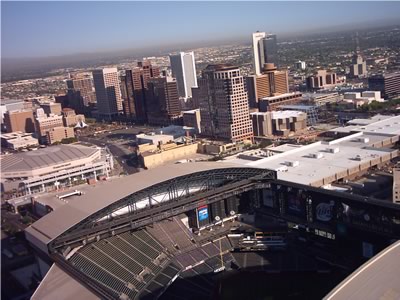
  • More Investors Working Out Sales of Phoenix Pre Foreclosures

    A rising number of investors are working out sales of Phoenix pre foreclosures to help homeowners avoid foreclosure and at the same time make some money for themselves.

    More Investors Working Out Sales of Phoenix Pre Foreclosures

    While these investors still buy and resell foreclosed homes in Phoenix, they are now including short sales in their investment portfolios.

    According to analysts, of the 78,889 homes that were sold in 2009 in Maricopa County, where Phoenix is the administrative seat, only a few did not pass through the hands of investors. Investors were present in every step of the housing market mechanism, from the acquisition of bank mortgage notes to the sale of properties at homes auctions in Phoenix.

    They even enticed households living in rental complexes for multi families to become first time home buyers by showing them they can make their monthly home loan payments with the rent they were currently paying.

    With their fierceness in buying and reselling distressed properties, investors were oftentimes seen in a bad light – as vultures making money on the misfortune of homeowners. But now, analysts agree that investors helped substantially in the sale of Phoenix pre foreclosures and vacant foreclosures that would have otherwise blighted neighborhoods in the area.

    Alan Langston, who operates an information exchange for real estate investors in Arizona, said that without the independent individual investors, Phoenix would have been overwhelmed by vacant abandoned dilapidated foreclosures.

    One out-of-state investor with plans to focus on pre foreclosures in Phoenix is Canadian investor and broker Dave Dziedzic. He said he has launched an initiative called Housing Angels, which would help both investors and homeowners in distress.

    Under the scheme, investors would buy distressed properties through short sales and then rent them out for a number of years to the same homeowners occupying the properties. After a certain period, the homeowners are given the chance to buy back the properties at affordable prices.

    Dziedzic said the scheme is still untested in Arizona and that the lenders could resist the initiative, but they will jumpstart the program by focusing initially on blighted homes that lenders want to get rid of quickly.

    Drop bids are also now becoming popular in Phoenix – the process by which lenders make a last-minute decision to sell properties already set for auction at a lower price for certain cash-paying investors.

    According to Langston, who also heads the Arizona Real Estate Investors Association, sales of Phoenix pre foreclosures have replaced about one-fourth of foreclosure actions by banks in the Phoenix metro area.

    Search pre foreclosures in other Arizona cities:

  • Strong Job Prospects Spur Philadelphia Foreclosure Investing

    Strong job prospects and good job programs are expected to spur Philadelphia foreclosure investing.

    Strong Job Prospects Spur Philadelphia Foreclosure Investing

    About 73 percent of employers in the Philadelphia region reported they are expecting no job cuts this year and about 10 percent are planning to hire more employees this year. These percentages are strong offsets for the estimated 11 percent that expects to cut jobs this year.

    Larry Delp, executive vice president of Sovereign/Santander Bank who presented the job expectations by employers at the latest Economic Outlook Breakfast meeting of the Greater Philadelphia Chamber of Commerce, said he expects the jobless rate to fall in the first three months of 2010.

    In another report released by the Philadelphia Federal Reserve, signs of job growth and industry expansion in the manufacturing sector are also being observed, affirming current efforts in Philadelphia foreclosure investing.

    The reserve bank reported that shipments, new orders and hiring in the manufacturing sector surged in the first months of 2010 and that the percentage of manufacturing firms reporting job creation is higher than the percentage of companies reporting job cuts.

    Statewide, the adjusted number of total nonfarm jobs increased by 9,600. Jobs were added in the education, leisure, hospitality and health services sectors. The Pennsylvania unemployment rate remained steady at 8.8 percent in January. Initially, the December jobless rate was 8.9 percent, but was adjusted down to 8.8 percent.

    In the Philadelphia-Camden metropolitan area, the unemployment rate in December was 8.7 percent.

    In January, Mayor Michael Nutter set in motion his new job program called PhillyWorks: Growing Neighborhood Jobs, which was designed to help under-employed workers get better-paying jobs and help the unemployed get back to work.

    The program offers career coaching and adult literacy classes, on-the-job training and placement services. Residents who are able to complete the programs are expected to get employed by companies participating in the Industry Partnerships program of the Workforce Investment Board.

    Despite a 15-percent year-over-year surge in pre-foreclosures in Philadelphia and in the flow of properties entering Philadelphia foreclosure listings in 2009, Greater Philadelphia is still holding up much better than many other large metropolitan areas. Out of 203 large metro areas surveyed by a real estate firm, the Philadelphia area was in the lower half of the rankings based on ratio of foreclosure postings to number of households.

    The availability of foreclosure properties and strong prospects for economic growth are among the major drivers encouraging more people to go into Philadelphia foreclosure investing.

    Find great investments in other USA cities:

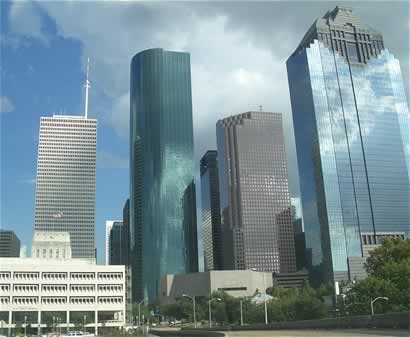
  • Houston Foreclosure Investing Profitable with Fast Recovery

    Houston foreclosure investing is a productive activity because of the strong economic fundamentals of the city. Forbes has also cited Houston as the fourth city with the best prospects for fast economic recovery.

    Houston Foreclosure Investing Profitable with Fast Recovery

    The cities of Houston, Dallas, Austin and San Antonio have been holding up despite the crisis because their main industries are largely insulated from fluctuations in the economy. Aside from their much-touted energy industries, these Texas cities also have robust activities in their education, technology and government sectors.

    Pre-foreclosures in Houston have also not soared as in cities in other states because the factors that led to many defaults in other places were largely absent in Houston. Home prices did not shoot up to the highest levels during the boom and overbuilding did not happen in the city.

    Nevertheless, investors and homebuyers looking for lower-priced properties can find them in Houston foreclosure listings. In February, there was one foreclosure filing for every 760 homes in the city, giving more opportunities for people planning to take advantage of affordable foreclosures and for businesspeople focused on Houston foreclosure investing.

    As explained by economists, investing in Houston real estate, whether distressed or not, is viable despite the surging foreclosure activity because of the capability of the city to withstand pressures.

    The pace of foreclosure statewide also surged in February, but when compared to the overall number of households in the state, the foreclosure pace in Texas is much better than the pace in 25 other states. Texas was ranked 26th in foreclosure rate in February, up from 27th in January.

    The popularity of Houston as a real estate investment destination is shown by the number of high-flying commercial and residential real estate firms investing in Houston and the number of buyers looking for high-quality homes in the city.

    Among these investors are Means Knaus Partners and NewQuest Properties. NewQuest has bought 21 acres of land at Texas 6 while Means Knaus has doubled its real estate portfolio in Houston together with its partner Lexington Realty Trust.

    According to Houston realtors, buyers looking for higher-cost homes are no longer looking for grand houses. What they want are more livable and less formal spaces for their families, open-floor concepts, energy efficiency systems, smart spaces and features that enhance family privacy.

    Indeed, the pace of Houston foreclosure investing activity has been rising because of the economic strength of the city despite the downturn.

    Find great foreclosure investments in other Texas Cities:

  • Miami Foreclosure Investing Getting Hotter as Filings Surge

    Miami foreclosure investing is getting hotter as filings and listings continued to surge in the area.

    In February, while other metro areas experienced declines in foreclosure filings and listings, the Miami metro area posted a sharp 44-percent increase from January. A total of 6,671 completed foreclosures and pre foreclosures in Miami were filed, representing one foreclosure for every 147 households in the area.

    Miami Foreclosure Investing Getting Hotter as Filings Surge

    Currently, a total of 40,598 properties are in Miami foreclosure listings, much higher than foreclosure inventories in other metro areas.

    Statewide, over 54,000 households were in default or foreclosure in February this year, marking an increase of 15 percent over January filings and a 17-percent increase from February 2009 filings. Of these filings, almost 7,000 units were already taken back by banks.

    While other states experienced declines in their foreclosure activity, Florida posted a substantial increase in filings in February, making the state third in foreclosure rate and second only to California in number of filings.

    As foreclosures continued to pull down home prices, the pace of Miami foreclosure investing continued to surge. Total home sales volume in February reached 1,550 homes as the median house sales price continued to fall to $155,000.

    Despite the high listing prices for homes for sale in February, with an average asking price of $431,131, the finale sales prices plunged. Sales prices for homes have fallen by a staggering total of 27.9 percent from prices in December 2009. Other metro areas have also been experiencing significant price drops, but price drops in Miami have been among the biggest as price levels in the Miami metro area shot up during the boom.

    The continued surge in foreclosures in Miami-Dade has prompted the county to launch its online public auctions recently. Despite complaints from novice investors who lost money from their purchases because of wrong assumptions and lack of research, the initial auctions were largely successful. They helped the county courts move a large number of their foreclosure cases.

    Local real estate professionals said that the current mortgage rate of around 4.97 percent and the federal tax credits have been helping improve sales. But the soaring number of local and out-of-state investors, including foreign buyers, has been pushing increases in home sales. The online auctions have also put foreclosures in Miami available for easier online search nationwide.

    For people considering Miami foreclosure investing, the nearly 41,000 foreclosure properties in listings in the metro area are a record number to choose from.

    Find great foreclosure investments in other Florida Cities:

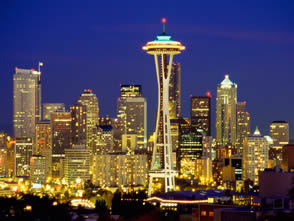
  • Seattle Home Auctions Slowed, City Stays Financially Strong

    Seattle home auctions slowed in February as the strong local economy contained any further difficulty in the housing sector.

    Seattle Home Auctions Slowed, City Stays Financially Strong

    In King County, where Seattle is the administrative seat, foreclosure activity slowed sharply by 33 percent compared to February 2009 and by 26 percent compared to the previous month.

    Only 342 houses were repossessed by lenders in King County, and this figure already included foreclosed homes in Seattle. The number marked a drop of 11 percent from the previous month, although it marked a 57-percent rise from February last year.

    Statewide, the foreclosure situation also improved. Filings dropped sharply by 24 percent compared to January and by 13 percent from filings in February 2009. Washington State was in the bottom of foreclosure charts, 33rd among the 50 states.

    The slowdown in foreclosures in Seattle was even sharper in a report by a group of Seattle real estate professionals. They said that the number of pre foreclosures in Seattle and housing units listed for the public Seattle home auctions fell by 22 percent in February.

    They said that the average monthly foreclosure filings of about 1,100 in 2009 has gone down to about 800, which is a very small number compared to the 560,000 households in Seattle. They reiterated that contrary to reports that there are a lot of homes in the city which can be purchased for 50 to 70 percent of their appraised prices, the supply of homes has dwindled and that the prices of foreclosures range from $300,000 to $500,000.

    Among the factors for the strength of home prices in Seattle is the scarcity of land, lack of urban sprawl and demand for housing both from international and local professionals.

    A report from Fitch Ratings affirms the contentions of Seattle realtors. In the first week of March, Fitch assigned an AA+ ratings to two Seattle general obligation bonds and affirmed the AAA and AA+ ratings of two other Seattle GO bonds.

    According to Fitch, its rating outlook for the city of Seattle is stable because of its strong financial management throughout the downturn and its strong performance as a regional economic center.

    Fitch also credited the positive roles of Microsoft and Boeing and related industries and efforts for diversification. Furthermore, the city of Seattle has a low level of debt, as it implemented capital financing policies that did not rely on municipal debts.

    With these positive factors, Seattle home auctions are expected to slow down in the coming months.

    Search home auctions in other USA Top Cities:

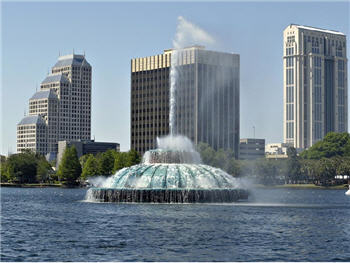
  • Orlando Home Auctions Kept Their Downward Pressure on Prices

    Orlando home auctions continued to depress house prices in the area, based on reports from Florida Realtors.

    In January, total sales of previously-owned single-family homes jumped up by almost 55 percent to 1,745 units from the January 2009 sales of 1,127 units. But the sales price median for all these units sold plunged by almost 18 percent to $123,500 from the January 2009 median of $150,500.

    Orlando Home Auctions Kept Their Downward Pressure on Prices

    Total sales of pre-owned condo units also rose by a sharp 215 percent to 538 units from the January 2009 sales of 171 units. But again, the sales price median plunged by 20 percent to $49,700 from the January 2009 median of $62,200.

    While home prices in Orlando continued to fall in January, median sales prices nationwide improved in December 2009. The nationwide median sales price rose by 1.4 percent in December to $177,500, according to the National Association of Realtors.

    All large metro areas throughout Florida reported increases in condo sales in January, but only 16 metro areas, including Orlando, reported increases in sales of previously owned single-family homes. Most metro areas in the state posted sales increases for condos in January for 19 straight months.

    Orlando home auctions continue to get loaded with properties because of continued job losses in the area. In December, the unemployment rate in Orlando stayed at the high level of 11.9 percent, based on figures from the Agency for Workforce Innovation. A total of 131,386 workers lost their jobs during the month. The rate was 4.1-percent higher than the December 2009 rate of 7.8 percent and higher than the statewide jobless rate of 11.8 percent.

    The Florida workforce agency has been doing its best to help companies and government agencies create jobs, including launching the Florida Back to Work program to retrain residents for green jobs. But apparently the effort has not been showing yet its results because the December jobless rate was still high.

    The industries that have been cutting the most number of jobs and have been pushing up more pre foreclosures in Orlando were the transportation, trade, utilities and business service sectors.

    Because of the continued job cuts and fall in home values, foreclosed homes in Orlando still account for a huge portion of total home sales. According to an online real estate firm, more than 60 percent of homes for sale in the Orlando market are foreclosures, pushing up the number of properties sold by private auctioneers at Orlando home auctions.

    Search home auctions in other Florida Top Cities:

  • Los Angeles Home Auctions Delayed Strategically by Lenders

    Los Angeles home auctions are being strategically delayed by lenders for various reasons, based on reports from several banks, homeowners and housing organizations.

    Los Angeles Home Auctions Delayed Strategically by Lenders

    Lenders are not completing their foreclosure filings due to one or more of the following: giving time for loan modifications, avoiding maintenance costs, complying with federal programs, giving time for short sales, controlling the foreclosure inventory on the market to prevent sharp price declines or avoiding bad publicity.

    According to a research firm, banks now are taking about 229 days to put distressed properties into lists of foreclosed homes in Los Angeles, a sharp increase from the 146 days that lenders take to complete foreclosures in August 2008.

    The delays in completing pre foreclosures in Los Angeles have partly pushed up home prices in the metro area in February this year. According to Clear Capital, home prices in Los Angeles gained 2.2 percent during the rolling quarter covering February 2010, contributing to the high number of best performing California cities in terms of home price appreciation.

    Meanwhile, based on another report, home prices continued to improve in the metro area despite a year-over-year rise in foreclosure filings in January because lenders were regulating the flow of properties entering Los Angeles home auctions.

    In January this year, the pace of foreclosure activity in the Long Beach-Los Angeles metro area increased year-over-year to 3.8 percent of all households with mortgage loans in the area, an increase from 2.2 percent in January last year.

    The rate of mortgage delinquency also increased to 12 percent, an increase from the January 2009 default rate of 7.4 percent. These delinquent mortgage loans have missed more than three payments.

    The 3.8-percent foreclosure rate of Los Angeles was slightly higher than the statewide rate of 3.8 percent, but was much higher than the nationwide rate of 3.2 percent.

    The Los Angeles default rate of 12 percent was again slightly higher than the statewide rate of 11.4 percent, but was far above the nationwide rate of 8.66 percent.

    Despite the heightened foreclosure activity when compared to filings in January 2009, lenders exercised restraint in completing these filings. According to Jumana Bauwens, spokesperson for Bank of America, in contrast to what is being described in the media, BofA continues to find solutions to keep homeowners in their properties.

    Similarly, Citibank said it has stopped putting extremely distressed homes into Los Angeles home auctions quickly because it has been encouraging homeowners to surrender their properties peacefully in exchange for six months of free rent.

    Search home auctions in other California Top Cities:

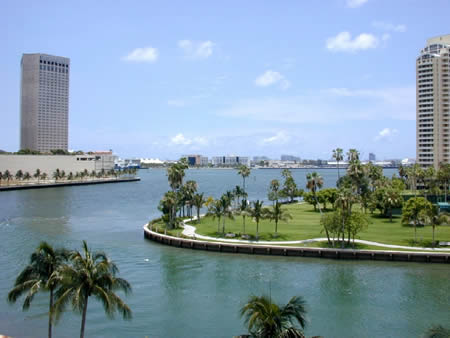
  • Home Foreclosures in Miami Slowed as Short Sales Surged

    Home foreclosures in Miami slowed in February this year as more short sales in the area were completed by lenders, based on data from a South Florida-based real estate consultant and condo specialist.

    Home Foreclosures in Miami Slowed as Short Sales Surged

    According to analysts, mortgage lenders are finally realizing that short sales are more favorable to them than foreclosures for which they spend an average of about $40,000 to $80,000 per distressed mortgage.

    The number of foreclosure filings in Miami-Dade County dropped to 1,670 filings in February, a sharp 30-percent plunge from 2,376 filings in February last year and the biggest drop experienced by any of the three counties in South Florida. However, compared to the previous month when about 1,400 postings were counted, the February figure marked an increase.

    In Palm Beach County, foreclosure postings decreased to 1,822, down by 24 percent from 2,413 filings in February last year and down by about 13 percent from over 2,100 filings in January.

    In Broward County, where the smallest decrease rate was experienced, foreclosure postings in February totaled to 3,188, down by only 7 percent from 3,411 filings in February last year. However, compared to January when 2,250 postings were counted, the February filings marked a sharp increase of 41.7 percent.

    Among the three counties, the pace of home foreclosures in Miami was the slowest and the fastest in rate of decrease.

    From January to February, overall Florida home foreclosures also marked a decrease from the same two-month period in 2009. A total of 12,426 filings were counted, a significant decrease from the same two-month period in 2009.

    Analysts said that if South Florida properties continue their declining trend in entering lists of foreclosure homes, the estimated total foreclosure filings for 2010 would be 77,000, a sharp 21-percent plunge from about 97,000 distressed filings in 2009.

    Aside from the persistent foreclosure factor, which is unemployment, certain legislative efforts and court actions in the state may affect the flow of foreclosures. Condo associations have sued lenders to complete their foreclosure filings and some groups have lobbied for nonjudicial foreclosures in the state. The Supreme Court has also asked for 90 new judges to address the backlog in foreclosure cases.

    Housing advocates hope that the slowing pace of home foreclosures in Miami would continue in the coming months, although they are still concerned about the default pace in South Florida, which is still around 239 default filings per day.

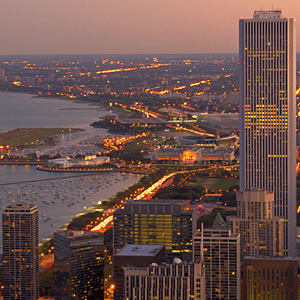
  • Home Foreclosures in Chicago Cut Prices and Drove Up Sales

    Home foreclosures in Chicago drove up residential sales in January this year, as home buyers took advantage of big discounts in home prices, based on reports from the Illinois Association of Realtors.

    Home Foreclosures in Chicago Cut Prices and Drove Up Sales

    Total house sales in the Chicago metro area climbed up to 3,922 units of single-family houses and condos, an increase of more than 29 percent from total sales in January last year. The January sales marked the seventh straight month that house sales increased on a year-over-year basis.

    The median sales price for real estate homes sold in January in the area was $175,000, a drop of 5.4 percent from the January 2009 median of $185,000. Within the city of Chicago, the median sales price was $195,000, a drop of nearly 5 percent from the January 2009 median.

    The drop in home prices certainly attracted a lot of homebuyers as total sales within Chicago soared to 1,202 units, marking more than 31 percent of increase from the January 2009 sales.

    Sales of condo units within Chicago also soared by 38.2 percent to 655 units. The median sales price also plunged year-over-year by 9.4 percent to $279,900 as home foreclosures in Chicago kept pushing down property values.

    Among counties in the Chicago metro area, the biggest increases in sales occurred in Kane, where sales rose by 43.3 percent; in Kendall, where sales jumped up by 41.1 percent; and in Cook, where sales climbed up by 35.8 percent. Sales in McHenry, Lake and Will counties increased by 28.8 percent, 18.4 percent and 5.4 percent, respectively.

    The impact of Illinois home foreclosures on home sales was also significant. Total home sales statewide rose in January this year by 14 percent as house prices were still affordable despite a slight increase. The median sales price statewide was $145,300, which marked a small gain of 0.2 percent over the January 2009 median price.

    Although the year-over-year price increase in January was small, it was significant because it marked the first time the statewide median price rose since September 2007.

    Geoffrey Hewings, head of the regional economics laboratory at the University of Illinois, said that median home prices throughout the state will increase but only moderately. He added that the Chicago metro area will continue to post a median sales price lower by about six percent than the January 2009 median. This is because home foreclosures in Chicago will keep on putting a downward pressure on home prices.

  • Home Foreclosures in Atlanta Drove Down Prices

    Home foreclosures in Atlanta drove down prices in January as newly foreclosed residential units entered the market, according to a report released by the National Association of Realtors.

    Home Foreclosures in Atlanta Drove Down Prices

    The median sales price for pre-owned single-family homes fell to $105,100 in January, a decrease of 10 percent from the median price in January 2009. To many housing analysts in Atlanta, the January decline was an unexpected turn because the November and December median prices showed steady increase and indicated Atlanta prices were beginning to recover.

    Hank Miller, a certified appraiser and a broker, said that new foreclosures completed by lenders after deferring them because of the moratoriums most probably have put a heavy pressure on prices. As indicated in the NAR report, when people trying to search foreclosed homes see a lot of inventory, they become more aggressive in asking for more price discounts.

    When the Case-Shiller Home Price Index was released last week and showed a price decrease for Atlanta in December, local real estate professionals were not alarmed because the index showed that the decrease was slowing significantly. The index showed that prices for single-family houses in metro Atlanta fell by 4 percent in December year-over-year.

    As more home foreclosures in Atlanta are expected because of the rise in mortgage defaults in the area over the past several months, heavier downward pressure is expected to be put on home prices.

    Georgia home foreclosures are also expected to resurge despite a month-over-month decline in January this year because of the sharp rise in number of underwater mortgages in the state. According to a Santa Ana, California research firm, 28 percent of all owners of mortgaged homes in Georgia were underwater during the October-December quarter. The percentage is equivalent to over 441,500 homeowners with mortgages.

    Metro Atlanta had a higher percentage of underwater borrowers. About 31 percent of all mortgaged borrowers or 385,100 borrowers were in underwater situation in the October-December quarter.

    Both the percentages of Atlanta and Georgia were higher than the nationwide underwater rate of 24 percent of residential mortgages in the U.S., an increase of 23 percent from the preceding quarter. The total value of underwater mortgages nationwide in the final quarter of 2009 was $801 billion.

    According to analysts, another factor that will affect the number of home foreclosures in Atlanta is the rise in mortgage rates. NAR chief economist Lawrence Yun said that the rate for 30-year fixed-rate mortgages has risen to 5.1 percent and could reach 5.6 percent.

  • Orlando Home Foreclosures Still Dominated Home Resales

    Orlando home foreclosures still dominated home resales in January this year despite an 18-percent month-over-month drop in foreclosure filings, based on data from the Orlando Regional Realtors Association and a California-based research firm.

    Orlando Home Foreclosures Still Dominated Home Resales

    Despite the drop in filings in January, foreclosure properties sale and short sales still accounted for a staggering 73 percent of overall home resales in Orlando, pushing the median sales price to only $103,000, down from the December 2009 median of $120,000. The January median did not even hit half of the $264,436 price median reached in July 2007.

    In January, the Orlando metro area, which covers the counties of Orange, Lake, Seminole and Osceola, had a total of 6,282 foreclosure postings, down from the 7,692 posted in December 2009, but up from the 5,193 posted in January last year.

    The number represented one household out of every 143 housing units in the area and made metro Orlando the tenth metro area with the biggest rate of foreclosure in the country despite its 18-percent month-over-month decline rate.

    Home foreclosures in Florida also slowed, but the statewide rate was still the fourth highest rate in the country, with one foreclosure filing out of every 187 households in the state.

    According to members of the Orlando realtor association, total home resales increased by 66 percent to 1,742 units in January compared to resales in January 2009, but the still large number of Orlando home foreclosures pushed their total dollar sales down.

    About 50 percent of resales were foreclosed homes and about 25 percent were short sales. The sales price median for foreclosures plunged to $69,550 and the median price for short sales fell to $115,000.

    The pace of short sales increased as more distressed homeowners tried their best to negotiate them with their lenders to avoid foreclosure. Nearly 3,600 short sales agreements were started in January, marking a 57-percent rise from January 2009.

    Homes for sale, whether new, pre-owned or foreclosed, spent fewer days on the market in January, staying on the market for 90 days, compared to the average of 103 days in January 2009. Additionally, homes were sold for about 94 percent of their listing prices, an increase from about 93 percent in January last year.

    In January, the total number of homes available for sale in metro Orlando surged by 362 units, pushing the total number of residential units for sale, including Orlando home foreclosures, to a total of 15,911 units. Realtors said that the current supply can be sold in 9.1 months at the current sales rate.

  • Tampa Home Foreclosures Pushed More into Negative Equity

    Tampa home foreclosures continued to pull down house prices and worsened the negative equity percentage in the final quarter of 2009, based on a report from a real estate information provider.

    Tampa Home Foreclosures Pushed More into Negative Equity

    In the Tampa Bay counties of Hillsborough, Pasco, Hernando and Pinellas, the median home sales price dropped by around 13 percent to $123,600. The month-over-month drop for the November-December was smaller at 0. 8 percent.

    Because of the continued drop in home values, 46 percent of households occupying mortgaged single-family houses became underwater in the October-December quarter. The percentage though was an improvement over the third quarter percentage of almost 48 percent.

    The sharp drops in home values and sharp rise in unemployment made every residential property in the area a possible home for sale as homeowners considered selling to avoid foreclosure. Almost 43 percent of houses sold in December in the Tampa area were sold at prices far below their mortgage amounts.

    The Redington Beach neighborhood suffered the sharpest drop in property values, with home prices falling in the October-December quarter by 4.6 percent.

    Similarly, another report on the Tampa-Saint Petersburg housing market said that almost 50 percent of all houses in the area were underwater in the October-December quarter, increasing the likelihood of more Tampa home foreclosures in the coming months.

    A total of 332,968 households with mortgages or 49 percent of all mortgaged houses in the Tampa metro area were underwater in the final quarter of 2009, and another 28,182 households or more than 4 percent were slightly underwater.

    Home foreclosures in Florida are also expected to surge again despite declining in January because of the high percentage of mortgages in underwater status. In the October-December quarter, 48 percent of all mortgaged homes throughout Florida had negative equity, the second highest percentage in the country, behind only Nevada which had 70 percent of its mortgages in underwater situation.

    Florida also had the second largest number of underwater mortgage loans at 2.2 million, behind only California which had 2.4 million.

    All three of these states had far worse negative equity situation compared to the national average negative-equity rate of 24 percent. A total of 11.3 million nationwide were underwater in the October-December quarter, a jump from the 10.7 million underwater mortgages or 23-percent rate in the previous quarter.

    According to analysts, Tampa home foreclosures are expected to continue because negative equity has been a big factor in strategic defaults and pre-foreclosure activities.