Author: jkingstone

  • Phoenix Home Foreclosures Bucked Metro-Area Declining Trend

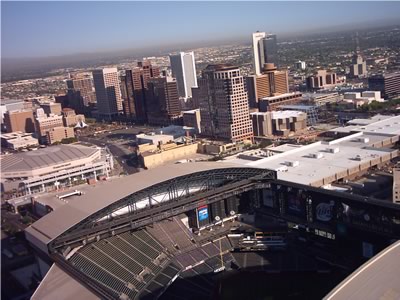
    Phoenix home foreclosures surged by almost 4 percent in January this year from December last year, bucking the declining trend shown by most other large metro areas.
    Phoenix Home Foreclosures Bucked Metro-Area Declining Trend

    The Phoenix metropolitan area was the only area that stepped up month-over-month in foreclosure activity in January among the ten most foreclosure-clobbered metro areas.

    While Las Vegas posted the highest foreclosure rate of one out of every 82 residential units, it posted a decrease of 2 percent from December 2009 and a substantial 21-percent drop from January 2009.

    Like the pace in Phoenix, the pace of home foreclosures in Arizona bucked the declining foreclosure trend in most other U.S. states. A total of 21,048 homes in Arizona were hit with foreclosure or delinquency filings, marking a 4.5-percent jump from December 2009 and a 43.4-percent jump from January 2009.

    Of the more than 21,000 filings in Arizona, a total of 8,637 were already repossessed by the banks and counted in their books as foreclosure houses for sale. With a filing rate of one in 129, Arizona was second only to Nevada in foreclosure activity in January.

    Similarly, the one in 102 rate of Phoenix home foreclosures put the city second to Las Vegas in foreclosures in January.

    In 2009, foreclosure postings also rose in Phoenix to a total 133,809, marking a 37-percent jump from 2008 and representing more than 8 percent of all houses in the metro area that includes Mesa and Scottsdale.

    Sales of pre-owned homes in December 2009 in the Phoenix area increased to their highest level in 4 years as home prices dropped and as demand from investors soared.

    More than 8,800 newly-built and pre-owned single-family homes and condo units were sold in Maricopa County, where Phoenix is the county seat, and in Pinal County in December. The sales performance marked a 31-percent increase year-over-year and a 3.3-percent increase month-over-month. It also marked the highest sales volume for the month of December since 2006 when the December sales reached 11,341 units and the 12th straight month that house sales climbed up.

    With 7,750 existing homes sold, home resales in December 2009 also reached their highest level for the month of December since 2005 when the December sales reached 9,386 units.

    Phoenix home foreclosures largely drove the increase in sales in December as more than 52 percent of all home resales during the month were properties that had been repossessed 12 months prior to their sale.
  • Brooklyn Home Foreclosures Marked Highest Pace in New York

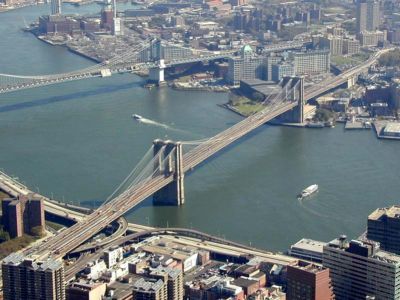
    The pace of Brooklyn home foreclosures in January was the highest in the entire city of New York, based on data released by a foreclosure tracking firm.

    Brooklyn Home Foreclosures Marked Highest Pace in New York

    With 693 households in Brooklyn getting hit with default or foreclosure filings in January, the borough comprised 38 percent of the 1,825 foreclosure notices received by New York City residents in January.

    The number marked a jump of 87 percent from notices received by Brooklyn residents in January 2009, although it marked a decrease of 8.5 percent from notices received in December 2009. In the entire city, the January 2010 number marked an increase of 35 percent from filings in January 2009, but a decrease of 9.3 percent from filings in December last year.

    Over the past years, Queens has been the epicenter of New York City’s foreclosure crisis, but the worsening job situation has been pushing Brooklyn into the forefront of the housing crisis. The most battered Brooklyn neighborhoods are Bedford-Stuyvesant, Flatlands, Canarsie, East New York and East Flatbush.

    Meghan Faux, head of the Foreclosure Prevention Project of South Brooklyn Legal Services, said that Brooklyn home foreclosures have spread into Sunset Park and in other neighborhoods where no resident was distressed in the past. She added that the major foreclosure factor was still toxic mortgage underwriting, although the high unemployment rate has been forcing newer batches of homeowners to default.

    Brooklyn foreclosure counselor Stephan Dookeeram, who works with the Pratt Area Community Council, said that he has been seeing a faster pace of foreclosure homes listing because of job losses. Homeowners operating a second home as rental housing have also been losing these second homes to foreclosure because their tenants no longer have sources of income.

    In another report, the pace of home foreclosure in New York slowed in January this year compared to the previous month, but still surged compared to foreclosure activity in January 2009. A total of 4,569 households received default or foreclosure notices, including 518 homes which were already taken back by lenders. The foreclosure situation, however, of New York State is better than the situation of 40 other U.S. states as it ranked 41st based on foreclosure rate.

    According to housing advocates, including Michael Hickey, head of the Center for New York City Neighborhoods, foreclosure actions will step up in several areas before they plateau, especially in Hispanic neighborhoods in Bushwick, which contributed to the high number of Brooklyn home foreclosures in previous months.

  • Hialeah Home Foreclosures Still Rule Despite Default Drop

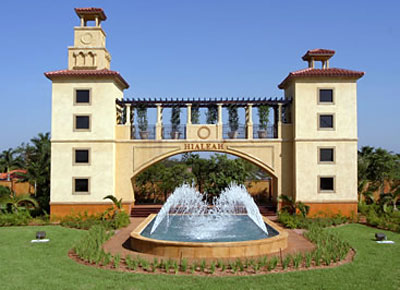
    Hialeah home foreclosures are still dominating the local housing market despite a slowdown in mortgage default in the area, based on data from Default Research and other real estate information providers.

    Hialeah Home Foreclosures Still Rule Despite Default Drop

    According to a report from Default Research, a total of 4,170 houses in Hialeah received lis pendens notices in 2009, marking a sharp decline from notices in 2008. In Miami-Dade County, where Hialeah is located, total lis pendens dropped 22 percent from 2008 to 25,351 notices in 2009. Across South Florida, lis pendens notices decreased by 13 percent.

    Meanwhile, the pace of home foreclosures in Florida declined in January this year compared to the previous month by 15 percent to 47,069 foreclosure postings. Out of these postings, 6,169 are already real estate owned properties, 28,887 are lis pendens and more than 12,000 are notices of foreclosure sales. The statewide foreclosure rate of one in 187 put Florida fourth among states based on pace of foreclosure activity.

    However, despite the slowdown in pre-foreclosure in Hialeah, homes in foreclosures are still dominating the Hialeah housing market in February. According to an online real estate firm, about 60 percent of the nearly 7,900 homes available for sale in the local market or about 4,900 housing units are Hialeah home foreclosures.

    The domination of foreclosures has pushed down the average home price by almost 14 percent over the past 12 months and by 0.23 percent from December 2009 to $107,062.

    According to city records, the percentages of homeowners and renters in Hialeah are about the same at 49 percent and 48 percent, respectively. Hialeah, the fifth biggest city in Florida, is predominantly Hispanic, with around 92 percent of its residents speaking Spanish as their first language.

    According to housing analysts, one of the major reasons for the rise in foreclosures in Florida is the decline in tourism, which contributed to record job losses. But based on a new study by the Florida Tourism Board, the drop in tourist arrivals was not as big as previously thought.

    Using a new counting formula, Visit Florida said that the decline in tourist visits was only 0.8 percent and not 4.6 percent as earlier reported. According to Dia Kuykendall, spokesperson for Visit Florida, the old method had flaws in the counting of foreign tourists and U.S. visitors.

    Miami-Dade County, however, posted only a small decline in tourism arrivals, although the pace of foreclosure still continued and still made Hialeah home foreclosures the dominating subsector in the local market.

  • Gulfport Foreclosures Shot Up, but Metro Rate Was Still Low

    Gulfport foreclosures shot up by 784 percent in 2009, but the foreclosure rate in the area was still better than the rates of 179 of the 203 largest metro areas surveyed by a California firm tracking foreclosures nationwide.

    Gulfport Foreclosures Shot Up, but Metro Rate Was Still Low

    Only 0.50 percent of all households in the Gulfport-Biloxi area were in foreclosure in 2009. This meant that only 539 homes received default or foreclosure notices last year, but the number marked an increase of 784 percent from 2008 and a staggering jump of 3,071 percent from 2007.

    George Schloeger, mayor of Gulfport, explained that foreclosure has been rare in the city over the years, but job losses, the decline in property values and the overbuilding that happened after Hurricane Katrina drove most of the foreclosures in 2009. There were also a lot of first time home buyers who bought houses without fully knowing all the costs involved in home ownership, Schloeger added.

    Ryan La Fontaine, Gulfport public information officer, also said that Gulfport foreclosures surged when residents lost their jobs in the gaming sector. As the recession worsened last year, tourism declined and casinos in the area had to cut their losses. Gulfport, the second biggest city in Mississippi and one of the administrative centers of Harrison County, has been a gaming destination before the recession.

    Mayor Schloeger added that jobs in the construction sector declined after redevelopment projects in the wake of Katrina were completed. He, however, reiterated that the 0.50-percent foreclosure rate of Gulfport is very low and is better than the situation of most metro areas tracked by foreclosure researchers.

    Similarly, the pace of Mississippi foreclosures is among the lowest at 0.43 percent, despite a sharp increase in foreclosure activity in 2009. The 5,402 filings in 2009 marked a significant increase of 136 percent from 2008 and a staggering jump of 283 percent from 2007. Nevertheless, Mississippi is not as distressed as 41 other states in 2009.

    Mike Boudreaux, chief executive officer of Gulf Coast Investment Developers, said that before Hurricane Katrina, his staff just waited for calls at the office and then closed condo sales quickly. After the storm, he said, sales were much harder to close. When the foreclosure crisis started and lower-priced properties appeared, new units were even harder to sell.

    According to real estate company owners Carlene Alfonso and Tashia McGinn, the question of how to buy foreclosed homes in Gulfport and other areas in the Mississippi Gulf Coast is not a big problem because there are plenty of affordable Gulfport foreclosures available.