Author: jparker

  • Abandoned Fort Wayne Foreclosed Homes to Be Renovated

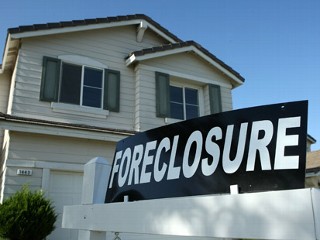
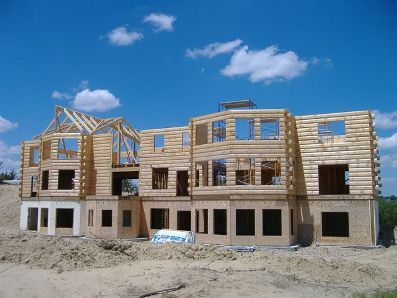
    Armed with grants provided by state agencies, a group of social service organizations will renovate around 30 Fort Wayne foreclosed homes that have been abandoned by their former owners and convert them into apartments.
    Abandoned Fort Wayne Foreclosed Homes to Be Renovated

    The project, which has an estimated cost of $2.5 million, will be financed by the Indiana Housing and Community Development Authority’s grant worth $1.7 million and by funds from the Neighborhood Stabilization program which totals $800,000.

    The tax delinquent residences which now belong to the county will be made into apartments and will be offered to low income families and homeless people. According to the project’s official developer, Genesis Outreach, around 50 families who have no homes of their own have already submitted their applications.

    The project is expected to be completed in a year’s time. However, organizations behind the project have stated that the program goes beyond providing homes to people who do not have the capacity to purchase even foreclosed homes for sale in Indiana that are offered at low prices.

    The families who will live in the renovated Fort Wayne foreclosed homes will be given help to hone their skills and earn their own living. Aside from house ownership training, the residents will also receive job skills training and assistance in other aspects of healthy and proper living.

    Although the apartments will not be the same as foreclosed homes for sale in Indiana, they will not be for free either. Genesis Outreach officials revealed that the apartments will be rented, but the amount of rent will depend on the income of the families who will live in the units.

    To mitigate the expenses that will be required for the project, federal subsidies from housing agencies will also be used. The abandoned structures will be remodeled to fit the needs of families and individual residents who will live in the buildings.

    Several state and private agencies are collaborating with the developers of the project, including Vincent Village, Women’s Bureau, the Indiana Housing Consultants and the Interfaith Hospitality Network.

    Local housing officials have stated that the renovation of the Fort Wayne foreclosed homes is just the start of a state-wide program that aims to develop supportive home and permanent housing structures for Indiana families.

    Find more foreclosure listings in Fort Wayne, IN:
  • Number of Austin Foreclosed Homes Soared

    There had been a 23% rise in the number of Austin foreclosed homes for the month of March 2010. According to property market analysts, the rise in the numbers had been due to the continuous rise of delinquent loans in the city.

    Number of Austin Foreclosed Homes Soared

    The development can be considered good news for people who plan on moving to the area as there would be more foreclosed homes for sale in Texas. However, this is not good news for people who are already living in the city.

    According to monthly housing reports, the number of foreclosed residential real estate in the city totaled 1,114 as of the last day of March. There are also more than 8,000 houses that are being offered for short sales, resale and foreclosure auctions.

    The month in focus also showed that 1,451 notices of foreclosure have been sent to Austin homeowners. This means that the city has had more than 1,400 foreclosure notices sent to borrowers for four months in a 10-month period.

    The March 2010 statistics also showed that the rise in the number of Austin foreclosed homes is 118% compared with the same month a year ago and 11 % higher than a month ago (February 2010).

    Along with Austin, cities like Fort Worth, Dallas, San Antonio, Crystal City and Houston have also contributed to the jump in the statistics of foreclosed homes for sale in Texas. The only area that produced good results is Hays County which recorded a 19% decline in foreclosure for the period of March 2010.

    Real estate analysts have stated that the continuous rise in foreclosure numbers means that the city and the rest of the state is still facing the worst of the foreclosure crisis. Foreclosed homes for sale in Texas are expected to increase further during the summer of the current year.

    The prediction was made based on the expectation that the number of homeowners who will default or will become delinquent in their mortgage loan payments will continue to climb in the coming months.

    Austin foreclosed homes continue to rise in number due to the escalation of delinquent loans in the area. The city and the rest of Texas are expected to continue recording high foreclosure numbers in the remaining months of 2010.

    Find more foreclosure listings in Austin, TX:

  • Number of Long Beach Foreclosed Homes Decline

    First American CoreLogic has released data showing that Long Beach foreclosed homes figures have declined by a healthy three percent compared with March 2010. The statistics compiled covered the first week of April 2010 until the 7th.

    Number of Long Beach Foreclosed Homes Decline

    Along with the number of foreclosed homes for sale in California, the number of loan default notices issued to Long Beach homeowners also declined by a hefty six percent. Real estate observers have asserted that both figures are significant indicators of foreclosure activities for the coming months.

    In a more detailed breakdown of the statistics, it has been reported that the hardest hit area, the 90805 zip code, recorded a seven percent decrease in foreclosures compared with the previous month. The area also recorded a decrease in the number of bank owned real estate and in loan default notices issued to home owners.

    Decreasing numbers of Long Beach foreclosed homes in the 90805 part of the city is seen as indicative of a healthy future for the housing market in the city. This part of the city is expected to have few distressed homes in the coming months and is also projected to play a major role in stabilizing the residential real estate market of the state.

    Meanwhile, the 90814 and 90803 zip codes recorded increased foreclosure activities in the same period, albeit slight ones. The former recorded an eight percent rise in foreclosure, while the latter has a five percent increase.

    The rise in foreclosures at the two zip codes is believed to be due to the declining market value of high end foreclosed homes for sale in California. These two areas were not hit hard by foreclosure during the worst part of the crisis compared with other counties of Long Beach.

    Industry observers are looking at the numbers positively and are predicting that foreclosure activity figures will continue to traverse a downward path for the whole month of April and until the summer period.

    The decrease in the number of Long Beach foreclosed homes is being seen as a sign that the city will have a more stabilized residential real estate market in the coming months. Analysts are also optimistic that the positive trend will continue for the rest of the year.

  • Pets Abandoned by Foreclosed Owners Are Getting Some Help

    There might be some bright future for pets left by foreclosed house owners in Greenville, Texas. A big number of cats, dogs and other domestic animals have roamed the city following the increased number of foreclosure activities in the area.

    Pets Abandoned by Foreclosed Owners Are Getting Some Help

    Now, the Cause for Paws and Greenville City’s Animal Control Division and are being offered help in housing the abandoned animals by the Frisco Humane Society. The aid is welcomed by the city as the number of domestic animals left behind by evicted home owners continues to increase in conjunction with the rising number of foreclosed homes for sale in the area.

    An agreement between the City Council and the said Society is scheduled for signature at the city’s Municipal Building. Before the signing of the agreement, a short work session will be held in the same building to iron out the details of the domestic animals’ care.

    Frisco Humane Society is an association that takes in homeless cats and dogs. Those that cannot be accommodated at cat and dog shelters are offered by the Society for public adoption for fees ranging from five to 15 dollars per animal.

    The collaboration with the Frisco Humane Society is not the first time that the city has launched an effort to take care of abandoned pets. Four years ago, it collaborated with the animal welfare association, Cause for Paws.

    The agreement allows Cause for Paws to take the animals from cat and dog shelters to be placed in permanent residences. Brandon Krodle, City Supervisor for Animal Control has stated that the partnership has proven to be satisfactory for both Cause for Paws and Greenville City.

    Krodle also added that more than 120 dogs and cats have been transferred from the local animal shelter to the care of the welfare association since October 2009.

    The huge population of abandoned cats and dogs has caused problems to the city, particularly when the number of foreclosed homes for sale in the city reached its peak. Dog shelters and other animal rescue facilities are overwhelmed by the number of homeless domestic animals and have since been trying to find ways to find accommodations for them.

    The agreement with the Frisco Humane Society is expected to provide permanent homes to abandoned pets. It is also expected to decrease the number of homeless domestic animals being processed by local cat and dog shelters.

  • Omaha Foreclosed Homes: Some of the Lowest in the U.S.

    The number of Omaha foreclosed homes remains as one of the lowest in the whole United States. This is primarily due to the low number of loan delinquencies in the city and the whole state.

    Omaha Foreclosed Homes: Some of the Lowest in the U.S.

    The Lender Processing Services (LPS) has released the latest data on nationwide mortgage loan delinquency which showed that out of 7.5 American homeowners, there is one who is either delayed in paying the mortgage or is already facing foreclosure.

    The company also reported that total loan delinquencies have increased to 9.97% as of the end of 2009. The figure translates to a monthly increase of 5.46%. Loan delinquency numbers were produced minus foreclosures.

    Meanwhile, mortgage loans that are about to go to delinquency are pegged at 5.01%, while improved loans are at 1.52%. The rate of foreclosure as of November 2009 is 3.19% and is expected to climb higher when the data for the first quarter of 2010 becomes available.

    Despite the bleak prediction, there are still good news as some states and cities recorded low levels of delinquent loans for the period covered by LPS. Omaha foreclosed homes remain very low as Nebraska made it as one of the top states in terms of having the lowest number of loan delinquencies.
     
    Foreclosed homes for sale in Nebraska remain few as majority of state borrowers continue to be diligent in paying their loans. Along with Nebraska, states like Vermont, Oregon, Wyoming, North Dakota and Iowa are also included in the list of U.S. states with low levels of delinquent mortgages.

    Market analysts have asserted that the low number of foreclosed homes for sale in Nebraska and in other states that joined Nebraska in the list of low delinquency rates can be partly credited to several government efforts like the Home Affordable Modification Program; which was designed to mitigate foreclosures in all types of residences, including mobile homes.

    Although there is continuous decline in foreclosure starts, LPS warns that this should not be taken as a good sign since increased loan delinquency will eventually create a surge of foreclosures once these loans become overdue.

    The number of Omaha foreclosed homes remains at a decent level compared with other major cities in the U.S. Market analysts have explained that this is largely due to the overall low level of loan delinquency in the whole state of Nebraska.

  • Pittsburgh Pre Foreclosure Homes Contributing to House Sales

    Pre foreclosure homes in Pittsburgh are contributing to the increase in pending home sales in the metro area, based on data from research firms and the National Association of Realtors.

    Pittsburgh Pre Foreclosure Homes Contributing to House Sales

    According to a firm specializing in selling homes in Pennsylvania and neighboring states, pending home sales in Pittsburgh and in other parts of western Pennsylvania increased year-over-year by 33 percent in February, much higher than the 8.2-percent increase in pending home sales nationwide.

    Real estate CEO Howard Hanna III said that total pending sales in the region that includes the states of Ohio, New York and West Virginia also posted an increase of 30 percent in pending sales. Hanna added he expects an increase of 30 percent in home sales in March compared to sales in March last year after records are tallied. He is hoping that the approaching expiration of the federal tax credits again enticed buyers.

    On the other hand, Michael Larson, an analyst working for Weiss Research, said that he does not expect a strong market resurgence as he still sees the entry of Pittsburgh pre foreclosure homes and commercial foreclosed homes into the market.

    Although the pace of foreclosures in Pittsburgh in 2009 slowed down by 8 percent from 2008 and although Pittsburgh is among U.S. cities not battered by the foreclosure crisis, the rising problem of underwater borrowers is bothering local housing officials.

    According to another research firm, there are around 18,200 Pittsburgh homeowners whose mortgages are underwater as of the end of February this year. This number represented 5.7 percent of all residential mortgages in the city.

    Nationwide, there are over 11.3 million homeowners wallowing in negative equity or 24 percent of all home mortgages in the country. The research firm contended that these homeowners will reach positive equity only in 2020.

    Low home values, however, are a great opportunity for home buyers. In certain neighborhoods in the Pittsburgh metro area, home sales are rising because of the substantial price discounts in home prices.

    In Carnegie, the median sales price has dropped from $92,000 in 2008 to $85,100 this year. In Crafton, the median fell from $105,900 in 2008 to $97,900 in 2009. Thornburg had the biggest discount as the median plunged from $285,000 in 2008 to $180,845 this year.

    With Forbes magazine citing Pittsburgh as the best city to buy a house, investors and home buyers are being encouraged to buy Pittsburgh pre foreclosure homes and other types of residential units in the metro area.

  • Milwaukee Pre Foreclosure Homes Still Rising Due to Job Loss

    Pre foreclosure homes in Milwaukee are still rising in number because of continued problems in employment. The unemployment rate in the Milwaukee metro area remained high at an unadjusted rate of 9.6 percent in February, the same as in January but higher than the 8.2-percent jobless rate in February last year.

    Milwaukee Pre Foreclosure Homes Still Rising Due to Job Loss

    In February this year, the pace of foreclosures in Milwaukee surged by 12 percent year-over-year, according to officials of the Milwaukee Department of City Development. City records show that over 10,000 foreclosures had been filed in Milwaukee over the past two years.

    Additionally, according to a Madison-based research firm, foreclosure filings in southeastern Wisconsin, which includes the counties of Milwaukee, Kenosha, Racine, Washington, Walworth, Ozaukee and Waukesha, increased to 1,046, a jump of about 13 percent from 923 filings in February 2009.

    Compared to the previous month, total filings in February this year marked an increase of nearly 5 percent. A total of 996 foreclosures were filed in January in the southeastern portion of Wisconsin.

    Despite the year-over-year increase in February, local analysts are encouraged that total filings for the first two months of this year – a total of 1,993 filings – is about the same as the total filings for the first two months last year – a total of 1,987 filings.

    According to Russell Kashian, economics professor at the University of Wisconsin-Whitewater, the slowing pace of entry of Milwaukee pre foreclosure homes and foreclosed properties into the market is a sign that the record pace seen over the past two years is diminishing. Nevertheless, Kashian explained that foreclosure activity will only decline significantly if new jobs are created and unemployed homeowners get new sources of income.

    Andy Lewis, a community development specialist with the University of Wisconsin, affirmed the important role of employment in the solution of the foreclosure problem. He contended that unemployment is the best predictor for foreclosure because once borrowers lose their sources of income, they do not have the means to make their monthly loan payments and they are without power to keep their homes from getting included in foreclosures lists.

    Lewis contended that the number of Milwaukee pre foreclosure homes and repossessed residential units will still rise this year because of the unemployment situation, but the increase will not be in double digits. He added that in addition to the federal foreclosure prevention programs, there are local initiatives available for distressed homeowners.

  • Why Buying Houston Pre Foreclosure Homes Is Profitable

    There are several reasons why buying Houston pre foreclosure homes is a profitable endeavor.

    One reason is the availability of mortgage loans offered at rates lower than in other markets. If home loans are available in a certain market, buying or reselling a property at a profit is more viable. According to Forbes magazine, while mortgage loans are not readily available in certain markets because of high rates of delinquency and foreclosure, Houston banks are more likely to write home loans at better terms because the percentage of foreclosures in Houston is much lower than in other metro areas.

    Why Buying Houston Pre Foreclosure Homes Is Profitable

    Forbes also cited Dallas and Kansas City in Missouri as the other cities with lower mortgage rates and available home loans.

    Another reason for considering lists of foreclosure homes in Houston is the record number of people who have moved to Houston over the past 10 years. According to the annual metro area population report released recently by the Census Bureau, Houston gained over 140,000 new residents, the highest number gained by any city in the U.S. The city tied with the Dallas metro area, which also gained the same number of new residents.

    According to think tank Brookings Institute, Houston and other cities in Texas have been attracting out-of-state residents because of their diversified economies and controlled increases in home prices. People investing in Houston pre foreclosure homes would then have more prospects when it is time to resell properties.

    Brookings analysts explained that Texas was the only Sunbelt state that did not decline in population growth because of its strong labor market. Other Sunbelt cities and states which traditionally attracted retirees lost population over the past several years. These include Las Vegas, Orlando, Phoenix, Raleigh and Atlanta.

    The third reason is the resiliency of house prices in Houston. According to IHS Global Insight, Houston home prices did not experience the price collapse that occurred in many U.S. cities because house prices did not balloon to excessively high levels during the heydays of the housing market.

    IHS analysts said that in the final quarter of 2005, the average price for homes in Houston was $110,100, lower by 20 percent than the national average. In December 2009, the average price rose to $127,400, instead of falling. It is this control in pricing that is making the Houston housing market resilient, giving investors in Houston pre foreclosure homes prospects for better returns than in other cities.

  • Drop in Memphis Pre Foreclosure Homes Spurred Price Increase

    The significant drop in Memphis pre foreclosure homes in February has allowed home prices to rise, based on data from a research firm specializing in real estate foreclosures.

    Drop in Memphis Pre Foreclosure Homes Spurred Price Increase

    Foreclosures in Memphis fell by more than 29 percent from February last year to 1,092 postings in February this year, equivalent to one foreclosure posting for every 507 residential units. The number also marked a drop of 21 percent from filings in the previous month of January.

    Statewide, foreclosure activity also slowed down, although the rate of decline is much lower than the rate of decline in the Memphis metro area. Foreclosure postings fell by 5.6 percent from the preceding month, but posted a small uptick of 0.03 percent from filings in February 2009.

    Nearly 3,700 foreclosures were filed in Tennessee in February, including 1,885 units in the foreclosed home sale lists of banks and 1,807 foreclosure sale notices sent to delinquent homeowners.

    With a rate of one foreclosure filing for every 747 residential units in the state, Tennessee was ranked 23rd among the 50 states based on their percentages of foreclosures.

    As the city of Memphis is the largest in Tennessee and Greater Memphis is the second largest metropolitan area, it is safe to assume that Memphis pre foreclosure homes have been contributing substantially to statewide foreclosure figures.

    The Memphis metropolitan area includes the Tennessee counties of Shelby, Tipton and Fayette and the Mississippi counties of Marshall, DeSoto, Tate and Tunica. It also encompasses the county of Crittenden in Arkansas.

    Memphis is home to the world’s busiest cargo airport, the Memphis International Airport, and home to nine Fortune 500 firms that include FedEx, AutoZone, Thomas and Betts and International Paper.

    Notwithstanding the big companies, the unemployment rate in Memphis rose in January to 11.3 percent, an increase of one point from December 2009.

    In 2009, the Memphis metro area posted a total of 15,334 foreclosure filings, marking more than 11 percent of decrease compared to filings in 2008. The number, however, marked an increase of almost 36 percent from filings in 2007.

    With one foreclosure filing in the metro area for every 36 residential units, the Memphis area ranked 45th in a listing of 203 metropolitan areas based on percentages of foreclosure activity.

    As the number of Memphis pre foreclosure homes dropped in February, the sales price median for homes rose by 5.5 percent to $80,200. The average price, however, for homes sold in February dropped by almost 5 percent to $112,035.

  • Know where you can adopt abandoned foreclosure pets

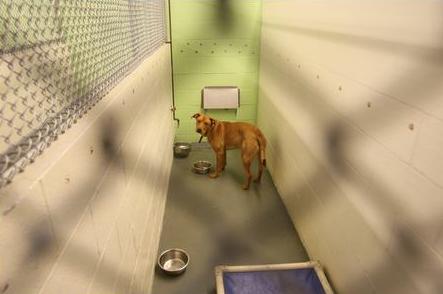
    If you’re thinking of getting a pet, consider the numerous abandoned foreclosure pets in animal shelters waiting to be adopted and loved. The number of families sending their pets to shelters are ever increasing. This heart-wrenching decision is one of the many unfortunate results of foreclosure. Most people whose houses have been foreclosed move to buildings that do not allow animals and they are left with no choice but to give up their pets for adoption. Still many people can no longer provide the needs of their pets due to monetary constraints.

    Know where you can adopt abandoned foreclosure pets

    If you adopt a foreclosure pet you help ease the grief of families that have been forced to abandon their pets due to their difficult financial situation. Whereas if you buy a pet from a store there is a higher chance that the animal you get would have health and behavioral probles as most breeding facilities where these animals come from keep their animals permanently caged. If consumers cease buying pet from stores affiliated with puppy mills, then they would stop this inhumane practice of breeding animals.

    The spokesperson for the Humane Society of the U.S., Beau Archer belives that commercial animal breeders do not care much for the general well being of their animals.These businesses only adhere to the minimum requirements of the United States Department of Agriculture to save on operational costs.

    Abandoned foreclosure pets are in better shape and have better temperaments than pet store animals because they have experienced the care of loving owners. Experienced animal behaviorist Lore Haug from the South Texas Veterinary Behavior Services said puppies that have had no interaction with other animals or people, and had no exposure to various sights and sounds take a long while to adjust to a new environment.

    The Humane Society’s web site provides information on how to support the fight to stop the cruel practices in commercial animal breeding. Other than donating money or adopting a pet, there are several options for people to lend their support and care for the abandoned foreclosure animals living in local animal control centers or the animal shelters in their area.These facilites have need all the help they can get in caring for these pets that were discovered by homebuyers occupying a foreclosed property.

  • Kansas City Cheap Homes Drove Spike in House Sales

    The high number of Kansas City cheap homes drove the spike in total home sales in February, according to sales figures from the Kansas City Regional Association of Realtors in Missouri.

    Kansas City Cheap Homes Drove Spike in House Sales

    A total of 1,396 new homes and pre-owned homes were sold in February, marking a sharp 18-percent increase from sales in January, although down by four percent from February last year.

    Because properties continued to enter foreclosure auctions in Kansas City in February and increased the overall distressed inventory, house prices were dragged down. The average home sales price for the 156 new homes sold was $292,972, down by three percent from the February 2009 median. The average price for the 1,282 pre-owned units sold was $127,449, down by three percent from the February 2009 average.

    Because sales of new homes increased, the inventory of new homes dropped by 41 percent year-over-year to 1,811 units, spurring hopes in the home building sector. However, home builders are still handicapped by the lack of financing for residential construction.

    In addition, the surge in foreclosure filings in the area and the consequent surge in Kansas City cheap homes could weaken sales of new homes again. In February, a total of 1,752 homes in the Kansas City area got hit with default and repossession filings, an increase of 9.7 percent year-over-year and a jump of 9.8 percent from January. Total filings in the area meant that one foreclosure filing was posted for every 495 homes in the area.

    Among the 15 counties covered by the Kansas City metropolitan area, Jackson County posted the biggest number of filings, which involved 988 homes. Next was Johnson County, which posted a total of 375 filings. Wyandotte County posted 167 filings, the third biggest number.

    Statewide, a total of 3,014 households were notified they were distressed, a 2.3-percent increase from January but marked a 3.7-percent decrease from February 2009. While Missouri ranked 30th among states based on foreclosure rate, its neighboring state of Kansas ranked lower at 39th. Only 794 homes in Kansas got hit with foreclosure filings in February. Missouri posted a foreclosure rate of one per 884 homes while Kansas posted a rate of one per 1,545 homes.

    On the whole, the Kansas City housing market is still a buyer’s market because of the prevalence of Kansas City cheap homes and low-priced farm land for sale. Distressed properties still comprise a huge percentage of the 7.1-month supply of pre-owned homes.

  • Abandoned Foreclosure Animals in Phoenix Got a Donated Home

    Abandoned foreclosure animals in Phoenix got a new home after a real estate businessman donated a three-bedroom house for conversion into a halfway house for abandoned pets by the nonprofit pet rescue organization Lost Our Home Pet Foundation.

    Abandoned Foreclosure Animals in Phoenix Got a Donated Home

    In December, as more pets were being discovered by real estate agents at foreclosed homes for sale, Blair Group owner Bair Ballin saw the need for a halfway house so he donated his 1,500- square-foot rental house in northeast Phoenix to the foundation.

    The foundation is a no-kill organization that works with real estate agents who are discovering abandoned pets in vacant homes and backyards. Since the start of the foreclosure crisis in the latter part of 2008, more and more calls and emails are being received from people discovering abandoned pets. Over the past one year and a half, the foundation has rescued about 700 abandoned pets and has placed them in homes.

    It has also given 100,000 pounds of pet food to owners who could no longer afford to buy animal food. Currently, the foundation is caring for around 100 pets while waiting for adoptive pet owners or foster homes.

    According to Jodi Polanski, head of the foundation, the donation of the rental home is a big help to volunteers who are fostering abandoned foreclosure animals. They can now have a wider space for the pets.

    Joe Palazzolo, owner of Modern Design Painting, has already donated around 50 hours of upgrading electrical wiring, repairing cabinets and painting at the former rental house. Mark Craig, inspector at House Facts Home Inspections, has also been helping to ensure that repair work on the house complies with building regulations.

    Others have donated materials to the halfway house. Sun Devil Garage has donated a garage door, Sherwin-Williams has donated gallons of paint and Jim Cooney has cleaned the property with power washing for free.

    According to Polanski, the halfway house needs additional donation of services, including the construction of a concrete wall to replace the dilapidated wooden fence in the backyard and the installation of a heating and ventilation system in the rooms.

    The foundation also needs more donation of pet food, as its food supply for cats has already been depleted. Donors are requested to call 602-230-HELP or visit the website of the foundation at LostOurHome.org.

    According to foundation director Polanski, the rescue organization has not published the address of the new halfway house to prevent people from dropping off abandoned foreclosure animals at the facility without any advance notice.

  • Thousands of Phoenix Cheap Homes for Buyers and Investors

    There are currently about 42,000 Phoenix cheap homes available on the market for both owner-occupant buyers and investors, but this already high number could shoot up further because there are thousands more from lenders, from the early investors and from the delinquent pool.

    Thousands of Phoenix Cheap Homes for Buyers and Investors

    According to Mike Orr of Cromford Report, there are currently 42,500 houses listed for sale, up from the 40,000 units listed in December. Another 50,000 units could soon enter the market as this is the number of pending foreclosure postings in the area, according to analyst Tim Sullivan.

    Additionally, there are also over 50,000 foreclosure properties that have been bought by investors over the past months, and many of these units may be resold by investors in the next several months.

    Lenders in the area are also keeping over 5,000 units that they have repossessed from foreclosure auctions in Phoenix, but have not yet released to the market.

    In addition to these already high numbers of Phoenix cheap homes, thousands more units are expected to enter the foreclosure market as about 30 to 50 percent of mortgaged houses in metro Phoenix are delinquent. The high number of homeowners whose loan modification applications have been rejected is also expected to overload the market with foreclosures.

    With these staggering foreclosure numbers, finding and buying cheap single family foreclosures will not be a difficult task to do in Phoenix. Currently, the sales price median for houses in metro Phoenix is around $127,000, down from around $130,000 in the latter part of 2009.

    Analyst Sullivan said that the dumping of another 50,000 low-priced units into the Phoenix market will push the median price further down to around $120,000.

    There are a lot of uncertainties surrounding the Phoenix market, according to analysts like economist Elliott Pollack. He explained that a large number of homeowners will strategically default because of their equity losses while others will give up if their mortgages are not modified, but estimates of these borrowers are difficult to predict.

    There are, however, analysts like Tom Ruff of Information Market who are more optimistic about metro Phoenix. They contended that investors will not resell immediately the homes they purchased, particularly those who bought with cash.

    According to them, although the recovery of Phoenix will take longer, the metro area will no longer suffer a big housing market crash because the high number of investors looking for and buying Phoenix cheap homes will help absorb the inventory.

  • Orlando Pre Foreclosures Enable City to Issue Stimulus Bonds

    The continued increase in Orlando pre foreclosures and completed foreclosure filings has enabled the city to issue stimulus bonds under the American Recovery and Reinvestment Act which was passed by Congress in 2009.

    Orlando Pre Foreclosures Enable City to Issue Stimulus Bonds

    Under the stimulus bond program, the city of Orlando can issue federally subsidized bonds so it can raise funds to finance its economic development projects. A city can only issue this kind of bond if it has been designated a federal recovery zone – an area that has been devastated by unemployment, high rates of foreclosure and general distress.

    With the still rising rate of properties entering homes auctions in Orlando and in nearby areas, the city and the counties of Seminole and Osceola counties have been authorized to issue collectively up to $50 million in stimulus bonds. The city and the counties can use the money to expand current public infrastructure or construct new public facilities to be able to create new jobs for unemployed residents.

    In addition to continuing Orlando pre foreclosures, the metro area is also clobbered by a 12.4-percent unemployment rate as of January, higher than the statewide rate of 12.2 percent and much higher than the national rate of 9.7 percent.

    Encouraged by the efforts of its nearby counties, Lake County has also started considering the federal stimulus program so it can issue about $17 million in subsidized recovery bonds.

    Recently, economist Sean Snaith, head of the University of Central Florida Institute for Economic Competitiveness, spoke at a commercial real estate conference and said that Orlando and the rest of Florida will come out of the recession last because of their current unemployment and housing problems.

    Orlando foreclosure homes are still overwhelming the area housing market. In February, 70 percent of the almost 1,900 properties sold were short sales or bank owned, dragging home prices further down. The median price for short sales in February was $105,000, down from the January median of $115,000.

    The price median for bank-owned properties and nondistressed homes posted slight increases if computed separately, but the median for all resale homes dropped. In February, the median for bank owned homes was $71,000 while the price median for nondistressed sales was $168,100.

    For all types of existing homes, the median price was $109,200, a drop of 26.7 percent from the February 2009 median price of $149,000. The continued rise in Orlando pre foreclosures and completed foreclosures has been dragging prices down.

  • Seattle Pre Foreclosures Slowed, Affirmed Positive Prospects

    The pace of Seattle pre foreclosures slowed in February and affirmed the positive market prospects by analysts and real estate professionals for Seattle.

    Seattle Pre Foreclosures Slowed, Affirmed Positive Prospects

    Only 342 homes in King County, where Seattle is situated, were taken back by lenders in February, representing an 11-percent drop from the number of housing units repossessed in January. Foreclosure filings posted a sharp 26-percent drop from January and a whopping 33-percent fall from February 2009. The February figure included properties posted for the public homes auctions in Seattle.

    As filings slowed, the median price for homes in King County fell to $343,500 in February from the January median of $350,000. It was the average price that increased from S420,536 in January to $429,288 in February.

    Pending home sales also increased in King County and in all the 20 other counties in Central and Western Washington tracked by the NWMLS. Pending sales climbed up in February to 6,590 units, a marked increase from the January pending sales of 5,579 units.

    The average price for homes sold in the NWMLS region in February was $323,275, an increase from the $316,141 average in January. The median price also rose from $259,904 in January to $260,000 in February.

    According to officials of the Northwest Multiple Listing Service, the surge in pending sales contracts and the slowdown both in Seattle pre foreclosures and in actual foreclosures are two signs that the housing sector is in recovery.

    Meribeth Hutchings, head of the MLS, said that positive signs are now enveloping the Central and Western Washington housing market. Residential mortgage rates are still low, houses have become more affordable and the employment situation is improving.

    The decline in Seattle foreclosure listings has been mirroring the slowdown in statewide foreclosure activity. In January, foreclosure filings in the state of Washington dropped by 22 percent from December to 3,495 filings, and again in February, filings fell by 24 percent to 2,670 filings.

    In January, Washington was 28th in the list of states based on rates of foreclosure. In February, Washington moved down by four places to 33rd, indicating significant improvements in the statewide foreclosure situation.

    One factor that improved the Northwest housing market is the increased activity in short sale – the home sale component that has cut down a substantial number of Seattle pre foreclosures. According to Glenn Crellin, head of the Washington State University Center for Real Estate Research, the short sale subsector of the resale market spiked over the past several months.

    Search pre foreclosures in other US top cities:

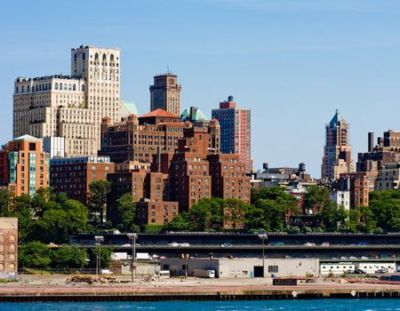
  • New York Bar Foundation Targets Brooklyn Pre Foreclosures

    The New York Bar Foundation has allocated money to help mitigate Brooklyn pre foreclosures, which often turn into completed foreclosures in just a few weeks if they are not rescued.

    New York Bar Foundation Targets Brooklyn Pre Foreclosures

    In Brooklyn, foreclosures in February were still higher than filings in February last year because of job losses. Among the five boroughs of New York City, Brooklyn posted the highest number of foreclosure cases, which reached 495. The number was equivalent to 35.3 percent of the 1,401 total filings in the city in February and also included units already posted for homes auctions in Brooklyn.

    Next highest was the 486 units posted by Queens, equivalent to 34.7 percent of total city filings. The third highest was 184 units, posted by Staten Island. Bronx had 173 filings while Manhattan, the borough previously untouched by the housing meltdown, posted 63 filings.

    Citywide, foreclosure activity slowed compared to the previous month by 23 percent, with each of the boroughs posting double-digit declines. Brooklyn pre foreclosures slowed down by nearly 29 percent and Queens posted a 21 percent decline rate.

    However, analysts are still uncertain whether the month-over-month decline was already the start a continuous drop.

    To help ensure that Brooklyn will keep up with its recovery, the NY Bar Foundation included the Brooklyn Bar Association Volunteer Lawyers Project, the South Brooklyn Legal Services and the WomensLaw.org in its list of recipients for the $337,050 funding it has provided to help community projects throughout the city.

    The VLP in Brooklyn has been carrying out a foreclosure intervention program in the area, in addition to its initiatives offering legal assistance to facing foreclosures, bankruptcy, consumer debt and problems related to handicapped children.

    According to M. Catherine Richardson, president of the NY Bar Foundation, the money came from charitable contributions made by law firms, lawyers, corporations and other individuals that understand the need to provide legal assistance to vulnerable families and children.

    Similarly, foreclosed homes in Portland are also being addressed by grants, particularly the Neighborhood Stabilization Program funding from the HUD. Although there are concerns from certain community advocates that the use of the NSP funds are not progressing as expected so that the city of Portland and the state of Oregon can spend the money within the allotted time frame, neighborhood officials still contend they are able to carry out the program on time.

    With regards to Brooklyn pre foreclosures, the commitment of the NY Bar Foundation to neighborhoods is a strong push for their reduction and prevention.

    Search pre foreclosures in other USA cities:

  • Brooklyn Foreclosure Investing Amid Slowdown in Filings

    Brooklyn foreclosure investing is still viable despite a slowdown in delinquency and foreclosure filings in the area as Brooklyn remains an attractive place for people looking for rentals and homes to buy.

    Brooklyn Foreclosure Investing Amid Slowdown in Filings

    Despite numbers of foreclosures that were never seen before in the boroughs of New York, the city remains one of the best centers for employment and economic growth. Also, the foreclosure situation in New York is not as bad as in other large cities where their populations have sharply gone down because of the departure of residents.

    In February, the number of foreclosure notices and pre-foreclosures in Brooklyn dropped month-over-month by almost 29 percent to 495 filings, but increased by 5.8 percent compared to filings in February 2009.

    In Queens, foreclosure and default notices slowed down to 486 foreclosure filings, marking a 21-percent drop from January and a 12.6-percent compared to February last year.

    In the Bronx, default and foreclosure filings also declined, posting a 19.5-percent drop to 173 filings. The number also marked a seven-percent decrease from February 2009.

    Among the three boroughs, it was only Brooklyn which showed an increase in filings year-over-year, pushing up the possible number of distressed homes that will ultimately enter Brooklyn foreclosure listings.

    For people planning to launch a business centered on Brooklyn foreclosure investing, they can still find a relatively large inventory of distressed properties in the area. Foreclosure filings are still high compared to total filings in February 2009.

    Even Manhattan, which is rarely mentioned in foreclosure reports, had 63 foreclosure postings in February this year.

    Statewide, foreclosure activity also slowed down in February. Month-over-month, foreclosures fell by 29 percent. Compared to February last year, foreclosure activity dropped by 20 percent.

    According to foreclosure analysts, the state of New York has held up strongly during the foreclosure crisis compared to other states. New York only got a lot of media mileage because of the prominence of New York City buildings and investors that fell into default, bankruptcy or foreclosure. These include the Ocelot and Stuyvesant affordable housing complexes.

    As one of the largest cities, New York also has been benefiting from nonprofits and individuals helping homeowners work out mortgage modifications. Moreover, the foreclosure prevention programs launched by Mayor Michael Bloomberg and Governor David Paterson in 2009 have been helping work out affordable repayment schemes for distressed homeowners.

    With available foreclosure inventory and strong prospects for growth, Brooklyn foreclosure investing is a profitable activity for people who can buy one or more units for renting out or for resale.

    Find great investments in other USA top cities:

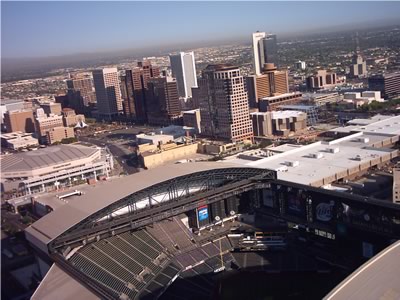
  • Homes Discounted by 33% Drive Phoenix Foreclosure Investing

    Phoenix foreclosure investing in homes sold off at substantial discounts is a good proposition for real estate investors.

    Homes Discounted by 33% Drive Phoenix Foreclosure Investing

    In the northeastern parts of Phoenix, where home prices have declined by 17 to 33 percent in 2009, investors can make profits if they make the right purchases. These areas cover neighborhoods between the Pinnacle Peak Road and the Phoenix Mountain Preserve, which previously were holding up despite the recession.

    According to the Arizona Association of Realtors, the 17- to 33-percent price discounts in 2009 marked substantial increases from the 10- to 20-percent discounts in 2008. These price declines, however, also pushed more home sales in 2009.

    Over 2,500 homes were sold in 2009, up from the 2,000 units sold in 2008. According to the realtor association, a large portion of the sales were from Phoenix foreclosure listings and short sale lists. In zip code 85032, foreclosed properties made up half of total sales.

    Holly Eslinger, head of the realtor association, said that Phoenix is still a tough market for sellers as actual foreclosures and pre-foreclosures in Phoenix continue to push down prices and make the competition fierce for sellers.

    The low prices, however, are advantageous to people engaged in Phoenix foreclosure investing. They can snap up bargain properties with cash and rent them out while waiting for prices to rise.

    In 2009, more than 900 units sold in northeast Phoenix were foreclosures, up from 346 units in 2008.

    According to real estate professor Jay Butler of the Arizona State University, the results of loan modifications do not show immediately in foreclosure reports, so pre-foreclosures are still surging. Additionally, economic conditions are still weak, preventing homeowners from recovering from their financial difficulties.

    In another report from ASU, real estate professor Karl Gunterman explained that house prices are still declining, but the pace of decline has dropped. He contended that prices may be nearing their bottom levels after continuously declining for 33 months.

    Gunterman added that home prices in the Phoenix metro area have fallen by a total of 47 percent since the middle months of 2006. He also mentioned that the decline in prices of nondistressed homes is no longer caused only by lower-priced foreclosure homes, but also by the continuing economic hardship.

    While analysts said that the northeast part of Phoenix may lag in recovery because of sharp price declines, people focused on Phoenix foreclosure investing may find properties in this area that show great prospects for profits.

    Find great foreclosure investments in other Arizona Cities:

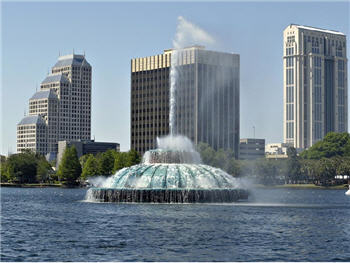
  • Orlando Foreclosure Investing Step Up with Rise in Filings

    Orlando foreclosure investing is expected to step up with the month-over-month increase in foreclosure postings in February, as shown in the foreclosure report released recently by a research firm.

    Orlando Foreclosure Investing Step Up with Rise in Filings

    In the Orlando metro area, which encompasses the counties of Lake, Osceola, Orange and Seminole, a total of 6,823 foreclosures were filed in February, equivalent to one foreclosure for every 132 households. The filings marked a drop of 11.3 percent from the 7,690 foreclosures filed in February 2009, but marked a jump of 8.6 percent from the 6,282 foreclosures filed in January.

    The year-over-year drop in pre-foreclosures in Orlando may be a positive signal to some observers that the housing problem in the area is easing, but many analysts are still doubtful. They still believe that more properties will enter Orlando foreclosure listings in the coming months because of the persistent unemployment problem.

    In all the 4 counties, filings increased when compared to the previous month. The highest rate of increase occurred in Seminole, which posted an 18.5-percent increase from January and a 42-percent jump from February last year. Seminole had 1,423 postings, up from 1,201 in the previous month and up from the February 2009 total of 1,000 filings.

    With both comparisons resulting in a rising trend, Seminole has the best prospects for people engaged in Orlando foreclosure investing and for people looking for higher foreclosure numbers.

    In Osceola, Lake and Orange, foreclosure postings in February 2010 were higher when compared to January, but were lower when compared to February 2009.

    Osceola had 1,053 filings, up by 10.5 percent from the previous month but down by 33 percent year-over-year. Lake had 834 filings, up by 10.3 percent from the previous month, but down by 10.3 percent compared to 2009. Orange had 3,513 filings, up by 4.2 percent from the preceding month but down by 16.1 percent from 2009.

    Statewide, foreclosure activity surged in February by almost 15 percent compared to January and by over 16 percent compared to February 2009. Total filings reached 54,032, the second-highest state total, next only to perennial leader California.

    Based on the ratio of state foreclosure filings to total number of households, Florida was third in the ranking in February, with one foreclosure for every 163 households.

    With a rate of one foreclosure posting for every 132 households in the Orlando metro area, Orlando foreclosure investing is a viable proposition for people planning to enter the real estate business in the area.

    Find great foreclosure investments in other USA Cities:

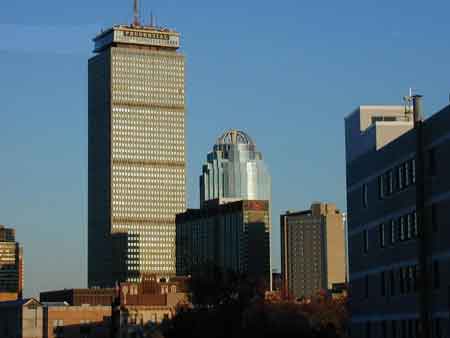
  • Boston Foreclosure Investing Viable due to Price Increases

    Boston foreclosure investing is viable largely because of price appreciation in the area, in addition to strong economic prospects for Boston and other large cities in New England.

    Boston Foreclosure Investing Viable due to Price Increases

    Investors who can buy residential and commercial properties at lower prices can hope for resale or lease at higher prices because of the stronger prospects for recovery in the Boston metro area.

    According to the Federal Reserve researchers, several manufacturing enterprises in the Boston area are expecting higher-than-expected increases in jobs and a number of companies in the information technology services, software, staffing and residential property sectors are expecting increases in demand from clients.

    With substantial improvements in the Boston economy and an unemployment rate much lower than the statewide and nationwide rates, the number of pre-foreclosures in Boston and the number of homes entering Boston foreclosure listings are declining. According to economist Gleb Nechayev, Boston is a city that has been faring well despite the downturn because of its strong economic fundamentals.

    The unemployment rate in the city was 8.2 percent in December while the statewide rate was 9.3 percent and the nationwide rate was 10 percent. All the three rates, however, marked increases of more than two percentage points year-over-year.

    People spending their efforts and money on Boston foreclosure investing can also expect to benefit from continued home price appreciation despite the downturn. According to an online real estate firm, Boston was one among five cities able to maintain or increase their home price levels in January despite price declines in other metro areas.

    Year-over-year, house prices in Boston climbed up by 1.7 percent while the next cities on the chart, Los Angeles and San Francisco, increased their home prices by 0.9 percent. San Diego and Denver posted increases of 0.2 percent and 0.4 percent, respectively.

    Nationwide, home prices dropped by 0.33 percent in January compared to December 2009. The annualized price appreciation rate improved, but it was still negative at -4.8 percent in January, compared to -5.5 percent in December.

    Another positive development in the Boston metro area is the expected decline in vacancy rates for apartment properties and increase in rents. Economist Nechayev said that the vacancy rate will fall from 5.4 percent in the last month of 2009 to 4.6 percent in the first months of 2010 and that rents will rise from an average of $1,417 to an average of $1,458, making Boston foreclosure investing in the multifamily sector another great investment option.

    Find great foreclosure investments in other Massachusetts Cities: