Author: jparker

  • Philadelphia Home Auctions Avoided Through Short Sales

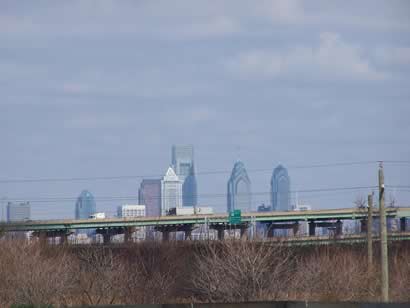
    Philadelphia home auctions are being avoided by a number of homeowners through short sales, according to Greater Philadelphia real estate professionals.
    Philadelphia Home Auctions Avoided Through Short Sales

    In January, 6.9 percent of all houses for sale in the area as of the last week of January were for short sale transactions, according to top real estate executive Art Herling. If these units were all sold, it meant the same percentage of houses was saved from entering listings of foreclosed homes in Philadelphia.

    Nationwide, 14 percent of all sales transactions involving previously-owned homes as of the last week of January were short sale deals, according to the National Association of Realtors.

    Despite the rigorous work and longer time needed to carry out short sales, these have significant impact on overall foreclosure figures, in addition to helping homeowners contain the damage of the housing crisis on their credit records.

    Recently, the administration of President Barack Obama relaunched its short sale program with additional incentives for homeowners. Its Home Affordable Modification and Refinancing Programs have been largely ineffective in containing the foreclosure crisis, so it has revisited its short sale program and enhanced it to be more attractive and viable for distressed homeowners.

    In 2009, foreclosure postings in the Philadelphia metro area, including pre foreclosures in Philadelphia, surpassed 31,000 units, marking an almost 15-percent increase from distressed filings in 2008. For every 77 houses in the region, one unit was in danger of entering Philadelphia home auctions in 2009.

    As envisioned by federal officials, the enhanced short sale program is expected to reduce the number of housing units entering public auctions. Among the features added to the 2009 program are the incentives for homeowners and second lienholders and the standardization of paper work.

    Under the program, a borrower can get $1,500 in relocation assistance and the lender can get $1,000. The second lienholder can get $3,000 from the proceeds of the sale. To encourage real estate brokers to work out short sales, the program specified that lenders cannot reduce their commission rates.

    Currently, according to realtors, short sales comprise only a small portion of the housing market nationally and regionally because of the difficulty of processing short sales. Short sale buyers tend to give up pursuing properties in short sales and look for other units because of the uncertainties.

    Nevertheless, despite the hindrances, the short sale program offered by the federal government is still a viable option for preventing a number of houses from entering Philadelphia home auctions.

    Search home auctions in other USA Top Cities:
  • Dallas Home Auctions Gave Substantial Price Discounts

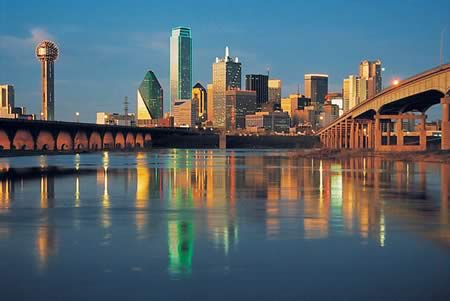
    Dallas home auctions held in the first three months of 2010 granted whopping price discounts of 44 to 52 percent to buyers, according to a real estate firm focusing on foreclosures in Texas.

    Dallas Home Auctions Gave Substantial Price Discounts

    The firm said that investors got price discounts of 44 to 52 percent for the properties they purchased in the three monthly public auctions in the Dallas metro area. On the average, they paid only 56 percent of the appraised values of the foreclosure homes.

    Foreclosed homes in Dallas County were even cheaper because investors paid an average of only 48 percent of the assessed values.

    According to foreclosure analysts in the Dallas area, a huge majority of homes offered at public foreclosure auctions in the area are taken back by lenders. Only about six percent are being sold to owner-occupant buyers or to investors.

    In the January to March quarter, only 250 units out of 16,137 foreclosed properties offered at the Dallas home auctions were purchased by investors or owner-occupant buyers. Nevertheless, these units were bought at bargain prices.

    Foreclosure experts said that the percentage of homes being purchased directly at auctions is low because the process of participating wisely in auctions involves a lot of work and cash. They said that seasoned investors bring cashier’s checks in small denominations so they can be flexible with the prices and at the same time be ready with the payments.

    The experts also said that typically only about 35 percent of pre foreclosures in Dallas and properties posted for the public auctions are actually auctioned off. They said that lenders decide to delay the sale of certain properties for various reasons, including short sales or repayment negotiations.

    In another report released by the Texas A&M University Real Estate Center, total home sales in North Texas, which includes the Dallas metro area, fell in February as the median sales price rose year-over-year. A total of 4,099 homes were sold, marking a 5-percent drop from sales in February 2009 and a significant drop from the peak sales of 7,139 units in July 2009.

    The sales price median rose by 1.3 percent from the February 2009 median to $139,900, the eighth consecutive month that the median price was higher year-over-year.

    Although the median sales price increased for all types of homes in February, prospective buyers can prepare to participate in the next Dallas home auctions to be able to obtain great prices.

    Search home auctions in other USA Top Cities:
  • Houston Home Auctions Slowing Down, Pushing up Prices

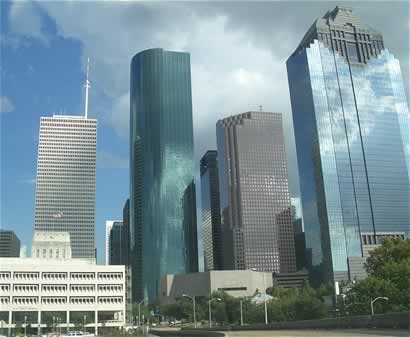
    Houston home auctions have been slowing down in Houston, pushing up prices, based on sales data from real estate firms.

    Houston Home Auctions Slowing Down, Pushing up Prices

    In January this year, the median house sales price in Houston rose by 10 percent to $143,500, according to a report released by Associated Press and Re/Max. Total sales of higher-priced homes also increased. According to Texas realtor Danny Frank, sales for homes priced $500,000 and above increased by 40 percent from total sales in January 2009.

    The pace of pre foreclosures in Houston also slowed down in 2009. In the metro area that includes Houston, Baytown and Sugar Land, foreclosure postings dropped by 11.4 percent year-over-year. The pace, however, was still higher than postings in 2007 and still involved more than 28,300 households. Despite efforts of homeowners to save their properties through loan modifications, a large percentage of these delinquent units eventually enter listings of foreclosed homes in Houston.

    Nevertheless, the economy of Houston has been far steadier than other urban economies because of its vibrant energy sector. A total of 2,700 jobs were added in December last year, marking the fourth straight month of job gains, according to the Texas Workforce Commission.

    There were also fewer Houston residents who filed unemployment claims in December. Only 22,283 residents made jobless claims, the lowest number recorded in 2009, according to Joel Wagher of Workforce Solutions, which handles employment training in the city.

    The pace of Houston home auctions is also not as bad as the pace in 110 other large metro areas. In 2009, the city was in the lower half of a ranking of 203 large metropolitan areas based on foreclosure activity.

    With its manageable foreclosures, Houston was considered by Wells Fargo and the National Association of Home Builders as among the best cities for families to buy their homes. The NAHB and Wells Fargo determine their housing opportunity index and their list of most affordable housing markets by comparing median house prices and median household incomes and analyzing prospects of recovery from foreclosures and pace of price appreciation.

    Nevertheless, Texas A&M University economists are not yet certain about what lies ahead for the Texas housing market. Despite the increase in sales volume and sales prices in Houston and in other cities of Texas, they still worry about the more than 100 distressed properties statewide in 2009 and the more than 28,000 units at risk of entering Houston home auctions during the same year.

    Search home auctions in other Texas Top Cities:

  • Miami Home Auctions Offering More Low-Priced Properties

    Miami home auctions continue to offer more low-priced properties, sharply increasing the number of single-family homes and condos priced below $250,000, based on reports from a real estate firm based in Bal Harbour, Florida.

    Miami Home Auctions Offering More Low-Priced Properties

    In Miami-Dade County, a total of 13,185 condos and single-family homes listed below $250,000 are currently on the market and 72 percent of these or 9,437 units are townhouses and condos.

    In nearby Palm Beach County, a total of 11,176 homes are being resold below $250,000 and 72 percent of these or 7,966 units are townhomes and condos.

    Broward County, with a total of 13,655 units currently being resold below $250,000, has the highest number of existing homes being offered below $250,000 in South Florida and also has the highest percentage of townhouses and condos at 73 percent.

    South Florida real estate analysts said that the lower-priced homes are increasingly located in suburban communities on the western side of Interstate 95. Properties on the eastern side of the interstate are the ones rising in value because of their proximity to the coast.

    Miami home auctions have significantly pushed down home prices over the past five years. In 2005, the sales price median reached $351,000. Today, more than 67 percent of the 41,000 previously owned townhomes and condos on the market were offered for sale below $250,000.

    Home prices in many parts of South Florida did not improve significantly despite a year-over-year slowdown in foreclosure activity in the area in February this year. Pre foreclosures in Miami dropped to 1,670 filings, a 30-percent drop from 2,376 filings in February 2009. Many of these, however, eventually entered lists of foreclosed homes in Miami as many homeowners were not able to cure their delinquencies. Also, the number marked an increase from the 1,400 foreclosures filed in January.

    Foreclosure filings also dropped in Palm Beach, posting a 24-percent year-over-year decrease from 2,413 filings to 1,822 filings. Compared to the previous month, the number marked a decrease from about 2,250 filings in January.

    Broward County posted the slightest year-over-year drop at 7 percent, with 3,188 filings in February this year and 3,411 filings in February last year. The number also marked an increase from the 2,250 filings in January.

    Among the three South Florida counties, Miami had the sharpest decline in foreclosure activity in February. Miami-Dade County, nevertheless, is bent on wiping out its foreclosure inventory by continuously promoting its online Miami home auctions.

    Search home auctions in other Florida Top Cities:

  • Home Foreclosures in New York Rise with Manhattan Filings

    Home foreclosures in New York will surge in the coming months if the owners of more than 700 Manhattan condo units hit with lis pendens filings in 2009 are not able to save these properties from foreclosure, based on data from a New York City-based real estate firm.

    Home Foreclosures in New York Rise with Manhattan Filings

    According to the firm, the number of Manhattan condo units hit with foreclosure filings rose to 725 units in 2009, up by a staggering 125.2 percent from only 322 filings in 2008.

    According to analysts, a number of these condo owners have intentionally allowed their mortgage loans to go into pre-foreclosure so that they can work out lower monthly payments with their lenders. Interviews with some of them indicated that they were largely successful in using pre-foreclosure as a tactic. In fact, under the federal loan modification program, homeowners can only apply for loan modification after they have defaulted for a number of months.

    A large number of distressed Manhattan condo owners are investors whose rental or resale projections did not pan out. When the funds they reserved for paying the initial mortgage and condo fee and tax payments while they wait for buyers or renters were wiped out because they have been waiting for too long, they no longer have an option other than to let their investments get added to lists of home foreclosures in New York.

    The task of looking for renters or buyers for these condo properties has been difficult because of several factors: the costly monthly charges, difficulty in finding financing for units in foreclosure-hit buildings, higher mortgage rates for investment properties and the wide gap between projected monthly rental income and carrying costs.

    Even buyers who have been spending time researching almost every list of foreclosure homes, and therefore are likely to consider these distressed condos, are not interested because the cash flow projections are not good. For instance, one condo unit that can be rented out for $3,000 has monthly common charges amounting to $5,750.

    New York home foreclosures have been concentrated over the past years in Jamaica neighborhoods in Queens. Now, the claws of foreclosure have spread out into the affordable-housing complexes of Brooklyn and the Bronx and into the higher-priced condos of Manhattan.

    Among the condo buildings with units likely to enter lists of home foreclosures in New York in the coming months are the Atelier, 200 Chambers Street, Downtown Club, World Plaza, 1600 Broadway, Millennium Tower Residences and Cipriani Club Residences.

  • Home Foreclosures in Las Vegas Have Not Cut Property Taxes

    While home foreclosures in Las Vegas have pulled down home values, they have not been able to pull down real estate taxes for homeowners, as shown in the record number of property owners filing tax complaints with the government center of Clark County, where Las Vegas is the county seat.

    Home Foreclosures in Las Vegas Have Not Cut Property Taxes

    According to the Equalization Board of Clark County, it has received 8,300 residential and commercial tax appeals for the 2009 tax year, more than 6 times the number filed for the 2008 tax year.

    In 2005, the state of Nevada has capped real estate tax increases, but the cap has not lessened the number of tax protests as the values of properties in the state, especially in Las Vegas, continue to fall. Many property owners are baffled by the fact that their taxes are still high when property foreclosures have pulled down the appraisal of their homes by more than 50 percent.

    The Knights, who bought their three-bedroom house sitting on over half an acre in 2003 for around $180,000, considered moving to another state in 2007, a year their home was appraised at $350,000. They should have moved then because last year, their home appraisal has plunged to $177,000 and is still falling.

    They are not alone as record numbers of home foreclosures in Las Vegas pulled two-thirds of homeowners in the area to underwater levels. According to SalesTraq, the zip code 89108, where the Knights are located, posted the second-highest number of foreclosures in metro Las Vegas in 2009.

    The Knights have filed a tax protest with the board because they were assessed with a $1,500 property tax for 2009. They are complaining why their house was valued at $153,000 when a comparable neighboring but with an in-ground swimming pool was recently sold at only $132,000. With both of them unemployed, the $1,500 tax assessment is a heavy burden for the Knights.

    While most other states are already starting to rise up from the housing crisis, record numbers of Nevada home foreclosures are still weighing down on the state. In January this year, it again topped the foreclosure charts and the jobless charts with a 13-percent unemployment rate.

    Similarly, the pace of home foreclosures in Las Vegas put the metro area on top of metro foreclosure charts in January, with one foreclosure posting for every 82 residential units in the area. The Knights and other Las Vegas homeowners then may have to suffer more than high property taxes.

  • Home Foreclosures in Fort Lauderdale Up in Part Due to Fraud

    Home foreclosures in Fort Lauderdale increased to record levels over the past years in part because of fraudulent mortgage loans, based on reports from government lawyers and from the Financial Crimes Enforcement Network.

    Home Foreclosures in Fort Lauderdale Up in Part Due to Fraud

    According to the FinCEN report, the Fort Lauderdale-Miami metro area has the highest number of suspects who carried out mortgage fraud since 2007. Additionally, Florida has the second-highest number of suspicious mortgage activity reports in the country, behind only California.

    Despite a slowdown in Florida home foreclosures in January this year, the total number of households affected was still high and Florida was still among the four most foreclosure-battered states in the country. Over 47,000 homeowners received distressed notices in January and 6,169 of them have already seen their properties turn into real estate foreclosure homes.

    Recently, the federal Financial Fraud Enforcement Task Force, which was created by President Barack Obama in November, held a summit in Miami to meet with representatives from the law enforcement, mortgage, banking and real estate sectors to talk about fraudulent activities in the region. Mortgage fraud in the Miami-Fort Lauderdale metro area has been exacerbating home foreclosures in Fort Lauderdale and in other parts of the South Florida region.

    According to the Federal Bureau of Investigation, 282 residents of South Florida have been indicted for mortgage fraud since September 2007 involving over $343 million in fraudulent home loans. Nationwide, over 2,900 fraudulent mortgage cases are being investigated by the FBI, a sharp increase from the 430 cases filed in 2003.

    Last year, six residents of South Florida, together with three other people outside of Florida, were charged with carrying out an elaborate money-making scheme involving fraudulent home loans.

    In February this year, 10 residents of Miami-Dade County were indicted for defrauding mortgage lenders in a $24-million scheme involving six huge mortgage loans.

    Last December, 15 South Florida residents were charged with another multimillion-dollar fraudulent scheme involving home loans.

    Based on a report from fraud prevention firm Interthinx, Florida ranked fourth among states in number of mortgage cases filed. The firm analyzes mortgage fraud and three other types of fraud nationwide.

    Jeffrey Sloman, federal attorney for South Florida, said that mortgage fraud has caused lenders to post huge losses and homeowners to lose their homes.

    Home foreclosures in Fort Lauderdale soared in 2009 by nearly 44 percent from the level of foreclosures in 2008, putting almost 173,000 housing units in the Fort Lauderdale-Miami area into the foreclosure process.

  • Home Foreclosures in Brooklyn Caused in Part by Straw Buying

    A percentage of home foreclosures in Brooklyn occurred due to straw buying and other fraudulent mortgage activities.

    One of the straw buying cases being investigated by the U.S. Federal Bureau of Investigation is the case of Queens resident Ishwardat Raghunath who masterminded a mortgage fraud that involved a total of $7 million home loans in Brooklyn, Queens and the Bronx.

    Home Foreclosures in Brooklyn Caused in Part by Straw Buying

    In the federal court in Brooklyn where the case was filed, Raghunath, an immigrant from Guyana, was accused of recruiting straw buyers to buy houses in the three boroughs.

    Straw buyers are people with strong credit scores who lend their names and financial records to a deal maker so that people with poor credit records can buy homes using house loans. In exchange, straw buyers are paid thousands of dollars. Raghunath typically paid $5,000 each to straw buyers.

    Raghunath, however, inflated the sales prices of the homes in his loan applications, and when the loans were approved, he put the extra loan proceeds into his bank account. Because the real buyers actually did not have adequate income, they were able to make only the initial mortgage payments, ultimately defaulting on the loans. Lenders filed foreclosure cases against the straw buyers, adding to home foreclosures in Brooklyn.

    According to the FBI, two partners in the fraud, Bronx resident Halal Ahmed and Queens resident Phyllis Seemongal, have been arraigned on wire and bank fraud.

    Some people may look at straw buying as a smart remedy for prospective buyers with weak credit records and as an investment strategy for people with strong credit records. But straw buying is illegal because the straw buyer is making false statements, signing on documents telling lenders they will use the loans and will occupy the properties to be purchased.

    Additionally, lenders or mortgage guarantors such as the FHA, are put to greater risks because they are unknowingly giving mortgage loans to borrowers with inadequate income or people with bad credit scores. In the end, they will lose much of their investments from the sales of foreclosed homes disposed of at bargain prices.

    New York home foreclosures slowed in January 2010 compared to the previous month, but they are still higher than foreclosures in January 2009.

    Home foreclosures in Brooklyn multifamily and apartment complexes have also been distressing families living in these affordable housing units, as some buyers of these buildings failed to make the needed repairs and renovations.

  • Home Foreclosures in Bronx Addressed by Bloomberg Campaign

    Home foreclosures in Bronx again became the focus of New York City Mayor Michael Bloomberg this week when he launched a nationwide campaign together with national nonprofit NeighborWorks to fight mortgage fraud.

    Home Foreclosures in Bronx Addressed by Bloomberg Campaign

    Financially troubled residents of the city are being approached by a rising number of con artists promising them relief from problems related to foreclosures houses and consumer debts.

    In New York City, NeighborWorks partnered with the Consumer Affairs Department to promote the campaign through an animated billboard on Times Square. Events offering free counseling and legal services to homeowners facing foreclosure will also continue to be held.

    The consumer department will also organize groups of volunteers to go around foreclosure-hit neighborhoods and distribute flyers promoting the anti-fraud campaign.

    According to a foreclosure tracking firm, the rate of New York home foreclosures surged year-over-year by 31 percent in January 2009 and increased by 0.7 percent in 2009 compared to 2008.

    Nationwide, foreclosure activity stepped up by 15.1 percent year-over-year in January this year and surged by 21.2 percent in 2009 compared to 2008.

    On a month-over-month basis, nationwide foreclosures dropped by 9.7 percent in January this year, but analysts said foreclosure activity will again surge in the coming months because of various factors. Aside from the major cause, which is unemployment, the other reasons are negative equity, failure of the Home Affordable Modification Program, readjustment of flexible-rate loans, serious illness and divorce.

    The same foreclosure factors are playing out in New York, although serious financial problems by owners of multifamily buildings are exacerbating home foreclosures in Bronx. The bankruptcies and foreclosures of affordable housing complexes in the Bronx have been leaving these properties without owners able to make needed repairs.

    In the 5 boroughs of New York City, a total of 1,825 households were notified of delinquency or foreclosure in January, a still relatively high number for the city, although it marked a 9.3 percent drop from December.

    The campaign launched by Mayor Bloomberg to curb mortgage fraud and cut down foreclosures was supported by a newly-approved law which requires all foreclosure relief firms and loan modification services to inform homeowners of their rights before signing them to contracts, including telling them that they are not being charged upfront fees.

    According to Eileen Fitzgerald, chief operating officer of NeighborWorks, equipping homeowners with relevant information is one of the most effective ways to fight mortgage fraud and home foreclosures in Bronx and in other parts of the city.

  • San Diego Home Foreclosures Slowed, but Defaults Surged

    San Diego home foreclosures slowed in January this year, but more foreclosures are expected in the coming months because of the high percentage of defaults in the final quarter of 2009.

    San Diego Home Foreclosures Slowed, but Defaults Surged

    According to Chicago credit information provider TransUnion, 9.9 percent of homeowners with mortgage loans in San Diego County were in default by at least 60 days in the last quarter of 2009, a much higher percentage than the 6.2-percent rate in the same quarter in 2008 and far above the 1.5-percent average in the earlier part of 2007.

    The average mortgage loan in San Diego in the October-December quarter was $379,271, around $10,000 lower than the average in the first months of 2007. Since the home sales price median in the same quarter was $325,000, most homeowners were clearly underwater.

    Analysts said most borrowers in default would likely fall into foreclosure and ultimately see their houses go into home listings because of the difficulty in coming up with more money to pay the arrears. For a 30-year fixed-rate $379,000 mortgage loan, the monthly payment is around $2,034, so homeowners in default by more than two months need to come up with more than $6,000 to pay their arrears including the current month.

    In January this year, the pace of San Diego home foreclosures slowed, dropping from 1,515 completed foreclosures in December 2009 to only 986 completed foreclosures in January. But the number of defaults held steady, at 1,741 default filings.

    Similarly, the pace of home foreclosures in California also slowed, posting a foreclosure rate 10.8-percent lower than the rate in December 2009. A total of 71,817 households across California were hit with delinquency or foreclosure notices in January.

    Based on the TransUnion data, the default rate of California in the final quarter of 2009 was 11 percent, much higher than that of San Diego and far above the national average of 6.9 percent.

    According to Norm Miller, a CoStar Group top executive who teaches at the University of San Diego, said that the distress rate in California will likely peak at 12 percent while that of San Diego will peak at 11 percent and that the housing crisis will ease in about two years.

    In January, the data on San Diego home foreclosures showed shifts in neighborhoods where foreclosures were concentrated. Previously battered communities, such as Golden Hill and National City showed decreases while stronger neighborhoods like Santee, Pacific Beach, Mission Beach and Lakeside showed increases in foreclosures.

  • San Antonio Home Foreclosures Drove Surge in Home Sales

    San Antonio home foreclosures largely drove the increase in sales of lower-priced homes in the area in 2009, based on home sales data from local realtors.

    San Antonio Home Foreclosures Drove Surge in Home Sales

    In 2009, around 76 percent of all homes sold in San Antonio were priced below $200,000. A large number of first time house buyers purchased homes in the price range of $100,000 to $150,000. Analysts said that financing in the lower price range is more readily available than financing for homes priced above $300,000. They also stated that the trend of increased sales in the lower range will continue in 2010.

    Many realtors, however, have been observing an increased number of prospective buyers looking for homes in the $300,000 to $400,000 range due in part to the $6,500 tax credit for move-up buyers.

    Although the number of residential properties entering foreclosure home lists in 2009 in San Antonio climbed up, the median price for single-family homes rose in December to $148,300, an increase of 5 percent from the $141,200 median in December 2008. Total home sales during 2009 climbed up by 8.3 percent.

    San Antonio home foreclosures surged by 23.7 percent in 2009, with 9,934 households in the metro area receiving foreclosure notices, representing 1.31 percent of all housing units in the area. The foreclosure situation in San Antonio was better than 108 other large metro areas as the city was 109th in the foreclosure charts in 2009.

    Statewide, the foreclosure situation in Texas was much better than 28 other U.S. states in 2009. Far below the rate of home foreclosures in California, the state which has been posting the largest number of filings in 2008 and 2009, only 1.06 percent of households in Texas received foreclosure notices in 2009.

    Analysts said that Texas largely escaped the devastation experienced by states with high rates of foreclosures because the state was able to prevent the overinflation of home prices that occurred in other states during the housing boom.

    One sign indicating the strength of the housing sector in Texas is the projected 31-percent growth of housing starts to almost $22 billion in 2010.

    In San Antonio, the housing market is also expected to recover more quickly this year. NAR chief economist Lawrence Yun and other housing analysts said that any increase in the pace of San Antonio home foreclosures will be balanced by a continued increase in demand for homes and an improvement in the job situation.

  • Miami Home Foreclosures Bought Through Website Have Flaws

    A number of Miami home foreclosures purchased by newbies through the newly launched foreclosure auction website of Miami-Dade County were defective or misrepresented, based on complaints from buyers who are just beginning to invest in foreclosures.

    Miami Home Foreclosures Bought Through Website Have Flaws

    Some of the purchased properties had liens; others have huge mortgage loans, and a number of the properties have not been properly foreclosed. The newbies that bought these properties were so excited they thought they found a gold mine, but instead, they lost thousands of dollars of their hard-earned money.

    According to veteran foreclosure investor Alain Lantigua, the newly launched Miami online foreclosure auction is beneficial to him, but to newbies, the foreclosure website can be a trap. He added that the foreclosure business is complicated and that buyers need to research the properties to be auctioned before bidding on them. He said he investigates around 1,000 foreclosures listing properties a month before buying one or two properties.

    According to Harvey Ruvin, clerk of courts of Miami-Dade County, the foreclosure auction website has sold over 1,500 Miami home foreclosures since it launched in January, and he expects sales to continue to increase in the coming weeks to ultimately move over 100,000 foreclosure cases in the county.

    Ruvin also said that the initial results have been successful and that the complaints against the site were from bidders who did not read the instructions and disclaimers well. He explained that the website contains clear disclaimers about titles and encumbrances.

    Fort Lauderdale businessman Sehan Thompson was among newbies who lost money in the auction website. He bid $9,100 for a condo appraised at $140,000 and when his bid was accepted, he was ecstatic. Later, he found out that he actually bid on a $9,000 condominium lien and not on the condo unit.

    New York City investor Samuel Sontag lost much more than Thompson. He bid $95,600 for a one-bedroom Miami Beach condo unit with a $13,000 condo association lien. After wiring the money, somebody called to inform him that the condo unit he bought had a $265,000 mortgage with IndyMac Federal Bank.

    Home foreclosures in Florida have risen to record levels, prompting Florida counties to resort to online auctions to solve their backlog of foreclosure cases. Prospective bidders, however, need to research on these properties and read thoroughly disclaimers to avoid the losses suffered by the newbies that immediately plunged into bidding for Miami home foreclosures without learning about foreclosures and the online bidding process.

  • Stockton Home Foreclosures Second Highest in California

    The rate of Stockton home foreclosures was the second highest in California in January this year, based on data from a California foreclosure research firm.

    With one residential unit out of every 107 units in foreclosure, Stockton ranked second only to Modesto, which posted a rate of also around one out of every 107 units.

    Stockton Home Foreclosures Second Highest in California

    Compared to other metro areas in the country, Stockton ranked fourth. Las Vegas topped the January foreclosure rate rankings, with one out of every 82 residential units in foreclosure, followed by Phoenix, with one out of every 102 households in foreclosure.

    Like most other states, the pace of home foreclosures in California in January this year also slowed compared to December foreclosure activity. A total of 71,817 households in the state received foreclosure and default notices, including 17,000 already taken back by mortgage banks and listed for foreclosure homes sale.

    Foreclosure filings in California, together with filings in Florida and in Arizona, accounted for over 44 percent of all foreclosure notices issued in the U.S. in January. Florida posted more than 47,000 filings while Arizona posted more than 21,000 filings.

    In 2009, the pace of Stockton home foreclosures slowed by 7.5 percent compared to filings in 2008, but still higher by 84 percent compared to 2007 filings. Stockton was also still among the most foreclosure battered metro areas in the country, ranking fifth in foreclosure rate, behind the Las Vegas, Cape Coral, Merced and Riverside metropolitan areas.

    While Stockton foreclosure activity slowed last year, statewide activity rose by 21 percent, with nearly 633,000 homes across the state put into the foreclosure process. The number represented 4.8 percent of all households in the state and put California fourth among state based on foreclosure rate.

    Recently, California again saw a tax credit proposal that would stimulate jobs and home ownership in the state and would also cut down the inventory of new homes, pre-owned homes and properties in foreclosure homes sale in the state.

    State Senator Roy Ashburn introduced a bill that would give $200 million in tax credits of $10,000 to home buyers. The bill mirrored the state tax credit last year, which was given to encourage buyers of new homes and help the struggling house construction industry. Ashburn claimed that the $70 million spend on tax credits last year generated $120 million in tax revenues.

    Legislators supporting the tax credit bill contend that in addition to generating jobs, the state tax credits would also help mitigate the impact of the still high number of Stockton home foreclosures.

  • Detroit Home Foreclosures Made City Second Most Affordable

    Record numbers of Detroit home foreclosures have made the Michigan city the second most affordable to buy a home among U.S. cities as of the first months of 2010, based on a ranking by CNN.

    Detroit Home Foreclosures Made City Second Most Affordable

    In the final quarter of 2009, the median home sales price in Detroit was $86,000, substantially down from the $145,000 median in 2005. Nearly 94 percent of all houses sold in the last quarter were affordable to many families in the city, where the median household income is $57,100.

    The CNN affordability score of Detroit is 93.4 percent, just 2.3-percentage points below the 95.7-percent score of Indianapolis, the most affordable city.

    In 2009, more than 69,000 homes in the Detroit metro area received delinquency or foreclosure notices, according to a California-based foreclosure tracking company. The number represented 3.6 percent of all housing units in the area and marked an increase of 0.36 percent from postings in 2008 and a jump of 10.2 percent from filings in 2007.

    Detroit lost record numbers of its housing units to foreclosure home listings after suffering record numbers of record job losses when its auto manufacturing sector collapsed. In December last year, its unemployment rate hit 14.9 percent, almost 5 percentage points above the national average jobless rate.

    Detroit home foreclosures also contributed to the record rate of home foreclosures in Michigan in 2009. More than 118,000 households in the state went through delinquencies or foreclosures in 2009, representing 2.6 percent of all households in Michigan. The number marked an increase of 11.5 percent from filings in 2008 and a jump of 35.6 percent from filings in 2007. Compared to other states, Michigan ranked eighth based on rates of foreclosure.

    Because of continued job losses, the foreclosure problem in metro Detroit has spread into the more affluent neighborhoods. In Lake Shore, where top auto executives once enjoyed their lives in luxury, homes which were once priced above $1 million have been left vacant after foreclosure and are now being sold at less than half what they were once worth.

    According to broker Kent Colpaert, the last high-end home sold in Grosse Pointe Park was priced at only $465,000. Detroit homeowners with loans above $1 million have been defaulting at a higher rate than owners of regular homes because of losses in the stock markets and the loss of high-paying jobs.

    Indeed, the pace of Detroit home foreclosures, largely driven by the bankruptcy of major manufacturing companies, also swept the wealthier families who should have been stronger in weathering the downturn.

  • Dallas Home Foreclosures Resurged by 30 Percent

    The number of Dallas home foreclosures listed for the March public auctions rose again after falling the previous month, according to data from an Addison-based real estate information provider.

    Dallas Home Foreclosures Resurged by 30 Percent

    A total of 5,548 homes in the Dallas metro area were listed for the March auctions, higher by 30 percent compared to March last year and higher by 18 percent compared to listings for the February auctions.

    In contrast, the number of houses posted for the February auctions was 4 percent lower than the number posted for February 2009, the first time the number of properties dropped on a yearly comparison since October 2007.

    In all the counties that make up the Dallas metro area, foreclosure filings for the March auctions increased compared to postings for March last year. In Tarrant County, postings increased by 37 percent to 1,834. Collin and Denton posted the same percentage of increase, which is 34 percent, while Dallas County posted a 23 percent increase. Collin, Denton and Dallas counties posted 721 filings, 649 filings and 2,344 filings, respectively.

    All in all, in the first three months this year, the number of Dallas home foreclosures posted for foreclosure auctions totaled 16,137 units, marking a jump of 22 percent from the first quarter of 2009, but down by 4 percent compared to the final quarter last year.

    Of the foreclosure properties scheduled for public auction each month, less than 50 percent are sold. Many of the properties are saved before the auctions are conducted as homeowners try their best to negotiate loan restructuring with their lenders. In other cases, homeowners voluntarily surrender their homes to the lenders to avoid foreclosure and protect their credit scores.

    Meanwhile, another study reported that the pace of home foreclosures in Texas in January this year slowed down by 11.5 percent to 12,225 filings compared to the previous month, although the pace was still higher by 25.3 percent compared to January 2009.

    One out of every 785 households across Texas was notified of default or foreclosure, putting Texas 27th in a chart of states with the highest intensity of foreclosure activity. Out of the more than 12,000 homes put into the foreclosure process, 6,171 units were notified of trustee sale and another 6,036 units were repossessed by lenders.

    For the public auctions scheduled in March this year, out of the 5,548 Dallas home foreclosures listed, housing officials hope that a huge percentage will be rescued before they are auctioned off.

  • Find a Foreclosed Home for Sale in South Coast Cities

    Find a foreclosed home for sale in South Coast cities in California, as distressed properties continue to rise in number in these cities, based on data from local realtor associations.

    Find a Foreclosed Home for Sale in South Coast Cities

    In contrast to other cities in Orange County, California, where the pace of foreclosure is slowing down, South Coast cities have been posting increases in defaults and foreclosures over the past two weeks.

    As presented in a biweekly report on Orange County defaults and foreclosures, the percentage of foreclosed houses and distressed homes for sale in Dana Point increased slightly from 24.7 percent to 24.8 percent. Laguna Beach posted 9.3 percent, up from 9 percent in the previous two weeks.

    The highest percentage of distressed houses for sale again occurred in Talega, which had 57.4 percent of its housing inventory in distress, up from 52.4 percent in the previous biweekly report.

    Across Orange County, however, the percentage of foreclosed single family properties and distressed homes for sale fell from 34.8 percent to 33.7 percent. The total of distressed homes available for sale in the county dropped by 22 units to 2,651 units.

    In San Clemente, the percentage of foreclosed and distressed homes for sale also dropped from 32.8 percent to 31.2 percent.

    According to county realtors, the decline does not indicate that the pace of foreclosures is slowing down across the county. It meant that the number of investors and potential homeowners looking for a foreclosed home for sale has shot up, cutting down inventories quickly.

    Over the past four weeks, the pace of entry of non-distressed and distressed homes into the market is almost the same as the pace of their exit from the listings.

    All in all, over the past two weeks in the South Coast area, Dana Point had 234 homes for sale, with 58 distressed units; Laguna Beach had 300, with 28 distressed units; San Clemente posted 343, with 107 in distress; and Talega had 61, with 35 distressed units.

    Meanwhile, in a related report, investors planning to buy multifamily properties in South Coast are advised to check real estate-related laws that took effect on January 1 this year and bills included in the 2009-2010 session. Three of these are the multifamily housing program for veterans, the emission reduction instruction given to the South Coast Air Quality Management District and the protection of mortgage borrowers from unscrupulous lending practices that caused the foreclosed home for sale crisis.

  • Provo Foreclosures Shot Up due to Predatory Lending

    The pace of Provo foreclosures shot up by 579 percent over the past couple of years largely because of record numbers of borrowers who took out costly loans and who bought more house than they can afford.

    Provo Foreclosures Shot Up due to Predatory Lending

    In 2009, 4.17 percent of homeowners in Provo were in default or in foreclosure. The city was 30th among metro areas in foreclosure activity and posted the biggest foreclosure rate statewide.

    Provo has largely escaped the devastation brought about by foreclosures during the first year of the housing crisis as its economy has been strong and its employment much more stable than other cities. Provo is the second biggest metropolitan area in the state and is the site of the Brigham Young University.

    Scott Schaeffer, finance professor at Utah State University, said that the number of home foreclosures for sale began to increase in Provo only last year as the economy slowed, but the economy did not suffer as much as other cities. He added that home prices did not shoot up to unsustainable levels during the boom, unlike what happened in bubble markets.

    According to Schaeffer, the one thing that hurt Provo was the prevalence of predatory lending. He said that a huge portion of Provo foreclosures arose from unaffordable mortgages that fell into default. He said that unscrupulous agents infiltrated churches and community organizations, gained the trust of members and then enticed them to buy larger houses and take out bigger loans.

    Real estate executive Dan Christenson said that Utah foreclosures soared in 2009 because a large number of borrowers took out big loans that they can no longer afford to pay when the economy declined.

    Nearly three percent of all households in Utah went into default or foreclosure in 2009, a jump of 83 percent from 2008 and a staggering 265-percent increase from 2007. With more than 27,000 of its households hit with default or foreclosure notices, Utah was fifth nationwide in a ranking based on foreclosure rates.

    Aside from the Provo-Orem area, two other metro areas in Utah suffered record foreclosure rates last year. Salt Lake City posted a 2.94-percent rate and the Ogden metro area posted a 2.53-percent rate. The cities were ranked 43rd and 52nd, respectively nationwide.

    The only Utah city that surpassed the pace of Provo foreclosures in 2009 was the 6.42-percent pace of Saint George, which was not included in the ranking of 203 metro areas because of its smaller population.

  • Listings of Foreclosed Homes Drove Sales Jump in Lee County

    Listings of foreclosed homes drove the sharp rise in total sales of pre-owned homes in 2009 in Lee County, based on sales figures from Florida Realtors.

    A total of 16,260 pre-owned single-family houses in the county were sold in 2009, a 97-percent jump or almost double the 8,272 units sold in 2008. Of the Florida markets tracked by the realtor association, Lee County posted the biggest increase rate in sales. 2009 also marked another record year for home resales in the county.

    As sales of residential foreclosures accounted for a huge percentage of total home resales, resale prices dropped substantially.

    In the Fort Myers and Cape Coral area, the median price for pre-owned single-family houses decreased to $90,400 in 2009, a drop of 43 percent from the $158,200 median in 2008. The area posted the sharpest price decrease compared to other areas tracked by Florida Realtors.

    According to Fort Myers-based realtor and real estate company owner Denny Grimes, his firm hit record house sales last year and sold off 44 percent more units than in 2005, another record year for his firm.

    Grimes, however, mentioned the negative price impact of listings of foreclosed homes on income. He said that despite the 44-percent increase in units sold in 2009, the total sales in dollars rose by only 12 percent compared to 2008, as the low resale prices knocked off the record sales volume. He added that real estate agents and brokers now have to step up their efforts and sell more homes in order to survive.

    Resales of condominium units also increased in the Fort Myers area. A total of 3,921 units were sold in 2009, marking a 72-percent increase from 2,275 units in 2008. The price median for pre-owned condos was $125,400, a 34-percent decrease from $189,400 in 2008.

    In December, pre-owned single-family units/homes sales rose by 40 percent in the Fort Myers area to 1,487 units, up from 1,064 units in 2008. The sales price median has dropped from $106,900 in December 2008 to $94,500 in December 2009.

    Commercial foreclosures also helped pull down property prices in the residential market, as prices of multifamily buildings also dropped substantially. Pre-owned condo prices in December dropped to $120,800.

    Statewide, listings of foreclosed homes in December pulled down the median home sales price for pre-owned single-family homes to $142,600, down by 34 percent from the December 2008 median of $187,700.

  • Foreclosed Home Sale to Step Up in Birmingham

    Foreclosed home sale in Birmingham, Alabama is expected to step up in 2010 despite significant improvements in house sales in the area in October and in November and despite a slowdown in price decline rates.

    Foreclosed Home Sale to Step Up in Birmingham

    Birmingham analysts said that job losses and shaky consumer confidence levels will push more foreclosures this year, as shown in the rise of mortgage default rates in the last months of 2009.

    In November last year, the rate of pre-foreclosures increased on a year-over-year basis. More than 7 percent of all mortgage loans in the Birmingham area were in default by three months or more, a substantial rise from only 4.6 percent in November 2008.

    Based on figures from First American CoreLogic, 1.65 percent of residential units in the Birmingham area were in foreclosure as of November last year, compared to the November 2008 rate of 0.84 percent.

    According to Birmingham real estate professionals like businessman Jim Lawrence, the housing market will never return to its boom levels in 2005 to 2008, but the Birmingham market is showing positive signs, such as increased calls, listings and contracts.

    The availability of cheap foreclosed homes, the decrease in home loan rates and the federal tax credits will encourage more people to buy homes, according to them.

    In November, foreclosed home sale prices pushed average prices in the area to fall by 1.7 percent from price levels in November 2008. However, the price decline slowed down significantly, as the price drop in October last year was 2.6 percent and the decline in September was 4.2 percent.

    Total house sales in Birmingham in 2009 hit 10,568 units, a drop of 15 percent from the total sales of 12,454 units in 2008 and a sharp drop from the record 17,533 units sold in 2006.

    Home sales, however, soared on a year-over-year basis in October and in November last year. October sales marked a 13-percent increase while November sales marked a 46-percent increase. December sales marked a drop of 4 percent, but real estate agents said there were a lot of sales deals that were not closed.

    According to Darin White, marketing professor at Samford University Brock School of Business, unsolved issues such as unemployment and the health care debate affect the moods of buyers.

    The jobless rate in Alabama in December climbed up to 11 percent from the November rate of 10.5 percent. As of December, 225,596 residents were unemployed, increasing the likelihood of more houses entering foreclosed home sale lists.

  • Home Prices Continued to Fall in Inland Southern California

    Buyers are advised to find foreclosure homes in Inland Southern California where house prices continued to fall in December 2009 compared to price levels in 2008.

    Home Prices Continued to Fall in Inland Southern California

    Investors can take advantage of lower prices before market recovery pushes prices up. According to Southern California economist John Husing, the housing market in the counties of San Bernardino and Riverside is recovering and that the median home sales price in the region has bottomed out. He added that there could be price fluctuations as lenders pursue their delayed pre foreclosures, but any price decline would not be as steep as in 2008 and 2009.

    The median sales price in Riverside in December last year was $196,000, down by 6 percent from December 2008 while the price median in San Bernardino was $154,000, a 14.4-percent drop over a 12-month period. The sharpest price decreases in the two counties occurred in February last year when prices plunged in San Bernardino by 47 percent and by 42 percent in Riverside.

    Esmael Adibi, an economist at Chapman University, said that counties in the Inland region of Southern California will experience a slower pace of housing market improvement because they suffered more severe foreclosure rates. But he added that as investors continue to find foreclosure homes and reduce Inland inventory, price levels would improve in the coming months.

    In the four other counties in Southern California, the median sales price increased not because of increase in home values, but because of the rise in sales in upscale communities, according to a real estate research company. More homes were sold in December in the high-end neighborhoods of Santa Monica, Newport Beach and Beverly Hills, where the number of homes sold was insignificant in 2008.

    Economist Adibi, however, contended that home prices will fall further in higher-cost neighborhoods in Southern California in 2010 as prices in lower income communities – which have already experienced volumes of sheriff sales and sharp price declines in 2008 – continue to level off. The percentage of houses priced more than $500,000 increased to 20 percent of all home sales in December, marking a jump from 16 percent in December 2008 and the highest percentage since August 2008, when 24 percent of total sales accounted for upscale homes.

    Because of the still large number of bank-repossessed homes in the listings of real estate brokers in December, buyers can certainly find foreclosure homes at attractive prices in Inland Southern California.