Author: Matthias Offodile

  • BBC WORLD NEWS: Venezuela oil ‘may double Saudi Arabia’

    Venezuela oil ‘may double Saudi Arabia’

    Quote:

    Venezuela holds the largest oil reserves outside the Middle East

    A new US assessment of Venezuela’s oil reserves could give the country double the supplies of Saudi Arabia.

    Scientists
    working for the US Geological Survey say Venezuela’s Orinoco belt region holds twice as much petroleum as previously thought.

    The geologists estimate the area could yield more than 500bn barrels of crude oil.

    This assessment is far more optimistic than even the best case scenario put forward by President Hugo Chavez.

    The USGS team gave a mean estimate of 513bn barrels of "technically recoverable" oil in the Orinoco belt.

    Chris Schenk of the USGS said the estimate was based on oil recovery rates of 40% to 45%.

    Petroleos de Venezuela SA (PDVSA), Venezuela’s state oil company, has not commented on the news.

    However, Venezuelan oil geologist and former PDVSA board member Gustavo Coronel was sceptical.

    "I doubt the recovery factor could go much higher than 25% and much of that oil would not be economic to produce", he told Associated Press news agency.

    Venezuela holds the largest oil reserves outside the Middle East. Saudi Arabia has proven reserves of 260bn barrels.


    http://news.bbc.co.uk/2/hi/americas/8476395.stm

    PS: Why can´t such good news happen to an African country? Twice as much as Saudi arabia, the world´s number 1..Why can´t any african country like Nigeria, Gabon, Angola, Senegal, Ivory Coast, Ghana etc. find such a giga oil pocket somehwere in Africa? Why has nature been so unfair to Africa? or who is deciding on all this?

    If an African country the size of Ghana churned out 15 million barrels of oil a day with an oil price that would remain steady at let´s say 70 dollars for 10 years, a lot would happen and it would propel Ghana to heights never imagined before….or even one of the minnows sat on such a giga pocket of oil…if soooooo much money enters an African country that they don´t know where to put it anymore, this would be heaven on earth…instead only small crumps enter Africa. This is like a curse, never ending poverty trap…

  • France accuses America of “trying to occupy” Haiti


    France accuses America of “trying to occupy” Haiti

    Quote:

    France accused the US of "occupying" Haiti on Monday as thousands of American troops flooded into the country to take charge of aid efforts and security.

    By Aislinn Laing, and Tom Leonard in Port-au-Prince.
    Published: 8:15PM GMT 18 Jan 2010

    From The Times UK

    The international effort to deliver humanitarian aid to the victims of last week’s Port-au-Prince earthquake was hit by bickering today as a French government minister accused the Americans of trying to occupy Haiti instead of helping it.

    Thousands of American soldiers have poured in to Port-au-Prince airport since President Obama announced that he was ordering a “swift and aggressive” campaign to help millions of Haitians left homeless by last week’s 7.0 magnitude earthquake.

    Six days after the quake, however, precious little aid is getting beyond the airport perimeters – largely because of security concerns – and aid agencies with long experience of operating in disaster zones have complained that their flights in are being blocked unnecessarily.

    Among the aircraft turned back by American air traffic controllers who have assumed control at Port-au-Prince airport was a French government Airbus carrying a field hospital.

    The plane was able to land the following day but the decision to turn it back prompted an official complaint from Alain Joyandet, the French Minister for Co-operation who is overseeing the French aid effort.

    Speaking to Europe 1 radio from an EU ministerial meeting in Brussels this morning, Mr Joyandet said that the UN would have to clarify the role of the US in the Haitian aid effort. “It’s a matter of helping Haiti, not occupying Haiti,” he said.

    Mr Joyandet’s sniping is likely to anger the White House although the Foreign Minister, Bernard Kouchner, warned both governments and aid groups not to squabble as they try to get their aid into Haiti.

    “People always want it to be their plane … that lands,” Mr Kouchner said. “What is important is the fate of the Haitians.”

    Before becoming a politician Mr Kouchner made his name as humanitarian pioneer, founding the doctors’ charity Medecins sans Frontieres (MSF) in 1971.

    MSF is among the aid agencies directly affected by the logjam at Port-au-Prince airport. Its operations manager in Port-au-Prince, Benoit Leduc, complained today that five MSF flights have been turned back so far, three of them carrying cargo and two medical staff.

    “We clearly had about 48 hours extra delay because of this access problem,” he told journalists in a conference call.

    One of the MSF flights turned back on Saturday was carrying a large inflatable hospital of a type that MSF have used in various disaster zones since the Kashmir earthquake four years ago. The flight was diverted to the neighbouring Santa Domingo and the hospital and ther medical supplies are having to be brought in overland.

    Six days after the devastating tremor that flattened much of the city and killed an estimated 200,000 people, 280 emergency centres were finally due to be set up, starting from today, to provide shelter and to distribute the enormous stockpiles of donated water and food that have been building up at Haiti’s airport.

    The centres are due to be run and the supplies handed out by the United Nation’s World Food Programme. Each will have the capacity for around 500 people, and will be situated in public building like schools and churches in Port au Prince and six nearby towns.

    Haitians complain that their Government has been silent – President Preval is himself camped out at the airport and has yet to address his people – and that aid distribution has been either totally absent or at best haphazard. They say that injured and vulnerable people are dying without shelter in the oppressive heat for lack of water.

    Ordinary water supplies are polluted and broken, and bottled water is selling for $6 a bottle on the black market in the streets. On the rare occasion that a water truck appears on the streets, it is mobbed.

    Even the most visible camp for homeless people – the sprawl of cardboard and blanket shelters in the Champs de Mars public park next to the ruined presidential palace – has not a single fixed water supply, aid distribution point or clinic to assess the needs of the wounded.

    The UN says that yesterday it managed to feed 40,000 people and that it hopes to increase that to 1 million people a day within two weeks, and 2 million in a month.

    “By the end of Monday, we will have distributed more than 200,000 food rations in and around Port-au-Prince,” the UN World Food Programme announced in a statement. It said that it was establishing food kitchens to feed the hungry.

    But a community organiser at one makeshift camp for 10,000 people in Challe spoke angrily of UN blue berets arriving yesterday without warning and flinging small packets of biscuits from the back of their truck – the first aid workers they had seen and the first food most had eaten in days – but failing to bring the water and medical supplies that are most urgently needed.

    “We have been waiting since Tuesday and that is all there is!” agreed Vanel Louis-Paul, a father of three, brandishing an empty biscuit packet.

    At the airport, many soldiers from the 82nd Airborne Division have been hanging around since Wednesday night without leaving the complex.

    One of them, Private First Class Patrick Jones, told The Times that only a few supplies of food and water had arrived. ”We don’t want to go out and distribute anything until we are sure we have enough for everyone,” he said. “We don’t want to give to some and not to others.”

    The delays are causing anger and frustration, and leading to unrest and violence. Witnesses report large-scale, organised looting by groups of youths armed with knives in the tight grid of streets next to the Champs de Mars homeless camp, stripping the last remaining supplies from the empty city.

    The gangs welcome the presence of reporters as protection from police. There are unconfirmed reports of police asking journalists to leave, and then firing live rounds to maim or kill the looters. A New York Times reported seeing four alleged looters dumped by police at the national cemetery, three dead and one dying from gunshot wounds.

    Mobs of Haitians are also reported to taking the law into their own hands, with at least one confirmed case of a looter lynched to death.

    Dorsainvil Robenson, a policeman chasing down looters in the capital, said: “We do not have the capacity to fix this situation. Haiti needs help … the Americans are welcome here, but where are they? We need them here on the street with us.”


    :nuts:

    This time I have to take sides with the USA. The USA are doing a good job in Haiti and a so-called “occupation” would be the best to bring the country back on track. However, I would still applaud if Haiti was turned into a UN protectorate.

  • Sarkozy to visit Rwanda as France relations improve

    Sarkozy to visit Rwanda as France relations improve:bash:

    Quote:

    Bernard Kouchner at a memorial in Kigali (January 2010)
    Frence’s foreign minister visited Kigali shortly after ties were restored

    Nicolas Sarkozy will travel to Rwanda next month to pay the first visit by a French president to Kigali since the 1994 genocide, Rwandan officials say.

    Rwanda’s foreign ministry made the announcement after the new French ambassador presented his credentials.

    The states severed ties in 2006 after a French judge said President Paul Kagame helped spark the genocide, while Rwanda accused France of arming Hutu militias.

    In just 100 days, some 800,000 Tutsis and moderate Hutus were slaughtered.

    ‘Common history’:bash:

    Rwanda and France agreed to restore relations in November, three years after investigative judge Jean-Louis Bruguiere accused nine Tutsi officials of being behind the murder of President Juvenal Habyaremana.

    The shooting down of his plane on 6 April 1994 triggered the mass killings of minority Tutsis by extremist Hutu militias.

    The Tutsi-led government of Mr Kagame had already accused France of backing and arming groups held responsible.

    Earlier this month, a Rwandan government enquiry concluded that Hutu extremists within Habyaremana’s own inner circle had planned his assassination months beforehand and that France was not involved.

    However, it noted that French military officials stationed in Rwanda as part of a military agreement with the government had access to the plane wreckage.

    The enquiry said French officials had disappeared with the aircraft’s flight recorder and debris from the missiles fired at it.

    During a recent visit by French Foreign Minister Bernard Kouchner to Kigali, his Rwandan counterpart said the two countries had to move forward together.

    "We have a common history. We have had difficulties. We are ready to discuss them and move on," Louise Mushikiwabo said.:bash::nuts:

    The resumption of ties came on the same weekend as Rwanda was admitted to the Commonwealth, an association of mainly former British colonies.

    In 2008, the government decided all education would be taught in English instead of French.


    http://news.bbc.co.uk/2/hi/africa/8473835.stm

    This is absolutely ridiculous, why bring Rwanda back into the boat???

    If they want to teach English, so much the better for them, one leaves the boat and more money and attention is there for the rest.

    If I had to advise the French government, I would tell them to cut all ties with Africa (apart South Africa and Nigeria) and in particular with all their former colonies except four of them and concentrate their attention solely upon 4 or maximum 6 countries in SS Africa…and work with the people very very closely.

    Moreover, Rwanda was n-e-v-e-r a former French colony, it was held by the German and Belgians. Hence, it should be discarded for good.

  • Massive building boom: Another new satelitte city grows like crazy

    21 Janeiro 2010
    Nova cidade satélite de Luanda cresce em ritmo muito acelerado:banana::cheers::cheers::cheers:

    Quote:

    [Luanda: cidades satélite]
    Uma delegação chefiada pelo vice-ministro de Urbanismo e Ambiente, António Teixeira Flor, visitou ontem os projectos da nova cidade satélite de Luanda, localizados no Kilamba Kiaxi, Camama II e Zango III.

    No Camama II, as obras estão a cargo do Gabinete de Reconstrução Nacional (GRN) e comporta edifícios de dez a 12 pisos para habitação, numa área em que a população já está enquadrada. A vila está a ser construída para acomodar parte da população luandense.

    No Kilamba Kiaxi, a construção dos lotes está avançada. A área está loteada, com infra-estruturas como valas de drenagem, electricidade, abastecimento de água, esgotos, ruas, passeios, zonas verdes, bombas de combustível e espaço para hotéis, escolas e hospitais. No local vão surgir edifícios de habitação e comerciais, definidos para 170 mil habitantes, numa primeira fase. A segunda etapa do projecto está a ser dimensionada.

    Na localidade do Zango III, também estão a ser erguidas infra-estruturas como rede viária, água e electricidade, iluminação pública e domiciliar, esgotos e passeios para duas mil casas. Parte do projecto é do Ministério do Urbanismo e Habitação e outra está enquadrada no programa de autoconstrução dirigida.

    Os primeiros 500 lotes já estão definidos, com as bases, nalguns casos, já implantadas, e noutros as residências já começaram a ser erguidas. As equipas técnicas estão no local para acompanhar o desenvolvimento das obras. As primeiras casas devem ser entregues até finais de Julho. Os primeiros lotes são para as populações sinistradas pelas chuvas, incêndios da Ilha de Luanda e de localidades.

    O vice-governador de Luanda para a área técnica, António Bento Soito, que acompanhou a delegação, disse que o programa está a ser executado de forma gradual e não há perigo de ocupação da reserva fundiária, porque a população está sensibilizada para não ocupar as áreas. “É uma carteira de acções que o Governo Central e de Luanda está a executar no âmbito do Programa Nacional de Urbanismo e Habitação Social”, disse Bento Soito.

    O vice- ministro de Urbanismo e Habitação, António Teixeira Flor, elogiou o empenho dos envolvidos no processo e realçou a necessidade de mais técnicos com capacidade de gestão.

    Fonte : Jornal de Angola / SAPO


  • “Bossnapping” wave sweeps France

    "Bossnapping" wave sweeps France

    Quote:

    Posted By Joshua Keating Thursday, April 23, 2009 – 3:10 PM Share

    An epidemic of "bossnapping" is sweeping France as employees at French subsidiaries of Sony, Caterpillar, 3M and a Hewlett-Packard have in recent weeks taken their bosses hostage to protest cutbacks. The AP’s Greg Keller writes:

    So far none of the boss-nappers has been prosecuted and none of the bosses hurt. Workers sometimes even make efforts to make their boss’ night at the office more comfortable.

    During his boss-napping in March, 3M manager Luc Rousselet told reporters "everything’s fine," and workers brought him a meal of mussels and French fries for dinner. [That’s him enjoying his meal in the photo above.]

    Seizing bosses is not a new tactic in France, with examples of boss-napping dating back decades in a country famous for its strikes and known as a place where workers aren’t afraid to put up a fight.:cheers:

    But the phenomenon has jumped to the front pages of French newspapers in recent weeks as the Europe-wide recession has sparked a fresh wave of boss-napping episodes.

    Average Frenchmen and women seem to take a forgiving view of the practice. A poll earlier this month showed 55 percent of them judged "justified" boss-nappings, factory and road blockades and other "radical and violent social acts."
    :cheers:
    French bosses aren’t going to take this lying down though:

    The phenomenon has sparked a cottage industry in advice for executives worried they could be locked up. One Paris management consultant has begun promoting a "survival kit" for potential boss-napping victims, including a cell phone pre-programmed with the numbers of family, police and a psychologist, and a change of clothes.

    Niel is giving his clients a list of "10 anti-boss-napping tips," which include gauging your staff’s mutinous instincts beforehand and choosing a neutral observer to calm things down if and when a boss-napping does break out.

    I imagine a good number of our readers are sitting at work right now. If your boss is looking at you funny, it’s possible he or she might just be "gauging your mutinous instincts."

    ALAIN JOCARD/AFP/Getty Images


    http://blog.foreignpolicy.com/posts/…_sweeps_france

  • Massive new oil find offshore Ghana

    And striiiiikkkkkeeee!!!


    Tullow says new strike proves big new Ghana field

    Quote:

    January 21, 2010

    London-based explorer Tullow Oil said a well it drilled offshore Ghana had struck oil, proving the existence of a major new field, adding to a string of finds in the West African country in the past three years.

    "Tweneboa-2 was a bold step-out which has successfully proven the significant extent of a major new oil and gas-condensate field offshore Ghana," Angus McCoss, Exploration Director, said in a statement.

    Tullow operates the Deepwater Tano licence and is partnered by private equity-backed Kosmos Energy, Anadarko Petroleum, Sabre Oil & Gas and the Ghana National Petroleum Corporation.

    Investors were keenly awaiting the well results, which analysts said was "highly prospective". – Reuters


    http://www.busrep.co.za/index.php?fS…icleId=5321289

  • Gabonese artists, fashion and much more

    Pahé is very very famous in Gabon, in various francophone African countries and also in France. He pokes fun of so many things in his country and abroad even the presidents, opposition, the culture and habits…a true genius….I will just publish a few of his comics…So funny to read…He also releases animation film which will be shown in Gabonese TV and on France3

    that´s him, btw


    he loved to poke fun at Omar bongo but in a sort of compassionate way

    Quote:

    Voici les différents personnages de l’adaptatation en desssin animé de "La vie de pahé" appelé Le monde de pahé qui sera diffusé sur france 3 l’année prochaine. Pour rappel il y aura 78 épisodes de celui-ci. Vous pouvez voir le pilote en allant sur ce lien http://www.spirit-prod.com/site/pahe.html


    « La Vie » du Gabonais Pahé adaptée en dessin animé

    Quote:

    Posté par Allison Reber le 1 déc 2008 dans News

    vie_pahe.jpgL’auteur gabonais Pahé cumule les succès. Caricaturiste reconnu dans son pays, il publie depuis deux ans des bandes dessinées en France et l’une d’elle va être adaptée en dessin animé. Il s’agit de La Vie de Pahé (Paquet), récit autobiographique drôle et acerbe sur l’enfance de l’auteur en Afrique, suivie de son arrivée en France.« Normalement La Vie de Pahé n’est pas un bouquin pour les enfants mais plutôt pour les ados avertis et les adultes, précise Pahé. Le dessin animé ne reprend donc pas l’histoire du livre. Il raconte même plutôt l’inverse puisque, à l’écran, Pahé vivra avec sa mére et ses trois sœurs en France dans un HLM. Son pére sera resté au Gabon où le petit garçon ne sera jamais allé. Aprés plusieurs épisodes en France, la famille décidera un beau jour de se rendre en Afrique. Pahé découvrira alors le Gabon en compagnie de son petit pote francais, Seb. »


    :lol::lol::lol:

    poking fun at Gabonese football team:lol:

    his new animation series

    Pahé together with his friend Seb

    Quote:

    Ça se précise un peu plus sur la diffusion de mon dessin animé. En France, ce sera à partir du 19 décembre sur France 3, dans la nouvelle émission LUDO qui remplace TOOWAM, à 8h30. . L’épisode proposé sera Noël au Gabon …


    poking fun at the opposition of Gabon

    Quote:

    Casimir Oyé Mba, ancien baron du régime PDG, se présenta à la présidentielle 2009 au Gabon. Fervent joueur de football, il "dribbla" tous ses fans en se désistant à la dernière minute…


    poking fun at Ali Bongo

    poking fun at Pierre Mamboundou

    poking fun at Paul Boye and Ali Bongo

    Quote:

    Petit coucou à Paul Okili Boyer, POB , super opposant gabonais à la grande gueule, qui sait pas dire oui mais toujours non.
    Merci le Okili pour le soutient…
    La bise.


    some of his new books

    much much more to come…when I have more time to post:)

  • Air France to charge fat people to pay double for seats

    Air France to charge fat people to pay double for seats

    Quote:

    January 20, 2010 09:17am

    OBESE people who are unable to squeeze into a single plane seat will have to pay nearly double to fly with Air France in future.
    Extra-large flyers will have to pay 75 per cent of the cost of a second seat (the full price excluding tax and surcharges) on top of the full price for the first, spokeswoman Monique Matze said, saying the decision was made for "safety" reasons.

    "We have to make sure that the backrest can move freely up and down and that all passengers are securely fastened with a safety belt,
    " Ms Matze said.

    People who cannot fit into a single seat are fastened by slotting the belt tip of one seat into the plug of the next – stretching over both seats.

    By paying for both, the overweight passenger will be assured that two seats will be available next to each other.

    They will, however, get their money back on flights that are not fully booked, Ms Matze said.

    The new measure will apply for people who book their tickets from February 1 for all flights from April 1 this year.

    The average plane seat is 43cm wide and 44cm for long-haul flights.


    :lol:^^

  • Haiti to be transformed into a protectorate…

    The UN should relocate to Haiti

    Quote:

    Daniel-Joseph MacArthur-Seal,
    15 January 2010

    The long neglected nation of Haiti is finally the focus of the world’s attention, even if a 7.0 magnitude earthquake is in tight competition with ten centimetres of snowfall for UK headlines. I’ve just heard a prominent Republican advocating turning Haiti into a UN protectorate on a BBC World Service Newshour special on the country’s humanitarian needs. The idea of establishing Haiti as a UN protectorate has been circulating for some time, but the notion of revoking the hard-fought independence of the first truly postcolonial country is naturally tainted.

    The fear is that otherwise crisis led pledges will last only as long as the attention of the news media. But for all the gestures of support donned by the international community, one genuine remedy is yet to be prescribed; the relocation of United Nations’ headquarters from uptown New York to the ruins of Port-au-Prince. Such a move would, without impinging Haitian sovereignty jealously guarded since independence, signal the necessary commitment and investment to rebuilding that which was destroyed and much more, while bringing beneficial byproducts to the wider global community.

    The two cities are clearly worlds apart, regardless of suburban American intellectual’s virulent paranoia of the third world creeping into America’s urban centres. UNHQ would bring massive economic stimulus to one of the world’s most deprived cities. It has in total 15,000 employees, while 2,230 diplomats are on permanent assignment in New York.:cheers: In 2007, renovation plans were announced for the New York compound at a cost of $1billion. By comparison, the UK has so far pledged just £6million to help rebuild Haiti. In a country with a GDP, before the earthquake struck, of $6.9billion, the influx of such sums would be of huge consequence.

    The UN’s present location, an internationalised strip of the largest, richest city in the richest and most powerful country in the world is far from hallowed, and has often been criticised. Britain, France and the Netherlands voted against its location in the US before the secretariat had any permanent abode. More recently, the UN itself put forward plans to relocate to Singapore, while Canada and Dubai have both offered to host the UN during its renovation.

    Haiti seems far more suitable a location. It is not the centre of a discredited financial system, nor a contender to the country most responsible for the failure to reach a significant agreement in Copenhagen
    . It is a country that bore many of the movements of which humanity is most proud; its 1801 constitution enshrined racial equality, democratic government, legal equality, individual liberty and self determination, no matter how each was forsaken in the last two hundred years.

    It would also ensure the world, represented by the 2,000 plus diplomats passing through the streets, never forgot the challenge of poverty, crime and disease or the legacy of slavery, colonialism and misrule
    . It would send a signal to the global south that the UN was the forum for truly global cooperation and the representative of the entire world’s people. It might help ease the North-South deadlock that has paralysed, among other important reforms, the long advocated expansion of the Security Council.

    Objectors, who will no doubt include staff attached to the restaurants and bars of midtown, are likely to cite the insecurity of a now more dangerous and instable capital. Yet the commitment to locating UNHQ, and with it the inevitable presence of the world’s most important individuals, in Port-au-Prince will make the city, like the banking institutions rescued in the financial crisis, ‘too big to fail’. The cost of security will be high, but for every private security guard accompanying each diplomatic vehicle, some portion of their work will be siphoned into a well of public good, enjoyed by ordinary Haitians as well as diplomats, their aides and families. Securing a country as wretched as Haiti will leave a rejuvenated UN an incontestable legacy of success in at least one corner of the world.


    http://www.opendemocracy.net/daniel-…ocate-to-haiti

    I would highly applaud it!:cheers:

  • At least 149 people dead due to fresh religious clashes in Jos

    Nigeria religious clashes ‘kill scores’ in Jos

    Quote:

    Page last updated at 16:07 GMT, Tuesday, 19 January 2010

    At least 149 people have been killed during two days of violence between Christian and Muslim gangs in the Nigerian city of Jos, officials say.

    Mosque workers and Muslim clerics told reporters of the deaths as they prepared for a mass burial.

    The death toll has not been verified independently and it is not known how many Christians have died.

    The clashes broke out on Sunday and have continued since, with reports of gunfire and burning buildings.

    A 24-hour curfew has been enforced in the area, which has seen several bouts of deadly violence in recent years.

    At least 200 people were killed in an incident between Muslims and Christians in 2008, while some 1,000 died in a riot in 2001.

    The current violence has forced at least 3,000 people from their homes.

    Jos has long been a time-bomb waiting to explode.

    The town is divided into Christian and Muslim areas. The divisions have been made worse by Nigeria’s system of classifying people as indigenes and settlers.

    Hausa-speaking Muslims have been living in Jos for many decades but are still classified as settlers, meaning it is difficult for them to stand for election.

    The two groups are also divided along party political lines with Christians mostly backing the ruling PDP, and Muslims generally supporting the opposition ANPP.

    In Nigeria, political office means access to resources.

    But Balarabe Dawud, head of the Central Mosque in Jos, told AFP news agency he had now counted 192 bodies since Sunday.

    Muhammad Tanko Shittu, a mosque worker who was helping to prepare mass burials, told Reuters he had counted 149 bodies.

    "On Sunday evening, we buried 19 corpses and 52 yesterday. As of right now, there are 78 at the mosque yet to be buried," he said.

    Anglican Archbishop of Jos Benjamin Kwashi told the BBC that the situation was improving in the city centre, where security forces have been deployed.

    But the violence spread beyond the city boundaries on Tuesday to neighbouring areas.

    Jos is in Nigeria’s volatile Middle Belt – between the mainly Muslim north and the south where the majority is Christian or follows traditional religions.

    Correspondents say such clashes in Nigeria are often blamed on sectarianism.

    However poverty and access to resources such as land often lie at the root of the violence.


    http://news.bbc.co.uk/2/hi/africa/8468456.stm

    It is so horribly fucking frustrating!!!:gaah::bash:

  • The World´s emerging markets: Which country has fared well?

    Comparative Measurement of Poverty Rates (sourced from latest UN figures)

    Latin America

    Quote:

    Argentina 4.5 11.3

    Brazil 5.2 12.7

    Chile <2 2.4

    Costa Rica 2.4 8.6

    Colombia 16 27.9

    Peru 7.9 18.5

    Uruguay <2 4.5


    Asia

    Quote:

    China, People’s Republic of 15.9 36.3

    India N/A N/A

    Indonesia 21.4 53.8

    Malaysia
    <2 7.8

    Philippines 22.6 45

    Thailand <2 11.5

    Vietnam 21.5 48.4


    MENA Countries

    Quote:

    Egypt <2 18.4

    Morocco 2.5 14

    Tunisia 2.6 12.8


    Africa South of Sahara

    Quote:

    Botswana 31.2 49.4

    Ghana 30 53.6

    Nigeria 64.4 83.9

    South Africa 26.2 42.9

    Rwanda
    76.6 90.3


    Quote:

    Data refer to the most recent year available during 2000-2007. Human and income poverty: developing countries / Population living below $1.25 a day (%), Human Development Report 2009, UNDP, accessed on December 19, 2009.


  • Senegal proposes African state for Haitians

    Senegal proposes African state for Haitians

    Quote:

    By Diadie Ba and Gabriela Matthews

    DAKAR (Reuters) – Senegal’s leader proposed the creation of a new African state to resettle Haitians left homeless by an earthquake, comparing the idea to the 1948 birth of the state of Israel.

    Seizing on an outpouring of African pity for the plight of tens of thousands of Haitians still awaiting aid, President Abdoulaye Wade said their history as the descendants of slaves gave them the right to a new life on the continent.

    "All we are saying is that the Haitians didn’t take themselves over there. They are there because of slavery, five centuries of slavery," Wade told Reuters TV on Monday.

    "We have to offer them the chance to come to Africa, that is my idea. They have as much right to Africa as I have," he said of his proposal, which became public over the weekend and is now due to be submitted to the 53-nation African Union.

    Wade has long profiled himself as a defender of the poor on the world stage. Critics say he has a populist streak and his schemes do not always materialise, but the 83-year-old leader brushed off the doubters.

    "Israel was created like that," he said of the creation of a Jewish state in Palestine following World War Two and the mass extermination of Europe’s Jews in Nazi death camps.

    "You can’t tell me it’s not possible. It’s all possible if the Haitians seek it," said Wade, who was speaking on the margins of a conference in the Senegalese capital Dakar.

    Senegal is due to submit a resolution to the African Union urging the creation for Haitians of "their own state on African territory, the land of their ancestors", according to the text of the resolution published in local newspapers.

    Wade said Senegal and other African states should naturalise any Haitians who sought new nationality, and he urged a mass adoption programme across the continent for orphans of Tuesday’s quake, feared to have killed as many as 200,000.

    The idea for a new state is reminiscent of the 19th century creation of Liberia by freed U.S. slaves. The West African country is currently recovering from a 1999 civil war and is hoping to benefit from recent oil discoveries off its coast.

    Senegal has a 13 million population and straddles the arid Sahel area and the lusher region around its southern border.

    While one of the more stable countries in West Africa, it suffers high unemployment and acute deficiencies in basic infrastructure including roads and electricity supply.

    Yet television images of black, French-speaking Haitians in distress have touched a nerve across Francophone West and central Africa and Wade’s proposal created a stir.

    "It’s a very crazy idea," said Saliou Laye Beye, a 45-year-old construction sector worker in the working class Dakar suburb of Yoff. "Our country is already going through enormous difficulties socially and economically."

    But Serigne Abdou, a street seller of bread in the same district, welcomed the plan as feasible.

    "We are all black people … I’m convinced they could get used to our way of life here," said Abdou.

    Separately, Democratic Republic of Congo, which has just been told by the International Monetary Fund its debt levels are fiscally unsustainable, pledged $2.5 million aid at the weekend.

    Copyright © 2008 Reuters


    http://thestar.com.my/news/story.asp…c=Worldupdates

  • EU considers Cape Verde a “success story”

    EU considers Cape Verde a “success story”

    Quote:

    01/01/2010

    52-year-old Josep Coll, who hails from Spain’s Catalonia region, says that this has made Cape Verde “special,” a “very adequate” term to describe the country’s relationship with the European Union, especially considering its macroeconomic and social performance over the past several decades. “Its graduation to middle-income country, clearly a success story within the African context of a well-managed development policy, and its desire to join and contribute in the global world are more than enough for the EU to be present in the country and want to work with it toward fulfilling the ambitions of both sides,” he stressed.

    Recalling Cape Verde’s joining of the World Trade Organization in 2008, the former European Commission Foreign Relations Commission spokesman stressed that the country is already participating in discussions of major global themes such as climate change and the promotion of regional stability.

    “Cape Verde’s special partnership [with the European Union] stimulates this convergence of wills. It’s a relatively young process of rapprochement that is being developed to the full satisfaction of all of the parties involved. Only the future will tell if other spaces of conjunction between the EU and Cape Verde will be necessary. Both sides are building this future,” he said.

    With a degree in Political Science and International Relations, Coll, who has been stationed in Praia since March 2007 after heading the European Commission delegation in Barcelona, said that the special partnership between Cape Verde and the EU was “exemplary” and that the business opportunity climate is “good.”

    “In soliciting the establishment of a special partnership, Cape Verde demonstrated a level of political ambition, effort and responsibility that I would like to highlight because of its uniqueness and the fact that it is indicative of this archipelago’s capacity to look far ahead in an uninhibited way. In this respect, the country’s performance in the formulation, construction and management of the partnership has lived up to these ambitions,” he claimed.

    Nevertheless, Josep Coll stressed that the partnership was only two years old and that, as such, it was “difficult” to make an assessment of the actions carried out so far, although he highlighted the fact that mobility, security, stability and good governance are all on the right track.

    “Actions of reinforcement” for the future have been defined in other areas, such as regional cooperation, normative and technical convergence and the information society, without losing sight of the State Reform Program that is part of the transformation agenda being promoted by the government.

    “Cape Verde, a country of rapid growth, offers new cooperation opportunities to its foreign partners. This is the case of the business environment sector, where positive cooperation between the private and business sectors of Cape Verde and of European business organizations could prove to be very fruitful,” he concluded.


    http://www.noscasacv.com/PressReleas…x?press_id=196

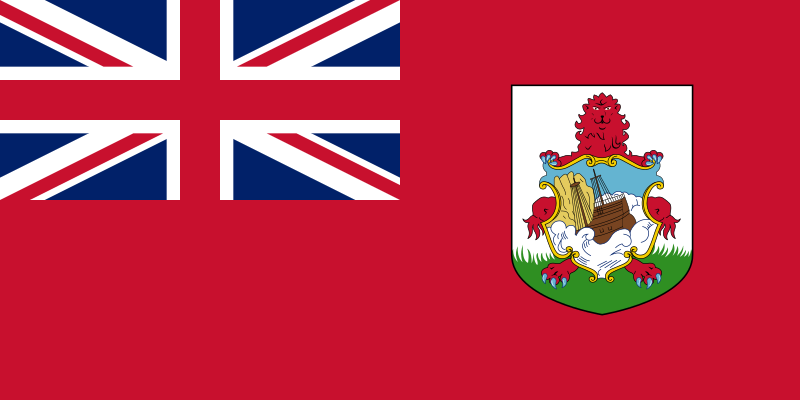
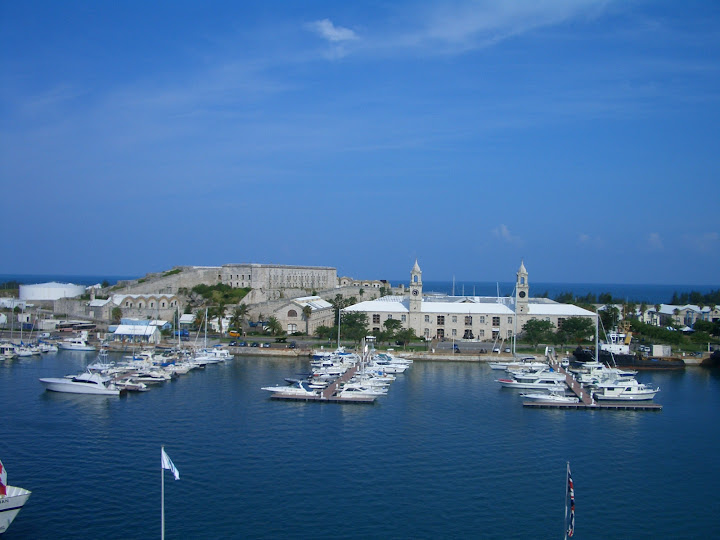
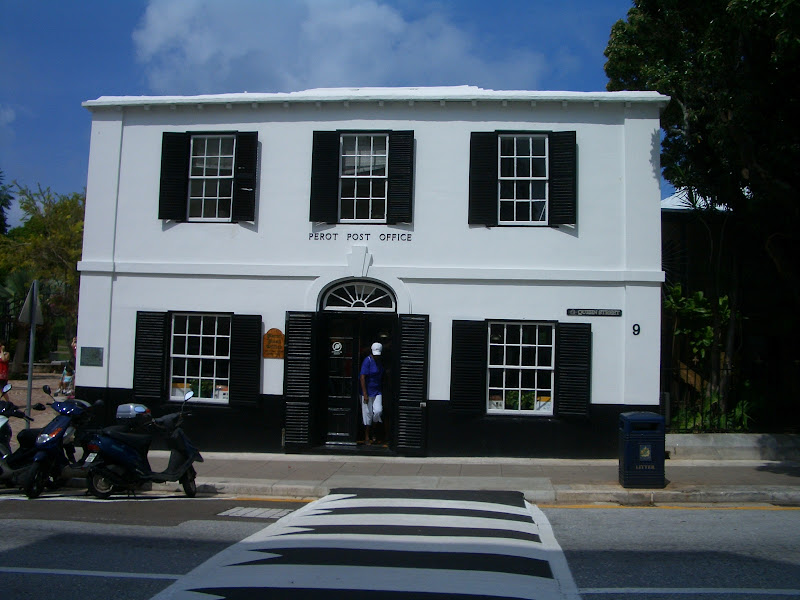
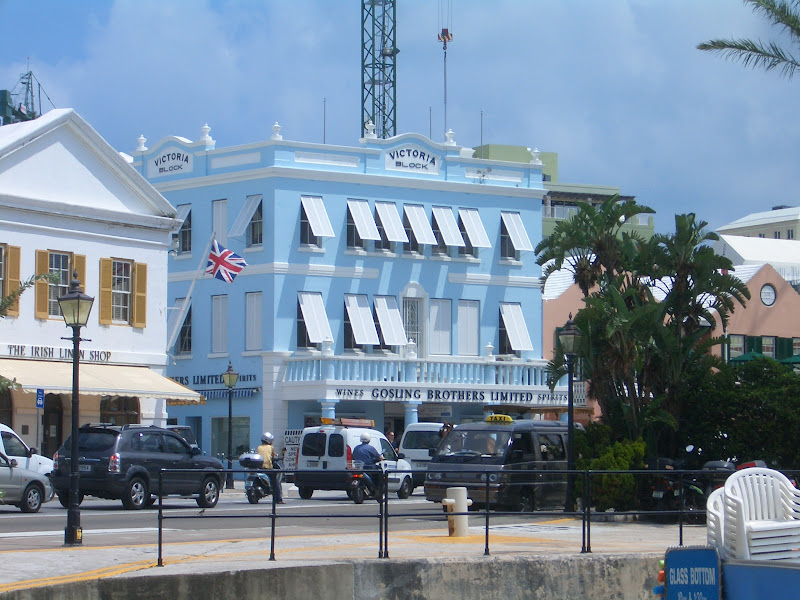
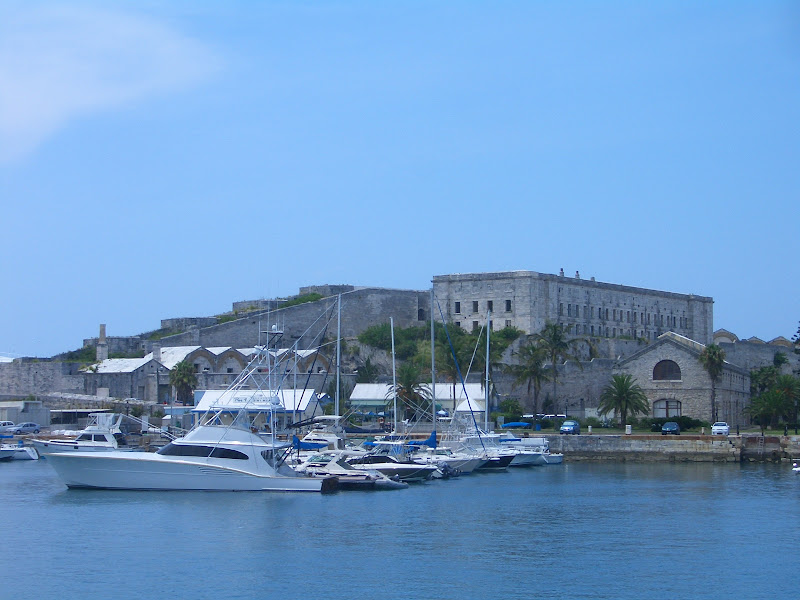
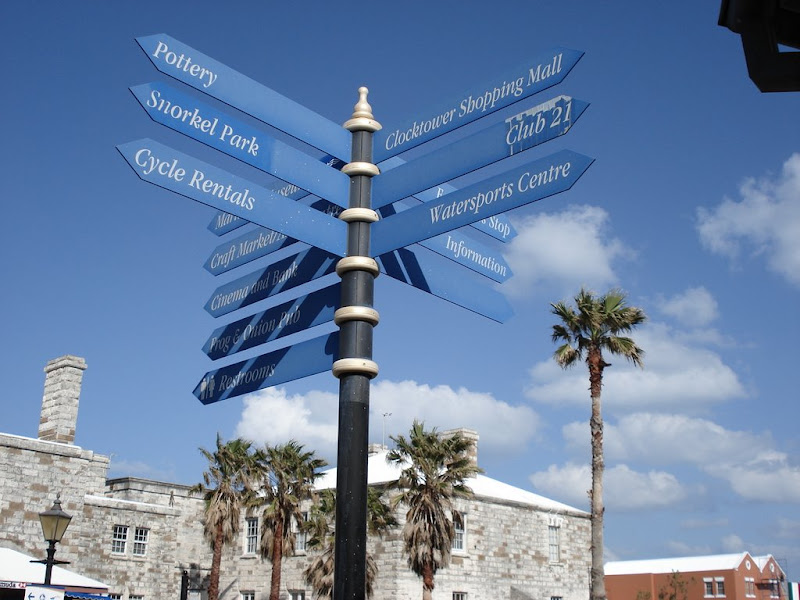
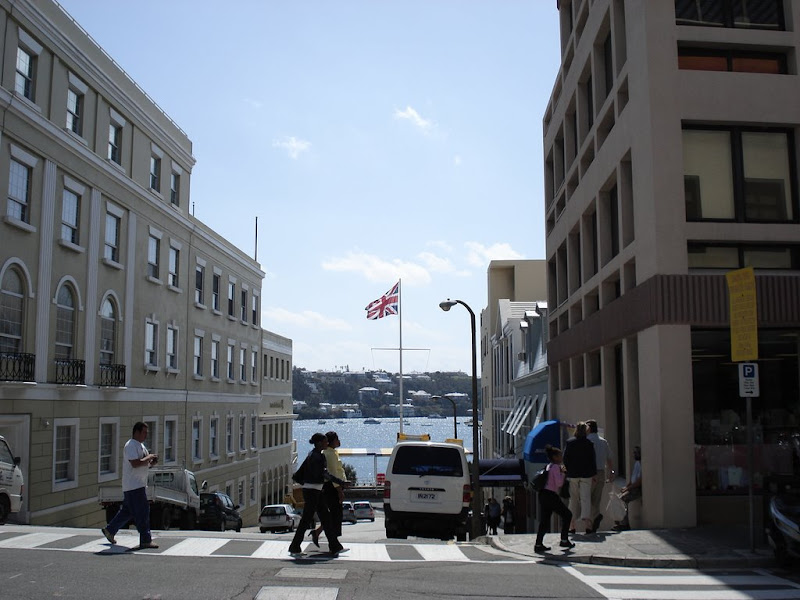
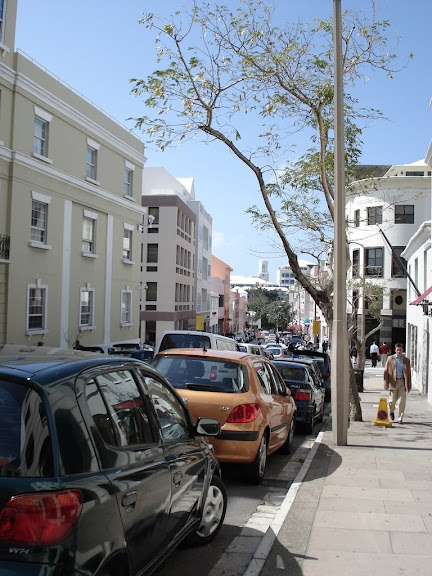
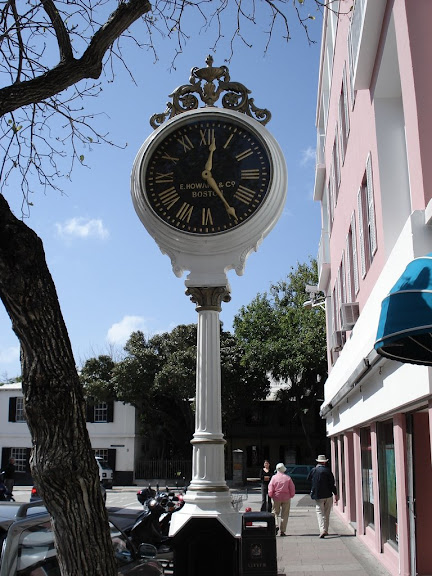
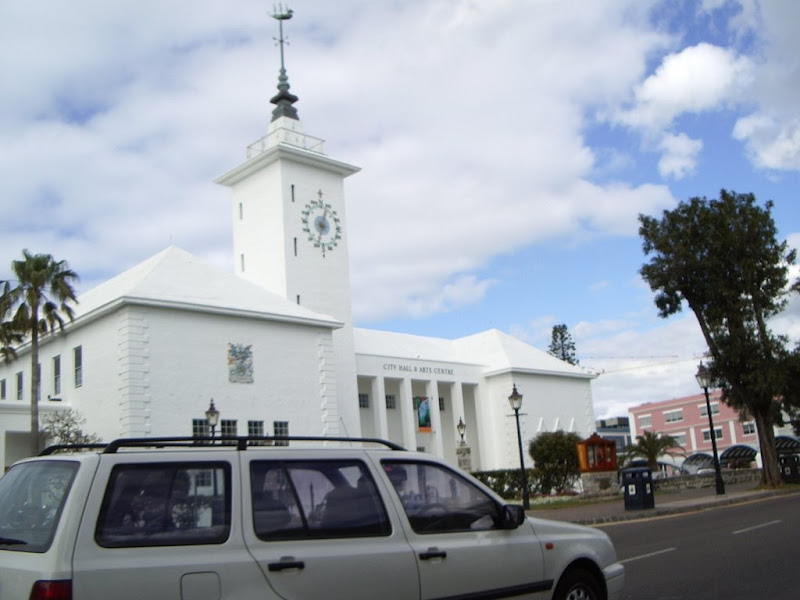
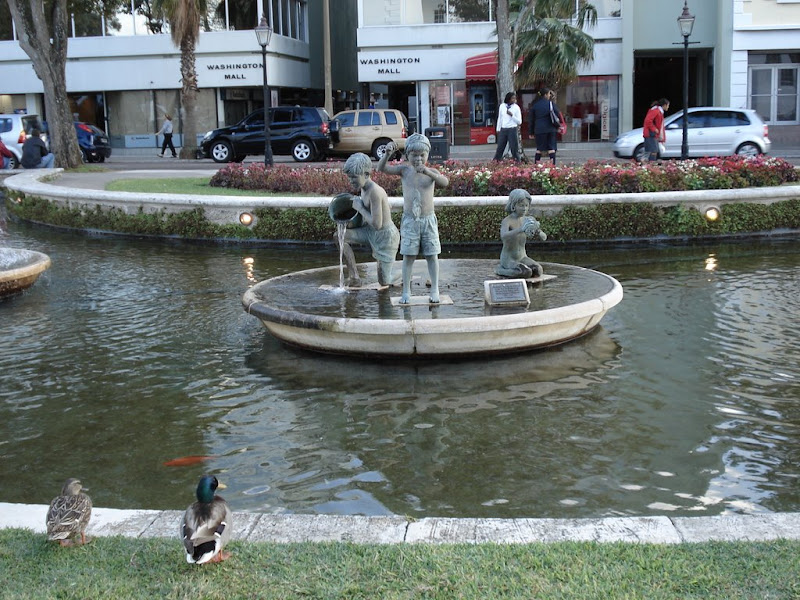
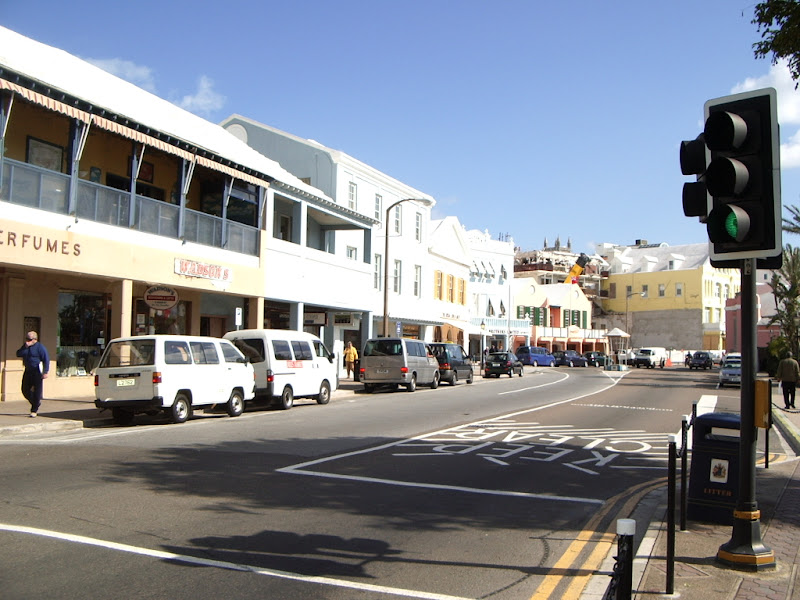
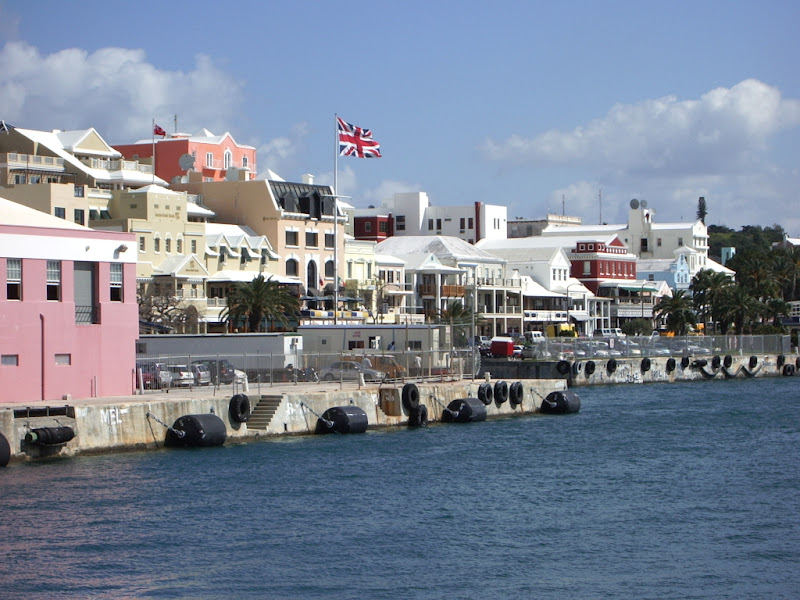
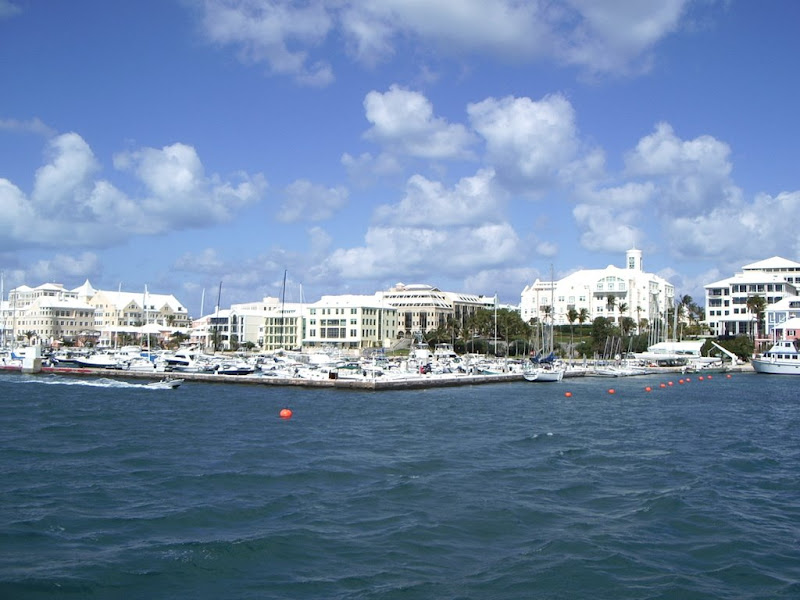
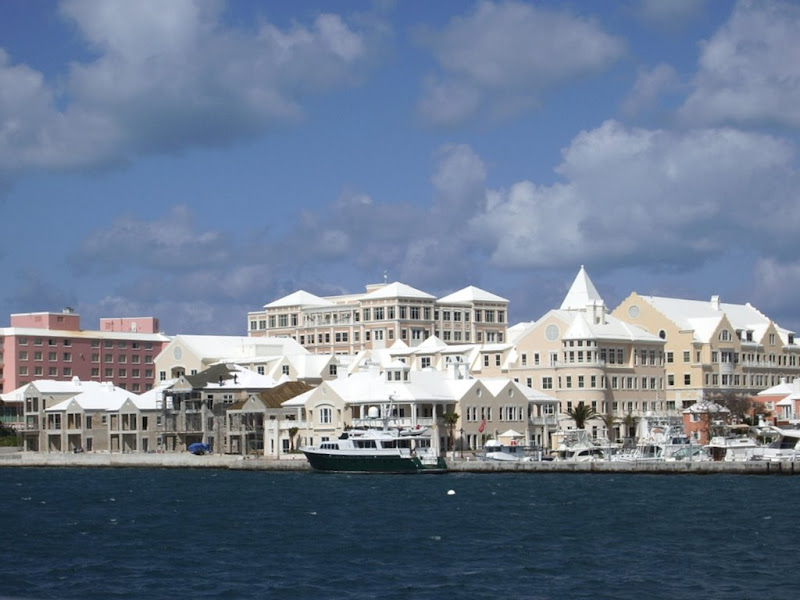
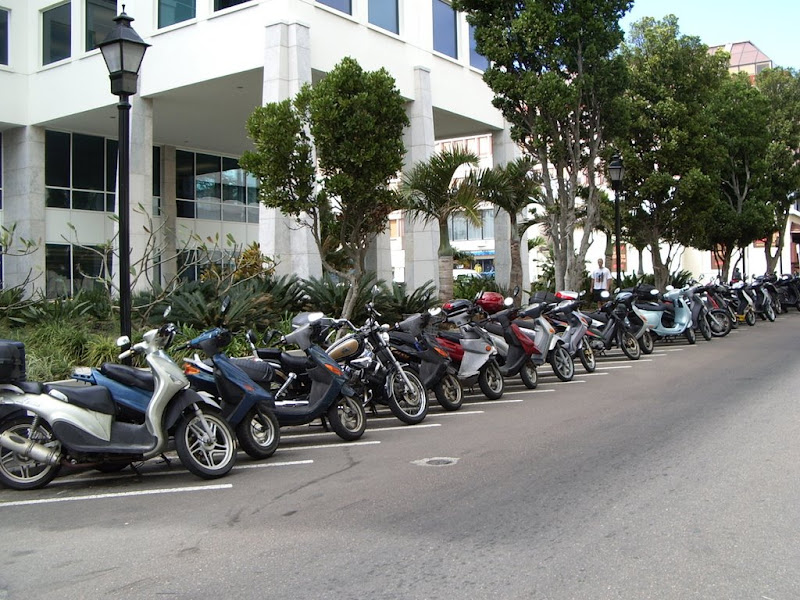
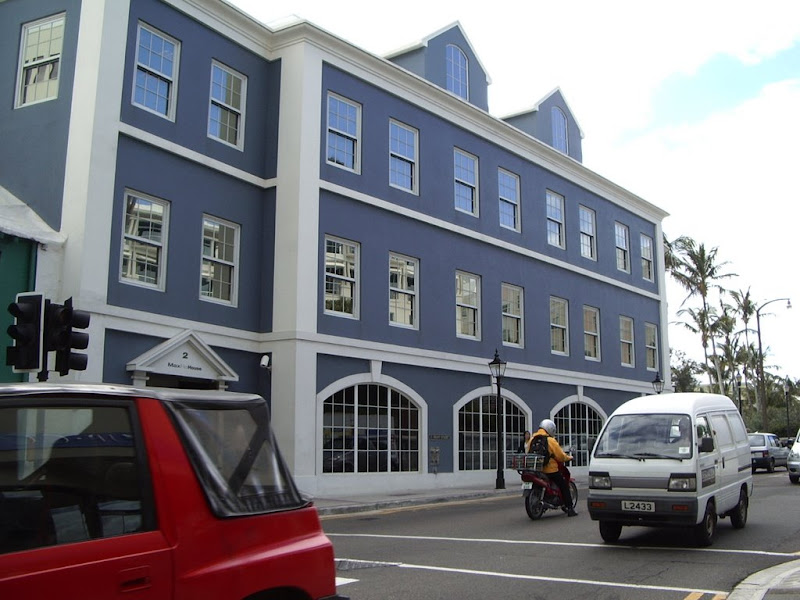
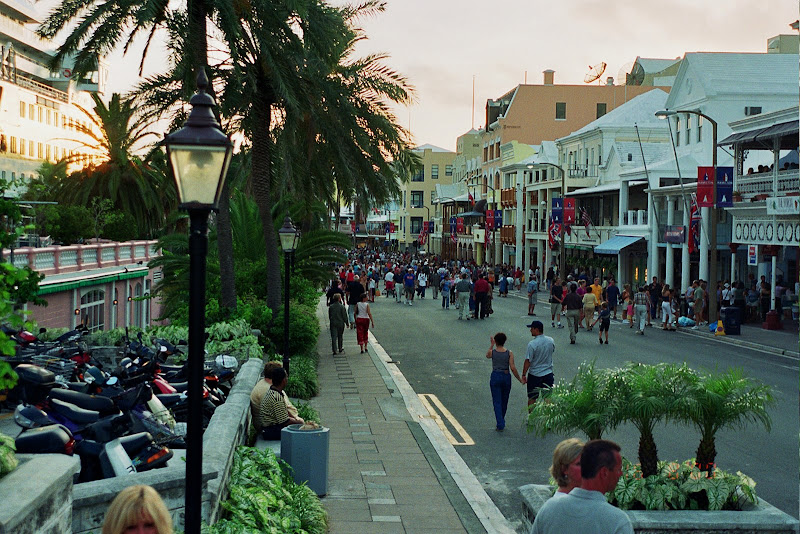
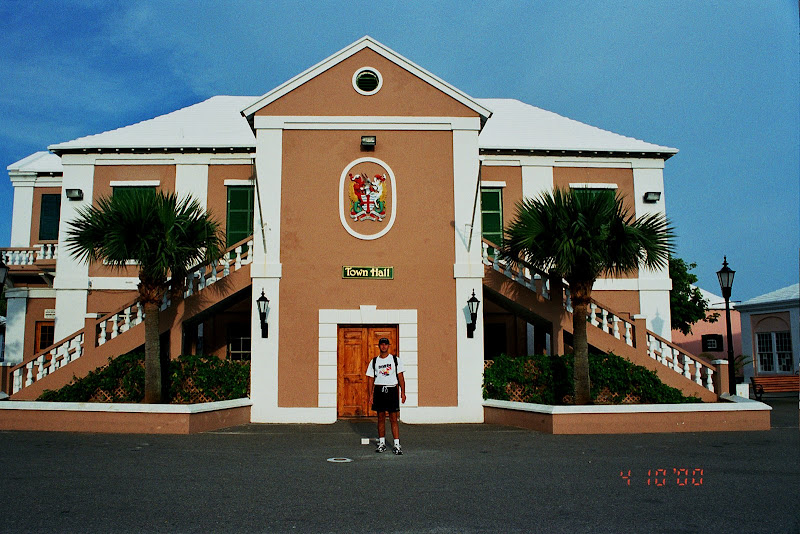
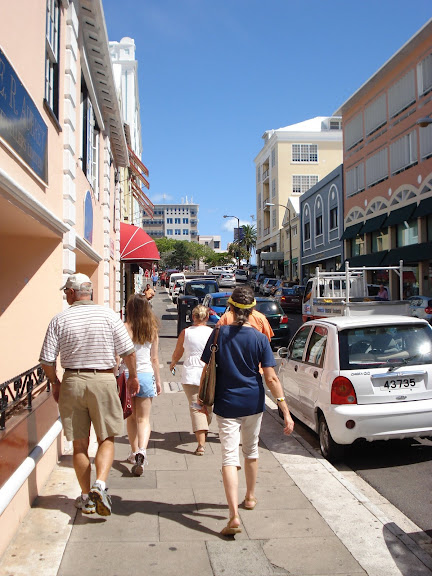
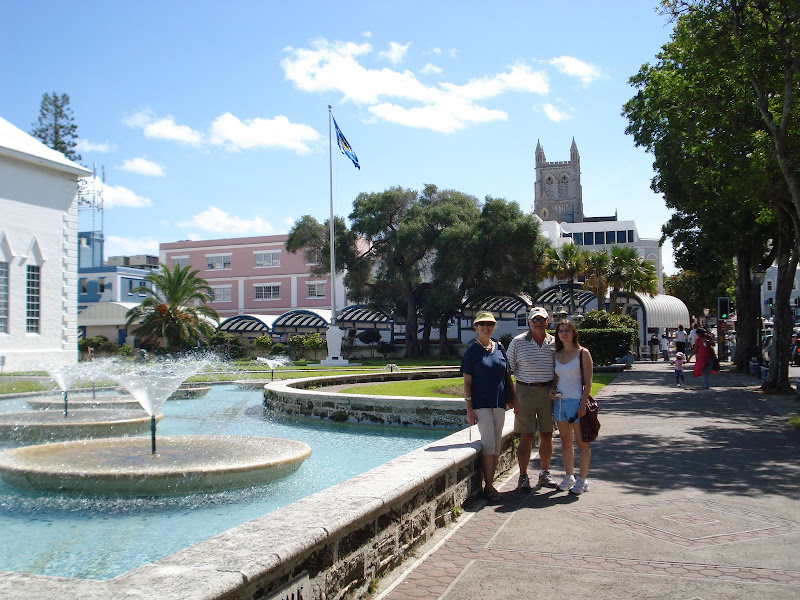
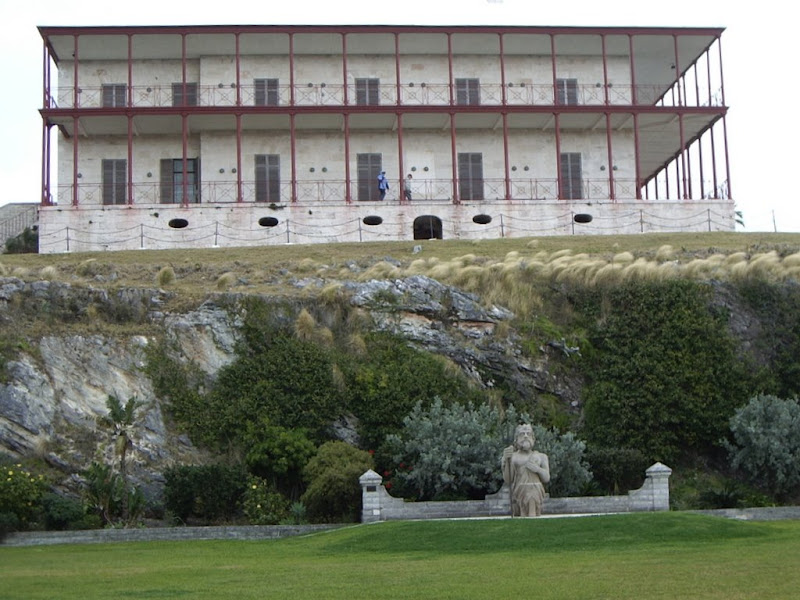
  • Impression of marvellous Bermudas: What a sheer delight!

    One of my favourite places in the "Carribbean": clean, modern, developped and high standard of living…very little poverty.:cheers:

    Hamilton

    :cheers:

    typical bermudas shorts😆

    shopping arcade, very classy and British

  • China: Negócios com Angola estimulam o ensino do português


    China: Negócios com Angola estimulam o ensino do português

    Quote:

    Dez 10th, 2009 | Categoria: Actualidade
    lpO ensino do português na China, confinado até há pouco tempo a três universidades, em Pequim, Xangai e Cantão, está hoje implantado numa dezena de cidades, correspondendo ao aumento das relações com os países lusófonos, e em particular Angola.

    Só em Pequim há cinco universidades com licenciaturas em português, a última das quais abriu este ano lectivo na Universidade de Economia e Comércio (Jing Mao Da Xue).

    “Há um grande procura de cursos de português, sobretudo por causa de Angola”, diz Ye Zheliang, director do departamento de português da Beiwai (Universidade de Línguas Estrangeiras de Pequim).

    A Beiwai tem a mais antiga licenciatura de português do país, desde a década de 1970. Até há cinco anos, fazia parte da Faculdade de Espanhol da universidade, mas hoje integra a “Faculdade de Espanhol e Português”.

    Não contando com os alunos que frequentam cursos privados, “que também há muitos”, haverá hoje em Pequim cerca de duzentos estudantes de português, estima um professor da Beiwai.

    As outras instituições de ensino superior com cursos de português são a Beida (Universidade de Pequim), a Erwai (Universidade de Línguas Estrangeiras nº2) e a Universidade de Comunicações.

    Fora da capital, há licenciaturas de português em Xian, Dalian, Tianjin, Nanjing, Changchun e Harbin, além de cursos intensivos em Chengdu.“É um fenómeno muito recente, dos últimos dois ou três anos”, realçou o professor Ye Zheliang.

    Dezenas de grandes empresas chinesas, nomeadamente na área da construção civil, estão estabelecidas hoje em Angola, e segundo indicou um jornal de Pequim, haverá cerca de 40.000 chineses a trabalhar naquele país.

    “Há chineses a trabalhar nas 18 províncias de Angola”, disse um diplomata angolano colocado em Pequim.Devido ao seu petróleo, Angola tornou-se mesmo o maior parceiro comercial da China no continente africano.

    O domínio do português é igualmente importante para as empresas com negócios no Brasil, que é um crescente parceiro político da China e uma das grandes economias emergentes do mundo.“Os alunos que saem daqui arranjam todos emprego. Alguns vão para o Brasil, mas Angola tem muito mais empresas chinesas”, diz um professor da Beiwai.

    Na década de 1990, havia apenas duas licenciaturas de português na China, uma na Beiwai e outra na Universidade de Estudos Estrangeiros de Xangai. Na Universidade Jinan, em Cantão, também se ensinava português, mas como língua estrangeira opcional.

    LUSA


    http://www.correiodigital.info/2009/…-do-portugues/

  • Luanda – Edificio Ecoserv – five star hotel and residential tower – 28 floors

    Name: Edificio Ecoserv

    City/Country: Luanda/Angola

    Floors: 28F

    Use: Mixed-Use

    Architect/Developer: Nuno Léonidas (Portugal)

    Additional Information:

    Quote:

    Ficha técnica
    Categoria Habitação, Hotelaria e Turismo
    Dados 119 fogos, 112 suites hotel, area de construção: 87,485 m2


  • World Poverty Maps (2009) based on latest available UN figures

    People living on less than $1.25 a day


    People living on less than $2 a day

    Quote:

    These are lists of countries of the world by percentage of population living in poverty. "Poverty" defined as an economic condition of lacking both money and basic necessities needed to successfully live, such as food, water, education, healthcare, and shelter. There are many working definitions of "poverty," with considerable debate on how to best define the term. Income security, economic stability and the predictability of one’s continued means to meet basic needs all serve as absolute indicators of poverty. Poverty may therefore also be defined as the economic condition of lacking predictable and stable means of meeting basic life needs.

    * The first table lists countries by the percentage of the poorest population living under 1.25 and 2 dollar a day. The sourced data refers to the most recent year available during the period 2000-2007.

    Map of world poverty by country, showing percentage of population living on less than $1.25 per day. Based on 2009 UN Human Development Report.
    Map of world poverty by country, showing percentage of population living on less than $2 per day. Based on 2009 UN Human Development Report.
    Map of world poverty by country, showing percentage of population living below the national poverty line.


    Courtesy of Rdokoye

  • The curse of long-term unemployment will bedevil the US economy

    The economy
    The trap

    Quote:

    Jan 14th 2010 | WASHINGTON, DC
    From The Economist print edition
    The curse of long-term unemployment will bedevil the economy

    THE 2000s—the Noughts, some call them—turned out to be jobless. Only about 400,000 more Americans were employed in December 2009 than in December 1999, while the population grew by nearly 30m. This dismal rate of job creation raises the distinct possibility that America’s recovery from the latest recession may also be jobless. The economy almost certainly expanded during the second half of 2009, but 800,000 additional jobs were lost all the same.

    It took four solid years for employment to regain its peak after the 2001 recession. With jobs so scarce, wages stagnated even as the cost of living rose, forcing households to borrow to maintain their standard of living. According to Raghuram Rajan, an economist at the University of Chicago, this set the stage for the most recent crisis and recession—a crisis, ultimately, caused by household indebtedness. If the current recovery is indeed jobless, wages will continue to lag. Since they are now virtually unable to borrow, households will have to make do with less, and reduced spending is likely to make the economic recovery more uncertain still.

    So which is it to be: jobless or job-full? Of paramount concern is the growth in long-term unemployment. Around four in every ten of the unemployed—some 6m Americans—have been out of work for 27 weeks or more. That is the highest rate since this particular record began, in 1948. These workers may forget their skills; and many began with few skills anyway. Just as troubling is a drop of 1.5m in the civilian labour force (which excludes unemployed workers who have stopped looking for work). That is unprecedented in the post-war period. If those who have stopped looking were counted, the unemployment rate would be much higher. These discouraged workers represent a reservoir of labour-market slack that will dry up only with strong economic growth.

    On the other hand, structural unemployment in the economy may not be quite as problematic as is widely feared. Declines in manufacturing, construction and financial employment in the current recession represent about half of the 8m jobs lost. Although most of the positions lost in those sectors are gone for good, other losses appear to have come in more cyclical sectors—such as service industries that are more likely to recover along with the overall economy. Add to that net job gains in health, education and government, and the employment gap seems a little less daunting.

    But this assumes that cyclical sectors, like the retail trade and leisure, will indeed recover with economic growth. That may not be the case. The past decade’s jobs in retail and in entertainment were largely supported by household borrowing. Not only is a new wave of borrowing unlikely to develop after the recession, but household deleveraging is nowhere near complete, according to a new McKinsey study (see article). Having spent beyond their means in the previous decade, Americans will now need to spend beneath their means in order to reduce their debt burdens. That will place a strong constraint on job growth in those cyclical sectors.

    Might income growth compensate for the consumption shortfall?
    Unfortunately, the weak labour market will continue to keep wage levels in check. There are more than six unemployed Americans for every job opening, and competition for job openings is getting more intense, not less, despite the resumption of growth.

    The plentiful supply of workers reduces the incentive for firms to hire quickly, and will allow companies to underpay well-qualified workers. Real earnings declined last year and are unlikely to experience rapid growth soon.

    The growing health and education sectors, with highly specific skills requirements, can absorb only so many workers per year, and no other sector promises consistent employment growth
    . Without job growth, household indebtedness will linger as a problem, depressing spending and hiring. Joblessness is a trap the American labour force may not soon escape.


    http://www.economist.com/world/unite…ry_id=15271079

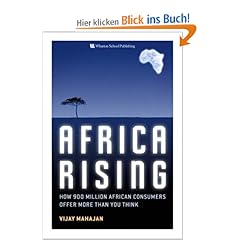
  • “Africa Rising”: A must read book written by a renowned professor!


    Africa Rising: How 900 Million African Consumers Offer More Than You Think

    by Vijay Mahajan (Author)

    EUR 21,99

    Quote:

    With more than 900 million consumers, the continent of Africa is one of the world’s fastest growing markets. In Africa Rising, Vijay Mahajan, a marketing professor at The University of Texas at Austin, reveals this remarkable marketplace as a continent with massive needs and surprising buying power.

    Crossing thousands of miles across the continent, he shares the lessons that Africa’s businesses have learned about succeeding on the continent…shows how global companies are succeeding despite Africa’s unique political, economic, and resource challenges…introduces local entrepreneurs and foreign investors who are building a remarkable spectrum of profitable and sustainable business opportunities even in the most challenging locations…reveals how India and China are staking out huge positions throughout Africa…and shows the power of the diaspora in driving investment and development.


    Please watch this!!!

  • French Guiana, Martinique vote massively against more autonomy

    Quote:

    11 January 2010 – 02H31
    – France – Overseas France – referendum

    AFP – Martinique and French Guiana voted massively against more autonomy for their French overseas departments, fearful a change of status would lead to less generous financial support and protection from Paris.

    Nearly 79 percent of voters on the Caribbean island of Martinique said no to more autonomy, while the result was almost 70 percent in Guiana, the tropical South American territory wedged between Brazil and Suriname.

    Participation was 55 percent in Martinique and slightly over 48 percent in Guiana, according to definitive results released by France’s ministry for overseas departments.

    The votes were held a year after French overseas departments in the Caribbean as well as the Indian Ocean island of La Reunion were convulsed by strikes and rioting over low wages and high prices.

    President Nicolas Sarkozy proposed holding the referendums when he travelled to Martinique in June as part of a drive to heal ties following the general strike which degenerated into weeks of rioting at the start of 2009.

    Martinique, which has around 400,000 residents, and Guiana, a vast territory with some 200,000 residents, were asked to approve or reject a change in status for their departments.

    The wording of the question was technical but in essence it asked voters if they wanted to change the status to make it more like that governing more autonomous French territories such as New Caledonia in the Pacific.

    Sixty years after being granted the status of department — which makes them legally as French as Normandy or Provence — the tropical territories face high unemployment despite billions of Euros in financial support from the state every year.

    The mayor of Guiana’s capital Cayenne, Rodolphe Alexandre, said the question of financing drove the campaign and the result of the referendum.

    While recognising the current statute which sets out their status has its drawbacks, Alexandre said "in the end its not a problem of powers or the statute but of financing and strategy. That is what changed people’s minds."

    The result is a "victory for democracy, for the silent majority," he told AFP.

    France’s opposition Socialists suggested that Sarkozy’s warning that more autonomy would come with less state support influenced the result.

    "What could have weighed on the result is the president saying in February 2009 that with the transfer of powers to overseas departments funding should be from local resources," Socialist party chief for overseas departments Axel Urgin said on RFO radio.

    But Sarkozy said the result reflected strong ties to France.

    "The choice is evidence of the attachment of Guianians and Martinicans to a status which is close to those of communities in metropolitan France and reaffirms the close ties which unite them to the Republic," he was quoted as saying in a statement by his office.

    "No" campaigners had warned the French state might be seeking to disengage from its overseas departments and reduce their people’s social benefits, which are almost the same as in France.

    Martinique, a major rum and banana producer and a tourist destination for mainland French seeking winter sunshine, has an unemployment rate topping 20 percent, more than twice that of metropolitan France.

    Guiana, perhaps best known as the launch site for Europe’s Ariane space rockets, faces similarly high joblessness.

    Voters on the Caribbean island of Guadeloupe, which had also been rocked by strikes, did not take part in the consultations as their local leaders decided that the tense social climate was not conducive to holding a referendum.

    Guiana and Martinique will now hold a second referendum on January 24 in which voters will be asked to give their opinion only on whether they want administrative simplifications to be carried out
    .


    ^^