Author: sharon

  • Sale of Des Moines Pre Foreclosure Homes Rose With the Rest of the U.S.

    The number of sales contracts for pre foreclosure homes in Des Moines and other existing residential properties for sale in the United States has risen in the month of February 2010, according to the National Association of Realtors’ (NAR) Pending Homes Sales Index which was released on the first week of April 2010.

    Sale of Des Moines Pre Foreclosure Homes Rose With the Rest of the U.S.

    According to the Index, February recorded an increase of over eight percent at 97.6 compared with the previous month’s 90.2. CNNMoney.com has reported that the increase in signed contracts for residential properties for sale was a surprise to most economists who predicted a mere one percent increase for the month of February.

    The Index measured signed contracts for coops, single family homes and condos. These contracts are considered forward or future looking indicators since most of them will not be completed until many months have passed. Contracts of completed sales were not included in the Index.

    The unexpected increase in the number of sales contracts for foreclosures in Des Moines and the rest of the major cities of the U.S. is explained by market analysts as partly due to the tax credit provided to home buyers.

    Buyers of Des Moines pre foreclosure homes and other foreclosed properties nationwide are trying to beat the April 2010 deadline for the tax credit that could provide first time house purchasers with as much as $8,000 of credit.

    The February 2010 statistics on contracts for residential properties for sale are also 17 percent higher than the 83.2 Index recorded a year ago in February 2009. The unexpected numbers are believed to be a sign of a home sales surge for the rest of the year. NAR economists have stated that the country needs the expected sales surge to stabilize the housing market and lower inventory numbers.

    Meanwhile, the Case-Shiller Home Price Index of several cities shows that prices of homes in the U.S. have been declining for the past four months. This is after the market recorded a five-month price run up that started in the spring.

    Des Moines pre foreclosures homes and foreclosed properties all around the U.S. have enjoyed increased attention from buyers in the month of February. The figures are being seen as a sign that more foreclosures will be sold in the coming months.

  • Home Prices Rose as Seattle Pre Foreclosure Homes Declined

    As the number of Seattle pre foreclosure homes dropped in February, home prices climbed up compared to price levels in February last year, based on sales figures from the Northwest Multiple Listing Service.

    Home Prices Rose as Seattle Pre Foreclosure Homes Declined

    The median sales price for single-family houses in February in Seattle was $399,000, up by 1.4 percent from the $393,500 median in February last year and the second consecutive month that the median increased year-over-year.

    Lower-priced foreclosures in Seattle, however, contributed to the month-over-month drop in the median price. In January, the median sales price was $415,000.

    The median sales price for condos also jumped up year-over-year by more than 6 percent, but it dropped by more than 8 percent month-over-month to $290,500.

    According to the NWMLS, only 342 housing units in King County entered real estate listings in February as total foreclosure postings during the month fell by 26 percent from January and dropped sharply by 33 percent from February 2009.

    Pending sales of Seattle pre foreclosure homes and all other types of homes jumped up by nearly 61 percent in February from one year earlier and rose by almost 27 percent from January. Closed sales surged by 41 percent year-over-year to 313 units.

    The improvement in sales has encouraged local real estate agents and has raised hopes that the spring of 2010 would be a good year for home sales. NWMLS head OB Jacobi said he is optimistic about the Seattle housing market because of the increase in job opportunities and in the 45-percent jump in closed sales. The stock of single-family houses available for sale also improved by more than 12 percent from January.

    In the entire King County, the market changes were not as encouraging as changes within the city of Seattle.

    The median price for King County single-family houses in February was $373,010, a decrease of 0.53 percent from the January median of $375,000. Condo prices also fell by 3 percent from February last year and by 7 percent from January.

    The stock of single-family houses improved month-over-month in King County in February, posting an 8-percent increase from January.

    In the entire Puget Sound region, the sales price median for single-family houses in February dropped to $297,000 and the median for condo prices fell to $233,500. The lower prices of Seattle pre foreclosure homes and other foreclosed properties weakened their impact on the market, but they are still a significant factor in the direction of the market.

  • New York Pre Foreclosure Homes to Surge as Home Values Fall

    More New York pre foreclosure homes are expected because of the rising number of homeowners considering strategic default. The sharp fall in home values and continued financial difficulties have been prompting homeowners to consider walking out on their mortgages.

    Buying Foreclosure Properties in the Orlando Metro Area

    The option of strategic default did not catch on as early and substantially in New York as in foreclosure-battered states like California and Florida, but as more New York homes plunge in value, more New York homeowners are considering voluntary foreclosure.

    According to a research firm, more than 10 percent of all houses in New York or almost 117,000 homes, were underwater as of December 2009. In the prior year of 2008, an estimated 18,000 of all foreclosures in New York were voluntary. In 2004, there were only 529 strategic foreclosures across the state.

    According to Manhattan bankruptcy attorney David Shaev, more middle-class homeowners are going to surrender their homes to their lenders as values plunge over the next few years. They will realize that it does not make financial sense to keep paying when values are falling.

    Cuthbert Snyder is one among many New York homeowners who have already decided to walk away if their lenders continue to reject their applications for permanent loan modification. Snyder said that the house he bought for $309,000 years ago is now valued at only $150,000.

    Although the number of New York pre foreclosure homes declined in the first two months of this year and although New York is not as battered as most other states, home values continue to fall in certain areas because of the effects of the recession.

    Nearly 4,600 New York homes entered the foreclosure process in January and nearly 3,300 homes entered the same process in February.

    In certain neighborhoods where there are plenty of foreclosed homes for sale, home prices have plunged by 20 to 30 percent. These sharp rates of decline have been prompting homeowners to look more deeply into their financial situation.

    According to Jon Maddux, chief executive of YouWalkAway.com which guides mortgage borrowers through strategic default, the stigma of foreclosure has disappeared because of the millions of homeowners in foreclosure. The bitterness toward financial institutions which are largely to be blamed for the housing crisis is also making a strong push for homeowners considering voluntary foreclosures.

    In certain neighborhoods in Queens, the Bronx and Brooklyn, more New York pre foreclosure homes are expected to enter the market if values do not stop falling.

  • Sales of Orlando Pre Foreclosure Homes Rise with Rule Change

    Sales of Orlando pre foreclosure homes and foreclosed residential properties are expected to surge with the recent change in the rules for spending funds from the federal Neighborhood Stabilization Program.

    Sales of Orlando Pre Foreclosure Homes Rise with Rule Change

    Previously, the NSP specified that its funds must be spent only for rejuvenating neighborhoods blighted by abandoned foreclosure properties and not for preventing foreclosures from entering the market. NSP argued that the federal government has already launched prevention initiatives.

    Now, NSP officials have reviewed their rules and decided to relax a bit to make it easier for cities and counties to spend their allocations. NSP must have wondered why a large number of local governments face difficulties in spending their NSP funds within the allotted time frame.

    In Florida, where record numbers of foreclosure filings have been battering county courts, only 12 percent of the $91 million NSP funds received over the past year has been spent, based on data from the federal Housing and Urban Development Department.

    The percentage put Florida among the slowest U.S. states in spending their federal funds to revitalize their foreclosure-ridden neighborhoods. Another foreclosure-battered state, California, has already committed 43 percent of the NSP funds it has received.

    The HUD also reported that currently, about 33 percent of over 300 counties and cities that received NSP grants over the past year have barely touched their funding to buy, fix and resell foreclosures blighting their communities.

    With the change in the NSP spending rules, more Orlando pre foreclosure homes will be sold off or be acquired under the NSP funding program and resold. Now, city officials can use their NSP money to buy not only abandoned foreclosures in Orlando, but also residential properties in default by two months or more on their mortgage loans or properties delinquent by three months or more on their tax payments.

    Additionally, NSP funds can also be used to buy a residential property, such as a duplex for sale, that has not been occupied for a long time and whose defects and damages have not been corrected by the seller.

    In Orlando, short sales accounted for 8 percent of house sales in January, an increase from the 5-percent share in January 2009. The increase is an indication that both the supply and demand for Orlando pre foreclosure homes are rising. With the relaxed NSP rules, the percentage of short sales in Orlando will surge further in the coming months.

  • Charlotte Cheap Homes Still Slowing New Home Construction

    Charlotte cheap homes are still slowing down new home construction in the area, as shown in the sharp decline in lumber sales to homebuilders in the area.

    Charlotte Cheap Homes Still Slowing New Home Construction

    Purchase orders and sales of southern yellow pine are being used by research firms to track new home construction because this type of pine is the one used to frame new houses. According to Forest2Market, one third of all yellow pine sales in the country are used to build new houses and the rest are turned into treated lumber for use in the assembly of decks and other exterior structures.

    Pete Stewart, head of Forest2Market, said that homebuilders hoped they can sell more in the spring partly because of the expiration of the extended and expanded tax credits, but they were proven wrong.

    Housing analysts said that the continued increase in unemployment and the entry of more residential properties into foreclosure auctions in Charlotte have been preventing prospective home buyers to purchase new homes.

    Even townhouse apartments have been suffering difficulties as their occupancy rates continue to fall. Apartment complexes like Village at Brierfield have been seeing their occupancy rates falling to about 64 percent. Only certain apartment buildings like Bexley Creekside and Auston Woods have been able to maintain their occupancy rates at above 95 percent.

    A number of apartments suffered last year from broken leases when renters took advantage of the federal tax credits, low mortgage rates and a high number of Charlotte cheap homes to make their first shot at home ownership.

    While vacancy rates increased in some apartment complexes and sales of new homes declined in February, sales of all types of home in Charlotte rose by 3.6 percent year-over-year, according to records from the Charlotte Regional Realtor Association.

    However, when compared to total home sales in January, February sales in Charlotte dropped from 547 units to only 332 units, with the average sales price falling from $195,623 in January to $189,743 in February. Home sales and average home prices were higher in Raleigh, the capital city of North Carolina. However, other analysts put the average sales price in Charlotte higher at $191,288, based on their own house sales data.

    Lyn Kessie, head of the realtor association and the Carolina Multiple Listing Service, said she is hoping that the spring house selling season will surge not only because of Charlotte cheap homes, but also because of improvements in economic conditions.

  • Boston Cheap Homes to Spring up from Mill Conversion Project

    A number of Boston cheap homes will spring up from a reuse project that involves the conversion of a historic mill on Mission Hill into 62 residential units for low- to moderate-income residents.

    Boston Cheap Homes to Spring up from Mill Conversion Project

    According to Boston Mayor Thomas Menino, the city will spend $25 million to turn three historic mill structures, which have been unoccupied for 25 years, into 62 new units to add to the current affordable housing stock of the city.

    The housing project, called Oliver Lofts, will feature environmentally-friendly systems so it will earn a LEED Silver certificate from the U.S. Green Building Council. It will use high-efficiency cooling and heating systems and Energy Star appliances. Design and planning were done by The Architectural Team and WinnDevelopment and the general contractor is Keith Construction.

    Menino said that 35 units at Oliver Lofts will be sold to households earning 60 percent or less of the median income in the area, eight will be for families who were formerly homeless but are now earning 30 percent or below the area’s median income and three live-work spaces will be sold to artists earning 100 percent or less of the area’s median income.

    The project, which is expected to improve the stock of Boston cheap homes, will be partly financed by the city of Boston, the Massachusetts Department of Housing and Community Development and the Affordable Housing Trust. The city was also able to secure tax credits with help from the DHCD, the Massachusetts Historic Commission and the National Park Service.

    The conversion of the mill buildings, which were built in the 1800s for breweries along the Stony Brook River, is expected to generate about 100 new jobs.

    Meanwhile, more than 60 distressed and bankruptcy properties were posted for scheduled foreclosure auctions in Boston by auction companies in March. The starting prices ranged from a low of $99,000 to a high of $1 million. Among these distressed properties were a ten-room house previously assessed at $700,000 and had a starting price of $119,000 and a six-room house previously assessed at $415,000 and had a starting price of $99,000.

    In Massachusetts, foreclosure notices rose by 13 percent from January to 2,122 in February, but foreclosure deeds dropped by almost 20 percent to 917. Over the past several months, an average of 2,100 petitions to foreclose was filed every month, increasing the number of properties that entered lists of Boston cheap homes since the last months of 2009.

  • Atlanta Cheap Homes Sold by FDIC to Investors

    A record number of Atlanta cheap homes were sold by the Federal Deposit Insurance Corporation to investors last year as it closed nearly 40 banks in metro Atlanta and other parts of Georgia last year. Throughout the state, nearly 1,400 bank owned homes were sold by the FDIC.

    Atlanta Cheap Homes Sold by FDIC to Investors

    Over 400 of these homes were real estate owned foreclosures from Omni National Bank, which collapsed largely because its top officers, including co-founder Jeffrey Levine, engaged in mortgage fraud. Omni officers financed the same properties many times over in flipping schemes that artificially inflated home values.

    All the Omni homes were sold to real estate firms operating in Atlanta and in Denver, with 176 of the units sold for only $3 million, which meant that each unit was sold for an extremely low price of $17,247.

    Nonprofits and neighborhood associations are now criticizing the FDIC for selling all these Omni homes to corporate investors. They said that it is now difficult for them to carry out redevelopment programs using funds from the Neighborhood Stabilization Program because the corporate investors were not selling and were difficult to negotiate with.

    What is frustrating, according to housing nonprofits in Atlanta, is that these corporate investors, which are hard to contact, are not maintaining the properties. The local organizations contended that with the NSP funding that they now have, they could buy a large number of Atlanta cheap homes.

    As a response to the criticisms, FDIC officers explained that they offered the Omni homes through public foreclosure auctions in Atlanta, but they insisted that before they held the auctions, they first notified local housing organizations, the Habitat for Humanity, the Atlanta Housing Authority and NSP participants.

    The FDIC people said they needed to sell the properties quickly to cut costs, maximize returns and reduce risks associated with holding foreclosed properties. FDIC spokesperson said that 3 bidders out of the 34 joined the auctions purchased the Omni homes.

    Of the 1,391 Georgia homes sold by the FDIC last year for nearly $202 million, a huge majority were located in metro Atlanta. The statewide total accounted for 25 percent of all homes sold by the FDIC nationwide in 2009.

    According to the Atlanta Neighborhood Development Partnership, the 271 Omni homes purchased by real estate firm Carter are expected to be fixed and managed properly. It doubts, however, the commitment of other entities that purchased Atlanta cheap homes. These entities could just be waiting for prices to rise and would not do anything to improve the properties.

  • True Costs of San Francisco Cheap Homes in the Suburbs

    The true costs of San Francisco cheap homes in the suburbs can turn out higher if the costs of transportation are added to total housing costs, according to a study presented by the Center for Neighborhood Technology.

    True Costs of San Francisco Cheap Homes in the Suburbs

    The center explained that although families can buy lower-priced homes in the suburban areas, total housing costs increase when daily transportation costs to workplaces, shopping centers and cultural facilities are added.

    The study said that across the country, transportation represents the second largest type of expense for households. Average transportation costs range from 12 to 32 percent of family income, depending on whether a community has easy access to transit systems, has walkable streets and has various stores, services and community centers.

    The study explained that a housing unit is considered affordable to a family if total housing costs do not exceed 30 percent of total family income. With this definition, homes in 7 out of every 10 communities in the country are affordable.

    But if transportation costs are added, total housing costs comprise 45 percent of total family income, putting the percentage of affordable communities down to only 40 percent.

    So people choosing between buying San Francisco cheap homes in the suburbs and buying higher-priced homes in the central areas need to factor in transportation costs in their planning.

    Despite the entry of residential properties into foreclosure auctions in San Francisco, home prices in the metro area have been holding up. The sales price median for single-family houses in San Francisco in February was $750,000, a three-percent increase from the January median and up by 0.1 percent from the median in February 2009.

    According to Bay Area realtors, real estate values in San Francisco and in other parts of the northern peninsula have stayed strong in the midst of single-family and mobile home foreclosures in the region.

    While the percentage of California homeowners drowning in low home values has increased to 35 percent, the percentage of underwater homeowners in San Francisco is significantly lower at 10.4 percent. The percentage of borrowers whose home values are lower by 25 percent or more than their mortgage loan amounts is just 2.6 percent.

    Nevertheless, buyers looking for San Francisco cheap homes in the central areas can still buy homes for $550,000 or lower. Sellers of houses that have been on the MLS for over three months usually entertain and consider lower offers.

  • Miami Pre Foreclosures Continue to Benefit Home Buyers

    Miami pre foreclosures continue to benefit home buyers as any addition to the existing foreclosure inventory means additional property for possible purchase and further decrease in home prices.

    Miami Pre Foreclosures Continue to Benefit Home Buyers

    The sales price median for single family homes in Miami fell by 2 percent in February to $191,100, down from the $195,000 median in February 2009. As more buyers got attracted by the lower prices, home sales surged by 9 percent to 445 houses, up from the 409 units sold in February 2009.

    In the Miami metropolitan area, total foreclosure postings surged by 44 percent in February to almost 6,700 units. This figure included Miami foreclosures and those properties that are posted for public homes auctions in Miami.

    As distressed condos continue to enter the Miami market, the median price further decreased to $126,100, a sharp 14 percent drop from the February 2009 median of $146,100.

    Miami is among large cities overloaded with condos that cannot be absorbed by the market. The Miami skyline is filled with vacant units that arose from the desire of developers to profit from the fierce demand for condos during the boom. A lot of apartment buildings and other mixed-use properties were converted into condos even when signs of condo overbuilding were already apparent.

    As Miami pre foreclosures pulled down prices further in the area, the sales prices for existing condos and single-family homes in nearby areas were also dragged down.

    The median price for Fort Lauderdale single-family homes dropped by 13 percent in February to $186,700, down from the February 2009 price median of $214,400. Condo prices in Fort Lauderdale also fell, posting a 17-percent drop from $85,800 to $71,500.

    In West Palm Beach, the sales price median for single-family houses fell by 4 percent from the February 2009 median of $219,100 to $228,100 in February this year. The median price for condos dropped by 5 percent from $101,900 in February last year to $96,700 in February this year.

    With the price of condos approaching bargain-level prices, sales of condo units soared, posting more sales than sales of single-family homes.

    Statewide, sales of previously owned condos also soared, posting a whopping 59-percent increase to a total of 5,085 units in February, far above the 3,190 units sold in February 2009. The price median for condos fell by a sharp 15 percent to only $92,200 year-over-year.

    With the continued rise in Miami pre foreclosures, particularly in the condo sector, condo prices have been keeping their downward trend.

  • San Antonio Pre Foreclosures Capably Handled by City

    San Antonio pre foreclosures are being handled capably by the city, as shown in the relative stability of home prices and in the continued economic strength of the city.

    San Antonio Pre Foreclosures Capably Handled by City

    According to the Brookings Institution, San Antonio was among the top 20 cities in the country that performed strongly in the final quarter of 2009 despite the downturn. The commercial and residential properties that have been sold through homes auctions in San Antonio were not able to depress property values to unmanageable levels.

    In Bexar County, where San Antonio is the administrative city, a total of 1,573 homes were listed for the April public auction, a seven-percent increase from the number of homes posted for the April auction last year.

    For the first four public auctions this year, over 5,800 real estate properties have already been posted, a sharp increase of 19 percent over the estimated 4,900 postings in the first 4 months this year. The month that posted the highest number of foreclosures was January, when 1,652 units entered the list of San Antonio foreclosed homes for the county auction.

    In the past few months, a number of properties in lists of San Antonio pre foreclosures were posted for the public auctions for several times as lenders gave time to owners to work out repayment schemes. But in the list for the April auction, the number of repeated postings dropped.

    There could already be a declining trend for repeated postings, according to analysts, but the fluctuations make them uncertain of the trend.

    Bexar County posted a total of 16,000 foreclosure filings in 2009, the highest annual figure posted in the country in more than 20 years. But these postings did not cause the overwhelming property declines that happened in other cities.

    According to David Cibrian, member of the Texas Finance Commission and partner of the San Antonio unit of Strasburger and Price, the economy of Texas has not been battered by the foreclosure crisis because house prices in the state did not shoot up during the boom and Texas lenders did not encourage subprime and exotic mortgage lending. Cibrian also added that the foreclosure situation in the state will sharply improve this year.

    In another foreclosure report that monitored 2009 filings, the number of San Antonio pre foreclosures and actual foreclosures surged by 24 percent to 9,934, but the economic power of San Antonio has been able to slow down foreclosure activity in 2010.

    Search pre foreclosures in other US cities:

  • Job Losses Drive Cleveland Pre Foreclosures, Cut Down Prices

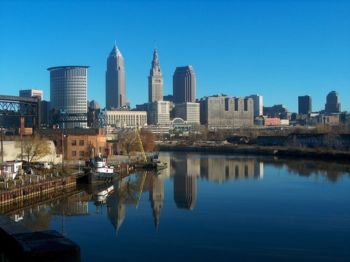
    Record job losses have been driving Cleveland pre foreclosures and pushing down home prices.

    Job Losses Drive Cleveland Pre Foreclosures, Cut Down Prices

    In Cuyahoga County, where Cleveland is the administrative seat, foreclosure filings spiked in the final quarter of 2009. A total of 4,508 cases were filed in the Common Pleas Court of the county, a sharp jump from the 3,887 cases filed in the final quarter of 2008, from the 3,940 cases filed in 2007 and from the 4,304 cases filed in 2006.

    The number of residential properties entering Cleveland foreclosure listings has been highest on zip codes on the east side of Cleveland.

    Since the start of the crisis, Cleveland has already lost more than 7 percent of its jobs. With the decline in heavy manufacturing jobs over the years, Cleveland has not created enough jobs for residents although it has diversified into service industries such as financial and health care services to make up for its manufacturing job losses.

    The Great Lakes region, known for its manufacturing industries, has been hit hard by the recession, triggering job cuts that push people to move to other states where there are jobs.

    In foreclosure reports for 2009, the Cleveland-Elyria metro area showed declines in foreclosure activity. But towards the latter part of 2009, the number of Cleveland pre foreclosures and the number of housing units entering homes auctions in Cleveland climbed up.

    A total of 22,430 households in the Cleveland metro area received notices of delinquency and foreclosure in 2009, representing 2.4 percent of all households in the area.

    As foreclosure cases continued to be filed, the average home price in Cleveland fell in February to $98,292, down by almost $4,000 from the $102,596 average in January. Total sales remained flat, as 644 units were sold in February, just one unit down from the 645 units sold in January.

    Other Ohio cities like Cincinnati and Columbus fared better in home sales and prices. In the Cincinnati area, the average home price soared to $100,500 in February from only $75,800 in January.

    In the areas covered by Columbus, the capital city, the average home price also spiked by a whopping $16,352 to 250,414 from only $234,062 in January. Home sales however fell from 115 units in January to 98 units in February.

    According to Ohio analysts, the higher pace of Cleveland pre foreclosures has blocked the local housing market to hit the whopping price increases posted by Cincinnati and Columbus.

    Search pre foreclosures in other US cities:

  • Signs Point Toward Continued Surge in Tampa Pre Foreclosures

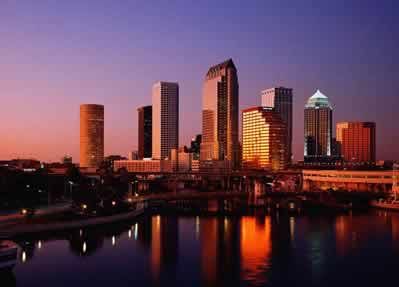
    Current signs and factors in the housing market are pointing toward continued surge in Tampa pre foreclosures.

    Signs Point Toward Continued Surge in Tampa Pre Foreclosures

    Among these signs and factors are the continued decline in home prices, the continued rise in mortgage defaults, the high unemployment rate, the end of federal incentives, the rise in mortgage rates due to the end of mortgage buybacks and lack of construction jobs.

    Home prices in the Tampa Bay area continued its downward trend, with the home sales price median falling by six percent from February last year to $120,000. In January, the sales price median was $125,600, which marked a 31-percent plunge from the January 2009 median and an 11-percent fall from the December median.

    All in all, home prices in the Tampa Bay area have fallen by over 40 percent since their peak levels in 2006.

    In the final quarter last year, almost 49 percent of all homeowners with mortgage loans in the Bay Area or 332,968 homeowners were underwater. Another 28,182 homeowners were approaching the underwater situation.

    In February, the number of Tampa pre foreclosures and properties that have been listed for homes auctions in Tampa soared by 15 percent year-over-year and surged 10 percent month-over-month to nearly 6,700 filings.

    Nearby counties also posted increases in filings, with Hillsborough County posting a 31-percent jump and Hernando County posting a 27-percent jump.

    Foreclosure homes in Tampa contributed substantially to the nearly 7,000 total of units repossessed by banks throughout the state of Florida in February. They also helped pushed Florida up to its third ranking from its fourth ranking in the first month of the year.

    In Tampa Bay, almost one unit for every six mortgaged homes is currently in default by more than three months. Many of those that are not yet delinquent are expected to follow those already in default because they were bought with Alt-A loans, which are set to adjust to higher rates this year. Adjustable rate mortgage loans typically reset after three or five years.

    Plans to end federal supports to the housing market this year could also worsen the situation in Tampa. The termination of the federal tax credits in April could discourage buyers and the end of mortgage security buybacks could increase mortgage rates.

    Lastly, the still bleak job situation in the area could add more homes to the already long list of Tampa pre foreclosures. The Tampa Bay Area hit a record-high 13.1-percent unemployment rate in January.

    Search pre foreclosures in other USA cities:

  • Humane Society Helps Cut Down Number of Abandoned Animals

    The Humane Society Silicon Valley in Santa Clara County, California has been helping cut down the number of abandoned animals by enabling financially distressed families care for their pets with donated pet food and supplies.

    Humane Society Helps Cut Down Number of Abandoned Animals

    As the economic downturn continues to make life difficult for many households, abandoned pets are no longer found only in single-family or townhouse foreclosures, they are also now found in parks, forests and open areas. A number of pet owners no longer have the money to buy pet food or to have their pets examined by veterinarians.

    To help these financially-distressed pet owners continue to have their pets with them at home and at the same time control the number of animals being left at shelters, the Silicon Valley Humane Society recently launched its Pet Pantry Donation Program. This initiative gives pet food to owners who no longer have the money to buy food for their animals.

    According to Sue Burbank, customer care associate for the humane society, she noticed that more and more pet owners were calling the facility desiring to surrender their animals because they can no longer afford to buy pet supplies.

    So rather than reject some calls due to lack of space at the shelter and increase the number of abandoned animals in the county, the humane society, through the leadership of its animal care manager Mike Foltz and his associates, launched the pet pantry program.

    Since the launching of the program, the humane society has received donations from individuals, pet supply stores and corporations. They have also received large donations from organizations and schools that have launched fund raising or pet food drives in their facilities.

    Among these big donors is the Sixth Division of the California Retired Teachers Association. Foltz said he is amazed at the level of generosity being shown despite the hard times.

    Laura Fulda, marketing and communications vice president for the humane society, said she identifies the recipients of pet food supply through the detailed questionnaires that pet owners are required to fill out when they surrender their animals to the shelter.

    People desiring to donate pet food and supplies can fill out the donation form at hssv.org so that they can be contacted by society officers.

    In addition, the humane society has also launched its Prevent Unwanted Pregnancies initiative to help solve the county’s pet overpopulation problem and help cut the number of abandoned animals in the county.

  • Jacksonville Foreclosure Investing Gets Hot as Prices Fall

    Jacksonville foreclosure investing gets into a frenzy as home prices continue to fall.

    Based on foreclosure sales figures from the Northeast Florida Association of Realtors, 50 percent of all houses sold in Jacksonville in February were short sale properties or homes from Jacksonville foreclosure listings. These types of sales, now classified as lender-mediated sales by real estate professionals, have jumped up by 37 percent.

    Jacksonville Foreclosure Investing Gets Hot as Prices Fall

    Distressed sales increased as their median price dropped to $101,850, a whopping fall of 15 percent.

    Because of the continued increase in low-priced foreclosure sales and in pre-foreclosures in Jacksonville, prices for all types of homes also continued to fall. As total home sales, including short sales, foreclosure sales and conventional sales, climbed up in February by 7 percent, the median sales price dropped to $135,000, a sharp increase by 14 percent.

    The median price for traditional sales was pulled down to $174,995, a drop of 1.7 percent.

    As residential foreclosures in Jacksonville continued to increase and as the number of unemployed residents continued to rise, commercial real estate foreclosures also surged. As businesses closed because of lack of retail activity and as tenants ended their lease contracts, owners of commercial buildings lacked resources to be able to make their development loan payments.

    Based on the National Retail Index, a measure of demand and supply across the country, the Jacksonville metro area ranked 43rd in a listing of 44 metro areas according to retail activity.

    Nevertheless, despite the slowdown in commercial activity, growth prospects in both the commercial and residential sectors are strong reasons for engaging in Jacksonville foreclosure investing.

    In addition, the low prices of foreclosures in Jacksonville make investments in these properties viable. The whopping 50-percent share of foreclosure sales in February was an indication of the popularity of distressed properties to investors and owner-occupant buyers.

    Meanwhile, according to real estate professionals, the month-over-month decline in pending house sales in February was caused by the bad weather in the northeast. Pending sales, however, increased by almost 9 percent compared to pending sales in February 2009.

    Home sales figures compiled by the realtor association in the Northeast include sales of condominium units and single-family homes in the counties of Clay and Duval and in parts of the counties of Saint Johns and Nassau.

    The sharp fall in home prices has been driving Jacksonville foreclosure investing activities. Realtors expect the percentage of foreclosure sales to rise further in the coming weeks.

    Find great investments in other USA Top Cities:

  • Positive Outlook for San Antonio Foreclosure Investing

    San Antonio foreclosure investing is a viable activity as shown in the positive outlook of the construction industry for the area.

    Positive Outlook for San Antonio Foreclosure Investing

    A rising number of real estate development and construction firms have returned to San Antonio and have continued their projects or have launched new ones.

    According to McGraw-Hill Construction, construction activity across Texas will grow to a total value of $52.5 billion as construction in all subsectors will surge.

    The firm said that construction activity will grow by 6 percent in San Antonio and in four other metro areas of Texas. Austin will post a growth rate of 30 percent; Houston will post 17 percent; Dallas will register 16 percent; and El Paso will post 8 percent.

    Home starts are also expected to increase to a total value of $21.8 billion, a jump of 31 percent. Non-housing construction starts, however, is expected to decline slightly to a value of $17.6 billion due to difficulties in the industrial and commercial sectors.

    Because of federal stimulus funding, construction activity in the utilities and public works sectors is expected to surge by 21 percent to a total value of $13.1 billion this year.

    These construction figures affirm signs of recovery in the area and affirm efforts in San Antonio foreclosure investing. Despite the continued surge in pre-foreclosures in San Antonio, house prices have remained stable in the metro area, indicating the higher level of economic strength of San Antonio.

    Based on records from the National Association of Realtors, the number of properties entering San Antonio foreclosure listings increased in February. In the county of Bexar, where San Antonio is located, the number of properties posted for the March auctions increased to 1,353 units, marking a 25-percent increase from the total listings for the March 2009 public auctions.

    Two residential construction activities indicating continued growth in San Antonio are the projects of TriStone Homes and the San Antonio Housing Authority.

    TriStone has started building new lots on the next stage of its Laurel Mountain Ranch community in the western part of San Antonio. The homes will be sold in the price ranges of $140,000 and $170,000.

    SAHA, meanwhile, has completed the renovation of its Blanco Apartments, one of its public housing and affordable housing projects for adults, children and senior citizens. It renovated the community room and lobby and replaced the ventilation and heating systems.

    With these construction projects indicating confidence in the recovery of the city, San Antonio foreclosure investing is a viable investment decision.

    Find great foreclosure investments in other USA Cities:

  • Atlanta Foreclosure Investing in Housing, Commercial Sectors

    Atlanta foreclosure investing is viable both in the residential and commercial sectors because of the availability of foreclosed properties in the area and the continued foreclosure activities in both sectors.

    Atlanta Foreclosure Investing in Housing, Commercial Sectors

    In January, Atlanta foreclosure listings in the residential sector continued to grow, with the percentage of mortgage loans in foreclosure climbing up to 2.81 percent of all mortgages. This marked an increase from 1.63 percent of completed foreclosures and pre-foreclosures in Atlanta in January 2009.

    In the metro commercial sector, the claws of foreclosure have crept into all kinds of buildings. Among these are a small office building and a mini-mall on Peachtree Street which were owned by the firm controlled by former legislator Pat Swindall. The development loans secured by the buildings were around $2 million and $10 million, respectively.

    Another is the storage facility Extra Space in Marietta, whose developer, East Cobb Self Storage, took out a $6.1 million loan from Security Exchange Bank in 2007 to construct the facility.

    Lawyer Thomas Austin Jr. said that he has been working out an increasing number of commercial foreclosures over the past 6 months. Lack of tenants is among the major causes, he said.

    Another Atlanta lawyer, William Rothschild, said that foreclosure is more viable for banks than refinancing as they can sell troubled buildings to business entities that have been successful in Atlanta foreclosure investing amid the downturn. He explained that those who borrowed for commercial investments from 2005 to 2007 have depleted their funds.

    According to the Federal Deposit Insurance Corporation, loans provided by banks in Atlanta and in other cities of Georgia to developers of office complexes, hotels, shopping centers, apartment properties and other commercial buildings that are delinquent by more than one month have climbed up to more than $2 billion. More than 50 percent of these loans are already considered by banks as bad loans.

    Largely because of these bad loans, more than 30 banks in Georgia have collapsed and closed over the past 2 years. The number of failed banks could grow as loan losses continued to grow. Over 300 banks in Georgia lost a combined total of over $3 billion in 2009.

    Nevertheless, according to metro Atlanta analysts, Atlanta foreclosure investing is viable because of the lower prices of commercial and residential properties in the area and the strong prospects for economic recovery for Atlanta as one of the largest metro areas in the nation.

    Find great foreclosure investments in other Georgia Cities:

  • Detroit Home Auctions Surged, Driven by Underwater Mortgages

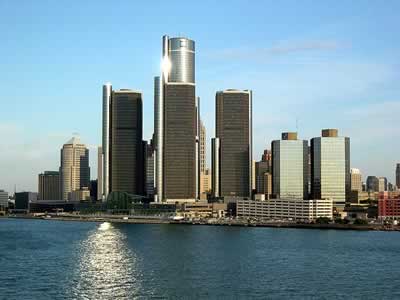
    Detroit home auctions surged in February, largely driven by underwater mortgages.

    A total of 131,262 mortgages in metro Detroit or a staggering 47 percent of all mortgages in the area were underwater as of December, according to a California research firm.

    Detroit Home Auctions Surged, Driven by Underwater Mortgages

    Over the next 5 years, home prices in metro Detroit are expected to drop further by 30 percent, according to University of Michigan professor Dennis Capozza who also co-heads advisory firm University Financial Associates.

    Across Michigan home prices have fallen by over 35 percent from their peak in 2005 and are expected to plunge further by 22 percent over the next 5 years.

    In metro Detroit, which encompasses Wayne, Macomb and Oakland counties, foreclosure activity shot up compared to filings in February 2009. Completed filings and pre foreclosures in Detroit pushed up overall Wayne County postings by 69 percent as foreclosure activity in Oakland and in Macomb spiked by 71 percent and by 53 percent, respectively.

    A total of 5,782 housing units in Wayne County entered default and foreclosure listings in February, including a large number of foreclosed homes in Detroit. Detroit is not only the administrative seat of Wayne County; it is also the largest Michigan city. Before the auto industry crisis, Detroit was among the most populous city in the U.S.

    Despite the continued entry of residential units into Detroit home auctions, analysts are hopeful the housing inventory will eventually reach normal levels. Because of the bargain prices, investors have been snapping up properties, making significant dents on the supply.

    In the meantime, housing advocates are looking for remedies to help solve the underwater mortgage crisis, especially in Michigan, where the manufacturing sector cut almost 1 million jobs over the past 10 years.

    Some have been calling for reductions in loan principal balances, but Julia Gordon of the Center for Responsible Lending said that any billion-dollar bailout for homeowners will create a huge backlash. She explained that ultimately it is the taxpayers that will pay the bailout, so those that have been paying faithfully their mortgage over the years will certainly raise a ruckus.

    A federal bailout of underwater mortgages nationwide would need around $801 billion, far above the federal bank bailout in 2008, according to a research firm.

    Analysts said that it will take money and time to heal the effects of continued Detroit home auctions, but according to Detroit Mayor Dave Bing, the city can survive if residents cooperate and support his city downsizing initiative.

    Search home auctions in other USA Top Cities:

  • Brooklyn Home Auctions – No Alliance-Financed Homes in Them

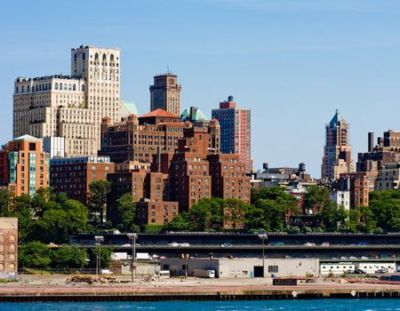
    Brooklyn home auctions have not included one unit from among the estimated 3,000 houses financed by nonprofits which created partnerships with the New York City Department of Housing Preservation and Development to develop affordable homes for working families.

    Brooklyn Home Auctions - No Alliance-Financed Homes in Them

    While listings of foreclosed homes in Brooklyn are filled with properties from certain neighborhoods along the streets of East New York and Brownsville, neighborhoods developed by nonprofits like Nehemiah and Neighborhood Housing Services and financed by other nonprofits like Local Initiatives Support Corporation and Partnership for New York City are standing proud with their well-tended gardens and well-maintained driveways.

    Throughout the city of New York, over 60,000 homes were built or rehabilitated for working families by these partnerships between the city and nonprofits. Of these homes, just less than one percent was lost to foreclosure.

    In the East New York and Brownsville area, not one of the partnership-financed houses ever received a notice of pre foreclosures in Brooklyn.

    The secret, according to city and nonprofit officials and analysts, was not really a secret. It was simply a return to the traditional practices of home lending. The partnerships built sturdy but affordable homes and sold them only to applicants with good credit histories, adequate down payments and stable jobs. Applicants were also required to attend home ownership classes and to obtain prime mortgage loans.

    With these rigorous requirements, it is no wonder that none of these partnership-financed homes has defaulted and been listed for Brooklyn home auctions.

    One of the appreciative homeowners is 52-year-old Zandra Brockman who noted that the loan screening was old-fashioned, but it was good because it prevented buyers from spending large amounts of money and then losing all of them later. Brockman bought her home in 1999 for $68,500.

    Denise Scott, head of the New York City branch of the LISC, said that of the around 400 homes financed by the LISC in the city, not a single unit was lost to foreclosure.

    Of the 20,614 homes developed and sold by these nonprofits in the city since 2003, just 13 homes have gone to auctions. Of the 3,900 homes built by Nehemiah since the 1980s, not one has been lost. According to Kathryn Wylde, head of Partnership for NYC, the foreclosure rate among partnership homes is almost nonexistent, which is a far cry from certain East New York neighborhoods where more than 1,051 defaulted last year and became at risk of entering Brooklyn home auctions.

    Search home auctions in other USA Top Cities:

  • Jacksonville Home Auctions to Surge as Default Rate Rises

    Jacksonville home auctions are expected to step up as mortgage defaults increase in the area, based on reports from credit information firm TransUnion LLC.

    Jacksonville Home Auctions to Surge as Default Rate Rises

    Over the past 3 years, pre foreclosures in Jacksonville have steadily increased and by the last month of 2009, the delinquency rate has reached 10.3 percent.

    According to Florida short sale specialist Michael Linkenauger, the continuing increase in delinquencies is a result of the convergence of several negative factors in the housing market, including unemployment, costly loans, overdevelopment, price declines and the recession. The unemployment rate in Jacksonville has hit 11.3 percent.

    Scott Lehmbeck, an REDC agent who specializes in foreclosed homes in Jacksonville, said that his sales have been improving because of the continued entry of distressed properties into the market.

    Similarly, Dmitry Mikhaylov, who owns a real estate investment firm, said that he has restructured his business model to fit the current state of the housing market. He said his firm has stopped buying and selling new homes or nondistressed existing homes. He has shifted to buying homes at Jacksonville home auctions or from foreclosure listings, renovating these properties and reselling them.

    Mikhaylov added that his firm has also helped some homeowners negotiate affordable repayment schemes with their lenders. But he has observed that more people are giving up than pursuing loan modifications because of unemployment and negative equity.

    According to TransUnion, there are other Florida cities struggling from high default rates. Miami, for instance, had a delinquency rate of 22.6 percent in the final quarter of 2009, far above its 1.7 default rate during the same quarter in 2006. Statewide, the default rate increased to 14.93 percent in the final quarter, up from 1.73 percent in 2006.

    Among the 28 largest metro areas surveyed, Jacksonville, Tampa and Miami posted the highest delinquency rates in the last months of 2009.

    Mortgage delinquencies are not only occurring in the single-family subsector; they are also prevalent in apartment communities. In the last week of February, nonbank lending firm Leeward Strategic Properties filed foreclosure cases against four apartment communities in Jacksonville after the owner, National Commercial Ventures, failed to pay its $71.1-million outstanding loan. Additionally, National Commercial is also facing lien claims from subcontractors in its other projects.

    According to commercial investment executive Simon Garwood, the number of multifamily and single-family properties entering Jacksonville home auctions continues to grow because of the weak economy and the high vacancy rate in the Jacksonville multifamily sector.

    Search home auctions in other USA Top Cities:

  • Abandoned Pets in Dallas Dog Parks

    An increasing number of abandoned pets are being seen at the Dog Park in Mocking Point, Dallas when it closes at night. The dogs are considered deliberately abandoned because their dog collars have been removed.

    Abandoned Pets in Dallas Dog Parks

    According to dog lovers frequenting the park, around 50 dogs were already left at the dog park over the last year and a half. Jim Christian said that two of his dogs were among those abandoned and rescued from the park. He has also paid for exams and shots for other dogs so that they can be offered for adoption.

    While some animals are pampered with tennis balls and colorful toys from the vending machine at the park, some are set free to be abandoned and left on their own until some kind souls get them.

    In Dallas, the city animal control center and shelter has a nighttime drop box for stray animals or foreclosure pets, but some pet owners worry they need to pay fees before their pets are accepted, so they do not bring their pets to the shelter. Instead, they leave them at the dog parks. They figure that since the park is frequented by dog lovers, their abandoned pets would easily find people who would adopt them.

    According to Christian, Dallas police officers told him that there are no city laws against abandoning dogs at the park. Nevertheless, Christian believes there ought to be a law against dumping dogs.

    In the separate area for smaller dogs, pets are also abandoned, and because the city shelter cannot send people immediately to get the dogs, oftentimes pet owners who go regularly to the park are the ones caring for the dogs while they wait for adoptive owners.

    Pet owners who are regulars at the park are getting concerned about the rising number of animals abandoned at the park. They understand, however, the reasons why former pet owners leave their pets after they get evicted from their foreclosed homes.

    Among the animal shelters and rescues in Dallas is the Humane Society of Dallas County, a no-kill pet shelter along Manor Way that offers direct adoptions and off-site adoptions.

    Another is the downtown Dallas Animal Services and Adoption Center on North Westmoreland. The center provides animal control services for the city and evaluates stray animals before they are offered for adoption. Only abandoned pets that have good temperaments and good health are given to adoptive pet owners.