Author: sharon

  • Home Foreclosures in Indianapolis Failed to Push Up Sales

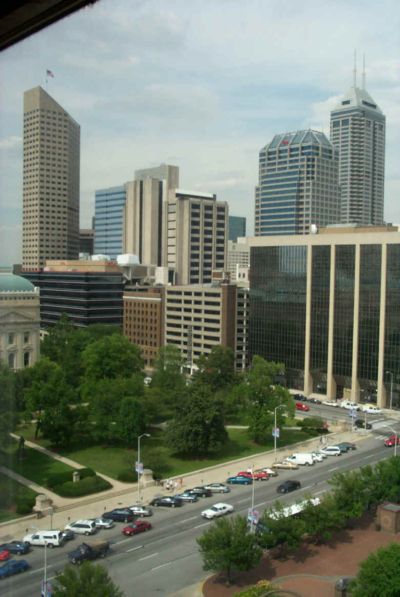
    Home foreclosures in Indianapolis failed to push up total house sales in the metro area in January this year despite their attractive prices, based on a sales report released by the Indiana Association of Realtors.
    Home Foreclosures in Indianapolis Failed to Push Up Sales

    Total residential sales in the eight-county metro area plunged to only 900 units, a sharp plunge of 18.4 percent from 1,103 units in January 2009. All the counties in the metro area posted drops in home sales.

    Similarly, Indiana home foreclosures failed to drive up total sales despite the availability of affordable homes, but the rate of sales decrease was smaller than in the metro area. A total of 2,735 existing homes were sold statewide, a drop of 1.4 percent from the 2,774 pre-owned units sold in January 2009.

    Nevertheless, despite the drop in sales, real estate professionals were encouraged by the spike in home prices statewide. According to them, the slowdown in the flow of residential property to foreclosures in January may have pushed up home prices. The sales price median for houses sold in January statewide climbed up to $89,900, marking a significant rise of 12.4 percent from the January 2009 median price.

    Home foreclosures in Indianapolis also slowed in January this year and the decline may have also pushed up by almost 17 percent the median price for existing homes in the metro area to $70,000 from the January 2009 median of $60,000.

    Despite the rise in the home price median in January, Indianapolis is still considered by housing analysts as among the best housing markets in the U.S. and among the best to buy a home for the family or for investment purposes. The analysts, in choosing the best cities, considered home affordability, rate of foreclosures and prospects for housing market recovery. To estimate home affordability, they calculated the percentage of homes in the metro area that are affordable to all households and individuals earning the area’s median income.

    In Marion County, where Indianapolis is the county seat, total home sales declined by 19 percent. Sales in Hamilton County also dropped, falling by 21.7 percent, and sales in Hendricks County fell by 22.6 percent.

    In the coming weeks and months, realtors and home sellers hope that the federal tax incentives and the still affordable prices would spark higher sales. They also hope that news items about the attractive prices of home foreclosures in Indianapolis would push up interest in homes in the metro area.

  • Home Foreclosures in Jacksonville Driven by Negative Equity

    Home foreclosures in Jacksonville are driven in part by negative equity, based on reports from residential market research firms.

    Home Foreclosures in Jacksonville Driven by Negative Equity

    In the final quarter of 2009, over 44 percent of all homeowners with residential mortgages in Jacksonville, Florida were underwater and another 5 percent were nearing the underwater situation. The total number of underwater borrowers was 147,498 and the total number of borrowers approaching negative equity was 16,270.

    The negative equity data affirmed a national survey pointing to Jacksonville, Miami and Tampa as having the highest default rates among 28 metropolitan areas surveyed in Florida. This survey also mentioned Jacksonville and Tampa as having the weakest job markets in Florida.

    Compared to nationwide data, the negative equity level in Jacksonville was almost double the nationwide share of 24 percent in the final quarter of 2009. A total of 11.3 million borrowers nationwide were underwater, up from the 10.7 million underwater homeowners in the third quarter or 23 percent of all borrowers.

    Florida home foreclosures are also driven partly by negative equity, as 48 percent of all mortgaged housing units in the state were underwater in the final quarter of 2009. Florida was third among states in percentage of homeowners with negative equity, behind only Nevada which posted 70 percent and Arizona which posted 51 percent. Michigan and California, followed Florida with 39 percent and 35 percent, respectively.

    Home foreclosures in Jacksonville soared by 55.9 percent in 2009 compared to foreclosure activity in 2008 with a total of 26,537 housing units in foreclosure. The figure represented almost five percent of all housing units in the area.

    According to economist Mark Fleming, most homeowners with mortgages try their best to salvage their homes, but when the values of their homes plunge by more than 25 percent or about $70,000 below their mortgage amounts, they begin to consider walking away more seriously and just leave their homes to property sales. They figure they can survive foreclosure better than spending much of their monthly income towards mortgage payments.

    In January 2009, the sales price median for existing homes in the Jacksonville area fell to $133,990, an almost 14-percent drop. In 2009, the sales price median for existing homes also dropped by 16 percent to $152,200.

    The median sales price for distressed properties and home foreclosures in Jacksonville plunged to $89,950 in January this year, a drop of 22 percent from the median price in January 2009.

  • Home Foreclosures in Denver Slowed, Pushing up Prices

    Home foreclosures in Denver slowed in 2009 and in January 2010, pushing up prices, based on reports from research firms and from the Colorado Division of Housing.

    Home Foreclosures in Denver Slowed, Pushing up Prices

    In the Denver metro area, a total of 28,962 households received foreclosure or default notices, marking a decrease of more than 12 percent from total filings in 2008. The number represented 2.8 percent of all residential units in the area.

    Among the largest counties of Colorado, Denver and Douglas posted the two biggest drop rates in foreclosure postings in January 2010 compared to January 2009. Filings fell by 17 percent in Denver and dropped by 26 percent in Douglas. In contrast, foreclosures in Mesa County surged by a staggering 159 percent, posting the biggest increase in foreclosure postings in January this year.

    In Larimer County, foreclosure filings also declined in January, posting a drop of over 10 percent compared to filings in January 2009. However, total sales of foreclosed homes climbed up by more than 53 percent.

    Home foreclosures in Denver followed the declining trend of Colorado home foreclosures in January this year. Statewide, total foreclosure filings dropped by more than 16 percent to 5,029 filings. Of these filings, a total of 1,782 units were already in bank listings of real estate foreclosure homes for sale.

    According to state housing records, foreclosure filings in the largest counties in Colorado dropped year-over-year by 3 percent in January this year, but foreclosure sales surged by 61 percent. Compared to January 2008 data, however, foreclosure sales dropped by 29 percent and foreclosure filings fell by 17 percent.

    Colorado housing analysts said that the recent data showing declines in foreclosure filings and increases in foreclosure sales are reflecting overall trends in the housing market nationwide. Because of the significant time lag between foreclosure filings and sales, which is usually six or eight months, foreclosure filings and sales can have different directions.

    Analysts added that if the relationship between foreclosure postings and sales continues, sales of foreclosures will start to fall in the spring.

    According to the housing price index of Standard & Poor’s/Case-Shiller, home prices in the Denver metro area have been showing improvements in the last ten months of 2009.

    In November 2009, the Denver home price index rose year-over-year by 0.5 percent, putting the city third in price index improvement behind only San Francisco and Dallas. The price appreciation was an indication that home foreclosures in Denver have been weakening their downward price impact on housing prices.

  • Home Foreclosures in Charlotte Curbed by State Officials

    Home foreclosures in Charlotte have been among the priorities of certain government officials in North Carolina over the past several months, according to various reports.

    Home Foreclosures in Charlotte Curbed by State Officials

    Among these is U.S. Senator Kay Hagan, whose first year in office was marked by stepped up activities in helping over 100 North Carolina families who were in danger of losing their houses. Hagan told interviewers that about 5 percent of those who sought help from her office have saved their homes from entering listings of North Carolina home foreclosures.

    Hagan explained that her effort to prevent foreclosures may be small compared to her overall constituent services, but her effort has helped a lot of families and she is committed to continue helping foreclosure-troubled households.

    Two other state agencies helping distressed homeowners are the North Carolina Banking Commission and the Office of the Attorney General. According to the commission, the state foreclosure prevention program has assisted 3,132 troubled families throughout North Carolina in the first 7 weeks of the year, a jump of 17 percent from the preceding weeks.

    Of the more than 3,000 families helped, 360 families were in Mecklenburg County, where Charlotte is the county seat and where foreclosure activity has been the fiercest since the start of the downturn.

    Additionally, over 8,000 families have met with certified housing counselors to obtain free advice. Over 1,000 of these were from Mecklenburg County.

    In 2009, in response to the sharp rise in home foreclosures in Charlotte and in other parts of Georgia, the Attorney General has ordered 166 for-profit foreclosure prevention firms to stop their operations, an increase of more than 400 percent from the number of firms closed in 2008.

    The office of the Attorney General, which has been continuing its effort to cut down foreclosure assistance fraud, advises distressed homeowners to seek free foreclosure relief assistance from fightncforeclosure.org and file a complaint immediately at ncdoj.gov when victimized by fraudulent programs.

    Meanwhile, in coastal counties in North Carolina, lawyers representing over 300 people who lost their money in deals involving real estate property for sale have filed lawsuits against developers, appraisers and lenders to seek damages. They claim that the land flipping and fraud scandal involving the subdivisions has led to a record number of foreclosures and loss of investments.

    Home foreclosures in Charlotte did not only result from toxic mortgages and unemployment; they also resulted from fraudulent activities such as inflated appraisals and multiple flipping.

  • Las Vegas Home Foreclosures Finally Bow to Traditional Sales

    Sales of Las Vegas home foreclosures bowed to traditional home sales for the first time in 20 months in January this year, based on a report from Las Vegas real estate firm SalesTraq.

    Las Vegas Home Foreclosures Finally Bow to Traditional Sales

    Since June 2008, foreclosure sales have been dominating home resales in the Las Vegas area. In January, foreclosures finally yielded. Sales of nondistressed homes shot up and accounted for 53 percent of all home resales. The rest, 47 percent, were foreclosures sales.

    The total of real estate-owned homes in January this year also decreased from 2,367 units in January 2009 to 1,351 units.

    However, according to SalesTraq, distressed sales still dominated the Las Vegas housing market, with sharp increases in short sales. Their sales prices, which ranged from $120,000 to $125,000, will continue to hold back home prices in the metro area, according to SalesTraq researchers.

    A total of 3,429 pre-owned homes were sold in January, an increase of more than 24 percent from January last year. The median sales price for bank-owned homes was $115,000 while the median price for nondistressed pre-owned homes was $125,000.

    All in all, the median sales price for existing homes fell by 20 percent from January 2009 level to $120,000, the price level that held steady since April 2009.

    Las Vegas home foreclosures continued to put a heavy downward pressure on new homes, limiting the sales price median for new homes in January to $200,716, still lower by 14.3 percent from the $234,173 median in January 2009. Only 240 new housing units were sold in January.

    Dennis Smith of the Las Vegas Home Builders Research said the home construction industry is still struggling and has been relying partly on government assistance programs to survive. Only 380 new home building permits were issued in January, the same low level of permit application since July 2008.

    Smith acknowledged that the resale subsector of the housing market had been the main mover of the residential property market over the past year. He also reported that that 3,111 units of existing homes were sold in January, an increase from the 2,536 units sold in January last year.

    In contrast, Smith said, sales of new homes accounted for only 10.5 percent of escrows in 2009, a sharp drop from the 41-percent share in 2000.

    According to SalesTraq, the pace of home foreclosures in Nevada will continue to step up this year, with Las Vegas home foreclosures expected to reach 25,000 units in 2010.

  • Los Angeles Home Foreclosures Highest in Southern California

    The number of Los Angeles home foreclosures in January this year was the highest among Southern California foreclosures, based on data from a Bay Area-based real estate research company.

    A total of 3,102 homes in Los Angeles County were sold through public auction, higher than the 2,099 foreclosed homes sold in Riverside County. San Bernardino was third, posting a total of 1,663 foreclosures. According to the research firm, most of the foreclosed units were taken back by the lenders.

    Los Angeles Home Foreclosures Highest in Southern California

    The firm also reported that the average number of months to complete a foreclosure has increased from 5 months in 2008 to 8 months this year as banks had to comply with federal and state laws that require moratoriums and loan modifications for troubled homeowners.

    In another report released by a San Diego firm, total home sales in Los Angeles County and in other Southern California counties in January this year increased compared to total sales in January 2009, but decreased compared to sales in December last year.

    Total sales of new and pre-owned homes in the counties of Los Angeles, San Diego, Riverside, San Bernardino, Ventura and Orange reached 15,361 units in January, marking an increase of 0.9 percent from the 15,227 units sold in January 2009 but a decrease of 31.2 percent from the 22,328 units sold in December 2009.

    Los Angeles home foreclosures and foreclosed homes in the five other Southern California counties accounted for more than 42 percent of all resales in the region in January, an increase from 39.6 percent in December but a drop from 56.4 percent in January 2009.

    Sales of foreclosed properties peaked in Southern California in February 2009 when it hit 56.7 percent of all home resales, then tapered off month over month until they climbed up slightly in December and increased further in January this year. All foreclosure sales in January consisted of homes and condo units that had been repossessed 12 months before.

    Total home sales in January this year marked the highest January total since January 2007 when sales reached 18,128 units, but January 2010 sales were still 14.4-percent lower than the January average of 17,938 units since 1988.

    Meanwhile, the pace of home foreclosures in California in January this year dropped by 10.8 percent from December 2009 to 71,817 units, including 17,000 repossessed by the banks. Of these distressed properties, Los Angeles home foreclosures have been receiving more attention from the Home Affordable Modification Program as the Los Angeles area has been the second highest in HAMP activity as of January this year, according to the Treasury Department.

  • Chicago Home Foreclosures Made Up 70% of Distressed Sales

    Chicago home foreclosures made up 70 percent of all distressed sales in 2009, according to data from a Northern Illinois regional real estate network. Distressed sales, meanwhile, made up more than 34 percent of total home sales. Distressed sales refer to foreclosure sales and short sales.

    Chicago Home Foreclosures Made Up 70% of Distressed Sales

    Distressed sales comprised 36 percent of all home sales in the suburbs of the Chicago metro area and comprised 31 percent of all home sales in the central areas of Chicago last year. The Chicago metro area includes the counties of Kane, Cook, DuPage, Lake, Kendall, Will and McHenry.

    According to regional real estate network director Jim Merrion, the percentage of distressed properties increased over the past three years, prompting many large real estate firms to focus a substantial part of their operations on distressed sales.

    In the Chicago metro area, which consists of 248 suburban markets, distressed sales made up 50 percent of all house sales in 66 markets, 44 of which are Cook County markets. In Chicago, which has 77 official neighborhoods, distressed sales made up 50 percent of all home sales in 37 neighborhoods.

    While Chicago home foreclosures made up 70 percent of all distressed sales in the metro area, short sales accounted for 28 percent and court-ordered sales made up the rest.

    Among all the markets studied in the Chicago metro area, Lincoln Park, Winnetka and Kenilworth posted the lowest percentages of distressed sales, which were all lower than 5 percent. The neighborhoods of North Center and Lake View posted distressed rates lower than 6 percent.

    According to Merrion, the number of homes that enter a foreclosures list can be reduced if more lenders are willing to carry out short sales. Merrion has observed that many banks take time in approving short sales even though short sale prices are higher than foreclosure sale prices.

    In 2009, the Treasury Department issued guidelines to entice lenders to accelerate short sales, but the response of banks to the guidelines is still to be seen.

    Meanwhile, the pace of home foreclosures in Illinois stepped up by almost 2 percent in January this year compared to the previous month and by more than 25 percent compared to January 2009.

    More than 18,000 homes in Illinois were notified of delinquency or foreclosure, with nearly 6,000 of these homes already taken back by lenders. Since the Chicago metro area dominates the Illinois residential market, as stated by members of the Illinois Association of Realtors, a huge percentage of these were Chicago home foreclosures.

  • Homes from Foreclosures in MA Declined, but Defaults Increased

    Homes from foreclosures declined in number in Massachusetts last year, but mortgage defaults stepped up, according to data from Warren Group, which publishes reports on New England real estate.

    Homes from Foreclosures in MA Declined, but Defaults Increased

    Foreclosure filings in the state dropped to 9,269 in 2009, down by over 25 percent from 2008, when 12,430 foreclosures were filed.

    The number of mortgage defaults, however, rose by more than 28 percent to almost 28,000, compared to 2008.

    Additionally, the increase in foreclosures in affluent neighborhoods like Concord, Weston and Winchester, is raising concerns because it shows how severe the recession has been. Even the island of Nantucket, where wealthy families enjoy their privacy, has not been spared. Indeed, the island experienced the highest increase in foreclosure filings in Massachusetts last year, posting a 733-percent jump from only 3 filings in 2008 to 25 filings in 2009.

    In December, foreclosures also declined on a year-over-year basis, but defaults grew. The number of delinquency notices rose by almost 27 percent to 2,060 while the number of homes repossessed by lenders declined by 8.4 percent from December 2008 to 857 last December.

    According to analysts, the number of homes from foreclosures in Massachusetts declined largely last year because of a landmark decision issued by the Massachusetts Land Court that forced lenders to clean up their foreclosure documents before filing them. Others said that lenders have been allowing distressed homeowners to work out loan modifications even if their efforts were expected to just postpone actual foreclosures.

    According to Paul Willen, economist of the Federal Reserve Bank of Boston, the housing market is showing signs of stabilization, but the problems of high jobless rates and underwater mortgages are blocking the way to recovery.

    Some realtors, however, see opportunities in the decline of home prices in affluent neighborhoods because of the housing crisis. Framingham broker Annette Norton said foreclosures in the $1 million range are giving opportunities to buyers who have been previously considering more expensive homes.

    In the meantime, a number of Boston foreclosed homes for sale will be acquired by the city this year using the more than $13 million it received from the federal government under the Neighborhood Stabilization Program. The funding is part of the $47.9 million received by the state to revitalize its struggling neighborhoods.

    According to Boston Mayor Thomas Menino, the money will be spent to rehabilitate homes from foreclosures in the neighborhoods of Roxbury and Dorchester, where there are many deteriorating vacant properties.

  • Foreclosure Property Filings Surged in New York City

    Foreclosure property filings surged in New York City in December, as unemployment continued to worsen and property values continued to decline.

    Foreclosure Property Filings Surged in New York City

    In December, a total of 2,013 households in the five New York boroughs were given default or foreclosure notices, an increase of 3.3 percent from the previous month. A big percentage of the filings were default notices, indicating that more foreclosures will occur in the first months of 2010.

    A higher number of Brooklyn foreclosed homes for sale is also expected in the coming months, as most of New York City foreclosure postings in December occurred in Brooklyn. A total of 757 households were put into the foreclosure process, marking a jump of 151 percent from filings in December 2008. Next to Brooklyn was Queens, which posted 629 foreclosures, up by 21 percent from filings in December 2008.

    The foreclosure rate for the city was one out of every 1,652 units, which was much better than the nationwide average rate of one out of every 366 units.

    For the entire year of 2009, a total of 20,228 households in New York City got hit with foreclosure property filings, equivalent to one out of every 164 households. The number marked an increase of 4.2 percent from filings in 2008.

    Statewide, more than 50,000 households got hit with foreclosure postings in 2009, representing 0.63 percent of all households in New York State and marking an increase of 0.67 percent from 2008 and a jump of 30.2 percent from 2007. Compared to other states, the pace of foreclosure in New York was very low, with 37 other states struggling with worse foreclosure situations.

    According to Jonathan Miller, chief executive of real estate firm Miller Samuel, the economic engine of New York has been sustaining the city and the state despite the housing crisis. However, according to him, if unemployment remains high, more defaults and foreclosures are expected.

    Another foreclosure issue hounding New York is the rising number of homes repossessed by banks, indicating the sharp decline in properties getting sold at foreclosure auctions.

    According to the Furman Center for Real Estate and Urban Policy, the number of real estate owned homes rose to 1,750 units in September 2009 from only 290 units in December 2006. Of about 12,000 homes that went into foreclosure in 2007, 12 percent were subsequently moved to foreclosure property auctions but were not sold off, ultimately ending up as bank repossessed homes.

  • Find Foreclosure Properties among Government-Owned Homes

    Find foreclosure properties among government-owned homes, which have been rising in number over the past two years.

    Find Foreclosure Properties among Government-Owned Homes

    Fannie Mae foreclosures, for instance, are now being offered with closing cost assistance of up to 3.5 percent of the purchase price to hasten the reduction of record numbers of Fannie-owned homes.

    According to Fannie Mae credit management vice president Terry Edwards, any additional help to the federal home buying tax incentive will increase further the number of families buying homes and will help reduce the number of vacant homes in neighborhoods.

    The closing cost assistance, which can also be used to buy appliances, will be available to qualified home buyers before May 1 this year. Prospective buyers can visit HomePath.com for further instructions.

    Last year, Fannie Mae repossessed 98,428 homes from January to September and sold nearly 90,000 units during the same nine-month period. But as of October 1, it still had more than 72,000 homes on its repossessed books, marking a seven-percent jump from its listings in October 2008.

    In November, the number of Fannie Mae single-family mortgages in default rose to 5.3 percent, a substantial rise from the November 2008 rate of 2.1 percent.

    Prospective home buyers can also find foreclosure properties among HUD homes. The number of HUD properties has also been rising sharply as defaults in mortgage loans guaranteed by the Federal Housing Administration continued to grow. According to mortgage researchers, the default rate in mortgages insured in 2007 and in 2008 by the FHA has risen to 24 percent. Additionally, the percentage of mortgage borrowers who defaulted on their FHA loans after just one monthly payment has increased.

    More than 12 percent of all FHA-backed home loans made by about 30 major lenders went into default just two years after their origination.

    Freddie Mac, meanwhile, has been striving to reduce the number of Freddie Mac foreclosures. It has launched Borrower Help Centers in Phoenix, Chicago, Washington, D.C. and San Bernardino to help discouraged Freddie Mac borrowers to continue pursuing loan modifications despite initial setbacks.

    Last year, Freddie Mac was able to help almost 250,000 borrowers save their homes through various repayment plans. Freddie-backed home loans account for about 23 percent of all residential mortgage loans in the U.S., nine percent of which are already in default by three months or more.

    Other government-owned homes that can be explored by buyers wanting to find foreclosure properties are those repossessed by the Departments of Agriculture, Veterans Affairs, Internal Revenue Service and Army Corps of Engineers.

  • Find Foreclosures in Las Vegas and Other Sand States Cities

    Home buyers can find foreclosures in Las Vegas, Cape Coral, Merced and other cities in the Sand States – Arizona, California, Nevada and Florida – because they again led the country in foreclosure rates in 2009, based on a metro-area foreclosure report from a California-based real estate information provider.

    Find Foreclosures in Las Vegas and Other Sand States Cities

    Finding and buying foreclosure homes in these areas at a time their prices are still attractive can bring in great profits in the next few years as these areas have been showing signs of market improvement despite their still high rankings in foreclosure charts.

    According to the analysts, most of the cities in the top ten posted slower paces of foreclosure activities in 2009. In the last quarter, all the top 20 metropolitan areas posted declines in foreclosure cases filed.

    It was Las Vegas that had the biggest number of foreclosure postings in 2009, with 12 percent of its residential units getting at least one default or foreclosure notice. Its rate was more than 5 times the nationwide rate.

    Cape Coral in Florida was second with almost 11.9 percent of its residential units in foreclosure and Merced in California was third, with a 10.1-percent foreclosure rate.

    Of the top 20 metro areas where buyers can find foreclosures, nine are located in California. Merced posted the highest rate within California and the third-highest pace nationwide. Stockton, which hogged headlines in 2008 because of its record foreclosure numbers, is now bracing at an 8.6-percent foreclosure rate, although still among the highest rates.

    Eight of the top 20 metro areas were in Florida, with the Fort Myers-Cape Coral area posting an 11.8-percent foreclosure rate, the second highest rate nationwide.

    Nevada, meanwhile, had only two metro areas in the top 20, but its popular city of Las Vegas topped the 2009 foreclosure chart. The Phoenix metro area in Arizona was eighth in the chart with an 8.03-percent foreclosure rate.

    In December last year, the median price for pre-owned single-family homes in Las Vegas dropped to $120,000 while the median price for foreclosed homes dropped to $116,900 compared to prices in December 2008, according to SalesTraq president Larry Murphy. The short sales price median dropped to $150,000.

    Lastly, buyers can find foreclosures among the repossessed single- and multi-family homes that will be released by Bank of America in Las Vegas this year. The bank recently announced its intention to release around 6,000 foreclosures this year in Nevada.

  • Long Beach Foreclosures Homes for Sale Waiting for $22M

    The more than 100 foreclosures homes for sale in Long Beach, California that will be fixed by the city with funds from the Housing and Urban Development Department will help solve the problem of abandoned foreclosures in the city.

    Long Beach Foreclosures Homes for Sale Waiting for $22M

    In the second round of Neighborhood Stabilization Program allocation, the HUD gave $22.25 million to Long Beach to help cut down the number of its foreclosure properties. The city was one of 12 cities, counties and nonprofits in California that received money from the second funding round.

    All in all, California got a total of $318.05 million from the HUD, the second-highest state allocation. Florida got the highest amount – $348.31 million.

    Dennis Thys, director of the Long Beach Community Development Department, said he will travel to Washington, D.C. this week, together with representatives of all other fund recipients, to attend a meeting on how the funds will be disbursed and how soon they can be used.

    Thys said there are already about 50 residents who have prequalified for the city’s NSP-funded home ownership program. The second-round funding is expected to help about 111 lower-income buyers.

    Thys also said that the city will partner with nonprofit Habitat for Humanity to help families buy foreclosures homes for sale, with Habitat expected to buy, fix and resell more than 25 houses.

    The California unit of Habitat was given $13.41 million by the HUD for its affordable program in the state. For its programs in five states, Habitat received a total of $137.62 million.

    According to director Thys, the second funding round is better for communities than the first funding round, which required recipients to buy vacant houses at 15 percent below their appraisal value. HUD was later informed that the requirement was pushing property values further down. Foreclosure properties would be purchased at fair market value, according to Thys.

    Financial assistance will be distributed among three types of applicants: families earning very low incomes or 49 percent or lower of the median income in Long Beach; families earning low incomes or 50 to 80 percent of the median income; and families earning working-class incomes or 81 to 120 percent of the median income.

    Realtors, such as Lynda Montgomery, are calling on officials to also set aside some NSP money to help abandoned foreclosure pets and animal shelters because these pets also cause neighborhood problems if they are ignored.

    However, the funds may be easily exhausted as there are a lot of foreclosures homes for sale in the city that need to be fixed.

  • Bronx Foreclosures Driven by Speculative Multifamily Deals

    Bronx foreclosures in the multifamily sector have been driven largely by speculative deals and impractical gentrification projects, according to New York City housing advocates and analysts.

    Bronx Foreclosures Driven by Speculative Multifamily Deals

    According to a survey done by the Right to the City Coalition, more than 600 condo buildings in South Bronx, Harlem, West Village, Bushwick and Lower East Side were largely vacant or incomplete because speculative investors thought that there are a lot of buyers who can afford to buy high-priced units in the properties they acquired at overinflated prices.

    In most of the areas where $36,538 is the median family income and where a large number of households are below the poverty level, condo units were being sold for more than $500,000 to $1.5 million. For over a year now, these properties have remained vacant and have been deteriorating as fast as repo homes in these neighborhoods.

    One sad example of property speculation gone bad in New York City was the forced acquisition and conversion of a former factory that was turned into a 42-unit subsidized housing. Despite seeing that the building was already occupied legally by artists, a private equity investor still targeted it, purchased it and filed a court action to evict the artists. Those that resisted were threatened with individual lawsuits.

    The building was later resold to a developer who paid almost $20 million, with a $9.8-million loan from American International Group. In 2008, the apartment units were offered for sale at $1,100 per square foot, but there were no takers. Now, the building is abandoned and as dilapidated as the other Bronx foreclosures in the area.

    According to William Apgar, adviser to HUD Secretary Shaun Donovan, about 100,000 occupied apartment units in New York City are headed toward foreclosure. Owners have not been able to pay their mortgages and do needed repairs because of low rents, high vacancy rates, expiration of rent subsidies and stricter property lending.

    Apgar said that foreclosure rates in the multifamily sector could increase as foreclosures in the single-family sector slow down. Families living in distressed properties could experience worse property conditions and could be forced out of units as lenders pursue repossession proceedings.

    Benjamin Dulchin, director of the Association for Neighborhood and Housing Development, also added that about 10 major speculative deals involving over 21,000 apartment units in the Bronx, Harlem, Washington Heights and other areas are in danger of foreclosure in 2010.