Author: Tim Esterdahl

  • Tundra Geeks Icon Shock Raffle

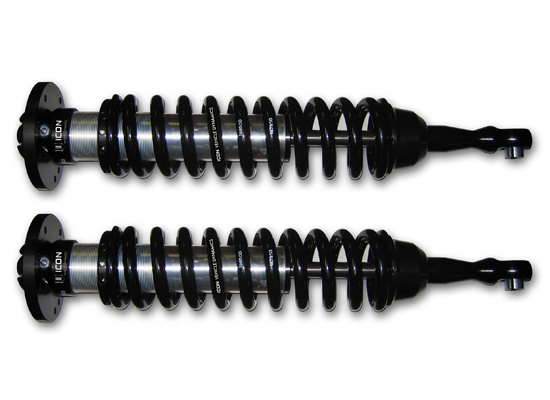
    Our friends over at TundraGeeks.com are running a new raffle for a really cool set of Icon shocks. This set includes the pieces to help you lift your 2000-2013, first and second generation Tundra owners. Head over there today and buy tickets for their raffle!

    Tundra Geeks Icon Shock Raffle

    Tundra Geeks is having a raffle for a set of Icon Shocks.

    They are also giving away prizes to 2nd and 3rd place winners. These prizes will be an Icon ball cap, tool bag and T-shirt Flag Pack.

    The post Tundra Geeks Icon Shock Raffle appeared first on Tundra Headquarters Blog.

  • Chrysler Touts Quality in New Ad Campaign, Attacking Toyota’s Brand – Seriously?

    Chrysler, the perennial bottom feeder on quality awards and reports, is planning on embarking on an Ad campaign highlighting their quality. Apparently, they think they can compete directly with Toyota’s known reputation for quality. Seriously.

    Chrsyler Touts Quality in New Ad Campaign - Seriously?

    Reports say that Chrysler’s new Ad campaign will highlight their quality while attacking Toyota’s reputation. Really.

    This shocking news comes from a Forbes story where Chrysler’s Group’s head of marketing, Olivier Francois reportedly said that he “wants to attract import owners to Chrysler vehicles by focusing on quality, technology, fuel economy and style,” but to “take back the lead in these four things.”

    Apparently, the plan is to alter the “Imported from Detroit” campaign to just be “Imported” as a way to position Chrysler as a genuine competitor for imports makers like Toyota or Audit.

    While it is true that the “Imported from Detroit” campaign has been great marketing for Chrysler as a reminder to the American public that they survived the bailout and haven’t closed, attacking Toyota’s quality reputation as a next step seems like a stretch. As has been reported on this site several, several times, Chrysler products are rarely known for quality. Rather they are known for quality lapses and poor ratings.

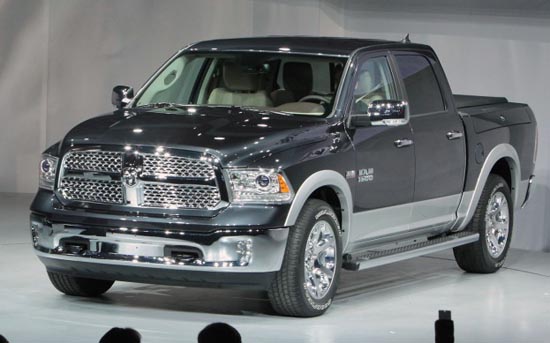
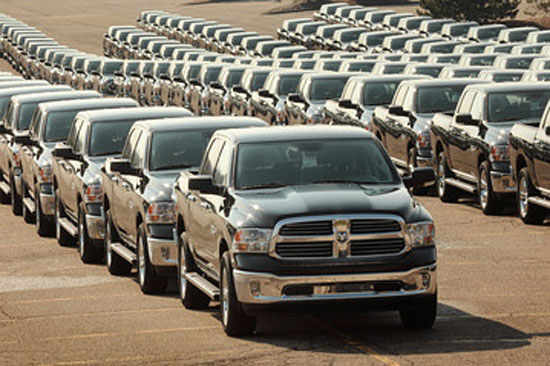
    In fact, there have been many comments on forums that point to the Ram 1500 – Truck of the Year – being delayed due to “constrained” parts supplies. These parts shortages are linked to the new truck features like the air suspension and eight-speed transmissions. The fact is that other truck makers have considered using these “innovations,” but decided against them with quality concerns (like Toyota).

    Chalk this story up to another interesting (stupid) move by the twice-bailed out Italian owned car maker.

    When you think of Chrysler, do you think “quality?”

    Related Posts:

    The post Chrysler Touts Quality in New Ad Campaign, Attacking Toyota’s Brand – Seriously? appeared first on Tundra Headquarters Blog.

  • Next Generation Toyota truck – Video Preview

    There are lots of great comments we can make with this video review of the next generation Toyota truck. Yet, we don’t want to ruin the moment. Get your popcorn ready and check out the video.

    Click here to view the embedded video.

    Amazing right? Wonder what the MSRP will be??

    The post Next Generation Toyota truck – Video Preview appeared first on Tundra Headquarters Blog.

  • Tattoo Artist Corey Miller Will Customize 2014 Toyota Tundra

    Well-known Southern California tattoo artist Corey Miller will be applying his trade to sheet metal as part of an online contest. We can’t wait to see what he will come up with!

    Tattoo Artist Corey Miller - 2014 Toyota Tundra - Truck

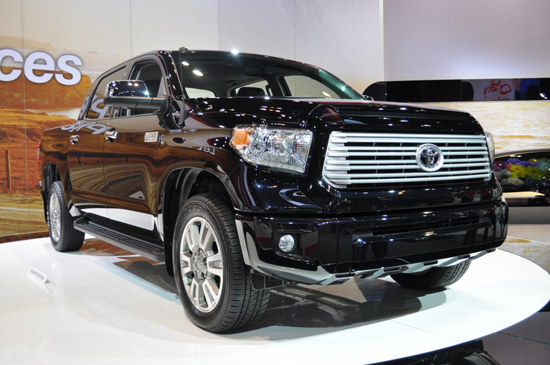
    As part of a contest with Raybestos, well-known Tattoo Artist Corey Miller will customize a 2014 Toyota Tundra. No word on what edition if will be, but our money is on Platinum.

    Tattoo Artist Corey Miller - 2014 Toyota Tundra

    Well-known Tattoo Artist Corey Miller and Raybestos has teamed up to offer a one-of-a-kind 2014 Toyota Tundra giveaway.


    Custom trucks like this have also gained a lot of attention for their uniqueness and often downright coolness. The combination of an experienced tattoo artist and a great looking truck should result in a really sweet looking ride.

    If you don’t know Corey Miller, he has been featured on the TV-show L.A. Ink and his Southern California Six Feet Under tattoo shop is known around the world.

    Miller told Trucktrend.com that even though he hasn’t worked on a vehicle before he is excited and motivated to get started. In regards to his design ideas, he said “I’m thinking of a dragon peeling out…this truck is going to be gritting its teeth and screaming forward just like a dragon does – absolutely shredding it.”

    Why the Tundra? As stated on Raybestosgarage.com, Corey says that he’s always been an unapologetic truck guy and, when Toyota began making the Tundra larger, he took notice. “When I saw this truck, I realized how much they’d changed it, made it cooler,” he remembers.

    “This is a Toyota but it is big and bitching [bad]. When something looks good, looks natural, like the new Tundra does, it is easy to be inspired. Honestly if this was another type of car, I wouldn’t be inclined to do it. But this is such a bold vehicle.”

    The plan it seems is to take one of the first 2014 Tundra pickups off the line and immediately let Miller have free reign over its design.

    The online contest is with Raybestos Brake and Chassis shop and will include a giveaway of the truck at the 2013 SEMA Show in Las Vegas. It will start on July 1, 2013, and run through October 15, 2013. Raybestos says the truck will be awarded to a lucky winner at the 2013 SEMA Show in Las Vegas. For more information, and to enter the contest, visit raybestosgarage.com/contest/.

    Related Posts:

    The post Tattoo Artist Corey Miller Will Customize 2014 Toyota Tundra appeared first on Tundra Headquarters Blog.

  • Toyota Recalls 2001-03 Tundra Pickups Over Faulty Front Passenger Airbag

    Toyota is recalling certain 2001-03 Tundra pickups due to faulty front passenger airbags. These airbags were manufactured improperly by an outside supplier.

    Toyota Recalls 2001-03 Tundra Pickups

    A third-party supplier of airbags is being blamed for the recall on 2001-2003 Toyota Tundra pickups.

    The vehicles Toyota is recalling include the Toyota Corolla, Corolla Matrix, Sequoia, and Tundra and Lexus SC 430 models. In all there are about 510,000 vehicles in the U.S. affected – 1.73 million globally.

    Toyota says, in a press release, that the vehicles have “front passenger airbag inflators which could have been assembled with improperly manufactured propellant wafers. Improperly manufactured propellant wafers could cause the inflator to rupture and the front passenger airbag to deploy abnormally in the event of a crash.”

    Much like other recalls, owners will receive a letter detailing the recall and local dealer information. Dealers will inspect and replace the airbag at no charge.

    According to Toyota, “Detailed information is available to customers at www.toyota.com/recall, the Toyota Customer Experience at 1 800-331-4331, www.lexus.com/recall and Lexus Customer Satisfaction (1 800-255-3987).”

    Also recalling faulty airbags is Honda, Nissan and Mazda. The supplier Takata is being cited as having improperly built the airbags and is the reason for the recall.

    While unfortunate that these recalls happen, a safety recall like this one is best to get it resolved ASAP.

    Related Posts:

    The post Toyota Recalls 2001-03 Tundra Pickups Over Faulty Front Passenger Airbag appeared first on Tundra Headquarters Blog.

  • New Oil Viscosity Grade Available – SAE 16

    A new oil grade is coming to an auto parts store near you, SAE 16. And yes, the new oil grade is directly related to the ever popular automotive topic – improving fuel economy. Is it a scam or for real?

    Oil Viscosity Grade SAE 16

    Is a new oil viscosity grade good for fuel economy or is it akin to snake oil from automakers?

    The Society of Automotive Engineers has detailed the new grade in a recent post. It says that it was really a consortium of passenger car manufactures who requested the new oil grade below SAE 20. The thought is that the new engines being built are so much more efficient that they need a lower weight oil that reduces friction resulting in better fuel economy.

    “The main driving force for using lower-viscosity oils is to lower hydrodynamic friction, thereby increasing fuel economy,” said Michael Covitch of Lubrizol, Chair of the SAE International Engine Oil Viscosity Classification (EOVC) task force, according to SAE.org.

    But why the 16? Why not 15?

    Currently, the SAE 20 is the lowest high-temperature grade. And other grades are typically seperated by fives. SAE says the problem with that is two reasons. First, their standrad, J300, addresses both high- and low-temperature grades (the latter use “W” to indicate “winter”). Second, going by fives would have caused confusion with the low-temperature grades out there like SAE 10W, SAE 5W or SAE 0W.

    Another big reason?

    “The most compelling reason is that one of the most popular SAE viscosity grades for heavy-duty diesel trucks around the world and diesel passenger cars in Europe is SAE 15W-40,” Covitch said. “Our task force was concerned that adopting SAE 15 might be confusing to consumers familiar with SAE 15W-40 oils and might lead to misapplication of the wrong oil in the wrong vehicle, particularly vehicles not designed to operate on such low-viscosity lubricants.”

    With the name confusion squared away, this new lower grade could be the ticket to improving passenger cars, but what about trucks? This engines typically have a lot more torque than a passenger car and thus the oil demands are different. This new grade will not have a large impact on them, but it wouldn’t surprise anyone if newer trucks with their lighter weight and more efficient gasoline engines start using lighter oils to improve fuel economy. And the fact is that engineers are working on engines that have nano-coatings that lubricate the parts with almost no oil needed. Yet, what impact will these items have on long-term engine durability and reliability?

    What do you think? Are new oil viscosity grades a smart way to improve fuel economy or is the long-term durability and reliably a larger issue?

    Related Posts:

  • New Tundra Owners – Should You Use Synthetic Oil?
  • 2500 Mile Oil Changes Because You’re Running E-85? P-shaw
  • Tundra Oil Filter Review Rates Wix, OEM Filters Best Overall

The post New Oil Viscosity Grade Available – SAE 16 appeared first on Tundra Headquarters Blog.

  • Bloated Ford, GM, Ram Towing Numbers Continue

    GM continues to ignore the J2807 “truth in towing” standards when it released its 2013 Twins towing ratings. Ford and Ram still won’t comply either. When will the lies stop? It seems that the truth in towing numbers belong to Toyota.

    Bloated Ford, GM, Ram Towing Numbers

    Once again Ford, GM and Ram are ignoring the J2807 towing standards – truth in towing. What will it take for them to tell the truth?

    With Ford, GM and Ram locked in what looks like an adolescent battle over fictitious towing numbers, Toyota continues to deliver what it promises the customer. For example, GM’s new towing rating of 11,500 pounds is at least 1k difference more than Toyota states. However, there isn’t THAT much difference between GM and Toyota’s gear ratio, max towing package and power/torque specs to dictate a 1k pound difference.

    The truth is that when Toyota adopted the J2807 standards, it’s max towing dropped by 1k pounds or so. Over the past several years, Toyota has made improvements to the Tundra that raised the maximum towing numbers back up.

    Another truthful statement, in regards to towing, is that last year GM announced new ratings based on the J2807 standards. Guess what? Their maximum towing rating on some of the biggest trucks dropped by 4,800 pounds. In response, GM quickly changed their tune and rescinded those numbers.

    What’s the deal with the lies from GM, Ford and Ram? GM told Pickuptrucks.com on a conference call that:

    GM did follow the J2807 towing standards in regard to performance and procedures but will not fully comply until the industry (meaning competitors) decides to follow the same guidelines. As stated earlier, GM does not want to put its customers in a situation where they need to figure out how to compare GM’s apples to the competition’s oranges. When all manufacturers use the same standard, so will GM. Unfortunately, Ford and Ram Truck could say the same thing.

    Blah, blah, blah… It might be time for the often-criticized Federal Gov’t to step in and mandate a rating. The reality is that this issue is really becoming a safety issue with ill-informed consumers towing well beyond what the true towing capacity is on the light-duty, 1/2 pickups.

    What do you think? Will we ever have truthful numbers from GM, Ford or Ram?

    Related Posts:

    The post Bloated Ford, GM, Ram Towing Numbers Continue appeared first on Tundra Headquarters Blog.

  • TundraHeadquarters on Race Central Radio Show

    On Friday, April 5 check out the Race Central Radio, hosted by Kurt Hansen, from 6-8 pm streaming live on Mile High Sports Radio, 1510 AM or 93.7 FM in the Denver area. Tim Esterdahl from Tundraheadquarters.com will have a spot at 7:20 to talk about the North American truck market. Tune in to hear what is going on!

    Check out more about the Race Center Radio Show at RaceCentralMedia.com

    If you catch it, go ahead and bash Tim’s performance below!

    The post TundraHeadquarters on Race Central Radio Show appeared first on Tundra Headquarters Blog.

  • 2015 Toyota Tundra What to Expect – 2014 Shortfalls?

    For many Toyota Tundra fans the 2014 re-design was a huge disappointment, what does that mean for the 2015 edition? The truck landscape is going to change dramatically in 2014, will Toyota respond? If so, here is our list of changes we see or would like to see.

    2015 Toyota Tundra What to Expect - 2014 Shortfalls?

    What do you want to see in the 2015 Toyota Tundra? Here is our list.

    Before we begin with our list, let’s understand that in the fall of 2014, we will see the GM Twins re-introduced with some impressive MPG and towing gains on Ford without a big price increase. Ram will release their diesel version of the 1500. Ford will undoubtedly counter this challengers in 2015, will Toyota follow suit. If they want to keep their market share, they had better. Plus, we are getting closer to those 2016 CAFE standards that will force all manufactures to implement new systems to get better MPG.

    Let’s also be clear that there will probably not be any big changes in 2015 rather just modifications. However, who knows with the fast pace of changes coming from other manufactures.

    Definite Changes:

    1. Trim Packages Changes – some of the trim package offerings will probably be “re-evaluated” and we could see tires and navigation systems moved up and down trim offerings. Granted not a big change and at all, but very likely to happen.
    2. Minor Aerodynamic Improvements – odds are high that after substantial real-world testing by 2014 owners, Toyota engineers will improve the truck’s aerodynamics. This will probably be accomplished by enhancing the benefits of the Aerofins and by improving the fit and finish of exterior pieces. This won’t be a substantial change, rather small changes.
    3. Direct Injection – You know it has to come out at some point. Why not in 2015? Toyota is really falling behind by not offering it yet.
    4. Engine stop-start. We thought this system would have been in the 2014 edition, but it wasn’t. Look this system is not without its critics, however, with the looming CAFE standards looming in 2016, Toyota is going to have to start doing something.

    Likely Changes:

    We thought these would come in 2014. They should be coming, is 2015 the year?

    1. Variable valve lift. Variable valve timing (VVT) is commonplace, but variable valve lift is still a newer feature on most vehicles. Toyota, long a fan of VVT, currently has a couple of engines running a variable-valve lift system. This should make it’s way into all Toyota vehicles in by the middle of the decade.
    2. Electric steering. Hydraulic steering pumps are less efficient than electric motors. GM and Ford both plan to move this into their full-size trucks soon, and Toyota will likely follow. In fact, this will be a common feature industry wide.

    Possible Changes:

    1. Future Powertrain Engine Announcement. We all know that Toyota is really tight-lipped on future plans, but with the rush from Ram and GM to offer diesels in the compact and ½ ton market, Toyota HAS to be planning something. Or well, we HOPE they are planning on something. Could they pull a Nissan and make a major announcement at the Chicago Auto Show?
    2. Rock Warrior with a Rear Locking Differential. It is unlikely that all Toyota Tundra’s will get a locking rear differential, but it should be part of the Rock Warrior package. When is Toyota going to get serious about competing with the other off-road machines (Ford SVT Raptor or Ram Runner)? Adding a stock rear locking differential to a small package truck isn’t rock science and can be integrated into the assembly process. There are after-market suppliers waiting in droves to help Toyota get this accomplished. With the new “truck” guy in Mike Sweers directing the future of the truck, this should be on the table.

    Unlikely Changes:

    HD version. There are a host of reasons that there won’t be a HD version with a diesel fuel option. Among the biggest? Lack of infrastructure and incredible obstacles in this category with regards to brand loyalty.

    6.5’ bed. No we don’t really understand why they don’t offer it either, but they don’t. Unless, the 6.5′ foot bed catches fire with other truck makers, it is highly unlikely Toyota will offer this.

    * We didn’t mention a larger fuel tank because, well, we don’t really know for sure if it is or it isn’t in the 2014 edition. Trust us though that if it isn’t coming, we will hammer our Toyota contacts to know why.

    That’s our list, what’s yours? What was missing in the 2014 announcement that you would like to see?

    The post 2015 Toyota Tundra What to Expect – 2014 Shortfalls? appeared first on Tundra Headquarters Blog.

  • Hybrid Technology Kills Diesel Demand in U.S.

    Ram and Chevy have introduced new diesel-powered cars and trucks, yet improved gasoline and hybrid engines are hitting the market too. With improved hybrid engines, is the 2013 diesel revolution dead before it began?
    Hybrid Technology Kills Diesel Demand in U.S.

    The diesels are coming, the diesels are coming! Is the hybrid engine going to kill their demand?

    A news story in the Detroit News says that while it seems like diesel engines are seeing a rebirth (see: Ram 1500, Chevy Cruze, etc.) that hybrid engine technology will slow that demand and smother interest before it can really grow. This is due to diesel engines losing their edge over gasoline in the last several years.

    Historically, diesel engines have been known for having more torque, better fuel economy and greater resale value. There was also a time in the U.S. when diesel fuel was significantly cheaper than gasoline. Now times have changed with diesel fuel prices above gas and gasoline engines making vast improvement in terms of torque and fuel economy. Throw in the new hybrid technology that has the same MPG numbers and at a significantly less upfront cost – diesel technology has lost quite a bit of ground.

    For example, one of the comparisons that the article makes is in the new Chevy Cruze. You can buy this compact car in a hybrid or diesel variety soon. The numbers from GM show that both the hybrid and the diesel get the same MPGs while the cost difference, hybrid is $4,000 less than the diesel, creates a stark difference for the consumer.

    For the truck customer this argument is a bit different, yet there are similarities. For example, at this point it is anybody’s guess what will happen when the Ram 1500 diesel comes out.  Most diesel fans expect it to run quietly, have more torque and better fuel ratings that the gasoline engine. However, even Allen Schaeffer executive director of the nonprofit Diesel Technology Forum admits to the Detroit News:

    “There is quite a competitive landscape today, compared to what it was five or 10 years ago,” he said.

    When you talk about the increased upfront cost and the closing of the gaps between gas and diesel technology, it even gets tougher to buy a diesel.  ”The math is not a great payback,” Schaeffer said. “But when you take into account the residual, there is some added value there.”

    Schaeffer is right that diesel holds its value longer than gas engine vehicles. Is that a product of the diesel engine or the lack of diesel vehicles in the market? Probably a little of both with the lack of inventory most likely playing a larger role.

    “In spite of the resale value and fuel economy advantages, consumers in the U.S. have been slow to accept this different form of powertrain and as a result, there are not a lot of diesel vehicles to choose from,” said Eric Ibarra, KBB’s director of residual values.

    The Detroit News found that:

    Last year alone, U.S. sales of diesel vehicles rose 25 percent. But as a percentage of total industry sales, diesels made up only 2.7 percent of new-car purchases, said Edmunds.com. Hybrid vehicles — at about 3 percent of industry sales — outsold diesels in 2012.

    With the emissions standards in Europe coming close to the U.S. in 2018, the excitement to finally get the forbidden fruit is growing. Yet, European sales of diesel cars is “waning.” Is Europe done with the diesel engine as well?

    Still there are proponents of diesel engines who would like to see a diesel, electric hybrid. Now that is more likely the future of the diesel engine.

    It is going to be interesting to see which technology emerges, hybrid gasoline or straight diesel. It seems all automakers are taking different approaches and who knows at this point which one is the best one. Consumers though will finally have a chance to have their say when the Ram 1500 and the Cruze go on sale.

    What do you think? Have automakers used their power to deny U.S. consumers diesel technology for so long that once it comes, it will be outdated? Or will new diesel vehicles like the Ram 1500 or Chevy Cruze re-new interest to such a degree that a diesel re-birth will occur?

    Related Posts:

    The post Hybrid Technology Kills Diesel Demand in U.S. appeared first on Tundra Headquarters Blog.

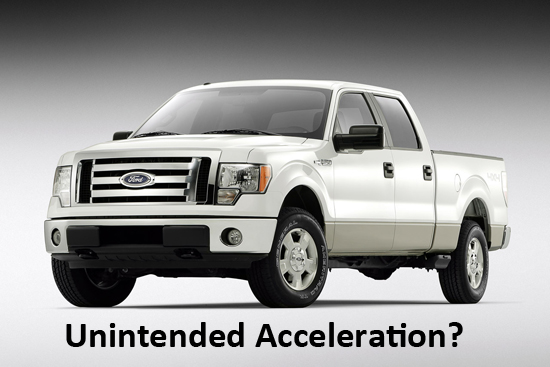
  • Ford Sued Over Unintended Acceleration Vulnerability – Sound Familiar Toyota?

    Ford was sued on Thursday, March 28, 2013 by 20 consumers looking to get compensated by Ford for cars and trucks they say were “vulnerable to unintended acceleration“. Wait, isn’t that just a Toyota problem. Apparently not!

    Ford Sued Over Unintended Acceleration Issues

    Ford has been sued over cars and trucks that are “vulnerable to unintended acceleration.” Not just a Toyota issue it seems.

    According to a Reuters news report the lawsuit was filed in West Virginia federal court and alleges more than 30 Ford vehicles that were “equipped with electronic throttle control system did not have in place reliable safety systems, such as a brake override system.”

    The lawsuit claims models built between 2002-2010 are susceptible including 2004-10 Ford F-Series pickup-up trucks, 2005-09 Lincoln Town Car and 2002-2005 Mercury Cougar. The plaintiffs come from 14 U.S. states.

    A lawyer working on the plaintiffs case said:

    “They’re trying to be compensated for their economic losses by having overpaid for cars that contained defects,” Adam Levitt, a partner at Grant & Eisenhofer and head of the law firm’s consumer practice group, said in a phone interview.

    “Had they and the other class members been aware of these defects, they either wouldn’t have bought the cars or would have paid a lot less for them,” he added.

    As most of our readers know Toyota was saddled with this accusation and recently settled a $1.1 billion lawsuit. While Toyota, NASA and NHTSA tests have long claimed that the issue is really driver error, the accusation cast a dark shadow over the company.

    Now, Ford is touting those same NHTSA tests in its defense.

    “NHTSA’s work is far more scientific and trustworthy than work done by personal injury lawyers and their paid experts,” Ford said in a statement in response to the complaint.

    “In rare situations, vehicle factors, such as floor mats or broken mechanical components, can interfere with proper throttle operation, and manufacturers have addressed these rare events in field service actions,” Ford added.

    Ford has since 2010 installed a brake override system in its vehicles, the same system Toyota pioneered to address the supposed issue.

    With most experts and the NHTSA concluding that the driver error is the “predominate” cause of unintended acceleration, this lawsuit probably doesn’t have the much merit. However, many people thought that about the class action suit that Toyota settled.

    What do you think? Are you intrigued to see this issue spread to other makers? Or are you fed up with class action suits that seemingly are clogging the legal system without any real aim except to make money?

    Related Posts:

    The post Ford Sued Over Unintended Acceleration Vulnerability – Sound Familiar Toyota? appeared first on Tundra Headquarters Blog.
  • GasPods – Saving Fuel with Roof Attachments

    We are always on the lookout for innovative ways to save fuel and help our readers get more MPG. Here is yet another way to save fuel albeit with some rather odd looking roof attachments.

    Click here to view the embedded video.

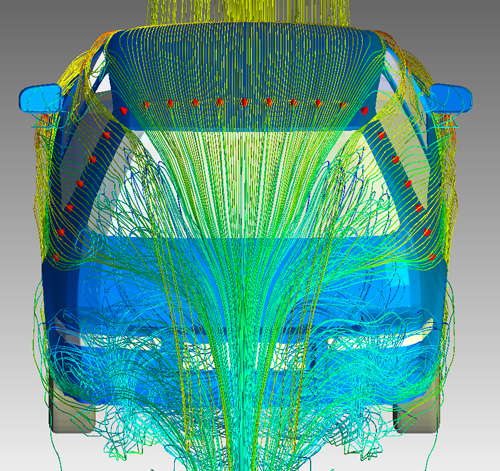
    These GasPods are designed to enhance the airflow around the vehicle resulting in a reduction in drag much like the new aerofins on the 2014 Toyota Tundra. The GasPods makers claim that:

    Computational aerodynamic performance modeling analysis (simulated wind tunnel testing) conducted by the world’s largest independent Computational Fluid Dynamic (CFD) focused provider of engineering simulation software, support and services, concluded that a kit of 10 GasPods placed along the rear roof of a vehicle traveling 35 and 65 mph expanded, organized, and enhanced the airflow to result in a reduction of the vehicle’s drag coefficient by around five percent (5%).

    Gas Pods - Wind Tunnel Tests

    Streamlines from Computational Fluid Analysis – Simulated Wind Tunnel Tests.

    Our editor and engineer guru Jason Lancaster says, “I think the science is sound, but it seems a little unbelievable. If it were this easy, I’d guess Detroit would have tried it by now…but who knows.”

    These GasPods run from $79 to $125 for a set depending on how you want to install them and if you decide to match your vehicle color.

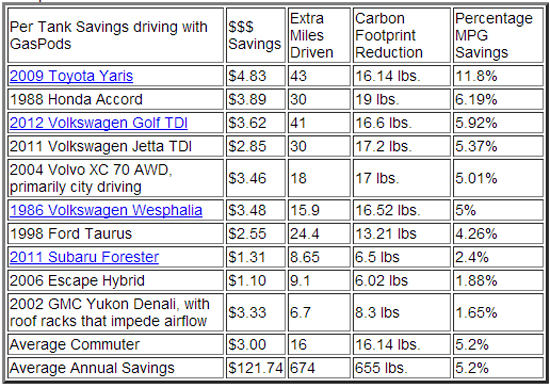
    GasPods - Fuel Savings Chart

    This chart shows some real-world testers results. Some of the results are significant while others not so much.

    It does seem really interesting that these GasPods are so similar to the new aerofin ideas that Toyota is employing. This idea could be a part of the larger fuel savings goal in full-size pickups. While we realize that not everyone that drives a pickup cares about MPG, there are many owners who do. By using this idea and others like the new eVOLVE tires, significant fuel savings could finally be realized. The problem is that nobody really knows for sure since there are so many different, new ideas that have yet to be combined into a real-world test.

    What do you think of these new GasPod innovations? Could simply adding these to your truck improve your MPG?

    Related Posts:

    The post GasPods – Saving Fuel with Roof Attachments appeared first on Tundra Headquarters Blog.
  • Ford Snapping Spark Plugs STILL Occurring – Other Trucks Next

    For years, Ford has been known for building engines with spark plugs that snap off. With several class action lawsuits related to the problem still in court, no resolution on the horizon and new metals and mixed-metals being used in building trucks, will this issue spread to other trucks due too?

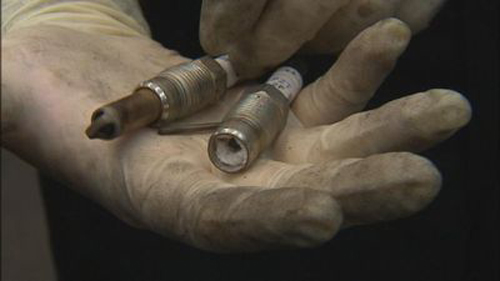
    Ford Snapping Spark Plugs STILL Occurring

    This is a common sight to Ford Triton owners. Could we all be facing issues like this?

    Not aware of this issue, go ahead and type “ford spark plug class action” into Google, Bing or Yahoo. You will find several news stories and law offices dealing with class action lawsuits that have been filed over the years. The claim goes like this: Ford sold or leased F-150s, Mustangs, Explorers and other vehicles including the Triton V-8 engine with knowing that the spark plugs could snap due to engine design and/or materials. The truth is that Ford did anticipate this to some degree and actually produced a tool for dealers to address this when it happens.

    Here is the statement from one class action suit:

    “In fact, even after Ford developed a special tool and procedure to remove the defective plugs, and after a replacement spark plug was developed, Ford continued to manufacture, sell, and lease the Covered Vehicles with the defects,” the class action lawsuit continues. “As a result of Ford’s knowing and intentional conduct, Plaintiff and Class Members have been required to spend hundreds, and in many instances, thousands of dollars more than reasonably could be anticipated to replace spark plugs — something that generally costs around $150.”

    The way we understand it, the class action suits are being merged and are still in court. However, after a year of litigation (the above was filed in January, 2012), maybe they will finally settle like Toyota was forced to over the unfounded acceleration issue.

    What’s the Deal?
    The problem boils down to the mixing of different metals. To the point, “The dissimilar metals of the spark plug and the cylinder head coupled with a long service life just about welds the plug into place,” according to YouFixCars.com. “To make matters worse carbon develops on the plugs where it sticks into the combustion chamber again making it harder to remove without breaking.”

    Nowadays, most everyone is aware of the issue with the Triton V-8 engine AND they have bought the special removal tool from either Lisle or Cal Van. With this tool and a whole lot of experience, you can probably get all the spark plugs out without an issue. Note, probably not 100% for sure.

    The sad part is that it is STILL an issue. Some Ford websites say the issue started way back in the late 90′s – almost 15+ years ago. It seems rather interesting that a permanent solution hasn’t been devised.

    The real scary part for all future trucks owners is that the new weight-saving strategies of truck makers are thought to include the use new metals or combinations of existing metals. Without years of proven track records, these new metals have the potential of having unintended consequences like the Triton V-8. It does make you wonder if this problem or a new problem will impact trucks in the future. This is especially true of new vehicles that don’t require maintenance as often and with parts lasting longer. To be blunt, it will simply take a longer period of time before these issues present themselves. That could be bad news for all of us.

    Will a class action suit force Ford to address this issue? Will other trucks have issues with mixed metals? What do you think?

    Related Posts:

    The post Ford Snapping Spark Plugs STILL Occurring – Other Trucks Next appeared first on Tundra Headquarters Blog.

  • Toyota Endeavour Shuttle Tow Short Documentary – Sweet!

    Months ago, the world watched the stock Toyota Tundra pull the Space Shuttle Endeavour across the bridge in L.A. Now, Toyota has produced this really sweet short documentary on how it all happened. Enjoy.

    Click here to view the embedded video.

    Not much else to say, but wow what a cool video behind the scenes. Wonder what the haters will say now!

    It is interesting to learn that they had to move the shuttle from the robotic transporter and the reason they needed the Tundra. Here is the link to the official Toyota Endeavour website.

    What do you think? Did you learn anything new?

    Search terms people used to find this page:

    • 2013 ram production delays

    The post Toyota Endeavour Shuttle Tow Short Documentary – Sweet! appeared first on Tundra Headquarters Blog.
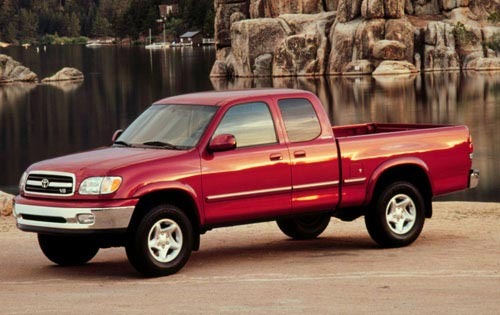
  • Polaris ATVs Feature Non-Pneumatic Tires in 2014 – Trucks Next?

    A new breed of airless, virtually indestructible tires are coming to the ATV world, will cars and trucks be next? Probably sooner than we think.

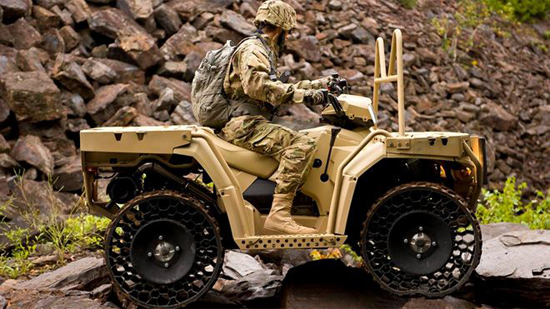
    Polaris ATVs Feature Non-Pneumatic Tires in 2014

    Polaris is planning on using these Non-Pneumatic Tires staring in 2014.

    For a few years now, we have been talking about new tire technologies. These new ideas have the goal to make flat tires, heavy gas guzzling tires and our normal everyday tires a thing of the past. Unfortunately, all of these new ideas, haven’t correlated with any new products. That is until now, the Michelin Non-Pneumatic Tires that will be used by Polaris starting in 2014.

    These revolutionary tires were actually created by Resilient Technologies which was bought by Polaris last year. The simpleness of the design should remind you of a bicycle tire. What’s really cool about them is that you won’t need to carry any spare tire or jack to change a wheel. This translates into significant weight savings (can you say MPG full-size truck fans?).

    As with all new things it seems pricing has not yet been announced. What’s your guess?

    Related Posts:

    The post Polaris ATVs Feature Non-Pneumatic Tires in 2014 – Trucks Next? appeared first on Tundra Headquarters Blog.
  • Project Great White – Featured Truck

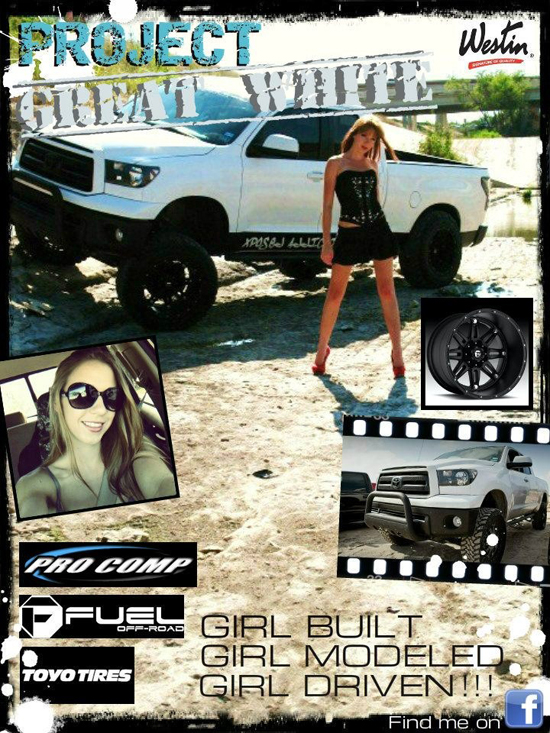
    It isn’t that often we come across a truck that looks powerful and clean with just the right amount of modifications. Through in the fact it is owned by a woman in an admittedly male dominated truck market and we took a double-take. Simply put this truck, BLOWS US AWAY!

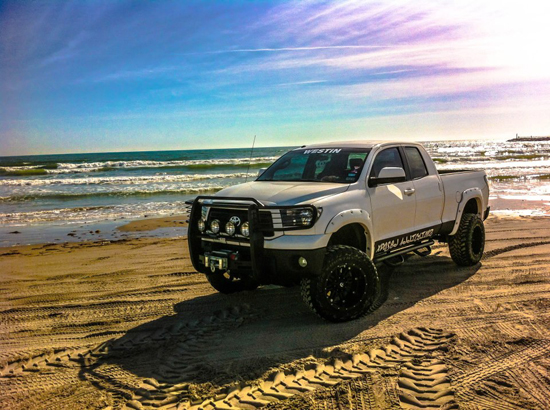
    Project Great White - Featured Truck

    A beautiful beach scene made better with this awesome 2010 Toyota Tundra.

    The truck has quite a following on Facebook (Check out facebook.com/ProjectGreatWhite or Instagram: @txtundrae) and we can see why. This beautiful 2010 Tundra has a myriad of modifications that left us drooling. Combine that with the “don’t tell my wife how attractive the owner is,” is really just icing on the cake. PLUS, add in the great promo piece that shows of the sponsors and well, this truck is in our top ten.

    Project Great White - Featured Truck Collage

    A collage of photos of Project Great White. You can see the passion she has for her truck.

    What is this machine? It is a 2010 Tundra 5.7L SR5 4X4 Double Cab that is currently sponsored by WESTIN Automotive, Bushwacker, and House of HID (houseofhid.com).

    From the Owner

    Snow White was purchased in November of 2011 brand-spankin new off the show room floor at my favorite Toyota dealership (Red McCombs San Antonio!!)

    Right after that she was shipped off to 4 Wheel Parts here in SA for her first lift – ProComp Stage 1 6″ Suspension with 20″ XD Hoss Wheels and 35″ Toyo M/Ts. I picked her up a week later, and the rest is all history :)

    Current Mods list:

    • 6” ProComp Suspension
    • 4” rear blocks
    • 35×12.50×20 Toyo Open Country M/Ts
    • 20 x 10” -44mm Fuel Hostage Wheels – black
    • Bull Bar
    • Volant CAI
    • Custom Exhaust – true dual – exit before rear axle
    • Dual Cherrybomb Vortex Mufflers
    • 3.5” Tubing
    • 2 RBP 5” tips black
    • Black Headlight Mod (painted housings)
    • Tail lights – Spec-D
    • Custom plastidipped front & rear bumpers
    • Custom painted – colormatch
    • Grille surround
    • Mirror caps
    • Door handles
    • Tailgate handle
    • Bilstein shocks/struts – 5100 series
    • Westin Sportsman Winch-mount Grille Guard
    • Westin T-max 8500lb Winch
    • Westin 6″ Offroad lights
    • Westin Gen-X steps
    • Bushwacker Pocket flares

    What do you think? Does this truck ROCK or not?

    Related Posts:

    Search terms people used to find this page:

    • 01 lifted toyota tundra
    • 2013 ram 1500 production delays
    • best hid headlight kit toyota tundra 2007

    The post Project Great White – Featured Truck appeared first on Tundra Headquarters Blog.
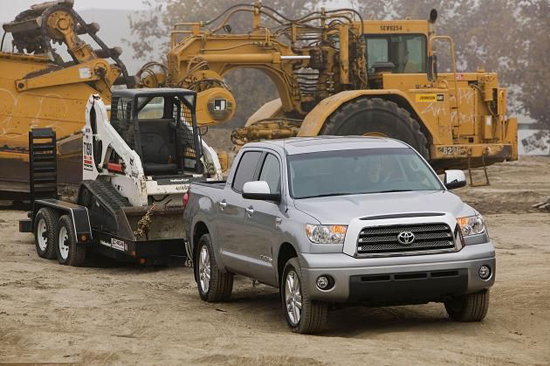
  • eVOLVE™ Hybrid Wheels – Another Futuristic Gas Saving Wheel

    When the Ford F-150 Atlas concept showed off its electronically controlled active wheel shutters, we knew it wasn’t going to be cheap or durable. However, there is a new alternative that shows just as much fuel saving promise – eVOLVE™ Hybrid Wheels.

    eVOLVE™ Hybrid Wheels

    Will these futuristic wheels replace all stock manufacture wheels?

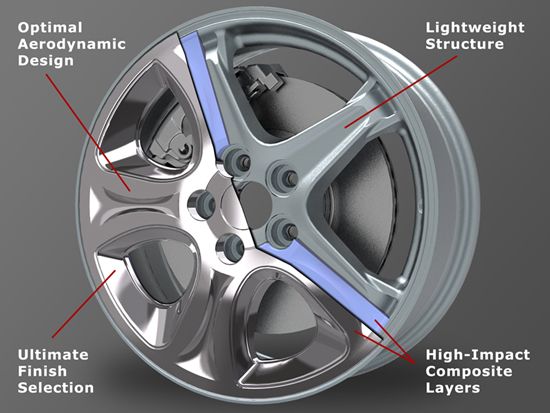
    The wheel from Lacks Wheel Trim Systems (LWTS) is “designed to be a lower-cost alternative to the eVOLVE™ Hybrid Wheels – Another Futuristic Gas Saving Technology,” according to SAE.org. They have already made a debut at both the Los Angeles and Detroit auto shows on a 2012 Ford Focus. Track and EPA five-cycle testing have showed a highway fuel-economy improvement of 1.1 mpg and .04 city.

    In a nut shell, there’s a very basic aluminum wheel with a composite cover attached. The basic wheel is light, and the cover is aerodynamic, so the system boost fuel economy about 3% on the highway, 1% in the city. That’s not much, but on a Tundra averaging 16mpg, that’s almost a 1mpg improvement.

    LWTS is billing these tires as an “attractive, highly engineered composite wheels that decrease weight and optimize aerodynamics for increased vehicle MPGs.” This statement has a couple of interesting points: 1. As stated in the SAE article, engineers can build a tire that maximizes MPG, however, they are, well, ugly. 2. The statement comes with the standard disclaimer that MPGs are based on personal driving habits and other factors. This shouldn’t be news to anybody. 3. LWTS says that when you upgrade to their wheels you immediately upgrade BOTH your vehicle’s style and MPGs. Quite a sales pitch.

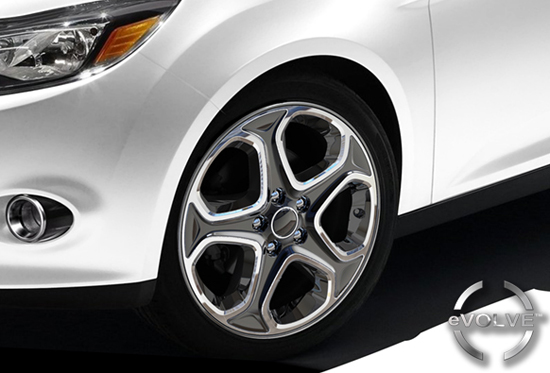
    eVOLVE™ Hybrid Wheels - Ford Focus Side

    The eVolve wheels mounted on tires.

    The truth is that the wheels weigh 19.20 lbs and a typical production wheel weighs 23.7 lbs. This savings of about 4 lbs per tire adds up. Plus, the composite cover is designed to be more aerodynamic. It has been tested at the AeroDyn wind tunnel in Moorsetown, NC where NASCAR cars are tested. It was also tested by Roush Engineering at FT Techno’s Fowlerville, MI proving grounds. Lastly, it was tested and meet both SAE J328 for radial and rotary fatigue using the GAWR (gross axle weight rating) for North America, also to SAE J175 (curb impact), according to SAE.org. All the testing concluded, it works.

    The best part? These wheels are less costly than regular old aluminum rims. This might be one of the many ways that Toyota reduces fuel use on new trucks. LWTS told SAE that they expect “the aero wheel is intended to be an OE product, perhaps used on specific trim levels, not a retrofit,” said James Ardern, LWTS Director of Business Development.

    Plus, it’s far better than Ford’s complex louver system on the Atlas Concept.

    What do you think of these wheels?

    Related Posts:

    Search terms people used to find this page:

    • 2012 tundra dash sagging tsb
    • 2013 ram production delays
    • ram truck production scheduled to delivery time
    • tires
    • warren truck assembly plant backlog

    The post eVOLVE™ Hybrid Wheels – Another Futuristic Gas Saving Wheel appeared first on Tundra Headquarters Blog.
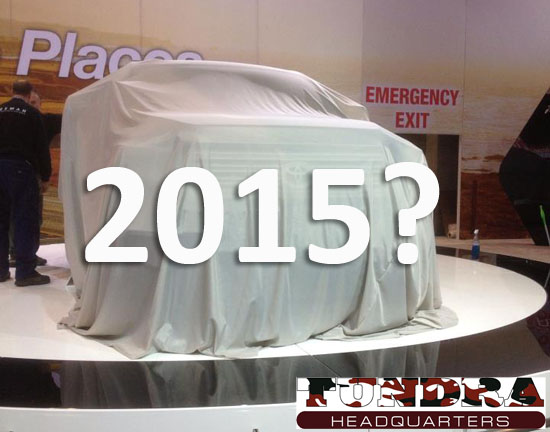
  • 3-D Printed Urbee Car – Future of Automotive?

    The buzz lately in the tech world is about 3-D printing. And now, an automotive engineer has developed an automobile using this printing technology. From car parts to entire cars, is the future of automotive in a printer?

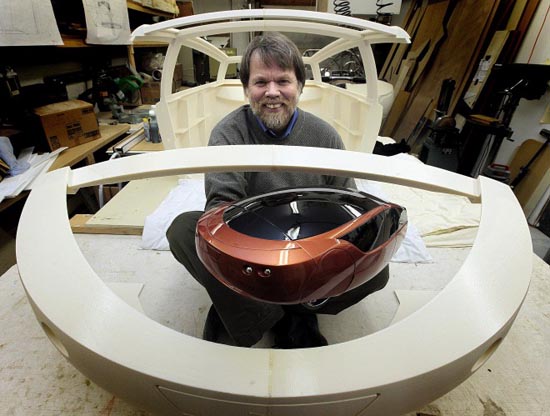
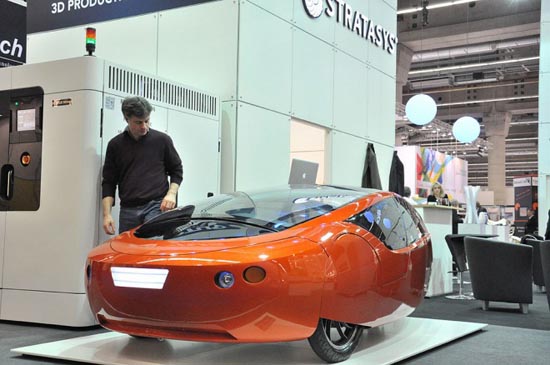
    3-D Printed Cars - Urbee Interior

    Engineer Jim Kor inside his design for the Urbee 2 – very efficient.
    Photo from Wired.com and Sara Payne.

    If you haven’t heard this story yet, Jim Kor has engineered what he calls the Urbee. It is essentially 3-D printed car with a hybrid engine. The process is a bit involved as you might imagine. By using the equipment at RedEye, an on-demand 3-D printing shop, the printers use ABS plastic that sprays molten polymer to build the chassic layer in microscopic increments to build the car. Essentially, Kor uploads a design, presses a button and the automated machine does its thing. When he comes back to it, hundred hours later or so, he has a bumper. The entire 3-wheeled two-passenger car takes about 2,500 hours to build according to Wired.com.

    While the car isn’t by any means a race car, it does have several advantages including a curb weight of just 1,200 pounds. This combined with a 36-volt electric motor and a diesel engine, the prototype produces a maximum of 10 horsepower. While slow, it doesn’t use much gas though and the plan is to drive from San Francisco to New York on 10 gallons of pure ethanol.

    3-D Printed Cars - Urbee Exterior

    This photo really shows how small the Urbee is. However, it could be quite practical for some drivers.
    Photo from Wired.com and Sara Payne.

    One of the big questions is safety. The printer helps with that a bit since it can be set to add thickness and rigidity to specific sections like say the bumper. Essentially, the bumper could be as resilient as say the Prius while being much lighter. Plus, Kor is focused on what he calls “race car safety. We want the car to pass the tech inspection required at Le Mans.”

    This is largely accomplished through design which includes a tubular cage around the driver (think Nascar). To overcome Gov’t regulations on safety, the Urbee will be registered as a motorcycle, which is really is.

    Kor says they already have orders for 14 and they estimate the cost to be around $50,000.

    Much like most protypes of things, we don’t see this as being really that useful. However, it is definitely a precursor of what could be. Someday, we might live in a world, where if you need to replace your water pump for example, you print out a new one. Incredible.

    For more information on the future of 3-D printable car parts, check out 3DCarParts.org.

    Search terms people used to find this page:

    • 2013 ram 1500 production delays
    • 2014 toyota sequoia
    • diesel urbee car

    The post 3-D Printed Urbee Car – Future of Automotive? appeared first on Tundra Headquarters Blog.
  • Chrysler Workers Deliberately Sabotage Ram Production – Quality Issues?

    In what could be the most surprising news of the year, it seems Chrysler-Fiat employees are deliberately sabotaging production on the 2013 Ram 1500 pickup over “poor morale.”

    Chrysler Workers Deliberately Sabotage Ram Production

    Warren Truck Assembly workers have reportedly sabotaged the 2013 Ram 1500 production to spite management over shift schedule changes.

    Sadly, this story is true and, probably the most shocking aspect of it is, the UAW isn’t involved. It seems the Warren Truck Assembly plant recently switched the employees shift schedules around according to Autoblog.com. The new shift plan calls for four, 10-hour days for workers with some working evenings and weekends. The workers apparently weren’t happy with this “flexible” work schedule and decided to protest without UAW support.

    As part of their protest, they decided to intentionally sabotage the Ram 1500 production. The Detroit News said, “only 16 of the 58 trucks built at the Warren Truck Assembly Plant during the model’s first hour passed final inspection. While quality eventually improved over the course of the day, just over half of the units built on Thursday were approved for shipment. Even with workers ordered to stay late to fix their mistakes, some 1,078 units remained outside the facility with defects.”

    What makes this even more shocking is that the UAW supports Chrysler and thinks the new schedule could actually create more jobs.

    The UAW told the Detroit News:

    “The international union, including myself and staff from the UAW-Chrysler Department, met with workers from Chrysler’s Warren Stamping Plant at a town hall meeting recently to explain (the alternative work schedule) first approved by UAW Chrysler members in 2003,” said Holiefield, head of the union’s Chrysler Department, in an email to The Detroit News on Wednesday.

    “The Flexible Operating Pattern has been effective at several other plants and has created thousands of jobs in communities surrounding these plants,” he added. “(I)t’s proven to be successful, allowing the company to operate at maximum capacity to meet customer demand, and in the process, creating jobs, and in general, employees understand the reasons for the schedule.”

    Chrysler spokeswoman Jodi Tinson said that Chrysler is “aware of their complaints, and we understand that change is difficult.”

    Apparently, the protests pissed Chrysler off and they have recently suspended without pay one of the protesters.

    Seems like if the workers REALLY understood the plan, they wouldn’t intentionally sabotage the Ram truck production. But, hey what do we know.

    Are things so bad for Chrysler-Fiat that their own workers don’t even like them? And what is up with Chrysler workers being in the news? Remember not that long ago an arbitor gave the Chrysler employees that smoked pot and drank on their lunch break their jobs back.

    This news comes at a bad time for Chrysler-Fiat as they try to shake decades worth of quality issues, drum up business with their new Ram 1500 and are trying to convince new buyers that diesel in the way to go (see: Jeep Grand Cherokee diesel, Ram 1500 diesel and just announced Jeep Wrangler diesel).

    Our fearless leader Jason has the following insight: Toyota has a much better relationship with workers, lower labor costs, and Toyota workers would NEVER, ever, ever, EVER dream of turning out a defective truck to send a message to management. Every 2013 Ram-Fiat buyer had better ask for a big discount, as they could be buying a lemon. What’s more, Ford and GM are going to face similar problems once the moratorium on UAW strikes is over.

    Initially, I planned on going on a rant about Chrysler quality and leadership issues. However, I think this story speaks for itself. Sound off your thoughts below.

    Related Posts:

    Search terms people used to find this page:

    • chrysler warren truck assembly plant
    • chrysler workers being suspended
    • time to build a ram truck
    • ram truck production problems
    • chrysler workers protest work schedule
    • ram truck backlog at warren
    • ram truck backlog
    • ram sabotage
    • warren truck assembly plant alternate work schedule shift hours
    • new shift schedules at chrysler

    The post Chrysler Workers Deliberately Sabotage Ram Production – Quality Issues? appeared first on Tundra Headquarters Blog.
  • 2007-12 Toyota Tundra Rear Rubbing or Grinding Turning Noise – TSB

    Does your 2007-2012 Toyota Tundra have a rubbing or grinding noise from the rear when turning? If so, Toyota has released a technical service bulletin (TSB) to address this issue.

    2007-12 Rubbing or Grinding Rear Noise - TSB

    Does your 2007-12 Toyota Tundra have a rubbing or grinding noise coming from the rear when turning?


    The T-SB-0013-13 addresses a condition where “some 2007 – 2012 model year Tundra vehicles may exhibit a rubbing or grinding noise from the rear when making left or right turns. New parking brake plate sub-assemblies have been developed to address this condition.”

    Like other TSB’s this repair is covered under the Toyota Basic Warranty, 36 months or 36,000 miles whichever occurs first, from the vehicle’s in-service date. And the repair is limited to the condition described.

    The Fix

    1. First, the mechanic will test drive the vehicle to confirm the condition by making left and right turns.
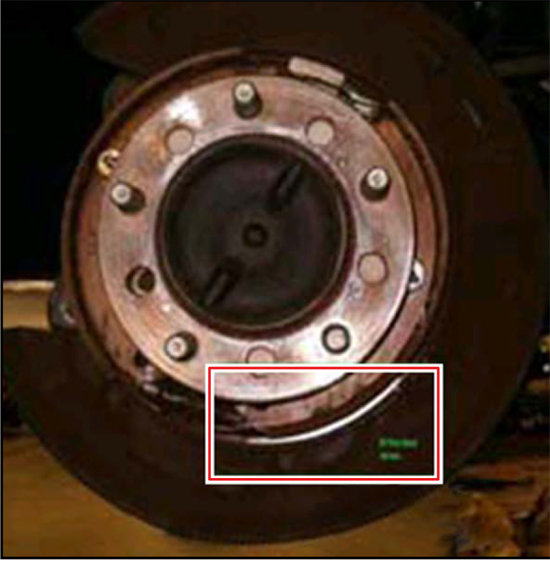
    2. Next, the truck will be raised on a lift and the rear wheels will be removed. Checking over the rear rotors, you should be able to see some irregular contact on the brake plate from the rotors (see picture below).

      2007-12 Rubbing or Grinding Rear Noise - Rotor Pic

      Example of irregular wear and tear on rotor.

    3. If irregular rubbing is present, then you will need to replace the brake parts with a “Special Service Part Bearing Kit.” Contact your local Toyota dealership for a list of the parts.
    4. After replacement of brake parts, take the truck for a drive to settle the parking brake shoe and disc. This is done by driving .25 mile on a level, dry road at approximately 31 mph. While driving, depress the parking brake pedal about 2-3 times. Lastly, stop and depress the parking brake, you should hold this position with 6-9 clicks of travel.
    5. Finally, take the vehicle for one more test drive to confirm the fix.

    With these types of repairs, it is recommended to have your local Toyota dealer perform the repair.

    Although, we hadn’t heard of this issue, have you? Did you get it fixed?

    Related Posts:

    Search terms people used to find this page:

    • toyota hilux 2014
    • 2014 hilux
    • new hilux 2014
    • toyota all new hilux
    • new tundra
    • 2010 toyota tundra rear wheel bearing diagram
    • all new toyota hilux 2014
    • replace rear rotors on tundra getting parking brake noise
    • scraping noise coming from rear wheels on hilux
    • rear parking brakes tundra 2007

    The post 2007-12 Toyota Tundra Rear Rubbing or Grinding Turning Noise – TSB appeared first on Tundra Headquarters Blog.