Category: News

  • athenahealth and Mashery team up for health developer-friendly API initiative

    If you know anything about health IT, it’s probably that the industry is full of outdated systems that are cumbersome to use, difficult to access and mostly indisposed to sharing information. Some electronic medical records (EMR) providers have begun to open up their data with developer challenges but, for the most part, as athenahealth’s Kyle Armbrester puts it, “it’s in the dark ages.”

    For the past two years, the EMR company, which was co-founded by the country’s CTO Todd Park (before his Washington, DC career), has tried to encourage more openness and innovation with hackathons and conferences through its “More Disruption Please” campaign. But this week, the company said it’s taking its biggest pro-developer step yet with an API (application programming interface) initiative launched in partnership with API management company Mashery.

    “Our point of view is that the largest barrier to entry for a lot [health companies] is access to physicians and access to their work flow,” said Armbrester, the company’s director of business development. “What we really want to do is expose APIs and let people build things.”

    Starting this week, developers and providers will be able to access APIs that connect to athenahealth’s network of 40,000 providers nationwide.  With access to doctors’ appointment data, patient’s medical history (anonymized , billing information and more, the company hopes developers will be able to create an ecosystem of apps on top of athenahealth’s EMR service in the same way that third-party developers have created apps on top of Facebook’s Open Graph.

    Possible apps could help doctors with scheduling, sharing information with other practices, communicating with patients and getting patients to stick to their treatment plans, Armbrester said.

    The next step, he added, is the creation of an Apple-like app store where physicians can pick and choose the apps most relevant to their needs. Other EMR providers, including Allscripts and Greenway, have also opened up their APIs to developers and created app marketplaces. But Armbrester said that unlike most traditional health care companies, athenahealth’s multi-tenant cloud-based architecture means that it can roll out application updates to all providers at once.

    While the industry has been mostly slow to open up to third-party developers, others have started innovating from the outside. The SMART (Substitutable Medical Applications & Reusable Technology) Platforms Project, led by doctors at Harvard Medical School and Boston Children’s Hospital, is creating an ecosystem of apps that can be layered on top of existing EMRs. Once a vendor or hospital IT department implements a software container, hospitals can install SMART apps, which include interactive growth charts for pediatricians, and cardiovascular risk assessments for cardiologists. Last month, mobile API company Apigee said it was creating an API exchange that could be used in health care to help developers write one app that could be used across different hospitals and health organizations.

    Related research and analysis from GigaOM Pro:
    Subscriber content. Sign up for a free trial.


  • WSJ: Microsoft is prepping a 7-inch Surface tablet

    Microsoft Surface Mini
    What a coincidence — on the same day market research firm IDC reported that the PC industry saw its worst-ever decline, The Wall Street Journal has leaned the Microsoft (MSFT) is working on a new tablet. In line with a number of earlier reports, and contrary to recent claims from Microsoft’s CFO, the world’s largest software company is currently developing a 7-inch Surface tablet as well as several other new Surface slates.

    Continue reading…

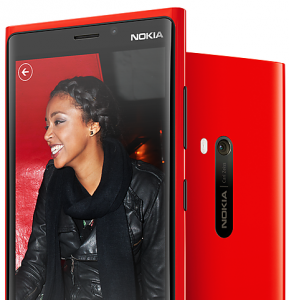
  • Nokia releases new software updates for Lumia 920, 820 and 620

    Nokia has released new software updates for three Windows Phone devices, the Lumia 920, Lumia 820 and Lumia 620. This comes four weeks after the Finnish smartphone maker announced the new firmwares and detailed the included changes.

    The software updates will roll out in stages over “the coming weeks” and feature different improvements and bug fixes depending on the device. The Lumia 920 and Lumia 820 get the “1232.5957.1308.00xx” firmware while the Lumia 620 gets the “1030.6407.1308.00xx” update.

    For the Lumia 920 and Lumia 820 the software update brings improvements for the adjustments of automatic display brightness, a bug fix of intermittent screen blanking during calls and general enhancements for performance and stability. I can confirm that the “1232.5957.1308.00xx” firmware is already available for the Lumia 820, while my Lumia 920 came with it out-of-the-box.

    The new software update for the Lumia 620 touts enhanced touch functionality with “corrections in multi-touch actions”, improved voice quality when using Bluetooth headsets that feature support for echo/noise suppression, improved camera performance “with corrected exposure when flash is used in bright light conditions” and general enhancements for the “system stability, performance and usability”.

  • Google finally brings its Map Maker tools to the UK

    Google’s digital maps are some of the very best in the world, and getting better all the time thanks to contributions and improvements from an army of users who submit additional details such as roads, rivers, railways and building outlines using Google Map Maker.

    Map Maker was initially only available to users in more poorly mapped countries (such as Vietnam, Jamaica, Iceland, Cyprus, and Pakistan), but after successfully introducing it into territories like the US, Australia, New Zealand, Canada, and France, Google has finally made the tools available to residents in the UK.

    From today, Google is inviting British users to help improve its maps by adding knowledge of their local areas. Additions and alterations are reviewed by other users and Google’s Maps team, before being made live on Google Maps, Google Earth, and Google Maps for Mobile.

    Today’s launch has been marked with a MapUp workshop in Bletchley Park (the site of secret British code breaking activities during WWII and birthplace of the modern computer). The difference is already very impressive with new features like blocks and huts appearing where previously it was all just white space.

  • Microsoft takes hits after bad PC numbers

    Wall Street analysts piled on Microsoft after new research showed how low the PC market could go. On Wednesday, IDC pinned at least part of the blame for bad PC sales numbers on sluggish Windows 8 adoption. Microsoft shipped Windows 8 in November and made a big bet to create Surface, a business-friendly tablet alternative to Apple’s popular iPad. Right now, neither of those bets is doing very well.

    On Thursday, Goldman Sachs downgraded Microsoft shares to “Sell” from “Neutral” and Nomura Securities cut its call to “Neutral” from “Buy.” The moves came a day after  IDC called the first quarter of 2013 “the worst quarter” ever, with PC sales down 14 percent from the year-ago quarter. (Gartner numbers were slightly better: it had PC sales only off 11.4 percent year over year for the quarter.)

    “At this point, unfortunately, it seems clear that the Windows 8 launch not only didn’t provide a positive boost to the PC market, but appears to have slowed the market,”  Bob O’Donnell, IDC Program Vice President, Clients and Displays said in a statement. (Full IDC statement here.)

    Long-time Microsoft watcher Rick Sherlund at Nomura Securities wrote that the combination of “sluggish” Windows 8 adoption and the “lack of compelling new hardware is disappointing with no relief likely” until later this year when Intel releases the new Haswell notebook processor.

    As if on cue, the Wall Street Journal (subscription required) reported that Microsoft plans a new 7-inch Surface tablet to come later this year.

    To be fair, for the first quarter, IDC also acknowledged that industry darling Apple also faded a bit. While it did better than the overall U.S. market, shipments of Apple PCs also slipped — apparently because more people are opting for iPad tablets as PC replacements. 

    MSFT Chart

    MSFT data by YCharts

    .

    Related research and analysis from GigaOM Pro:
    Subscriber content. Sign up for a free trial.


  • Simplee goes mobile to help you figure out medical payments at the doctor’s office

    Simplee, a Palo Alto, Calif., startup with a Mint-like approach to managing medical expenses, is bringing its service to mobile. Through a new iOS app, launched Thursday, users can view a breakdown of their medical bills, outstanding claims and deductible coverage, as well as pay their bills directly from their smartphones.

    Since launching in 2011, the startup has provided those features through its website, but by bringing them to mobile, Simplee wants to help patients make decisions and negotiate payments at the point of service. “[In most cases], you’re in the wrong place at the wrong time when you get the information,” said John Adractas, Simplee’s CMO. “Mobile… gives you the information when it matters, when you’re standing in the doctor’s office, when you’re making decisions.”

    As an example, Evelyn Wang, Simplee’s director of design, said that when she went in for knee surgery earlier this year, the hospital tried to collect payment upfront. But because she could reference her payment history from Simplee’s app, she knew she had already met her deductible and could show the hospital that their information was out-of-date. Ultimately, she said she was able to push back and didn’t over-pay.

    Obviously, the app won’t come to the rescue for every patient in such a clear way. But as a Simplee user, I can see the benefits in being able to review and pay my medical bills from my smartphone in the same way I can check my bank balance and make other payments on the go.

    Simplee said that its new app would integrate with its SimpleePAY patient and loyalty service, which enables participating health care providers to issue digital bills.  Patients can pay directly via app, as well as earn loyalty rewards for using it.

    The company, which has raised nearly $8 million, says its average active user pays an average of $1,200 in medical bills annually and uses the service 15 times a year. Over the past two years, it said its handled nearly $2 billion in medical expenses for its users.

    Related research and analysis from GigaOM Pro:
    Subscriber content. Sign up for a free trial.


  • Fixing the World’s Infrastructure Problems

    We all have a stake in the infrastructure surrounding us — the roads, buildings, power lines, and telephone networks that we rely on daily. How well they’re built and operated is crucial to economic growth and is a key arbiter of an economy’s competitiveness — and yet, virtually every economy faces an array of infrastructure challenges.

    Just a few examples illustrate some of the pressing issues: South Africa’s power distribution network has an estimated maintenance backlog of $4 billion — equivalent to half of the country’s total investment in electric power generation and distribution in 2011. The U.S. Department of Transportation estimates that 15% of the country’s roads are in an unacceptable condition and says that road congestion costs the U.S. an estimated $100 billion per year. In Jakarta, from 2005-2009, the number of cars rose by 22% annually, while the distance of usable roads actually declined (PDF). The UN Economic Commission for Latin America and the Caribbean estimates that investment equivalent to 7.9% of GDP (PDF) is necessary to raise infrastructure in the region to the standard of developed East Asian countries.

    Just to keep pace with anticipated global GDP growth, the world needs to spend $57 trillion, or on average $3.2 trillion a year, on infrastructure over the next 18 years. That’s more than the entire worldwide stock of infrastructure on the ground today — and nearly 60% more than the world has invested over the past 18 years. Tackling maintenance backlogs, future-proofing infrastructure to cope with climate change, and meeting development goals such as access to clean water and all-weather roads to transport goods to markets would cost a great deal more.

    The bill for all of that looks prohibitive at a time when many governments are highly indebted and capital is tight. A focus on the huge need for additional investment and potential difficulties in financing it dominate the debate. Pessimism rules, but it needn’t be that way. There are ways of cutting the bill down to size and meeting the challenge. The answer lies in improving the way we plan, build, and operate infrastructure — in other words, we need to boost its productivity.

    We have analyzed 400 case studies that show that there’s plenty of opportunity to boost infrastructure productivity, and in turn save 40% on the global infrastructure bill (or $1 trillion a year) and boost global GDP by about 3% by 2030 if reinvesting the savings. There are three routes to getting there:

    1. We need to make better choices about the projects we’re investing in. Projects need to be clearly linked to broader economic and social development, rather than being vanity exercises. Governments need to evaluate costs and benefits rigorously and prioritize accordingly. South Korea’s Public and Private Infrastructure Investment Management Center has saved 35% on its infrastructure budget by rejecting 46% of the projects it reviews, compared with only 3% previously. Making more strategic choices has the potential to save $200 billion a year worldwide.

    2. We need to streamline delivery. There is huge potential to speed up permits and land acquisition particularly for new transport infrastructure, to structure contracts to encourage innovation and cost savings, and to strengthen collaboration with contractors. This could save up to $400 billion a year and accelerate the timeline for the completion of projects. For example, in Australia, the state of New South Wales cut approval times by 11% in just one year.

    3. Instead of rushing to build new capacity, we need to do more with what’s already on the ground. This, too, has the potential save $400 billion a year. The United Kingdom, for instance, achieved reductions of 25% in journey times, and 50% in accidents on the M42 motorway by implementing an intelligent transportation system solution that directs and controls traffic flow. Smart grids could help the United States avoid $2-$6 billion a year in power infrastructure costs.

    None of this is rocket science, but bringing these opportunities to fruition will require a much less fragmented way of running infrastructure policy. The many agencies involved in various kinds of infrastructure (roads, power, water, etc.) at different levels (city, state, country) need much better coordination. And the public and private sectors need to forge far deeper and broader partnerships. Most collaboration between the two is around financing and construction, but the private sector could certainly do much more with planning and delivery. This isn’t an overly radical thought — Chile, the Philippines, South Africa, South Korea, and Taiwan are all developing frameworks for giving private players greater roles in project and portfolio planning.

    Saving money with higher infrastructure productivity is a win-win that would be particularly useful at a time of capital constraints and anemic growth in many parts of the world. There is every incentive to be smarter about tackling our infrastructure problems.

  • EBay will now use your data to sell targeted ads

    Ebay Users Data
    Internet auction giant eBay (EBAY) recently announced plans to begin sharing the browsing habits of its customers with third-party advertisers. The move follows similar strategies of other online companies such as Google (GOOG), Amazon (AMZN) and Facebook (FB). EBay traditionally used its proprietary user data to help grow its eBay Marketplaces business and promote products from various merchants to users who had shown interest in similar items on its website.

    Continue reading…

  • Baskerville Named President of HG Data Company

    HG Data Company, a provider of marketing and sales leads for the technology industry, has named Tim Baskerville as President. He has served on the HG Data board of directors since 2011. HG Data Company is backed by EPIC Ventures.

    PRESS RELEASE

    HG Data Company, the disruptive provider of marketing and sales leads for the technology industry, has announced the appointment of Tim Baskerville as President.

    “Tim’s job will be to scale our data-science operation, more comprehensively serving both data partners and enterprise customers with granular insights on the use of enterprise technology,” said CEO Craig Harris in announcing the appointment.

    Baskerville is an experienced builder of businesses producing B2B intelligence for vertical markets. Among the companies he has either founded or managed on behalf of private equity investors are JupiterResearch (New York), Kagan Research (Monterey), Vidmar Communications (Hollywood), and Baskerville Communications (London). He has served on the HG Data board of directors since 2011.

    “I’m particularly excited about expanding the company’s Big Data footprint into specialized applications,” explained Baskerville. HG Data now uses proprietary algorithms to power ad serving networks, real-time online content generation, LeadGen efforts through B2B media partners, and marketing leads for software and hardware OEMs and resellers.

    About HG Data

    HG Data is a business intelligence service used by leading technology companies for marketing and sales leads as well as research and investment. HG Data produces a detailed census of specific technologies utilized at an enterprise’s geographic sites. The company’s unique data science approach scours the open Web, combining unstructured data with archived offline sources, resulting in detailed profiling of the enterprise technology marketplace. HG Data, a portfolio company of EPIC Ventures, was founded in 2010 by the team that built and profitably sold data-company NOZA to Blackbaud, Inc.

    The post Baskerville Named President of HG Data Company appeared first on peHUB.

  • Reuters – Tesla Motors Pushing to Sell Directly to Consumers in Texas

    Tesla Motors Inc. Chief Executive Elon Musk is pushing to change Texas law to allow his electric car company to sell directly to consumers, and he took his fight to the state Capitol on Wednesday. Texas law prevents Tesla from selling its cars directly to the public – as it does in other states – because it does not have a relationship with a franchised dealer. In Texas, new vehicles are generally required to be sold through dealers.

    (Reuters) – Tesla Motors Inc (TSLA.O) Chief Executive Elon Musk is pushing to change Texas law to allow his electric car company to sell directly to consumers, and he took his fight to the state Capitol on Wednesday.

    Texas law prevents Tesla from selling its cars directly to the public – as it does in other states – because it does not have a relationship with a franchised dealer. In Texas, new vehicles are generally required to be sold through dealers.

    “Nothing could be further from what Texas is all about,” Musk told reporters at a Capitol press conference on Wednesday, citing examples of Texans such as Michael Dell who have succeeded in direct-to-consumer sales.

    A proposal in the Texas legislature would allow U.S.-based manufacturers of electric or battery-powered vehicles to sell directly to consumers in the state.

    The Texas Automobile Dealers Association opposes the legislation, which is pending before committees in the House and Senate.

    “We don’t see any business reason or law reason that this product should receive a special exception from the law that applies to everyone else,” said Rob Braziel, CEO of legislative affairs of the Texas Automobile Dealers Association.

    Braziel said the association is worried that any manufacturer of electric vehicles could use the new law to compete directly with their own dealers.

    State Representative Eddie Rodriguez, an Austin Democrat and the House author of the bill, said that he’d like to see the auto dealers come to the table to negotiate.

    “I’m not trying to dismantle the current system,” Rodriguez said. “But at the same time, we can’t let the system get in the way of breakthrough technology.”

    Musk said he’s been warned that the legislation is unlikely to succeed but that he wants to give the effort his best shot.

    He said he discussed the proposal about a month ago with Texas Governor Rick Perry and that the governor agreed to support the measure if it lands on his desk. However, the governor’s office did not confirm that.

    “Unfortunately, I’m not privy to the personal conversations the governor has, so I can’t confirm that for you,” Perry spokesman Josh Havens said in an email. “The legislature will debate a number of bills this session and the governor will thoroughly review any that make it through the process and arrive on his desk.”

    Meanwhile, Tesla is allowed to show cars at educational galleries in Texas, but staffers there are not allowed to discuss prices or offer test drives, Musk said.

    “Is Texas a free enterprise state or not?” Musk asked. “In this particular area, it is the worst in the country.”

    Musk reiterated on Wednesday that Tesla will report its first quarterly profit when it announces first-quarter results and that the company had exceeded it sales target for that period.

    The automaker went public in 2010 and has narrowed its losses as production of the Model S sedan ramped up late last year. Earlier this month, Tesla said it was partnering with Wells Fargo & Co (WFC.N) and U.S. Bank (USB.N) on a financing product that it says will make its electric cars accessible to more people.

    (Editing by Bernard Orr)

    The post Reuters – Tesla Motors Pushing to Sell Directly to Consumers in Texas appeared first on peHUB.

  • LDC Sells kidsunlimited to Bright Horizons

    Bright Horizons Family Solutions®, a provider of employer-sponsored childcare and early education, has acquired kidsunlimited, a UK provider of nursery care, for 45 million pounds ($69 million). The acquisition provides an exit for kidsunlimited’s private equity investor, LDC, which backed a secondary buyout of the business in 2008.

    PRESS RELEASE

    Bright Horizons Family Solutions® (“Bright Horizons”), a global provider of employer-sponsored child care and early education, has acquired kidsunlimited, one of the UK’s largest providers of nursery care, for a cash consideration of £45 million.
    The acquisition provides an exit for kidsunlimited’s private equity investor, LDC, which backed a secondary buyout of the business in 2008.

    Bright Horizons®, which is listed on the New York Stock Exchange, is a leading provider of high-quality child care, early education and other services designed to help employers and families better address the challenges of work and life. It delivers centre-based full service child care, back-up dependent care and educational advisory services to more than 850 clients across the United States, the United Kingdom, Ireland, the Netherlands, Canada and India, including more than 130 FORTUNE 500 companies.

    Founded in 1983, kidsunlimited operates 64 nurseries, including lease/consortium locations as well as workplace nurseries for blue-chip employers such as Cambridge University Hospitals, WH Smith, and The University of Oxford. The network of locations includes a strong concentration of nurseries in the North West, London/South East Region as well as Oxford and Cambridge.

    This acquisition brings the total number of Bright Horizons-owned centres in the UK to 203, with the capacity to serve approximately 15,500 children.

    Under LDC’s ownership, kidsunlimited opened a total of 15 new sites and grew revenues by 40 per cent to £41.4 million (FY ending April 2012) as well as continuing to invest heavily in training and resources.

    The deal was led in house by Commercial Director Catherine Houghton, supported by in house legal counsel Claire Chadwick. Catherine joined the business last year from LDC and has left the business on completion.

    Ros Marshall, CEO of kidsunlimited, said: “Joining forces with Bright Horizons creates an excellent opportunity for the business and our people, as well as our parents and their children.”

    “I’d also like to thank Steve Harrison and the team at LDC for their strategic and financial support over the last five years, which has helped us deliver our ambitions for the business and secure an excellent outcome for all parties.”

    Steve Harrison, a Director of LDC and Executive Chairman of kidsunlimited, said: “This is a strong strategic fit for both companies. Ros and the management team have done an outstanding job in driving organic growth and the nursery rollout strategy. The team has also continued to deliver on its commitment to quality standards across the group, carving out a reputation as a leading player in the promotion of childcare and early years education in the UK. We wish them every success for the future.”

    David Lissy, CEO of Bright Horizons, said: “We have long admired the kidsunlimited team and are excited to welcome the children and families they serve as well as their nursery staff and clients into the Bright Horizons family. Both organisations share a deep commitment to quality early years education and workplace child care, giving us the seamless ability to join forces and making this a natural step for our growth in the region. The combination gives us a well-established foothold providing high-quality care and early education for children throughout England, and solidifies our position as the leader in providing high-quality employer sponsored child care throughout the UK.”

    Jonathan Robinson of DWF provided legal advice to the vendors and due diligence support was given by Jodi Birkett of Deloitte.

    Last year, LDC invested over £280 million of equity across 18 new businesses and £86 million of additional equity supporting portfolio company acquisitions. So far this year, it has made investments in ATG Access, the global leader in high security vehicle barrier systems, oil and gas services group Ramco, Validus-IVC, a provider of claims management and counter fraud software service, NRS Healthcare, the outsourced provider of specialist community healthcare equipment and services, and Fever-Tree, the UK’s leading premium tonic water and mixers brand.

    The sale of kidsunlimited follows LDC’s exit from MB Aerospace, also led by Steve Harrison, through a secondary buyout to US based Arlington Capital Partners.

    ENDS 11 April 2013

    Issued on behalf of LDC by Citypress.

    Press information:
    Martin Currie
    Citypress (on behalf of LDC)
    T. 0161 235 0310 / 07976 291532
    E. [email protected]

    Alastair Henry
    Citypress (on behalf of LDC)
    T. 0161 235 0320 / 07738 206847
    E: [email protected]

    Notes to Editors:
    About LDC

    1. LDC is part of the Lloyds Banking Group and is authorised and regulated by the Financial Services Authority.

    2. LDC backs ambitious management teams from UK-based companies seeking between £2m and £100m of equity for management buy-outs, institutional buy-outs or development capital transactions.

    3. LDC has, since 1981, completed over 400 investments.

    4. LDC has a portfolio of over 80 businesses across the UK which collectively generates £3bn of revenues and £450m of profit, and employs over 30,000 people.

    5. LDC invests in a broad range of sectors and has particular experience in Construction & Property, Financial Services, Healthcare, Industrials, Retail & Consumer, TMT, Travel & Leisure and Support Services.

    6. LDC has invested £1.5bn into ambitious businesses in the past five years to support their growth. It plans to invest £2bn over the next five years.

    7. LDC invested over £280m of equity across 18 new businesses in 2012. It also continued to support the ‘buy and build’ strategies of our portfolio firms with £86m of additional equity funding for acquisitions during the same period, alongside £23m drawdown into fund investments.

    8. LDC is the leading private equity company in the UK mid-market. Recent transactions include investments with Fever-Tree, ATG Access, Blue Rubicon, MAMA Group, Keoghs, Forest Holidays, Dale Power Solution, Metronet, Bifold Group, Airline Services Limited and TD Travel.

    9. LDC has a UK regional network alongside an international operation based in Hong Kong.

    10. For further information, call Martin Currie or Alastair Henry on 0161 235 0300 or visit www.ldc.co.uk

    About Bright Horizons Family Solutions Inc.
    Bright Horizons Family Solutions® is a leading provider of high-quality child care, early education and other services designed to help employers and families better address the challenges of work and life. Bright Horizons provides centre-based full service child care, back-up dependent care and educational advisory services to more than 850 clients across the United States, the United Kingdom, Ireland, the Netherlands, Canada and India, including more than 130 FORTUNE 500 companies and more than 75 of Working Mother magazine’s 2012 “100 Best Companies for Working Mothers.” Bright Horizons is one of FORTUNE magazine’s “100 Best Companies to Work For” and is one of the UK’s Best Workplaces as well as one of the Top 25 Best Large Workplaces in Europe as designated by the Great Place to Work Institute. Bright Horizons is headquartered in Watertown, MA.

    The post LDC Sells kidsunlimited to Bright Horizons appeared first on peHUB.

  • Reuters – – Protective Life Buys AXA Portfolio for $1.1B

    Protective Life Corp. agreed to buy a portfolio of old policies from French insurer AXA SA‘s U.S. business for $1.1 billion, with the aim of squeezing more value out of them. Birmingham, Alabama-based Protective Life said the deal with Axa’s Mony Life Insurance Company should produce a steady income stream and increase earnings per share. Most of the policies are life insurance written before 2004.

    (Reuters) – Protective Life Corp (PL.N) agreed to buy a portfolio of old policies from French insurer AXA SA’s (AXAF.PA) U.S. business for $1.1 billion, with the aim of squeezing more value out of them.

    Birmingham, Alabama-based Protective Life said the deal with Axa’s Mony Life Insurance Company should produce a steady income stream and increase earnings per share. Most of the policies are life insurance written before 2004.

    AXA, which bought Mony in 2004 for $1.5 billion, will take a capital loss of below 100 million euros ($131 million), in part attributable to the difference between what it paid for the business initially and what it is being sold for now.

    Last month, people familiar with the situation said Protective Life was the leading candidate to buy U.S. life insurance assets from Axa, which has been expanding into emerging markets while scaling back its presence in North America after years of underperformance in that region.

    AXA said on Thursday it would continue to use Mony Life to write new business in the United States.

    “This transaction allows us to further grow our US business where we have been achieving good momentum while freeing up capital invested in closed portfolios to improve our financial flexibility and enable additional investment in high-growth markets and businesses,” AXA Chief Executive Henri de Castries said in a statement.

    AXA shares were up 1.2 percent at 3.38 a.m ET, outperforming the European insurance sector .SXIP, which was up 0.4 percent.

    The transaction values the portfolio at 0.7 times its book value, a premium to AXA’s own book value, a Paris-based analyst said. AXA trades at 0.6 times book, according to Thomson Reuters data.

    “All in all I would expect a small positive reaction because the market has concerns about (AXA’s) leverage,” the analyst said, noting that the French insurer borrows at higher yields than larger German rival Allianz (ALVG.DE).

    Including a capital surplus of $303 million, the total investment by Protective Life is about $1.09 billion, the company said.

    It expects the deal to add between $0.10 and $0.15 to its earnings per share in 2013 and between $0.55 and $0.65 per share in 2014.

    Protective Life shares closed up 2 percent at $35.59 on the New York Stock Exchange on Wednesday, prior to the announcement.

    Willkie Farr & Gallagher LLP and Barclays PLC were financial advisers to Protective Life.

    ($1 = 0.7642 euros)

    (Reporting by Tej Sapru in Bangalore and Christian Plumb in Paris; Editing by Erica Billingham)

    The post Reuters – – Protective Life Buys AXA Portfolio for $1.1B appeared first on peHUB.

  • AgBiome Adds $14.5M for Agricultural Products

    AgBiome, a developer of agricultural products to improve crop productivity, raised $14.5 million in Series A financing. Polaris Partners led the round and was joined by ARCH Venture Partners, Harris & Harris Group, and Innotech Advisers. The company is based in Research Triangle Park, N.C.

    PRESS RELEASE

    AgBiome LLC, a private company developing novel agricultural products to improve crop productivity, today announced that it has secured $14.5 million in Series A financing that will further advance the company’s research and development programs, and support the launch of the company’s first products. Polaris Partners led the round and was joined by ARCH Venture Partners, Harris & Harris Group, Innotech Advisers, and additional strategic investors.

    “AgBiome is focused on a significant opportunity to improve crop productivity, and the company’s leadership team has a proven track record in bringing innovative products to market,” said Polaris Partners’ Amir Nashat. “We are excited to be working with the AgBiome team again.”

    The plant microbiome–the community of microorganisms associated with plants–plays a vital role in plant productivity, disease and pest resistance, and tolerance to environmental stress. AgBiome is identifying novel microbes useful for boosting productivity of crop plants, as well as new useful genes from those microbes.

    “Microbes associated with agriculture ecosystems are a nearly infinite source of useful new genes and biologicals,” said AgBiome Chief Scientific Officer Dan Tomso. “AgBiome aims to become the world leader in agricultural discovery centered around these resources.”

    Leadership

    AgBiome was founded by world leaders in the field of the plant microbiome and seasoned executives from the agriculture industry. The founders include Jeff Dangl, HHMI Investigator and John N. Couch Distinguished Professor of Biology at the University of North Carolina Chapel Hill and Paul Schulze-Lefert, Director, Max-Planck Institute for Plant Breeding, Cologne, Germany. Both Prof. Dangl and Prof. Schulze-Lefert serve on the company’s Scientific Advisory Board. Scott Uknes and Eric Ward, co-CEOs of AgBiome, each have 25 years of experience in the agricultural biotechnology industry. Dr. Uknes was a co-founder of Paradigm Genetics and Cropsolution and most recently served in a senior role at Bayer CropScience after the acquisition of Athenix, where he was vice president of business development. Dr. Ward was co-President of Ag Biotech for Novartis in Research Triangle Park, was a co-founder of Cropsolution, and until year end was President of Two Blades Foundation, a not-for-profit dedicated to developing crop disease resistance.

    “AgBiome has assembled the best team, investors, technology and market know-how to position the company for success,” said AgBiome co-founder John Ryals, who is also the CEO of Metabolon. Mike Koziel, AgBiome co-founder and CEO of Xinehta added, “this is the first time to our knowledge that several major agriculture companies have co-invested at an early stage in an Ag biotech company. Their involvement creates an excellent starting point for future collaborations and market access.”

    Serving on the company’s board of directors are Amir Nashat (Polaris Partners), Kristina Burow (ARCH), Misti Ushio (Harris & Harris), John Ryals (AgBiome Co-Founder and CEO Metabolon), Mike Koziel (AgBiome Founder and CEO Xinehta), Eric Ward (Co-Founder and Co-CEO AgBiome) and Scott Uknes (Co-Founder and Co-CEO Agbiome).

    About AgBiome AgBiome is a privately held, product-oriented biotechnology company focused on delivering the best early-stage research and discovery to the agriculture industry. AgBiome’s first product is a biological that controls the predominant soil-borne diseases of greenhouse and major row crops. AgBiome is also applying state-of-the-art genomics and screening technologies to identify plant-associated microbes that enhance plant health, pest resistance and yield. We are committed to developing and maintaining a team-oriented, creative, intellectual culture that provides a sustainable advantage for our partners and us.

    The post AgBiome Adds $14.5M for Agricultural Products appeared first on peHUB.

  • Quantance takes in another $12M to improve 4G battery life

    Phone power supply maker Quantance has raised another $12 million in funding,  which the company plans to put to use commercializing its battery-saving envelope tracking technology.

    Envelope tracking might sound like a certified mail service, but it’s really a technology used to tame LTE’s normally power hungry ways. LTE is unique among cellular technologies in that its power levels rise and dip dramatically throughout the course of a transmission – think of an LTE signal like the wild crescendos and quiet interludes of classical music.

    Envelope tracking closely matches the power fed into the radio with the power needed at given moment to transmit. The result is a highly efficient power supply that can reduce a phone’s power drain by as much as 25 percent over current 4G devices. Given the miserable battery life of first generation of LTE phones, a 25 percent improvement is nothing to scoff at, and once combined with other power-saving technologies such as integrated handset silicon as well as improved batteries, we’ll see phones that can go much longer between charges.

    Quantance’s latest $12 million round is its Series D with all of its existing investors — TD Fund, Granite Ventures, InterWest Partners and DoCoMo Capital – chipping in. Quantance raised $30 million in its previous rounds, going all the way back to 2006, the last of which was an $11 million investment in 2011.

    Related research and analysis from GigaOM Pro:
    Subscriber content. Sign up for a free trial.


  • iRhythm Technologies Inks $16M

    iRhythm Technologies Inc., a medical device, service and technology company, has closed on $16 million in Series D financing. Norwest Venture Partners led the round, with participation from New Leaf Ventures, Synergy Life Science Partners and Kaiser Permanente Ventures. The money will go toward expansion and development efforts.

    PRESS RELEASE

    iRhythm Technologies, Inc., a medical device, service and technology company that develops and markets simple, innovative diagnostic monitoring solutions, today announced that it closed $16 million in Series D venture financing. Norwest Venture Partners (NVP), a global venture capital and growth equity investment firm, led the round, and existing investors including New Leaf Ventures, Synergy Life Science Partners and Kaiser Permanente Ventures also participated. iRhythm will use this infusion of capital to fund commercial expansion and accelerate the development of new technologies and applications.

    “We are pleased to have NVP as our lead investor in this important growth phase of the company,” said Kevin King, president and CEO of iRhythm. “Since the introduction of the Zio® System in early 2011, we have reported on over 20 million hours of patient data. Recent peer review data has demonstrated that the Zio® Patch System is helping physicians to make more informed patient treatment decisions over the gold standard method of Holter Monitoring. NVP’s interest in partnering with companies focused on products that address an unmet clinical need aligns with iRhythm’s own mission.”

    iRhythm’s Zio® Patch System is comprised of the Zio® Patch and Zio® Report, which work together to provide an efficient diagnostic tool and a positive patient experience. The Zio® Patch is a single-use monitor, cleared by the FDA for up to 14 days of continuous wear, which results in uninterrupted, beat-to-beat capture when adhered to a patient. Once monitoring is complete, data from each Zio® Patch is processed and analyzed by Certified Cardiac Technicians using iRhythm’s proprietary rhythm analysis. The resulting Zio® Report is designed to streamline the diagnostic process by highlighting key findings.

    A study published by Pacing and Clinical Electrophysiology Journal last month showed that the Zio® Patch System demonstrated improved clinical accuracy and detection of potentially malignant arrhythmias in AF patients when compared with 24-hour Holter monitoring of the same patient. The study resulted in a change in treatment strategy for nearly one-third of patients with paroxysmal atrial fibrillation.

    iRhythm also announced that Casper de Clercq, partner at NVP, has joined the company’s board of directors. With 25 years of experience in the medical device and life sciences industry, Casper’s focus at NVP is on mid- to late-stage investments in medical devices, specialty pharmaceuticals, digital health and healthcare IT. Products that address critical unmet medical needs and lower the total cost of healthcare are of particular interest to NVP.

    “By combining advances in electronics and dramatically simplified ergonomics, iRhythm has developed an FDA-cleared medical device which intuitively improves patient compliance and diagnostic utility,” said de Clercq. “iRhythm provides a comprehensive diagnostics service with computer data analytics to augment what has historically been a labor intensive interpretation process. The recent study shows that the Zio® Patch System offers a significant improvement in diagnostic accuracy over traditional ‘gold-standard’ Holter monitoring. Hospitals and payers have taken note of this solution because of the efficiency and efficacy for patients and physicians, which have the potential to reduce overall cost of care.”

    About iRhythm Technologies, Inc.
    iRhythm provides innovative diagnostic monitoring solutions that facilitate early diagnosis and treatment decisions, with the goal of ultimately improving patient health outcomes and reducing wasteful healthcare spending. Its flagship product, the Zio® Patch, is designed to optimize and simplify the diagnosis of cardiac arrhythmias. For more information, please visit www.irhythmtech.com. Follow iRhythm on Twitter @iRhythmTech.

    About Norwest Venture Partners
    Norwest Venture Partners (NVP) is a multi-stage investment firm that has partnered with entrepreneurs to build great businesses for more than 50 years. The firm manages over $3.7 billion in capital and has funded more than 500 companies since inception. Headquartered in Palo Alto, Calif., NVP has subsidiaries in Mumbai and Bengaluru, India and Herzelia, Israel. NVP makes early to late-stage venture and growth equity investments across a wide range of sectors including: technology, information services, business services, financial services, consumer products/services and healthcare.

    The post iRhythm Technologies Inks $16M appeared first on peHUB.

  • Samsung announces two Galaxy Mega smartphones in 5.8 and 6.3-inch trim

    Be prepared to invest in some larger pants. Samsung announced two new smartphones today, part of the company’s Android lineup. Both devices bear the Galaxy Mega moniker, but one comes with a fairly generous 6.3-inch display while the other features a smaller 5.8-inch screen.

    There are other differences as well. The Galaxy Mega 6.3 (yes, that’s its real name) comes with a 6.3-inch TFT display with a resolution of 720 by 1280, while the Galaxy Mega 5.8 sports a 5.8-inch TFT screen with a resolution of 540 by 960. Also, the former is powered by a 1.7 GHz dual-core “AP” processor while the latter is powered by a 1.4 GHz dual-core “AP” processor.

    Both feature 1.5 GB of RAM and microSD card slots. The Galaxy Mega 6.3 will ship in 8GB and 16GB storage trims while its smaller brother, the Galaxy Mega 5.8, will only be available in a single version with 8GB of internal storage.

    Also, the Galaxy Mega 6.3 features a large 3,200 mAh battery while the Galaxy Mega 5.8 only has a 2,600 mAh battery to keep it going. The former supports 4G LTE and Wi-Fi 802.11 a/b/g/n/ac while the latter is restricted to the lesser HSPA+ and Wi-Fi 802.11 a/b/g/n speeds. The usual array of sensors is included.

    Both the Galaxy Mega 6.3 and the Galaxy Mega 5.8 come with an 8 MP back-facing camera and a 1.9 MP front-facing shooter. The typical camera features are present, including Beauty Face, Best Photo, Best Face, Drama or Continous shot.

    The Galaxy Mega 6.3 comes in at 167.6 x 88 x 8.0 mm and 199 grams and the Galaxy Mega 5.8 measures 162.6 x 82.4 x 9.0 mm and weighs 182 grams.

    Both smartphones run Android 4.2 Jelly Bean alongside Samsung’s usual add-ons. That means users can take advantage of Google’s Gmail, Maps, Navigation, Talk or YouTube as well as Samsung’s Air View, ChatON, Link, Multi Window, Pop Up Play, S Travel, S Voice or WatchON.

    Samsung says that the Galaxy Mega will be available from May in Europe and Russia, with the devices to be rolled out globally in stages. Pricing is said to be market-dependent.

  • Cydan Launches with $16M in Backing

    Cydan, an orphan drug accelerator that aims to identify and “de-risk” programs with therapeutic and commercial potential, said that it has launched with $16 million in venture backing. New Enterprise Associates and Pfizer Venture Investments led the financing, with participation from Alexandria Real Estate Equities Inc. Cydan is based in Cambridge, Mass.

    PRESS RELEASE

    Cydan, LLC, an orphan drug accelerator that identifies and de-risks programs with therapeutic and commercial potential, today announced its launch with $16 million in financing led by New Enterprise Associates (NEA) and Pfizer Venture Investments, with participation from Alexandria Real Estate Equities, Inc. The accelerator will focus on identifying promising assets with well-understood biology and proof-of-concept data in in vivo models from academia, industry and other sources. Data generated during a rigorous de-risking process will enable Cydan to form stand-alone companies and strategic partnerships. The accelerator was founded by a management team with extensive drug development and commercialization experience across the biopharmaceutical industry, venture capital, consulting, non-profit organizations and research foundations.

    “Cydan is taking a new approach to drug development – one that takes advantage of recent scientific breakthroughs in rare diseases and is externally focused, highly collaborative and capital efficient,” said Cristina Csimma, Pharm.D., Chief Executive Officer of Cydan. “We are partnering with leading academic centers, patient foundations and biopharmaceutical companies to identify the most promising rare disease programs and conduct de-risking studies to accelerate development decisions. The most viable programs will be spun out of the Cydan accelerator as new startup companies focused on making an impact on the lives of patients with rare diseases.”

    Cydan will assess opportunities across all therapeutic areas in rare diseases, with a focus on diseases and disorders with a characterized genetic etiology. The accelerator will conduct outsourced pharmacology, toxicology and other studies aimed at de-risking these programs and providing data to inform definitive “go” or “no go” development decisions. Additionally, Cydan will evaluate a wide range of drug platforms and technologies.

    “The founding team at Cydan is exceptionally well positioned to build this new business model for orphan drug development, bringing a depth of expertise, a vast network of key relationships, and a true passion for developing treatments for rare diseases,” said David Mott, a General Partner at NEA. “We look forward to partnering with Cristina and her leadership team as they leverage a capital-efficient approach to identifying and de-risking multiple assets. We ultimately expect the accelerator to spin out several exciting rare disease companies, and, most importantly, to lead to therapeutics that make a difference in the lives of patients.”

    “The Cydan accelerator model is a collaborative new way to explore therapeutic opportunities in the large and diverse rare disease space,” said Barbara J. Dalton, Ph.D., Vice President of Venture Capital at Pfizer Venture Investments. “This venture investment is aligned with and builds on our broad corporate strategic interest in the rare and orphan disease space. Pfizer Ventures is excited to facilitate this new business model in the important field of rare diseases.”

    Cydan’s experienced and globally networked team brings deep expertise in drug development and a track record of product commercialization, as well as strong relationships with academia and patient advocacy groups. Dr. Csimma has held development leadership positions at Virdante Pharmaceuticals, Wyeth Research and Genetics Institute, was a Principal at Clarus Ventures and has worked with rare disease non-profit organizations. Joining her on Cydan’s founding management team are Chris Adams, Ph.D., Chief Business Officer, and former Chief Business Officer of FoldRx (acquired by Pfizer in 2010) and a former senior business development executive at ViaCell and TKT; James McArthur, Ph.D., Chief Scientific Officer, and a former senior R&D executive at Synovex, Phylogix and Cell Genesys; and Deborah Geraghty, Ph.D., Vice President, Project and Portfolio Development, and a former senior portfolio management executive at Aileron Therapeutics and Infinity Pharmaceuticals as well as a founder of consulting firm Back Bay Strategies (Back Bay Life Science Advisors).

    About Orphan and Rare Diseases

    A rare and orphan disease is one that affects fewer than 200,000 patients – or about 1 in 1,500 – in the U.S. Other countries have defined rare diseases as those affecting similar portions of their populations. Today, there are nearly 7,000 recognized rare diseases affecting nearly 30 million Americans and an estimated 350 million people worldwide. Most of these rare diseases are genetic and many appear early in life – 75 percent of rare diseases affect children and 30 percent of rare disease patients will not live to the age of five. The vast majority of rare and orphan diseases have no approved treatment options and there is a critical need for new potential therapies. However, recent advances in the molecular understanding of rare diseases have created an opportunity to dramatically advance breakthrough research and develop new treatments. (Sources: U.S. Food & Drug Administration, NORD, EURORDIS and SIOP Europe)

    About NEA

    New Enterprise Associates, Inc. (NEA) is a leading venture capital firm focused on helping entrepreneurs build transformational businesses across multiple stages, sectors and geographies. With more than $13 billion in committed capital, NEA invests in information technology, healthcare and energy technology companies at all stages in a company’s lifecycle, from seed stage through IPO. The firm’s long track record includes more than 175 portfolio company IPOs and more than 290 acquisitions. In the U.S., NEA has offices in the Washington, D.C. metropolitan area; Menlo Park, California; and New York City. In addition, New Enterprise Associates (India) Pvt. Ltd. has offices in Bangalore and Mumbai, India and New Enterprise Associates (Beijing), Ltd. has offices in Beijing and Shanghai, China. For additional information, visit www.nea.com.

    About Pfizer Venture Investments

    Pfizer Venture Investments (PVI), the venture capital arm of Pfizer, Inc., was founded in 2004 and invests for return in areas of current or future strategic interest to Pfizer. As part of Worldwide Business Development, PVI seeks to remain at the forefront of life science advances, looking to identify and invest in emerging companies that are developing compounds and technologies that have the potential to enhance Pfizer’s pipeline and shape the future of our industry.

    About Alexandria Real Estate Equities, Inc.
    Alexandria Real Estate Equities, Inc. (NYSE: ARE), is the largest and leading investment-grade real estate investment trust (REIT) focused principally on owning, operating, and developing high-quality, sustainable real estate for the broad and diverse life science industry. Founded in 1994, Alexandria was the first REIT to identify and pursue the laboratory niche and has since had the first-mover advantage in best-in-class life science cluster locations. In 1996, Alexandria founded Alexandria Venture Investments, its strategic venture capital arm that actively invests at the cutting edge of novel, breakthrough discoveries in biopharmaceuticals, technology platforms, clinical candidates, diagnostics, research tools, and medical devices. Alexandria is uniquely positioned to fund life science and advanced technology companies based on its experience and in-depth understanding of the life science industry, its long-term relationships with leading investors, and its world-class international scientific advisory network. For more information, please visit www.are.com.

    About Cydan, LLC
    Cydan is an orphan drug accelerator that identifies and de-risks assets with therapeutic and commercial potential. The accelerator’s model evaluates programs for treating rare diseases with high unmet medical need and is aimed at creating new companies to develop those therapies. Cydan was launched in 2013 by a management team with extensive drug development and commercialization experience and with financing from leading investors NEA, Pfizer Venture Investments and Alexandria Real Estate Equities. The accelerator is based in Cambridge, Mass.

    The post Cydan Launches with $16M in Backing appeared first on peHUB.

  • Reuters – PE Firms Bid $11.1B for Life Tech

    A private equity consortium bid $65 per share, or $11.1 billion, for Life Technologies Corp., but fell short of a rival offer from Thermo Fisher Scientific Inc., Reuters reported Wednesday. Thermo Fisher’s bid for the genetic testing equipment maker came in at the high-end of the $65-$70 per share range that it had been considering, two people familiar with the matter told Reuters. The exact amount Thermo bid could not be obtained. Blackstone Group LP, Carlyle Group LP and KKR & Co LP, which are part of the buyout consortium, declined to comment. Singapore’s state investor, Temasek Holdings, which is also part of the consortium, could not be reached for comment.

    (Reuters) – A private equity consortium bid $65 per share, or $11.1 billion, for Life Technologies Corp , but fell short of a rival offer from Thermo Fisher Scientific Inc, two people familiar with the matter said on Wednesday.

    Thermo Fisher’s bid for the genetic testing equipment maker came in at the high-end of the $65-$70 per share range that it had been considering, two other people familiar with the matter said. The exact amount Thermo bid could not be obtained.

    Blackstone Group LP, Carlyle Group LP and KKR & Co LP, which are part of the buyout consortium, declined to comment. Singapore’s state investor, Temasek Holdings, which is also part of the consortium, could not be reached for comment.

    Life Tech declined to comment. Thermo Fisher did not immediately respond to requests for comment.

    The post Reuters – PE Firms Bid $11.1B for Life Tech appeared first on peHUB.

  • Samsung Launches New Phablet Brand – Galaxy Mega – Confirms Two Devices: 6.3″ HD, 1.7GHz Dual-Core & 5.8″ QHD, 1.4GHz Dual-Core

    GALAXY Mega 6.3 Product Image (4)

    Samsung has confirmed the arrival of a new sub-brand within its Galaxy range of mobile devices: the Galaxy Mega expands its mini-tablet-sized-phone (aka phablet) portfolio by firing two new devices into the category, building on the momentum generated by its extant Galaxy Note line.

    Samsung said the Mega will be available globally — “beginning May from Europe and Russia”, adding that product availability will vary  by market and roll outs will be gradual. There’s no official word on Mega pricing yet but since both devices pack dual-core chips (vs the Galaxy Note II’s quad-core chipset) it’s possible they will be a slightly more affordable than Samsung’s other phablets.

    Here’s how Samsung describes Mega:

    The newest addition to the GALAXY family balances an optimal viewing experience on a 6.3-inch HD screen, yet is ultra-thin and portable enough to put into a pocket or hold in one hand. The GALAXY Mega offers a mix of popular smartphone and tablet features such as an effortless user experience, a split screen, multitasking between video and other apps and more.

    JK Shin, CEO of Samsung’s mobile business, added in a statement that Mega is about bringing more choice to buyers who want a portable device with a big screen. “We are aware of a great potential in the bigger screen for extensive viewing multimedia, web browsing, and more. We are excited to provide another choice to meet our consumers’ varying lifestyles, all while maintaining the high-quality features of the award-winning GALAXY series,” he said.

    Samsung has climbed to a position of dominance in the smartphone market by offering a hugely diverse portfolio of devices, hitting price points from low end budget to high end flagship and everything in between — so little surprise that it’s beefing up its phablet line with Mega.

    The company has also fuelled an industry wide trend for smartphone screen size inflation, following the introduction of the original Galaxy Note in 2011. That device had a 5.3 inch screen — which seemed massive at the time. But Samsung’s latest pair of phablets push out even more, adding a full extra inch in the case of the full HD device.

    Design wise, Mega does not push the boat out — sharing the same look as fellow Galaxy devices, such as Samsung’s new flagship Galaxy S4 (which packs in a 5 inch pane).

    Here’s the 6.3 inch Galaxy Mega:

    And here’s the 5.8 inch Galaxy Mega:

    On the specs side, the 6.3 inch Mega is the clear flagship of the pair — packing in a full HD screen, 4G/LTE connectivity and a 1.7GHz dual-core chip while the 5.8 inch Mega has a QHD display, HSPA+ and a 1.4GHz dual-core chip. There’s also a 1mm difference in thickness, with the flagship being 8mm thick vs 9mm for the Mega 5.8.

    Full dimensions for the two devices are 167.6 x 88 x 8.0 mm and 162.6 x 82.4 x 9.0 mm. Weight is 199g and 182g respectively. Both devices have 1.5GB RAM. Memory is 8GB/16GB options for the flagship Mega, and 8GB on board the other. Both support microSD card memory expansion up to 64GB. Battery capacity is 3,200 mAh and 2,600 mAh respectively.

    Each device has an 8 megapixel rear camera and a 1.9 megapixel front-facing lens. They also both run Android 4.2 Jelly Bean, skinned with Samsung’s TouchWiz UI.

    Also on board is a full contingent of Samsung software services — including the likes of Sound & Shot and Drama Shot, introduced at the launch of the Galaxy S4 — plus even more new features, including:

    • ‘S Travel: Provides trip information, local guides and resources and more
    • ‘Story Album: Allows customers to create albums of daily events, keep special moments in one place using a timeline, geo-tag information and publish digital albums in hard copy
    •  ‘Group Play’: Enables easy content sharing for up to 8 devices on the same Wi-Fi network.
    • Samsung WatchON: Transforms into an IR remote controller for a richer TV experience. Connect the device to your home entertainment system, and it will provide program recommendations, schedules, and even remotely control your TV.
    •  Samsung Link: Easily streams photos, videos, notes, or music to your television, tablet or computer.
    •  S Translator: Say or text what you need translated into the GALAXY Mega, and it will provide instant translation, using text or voice translation on applications including email, and ChatON.
    • ChatON: Share what’s on your screen with friends to stay more connected.

    Samsung was criticised for larding the S4 with too many software add ons, but it’s clearly not rowing back from this strategy of differentiating its Android devices with scores of its own software extras.

    As with the Galaxy Note II, the new Mega devices support split screen viewing for applications including email, messages, ‘MyFiles,’ ‘S Memo’ and ‘S Planner’ — which, beyond their larger screen size, is one way Samsung differentiates its phablets from its flagship smartphones.

    Back in January, analyst house IHS iSuppli predicted  smartphones with 5 inch+ screens would more than double in number this year — rising from 25.6 million in 2012, to 60.4 million in 2013, up “a notable” 136 per cent year on year.

    Last fall, Samsung said channel shipments of its Galaxy Note II had pushed past five million two months after the device launched. Samsung does not break out actual sales of the Note.

  • How to set up two-factor authentication for your Google account on Windows Phone

    Enabling two-factor authentication for a Google account is an effective security measure against unauthorized access. It adds an extra layer of protection by requiring users to enter an application-specific password or security code in order to gain access to various Google services. For this second part the company says users will need an Android, BlackBerry or iOS handset. But what about generating security codes on Windows Phone? Surely, there has to be a way.

    And there is. Microsoft has released an app called Authenticator which allows Windows Phone users to generate security codes for two-factor authentication. And, because it “implements industry-standard security code generation”, the app supports Microsoft as well as Google accounts. The only question is: How to set it up for the latter?

    First of all you need Authenticator installed on your Windows Phone handset. To do so, head over to the app store (known as Store in the app list) or follow the link provided above to find and install the app.

    If you have two-factor authentication already enabled you can skip the next part and head straight to “Configure Authenticator”.

    Set Up Two-Factor Authentication

    If you have not enabled two-factor authentication just yet, you can do so by heading to the Security panel in your Google account options. There you have to click on Settings for “2-step verification”, enter your password and follow the next steps:

    1. Click on “Start setup”,
    2. Enter your phone number,
    3. Click on “Send code”,
    4. Enter the security code received via text messaging on your handset,
    5. Click on “Next” to verify and proceed to the next page,
    6. Choose whether to trust the device you are using (default) or not, then click on “Next”,
    7. Finally, click on “Confirm” to complete the process.

    You will receive a prompt asking you whether to create an application-specific password now or later. You should choose the latter at this point, as you can always create one whenever you need it. Finally, press “Ok” to dismiss the last prompt.

    If you have followed every step correctly, you will see a “Setup complete. 2-step verification has been turned on for this account.” message highlighted in yellow, on the upper half of the web page.

    Configure Authenticator

    Now that two-factor authentication is enabled, let’s proceed to setting up Authenticator to generate security codes for your Google account. You have to head over to the Security panel in the Google account options and click on Settings for “2-step verification”. Then follow the next steps:

    1. To the right of “Mobile application”, click on Android, iPhone or BlackBerry. I recommend either of the first two, as both allow you to scan a QR code, which eases the process, whereas the third option does not,
    2. Open Authenticator on your Windows Phone handset,
    3. Tap on the “+” icon then tap on the camera pictogram (both are found on the bottom menu bar),
    4. Hold your device as to recognize the QR code displayed in the browser,
    5. Head to the browser and enter the security code, that is provided by Authenticator, in the “Code” box,
    6. Click on “Verify and save” then press “Ok” to finish.

    You can now use Authenticator to generate security codes for two-step authentication on Windows Phone.

    Photo Credit: Jirsak/Shutterstock