Ay se viene viene el agua…Kahoma Beach – Las Cañas


Panoramica de la playa mal , muy mal hecha::lol:


Saludos:wave:
Panoramica de la playa mal , muy mal hecha::lol:
Saludos:wave:
 It seems like forever ago that Facebook promised push notification support in version 3.1 of its incredibly popular iPhone app (iTunes link). Now it has arrived, just in time to usher in 2010. 3.1 brings the promised push notifications, and also the ability to sync your Facebook contacts with your iPhone’s Address Book for a more seamless communication experience.
Right away upon opening the app, you’ll be asked if you want to enable push notifications, and you’ll also encounter a dialog box asking you about contact syncing. Turning syncing on will automatically add links to the Facebook profiles of all the people it finds in your address book, and you can also choose to replace the photos for those contacts with their Facebook profile pictures.
 As for the push notifications, they apply whenever someone sends you a new message, or whenever you receive a new wall post, friend request, friend confirmation, photo tag, event invitations and updates, and comments. If that seems like a lot, you can go ahead and selectively disable any options you don’t want to receive a push notification about. I’m actually very happy with the implementation. It means I can disable email updates for most of those things. Here’s what it looks like when you receive a message. Not too much info, but it gets the job done.
 Contact syncing seems to be a little hiccupy at the moment, but that might only be because I’m also using MobileMe to sync my address book across all computers. It does appear to be working very slowly despite some error messages, though, but I find that the “fb://” format links don’t open anything on the Mac. Probably because the Facebook app developers didn’t count on people who have a desktop syncing system implemented. They automatically launch the FB app on the iPhone, though.
What do you think? Well done, or were you looking for more from Facebook push?


 Facebook released an upgrade of its excellent iPhone app today and there were two very big changes. Push notifications will now notify you whenever people send you messages, tag you in a photo or comment on your messages – whether you’re looking at your phone at the time or not. That is going to change the Facebook user experience dramatically, increasing sychronous conversation and engagement on the site.
More importantly, Facebook added the ability to sync your phone’s local contacts with your Facebook contacts list. Remember when Facebook kicked blogger Robert Scoble off of the site for exporting his contacts’ emails in bulk? The company said it was important that users maintain control over their contact info. Apparently it doesn’t feel that way about phone numbers any more.
Update: Facebook has contacted us and said that the app in fact does not export the phone numbers found on Facebook profiles to the iPhone. It is only exporting profile photos and links to Facebook profiles, associating those with phone numbers you already have on your phone. I was confused when writing about the new sync feature and wrote this post under the mistaken belief that Facebook contacts and the attached phone numbers were being exported. That would have been interesting, but that’s not in fact what’s happening. I apologize for getting the story wrong.
Sponsor
 The syncing feature is very useful and sends to your iPhone peoples’ profile photos, phone numbers when available and a link to load a contact’s profile in the Facebook app. It does not export email addresses though, oddly enough. Emails have been obscured as an image to prevent machine export from Facebook, but phone numbers haven’t. Now that Facebook itself exports the numbers, anyone could take them off of a phone and do anything with them.
This Summer when the slick new Facebook iPhone app was launched, developer Joe Hewitt told us that Facebook to iPhone contact syncing was coming – but said it was “a Terms of Service thing more than a technical thing.” Hewitt has since stopped working on the app due to frustration with Apple. But what happened to the Terms of Service objections?
The funniest part? When you’re doing the bulk export to sync, the Facebook app requires that you agree to the following text: “if you enable this feature, contacts from your device will be sent to Facebook and your friends’ names, phots, and other info from Facebook will be added to your iPhone adress book. Please make sure your friends are comfortable with any use you make of their information.” (Emphasis added.)
Ha! Is that all it takes to make export of Facebook users’ info ok? Well let’s apply this to some other forms of data while we’re at it, shall we?
A number of theories could explain what’s going on:
1. Facebook has changed its mind about user data privacy and control. The company is certainly pushing users towards being more open than ever before.
2. Facebook was never really serious about privacy, the ban against exporting friends’ information was just a matter of corporate control and privacy was a ruse to justify it.
3. Something else is happening that we don’t know about yet. We’ve contacted Facebook for a response, we’ll update this post if we get one.
That said – this is a really convenient feature. It’s very handy to take a quick gander at someone’s Facebook Wall before calling them on the phone. The ability to do that is going to make Facebook much more important in my every day life. In other words, you should add me as a friend on Facebook so I can put you in my iPhone. (You should also become a fan of ReadWriteWeb on Facebook, while you’re at it.)
Like it or not, honest or not, this is going to make Facebook much more useful for those of us who operate in the public sphere. Even most of us though, and certainly the bulk of the hundreds of millions of people who signed up for Facebook-the-private-social-network, do have some use for a degree of privacy. Each time another bit of that is taken away, it makes you wonder how long the rest of it will last for.
Next: What’s coming next to the Facebook iPhone app? This Summer developer Joe Hewitt named 3 things that were coming soon and this update includes 2 of them. What’s still on the list? Read on to find out.
|
Global Carbon Trading Up In 2009, Though Prices Lower
Wall Street Journal SAN FRANCISCO (Dow Jones)–The global market for allowances to emit greenhouse gases and credits to offset emissions grew last year, … and more » |
 Casio is bringing their highspeed burst shooting technology to compact and very consumer friendly cameras. These cameras will make sure you never miss a shot, and they are also able to record slow motion videos. Dynamic Photo technology is also being crammed into some these cameras, so that you’ll be able to combine moving images with the other moving images. For the Exilim EX-H100 model (picture above), we’re talking High-speed movie recording at up to 1,000 fps and an Ultra-high speed burst shooting at a speed of 40 shots per second, along with a Wide-angle 24 mm 10X optical zoom lens in a compact body and a 10MP CMOS sensor.
The following three new models sporting the Dynamic Photo technology.
EX-H15
This 14.1 effective megapixel model packs a wide-angle 24 mm 10X optical zoom lens and a 3.0-inch Super Clear LCD screen with a high resolution of approximately 460,000 pixels into a compact body. The camera is also loaded with advanced standard features including CCD-shift image stabilization, long 1,000-shot* battery life on a single full charge, and the high-resolution HD Movie function.
EX-Z2000
 This 14.1 effective megapixel model comes with a wide-angle 26 mm 5X optical zoom and a 3.0-inch Super Clear LCD screen with a high resolution of approximately 460,000 pixels in a compact, thin body. The camera comes with CCD-shift image stabilization and HD Movie function, as well as a long-life battery, making it possible to take 580 shots* on a single full charge. With this model, Casio has also realized a fresh new digital camera design, creating an innovative form finished in natural curves. The EX-Z2000 comes in several color including black, pink, silver, red and violet.
EX-Z550
 This camera features a wide-angle 26 mm 4X optical zoom lens and a clear 2.7-inch LCD screen. A 14.1 effective megapixel model, it is equipped with CCD-shift image stabilization and HD Movie function. the EX-Z550 is available in blue, black, pink, red and silver.


Let’s start with the good news: In 2009 cleantech became the dominant category in venture capital investing, attracting$5.6 billion in new investments worldwide. That’s more than IT or biotechnology, which until recently attracted the majority of VC investments. So says a report released today by the Cleantech Group and Deloitte.
Dallas Kachan, managing director of the Cleantech Group, tells the New York Times’ Green Inc.:
Clean-tech went from a niche category to become the dominant category in venture capital investing.
Now the for the bad news. The $5.6 billion that flowed into renewable energy startups last year, actually represented a 33 percent drop from the $8.5 billion invested in 2008. Investments in cleantech have retreated to 2003 levels, according to the Cleantech Group /Deloitte report — see table below.

The investment drop can largely be blamed on the global financial crisis and the dearth of funding that ensued.
The Cleantech Group and Deloitte report has tracked 557 cleantech investments in 2009 from 567 deals in 2008, and 488 in 2007.
In cleantech, the solar sector got a majority of the early stage funding, securing $1.2 billion. Solyndra, the California maker of thin-film photovoltaic cells, raised $198 million last year, the largest amount of venture cash raised. It also secured a $535 million Department of Energy loan guarantee to build a solar panel plant. Some $1 billion went to startups that develop energy efficiency technology.
Venture capitalists invested $331 million in China last year — a modest amount compared to the $3.5 billion invested in North America, which is a 42 percent drop compared to a year ago.
Completando a série de threads sobre o bairro Floresta em Belo Horizonte, resolvi fotografar , por dentro, aquele que é o maior símbolo do bairro, a Igreja de Nossa Senhora das Dores, já que percebi que muita gente gostou da arquitetura da mesma , mostrada na primeira parte do thread.
Após uma forte chuva, o céu se azulou , no dia de Reis, 06 de janeiro de 2009 e corri até a igreja para poder compartilhá-la com vocês. Foi a conta de eu voltar pra casa e o céu se tornou escuro de novo e choveu bastante.
Antes de colocar as fotos que tirei hoje, vou repetir aqui as 3 fotos que eu tinha colocado na primeira parte do thread sobre o bairro Floresta e que foram tiradas em 2008 por mim também. Resolvi repeti-las, porque de certa forma se tornaram minhas favoritas de todo o thread e também porque percebi, pelos comentários, que muita gente gostou delas.


Agora as fotos que tirei hoje, dia de Reis
1-A obra do homem parece querer tocar o céu.
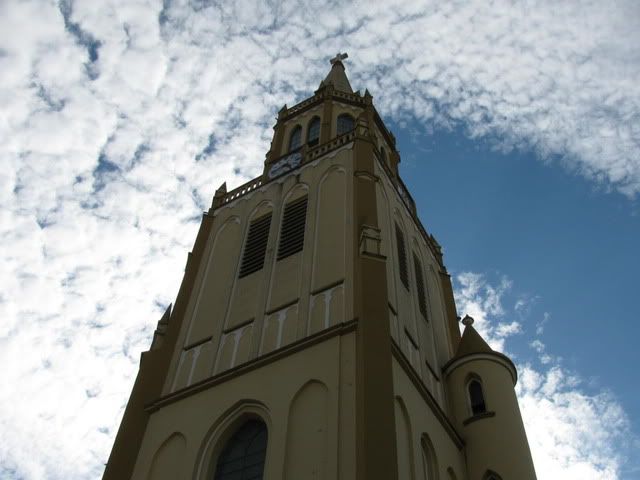
2-As obras do céu parecem querer tocar a obra dos homens.



3-Os pórticos esculpidos representando os quatro evangelistas:

4-Cada dois pares de pórticos:


5- Detalhes de cada um deles. Cada um representa um dos quatro evangelistas:



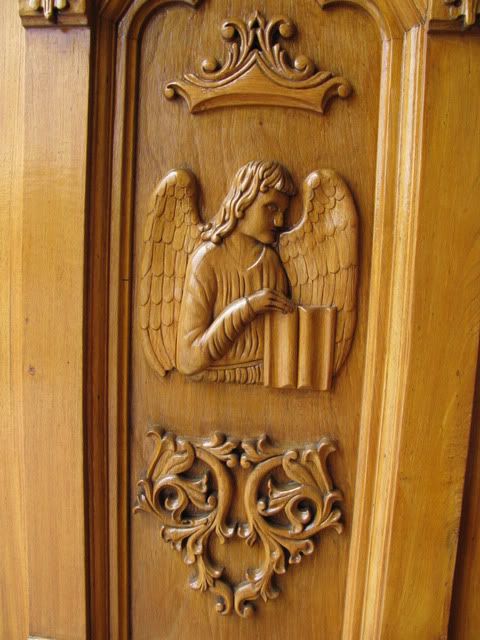
6-Os pórticos se abrem, convidando-nos para entrar…
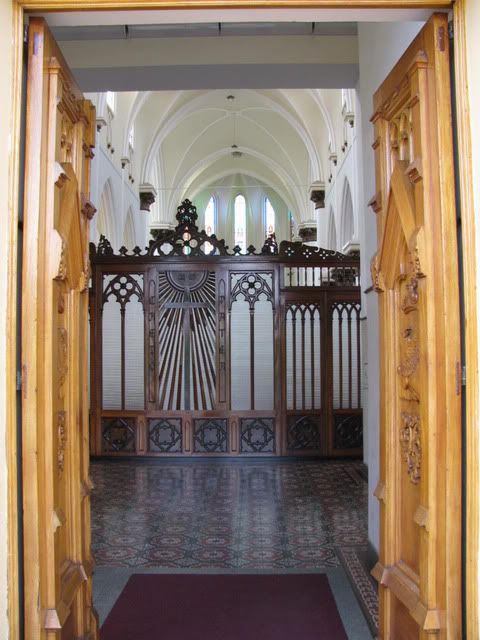
7-Nossa primeira visão ao passarmos os pórticos…
… que beleza estará escondida atrás daí??
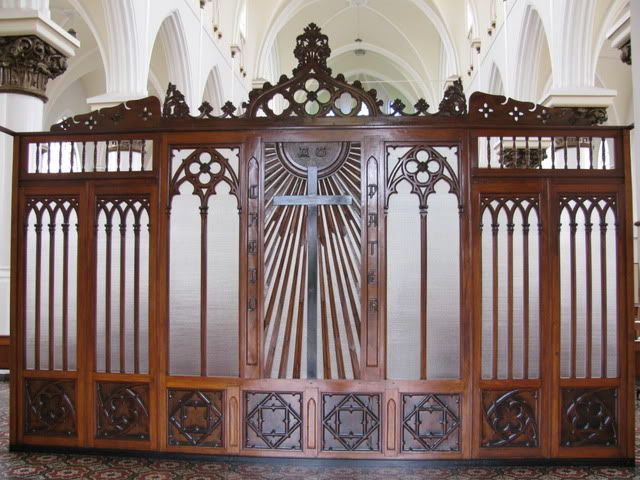
8-Eis que a beleza escondida se revela:

9-

10-

11-
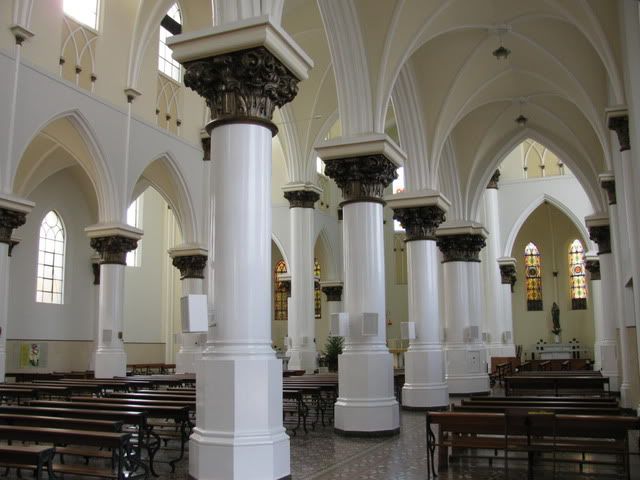
12-Chegando ao altar em busca de luz:

13- Um mar de luz vem pelos vitrais coloridos:

E alguns vitrais e seus detalhes:
14A 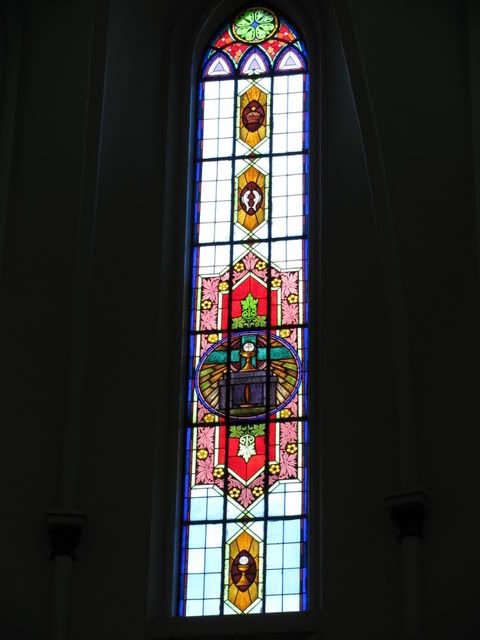
14B 
14C 
14D 
14E 
Os Púlpitos:
15- 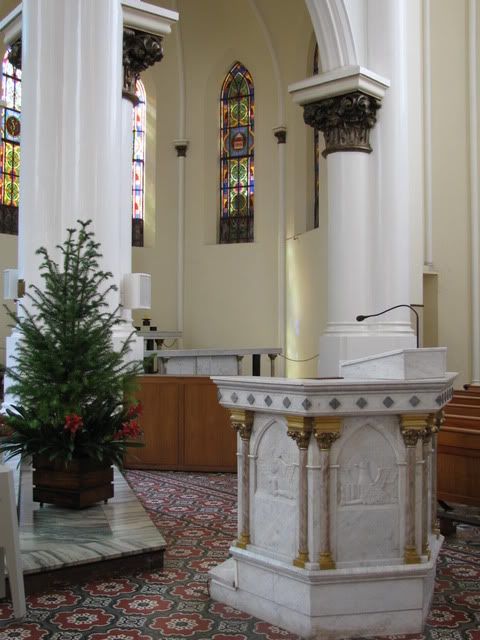
16- 
4 imagens que há no local da foto 15:
15A 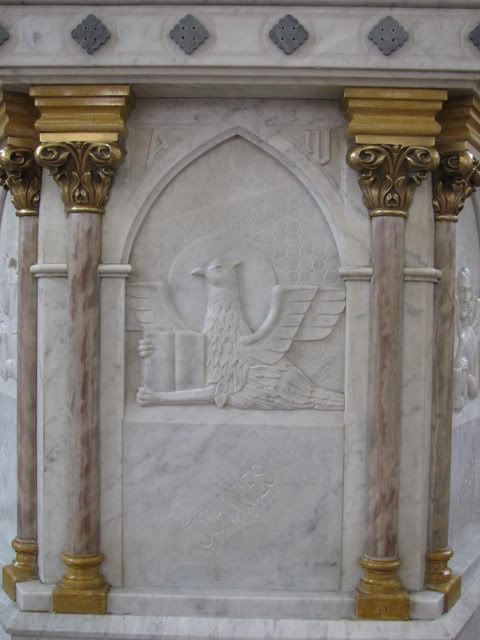
15 B 
15 C 
15 D 
4 imagens da no local da foto 16:
16 A-
16 B 
16 C 
16 D 
17- O altar:

17 B – Relíquias:

18-Detalhe do Cristo da foto acima:
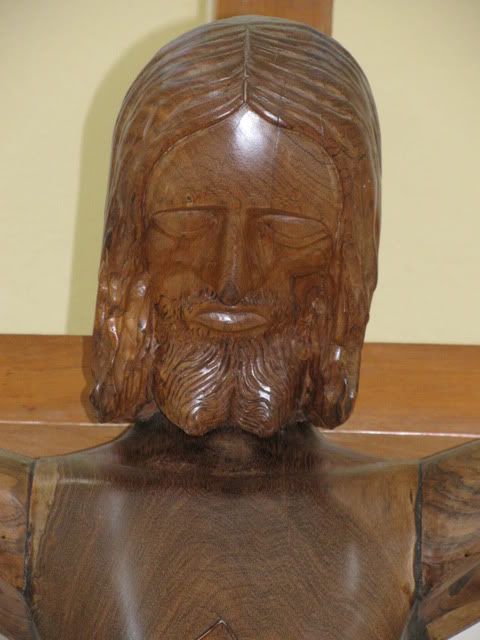
19-A visão que se tem quando se está no altar:
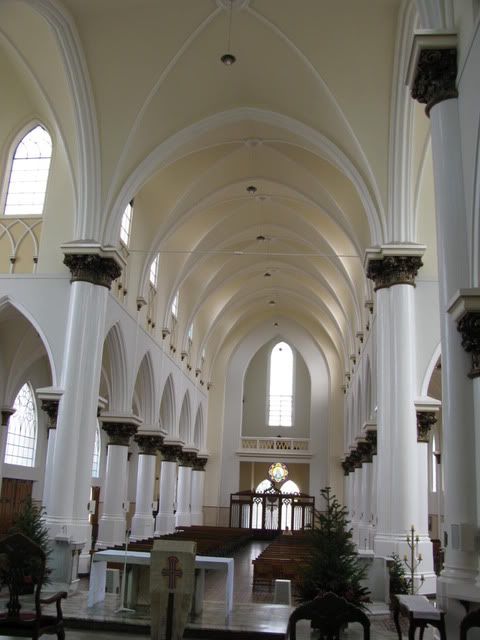
20-O Batistério:
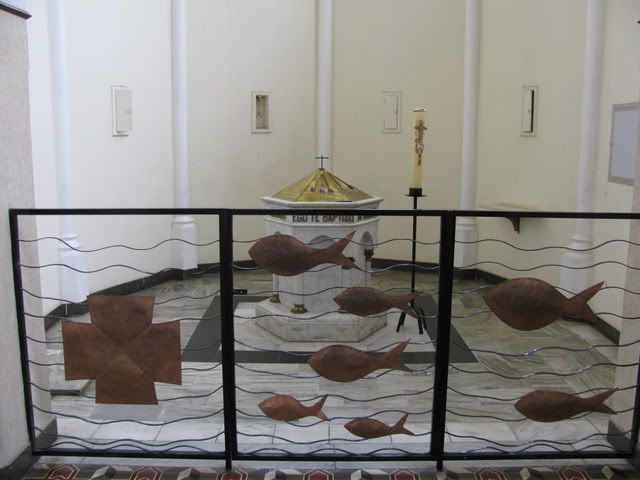

21- O Confessionário:
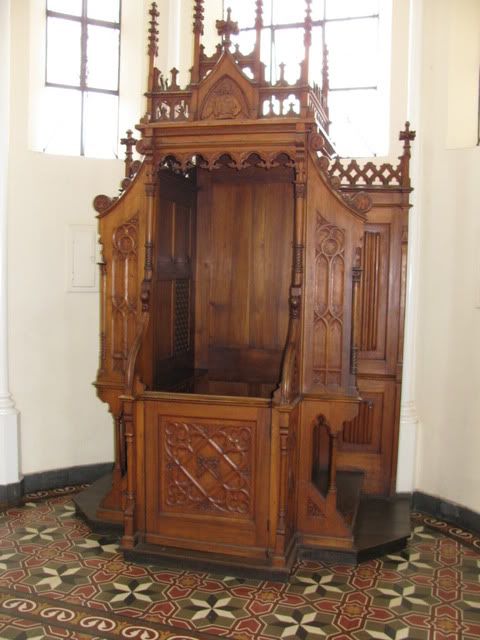
22- Detalhe do piso:

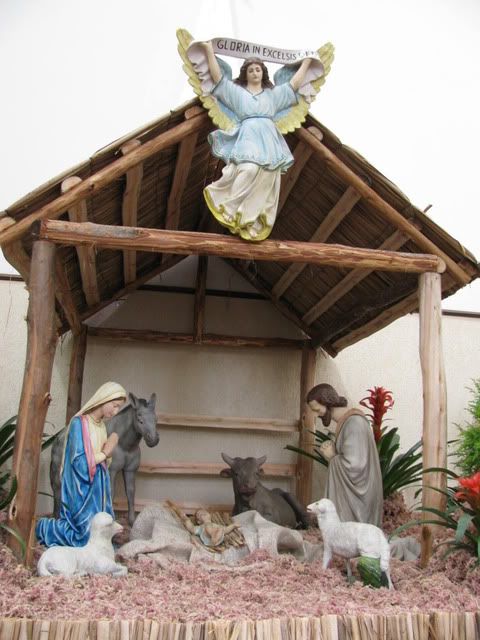
23- Como tirei as fotos no dia de Reis, 06 de janeiro, então o presépio ainda estava lá sem ser desmontado. Achei-o lindo!



24-Vi lá várias plaquinhas como estas e sempre com uma vela. Cada uma tinha um nome:

25-Era hora de eu ir embora. Precisava armazenar minhas fotos, redimensionar cada uma delas, baixá-las no SSC e fazer legendas.Tudo pra que aqueles que acessassem o SSC pudessem admirá-las com o olhar que tive.

26-O céu ainda estava azul mas foi a conta de eu chegar em casa e retornou a chover e de azul o céu ficou de novo cinza.

Espero que gostem e comentem as fotos!!
Quem quiser ver os meus 2 threads anteriores, cliquem nos dois links abaixo:
Parte 1 ( na página 1 ) e Parte 3 ( na página 3) :
http://www.skyscrapercity.com/showthread.php?t=1035067
Parte 3:
http://www.skyscrapercity.com/showth…1#post49388241
Parte 4: É esta página que está sendo acessada ,no momento.

The Ford F-Series pickup has been the best selling pickup and the best-selling vehicle for as long as we can remember (way, and we mean way before even egmCarTech was established).
Ford announced today that its F-Series has been the best-selling truck for 33 straight years, outselling its closest competitor by more than 97,000 units. Not only that, but the F-Series has been the best-selling vehicle in the United States for the past 28 years.
“When it comes to trucks, only one stat matters – how customers vote with their wallets,” said Doug Scott, truck group marketing manager. “And the results are clear – the capability, productivity, technology and value of Ford F-Series is unmatched.”
Ford F-Series sales totaled 413,625 in 2009.
Hit the jump for the press release.
Press Release:
FORD F-SERIES DOES IT AGAIN: BEST-SELLING TRUCK FOR 33 STRAIGHT YEARS; BEST-SELLING VEHICLE FOR 28 YEARS
* Ford’s F-Series is America’s best-selling truck for 33 straight years, outselling its nearest rival by 97,000 units, largest margin in three years
* December sales for F-Series were 48,209, a 16 percent increase over last year and the best sales month since March 2008
Dearborn, Mich., Jan. 6, 2010 – For the 33rd year in a row, Ford’s award-winning F-Series is America’s best-selling truck with 2009 sales of 413,625. F-series outsold its nearest truck rival by more than 97,000 units, the largest margin in three years.
In addition, for the 28th consecutive year, F-Series is once again America’s best-selling vehicle of any type – car, crossover, SUV, truck or van.
F-Series sales for 2009 totaled 413,625, which increased its segment share by 4 percentage-points. December sales for F-Series were 48,209, a 16 percent increase over December 2009 and the best sales month since March 2008.
The F-150 was redesigned inside and out for 2009 and set a new benchmark for full size pickups with new high-strength, lighter-weight chassis that delivers more class-leading towing and hauling capability and unsurpassed fuel economy.
During the past six years, the “core trucker” – those who use their truck’s towing and hauling capability for work and play – has jumped to 40 percent from 30 percent of the light-duty full-size pickup market. In the commercial/fleet portion of this core trucker sub-segment, Ford F-Series continues to dominate. The F-150 has 44 percent of the light duty commercial/fleet market; and Super Duty is stronger still with over 56 percent of heavy duty commercial/fleet market.
New to F-Series for 2010 is the F-150 Harley-Davidson and the off-road F-150 SVT Raptor, winner of the 2009 Truck of Texas.
F-Series also offers the industry-first Ford Work Solutions, an innovative suite of options including an in-dash computer with Internet access, Tool Link to track tools, Crew Chief technology to dispatch workers and reduce vehicle operating costs and Cable Lock to improve security of tools and equipment.
When the 2011 F-Series Super Duty hits dealership showrooms this spring, it will feature an all-new Ford-designed, Ford-engineered and Ford-built 6.7-liter Power Stroke turbocharged V-8 diesel engine.
The top-selling Ford truck dealerships in the country are located in Texas, Nebraska and Missouri. Among them: Woodhouse Ford, Blair, Nebraska; Philpott Ford, Port Neches, Texas; Planet Ford, Spring, Texas; Midway Ford Truck Center, Kansas City, Missouri.; Five Star Ford, North Richland Hills, Texas; Sam Pack’s Five Star Ford, Carrollton, Texas.
– By: Omar Rana
So, assuming you were in control of the budget, what would you do?
1) Get the fucking TBus built, and get it done properly so it serves most areas of Leeds and runs on to nearby large towns.
2) Supertram, possibly, on top of TBus, going further afield to maybe Castleford, Wakefield and Bradford
3) Arts-Develop a proper Art Gallery in Leeds, bigger than the City art Gallery, for people who’ve lived/worked/studied/been born in Leeds and stuff available for exhibition. Also have the best student each year from the art college get a full exhibition
4) Encourage public art on the streets e.g. The Brick Man (get it built, better late than never), and more greenery with trees & flowerbeds.
5) Reopen lots more urban rail stations in Leeds (e.g. Armley Canal Road, Hunslet) and electrify the lines out to Halifax, Huddersfield, Pontefract and Knaresborough to give Leeds a proper urban rail network.
6) Re-regulate the buses
7) Provide incentives packages for businesses to relocate to the city, and try and get more public bodies moving north out of London. Also similar measures for renovating & restoring disused buildings e.g. Majestic
8) Encourage developments and don’t hold them up in planning consent e.g. Criterion place, Lumiere, also get someone to do something with the Merrion Centre
9) Build the Arena, as an arena not a big theatre
10) Develop museums in the city, possibly as satelittes of national museums, or as local ones using historic buildings e.g. Braime’s as the Leeds Museum of Industry and Science. Also get Thackray certified as the National Medical museum, and draw more attention to the Media Museum in Bradford and Saltaire world heritage site.
11) build more & renovate existing social housing in the region
12) Try and attract more businesses & encourage local business in the regions towns
13) Clear up the unsightly mess that is the cente of Bradford
14) Get both Trin and Eastgate built

Suzuki es bien conocido por ser bastante efectista cuando llega la hora de presentar un concepto. Ya ocurrió con el Suzuki Kizashi, que finalmente resultó ser una berlina bastante normalita para lo que se veía en los bocetos preliminares, muy futuristas.
Esta vez, la marca japonesa muestra un concepto un poco más mundano, destinado a ser coche laboratorio para las aspiraciones futuras de Suzuki. Su producción o no, dependerá del apoyo del público del salón de la Auto Expo.
El diseño del R3 Concept fue definido por Suzuki como “deportivo, moderno y compacto”. Hace hincapié en la capacidad interior (con llamativas puertas suicidas), sin dejar de ser un coche de tamaño más bien pequeño, como es la última tendencia en los vehículos presentados en Nueva Delhi (¿una tendencia que se extenderá a los demás salones?).
Al mismo tiempo, Suzuki dió a conocer algunos puntos importantes dentro de su plan de negocios con respecto a Asia. Entre lo más rescatable, primeramente, el foco principal de la compañía será el segmento de coches pequeños, sin dejar de explorar otros segmentos. El Suzuki Kizashi llegará a la India durante este año, mientras que la compañía explorará la posibilidad de comercializar también un híbrido.
Sobre el R3 Concept no he podido extenderme demasiado, ya que los datos técnicos son escasos, pero Suzuki ha difundido una galería de fotos que ofrecemos a continuación.


Vía: Indian Auto Blog
El Transmilenio de Bogotá, segundo sistema BRT de Latinoamérica por antigüedad y primero en el mundo por pasajeros y por km de vías; es unos de los más conocidos.
TransMilenio es el sistema metropolitano de transporte masivo que funciona en la ciudad de Bogotá, Colombia. Su construcción se inició en 1998, durante la alcaldía mayor de Enrique Peñalosa, inaugurado el 4 de diciembre de 2000, entró en operación el 18 del mismo mes, con las troncales (líneas) de la Avenida Caracas (hasta la Avenida de los Comuneros o Calle Sexta) y la Calle 80. Desde entonces se han abierto varias nuevas troncales y hay otras que están en proceso de construcción.

El sistema TransMilenio tiene 114 estaciones distribuidas así, según la nueva distribución zonal:
A Troncal Caracas entre Calle 76 y Tercer Milenio: 14 estaciones
B Autonorte entre Portal del Norte y Héroes: 15 estaciones
C Suba entre Portal de Suba y San Martín: 14 estaciones
D Calle 80 entre Portal de la 80 y Polo: 14 estaciones
E NQS Central entre La Castellana y Ricaurte: 11 estaciones
F Américas entre Portal de Las Américas y De La Sabana: 17 estaciones (incluye la estación Ricaurte)
G NQS Sur entre Comuneros y Portal del Sur: 12 estaciones
H Caracas Sur entre Hospital y Portal de Usme y Portal del Tunal: 16 estaciones
J Eje Ambiental Museo del Oro y Las Aguas: 2 estaciones
El Sistema de Transporte Masivo del Tercer Milenio -TransMilenio- hace parte del SITP (Sistema Integrado de Transporte Público) de Bogotá, que incluye la red de ciclorrutas y los proyectos futuros del Tren de Cercanías y la primera línea de Metro.
Con la inversión financiada con un porcentaje de la sobretasa a los combustibles y los aportes del Distrito Capital y el Gobierno Nacional, se pudo dar inicio a este servicio. La construcción de la infraestructura y del sistema vial, y el mantenimiento de éstos, los desarrolla el Instituto de Desarrollo Urbano (IDU).
El sistema consiste en vehículos articulados con paradas fijas en estaciones exclusivas. Los usuarios pagan 1500 pesos colombianos (aproximadamente US$0,75 o 0,53), en taquillas localizadas en cada estación. Funciona como un metro pero con autobuses articulados. Así, TransMilenio es uno de los sistemas de autobús de tránsito rápido (BRT por sus siglas en inglés). Por lo general, hay doble vía de exclusividad en los dos lados de la estación, para permitir que los articulados de servicio expreso sobrepasen a los de servicio corriente.
Si bien el sistema está basado en la Rede Integrada de Transporte de la ciudad de Curitiba, se considera innovador ya que a diferencia del sistema brasileño, en Bogotá se implementaron la puertas de accesos de pasajeros en el costado izquierdo de los buses, permitiendo que una sola estación operara en dos sentidos, así que si un pasajero se pasa sin querer de su estación de destino, puede tomar luego un bus en sentido contrario para devolverse, sin necesidad de pagar un pasaje adicional; además de estaciones con rampas de acceso y un gran uso de los puentes peatonales (muy tradicionales en la ciudad). Además fue el primer sistema de este tipo en usar el concepto de rutas de buses alimentadoras, cuyo costo esta integrado al del pasaje de las rutas principales (troncales).
En Curitiba, cada estación cubre un sentido y sus accesos no son con rampas sino con escaleras y plataformas eléctricas levadizas. El sistema TransMilenio es el segundo de tipo BRT implantado en Latinoamérica, el primero en Colombia y uno de los más exitosos debido a la gran densidad urbana que tiene Bogotá, por ello ha sido tomado de modelo para todos los demás proyectos de este tipo que se están adelantando en el continente. En el sistema TransMilenio se implementó una uniformidad total en cuanto a color de los buses, sin importar la ruta, y la uniformidad de pago, permitiendo que con un pasaje que tiene una tarifa única, el pasajero puede viajar en cualquiera de los horarios del día en los que el sistema se encuentra operativo, esto ha permitido mejor eficiencia en el recaudo y un mayor impacto favorable en los usuarios.

Estación elevada de la Avenida Suba con Avenida Boyacá.
En el sistema TransMilenio existen cinco tipos de estaciones:
– Sencillas: Cumplen el servicio corriente de llegada y salida de pasajeros. Están ubicadas aproximadamente cada 500 metros una de la otra. La mayoría de estaciones son de éste tipo.
– De transferencia: Permiten el cambio entre dos troncales diferentes, a través de un túnel subterráneo en zona pagada. Las estaciones de transferencia son Avenida Jiménez, que conecta las troncales de Avenida Caracas con la Avenida de Las Américas; y la estación Ricaurte que conecta la Avenida de Las Américas con la troncal NQS, Norte-Quito-Sur.
– Sin intercambio: No permiten el cambio entre sentidos norte-sur a sur-norte. Este tipo de estaciones se encuentran ubicadas en la Autopista Norte y en el ramal del Tunal, debido a condiciones de espacio en la via. Técnicamente son estaciones sencillas en cuando a su forma de funcionamiento.
– Intermedias: A las cuales tienen acceso los servicios alimentadores, son las estaciones Av. Cali, Carrera 77, Calle 40 Sur, Molinos, Banderas y General Santander.
– Cabecera (Portales): Ubicadas en zonas de entrada de la ciudad y a la que además de los alimentadores y los buses articulados, llegan autobuses intermunicipales de la zona metropolitana. Cuentan con otros servicios, como Cicloparqueos, para que el usuario pueda acceder hasta allí en bicicleta a través de las ciclorrutas, zonas de teléfonos y baños públicos. éstos portales son llamados: Portal del Norte, de Suba, de la Calle 80, de Las Américas, del Sur, del Tunal y de Usme.
Las dos últimas cuentan con zonas de control y administración del sistema. En todas las estaciones se pueden encontrar rutas del sistema y tableros electrónicos que anuncian el tiempo aproximado de llegada de los articulados e información y avisos de TransMilenio. Igualmente, existe personal encargado de prestar asesoría a cualquier inquietud o necesidad que tengan los usuarios de TransMilenio. En algunas estaciones, se cuenta con servicio de ascensores o elevadores para discapacitados. En todos los portales hay servicios de ambulancia en el caso de alguna emergencia. Entre las especificaciones técnicas de las estaciones sencillas, se destaca que las gran mayoría cuenta con aproximadamente 5 metros de ancho (excepto las estaciones sin intercambio, cuyo ancho es de 3 metros, y tres de los vagones de la estación Ricaurte, que tiene casí 10 metros), la longitud de las estaciones sencillas varia de acuerdo a las características de la vía (por ejemplo ubicación de cruces semaforizados, curvas, etc.) y la cantidad de pasajeros en el sector.

Futuro del Sistema
Según los planes vigentes, el sistema de transporte masivo de Bogotá, TransMilenio, terminará de construirse en el año 2016 con un total de ocho fases. Tendría entonces 388 km de troncales y cubriría el 80% de los viajes en transporte público de la ciudad. TransMilenio se diseñó para complementarse definitivamente con los autobuses y microbuses tradicionales que, gracias a este sistema de transporte urbano, han tenido que mejorar sus servicios y modernizar sus automotores para continuar con la misma competitividad y cantidad de pasajeros.
Una obra confirmada es la ampliación del sistema por la Autopista Norte para mediados del año 2010, con la construcción de dos estaciones adicionales cerca al Portal del Norte, en las calles 187 y 193, eliminando las actuales rutas alimentadoras de Mirandela y Jardines. Por otra parte, la gerencia de TransMilenio estudia ampliar la troncal de la Calle 80 hacia el occidente, para descongestionar el Portal de la 80, construyendose eventualmente cuatro estaciones más.
Ampliación a Soacha
Por medio de la Autopista Sur el sistema TransMilenio llegará al muncipio de Soacha (Cundinamarca), perteneciente al Área Metropolitana de Bogotá. La obra está en construcción desde finales de 2005 y estaba proyectada para finalizar en 2006, no obstante ha sufrido de retrasos debido a la falta de acuerdos financieros entre el gobierno nacional y el departamental, además de la reubicación de rutas de transporte público que circulan del municipio a Bogotá.
La ampliación contará con 7 estaciones, 11 puentes peatonales, ciclorruta y dos puentes vehiculares y un paso deprimido que evitarán las intersecciones con semáforos en San Mateo, Terreros y 3M, populosos sectores de Soacha. En total la obra cubrirá 5,5 km. A diferencia de las demás troncales de TransMilenio, la ampliación Bosa-Soacha es construida por la Concesión Bogotá Girardot, la cual deberá terminar la obra para el año 2010, toda vez que las mismas se reanudaron en febrero de 2009.
Fase III
En 2007, se inició un debate sobre la conveniencia de crear una troncal de TransMilenio en la Carrera Séptima durante la fase III, debido, entre otros motivos a la variación de las dimensiones a lo largo de la vía, así como a la posible necesidad de intervenir zonas consolidadas urbanísticamente como el Museo del Chicó. Dichas dudas fueron planteadas por el alcalde mayor Luis Eduardo Garzón por lo que se estudiaron otras alternativas. A pesar de esto los estudios apuntaron a que habían cuatro puntos verdaderamente críticos donde se planearon las posibles soluciones: a la altura de la Universidad Javeriana se correría uno de los auditorios de la institución para construir una estación con acceso subterráneo. En la calle 85 se haría un paso deprimido y en las calles 92 y 94 se construirían soluciones a desnivel.
El alcalde Garzón decidió dejar contratadas las troncales de la Avenida El Dorado y de la Carrera Décima. La primera tendrá 19 estaciones (una de ellas "intermedia", otra de tipo "portal"), cuatro de ellas ubicadas en el Aeropuerto Internacional El Dorado, compatibles con los diseños del nuevo aeropuerto. La Décima tendrá 10 estaciones (dos de ellas "intermedias") y un portal. La estación del Museo Nacional de Colombia sería subterránea.
Por su parte, Samuel Moreno durante el periodo de empalme con Garzón, anunció que respetará la construcción de las troncales de TransMilenio para la Calle 26 y la Carrera Décima, pero descartó su implementación para la Carrera Séptima, ya que ahí preferiría hacer una de las líneas del futuro Metro de Bogotá con base en los estudios hechos para TransMilenio que costaron cinco mil millones de pesos. Sin embargo las asociaciones de vecinos de la Séptima han manifestado su deseo por implementar el sistema.
Las obras de la Avenida El Dorado y de la Carrera Décima comenzaron a ejecutarse en enero de 2009 y durarían hasta el primer semestre de 2010.
Están en circulación dos tipos de buses con fines de prueba para su eventual puesta en circulación:
– Buses biarticulados: Son buses que tienen dos fuelles y tres cuerpos, con lo cual aumentan la capacidad total del bus hasta 270 personas. Estos vehículos comenzarían a operar formalmente cuando entre en funcionamiento la fase 3 del sistema.
– Buses impulsados por gas natural: El gas natural tiene la ventaja de ser un combustible más económico y mucho menos contaminante que el diésel, sin embargo no desarrolla la misma potencia que el combustible líquido, además que el abastecimiento debe ser más frecuente.

Mapa de la futura Fase III, en construcción desde 2008.
Ventajas:
– Facilidad de hacer transbordos lo que permite, un fácil cambio de ruta, si la anterioridad se necesitaba tomar más de un bus para llegar al destino, aquí puede suceder igual pero con la diferencia de que nada más se tiene que pagar un pasaje.
– Posibilidad de construcción de una mayor cantidad de líneas y de estaciones en menor tiempo que otros sistemas de transporte masivo.
– Carril exclusivo para los articulados en las troncales.
– Es menos ruidoso y menos contaminante que un autobús convencional del sistema de transporte tradicional.
– La accesibilidad es más sencilla para personas discapacitadas.
– Posibilidad de gran variedad de rutas.
– Los viajes se realizan en menor tiempo que el transporte tradicional, por lo que se contribuye a la productividad de la ciudad.
– A diferencia de los transportes subterráneos, permite a los pasajeros disfrutan de la vista del paisaje de la ciudad y no someterlos a tener que movilizarse por debajo de la tierra, dándole una mejor calidad en el tipo de movilización.
Ha ayudado a un muy importante mejoramiento del aspecto arquitectónico de la ciudad en todos sus aspectos.
Incombenientes:
– Es más contaminante que un sistema de trenes livianos eléctricos o trolebús.
– Dicen que posee menor capacidad y velocidad en relación al metro. Sin embargo algunas troncales tienen mayor numero de pasajeros por hora que la mayoria de los metros del mundo.
– Problemas con el tráfico debido a que comparte parte de las vías y es susceptible a accidentes y atascamiento con otros vehículos en los cruces.
– El desplazamiento de peso en las ruedas hace que las losas y calles se deterioren con gran facilidad.
– Debido a los puntos anteriores sumado a los problemas de trafico hacen que los buses no puedan mantener un horario cronometrado.
Falta de amplias estaciones de intercambio entre troncales (Calle 76, Calle 13, Escuela Militar).
– Estaciones de intercambio con más de 500 m de recorrido a pie (Ricaurte).
– Acceso por puente peatonal con recorridos largos, promedio de 200 m entre el bus y el andén, y falta de acceso directo mediante cruce directo de las avenidas en la mayoría de las estaciones.
– Poco espacio interno y de acceso en los buses y sumado a no tener una puerta de entrada y salida genera inconvenientes al ingresar o salir del bus en horas pico.
– A pesar del progreso que TransMilenio representa para la ciudad en materia de movilidad, todavía le toma mucho tiempo (1 hora 30 minutos en promedio) para un pasajero desplazarse de un portal al norte de la ciudad a uno del sur, esto sin incluir el tiempo de espera en las estaciones. Un tren subterráneo podría hacer recorridos similares en apenas 30 minutos.
– La entrada a los articulados en las horas pico presenta grandes inconvenientes, principalmente por la acumulación de los usuarios en las puertas y la ausencia de guías comportamentales para que los ciudadanos adopten mecanismos como la fila para reducir el caos.
Debido a la alta cantidad de gente acumulada dentro de un bus, existe un alto de riesgo de hurto.

Filed under: Software, Open Source
 There are many options for running Windows programs on the Mac. Boot Camp, for instance, is included with OS X for installing Windows on a separate partition. Parallels, VMware, and Sun offer virtualization software that let you run your Windows programs without logging out of OS X. And then there’s Wine.
Once you get Wine up and running, you can install a myriad of different Windows applications from games to productivity apps (Office, anyone?). If you’re curious about a particular program’s compatibility with Wine, you can check out the AppDB for a list of applications and any issues present when running with Wine.
If you’re interested in the technical benefits of Wine, you can also check out the excellent application Crossover, which is an easy-to-use port of Wine (pun intended) that makes it dead simple to get up and running with Wine.
TUAWHow to run Windows apps for free with Wine on OS X originally appeared on The Unofficial Apple Weblog (TUAW) on Wed, 06 Jan 2010 17:00:00 EST. Please see our terms for use of feeds.
Read | Permalink | Email this | Comments
Buy This Item: [Click here to buy this item]
You don’t really know if your templates and CSS are well factored until you try to make changes.
 Most cervical cancer deaths are preventable
In recognition of Cervical Cancer Awareness Month, Dr. Damon T. Arnold, Illinois Department of Public Health Director, is urging women over the age of 21 to be screened regularly for cervical cancer.
“Almost every cervical cancer death is preventable through early detection, treatment and follow-up.
Families and friends don’t have to lose loved ones to cervical cancer and women don’t have to suffer if they take care of themselves and routinely get screened for cervical cancer,” Dr. Arnold said.
According to the National Cervical Cancer Coalition, about 10,000 women in the U.S. are diagnosed with cervical cancer each year and about 3,700 women die each year from this disease.
The latest data for Illinois shows in 2006, 572 women were diagnosed with cervical cancer.
That same year, 173 women died of cervical cancer. In 2010, it is estimated that 610 women in Illinois will be diagnosed with cervical cancer and approximately 180 women will die.
“Increasing awareness of cervical cancer and preventive steps women can take is extremely important. Regular exercise, a healthy diet and routine screenings are proactive efforts women can take that may reduce the risk of developing cancer.
Avoiding risk factors for cancer, like smoking, may also help reduce the chances of developing cancer.
However, there are other factors, such as genetics, that cannot be avoided.
Women need to educate themselves about cervical cancer and what they can do to stay healthy,” said Illinois Department of Public Health Office of Women’s Health Deputy Director Shannon Lightner.
1.

2.

3.

4.

5.

6.

7.

8.

9.

10.

11.

12.

13.

14.

15.

16.

17.

18.

19.

20.

21.

22.

23.

24.

25.

26.

27.

28.

29.

30.

31.

32.

33.

34.

35.

36.

37.

38.

39.

40.

41.

42.

43.

44.

45.

46.

When a plastic surgeon performs a lower eyelid lift, patients are offered a gentle intravenous sedation from their anesthetist. This procedure can, however, be comfortably performed with only the use of local anesthetic. For any patient who has prominent fat bags under their lower eyelids and only a small amount of excess muscle or skin, the eyelid surgery can be performed with zero external sutures. Instead, the plastic surgeon can place an incision on the inner side of the lower eyelid and any extra fat can be carefully removed. There are no sutures required for this approach, and patients are asked to use a topical eye drop for a week after to aid in the healing process.

Filed under: Concept Cars, India

If you’re not already familiar with DC Designs, let’s refresh your memory. Founded by Dilip Chhabria, the Indian designer has been responsible for such autotrocities as the Amrierod and Cayenne Coupe, along with tuned versions of the Rolls-Royce Phantom and Tata Nano. Pleased with what he’s done for other people’s vehicles, Chhabria has turned his efforts towards developing two new vehicles, both of which debuted this week at the Auto Expo in New Delhi.
 Without any hard details on what’s underneath each concept, there’s not much to say aside from analyzing the designs. Despite it’s name, the Ying Yang struck us as a stylish amalgamation of the en vogue box aesthetic and a traditional minivan, while the Imperator is far too similar to the Lexus 2054 shown in the movie adaption of Philip K. Dick’s Minority Report — right down to the plummeting windows and red hue. Decidedly less swoopy than it’s silver screen inspiration, the four-seat Imperator is festooned with all the show car baubles you’d expect, including 24-inch wheels and gullwing doors, the latter of which are held up by massive hydraulic tubes that prove opening the concept’s doors was an afterthought. You can check out both concepts in the gallery below thanks to Indianautosblog.com.
Gallery: DC Designs Imperator and Ying Yang


Auto Expo 2010: DC Designs Imperator and Ying Yang shock and amuse originally appeared on Autoblog on Wed, 06 Jan 2010 17:01:00 EST. Please see our terms for use of feeds.
Permalink | Email this | Comments


Buy This Item: [Click here to buy this item]


