Poke a snail with a stick and it remembers for a day. Poke a snail with a stick after you’ve given it methamphetamine and it remembers for much longer.
Getting gastropods hooked on meth perhaps sounds cruel, but Barbara Sorg and her team are among those scientists trying to figure out how the drug works in the brain to produce intense connections that feed the addiction cycle. In a study forthcoming in the Journal of Experimental Biology, the scientists show that, in snails at least, meth makes it hard to forget things that happened while on the drug.
Here’s the test: The snails Sorg studied can breathe two ways, through their skin underwater and also through a breathing tube they can deploy when they surface. The team kept two groups of snails—one on meth, one not—in separate tanks of shallow water. And if the snails tried to surface and breathe that way, the scientists would poke them.
By poking the snails, Sorg’s team trained them to associate using the tubes with an unpleasant experience, and so keep them shut. Only the snails on speed remembered their training the following morning, and in a separate experiment it took longer for them to “unlearn” the memory [New Scientist].
The drug induces changes in the brain that last after the chemical is out of a snail’s system.
“These drugs of abuse produce very persistent memories,” explained Dr Sorg. “It’s a learning process – drug addiction is learning unwittingly. All of these visual, environmental and odour cues are being paired with the drug” [BBC News].
Pinning down just what physical changes in the brain allow for that effect is the key to the ultimate end of this kind of research: Targeting the intense memory associations that feed addiction as a part of drug treatment. And the research on learning and forgetting could have wider implications as well, says George Kemenes of the University of Sussex, who also does mollusk research:
“Ultimately, the humble snail could help prevent and treat memory disorders or even enhance normal memory” [BBC News].
Related Content:
80beats: Can Erasing a Drug Memory Erase the Need for a Fix?
80beats: How the Brain Makes Space for New Memories: By Replacing a Few Old Ones
80beats: How Ritalin Works in the Brain: With a One-Two Dopamine Punch
DISCOVER: How to Erase a Single Memory
DISCOVER: Disremembrance of Things Past
Image: Wikimedia Commons


 Hi! I’m Anne Keisman and I work on the Be Out There campaign at the National Wildlife Federation (NWF). Sometimes I can’t believe my luck – every day I am tasked with coming up with new ways to inspire people – especially parents and children — to go outside and play. I’m excited to partner with


 Google has introduced a couple of new features for its advertising solutions, in particular the DoubleClick Ad Planner. For anyone outside of the online marketing business, that may not sound particularly interesting. What is interesting, though, is the new Ad Planner 1000 list, which features the top 1,000 websites in the world ranked by unique vis… (


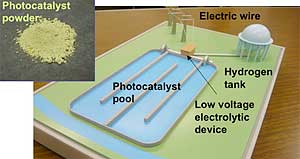 One of the problems of brute force electrolysis has always been the amount of energy it takes to split water into hydrogen and oxygen. The use of different kinds of metal or chemical catalysts, sound wave frequencies and other methods to loosen the bonds between hydrogen and oxygen atoms have met with encouraging success.