Blog

  • How the Cathedral and the Bazaar Is Shaping the Future of Comics

    graphicly_logo_jan10.jpgToday’s startups, entrepreneurs and investors live and die by what seem like a series of holy proverbs. “Release early, release often” is perhaps one of the most poignant phrases when considering product launch and feature scope. On this cold Saturday, we’re paying homage to the origins of the concept by recognizing one of the seminal works in programming philosophy, and looking at a recent startup that’s taken it to heart.

    Sponsor

    In the late nineties Eric S. Raymond presented The Cathedral and the Bazaar convincing Netscape to publish open source code. The work’s premises “given enough eyeballs, all bugs are shallow” and “release early, release often” were meant to justify early releases and crowdsourcing community feedback. While his work originally made a case for open source releases, it has gone on to inspire many outside of the open source realm.

    Lead by Micah Baldwin, TechStars’ comic platform Graphic.ly is launching its beta version under the “release early, release often” tenet. Said Baldwin in a recent blog post, “If we are truly going to get the community involved, we need them involved early and often. We need them now.”

    ReadWriteWeb first covered the mobile comic platform in November under its original name, TakeComics. Since then the company has rebranded as Graphic.ly, announced raising a little over a million dollars from Starz Media and appointed Baldwin as CEO.

    As a serial entrepreneur, Baldwin rationalizes his company’s early release saying, “So many young entrepreneurs get stuck in the ‘What if’ world and try to release the perfect app. At Graphic.ly, we just released our Baby Beta, which frankly sucked. Badly. But we are getting amazing feedback, and its clear that it will be such a better product in the long term.”

    hulk_graphicly.jpgBaldwin is using a combination of GetSatisfaction and Zendesk to manage early-stage feedback. Graphic.ly is also looking to adapt products like Google Moderator for proactive feedback in order to engage community members in the engineering and product discussions.

    When asked about possible outcomes for the release, Baldwin replied, “The worst case scenario is that we don’t engage our community properly and lose their trust. There is nothing more dire than lost trust. The best case is that everyone who uses Graphic.ly sees their fingerprints all over it and shows it to their friends proudly, saying ‘I built that. That’s something I did.’”

    The service’s first batch of invites got out tonight, to register for the service fill out the form here.

    Discuss


    Buy This Item: [Click here to buy this item]

    Read Original Article

  • estadios.futbol y problemas de costa rica

    la cara bonita


    camerinos del cuty monge


    [IMG][/IMG]

    la cara que deseariamos no hubiera
    estadio guillermo vargas roldan
    da tristesa porque este estadio tiene para ser un estadio tan lindo (bueno luego lo discutiremos)
    [IMG]http://2.bp.blogspot.com/_CdrV-_S6nx0/SH96
    bCQgbcI/AAAAAAAAAdM/ECYphFLiSJ0/s400/sanramon2.jpg[/IMG]
    estadio edgardo baltodano briceño

    carlos alvarado villalobos

    carlos ugalde

  • Sydney – There’s no place like it!!!!!!!!!!!!!

    I was born and raised in Sydney, and love everything about it. Feel free to place any shots of this amazing metropolis in the thread.
    Aerial view of the harbour

    by Travelmonkeys of flickr


    by Travelmonkeys of flickr

    Brighton Beach


    by ausWY of flickr

  • Caterham + Yacht = Yes, please

    Filed under: ,

    Sunseeker Predator

    Sunseeker Predator 108 + Caterham Se7en – Click above for high-res image gallery

    There really isn’t too much to say here, because when you mix awesome with awesome and come up with something stupendous you needn’t bother with the chatter. As a special treat for the London Boat Show, Sunseeker grabbed one of its Predator 108-foot flybridge motor yachts, then instead of putting a tender in the hold, it stowed a Caterham Se7en. The only thing we want to figure out now is whether the Sunseeker is the best garage ever, or if the Se7en is the best replacement for a Zodiac in history?

    Have a look at the duo in the gallery of high-res photos below and check out the presser after the jump. We need to make a quick call about getting these in the Autoblog Garage…

    [Source: Sunseeker]

    Continue reading Caterham + Yacht = Yes, please

    Caterham + Yacht = Yes, please originally appeared on Autoblog on Sat, 09 Jan 2010 19:59:00 EST. Please see our terms for use of feeds.

    Permalink | Email this | Comments


    Buy This Item: [Click here to buy this item]

    Read Original Article

  • Vuzix Wrap 920AR face-on: reality just got weird

    CES 2010 is awash in a sea of ridiculous 3D glasses, but that’s nothing compared to the insanity of the Vuzix 920AR, an $800 set of augmented reality specs with cameras built into the lenses. Sadly, the 1504 x 480 display just isn’t very impressive: we certainly saw a stereo 3D image, but it was grainy, dark, and generally unusable for anything apart from the augmented reality maze game on demo. Walking down the street with these things on your face would be incredibly dangerous, as far as we can tell. That said, the maze game did work seamlessly — you hold a pre-printed cardboard sheet in front of you, and in the glasses you see a 3D maze with a ball and puzzle elements that respond to “gravity.” That’s it, though — there’s no other software involved here, and unless you’re deep into developing augmented reality applications or extremely interested in looking like a killer robot from the planet Nerdotron, your $800 is better spent elsewhere. Check a Joanna Stern Video Event after the break.

    Continue reading Vuzix Wrap 920AR face-on: reality just got weird

    Vuzix Wrap 920AR face-on: reality just got weird originally appeared on Engadget on Sat, 09 Jan 2010 20:50:00 EST. Please see our terms for use of feeds.

    Permalink   |   | Email this | Comments

    Buy This Item: [Click here to buy this item]

    Article

  • RED Scarlet and Bomb EVF surprise hands-on!

    We just got a terrific surprise at the Engadget CES trailer: Ted Schilowitz from RED popped in with a RED Scarlet and the Bomb EVF for a quick hands-on! Our video producer Chad Mumm basically attacked him, as did the rest of the crew — pretty much everyone surrounded him as he pulled the Scarlet out of its pack. Chad actually shot video and did a little interview — we’ll get that up ASAP, but check out the pics in the gallery below.

    RED Scarlet and Bomb EVF surprise hands-on! originally appeared on Engadget on Sat, 09 Jan 2010 20:24:00 EST. Please see our terms for use of feeds.

    Permalink   |   | Email this | Comments

    Buy This Item: [Click here to buy this item]

    Article

  • Fils Sound Film transparent speaker hands-on (video)

    Korean gadgets these days are either gunning for next-to-nothing thinness or mind-boggling transparency, which is marvelous. Today we came across another Korean company (and an old friend), Fils, which does transparent “sound film” speakers in many forms: photo frame, umbrella, curtains, cap, hoodie and even model yacht (yeah, seriously), all thanks to the highly-flexible piezoelectric film. Sure, the sound quality was hardly top-notch, but apparently Fils is hooking up with a few big-name Korean electronic companies (TVs?), so we’re all going to suffer soon whether you like it or not. Cheer yourself up with the video after the break.

    Continue reading Fils Sound Film transparent speaker hands-on (video)

    Fils Sound Film transparent speaker hands-on (video) originally appeared on Engadget on Sat, 09 Jan 2010 19:56:00 EST. Please see our terms for use of feeds.

    Permalink   |   | Email this | Comments

    Buy This Item: [Click here to buy this item]

    Article

  • Excesso de velocidade dói no bolso

    marcas

    Muitas das vezes nos aceleramos um veículo apenas pela pura sede de velocidade e isso é a mais pura verdade. Mais qual o lugar mais seguro para você acelerar um carro até na velocidade que você quer?

    Com toda certeza não é em uma rodovia e nem dentro da cidade, a pessoas inocentes que acabam perdendo sua vida por quem quer acelerar de mais em lugares desapropriados.

    Mas às vezes a alta velocidade em lugar proibido dói também no bolso, como aconteceu na Suíça. O tribunal suíço deu uma multa essa semana por alta velocidade, o infrator foi St. Gallen que teve que pagar cerca de 200 mil euros.

    Gallen pilotava uma Ferrari Testarossa a cerca de 100 km/h atravessando uma aldeia. Com um motor Ferrari a velocidade podia ser bem mais alta, mas mesmo em “baixa” velocidade Gallen não escapou da multa.

    Fonte: Auto Portal


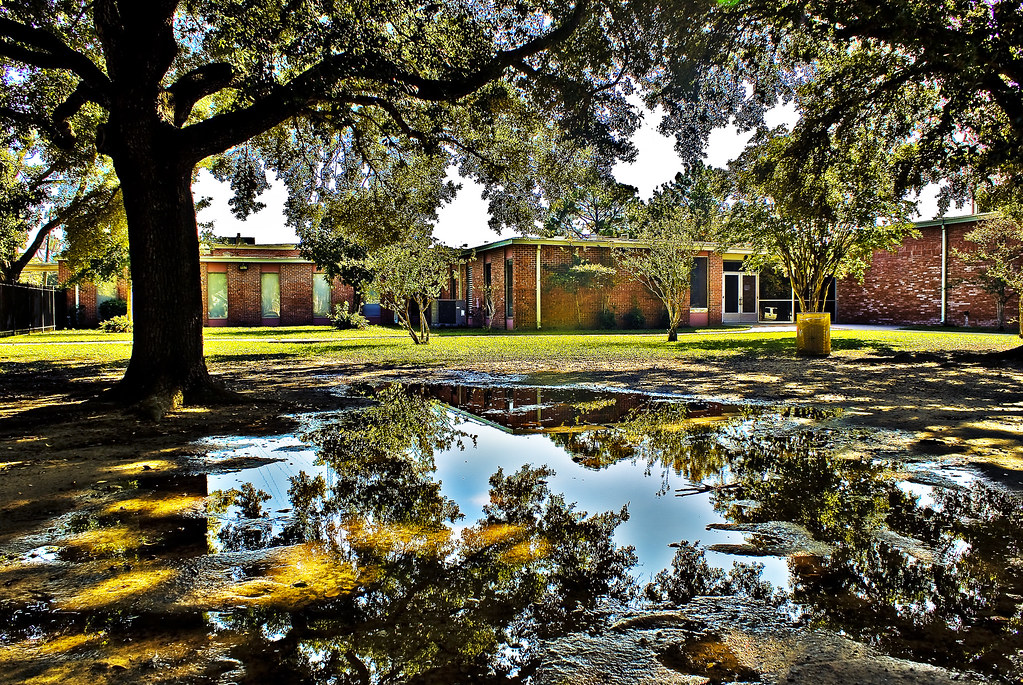
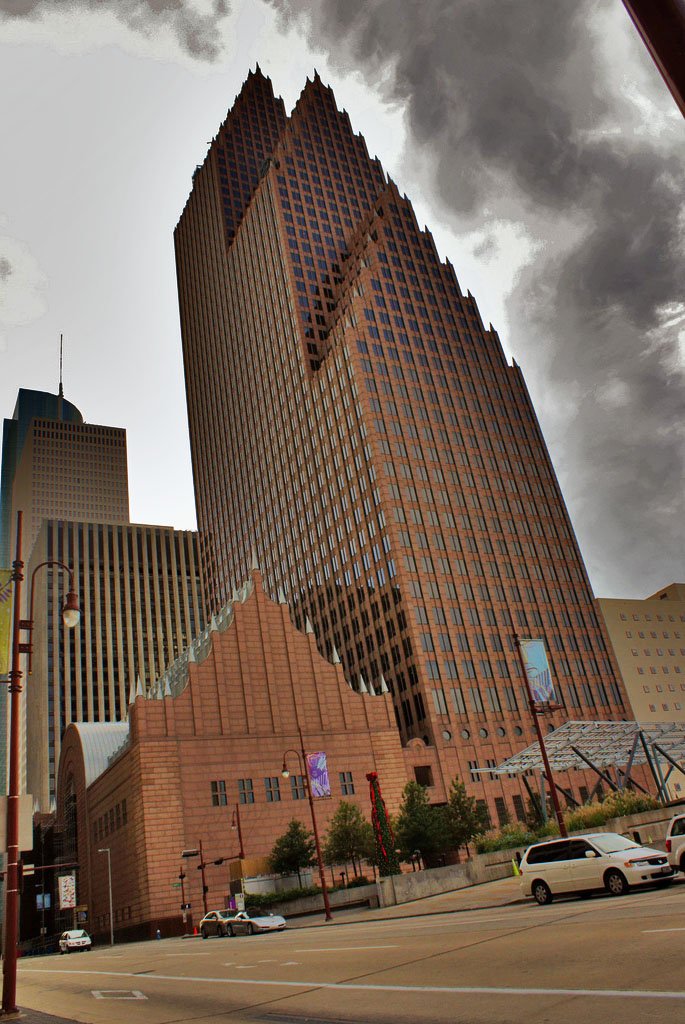
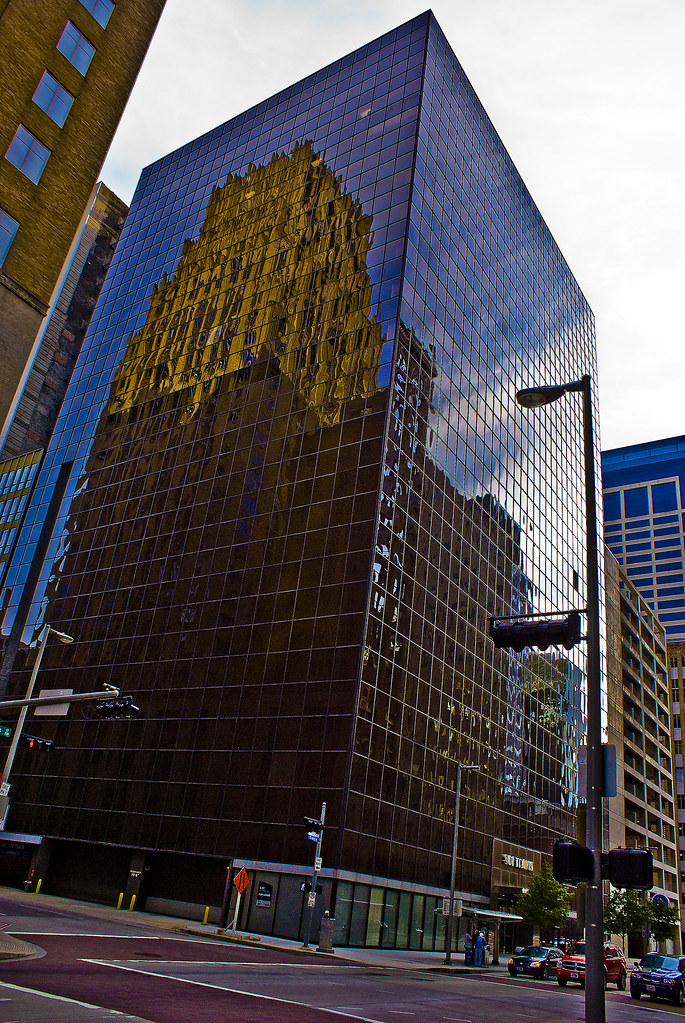
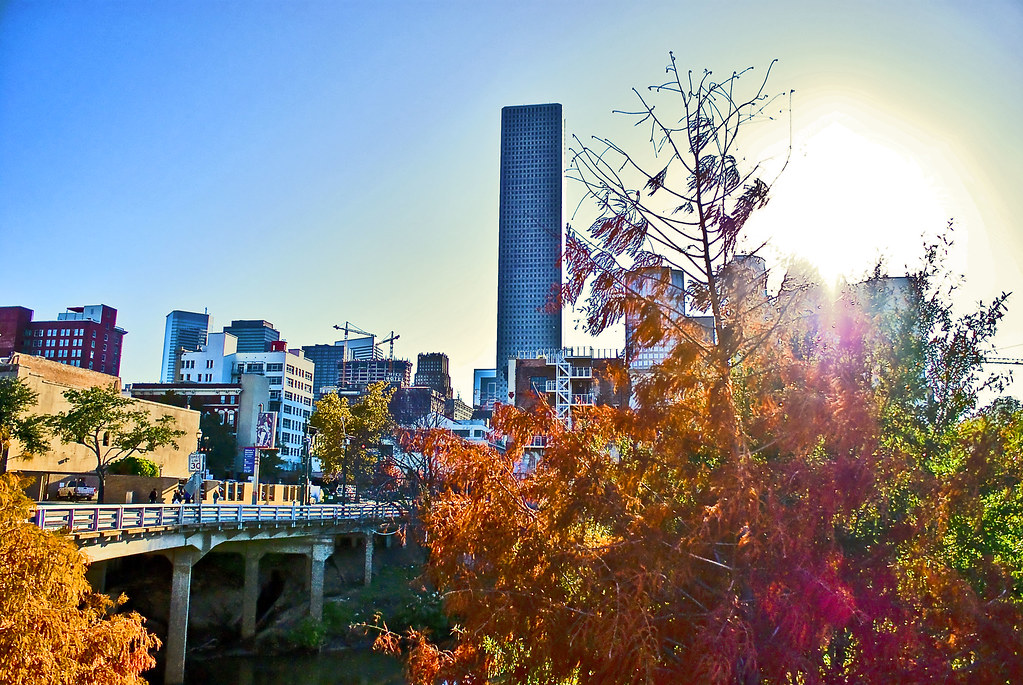
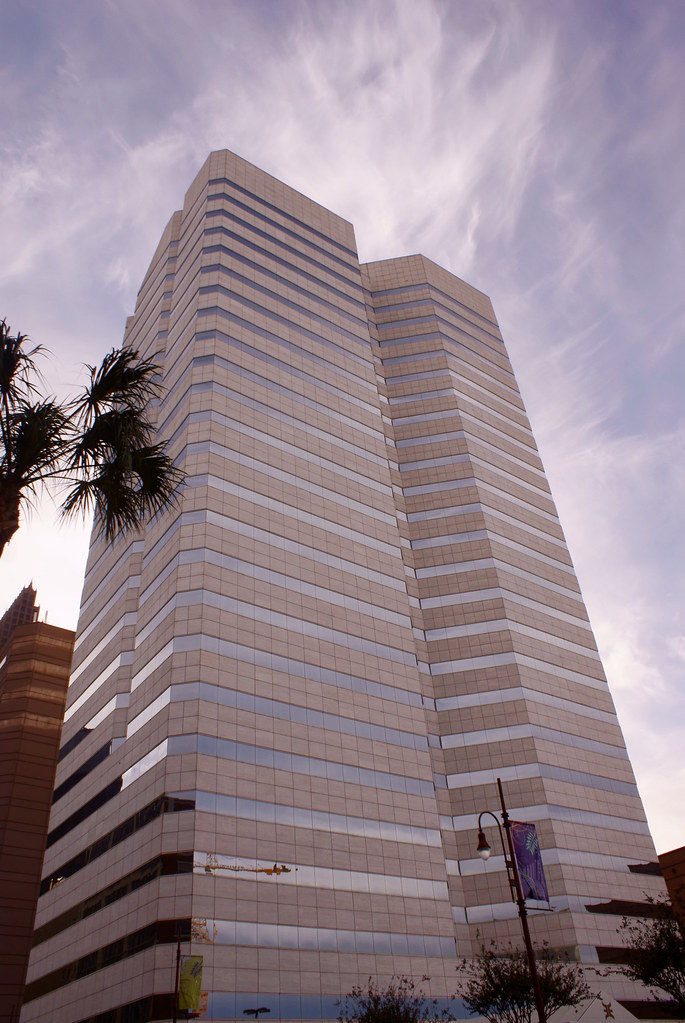
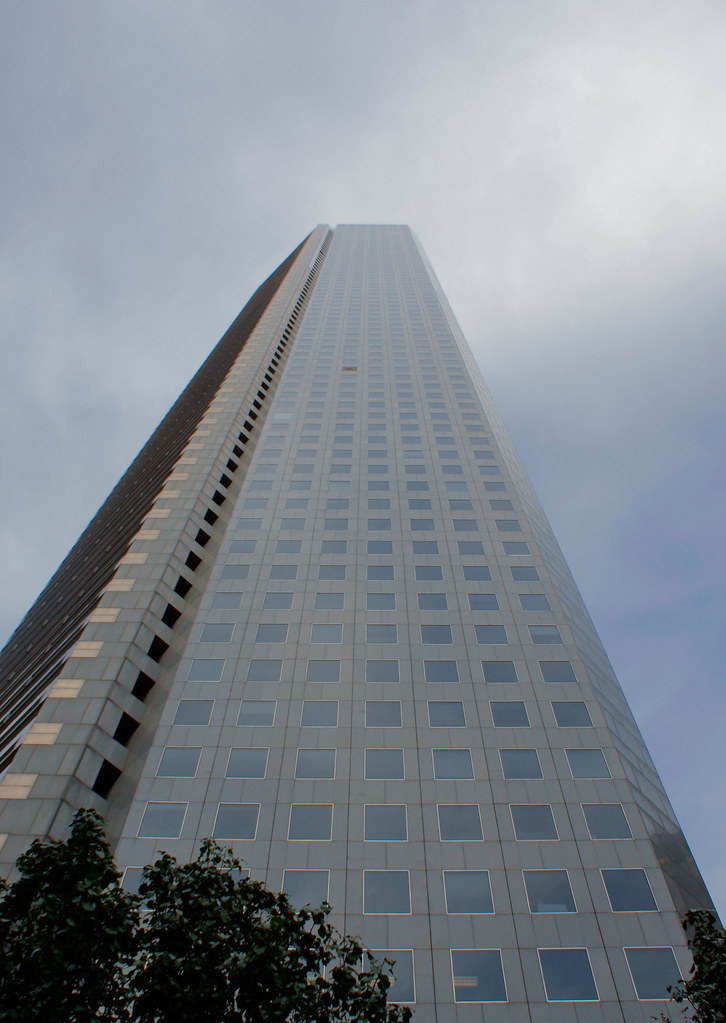
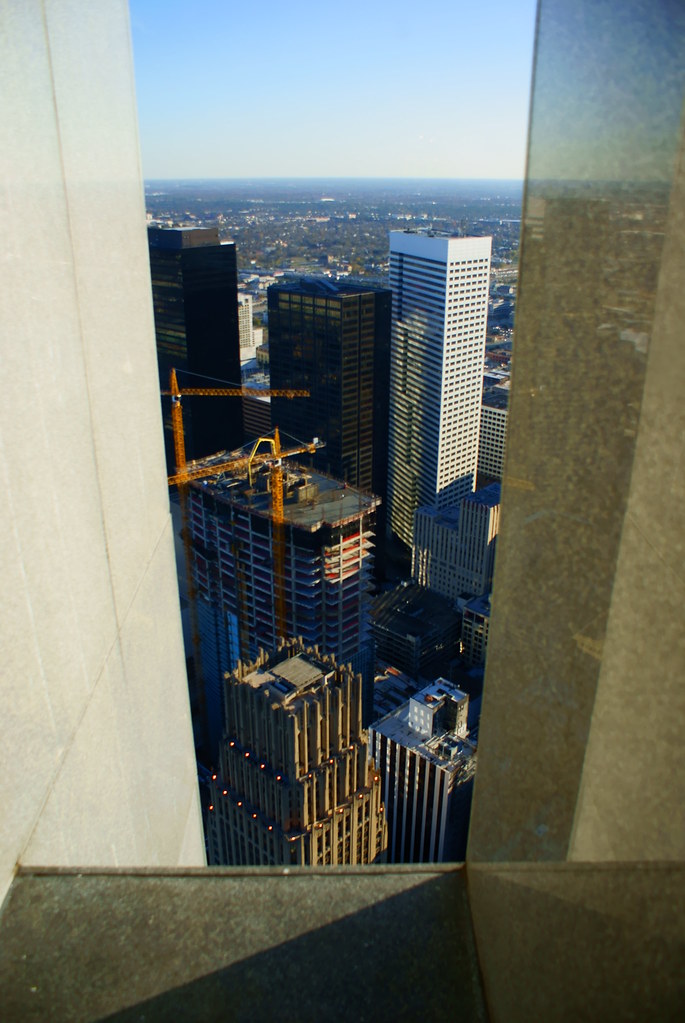
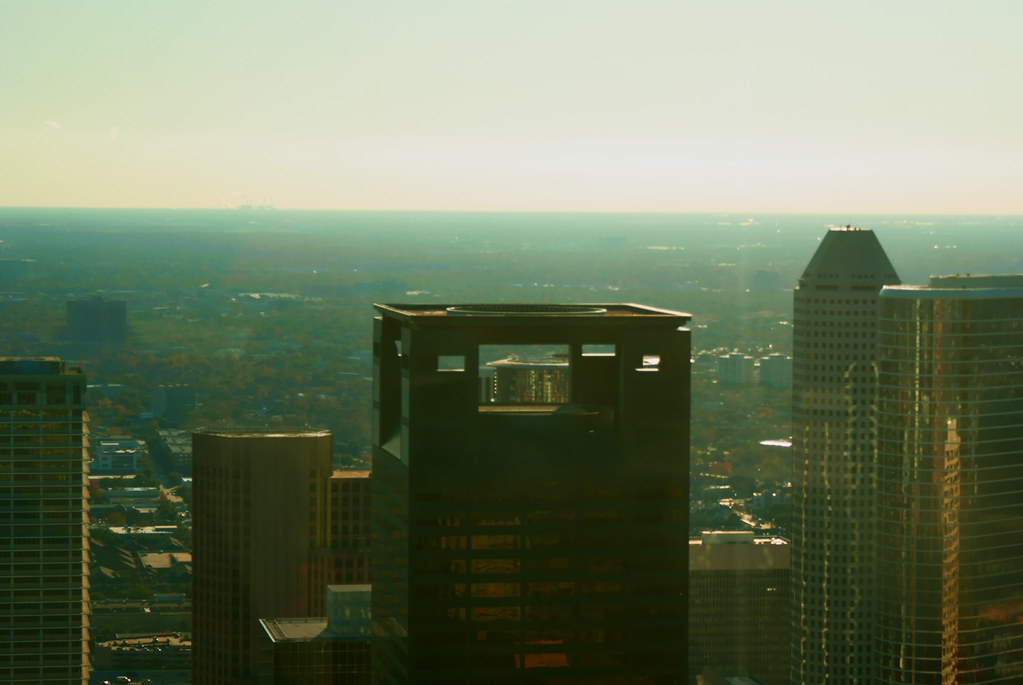
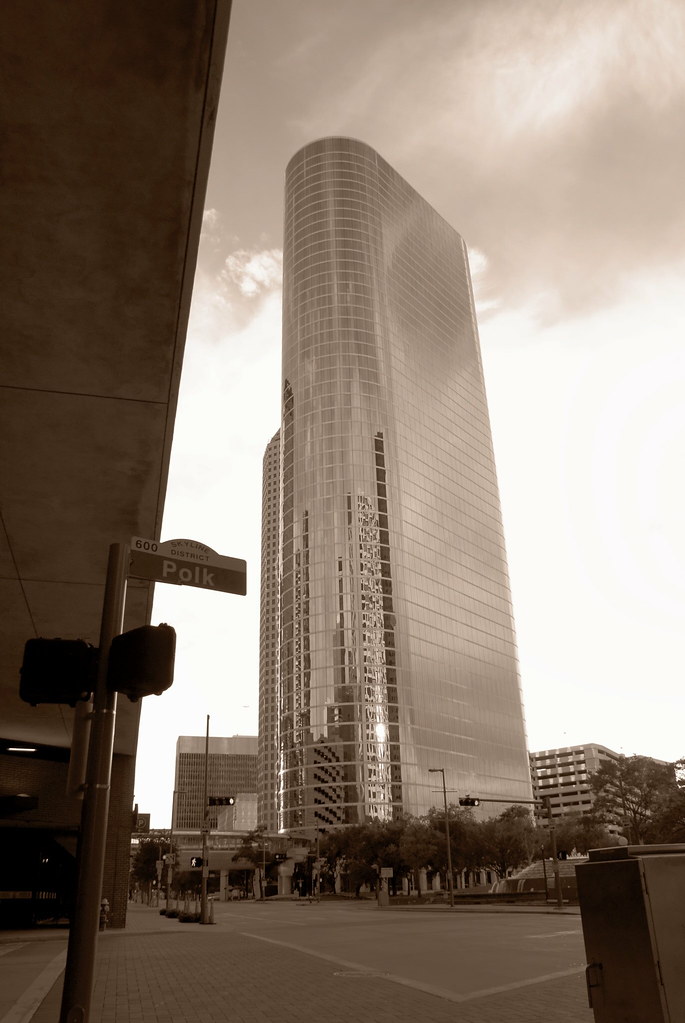
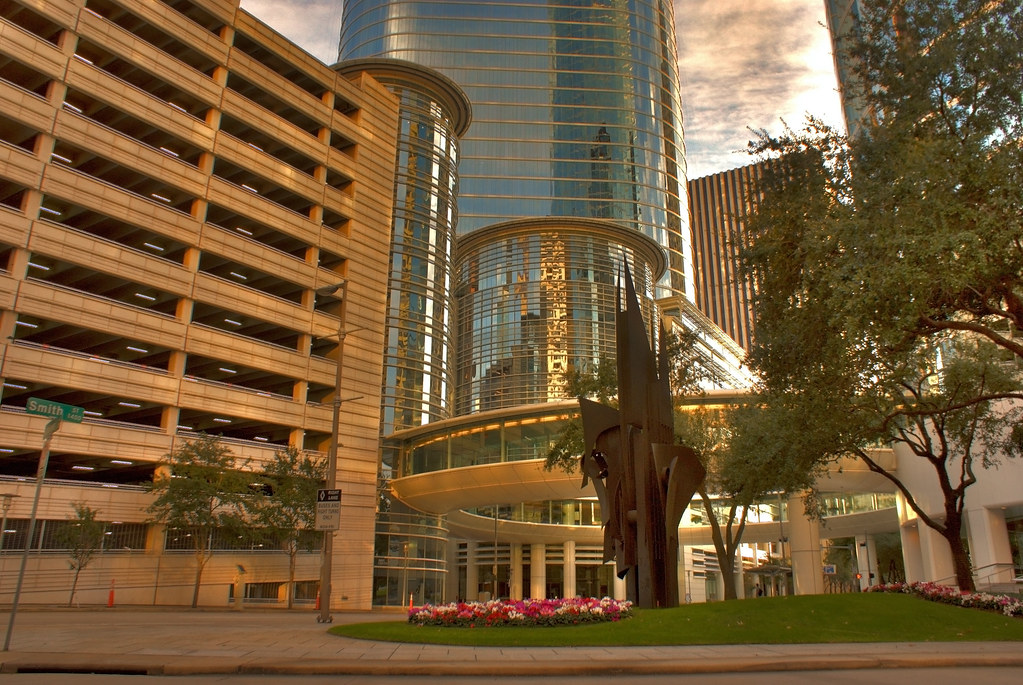
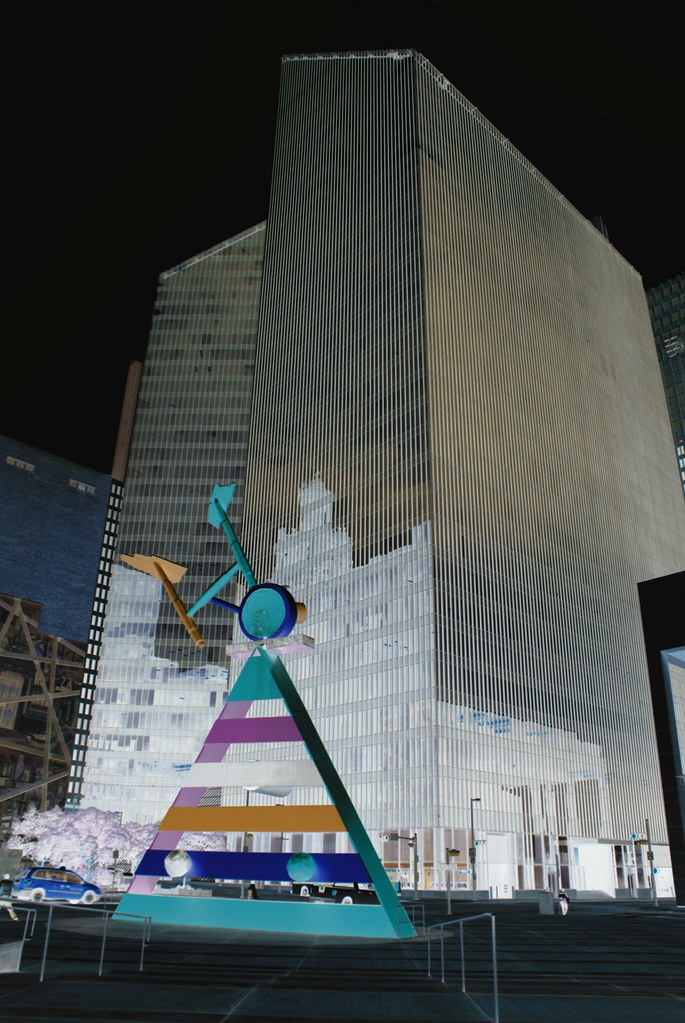
  • Diskojoe’s Houston Showcase

    I plan to periodically update this thread. These are photos from various places around Houston.

    We’ll start with a few from by my home.

    now a few from downtown

  • VIDEO: Google Nexus One Unboxing

    Noah unboxes the HTC-made Google Nexus One. Nexus One is the first Android 2.1 phone, and the first phone to be sold through google.com/phones. It also features the Qualcomm Snapdragon processor.


  • Robert the Doll

    Key West, Florida | Museums and Collections

    Robert Eugene Otto — or Gene, as his family called him — was just a young boy in the early 1900s when his family’s maid gave him a strange, straw-filled doll to play with. Gene loved his life-sized doll and brought it along everywhere, even naming it “Robert” after himself. It wasn’t long, however, before people began noticing signs of Robert the Doll’s evil and mischievous nature.

    As rumor has it, the Ottos and their servants would often hear Gene in his bedroom, having conversations with himself in two entirely different voices. Furthermore, the Ottos would wake up in the middle of the night to Gene’s screaming, only to find the frightened boy in bed, surrounded by overturned furniture. Gene would blame Robert the Doll for messing up the bedroom, while Robert would glare at Gene from the foot of the bed.

    Soon after, mutilated toys and mysterious happenings would appear in the home, only to have Gene proclaim each time: “Robert did it!”. Though the Ottos didn’t quite believe Gene, it was reported that they could hear the eerie sound of Robert giggling around the house, and passersby even claimed to see a small doll moving from window to window. Robert was eventually moved to the attic, where he remained for a number of years.

    Gene inherited his family’s Key West mansion after his parents passed, at which time Robert the Doll returned to his old bedroom, Gene’s turret room on the second floor. By then, Gene had been working as an artist, and local folklore insists that Gene would spend his days alone in his mansion, painting with his old friend Robert.

    Gene eventually married and many tales of his wife’s disdain for Robert arose. Conflicting rumors surfaced, some alleging that Gene’s wife died from “insanity” after locking Robert in the attic, while others report that Gene died with Robert by his side. Today, Gene’s residence operates as a bed and breakfast called the Artist House, and visitors can even stay in the old turret bedroom.

    Robert the Doll now lives at the Fort East Martello Museum in Key West, Florida, where some believe his hair color — and soul — are both slowly fading. Visitor beware, though, as Robert’s current favorite mischievous act involves casting curses on those who take his photo without first asking permission. To date, the walls near his glass case are covered in numerous letters from previous visitors and naysayers, begging for Robert’s forgiveness and asking him to remove any hex he has cast.

  • Primeiras imagens: Chevrolet Aveo RS Concept

    chevrolet

    Aproveitando os embalos do Salão de Detroit, a Chevrolet resolveu apresentar seu novo modelo o AVeo RS Concept.

    Segundo a própria marca, o modelo foi inspirado do Chevrolet Spark e a versão que irá ser apresentada no Salão de Detroit não será a ultima e sim a que será mostrada no Salão de Paris.

    O modelo deverá ser comercializado a partir de 2011 no mercado americano, e deverá disputar mercado com o Ford Fiesta.

    De baixo do capô o modelo conta com o mesmo motor do Cruze, que é o motor de 1.4 litros Ecotec que rende 138 cavalos de potencia, acompanhando com um cambio manual de 6 velocidades.

    Fonte: Motor Pasion


  • Land Vertibrates Have Longer History Than Previously Thought, Says New Study

    According to studies conducted by paleontologists over the years into fossils and bones belonging to historic vertebrates such as amphibians, reptiles, birds and mammals, a rough timeline as to when they evolved from sea to land had been established.

    Read more of this story »


  • HANGAR – Centro de Convenções e Feiras da Amazônia

    Hangar inspira nova fachada

    Transformado em espaço para feiras e eventos, o hangar da década de 1950, pertencente ao parque da Aeronáutica, foi ampliado e totalmente remodelado, ganhou um novo bloco e inspirou a criação de um sistema especial de fachada-cortina, batizado de Fachada Hangar.

    Subutilizado, por não mais permitir o pouso de aeronaves para manutenção, o antigo hangar, na capital do Pará, estava fadado a se transformar em uma extensa área abandonada e decadente. Mas a Secretaria da Cultura estadual decidiu preservá-lo e utilizar a qualidade de sua estrutura metálica e suas características arquitetônicas como pontos de partida para a linguagem conceitual do novo projeto, que passou a abrigar o Centro de Convenções e Feiras da Amazônia, inaugurado em maio de 2007.


    O projeto preservou a estrutura metálica do antigo edifício


    Fachadas frontal e lateral do hangar 1

    O grande vão livre, de 50 x 100 metros, e o pé-direito, que nos pontos mais altos alcançava 20 metros, indicaram o potencial de aproveitamento da edificação. À antiga estrutura metálica foram agregados reforços, ampliações e adaptações. O hangar teve sua área aumentada em três vezes, mantendo-se o seu sistema construtivo metálico, e foi implantada uma segunda edificação, com estrutura de concreto protendido e cobertura metálica, informa o arquiteto Gustavo Leão, que participou da equipe de arquitetos da Secretaria da Cultura, sob a coordenação do arquiteto Paulo Chaves Fernandes, autor do projeto e, na época, também titular da pasta.

    Basicamente, o projeto compõe-se dos dois grandes galpões (hangares 1 e 2), um setor de transição entre eles e uma passarela de serviço. No total, são 24 mil metros quadrados construídos e 48.816 metros quadrados urbanizados. No térreo do pavilhão principal, o hangar 1, ficam a área para feiras e exposições e infra-estrutura de apoio. Com cerca de 6,1 mil metros quadrados e pé-direito variando entre seis e 20 metros, o espaço reservado para feiras é circundado por uma passarela metálica suspensa, que facilita a manutenção e proporciona ao visitante uma visão ampla do conjunto. No pavimento superior estão 12 salas de múltiplo uso, salas para reuniões, secretaria e central de comunicação com o cliente.

    No térreo do hangar 2 estão a praça de alimentação, restaurante, sanitários, administração do complexo e pátio de carga e descarga. O andar superior abriga foyer, com 770 metros quadrados, e um auditório modulável de 1.879 metros quadrados, com capacidade máxima para 2.084 lugares, podendo ser dividido em até oito módulos/auditórios, para 215 pessoas cada um.


    Fachadas frontal e lateral do hangar 1

    Os vidros utilizados são refletivos de alto desempenho

    Fachada Hangar

    Para a execução da obra foi criado o Consórcio do Hangar, formado pelas empresas Paulitec Construções e Construbase Engenharia. Com as novas funções, a estrutura do hangar 1 teve que ser reforçada para atender às solicitações de cargas de vento, obedecendo a projetos específicos encomendados pelo consórcio e analisados pela empresa RCM Estruturas Metálicas, contratada do Grupo Galtier. Este assumiu, sob a coordenação do engenheiro Guilherme Cerqueira, o projeto executivo para a construção das fachadas e das abóbadas envidraçadas da cobertura. O grupo representa, no Brasil, a Glaverbel, fabricante belga dos vidros utilizados na obra.

    Atendendo às exigências do projeto arquitetônico, a RCM projetou estruturas auxiliares leves atirantadas. Para fixação dos vidros, o arquiteto e consultor do projeto Paulo Duarte, da PCD Consultores, partiu de um conceito segundo o qual eles deveriam ser o mais leve possível, aproveitando o suporte daquelas estruturas.

    Esse conceito evoluiu para um sistema de fachada-cortina desenvolvido pela Alumínio Brasil e batizado de Fachada Hangar. Segundo Luiz Carlos Santos, diretor da empresa, o consultor queria um sistema que fosse rápido para montar e sugeriu que os montantes já incorporassem os ganchos de ancoragem, o que levou ao uso, em toda a fachada externa, de um único tipo de perfil. Trata-se de uma peça que é, ao mesmo tempo, a coluna, a folha, o montante e o gancho de ancoragem. “O que fizemos foi um perfil que já incorpora o gancho através de uma usinagem. É a primeira vez que esta solução é utilizada”, afirma Santos.

    O projeto das fachadas também tirou partido da resistência das estruturas metálicas, propondo um sistema unitizado com perfis esbeltos que atendessem às especificações de cargas de ventos. Toda a pressão da fachada foi transportada para a estrutura metálica, reduzindo, com isso, a quantidade de alumínio e a profundidade das colunas. “O peso estimado da obra por outras empresas era de 28 toneladas de alumínio, mas nós fechamos com apenas 12 toneladas”, destaca Santos. Segundo ele, a redução de material e, conseqüentemente, de custo deu-se graças a um estudo que encontrou a solução técnica ideal para as exigências da arquitetura. Os arquitetos queriam pouco alumínio à vista e que tudo fosse o mais simples possível, mas com grandes vãos – tanto que alguns quadros de vidro chegam a ter 2,5 x 4,5 metros de dimensão e peso de 500 quilos.

    A vedação do sistema recebeu gaxetas de silicone, que se encaixam e se conformam, mesmo que as fachadas variem de medida. Além disso, essas gaxetas possibilitaram a obtenção de juntas externas pequenas, de 12 a 13 milímetros, outra exigência dos arquitetos.

    Desafios na montagem

    Segundo Luiz Carlos Santos, a instalação dos vidros do restaurante (hangar 2) impôs à equipe alguns desafios. Durante a fase final da obra, o lago que ocupa toda essa área e grande parte do local já estava cheio, dificultando o acesso e impedindo a montagem de andaimes. Além disso, o prédio possui um beiral metálico que avança um metro além do plano da fachada, não permitindo a aplicação direta dos vidros.

    Era necessário desenvolver um sistema que pudesse deslocar o vidro para o seu plano de instalação, sem que o beiral atrapalhasse. Foram feitas simulações em computador até encontrar a forma ideal – uma pequena estrutura encaixada no beiral, que mantinha o eixo de içamento com o eixo de gravidade do conjunto. Dessa maneira, o guindaste pôde içar todo o conjunto e descansá-lo sobre o trilho. Em seguida, foi feito o trabalho de instalação, pois o trilho e a talha permitiam os ajustes.


    Instalação de chapas de vidro


    Fachada frontal do hangar 2, com plano inclinado a 45 graus


    Peça metálica encaixada no beiral mantém o eixo de içamento
    com o eixo de gravidade do conjunto, para instalação dos vidros na área do restaurante


    Circulação ganha luz natural através da cobertura de vidro

    Sistema simples e ágil

    Nas fachadas projetadas para a obra do centro de convenções, o gancho de ancoragem tem reentrâncias usinadas para pendurar os painéis de forma fácil, como se fosse um quadro na parede. Utilizou-se uma ancoragem a cada 700 milímetros de distância. Na seqüência vieram as regulagens de prumo, com parafusos de aço inoxidável, recobertos por uma espécie de bucha de náilon, para fazer o isolamento entre aço e alumínio. Parte do sistema de ancoragem, esses parafusos também ajudam a eliminar a vibração, caso ocorra movimentação da fachada. “Com isso, resolvemos 5 mil metros quadrados de fachada com um único tipo de perfil”, informa Luiz Carlos Santos, diretor da Alumínio Brasil.

    O sistema da Fachada Hangar é composto, ainda, por duas gaxetas: uma de EPDM, existente no encontro do perfil principal com o perfil de arremate, funcionando como uma presilha; a outra de silicone, no encontro entre dois quadros. Esta é bem flexível e seu desenho permite o ajuste perfeito no canal da junta entre os quadros, adaptando-se às movimentações da fachada, sem perder a eficácia de vedação.

    Desenvolvido em São Paulo, o projeto da Alumínio Brasil indicava como usinar, cortar, montar e instalar estruturas de alumínio e quadros de vidro. Os perfis foram produzidos pela Amplimatic, em São José dos Campos, e entregues ao Centro Industrial de Usinagem (CIU), em São Paulo, onde foram feitos todos os cortes e usinagens. Em seguida, as peças foram enviadas para Belém, onde uma equipe do Grupo Galtier organizou um galpão, fora da obra, para a montagem dos quadros e colagem dos vidros.

    Projeto dos vidros curvos

    A fachada frontal do hangar 1 tem 51 metros na maior largura, 17 metros na maior altura e área envidraçada de aproximadamente 2,4 mil metros quadrados. Nas fachadas do hangar 2, com 60 metros de frente, 11 metros de altura no beiral (calha) e 21 metros de altura no ponto máximo do arco do telhado, o vidro tem inclinação de 45 graus. Na cobertura em duas águas do hangar 1 há duas abóbadas que somam cerca de 950 metros quadrados – o que representa 13% da área total da cobertura, que é de cerca de 7,3 mil metros quadrados -, com vidros curvos laminados na cor verde, semitemperados. Esse plano de vidro permite a transmissão de luz natural para a área de feiras e eventos. Telhas metálicas termoacústicas do tipo sanduíche, com miolo de poliuretano expandido, contribuíram, igualmente, para a redução de carga térmica e acústica.


    Cobertura de vidro e detalhes dos dutos de refrigeração e difusores


    Cobertura de vidro e detalhes dos dutos de refrigeração e difusores

    O envidraçamento dessas abóbadas exigiu o curvamento de 432 peças de laminados Sunergy, com 12 milímetros de espessura, num raio externo de 5,60 metros, comprimento de arco de 2,35 metros e com medida da geratriz de 2,48 metros. Esses vidros foram laminados e curvados na Itália, com precisão extrema, permitindo a perfeita montagem sobre a estrutura em arcos tensionados com tirantes de aço, projetados pela RCM. Cada um deles pesou 173 quilos e seu transporte para a posição final chegou à altura de 20 metros.

    O consultor Paulo Duarte projetou, para a fixação desses elementos, um sistema baseado em perfis do tipo C em alumínio, que formaram caixilhos com dois lados calandrados, acompanhando a curvatura da estrutura metálica e dos vidros. Duarte foi também o responsável pela determinação das dimensões exatas em milímetros desses vidros curvos.

    Instalação

    O hangar 1 tem área envidraçada com Sunergy Green 66.1 de 1.675,30 metros quadrados. Além disso, seus acessos principais são compostos pelo sistema spider glass, com vidro laminado e temperado, perfazendo um total de aproximadamente 500 metros quadrados. As clarabóias são formadas por grandes painéis de 2.500 x 2.327 milímetros em vidro curvo laminado e temperado, instalados à altura média de 18,50 metros – o que tornou a operação mais complexa, levando-se em consideração o peso de cada peça e os inúmeros riscos envolvidos neste caso.

    Na área de circulação há dois grandes panos de vidro em Sunergy Green 66.1, pé-direito duplo de 7,95 metros, e uma clarabóia em vidro plano do mesmo tipo, com 75,84 metros quadrados. Os caixilhos foram instalados em um sistema atirantado de tubos e vergalhões de aço pintados, conforme o padrão da obra.

    O hangar 2, seguindo o mesmo padrão proposto à área de circulação, tem grandes vãos com pé-direito duplo, perfazendo um total de 1.079,19 metros quadrados, com destaque para o restaurante, onde painéis de vidro Sunergy Green 66.1 de até 4.460 x 2.500 milímetros foram instalados em uma estrutura leve e arrojada de tubos e tirantes de aço. O processo de instalação ocorreu em situação extremamente complexa, devido ao ângulo exigido pelo projeto e a outros detalhes que acompanham a obra.

    O Sunergy faz parte do seleto grupo de vidros chamados de low-e, que apresentam a característica de refletir ou absorver grande parte da radiação infravermelha – ou seja, calor -, deixando passar um elevado percentual de luz visível, sem apresentar o forte efeito espelho, resultante da reflexão excessiva das radiações luminosas. “A utilização desse vidro anulou a necessidade de iluminação artificial durante o dia nos grandes vãos, oferecendo conforto térmico”, informa Cláudio Solon, diretor para a região Norte/Nordeste do Grupo Galtier.

    Da Bélgica para Belém, via Itália

    Importados da Glaverbel Bélgica e processados parte no Brasil (corte e lapidação dos laminados das fachadas) e parte na Itália (vidros curvos temperados e laminados, e fachada spider glass), os vidros utilizados na obra do Centro de Convenções e Feiras da Amazônia exigiram uma cuidadosa logística até chegar a Belém, no Norte do país. “Devido ao peso e à altura das chapas de vidro – de 3,21 x 5 metros – e às características específicas de transporte desse tipo de material, os contêineres somente puderam ser desembarcados em portos com condições especiais de movimentação, normalmente situados no Sudeste”, explica Cláudio Solon, diretor para a região Norte/Nordeste do Grupo Galtier.

    Os vidros saíram da Bélgica para o porto de Vitória, onde foram feitos os cortes, e depois seguiram para Belém, percorrendo 3.267 quilômetros de estradas. Para realizar os complexos cortes desse material, de acordo com o projeto, e entregar os panos de vidro na obra sem grandes perdas por quebra, desenvolveu-se um planejamento que envolveu terminais de descarga, caminhões rebaixados, mesas especiais de corte e sistemas de transporte verticais e horizontais. Devido aos riscos existentes no processo, decidiu-se adquirir uma segunda linha de corte, para que parte do material fosse processada em Belém.

    A singularidade do projeto também exigiu estudo específico para a montagem e instalação das fachadas, utilizando-se o que havia de mais moderno em termos de equipamentos, como ventosas importadas da Itália, guinchos e munks capazes de vencer grandes distâncias e alturas, além de outras ferramentas desenvolvidas especialmente para a obra. Os vidros adotados nas fachadas e clarabóias do centro de convenções têm características técnicas que permitem a rejeição de quase todo o calor, ao mesmo tempo em que deixam passar grande parte da luz natural. Mesmo assim, todo o conjunto deverá funcionar com 100% de climatização artificial, devido às elevadas temperaturas da região.

    Fonte- http://www.arcoweb.com.br/tecnologia…2-10-2007.html

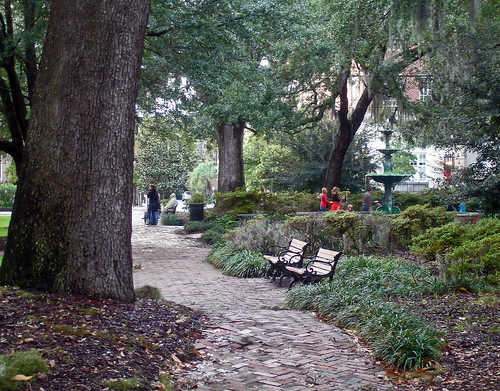
  • Savannah, GA, Christmas Day 2009

    Visited family near Savannah for Christmas and decided to take a brief excursion downtown.

    Historic Colonial Park Cemetary

    Cathedral of St. John the Baptist

    Lafayette Square

    Hamilton-Turner Inn

    Andrew Low House, home of Juliette Gordon Low, founder of the Girl Scouts of America

    Madison Square

    Monument of Revolutionary War hero, Sgt. William Jasper

    Green-Meldrim Mansion, which served as the lodging of choice for General William Tecumseh Sherman during his somewhat unwelcome stay in Savannah. From a desk in an upstairs bedroom, Sherman dictated a telegram to Abraham Lincoln, offering the city as an extravagant 1864 Christmas present.

    St. John’s Episcopal Church

    Pulaski Square

    Savannah College of Art and Design building

    Scottish Rite Temple

    Orleans Square

    Chippewa Square

  • Gardening by mail – where to start

    The Mailorder Gardening Association (MGA) should be your first stop if you’re interested in ordering your garden supplies by mail or just want to find the best online gardening resources.

    mailorder gardening association

    In case you haven’t heard of them, MGA pretty much rocks. MGA is the world’s largest nonprofit association of companies that sell garden products directly to consumers. You can find a wealth of information at MGA related to online gardening. Their biggest section is comprised of a huge assortment of mailorder gardening catalogs that you can search through by company name or by product type. You’ll find your favorite garden mail order catalogs here as well as many cool new catalogs you’ve never heard of – a great way to learn about new products and plants.

    They also have a very nice selection of email gardening newsletters to browse – which is great if you like getting free garden tips and coupons via email. Other perks at MGA include a glossary of gardening terms, zone maps, kids gardening info, smart online gardener shopper tips, and information about the winners of the annual MGA Green Thumb Awards.

    Visit the Mailorder Gardening Association to learn more.

    Post from: Blisstree

    Gardening by mail – where to start

  • Hear music the way you should with Monster (and a little help from Dr Dre and Sean “Diddy” Coombs)

    The individually numbered limited edition Miles Davis Tribute headphones feature a strikin...

    If you’re looking for new headphones the path to aural nirvana may be as close as one of the new models announced this week at the Consumer Electronics Show (CES). Monster, in conjunction with Dr Dre, Sean “Diddy” Coombs and Miles Davis Properties introduced the Diddy Beats, Beats Solo HD, Special Edition Beats Solo HD, Beats Spin, and Miles Davis Tribute.
    ..

    Tags: ,
    ,
    ,

    Related Articles:


  • BREAKING NEWS: BREAKNG NEWS: TOGO HAVE DECIDED TO STAY IN THE AFRICAN CUP OF NATIONS!

    http://www.google.com/hostednews/afp…jwY9Ht65d5tveQ

    Togo players decide to compete in African Nations Cup
    (AFP) – 38 minutes ago

    CABINDA, Angola — The Togo national football side will play in the African Nations Cup, one of the players Thomas Dossevi told AFP on Sunday, despite an earlier decision to pull out.

    "In memory of the dead, the national team has decided to play in the African Nations Cup," said Dossevi.

    The players had initially said they didn’t want to play in the tournament, and the government recalled the team, following Friday’s machine gun ambush by Cabinda separatists that killed an assistant coach and squad spokesman.

    "We are all heartbroken, it is no longer a party, but we want to show our national colours, our values and that we are men," he said.

    "It was a decision taken nearly unanimously by the team which met during the night after having been reassured by the Angolan authorities," Dossevi added.

    He said the team is "a bit bitter, we are a little disappointed with the Confederation of African Football (CAF)…which couldn’t arrange for a postponement of our first match so we could bury our dead."

    Dossevi, who plays for French side Nantes, was scathing about CAF.

    "CAF puts its interests first and not those of the countries," he said.

    "They did not support us enough."

  • It’s Electric!: Electric Cars Go on Sale This Year TNR.v. CZX.v, WLC.v, LI.v, RM.v, LMR.v, CLQ.v, SQM, FMC, ROC, AVL.to, RES.v, CCE.v, QUC.v, AONE, F

    We wholeheartedly agree with the President and his support for the Clean Energy. Electric Cars will be the important part of the economic and social solution of the dire economic situation. With every marketing dollar spent by GM and Nissan on promotion of Electric Cars our EVs mass market is closer. It is time for market education and Detroit will bring spotlight to the Green Mobility.


    NYTimes.com:

    (AP) — Electric cars have long been more of an idea than a reality. They’ve been hailed as the future of driving yet they’re hard to find on car dealership lots. This year, that will change.
    By THE ASSOCIATED PRESS
    Published: January 6, 2010
    Filed at 5:50 p.m. ET
    WASHINGTON (AP) — Electric cars have long been more of an idea than a reality. They’ve been hailed as the future of driving yet they’re hard to find on car dealership lots. This year, that will change.
    Several big automakers plan to start introducing a range of electric vehicles in late 2010, giving the broader public its first chance to buy the vehicles that rely more on the electrical outlet than the gas pump. In the next several years, most major car companies plan to release vehicles that use electricity to get around.
    But buying an electric vehicle isn’t like purchasing a gas-powered car.
    The big draw for many buyers is the chance to stop burning gas and drive a more environmentally-friendly car. But figuring out the fuel efficiency of electric cars isn’t easy. Instead of keeping an eye on just gas prices, buyers will have to know how much they pay for electricity to charge the car. Away from home, finding a place to plug in could be difficult. Drivers will also have to figure out if a vehicle that could run out of power after 100 miles is right for them.
    So what are some of the factors you should take into account if you’re thinking about buying an electric car in the next several years? The following are some important questions and answers to consider:
    Q: What type of electric vehicles will be available in 2010?
    A: There is a fairly wide range coming onto the market. Vehicles like Nissan’s Leaf are purely electric, using just a rechargeable battery for power. The Chevrolet Volt, made by General Motors, also has a battery but includes a small gas-powered engine that creates electricity when the battery charge runs out after 40 miles. Other models are plug-in hybrids with engines that get power from both batteries and gas. But the common feature is that the vehicles can be recharged using a power cord and a plug.
    Q: When will electric vehicles be available in the United States?
    A: It varies by manufacturer. The Volt will be sold in limited numbers starting in November. GM says it will first sell the Volt in California and other undisclosed markets. Nissan plans to sell the Leaf all-electric vehicle in mostly West Coast markets starting in December. Fisker Automotive, a niche electric car company, plans to deliver its sports car Karma to dealers in the third quarter. But you may have to wait: Most automakers plan small initial production this year and in early 2011.
    Q: How much will they cost?
    A: Prices haven’t been made public yet, but the Volt is expected to cost around $40,000 and the Leaf $30,000. Luxury models like Karma and Tesla Motors’ Roadster can cost up to $100,000. But electric vehicle buyers will get a $7,500 federal tax credit this year. It’s still unclear is how comprehensive the warranties will be.
    Q: How do I figure out the fuel efficiency?
    A: That could be difficult. Price stickers for a gas vehicle includes the number of miles it can travel on one gallon. But with Nissan’s Leaf, there is no gas involved. The Volt does have a gas engine, but it isn’t always in use. If you travel less than 40 miles per day — the maximum range of the Volt’s battery — you may never end up using gas.
    The Environmental Protection Agency, which sets standards for fuel efficiency, is still developing final guidelines for electric vehicles. GM said last year that the Volt can get 230 miles per gallon in city driving, an estimate based on draft EPA guidelines for electric vehicles.
    But that figure has been criticized as misleading, since the Volt would get much lower mileage depending on how far you drive after the 40-mile battery range is used up and the gas motor kicks in. Environmental groups think the source of the electricity — often power plants that burn coal or natural gas — should also be publicized.
    One way to judge how much it will cost you to run the car is to look at electricity prices. GM estimates a $1 per day cost to fully charge the Volt. But keep in mind that prices for electricity vary significantly depending on the time of day.
    Q: Can I just plug an electric vehicle into an outlet at home?
    A: Yes, but you may want to figure out what kind of outlets you have. If you hook your electric car up to a 110-volt plug that is common in many houses, it could take a fairly long time to recharge the battery. Using a 220-volt plug could cut that time in half. An electrician may have to install special charging equipment at your home for some electric models.
    You’ll need to consider how easy it would be to find an outlet. If you don’t have a garage, or park on the street in a city, it may be hard to power up overnight.
    Q: How will electric vehicles perform?
    A: Manufacturers say the power of the electric vehicles should be similar to their gas-powered cousins. But most aren’t muscle cars. The Leaf, for example, has about as much horsepower as Nissan’s subcompact brands and tops out at 90 miles per hour.
    Q: Is this the right type of vehicle for me?
    A: That is a key question to ask before you buy an electric car. Many are targeted to urban and suburban drivers who take relatively short trips each day. If you do a lot of highway driving or have a long commute, you could easily outdistance the range of the batteries. You’ll need to have access to places to plug the car in. In some West Coast cities, there are public recharging stations, but the infrastructure so far is fairly limited.
    It may take a while to work out the kinks on the new technology, so buyers this year and next may run into problems that will be fixed on later models. And keep in mind that nobody really knows yet how well these cars will sell — GM scrapped a similar attempt to mass market electric cars in the late 1990s, deeming it an unprofitable venture.”