Blog

  • Israel Cleantech Fund II Closes at $74 Mln

    Israel Cleantech Ventures said Wednesday it has closed its second fund with just above $74 million in commitments. Investors include institutional investors, multi-national corporations and family offices. The fund will invest in Israeli based or Israel related high growth, clean technology, early and growth stage companies.

    PRESS RELASE

    Israel Cleantech Ventures (ICV) today announced the final closing of its second fund with just above $74 million in commitments. Having raised its debut fund in 2007, ICV now has approximately $150 million under management.

    ICV’s second fund has attracted an impressive list of new limited partners, including institutional investors, multi-national corporations and family offices. Many of its existing LPs also re-upped from the previous fund.

    The fund is managed by partners Jack Levy, Meir Ukeles and Glen Schwaber working together with a team of venture partners – all industry veterans – led by Arnon Goldfarb, with nearly two decades of experience at Israel Chemicals and five years as CEO of a leading water infrastructure company. This very same team has been together since ICV was established and has provided consistently stable fund management.

    The firm will continue its strategy of investing in Israeli based or Israel related high growth, clean technology, early and growth stage companies. To date, it has invested in 15 companies and seeks opportunities across diverse cleantech sectors including clean materials, wastewater treatment, alternative energy generation, energy storage & efficiency, green building, smart grid, process efficiency technologies and sustainable agriculture.

    “With the successful raising of our second fund, ICV has further solidified its position as Israel’s leading specialist cleantech fund and we are able to take advantage of the ever-strengthening cleantech dealflow emanating from this country,” said Glen Schwaber, general partner of Israel Cleantech Ventures. “Our goal is to see all the relevant deal flow in Israel and to seek out the strongest entrepreneurs, with great technology, innovative business models and high-growth market opportunities. We will continue our strategy of working closely with our entrepreneurs to provide the support necessary and to add value, from the time we invest through the life of the company.”

    Meir Ukeles, co-founder and general partner continued; “Our expanded and diversified investor base in ICV II reflects our strong market presence, with investors seeking a trusted partner to look at the innovation coming out of Israel’s cleantech sector and its potential to meet global market demands and current technological challenges. When we first started out in 2006, our database held approximately 120 companies mostly in seed and early stage and there was effectively no VC money available for cleantech in Israel. Fast forward to today and dozens of global funds have invested in approximately 150 deals in Israel and our database now holds over 1,300 opportunities. We look forward to building a strong portfolio for our second fund in the coming years.”

    Rob Day, Partner at Black Coral Capital, an investor in both ICV funds stated; “Cleantech venture capital has legitimately taken some hard knocks over the past few years. For ICV to successfully raise a second fund in this environment is a testament to the ultimate promise of their portfolio and the strength of their team. Our current energy/resource scheme is unsustainable. Entrepreneurs smart enough to develop solutions to solve this problem and venture capitalists smart and risk-loving enough to back them will end up making phenomenal financial returns. We believe ICV is exceptionally well-placed to capitalize on the Israeli cleantech opportunity.”

    About Israel Cleantech Ventures

    Established in 2006, Israel Cleantech Ventures (ICV) is the leading venture capital firm dedicated to providing value added growth capital to exceptional entrepreneurs building Israel’s energy, water and environmental technology leaders. ICV currently manages $150M in two funds, has completed 15 investments and seeks opportunities across diverse cleantech sectors, including clean materials, wastewater treatment, alternative energy generation, energy storage & efficiency, green building, smart grid, process efficiency technologies, sustainable agriculture and in technologies that enable existing industries to work in a more efficient and environmentally friendly manner.

    ICV’s investment professionals combine industry expertise gained through decades in senior management positions at Israel’s outstanding cleantech companies, with proven abilities in identifying, investing in and supporting VC-backed companies.

    ICV funds are backed by leading institutional investors, multi-national corporations and family offices in Europe, the US and Israel.

  • UCLA findings buck conventional wisdom about how stress-response protein works

    UCLA researchers, in a finding that runs counter to conventional wisdom, have discovered for the first time that a gene thought to express a stress-response protein in all cells that come under stress instead expresses the protein only in specific cell types.
     
    The research team, from the Jules Stein Eye Institute at UCLA and the UCLA Division of Pulmonary and Critical Care Medicine, focused on αB-Crystallin, one of a class of molecules known as heat shock proteins, which are involved in the folding and unfolding of other proteins, helping them recover from stress so they can do their job.
     
    The expression of heat shock proteins is increased when cells are exposed to taxing environmental conditions, such as infection, inflammation, exercise, exposure to toxins and other stressors.
     
    The heat shock protein αB-Crystallin may be associated with certain cancers and could be developed into a biomarker to monitor for diseases such as multiple sclerosis, age-related macular degeneration, heart-muscle degeneration and clouding of the eye lens. Any discoveries about how this protein is regulated and its molecular biology may reveal potential targets for novel therapies, said the study’s first author, Zhe Jing, a research associate in the UCLA Division of Pulmonary and Critical Care Medicine.
     
    “If you use a certain cell type, this protein can be induced when the cells are stressed, but that doesn’t happen in a different cell type,” Jing said. “This novel finding does conflict with what has been thought — that this protein could be induced in any cell type.”
     
    The findings of the two-year study are published in the current issue of the journal Cell Stress and Chaperones, a peer-reviewed journal for research on cell stress response.
     
    The UCLA team did the study using four cell lines — two epithelial cells lines and two fibroblast cells lines. They found that αB-Crystallin cannot be induced by stress in epithelial cells, in which 80 percent of cancers arise. It can, however, be induced in fibroblasts, which make up muscle tissue.
     
    Heat shock transcription factors activate the genes that control the expression of heat shock proteins in cells. In the past, data had indicated that any heat shock factor could control the expression of αB-Crystallin randomly and equally.
     
    However, in the most significant finding from this investigation, researchers discovered that in certain cell types, only one specific heat shock factor controls the expression of αB-Crystallin. For example, in the epithelial cell lines, it is heat shock factor 4 (HSF4), while a different heat shock factor, HSF1, plays this role in the fibroblast cells lines.
     
    Jing’s findings strongly suggest that αB-Crystallin’s “preference” for certain heat shock factors in certain cells may be related to its role in various diseases.
     
    “Considering the multiple roles of αB-Crystallin in so many diseases, the access of the HSF1 and HSF4 to the αB-Crystallin gene dictated by the certain cell type may be what is helping to cause certain diseases,” Jing said. “If we can uncover the cascade of events that result in disease, we may be able to come up with strategies to block or interrupt that cascade.”
     
    Going forward, Jing and the research team will validate what they found in this study by examining single cells, which provides a greater challenge but may lead to further discoveries.
     
    The research was funded by the National Institutes of Health.
     
    For more news, visit the UCLA Newsroom and follow us on Twitter.

  • Google Adds New Measurement Features To AdWords For Video

    Google announced the launch of several new measurement features for AdWords for Video designed to bring some consistency among video ad reporting and other forms of media.

    One of the features is Reach & Frequency reporting. AdWords For Video will now show you reach and frequency metrics in the campaign reporting interface.

    “These metrics give you more insight into how many unique viewers have seen your ad and the average number of times they’ve seen it, helping you better measure against other media such as TV,” says YouTube product manager David Tattersall. “To view these metrics on a campaign, ad or targeting group level, just click on Columns >> Customize Columns and look under the Performance section.”

    AdWords For Video measurement

    There’s also a new Column Sets feature, which groups metrics by marketing objective. If you select Branding, you can see how broadly a video has been viewed, with unique viewer average view frequency and average impression frequency data. If you choose Website Traffic and Conversions, you can see website traffic, number of conversions, cost-per-conversion and conversion rate. If you select Audience, you can see follow-on subscribers and follow-on views. If you pick Views, you can see follow-on views and unique viewers.

    There’s also a new GeoMap feature if you click “Map View”.

  • Office 2013 and 365 make inauspicious Windows Store debuts

    In case you have not yet had your fill of Microsoft Office news then here is one more tidbit for you. The productivity suite, which launched yesterday, is now available in the Windows Store, which is really the Windows 8 Store, since it is not available on any other platform. Before you get too excited, let me temper your enthusiasm.

    Yes, we already knew there was not going to be a “Modern UI” version of the latest Office — known collectively, and confusingly, as Office 2013/Office 365/Office 15. Still, the debut in the Windows Store strikes one as an especially lame attempt. You see, FINDING the app in the store, does not mean you can GET it in the store.

    Once you actually locate the app (not any easy process), you are rewarded with a link that auto-switches you to the Desktop and opens a browser tab to the Office purchase page. Seriously. These days it is all about ease of use, and this is NOT it. Clicking a link and expecting to get an app, only to be suddenly whisked away to another location on your computer is not my idea of user-friendly. Microsoft did not think this one through, and the price is a bad experience for customers.

    Well, I suppose the good news is that the suite is listed in the Store. However, the company could not have made the process of getting it any crazier if it tried. Yesterday, all of this looked promising. I thought that Microsoft had done Office right. But I was too quick to judge, because it was only a matter of time before it would flub something.

  • Parthenon Invests in Envysion

    Parthenon Capital Partners has made an investment in Envysion. Financial terms weren’t announced. Louisville, Colo.-based Envysion provides managed video surveillance as a service for QSR, retail, wireless, convenience store and cinema customers.

    PRESS RELEASE

    Parthenon Capital Partners (“Parthenon”), a growth oriented private equity firm with offices in San Francisco and Boston, announced today that it completed an investment in Envysion, a leading provider of managed video surveillance as a service (“MVaaS”) for QSR, retail, wireless, convenience store and cinema customers. Proceeds from the transaction will be used to provide growth capital for the Company and to provide liquidity to certain shareholders.

    Envysion is led by Chief Executive Officer, Matt Steinfort, who, with his highly accomplished team, has developed a cloud-based MVaaS solution providing powerful video-based business intelligence solutions to numerous retail end-markets. Mr. Steinfort, who co-invested alongside Parthenon in the transaction, said, “Since we first met the Parthenon team over a year ago, we have been consistently impressed with their deep understanding of our industry. They have dedicated significant time researching the industry and have come into the investment with a compelling thesis developed over that period. We have worked closely with the Parthenon team over the past year to develop a shared vision to continue the growth and innovation that has made Envysion an industry leader. We are confident that the resources and experience that Parthenon brings to the investment make it the right partner to help Envysion reach its full potential.”

    “We are thrilled to partner with Matt and the Envysion team,” said Andrew Dodson, Partner at Parthenon Capital Partners. “Having spent years in and around the security and video surveillance industries, we believe that video-driven business intelligence is revolutionizing how owners and operators manage retail and restaurant locations. With better access to broadband and affordable data storage, operators can utilize cloud-based solutions like Envysion’s to dramatically enhance their loss prevention efforts and improve operational efficiency by combining analytics with video. We believe Envysion is the clear industry leader providing these capabilities.”

    Headquartered in Louisville, CO, Envysion was founded in 2006 with the goal to provide sophisticated managed video surveillance solutions to customers who needed an easy-to-use solution to enhance their business intelligence capabilities and provide insight into their retail operations. Today, the Company’s solution is deployed in thousands of retail locations across the United States and Canada and has been proven to drive meaningful profitability improvements and prevent millions of dollars in potential losses.

    David Ament, a Managing Partner at Parthenon, added, “Since its founding, Envysion has partnered with some of the largest, most sophisticated operators within the retail, restaurant and cinema industries. By providing these customers with powerful, easy-to-use, cloud-based solutions, Envysion has substantially increased the profitability of these customers, reduced losses, increased operational efficiency, and driven the effectiveness of marketing campaigns. Parthenon is excited to partner with the Envysion team to build upon its track record of growth and lead the industry into its next phase of expansion.”

    ABOUT ENVYSION

    Envysion enables large, national retail, restaurant, cinema and convenience store operators to increase profitability 10-15% by putting easy-to-use, video-driven business intelligenceTM into the hands of the entire organization. Envysion created the Managed Video as a Service (MVaaS) model which transforms video surveillance into a strategic management tool that provides instant and unfiltered business insights to users across operations, loss prevention, marketing and human resources. The MVaaS model enables Envysion to accelerate innovation by rapidly responding to market opportunities and making new capabilities immediately available to all users. Envysion’s platform quickly scales to 1,000s of locations and 10,000s of users without straining the IT department or network. For more information about Envysion, please visit www.Envysion.com.

    ABOUT PARTHENON CAPITAL PARTNERS

    Parthenon Capital Partners is a leading mid-market private equity firm based in Boston and San Francisco. Parthenon utilizes niche industry expertise and a deep execution team to invest in growth companies in service industries. Parthenon seeks to be an active and aligned partner to management, either through recapitalization transactions or by backing new executives. Parthenon has particular expertise in business services, financial and insurance services and healthcare, but seeks any service, technology or delivery business with a strong value proposition and proprietary know-how. Parthenon’s investment team has deep experience in corporate strategy, capital markets and operations, enabling the firm to pursue complex, multi-faceted value creation opportunities. For more information, visit www.parthenoncapitalpartners.com.

  • Secret Stallone Tapes Destroyed After Abuse Allegations

    Sylvester Stallone had some secret taped discussions destroyed recently as part of a settlement agreement with his half-sister, Toni-Ann Filiti, who alleged in 1987 that he abused her. Filiti passed away last August.

    As part of the settlement, Stallone agreed to pay Filiti $16,666.66 a month and secure a $50,000 trust to pay her medical and psychiatric bills. Though Stallone adamantly denies ever harming his sister, he paid his end of the settlement and saw to it that the tapes were destroyed per their agreement.

    Stallone’s mother, Jackie, says that Toni-Ann was hooked on pills and needed money desperately, and that’s the real reason behind the lawsuit.

    “Sylvester caved in,” Jackie said. “It was a very serious thing: Toni-Ann blackmailed him. She threatened Sly, quite frankly. This was nothing more than a shakedown. There were too many conflicting stories… At the time [in 1987] he was very hot, and his lawyers said, ‘Give her something just to shut her up.’”

    Curiously, there was really no public mention of the lawsuit or the settlement when Filiti died last August of complications from lung cancer, though her son, Edd, did lash out at Stallone on Facebook. He later apologized.

  • Outdoor fast food ads could promote obesity, study finds

    Past studies have suggested a relationship between neighborhood characteristics and obesity, as well as a connection between obesity and advertisements on television and in magazines.
     
    Now, new research from UCLA has identified a possible link between outdoor food ads and a tendency to pack on pounds. The findings, researchers say, are not encouraging.
     
    In a study published online in the peer-reviewed journal BMC Public Health, Dr. Lenard Lesser and his colleagues suggest that the more outdoor advertisements promoting fast food and soft drinks there are in a given census tract, the higher the likelihood that the area’s residents are overweight.
     
    “Obesity is a significant health problem, so we need to know the factors that contribute to the overeating of processed food,” said Lesser, who conducted the research while a Robert Wood Johnson Foundation Clinical Scholar at the UCLA Department of Family Medicine and UCLA’s Fielding School of Public Health.
     
    “Previous research has found that fast food ads are more prevalent in low-income, minority areas, and laboratory studies have shown that marketing gets people to eat more,” said Lesser, now a research physician at the Palo Alto Medical Foundation Research Institute in California. “This is one of the first studies to suggest an association between outdoor advertising and obesity.”
     
    For the study, the researchers looked at two densely populated areas in Los Angeles and New Orleans, each with more than 2,000 people per square mile. They focused on more than 200 randomly selected census tracts from those two areas, which included a mixture of high- and low-income residents.
     
    They team used data on outdoor food advertising in those areas gleaned from a previous study on ads and alcohol consumption (which had tracked all the outdoor ads). They then linked that information with telephone-survey data from the same study, in which nearly 2,600 people between the ages of 18 and 98 from those areas were asked health-related questions in addition to questions about their height, weight, self-reported body mass index (BMI) and soda consumption.
     
    The researchers found a correlation: The higher the percentage of outdoor ads for food, the higher the odds of obesity in those areas.
     
    “For instance, in a typical census tract with about 5,000 people, if 30 percent of the outdoor ads were devoted to food, we would expect to find an additional 100 to 150 people who are obese, compared with a census tract without any food ads,” Lesser said.
     
    Given that the study focused on only two areas, the authors urge further research to determine if the findings would be replicated in other areas. Because the study was cross-sectional, the researchers do not claim that the ads caused the obesity. They also note that self-reported information about weight is subject to recall bias, and people often under-report their true weight.
     
    But this study suggests enough of a link between outdoor food advertising and “a modest, but clinically meaningful, increased likelihood of obesity” to warrant further examination, the researchers conclude.
     
    “If the … associations are confirmed by additional research, policy approaches may be important to reduce the amount of food advertising in urban areas,” the researchers write, while noting that outright bans on such ads might be deemed unconstitutional. “Innovative strategies, such as warning labels, counter-advertising, or a tax on obesogenic advertising should be tested as possible public health interventions for reducing the prevalence of obesity.”
     
    Frederick J. Zimmerman of UCLA and Deborah A. Cohen of the RAND Corp. co-authored this study, which was funded by the Robert Wood Johnson Foundation Clinical Scholars program.
      
    The UCLA Department of Family Medicine provides comprehensive primary care to entire families from newborns to seniors. It  provides low risk obstetrical services and prenatal and inpatient care at UCLA Medical Center Santa Monica, and outpatient care at the University Family Health Center in Santa Monica and the Mid-Valley Family Health Center, which is located in a Los Angeles County Health Center in Van Nuys, Calif. The department is also a leader in family medicine education, for both medical students and residents, and houses a significant research unit focusing on health care disparities among immigrant families and minority communities and other underserved populations in Los Angeles and California.
     
    The UCLA Fielding School of Public Health is dedicated to enhancing the public’s health by conducting innovative research; training future leaders and health professionals; translating research into policy and practice; and serving local, national and international communities.
     
    The Robert Wood Johnson Foundation Clinical Scholars program has fostered the development of physicians who are leading the transformation of health care in the United States through positions in academic medicine, public health and other leadership roles. Through the program, future leaders learn to conduct innovative research and work with communities, organizations, practitioners and policymakers on issues important to the health and well-being of all Americans. This program is supported, in part, through collaboration with the U.S. Department of Veterans Affairs.
     
    The RAND Corporation is a nonprofit institution that helps improve policy and decision-making through research and analysis.
     
    The Palo Alto Medical Foundation (PAMF) for Health Care, Research and Education is a not-for-profit health care organization that is a pioneer in the multispecialty group practice of medicine. PAMF’s 1,100 affiliated physicians and 4,300 employees serve approximately 800,000 patients at its medical centers and clinics in Alameda, San Mateo, Santa Clara and Santa Cruz counties AMF’s Research Institute is recognized nationally and internationally as a center of excellence in health care services, health policy, health promotion and outcomes research and training. It leverages its close connection with health care delivery and patient/community education arms, and the information resources, of PAMF to design, execute, and rigorously evaluate new models of health promotion and health care using state-of-the-art research methods.
     
    For more news, visit the UCLA Newsroom and follow us on Twitter.

  • Windows Phone 7.8 arrives, check your device NOW!

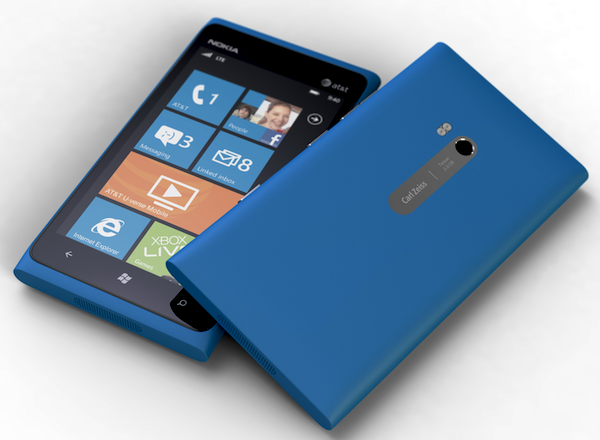
    If you’re one of the many jilted Windows Phone 7.5 users, your day has come. Version 7.8 is rolling out to Nokia phones as I write. “Notifications will begin to appear for Nokia Lumia 510, 610, 710, 800 and 900 owners with an unlocked phone or operator approved software during February”, company spokesperson Boc Ly says. “Simply connect your phone to your computer via Zune for PC, or the Windows Phone app for Mac, and follow the onscreen instructions”.

    The update is long overdue, and in many ways unsatisfactory. For example, Nokia Lumia 900 debuted on U.S. carriers in March 2011. Three months later, Microsoft announced Windows Phone 8 with a bombshell: None of the current devices would support the OS. None. Those phones would get Windows 7.8, which lacks many of the features that make 8 great, by comparison. In the annals of dumb product development moves, I have to rank this one highly. Loyal customers rush to a new platform only to be dissed for it — and people wonder about Windows Phone’s slow start?

    So what do you get for waiting?

    “As well as major system updates, there has been a stream of exciting new features introduced to Nokia Lumia”, Ly says. “These include Internet sharing, Bluetooth sharing, imaging enhancements like Camera Extras, and the release of apps such as Contact SharePlay To and Nokia City Lens that are available”.

    He touts other capabilities:

    With Windows Phone 7.8 installed, your Nokia Lumia gets even better. The Start screen experience is completely refreshed with the ability to re-size your tiles: small, medium and large. In addition, there are also new options available on your lock screen, such as having a daily background image from Bing; plus there’s improved pocket and child lock screen security. Plus, there is increased language support, meaning even more people get to enjoy Nokia Lumia. These new benefits, together with the new look Start screen, will make your Lumia feel like a brand new smartphone.

    There’s another baffling step backwards here that says much about Microsoft’s whole Windows Phone strategy. The 7.5 update dispatched to most WP devices, simultaneously stretched out over several weeks and independent of the interference so common among the carriers. Verizon Galaxy Nexus owners know this pain, being several Android updates behind on a flagship device that’s marketed as getting them right away. Google should never have let this happen, nor should Microsoft with Windows Phone. But watch out.

    “Delivery of the update is operator dependent, meaning you will receive a notification in the coming weeks if you have an unlocked phone or if your operator has approved the update”, Ly says. “If you don’t receive the update notification within the next three weeks, please contact your operator for more information”.

    That’s a step back from Microsoft’s position about Windows Phone updates when 7.5 dispatched in November 2011. The company promised them to all supported devices, regardless of carriers. But eight months later Microsoft unsupported all current devices for Windows Phone 8. Now, at least on Nokia handsets, carriers call the shots on 7.8 updates.

    Windows Phone 7.5 owners, are you satisfied with this?

  • How Malawi is improving a terrible maternal mortality rate through good design

    Butaro2

    A mother and baby in a sunny ward at Butaro Hospital. Photo: John Cary

    By Courtney E. Martin & John Cary

    Pregnancy is supposed to be about life. And yet, every day, 800 women across the globe die from preventable causes related to pregnancy and childbirth. In Malawi, which has one of the worst maternal mortality rates in the world, a shocking 1 in 36 pregnant women die rather than become proud mothers.

    But could this oversized problem be tackled through design? Malawi’s new president, Joyce Banda, certainly believes so.

    More and more, global health experts are teaming up with designers to tackle daunting challenges like food scarcity, water contamination and, yes, maternal mortality — be they environmental, product, or systems design challenges. David Kelley on human-centered designDavid Kelley on human-centered design Using what IDEO.org calls “human-centered design” — essentially putting the user at the center of a deeply iterative process — some of the most cutting-edge thinkers in public health are seeing old problems in new ways. Design is no longer just a tool of the global elite; it’s increasingly becoming a lever for the poorest, most vulnerable people in the world.

    Two activists with a deep-seated interest in how design can transform lives, we spent the first two weeks of the year doing fieldwork in Malawi. Despite the fact that it is considered one of the world’s least-developed countries, leaders in Malawi are looking to dignifying design. Banda, who came into office in April after her predecessor passed away, has pledged her precious time in office to emulating places like Rwanda, where human-centered design has improved the lot of many rural poor. Banda faces her first official election on May 19, 2014, giving added urgency to her efforts.

    The Aspen Institute’s Global Leadership Council on Reproductive Health coordinated our visit to the country, and is also marshaling resources and support Banda’s way. She is the second female president in Africa, following in the footsteps of Liberian Nobel Peace Prize winner, Ellen Johnson Sirleaf. (Watch Sirleaf’s Q&A on the TEDWomen stage in 2010.) The two are allies and perhaps symbols of a new dawn of women’s leadership on a continent that has long suffered from the corruption and violence.

    One of Banda’s first acts in office was to double-down on a Presidential Initiative on Maternal Health & Safe Motherhood, focused on reducing maternal mortality from its current rate to 115 or less per 100,000 live births. She aims to do this by 2015.

    Above, Michael Rosenblatt asks “How can we stop death during childbirth?” at TEDMed 2011.

    One idea to this end: getting more women to give birth in clinics staffed with health providers and equipped to handle complications. In countries like Malawi, women have historically given birth in their homes with traditional birth attendants. This can be extremely dangerous. Should something go wrong, most traditional birth attendants aren’t trained to respond; many are also known to encourage women to push too fast, one cause of the scourge of fistula in the country.

    So what is a country to do when 85% of its population, including women of child-bearing age, live in rural settings far afield of the few equipped clinics and hospitals in the country? It’s a question ripe for a design approach. The Malawian government has pledged to build as many as 150 “maternal waiting homes” near clinics where rural women can stay in advance of their due dates. One waiting home is already in service in Northern Malawi and seven more are currently under construction.

    Jane Chen: A warm embrace that saves livesJane Chen: A warm embrace that saves lives
    Blueprints for these brick and concrete structures were developed by the Ministry of Health, taking two forms — a 24-bed version and a slightly larger 32-bed structure. Each is projected to cost between $70,000-$80,000, and will be funded by Malawi’s private sector and outside philanthropic support. These waiting homes have the opportunity to become beacons of hope in a country caught between natural beauty and devastating poverty.

    But it’s not just bricks-and-mortar that Banda is using to change women’s lives; it’s also a human-centered design for the healthcare system — too long understaffed and disproportionately urban. The Presidential Initiative on Maternal Health & Safe Motherhood, for example, is already training tribal chiefs in the importance of clinic birth for rural women, recognizing that their influence will largely determine what kinds of healthcare options women feel compelled to access. Once the chiefs have encouraged women to get to clinics, they will be met by new community midwives (Banda aims to train over 1,000 by 2014) and training opportunities at the “waiting homes.” Indeed, the Malawian women we interviewed expressed that they would love to gain new skills and knowledge while they wait for their babies to arrive.

    Resource-limited settings, like the rural villages of Malawi, seem like unusual places to find this kind of systemic and environmental design. But there are important precedents. For example, the breathtaking Butaro Hospital in Rwanda, designed by MASS Design Group and operated in January 2011 by Partners in Health (PIH).

    Above, Marika Shioiri-Clark talks “Empathic Architecture” at TEDxStellenbosch, describing Butaro Hospital.

    Perched on a hilltop once home to a military base, the Butaro Hospital proves that “if it can happen here, it can happen anywhere,” as Dr. Paul Farmer of PIH is known to say. Farmer is referring to the fact that this world-class hospital is found in a setting where there was no basic electricity until the advent of the hospital. But Farmer is also referring to a unique design imagined by professionals embedded in the community they sought to serve — rural villagers, doctors, and nurses. Further, the hospital was built by local community members using primarily local materials. Thousand of people were employed in making the facility’s exquisite lava rock walls, virtually all of them gaining new skills that may improve their livelihood in the future.

    Many details at the Butaro Hospital tell a story about the ways that humans really heal. Rather than being a fortress of internal hallways and small, secluded rooms, like so many American hospitals, it is characterized by open-air external walkways and big, collective spaces with beds directly facing bright windows with beautiful views. Ernest Madu on world-class health careErnest Madu on world-class health care There are also countless places to gather and sit outside — including a beloved koi pond. Color-coded signage paired with the color of wards is bright and easy to understand for potentially anxious visitors, unlike the bureaucracy and bad lighting one finds too often in stateside clinics.

    If all goes well, Malawi, like Rwanda before it, will have the potential to teach the so-called developed world something about dignifying design. It’s what many cutting-edge development and design experts are calling South-to-North strategies — where Western countries look to the Global South for the next, big innovations. It’s a refreshing reversal of fortune and a huge opportunity. Not just for the mothers of Malawi, but for all of us.

    Courtney E. Martin is the author multiple books, including Do It Anyway: The New Generation of Activists. John Cary is an architect, author, and the founding editor of PublicInterestDesign.org. Together, they traveled to Malawi and Rwanda this month with a delegation from The Aspen Institute’s Global Health & Development program. They are also members of the TED Prize team and co-leads of The City 2.0, the 2012 TED Prize focused on the future of cities.

    Malawi2

    Mothers and children await care at health clinic in the Doa district of Malawi. Photo: John Cary

  • Office Complex Shooting: Several Shot In Phoenix

    A shooting inside a Phoenix office complex today left several people wounded, although details surrounding the incident are sketchy at this time.

    Police say an altercation occurred inside the building before shots were fired, and they believe the suspect may have left the scene in a white vehicle, though nothing has been confirmed. The building has been evacuated and there are searches underway for the suspect. Investigators are using police dogs to aid them at the scene.

    The shooting comes at a time when the issue of gun control is a hot–and controversial–topic; President Obama and Vice President Biden have been working to change the gun laws in some states after the deadly tragedy in Newtown in December, when 26 people were killed at Sandy Hook Elementary School. Since that day, several shootings have been reported across the country, including some in schools.

    We will update this article with more information as it becomes available.

    *Update*

    Early reports say as many as five people were injured, with three of them sustaining “life threatening” wounds. The shooting came mere hours after former Congresswoman Gabrielle Giffords delivered a statement before the Senate Judiciary Committee on the need for more gun control.

  • Google Forms Gets Collaboration, Improved Editing

    Google has launched a new version of its Forms Google Drive app. It now includes collaboration features, so you can edit forms with others in real time, not unlike features in Google Docs, Sheets and Slides.

    “If you need to work with two colleagues on a survey, all three of you can work on the same form simultaneously and even have a group chat on the side, without leaving the form,” says Google software engineer Nick Santos.

    Google has also made some editing changes for those working alone. Changes are auto-saved, and edits can be easily undone or redone.

    “Improved copy-and-paste will let you copy a list of bullets from the web or multiple rows of text from a spreadsheet; then, when you paste into a form, each line will be appear as an individual answer. And you can use keyboard shortcuts to get things done more quickly,” says Santos.

    The update is rolling out over the course of the next several days.

  • Foursquare Uses 3B Check-ins, 10M Tips to Construct ‘Best of’ Lists for 30 U.S. Cities

    Foursquare has just launched a new “Best of” page that makes use of nearly 3 billion check-ins from over 30 million users worldwide. The Best of Foursquare page breaks down the top food, nightlife, and entertainment across 30 major American cities.

    Foursquare used a ton of data to compile these lists – tips, likes, dislikes, popularity, local expertise, etc. What they’ve come up with is an incredibly useful set of top-10 lists spanning tons of different venue categories.

    You can start browsing the Best of Foursquare today.

    Let’s say that I’m traveling to Houston, TX, for instance. Once I click on Houston, I’m presented with top-10 lists for food, nightlife, “things to do,” and steakhouses (each city has a different overarching set of lists). Each entry displays a photo, number rating (out of 10), and additional info like how many people are currently there or whether or not you or a friend has checked-in there.

    I can see that the top bar in the city, based on all the Foursquare data points, is the Flying Saucer Draught Emporium. I can either click on the venue to go to its details page or I can quick-save the place to my to-do list.

    If I choose, I can also narrow the list to “Best of” nightlife: beer or “Best of” nightlife: music venues. Same goes for food, which I can narrow down to view the top 10 Asian restaurants or Mexican restaurants in each city.

    “One of the things our data shows is how each city is unique: Bostonians love seafood, Portland is a veggie paradise, and Philly may be the city of brotherly love, but what they really love is a good sandwich. Since no two cities are the same, each page is customized to help you get a feel for the local flavor,” says Foursquare.

    If your business made it onto one of Foursquare’s various “Best of” lists, congrats! You can download a badge to show of your status as a Foursquare elite here.

  • Nokia Starts Rolling Out Windows Phone 7.8 To Lumia Owners, Will Continue Over The Coming Weeks

    lumia900_465

    Nokia has announced via its Conversations blog that the long-awaited Windows Phone 7.8 update, which brings a few of the features from Windows Phone 8 to older hardware, has begun rolling out as promised to owners of Nokia 510, 610, 710, 800 and 900 owners and will continue to do so over the next few weeks through February, pending operator approval.

    Features included in the update include the ability to resize Live (and inert) tiles on the home screen, new options for configuring the lock screen like fetching a changing daily background image from Bing and child lock features, and additional theme colors, as well as new languages. It’s not a huge step up, but it is a way to breathe new life into older devices left out in the cold in the wake of Windows Phone 8′s arrival, and that might bring some comfort to buyers of devices who were looking for something new.

    Owners of one of the devices listed above should get notified via their smartphones once their carrier has approved the update and it’s available to install. Notifications must be on for this to happen, Nokia points out, which is managed via “Settings > Phone Update > Notify me when updates are found.”

    Nokia is the first confirmed manufacturer to announce the rollout, but other OEM partners including HTC are said to be getting the update by month’s end as well, so keep an eye out if you’re running these older devices.

  • New From NAP 2013-01-30 13:19:15

    Final Book Now Available

    This volume highlights the papers presented at the National Academy of Engineering’s 2012 U.S. Frontiers of Engineering Symposium. Every year, the symposium brings together 100 outstanding young leaders in engineering to share their cutting-edge research and technical work. The 2012 symposium was held September 13-15, and hosted by General Motors at the GM Technical Center in Warren, Michigan. Speakers were asked to prepare extended summaries of their presentations, which are reprinted here. The intent of this book is to convey the excitement of this unique meeting and to highlight cutting-edge developments in engineering research and technical work.

    [Read the full report]

    Topics: Engineering and Technology

  • Get Up Close And Personal With The New BlackBerry 10 Handsets

    BlackBerry, formerly known as RIM, announced its newest handsets that will run on the new BlackBerry 10 operating system. Both devices feature a little something for everybody, including those that demand a physical keyboard on their handsets.

    First up is the flagship BlackBerry 10 device – the BlackBerry Z10. This will be the device that RIM will market to consumers and enterprise customers alike. It’s more similar to the iPhone than anything else, but features a slightly larger screen than Apple’s latest smartphone.

    The other handset – the BlackBerry Q10 – will definitely appeal more to the enterprise customer that wants something similar to a classic BlackBerry handset. The device features the physical keyboard that BlackBerry fans have come to know and love, while still sporting all the power and functionality of the BlackBerry 10 operating system.

    Check out the rest of our BlackBerry 10 coverage here.

  • Yesterday Alicia Keys Was An iPhone Addict, Today She’s BlackBerry’s Global Creative Director

    lolol

    It wouldn’t be a BlackBerry press event without something totally unexpected and semi-weird thrown in the mix. Today, at BlackBerry’s media conference revealing BlackBerry 10, the company appointed Alicia Keys as the new Global Creative Director.

    Her first act as GCD was to talk about how much she loves BlackBerry 10 at today’s media conference. Her other responsibilities are somewhat unclear — just like will.i.am’s role at Intel.

    According to Keys, she’ll be working with app creators, designers, carriers, and more to make sure BlackBerry is the most efficient, cool and simple platform to be on. She proved just how “BlackBerry” she can be by wearing a tuxedo-type outfit, complete with black pants, black jacket, and white button down.

    Keys was a long time BlackBerry user in the past, but jumped ship for “something sexier.” The way she explains it, she was carrying two phones for a while, “playing the field,” but now she’s exclusive in her relationship with BlackBerry.

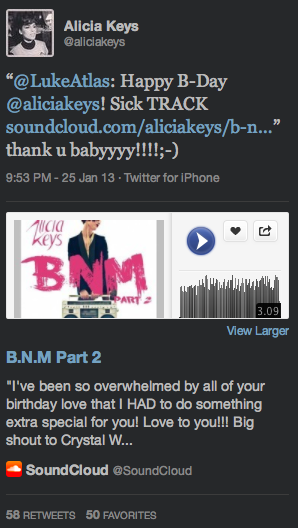
    If so, that exclusivity began today, as she was Instagramming photos from either an Android device or iPhone just yesterday. And she has been tweeting from Twitter for iPhone in the past week as well.

    TechCrunch asked Alicia Keys directly which phone she used during her rough patch with BlackBerry and she declined to answer. “I don’t think it’s necessary to disclose which phone I used,” she said. “It was another phone.” It was clearly an iPhone.

    For now, she seems pretty focused on combining your work phone with your play phone, which is something BB10 does very well. However, it’s unclear just how much Keys will bring to the company other than celeb status.

    Hopefully, she’ll be able to refrain from Instagramming until the Facebook-owned app makes its way to BlackBerry. We’ll be keeping an eye on it in case she falters.


  • The BlackBerry Q10 Is A Curious Blend Of Old And New

    bbq10-1

    You know, for a company that made its mark thanks to devices with physical QWERTY keyboards, BlackBerry really didn’t spend much time chatting about the Q10. It’s going to hit the street well after the all-touch Z10 does so it’s an understandable move, but I’ve heard many a person begrudgingly stick with an ailing BlackBerry because of its top-notch keyboard. Thankfully, I managed to corner a Q10 for a little hands-on time, and its keyboard is just as good as ever — the big question is, how’s the rest of it?

    Looking at the Q10 is much like a catching a glimpse at familiar-looking stranger walking down the street — the broad strokes are similar, but many of the smaller touches are different and surprising. Take BlackBerry’s legendary keyboard, for instance. It doesn’t look entirely unlike the ones seen on recent BlackBerry 7 devices like the Bold 9900, and it retains the spacious layout and highly-satisfying click of the BlackBerrys of days past, but the familiar row of navigation and menu buttons have finally been put to rest. The volume rocker also looks like its been plucked off of a PlayBook too, which isn’t much of a surprise — the same could be said of the company’s Dev Alpha units.

    The Q10 is actually quite a looker despite those borrowed bits. Its rear-end is buttery soft thanks to its glass-weave construction, and the end result is a carbon fiber-esque pattern that looks awfully familiar to the sort of things Motorola has been doing with its recent smartphones. And don’t worry you special little flower you, because the initially cagey BlackBerry rep on hand said that no two Q10 backs would look the same. It’s not the thinnest device I’ve ever seen at 10.3mm thick, but it’s surprisingly light and felt like it could take a few hits before giving up the ghost.


    Sadly, the BlackBerry representatives on hand didn’t allow for much fiddling with the software (an effort to prevent people from monopolizing demo units for too long), but what I did see was very promising. Checking the hub, peeking at apps, and generally just zipping around the OS was smooth and unfettered, thanks in part to the Q10′s 1.5GHz dual-core processor and its 2GB of RAM. Darrell did a fine job deconstructing all of BlackBerry 10′s particulars in his Z10 review so I won’t rehash it all, but there was a distinct difference in feel between how gestures and navigation work on the two devices. Things are generally a bit more intuitive on the Z10′s expansive display, and having to reach over the keyboard to swipe around is a bit curious at first, but folks coming from touch-enabled devices like the Bold 9900 will already be used to that.

    Overall, the Q10 is a surprisingly handsome device that seems well-equipped to handle the needs of existing BlackBerry fans who need more than just a touchscreen in their lives. Whether or not it’ll cause Android or iOS devotees to jump ship remains to be seen (though I highly doubt it), but that’s more of a quandary for BlackBerry 10 as a whole rather than the device on its own. Sadly, there’s no hard word on when you’ll be able to get a hold of one yourself: CEO Heins mentioned in a post-presser Q&A session that the device will likely hit store shelves in the U.S. and beyond some time in April.

  • Stop Listening to Your Customers

    What will persuade you?

    Every business is interested in what influences and persuades their customers and consumers, and one of the more common strategies to eliciting this information is to simply ask them. There are various ways that this can be done: You can ask customers directly during a face to face meeting, or you could get them to complete a survey or an online questionnaire. You could even outsource the task to a market research agency who’ll conduct surveys and focus groups on your behalf.

    But regardless of how you go about asking the question, you need to recognize that there is a fundamental problem with asking people what will persuade them to change: Most of the time they won’t know the answer.

    It’s not that they won’t give an answer. They’ll often provide plenty. It’s just that the answers they provide will have a high likelihood of being wrong. Here’s why.

    The great majority of the decisions we make in our information-overloaded, distraction-heavy lives are made outside our conscious awareness, driven more by contexts than cognitions. As a result, asking someone to pinpoint what will influence them in the future is a bit like saying, “tell me how you will behave in the future when you are not thinking about what I have just asked you about?”

    Behavioural scientists Wes Schultz and Robert Cialdini provide compelling evidence of why asking people to predict what will influence their future decisions and behaviors is so often ineffective. In one set of studies, they asked several hundred homeowners in California to predict which of four messages would be most successful at persuading them to take steps to conserve energy and reduce their overall consumption. The four messages were 1) conserving energy helps the environment; 2) conserving energy protects future societies; 3) conserving energy saves you money; 4) many of your neighbors are already conserving energy.

    Those shown the message about what their neighbors were doing rated it as the least likely to influence their behaviours. Yet when meter readings were taken, the researchers discovered that this was the most effective message when it came to changing behavior even though this same message was rejected by most as having any sway. Even though most will deny its effect, our desire to keep up with the Joneses is both universal and automatic. For example, recent studies have shown that compared to the usual approach of threatening those who fail to pay their taxes on time with fines, it is far more effective to inform them that the majority of people in their neighborhood already have paid. By doing so, governments can realize many more millions in revenues.

    Not only are we pretty poor at recognizing what will influence our future behavior, we’re not that great at recognizing what persuaded us after the event either. In one well-known study conducted at a busy New York City subway station, after counting the percentage of commuters who donated to a street musician as they walked past him, researchers made one small change to the situation: Immediately before an approaching commuter reached the musician, another person (who was in on the act) would drop a few coins into the musician’s hat. The result? An eight-fold increase in donations. When interviewed afterwards, those who donated universally failed to attribute their actions to the fact they had seen someone else give money first, preferring instead to provide alternate (and incorrect) justification for their actions. “I liked the song he was playing”; “I’m a generous person”; and “I felt sorry for the guy.”

    So when it comes to getting to the heart of what actually drives decisions and behaviors, a message emerges that at first glance appears counter-intuitive: Stop listening to your customers.

    In isolation, such a message merely provides for an attention-grabbing headline. In order to be even remotely helpful, an alternative also needs to be provided and I believe it should be this: Start watching them instead.

    Alerting people to the fact that many previous guests reused their towels and linens during their stay increases significantly their own reuse saving the hotel chain fortunes in laundry costs. No amount of market research or questioning guests would have discovered this. In fact, I am pretty sure that most hotel guests would not want to think about what the person who stayed in the room before them got up to. The answer came not from listening to customers but by watching them instead.

    The implication seems clear. Ask fewer questions about what people will do and instead set up small field tests and controlled studies that observe what they actually do. In most instances, they will be lot cheaper than traditional market research approaches, and yet the insights they reveal could provide a real competitive advantage to your business.

  • Suda51 Studio Bought by GungHo Online Entertainment

    GungHo Online Entertainment (GOE), a Japanese publisher, today announced that it has acquired the video game development studio Grasshopper Manufacture. GOE stated that Grasshopper Manufacture will continue to operate under that name, and that games currently under development will not be affected.

    Grasshopper is headed by Goichi Suda, also well-known as “Suda51.” The studio is responsible for some of the most interesting and unapologetically juvenile video games in recent memory. Its titles include Killer7, No More Heroes, Shadows of the Damned, and Lollipop Chainsaw.

    “By joining GungHo Online Entertainment, we are aligning ourselves with a strong, established publishing force that will support our vision to further create inspired new games that appeal players across the world,” said Suda, founder and CEO of Grasshopper. “The Grashopper team and I have many new ideas to share with our fans as we move forward so this union with GOE will help us realize our future plans.”

    GOE is most well-known as the publisher of the Ragnarok Online games, as well as the mobile game Puzzle & Dragons.

    “We believe the strength of a publisher lies in its creative talent so with the addition of Grasshopper Manufacture and Suda51 we are adding some of the most innovative talent in today’s gaming world to our stellar family of independently-operated studios,” said Kazuki Morishita, CEO of GungHo. “SUDA51 projects are known to put a unique spin on every game so coupled with our proven ability to support development with AAA resources including a tailored online experience, we believe gamers will benefit from this collaboration.”

    Grasshopper just this month released a teaser trailer for its upcoming Killer is Dead. The game features a James Bond-type assassin who operates in a dark noir-styled underworld.

  • They’re here! BlackBerry 10, Q10 and Z10 smartphones

    Today is the big day — Research in Motion finally took the wraps off BlackBerry 10 and two new smartphones. The Waterloo, Ontario, Canada-based company, which new name is same as the device, bleeds market share to Androids and iPhone. During fourth quarter, BlackBerry fell out of the top-5 smartphone makers, as measured by shipment share, according to IDC. The latest operating system and new handsets might just well be the last chance to regain lost ground.

    CEO Thorsten Heins officially launched the much-anticipated platform during BlackBerry World. The BlackBerry Z10 comes with a 4.2-inch touchscreen display and 356 pixels per inch, whereas the BlackBerry Q10 sticks to a traditional layout featuring a physical keyboard. According to Heins, both the on-screen as well as physical keyboard provide the best mobile typing experience, but more on the two after the break.

    New Keyboard

    The new BlackBerry 10 keyboard is gesture-oriented, mimicking the functionality of various keyboards from the default one included in Android 4.2 Jelly Bean to third-party Android alternatives like Swype and SwiftKey Flow.

    For instance, swipe gestures can be used to delete words. Clearly, it’s not an entirely new concept; the Canadian company merely follows other players, cherry picking existent features — or that’s how it looks at first glance.

    Hub and Flow

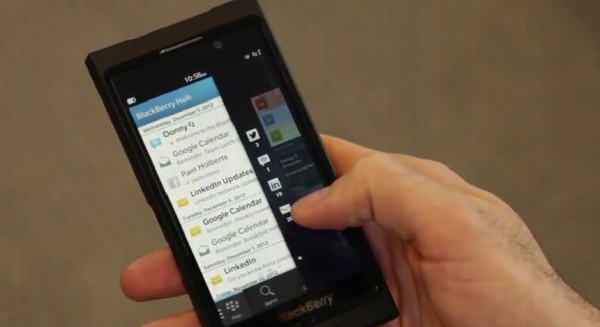
    The new BlackBerry Hub features Facebook, LinkedIn and Twitter social integration and bears a resemblance to Windows Phone’s People app by presenting per-contact social updates, but with added emphasis on business contact information.

    BlackBerry Flow is the name of the gesture-oriented navigation interface highlighted on the Z10 smartphone. Judging by the features presented today, multitasking is a priority for the new operating system and appears to work nicely — although some users may have a hard time adjusting to the gesture-driven interface.

    BlackBerry Balance

    BlackBerry Balance is designed to fit within the bring-your-own-device-to-work movement, by allowing users to separate personal and work content, like apps and email accounts. It’s one of the most impressive features presented today.

    BlackBerry Messenger

    Although it’s not an entirely new feature, BBM is revamped for the latest BlackBerry OS. With BBM Video, users can make video calls and through Screen Share users can take advantage of remote homescreen viewing and share content.

    BlackBerry Remember

    BlackBerry Remember is showcased on the new BlackBerry Q10 smartphone. With the new feature, users can add attachments, audio notes and videos within folders as well as search for items on the devices.

    During today’s presentation, BlackBerry also highlighted Evernote integration, which is part of the new Remember.

    BlackBerry Camera

    Part of the new smartphone operating system, the company formerly known as RIM also introduced the new BlackBerry Camera which allows users to take the “perfect picture” by using a time-frame in order to choose the right face shot.

    Related to the new camera, there is also Picture Editor that can be used to add filters to existing photos simply by swiping on top.

    BlackBerry Story Maker

    BlackBerry Story Maker is a content-creation tool that can be used to add photos and video, as well as other types of content, and combine them in order to create a “story”. This new feature was showcased through a BlackBerry 10 video ad.

    The Apps and Content

    The Canadian manufacturer touts in excess of 70,000 apps available at the launch of the new platform. Among them: Skype, Amazon Kindle, WhatsApp, SAP, Facebook, Twitter, Foursquare, LinkedIn, SoundHound, TuneIn, The Wall Street Journal, Cisco WebEx, Bloomberg, Box and The Economist, to name a few.

    In terms of games: Where’s My Water?, Where’s My Perry?, Jetpack Joyride, and Electronic Arts titles are among the headliners. The now ubiquitous Angry Birds is also available.

    Skype, Amazon Kindle, WhatsApp, SAP and Angry Birds are BlackBerry 10-committed apps. Facebook, Twitter, Foursquare, LinkedIn are available as part of the social apps.

    During the app presentation video I have also spotted some other apps and game titles such as Paper Camera, HP ePrint, Shadowgun and BBC Worldwide.

    Availability

    Although carrier testing is still in full-effect in some markets, BlackBerry Z10 will be available tomorrow in the United Kingdom from major carriers as well as retailers like Carphone Warehouse.

    In the United States, AT&T, Verizon, Sprint and T-Mobile will carry the BlackBerry Z10, with availability to start in March. North of the border, in Canada the device will be available starting February 15 at various carriers for $199 on a three-year contract.