Author: Joseph Smith

  • Prices Rose Amid Surge in Colorado Springs Foreclosed Homes

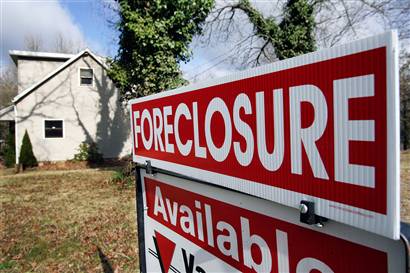
    The increase in number of Colorado Springs foreclosed homes in March did not push down house prices, based on sales data from the Pikes Peak Association of Realtors and local home building associations.
    Prices Rose Amid Surge in Colorado Springs Foreclosed Homes

    The sales price median for single-family houses increased by 2.6 percent to $189,900 in March this year from the median price in March 2009. It was the fifth consecutive month that the median sales price increased from March 2009.

    In El Paso County, where Colorado Springs is the administrative seat, foreclosure postings reached 470, a jump of 22.34 percent from 365 filings in January and up by 25 percent from 376 filings in February, according to a report from the El Paso County Public Trustee.

    In the first three months this year, foreclosure postings in El Paso County totaled to 1,211 filings, a decrease from the 1,292 foreclosures filed in the first three months last year. Total annual foreclosures throughout the ten-year period from 1992 never exceeded 1,211 filings.

    Just like other housing markets, the increase in home sales in the area was driven by the lower prices of Colorado Springs foreclosed homes and other types of homes, lower mortgage rates and the federal tax credits.

    According to analysts, investors consider Colorado Springs as a good investment target because of its strong recovery prospects. The city was even cited as one of the best cities to live in the U.S. in 2006 and in 2009. The economically strong image, however, of Colorado Springs was a bit tainted when the recession forced city officials to cut municipal services like fire and police services and recreational services.

    Another factor indicating faster economic recovery in the area is the increase in number of home building permits issued in March in El Paso County. Based on figures from the Pikes Peak Regional Building Department, there were 150 permits issued for the construction of single-family houses in March and the overall total issued for the first three months of this year reached 411.

    According to the Housing and Building Association of Colorado Springs, despite strong competition from lower-priced foreclosed homes for sale in Colorado, demand for new homes had an uptick because of the availability of federal tax credits.

    Home building is among the major indicators closely watched by economists and analysts. The surge in home construction in the area means that the local housing market is already able to absorb Colorado Springs foreclosed homes.

    Find more foreclosure listings in Colorado Springs, CO:

  • Abandoned Foreclosure Animals Create Health Problems

    Abandoned foreclosure animals continue to increase in number in major areas of the U.S. According to property inspectors and real property agents, unhealthy animals and flea-ridden pets can be found in deserted houses all around the country.

    Abandoned Foreclosure Animals Create Health Problems

    As revealed in the April 2010 property market statistics, almost 150,000 home foreclosure filings were made in the U.S. The numbers are expected to result in more pets abandoned in foreclosed residences and in the streets. Animal shelters are also expected to get overrun by homeless animals and are not expected to be able to accommodate all of them.

    Foreclosure reports also revealed that California became the state with the highest number of foreclosures for the fourth successive month. These reports also highlighted houses with swimming pools, particularly in the Sacramento area, as places where mosquitoes are thriving. These mosquitoes, according to public health representatives, can be carriers of the dreaded West Nile virus.

    Real estate agents and local authorities have stated that some home owners get frustrated over losing their homes that they deliberately ruin the place before leaving them vacant, with their pets right inside it with no food and water for days.

    These abandoned foreclosure animals can sometimes get lucky as some real property agents, local police or passers by find them before they die of hunger and take them to animal shelters or adopt them. However, a much bigger number end up on the streets and eventually die from diseases or from hunger.

    Pets, according to real estate market observers, have become casualties of home foreclosures. Most owners feel that they have no choice but to leave them behind when they get evicted, while others just do not bother finding alternative shelters for their domestic animals as they prioritize the people in the household over everything else.

    Public health officials have warned that the trend of leaving animals in foreclosed properties will create health problems that are expected to escalate further as the number of abandoned homes continue to rise.

    Local authorities around the U.S. are encouraging home owners to avoid contributing to the growing number of abandoned foreclosure animals by calling animal shelters if they need to leave their homes or to get their pets spayed or neutered to prevent animal overpopulation.

  • Still a Lot of Cape Coral Foreclosed Homes to Choose

    There are still a lot of Cape Coral foreclosed homes to choose from as the pace of residential mortgage delinquency and foreclosure activity in the area is still surging.

    According to data from a real estate analysis firm, the number of foreclosure filings in Cape Coral in February this year increased by 6 percent compared to total postings in February 2009.

    Still a Lot of Cape Coral Foreclosed Homes to Choose From

    In Lee County, where Cape Coral is situated, foreclosure postings have been averaging 42 postings a day. Jeff Tumbarello, head of the SWFL Real Estate Investment Association, said that the Cape Coral housing market and most other markets in Southwest Florida have started showing some signs of foreclosure slowdown, but the possibility that foreclosures will still increase sharply is still great.

    Similarly, the number of foreclosed homes for sale in Florida is still rising. Florida was still second in the county in number of foreclosure postings in February. While other foreclosure-battered states like California and Arizona have posted declines in foreclosure activity, Florida still posted a 14.8-percent jump in foreclosure filings compared to the previous month of January.

    Of the more than 54,000 homes that were notified of delinquency or repossession statewide in February, almost 7,000 were already taken back by banks and listed in their REO books. These REO figures included duplex foreclosed homes, single-family homes, condo units and townhomes.

    The rise in number of Cape Coral foreclosed homes has been contributing to the still strong pace of foreclosure activity statewide as shown in the rise of mortgage defaults in the area. The rate of delinquency in the Cape Coral metropolitan area has jumped up to 23 percent of all mortgages in the area from only 20 percent in February last year.

    The rate of foreclosure among current mortgage loans has also surged to 13.5 percent, an increase of one percentage point from 12.5 percent in February 2009.

    Despite efforts by the state of Florida and local government agencies to help rescue distressed homes in Cape Coral, in addition to the federal foreclosure prevention schemes, there are still high numbers of families losing their homes to foreclosure because of unemployment.

    Homeowners who do not see any improvement in the values of their homes have also given up and just let their properties enter listings of Cape Coral foreclosed homes. They figured their personal financial recovery has a better chance if they just use whatever money they have as renters. With these strategic defaults, prospective buyers have more distressed units to choose from.

  • Home Sales Driven by Grand Rapids Pre Foreclosure Homes

    Lower-priced pre foreclosure homes in Grand Rapids are among the major drivers of the increase in house sales in March, based on sales data from the Grand Rapids Association of Realtors.

    Home Sales Driven by Grand Rapids Pre Foreclosure Homes

    Home sales also surged because homebuyers decided to take advantage of low interest rates and the federal tax incentives which are set to expire on April 30.

    A total of 1,244 houses in Grand Rapids were sold in March, an increase of 28 percent from total sales in March 2009 and an increase over every sales total for the month of March since 2006. Only the sales total for the month of March 2005 was higher, which reached 1,270 units.

    Realtors in the area were elated at the increase in sales, hoping it was a sign of housing market recovery from the adverse effects of foreclosures in Grand Rapids. They said that the sales increase in March marked the 14th consecutive month that total sales surged on a year-over-year basis.

    As lower-priced Grand Rapids pre foreclosure homes enticed buyers to buy homes, realtors were encouraged by the uptick in the average price for homes sold, although the price level was still much lower than prices during the boom.

    The average sales price for Grand Rapids homes in March 2010 was $113,883, an increase of 13 percent from the average price in March 2009, but still much lower than the average sales price of $153,579 in 2005.

    Over the past 12 months, the average sales price was $110,649, an increase of 14 percent over the previous one-year period. Although the pace of foreclosure activity in Grand Rapids in 2009 was slower than in other Michigan metro areas such as Detroit, Flint and East Lansing, prospective buyers planning to find foreclosure listings in Grand Rapids will not be frustrated.

    The total number of homes notified of default and foreclosure last year in the Grand Rapids area exceeded 7,800 units, representing 2.46 percent of all residential units in the area or equivalent to one foreclosure filing for every 41 homes in the area.

    Grand Rapids ranked 56th in a listing of 203 metro areas based on rates of foreclosure, far below the 35th ranking of Detroit, which suffered from the collapse of its auto manufacturing sector.

    According to local realtors, Grand Rapids pre foreclosure homes made home prices more affordable to buyers, enhancing other home buying incentives like tax credits and low mortgage rates.

  • Phoenix Pre Foreclosure Homes Auctioned Off by Fannie Mae

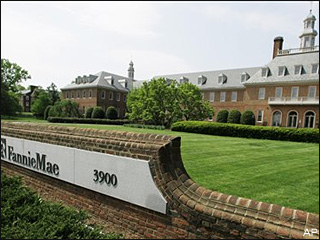
    A number of Phoenix pre foreclosure homes will be auctioned off by Fannie Mae as the federally-controlled mortgage agency tries to find more ways to cut down the number of properties in its books.

    Phoenix Pre Foreclosure Homes Auctioned Off by Fannie Mae

    Over 85 residential units will be auctioned off by Fannie Mae in the first weeks of April. Through foreclosure auctions, Fannie hopes to reduce more quickly its foreclosure inventory. Freddie, following the decision of Fannie Mae, also scheduled an April auction for almost 300 foreclosed residential properties in Southern California and Las Vegas.

    Federal officials and legislators have been debating the financial conditions of these two agencies as they continue to bear more losses from record numbers of delinquent mortgages and foreclosure properties.

    As of the end of December 2009, these two agencies were still holding large numbers of foreclosures despite selling off almost 200,000 foreclosed residential properties throughout 2009. At the end of the year, Fannie and Freddie still had over 131,000 foreclosed properties in their books.

    The foreclosures in Phoenix that will be auctioned off by Fannie Mae in the city will include ranch properties, single-family homes and townhouses. Phoenix pre foreclosure homes will also be sold off as more distressed homeowners decided take advantage of the enhanced short sale program.

    Aside from protecting their credit scores from being lowered sharply, homeowners opting for short sales can receive relocation assistance, a benefit they will not gain if they wait for lenders to foreclose on their properties.

    Fannie and Freddie are also offering other benefits for buyers of their properties. Fannie has decided in January to provide closing cost assistance which can reach 3.5 percent of the final home price. With the enhanced federal tax credits and the still low mortgage rates, homebuyers can gain a lot by buying Fannie and Freddie foreclosed homes now.

    In the scheduled Fannie Mae and Freddie Mac foreclosure auctions in Phoenix, Las Vegas and Riverside in California, homebuyers who are eligible for government assistance will be given priority. The agencies wanted to cut down their foreclosure inventories, but at the same time they desired to help fulfill the home ownership goals of families who have not bought their own homes.

    According to Jim Park, whose firm New Vista Asset Management helped design the auctions for a targeted market, owner-occupant buyers will have the opportunity to take advantage of lower-priced Phoenix pre foreclosure homes and foreclosed properties during the special auctions.

  • Green Country, Oklahoma Experiencing Increase in Abandoned Animals

    Abandoned animals are roaming the streets of Green Country and animal rescue teams and organizations are partially blaming foreclosures for this. According to Tulsa animal service supporters, majority of these animals are dogs.

    Green Country, Oklahoma Experiencing Increase in Abandoned Animals

     
    Animal rescue associations have claimed that the increase in the number of homeless pets, especially dogs and cats, is mainly due to the poor condition of the national economy; and Tulsa has not been immune to the impact of this economic situation.
     
    People living in distressed properties; including pre-foreclosure properties, manufactured foreclosed homes and other residential structures up for foreclosure auctions, are finding alternative residences and leaving their furry friends behind.
     
    Some of these animals are left at foreclosed properties; in the yard of manufactured foreclosed homes; or just set loose on the streets as homeowners move into apartments or into another house with relatives. Most of these homeowners are unable to provide for their pets, hence the decision to just leave them behind.
     
    Abandoned animals are the victims of their owners’ financial problems and declining living situations, according to Tulsa animal care associations. Pet owners, particularly those in manufactured foreclosed homes; usually leave their dog and cats behind when they make changes to their living conditions.
     
    However, animal welfare representatives have stated that, despite the fact that these pet owners’ situations are understandable, it is plain irresponsible just to leave these animals without even an effort to find alternative homes for them.
     
    Local animal care organizations are reminding residents who have been affected by foreclosures to contact an animal rescue or animal welfare organization if they are moving out and they cannot take their pets with them.
     
    Zoi’s Animal Rescue had estimated that around 30,000 pets are euthanized in animal shelters in Oklahoma each year, particularly during the past few years when the problem of mortgage defaults started in the greater part of the United States.
     
    Animal rescue associations in Tulsa, along with the Tulsa Zoo, are trying to address the problem by holding pet adoption meetings to help abandoned animals find alternative homes. The problem is expected to continue as the issue of foreclosures has yet to level out.

  • Stronger Profit Prospects for San Diego Cheap Homes

    Profit prospects for San Diego cheap homes are stronger because the employment situation and other economic factors in San Diego are getting better.

    Stronger Profit Prospects for San Diego Cheap Homes

    The index for leading economic indicators compiled by the University of San Diego jumped up for the 11th consecutive month in February, as the number of building permits increased and the unemployment rate dropped.

    Alan Gin, the USD professor who calculates the index, said that the county economy will grow but at a slow pace. He said that the employment rating improved due to the increase in help-wanted ads for four consecutive months and the decrease in new unemployment claims.

    According to the California Employment Development Department, the unemployment rate in San Diego County in February dropped to 10.6 percent, down from the January jobless rate of 11.1 percent. The rate improved because more people were hired by hospitals and private schools. The number of people who got temporary jobs also increased. It was in the retail, manufacturing and construction sectors where jobs were cut down.

    If recovery is sustained in the area, people investing in San Diego cheap homes will have stronger profit prospects as a strong economy spurs people to buy homes or rent higher-cost rental homes.

    The number of building permits also improved, posting a 200-percent increase over permits issued in February last year. The total number included permits to build single-family homes as well as triplex homes.

    USD professor Gin said that despite the improvements of certain key economic indicators, San Diego County still faces at least two risks: lower spending levels by the state and county and the increase in residential and commercial properties entering foreclosure auctions in San Diego.

    In February, the number of residential pre-foreclosure notices shot up to 2,166, an increase of 24.4 percent from 1,741 notices in January and the highest number hit since October last year. Although the number is more than 37-percent lower than pre-foreclosures in February 2009, the number still shows the difficulty of many homeowners in making their monthly loan payments.

    As the foreclosure and unemployment situations are still making adverse impacts on families, consumer confidence in the county weakened in both February and January.

    Nevertheless, investing in San Diego cheap homes is a profitable business decision because of the upward direction of the index of economic indicators for San Diego. This means that prospects for reselling homes at a profit will increase.

  • Orlando Foreclosed Homes for Sale Still Rising, Prices Falling

    The number of Orlando foreclosed homes for sale is still increasing as unemployment continues to push more defaults and foreclosures. As a result, home prices are not improving, but instead, are continuing their downward path.

    Orlando Foreclosed Homes for Sale Still Rising, Prices Falling

    According to Fiserv analysts, home prices will fall further by double digits through the July to September quarter this year. If prices surge in the final quarter, the rate of increase will be minimal, according to the analysts.

    In February, the median price for all pre-owned houses sold in the Orlando metropolitan area was $109,200, a substantial drop of 26.7 percent from the $149,000 median in February 2009, based on sales records from the Orlando Regional Realtor Association.

    As more people and investors came to know of cheap homes in Orlando, pending sales, new sales contracts and sales closings all increased in the metro area in February compared to sales figures in February 2009. New sales agreements surged by more than 66.1 percent, pending sales soared by a whopping 117.6 percent, and completed sales increased by 39.7 percent.

    With buyers focusing their investment money on bargains, Orlando foreclosed homes for sale and distressed sales accounted for 70.1 percent of all homes sold in the metro area in February.

    Florida economists like David Stiff and Stan Smith said that more people will get attracted to foreclosure investments in Orlando due to the low prices and the record number of properties in the Multiple Listing Service and other area listings.

    In February, 6,823 homeowners in the Orlando metro area got hit with foreclosure filings, the 12th highest number among those posted by more than 200 large metropolitan areas in the country.

    In Orange County, where Orlando is the seat of administration, a total of 3,513 homes were notified of default or foreclosure, a 4.2-percent jump from notices posted in February 2009.

    Filings of foreclosure cases in Osceola County increased month-over-month by 10.5 percent while filings in Seminole County increased from the preceding year and month by 42.3 percent and 18.5 percent, respectively. Filings in Lake County also increased month-over-month by 10.3 percent.

    In addition to the 12.4-percent unemployment rate of metro Orlando, the other factor that will continue to drive home prices down and more Orlando foreclosed homes for sale is the sharp decline in population in Orlando. Residents have been moving out of Orlando for the past two years, according to Associated Press analysts.

    Find cheap homes in other US cities:

  • Opportunities in Surging Southfield Pre Foreclosures

    Detroit residents wanting to move to the suburbs or investors looking for opportunities can consider Southfield pre foreclosures, which spiked in February.

    Opportunities in Surging Southfield Pre Foreclosures

    The number of Southfield foreclosure homes and units still in the foreclosure process soared in February, based on data from a California research firm.

    In Oakland County, where Southfield is situated, foreclosure activity in February surged by a staggering 71 percent from filings in February 2009, far above the increase rate for foreclosures in Michigan, which was 59 percent. The increase rate for Oakland was also higher than the increase rate for nearby Macomb County, which was 53 percent, and for Wayne County, which was 69 percent.

    Although Detroit has been the biggest contributor to overall Michigan foreclosure activity, the number of properties entering homes auctions in Southfield has also been contributing to statewide foreclosure records.

    In February, more than 20,000 households in Michigan were notified their mortgages were already in the foreclosure process, a 14-percent jump from filings in January.

    In January, Michigan posted a total of 17,547 filings, with the most foreclosures occurring in Wayne County, where Detroit is situated. Wayne posted more than 2,000 filings while the next biggest contributor, Oakland, posted nearly 1,000 filings, including Southfield pre foreclosures.

    Macomb County posted 791 filings while Genesee and Kent counties posted 298 and 249 filings, respectively. Among the counties, Macomb posted the biggest foreclosure rate while Wayne posted the highest total.

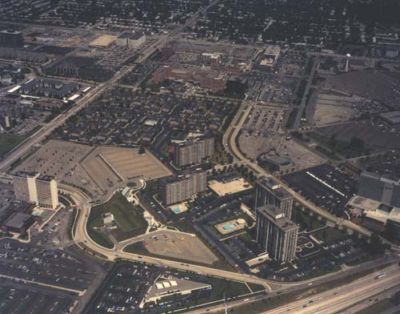
    Investors considering Southfield as an investment target can look at the proximity of Southfield to Detroit. The city itself is a fast growing city as it hosts over 9,000 business enterprises, including more than 100 companies that have made it to the Fortune 500 list.

    Its Southfield Town Center, which consists of five skyscrapers, hosts many of these businesses and its acres of park land and fitness trails provide a great diversion for professionals and visitors.

    Home prices are also favorable for investors and prospective home buyers. According to Rick Vincent, head of the Oakland County Equalization Department, home values fell sharpest in Southside, with a decrease rate of more than 28 percent. Countywide, the average drop was 15.5 percent.

    An online real estate firm reported that prices in Southfield ranged from $46,163 to $72,733 in February, with resale houses dominating the market. Southfield pre foreclosures and completed foreclosures accounted for about one-third of the market.

    Search pre foreclosures in other USA cities:

  • Shelters Get Creative to be Able to Care for Abandoned Pets

    Animal shelters have been thinking of more creative ways to be able to survive the downturn and remain strong for abandoned pets.

    Shelters Get Creative to be Able to Care for Abandoned Pets

    As shelter donations and funding decline and as shelter finances get wiped out, shelter officers need to find innovative ways to raise funds, to increase pet adoptions and to reduce the number of animals being surrendered to shelters.

    The Humane Society of Greater Kansas City has been helping shelters in the area promote pet adoptions. Shelters in the area need to broaden their marketing campaigns as they have no-kill policies. They need to move animals at a faster rate for adoption since they do not euthanize.

    The Pet Connection shelter in Mission, Kansas has also been facing some problems with its veteran pets – those that have been staying for a long time in the shelter because they have special characteristics that discourage prospective pet owners.

    Shelter volunteers use Facebook networking, pet expos, pet telethons, shopping mall adoption events and adoption clinics to find adoptive owners for abandoned pets.

    At the Lyon County Animal Control center in Nevada, shelter officials have started a surrender list program to accommodate pets that are being surrendered at times that the shelter is full. The surrender list puts animals in a queuing system, encouraging pet owners to make plans in advance if they are at risk of losing their homes or if they need to move to housing units that ban pets.

    The Kukuis Alii Animal Rescue in Dayton, Nevada, which was founded by animal rights advocate Deborah Larson, also has an information program advising pet owners on what to do. The rescue center can find foster homes or new homes for pets of distressed owners if the center is notified in advance.

    Kukuis also helps pet owners obtain free pet food at times owners are not able to buy pet food because of financial difficulties.

    In Asheville, North Carolina, the Brother Wolf Animal Rescue, which has grown from a group of foster homes four years ago to a 10,000-square-foot facility in June last year, has launched its inaugural five-kilometer run and one-mile dog walk to raise funds to buy the building it is currently renting.

    For people willing to adopt pets or considering giving foster care while testing their ability to care for animals, the no-kill rescue center Brother Wolf has about 65 abandoned pets waiting for adoption.

  • Mesa Pre Foreclosures Made Homes Affordable, Pushed up Sales

    The still high pace of Mesa pre foreclosures continued to push down home prices and drove up house sales in Mesa, Arizona in 2009, based on data from research firm Information Market.

    Mesa Pre Foreclosures Made Homes Affordable, Pushed up Sales

    The sales price median for homes in the city plunged by nearly 30 percent to $137,000 as Mesa foreclosed homes comprised 44.7 percent of total house sales in 2009. Of the 6,940 units sold in 2009, about 3,100 were purchased from banks or bought at home auctions in Mesa.

    With the number of manufactured foreclosures also rising in Mesa, the decrease in home prices was even more controlled in nearby cities like Chandler and Gilbert, where the median dropped only by 18 percent, and in Tempe, where median fell only by 21 percent. Foreclosed mobile and manufactured homes in Mesa were being sold at significant discounts of 12 to 22 percent by one online broker.

    The only city that surpassed the price decline in Mesa was Phoenix, where the median plunged by a staggering 54 percent from 2008 to $90,000.

    Information Market reported that all 27 communities in Maricopa County, where Mesa is located, posted price declines last year, the third straight year that home prices decreased throughout the county.

    However, despite the surge in foreclosures, the pace of Mesa pre foreclosures in 2009 was slower compared to the pace in Phoenix and in the West Valley.

    According to Jay Butler, real estate professor at the Arizona State University, said that the close proximity of Mesa and other areas of the Southeast Valley to job, education, church and retail centers helped residents weather the recession. Many of the zip codes that remained stable despite the surge in foreclosure filings were in the Southeast Valley.

    Butler also explained that the surge in home sales in 2009 was driven by the high inventory of cheap foreclosure homes on the market. First time buyers and young adults with families were also encouraged by the tax credits. In addition, investors who snapped up properties also made substantial contributions to increased sales.

    In Phoenix, foreclosure sales comprised 57 percent of total house sales in the metro area while in Glendale, foreclosure sales accounted for almost 60 percent of total sales. Sales of foreclosed homes in Tempe, Gilbert and Chandler comprised about 30 percent of sales.

    As a suburb of Phoenix, the pace of Mesa pre foreclosures was expected to follow that of Phoenix, but Mesa was stronger in bearing the burden, as shown in the lower price declines.

    Search pre foreclosures in other US top cities:

  • Impact of Recent ILSA Cases on Bronx Foreclosure Investing

    Two recent legal cases involving the Interstate Land Sales Full Disclosure Act are helpful case studies for people engaged in Bronx foreclosure investing.

    Impact of Recent ILSA Cases on Bronx Foreclosure Investing

    In both cases, the plaintiffs used the ILSA to get back their deposits on housing units they agreed to buy.

    The case that was resolved in January was a record ruling because it was the first time over a 20-year period in New York that a federal judge handed down a ruling on a case involving ILSA. This Manhattan judge ruled against the two buyers of units in the Harlem housing project called 5th on the Park and sided with the developer, Uptown Partners.

    In the second case that was recently resolved, a Brooklyn federal judge sided again with the developer. In this case, a group of eight buyers used the ILSA to get back the deposits they made on units of the Long Island condominium project One Hunters Point, which was built by Simone Development and marketed by Borden East River Realty. The buyers paid $563,285 in total deposits.

    According to Bruce Lederman, partner with the law firm that represented Borden, the decisions in the two cases could discourage the filing of similar claims in New York.

    Many developers, sellers and buyers have been eagerly waiting for the decisions on the cases as dozens of similar cases are pending in the city of New York. People engaged in Bronx foreclosure investing also have an interest in the cases as they involve purchases of real estate.

    The Brooklyn federal judge ruled that the Long Island condo project was not covered by ILSA because there were only 98 units for residential use. ILSA specified 100 land parcels or more. The complainants included roof terrace units and parking lot spaces to arrive at a count of 110 units.

    The complainants in both cases, however, said they will appeal the decisions. Lawrence Weiner, who represented the Long Island plaintiffs, said that the Brooklyn judge seemed to have just adopted the rationale of the Manhattan judge.

    Meanwhile, in another report about the Bronx real estate market, it was stated that the number of pre-foreclosures in Bronx and residential units that entered Bronx foreclosure listings in February reached 173, which was a 7-percent drop from February last year and a 20-percent decline from the previous month.

    Despite the slowdown in foreclosure activity in the area, there are still distressed housing units available for people engaged in Bronx foreclosure investing.

    Find great foreclosure investments in other USA Top Cities:

  • Dallas Foreclosure Investing Amid Decline in Home Sales

    Dallas foreclosure investing benefits from a decline in home sales in two ways: less competition for attractively-priced properties and possibility for bigger price discounts.

    Dallas Foreclosure Investing Amid Decline in Home Sales

    Home sales declined in the Dallas-Fort Worth metro area in February by 5 percent, the third consecutive month that home sales dropped compared to sales in February 2009.

    A total of 4,099 previously owned single-family units were sold through the MLS in February, based on records from North Texas Real Estate Information Systems and the Real Estate Center of Texas A&M University.

    Total sales during the first 2 months of the year declined by 5 percent compared to sales in the first 2 months of 2009. Texas A&M economist James Gaines said that the extension of the federal tax incentives was not able to push home sales in January and February, but he hopes more buyers will take advantage of the incentives before they expire.

    The number of homes offered for sale through the MLS also dropped in February to 35,070 units, down by 8 percent from listings in 2009. According to realtors, about 40 percent of these units for sale were from Dallas foreclosure listings.

    Nevertheless, actual and pre-foreclosures in Dallas did not pull down the median price in the area, which rose by one percent from the February 2009 median. The median sales price for all homes sold in February through the MLS was $139,900.

    The report from Dallas analysis firm Residential Strategies Inc. that the buyer traffic for new homes is another positive factor for Dallas foreclosure investing. This means that people have confidence in the economic recovery and growth of Dallas.

    Analyst Ted Wilson of Residential Strategies said that more new-home buyers are taking advantage of the federal tax incentives. He nevertheless stated the importance of job growth, which is a better and more permanent factor than tax incentives for driving home sales.

    In a study conducted by bizjournals and Portfolio.com, Dallas is among the top ten metropolitan areas for young adults in the nation, based on job opportunities, economic growth rates and costs of living. The researchers reported that the Dallas area has gained a total of 206,000 jobs since 2005 and its population has been rising by 2.4 percent every year.

    Indeed, Dallas foreclosure investing is viable because of the city’s strong economic growth prospects and status as a top destination for job opportunities and prospects for growth.

    Find great foreclosure investments in other USA Cities:

  • Las Vegas Foreclosure Investing Hot With Over 26,000 Homes

    Las Vegas foreclosure investing continues to be in frenzy with more than 26,000 foreclosed homes for sale, based on figures from the Multiple Listing Service in the city.

    Las Vegas Foreclosure Investing Hot With Over 26,000 Homes

    Despite the slowdown of pre-foreclosures in Las Vegas, the city continued to post the highest rate of default and foreclosure among metro areas in the nation, as shown in foreclosure reports released last week. The city had a rate of one foreclosure for every 90 homes in February.

    In 2009, Las Vegas had also the highest rate – one foreclosure for every 8 homes, and again, in January – one foreclosure for every 82 homes. In 2008, with an 8.89-percent rate, it was second only to Stockton, the city cited by the media as the center of the foreclosure crisis.

    Notwithstanding the nine-percent drop in foreclosure filings in February, Las Vegas is still heavy with foreclosures in both the residential and commercial sectors.

    With more than 26,000 homes in Las Vegas foreclosure listings and more than 9,500 existing homes in real estate listings, the total number of homes available for people interested in Las Vegas foreclosure investing and for families with plans to remain in the city or relocate from other cities to Las Vegas is a whopping figure of 38,500 units.

    Investors and owner-occupant buyers can also find that the prices are still low as the median house price has dropped to $133,000. Listing prices are still high at $343,635 on the average, but buyers can obtain substantial price discounts especially if the properties do not receive plenty of offers or have been staying on the market for a long time.

    Despite the perception of Las Vegas as a city clobbered by foreclosures, the city still retains much of the charm it had before the housing crisis. In addition, the city has received attention from the federal and state governments, getting funds necessary for its recovery.

    Las Vegas was initially snubbed by the NSP in its second-round funding, but with protests and complaints from Nevada lawmakers and Las Vegas officials, it finally got attention from HUD Secretary Shaun Donovan and from President Barack Obama.

    Donovan sent federal housing officials to Las Vegas and Obama included Nevada as one of the five recipients of an additional $1.5 billion in funding to address the foreclosure problem.

    With the city having positive prospects of recovery and with prices still affordable to many buyers, Las Vegas foreclosure investing is viable and profitable.

    Find great foreclosure investments in other Nevada Cities:

  • Abandoned Foreclosure Pets in Vegas Addressed by Ordinance

    Abandoned foreclosure pets are being addressed in Las Vegas through a city ordinance.

    Abandoned Foreclosure Pets in Vegas Addressed by Ordinance

    Recently, the Las Vegas City Council announced that starting April 1, all cats and dogs in the city must be neutered or spayed to cut down the rising number of stray animals and the number of animals being euthanized. The ordinance will also cut down the number of animals abandoned in foreclosed properties.

    As foreclosures continue to clobber Las Vegas, the earlier pets are controlled, the smaller the number of abandoned pets found in real estate foreclosed homes for sale, local officials said.

    The only exemptions from the ordinance are animals not fit medically to undergo spaying or neutering, animals trained for law enforcement and service and animals with professional permits.

    According to city officials, violation of the ordinance would mean a charge of misdemeanor that carries fines of $225 to $1,000.

    The ordinance, which will affect all cats and dogs aged 4 months and older, has gained the support of animal rescue groups and veterinarians throughout the city. They understand the need to prevent the rampant reproduction of animals that typically are abandoned on the streets when owners can no longer care for them. The record numbers of abandoned foreclosure pets in the city are also a strong rationale for the ordinance.

    At the regional Lied Animal Shelter, which serves the cities of Las Vegas and North Las Vegas and Clark County, the number of pet dogs received for care or for impoundment has risen by 10 percent annually for the past 3 years and the number of pet cats taken in has jumped up annually by 5 percent.

    The shelter now receives around 50,000 animals every year but euthanizes about 50 percent of the total number because owners do not get them back or adoptive owners cannot be found.

    According to shelter veterinarian Amy Mitchell, the shelter cannot depend on pet adoption as a solution to the problem of shelter overcrowding. The animal control problem should be solved in the early stages, Mitchell explained.

    Nevertheless, the animal shelter was still criticized for the ordinance. Opponents argued that neutering or spaying animals at the age of four months is too early and that no study yet has shown the positive impact of neutering and spaying programs on animal control.

    Proponents, meanwhile, reiterated that the ordinance will be reviewed yearly to see its effects on the reduction of abandoned foreclosure pets and on animal control efforts.

  • Tampa Home Auctions Continue to Soar with Increased Filings

    Tampa home auctions are expected to continue to surge in the coming months because of increased foreclosure postings in February. Unemployment and declining property values are still pushing homeowners into default.

    Tampa Home Auctions Continue to Soar with Increased Filings

    The number of pre foreclosures in Tampa Bay, including completed foreclosures, climbed up to a total of 6,681 postings in February, an increase of 10 percent from filings in January and a jump of 15 percent year-over-year.

    The still rising number of foreclosed homes in Tampa Bay has been following the statewide foreclosure trend, which showed a 15-percent month-over-month increase and a 16 percent increase year-over-year to a total of 54,032 filings in February.

    In the Tampa Bay area, the highest level of foreclosure activity occurred in Sarasota County, where foreclosures soared year-over-year by over 39 percent to one foreclosure for every 183 households in February. The rate remained flat compared to the previous month.

    Next to Sarasota was Hillsborough County, where almost 3,800 homes were hit with foreclosure postings or one foreclosure posting for every 138 households, a jump of almost 30 percent from the preceding month and also a jump of 30.5 percent year-over-year. Hillsborough ranked eighth in Florida based on foreclosure pace.

    With 497 foreclosure filings and a month-over-month increase of 29 percent, Hernando County ranked 13th in Florida.

    The least increases in the Bay Area occurred in Pinellas and Polk, where year-over-year foreclosure increases were only about 10 percent and 3 percent, respectively. Compared to January, however, foreclosure activity in Pinellas slowed by almost 21 percent while it still surged by 3.4 percent in Polk.

    The two Bay Area counties that contributed the least to Tampa home auctions were Manatee and Pasco, where foreclosure activity slowed substantially compared to February 2009. Manatee posted a year-over-year decrease of over 37 percent and a month-over-month decrease of 16 percent. Pasco posted a year-over-year decrease of almost 16 percent, but its rate marked over 15 percent of increase from the January filings.

    According to the researchers, the sharp decline in foreclosure rates in several areas does not mean that the foreclosure crisis is over in these areas. The decline could mean that lenders are deliberately delaying their foreclosure actions to limit their monthly foreclosures to a certain level or lenders are complying with the federal loan modification programs.

    They also said that Tampa home auctions will continue to get loaded with properties because of the still double-digit increases in foreclosure filings.

    Search home auctions in other USA Top Cities:

  • San Jose Home Auctions Stepped up, but Prices Held Up

    San Jose home auctions continued to get loaded with residential properties, but house prices held up.

    San Jose Home Auctions Stepped up, but Prices Held Up

    In February this year, San Jose was among six California cities that were able to hold back the downward price pressure of foreclosures. Homes in San Jose suffered only price discounts averaging 12 percent, far below the average price discounts of 31 to 33 percent in Memphis, Phoenix and Milwaukee.

    In another study of home prices in a number of cities, only 12 percent of homes for sale in San Jose suffered price discounts averaging 8 percent.

    The number of pre foreclosures in San Jose and the inventory of foreclosed homes in San Jose contributed to the sharp 27-percent year-over-year increase in foreclosure postings in the San Jose-Santa Clara-Sunnyvale metro area in 2009 and in the continued flow of foreclosure postings in January this year in Santa Clara County.

    In the county of Santa Clara, where San Jose is the administrative seat, foreclosure postings climbed up in January by 37 percent compared to December. Despite the increased foreclosures, however, the median sales price for existing homes in the county rose by 17 percent year-over-year to $490,000.

    According to analysts, one sign that the foreclosure crisis is still lingering in the San Jose area is the longer time distressed houses go from being notified of delinquency to being listed for the San Jose home auctions.

    In Santa Clara County, the foreclosure process has been taking 7 months to complete, up from 143 days in August 2008. Analysts said that this meant homeowners were trying to work out loan modifications but later fail either because of their inability to sustain the restructured payments or their inability to pass lender modification requirements.

    Chase, among major lenders with loan modification programs in San Jose, reported that it has modified around 60,000 mortgages in all its markets nationwide and has been working out 7,100 more loans under the Home Affordable Modification Program.

    In January, a total of 4,850 housing units in Santa Clara County were listed for public auctions, but only 437 homes were actually foreclosed upon and repossessed or sold off. In January 2009, a total of 1,728 houses were posted for auction sale, but only 457 units were actually repossessed or sold off.

    Similarly, more properties are expected to get listed for public San Jose home auctions, but a significant percentage would be saved due to loan modifications or strategic deferrals by lenders.

    Search home auctions in other USA Top Cities:

  • San Diego Home Auctions Slowing, but Defaults Still Surging

    San Diego home auctions are slowing, but defaults are still surging, based on foreclosure records from the Office of the San Diego Assessor.

    San Diego Home Auctions Slowing, but Defaults Still Surging

    In February this year, a total of 1,141 foreclosed homes in San Diego were listed for public auction, just one unit higher than the total in January and marked a 16.4-percent drop from the total deeds in February 2009.

    In contrast, the number of default notices increased in February, the first time pre foreclosures in San Diego increased in a four-month period. A total of 2,345 default notices were filed, a sharp 25.5-percent jump from notices filed in January and the highest monthly total of defaults since the peak in October 2009. The total, however, was lower by 36.7 percent from the default total in February 2009.

    Total February foreclosure filings, which included default notices and foreclosure deeds, marked a drop of 31 percent from total filings in February 2009.

    Alan Gin, a professor at the University of San Diego, contended that the surge in defaults could just be random fluctuation and said that more data is needed before a trend can be determined.

    On the other hand, broker Matt Battiata, who also heads Battiata Mortgage Group, contended that the increase in defaults occurred because lenders finally filed notices that were delayed when moratoriums were implemented last year.

    Battiata also said that more properties will get listed for San Diego home auctions this year because of the continued rise in defaults, as shown in the February default data and in the 2009 data which showed a total of 38,136 default notices. He added that there is indeed a shadow inventory of foreclosures in San Diego.

    Shadow inventory happens when actual foreclosures are delayed or when foreclosed properties are not released to the market in a single spurt. Loan modifications, short sales and bankruptcy filings are among the reasons for delays in the completion of foreclosure proceedings.

    In San Diego, three months after a default notice is filed and sent to the homeowner, a trustee sale notice is typically filed if the default is not cured within the three-month period.

    Currently, based on data from an online real estate firm, despite the prevalence of foreclosures in the San Diego market, the average home price is still relatively high at $413,662.

    Of the estimated 21,000 homes for sale throughout the city, about 69 percent are homes in foreclosure listings and in listings held by companies conducting San Diego home auctions.

    Search home auctions in other California Top Cities:

  • Foreclosure Pets in California Receive Care from Volunteers

    Foreclosure pets in Mendocino, Bakersfield and other California cities are receiving care from volunteers within California and other states like Oregon and Washington.

    Foreclosure Pets in California Receive Care from Volunteers

    With California having the highest number of foreclosure homes among states, the number of pets abandoned in these foreclosed houses is also high in number.

    Animal shelters and rescues in California have not been able to cope with the overwhelming number of abandoned animals, so they have to resort to euthanasia even for animals that are adoptable. In addition to the increased numbers of abandoned pets, the recession has also dried up the well of donors and volunteers that have been supporting these rescues and shelters, exacerbating the problem of reduced funding from local governments.

    Nevertheless, there are still a lot of volunteers and donors trying their best to respond to the needs of these abandoned animals.

    In Mendocino, ranch caretaker Tim Jones who took in a number of abandoned animals about 5 years ago took in foreclosure pets when the recession worsened, as homeowners had to leave their pets when they are not sure where to go.

    Normal deVall, former county supervisor of Mendocino, volunteered to help care for the animals as it grew to around 145. When the ranch was foreclosed and had to be cleared for the new buyer, Bliss Fisher, county animal control officer of Mendocino, had to find a way to put the animals into the right pet owners.

    His decision to advertise the animals online was a hit. In three days, most of the animals were taken, with the six llamas and six dozen chickens generating the most inquiries.

    Fisher said he also screened the buyers, making sure the animals are taken by people who really love animals and know how to care for them. David Canterman, the new owner of the ranch, said he can wait as the county look for new pet owners.

    In Kern County, the Bakersfield Pet Food Pantry has been giving free pet food to pet owners who can no longer afford to buy pet food because of the recession. Helping owners feed their pets is another way to control the overwhelming number of animals being given to the Kern County Animal Control center.

    In 2009 alone, a total of 600 cats and 2,061 dogs were given up by owners and rescuers to the county shelter. Other area shelters like the ALPA Canine Sanctuary also received record numbers of foreclosure pets last year.

  • Adopt a Foreclosure Pet and Prevent Animal Suffering

    Adopt a foreclosure pet and prevent animal suffering. One animal adopted means one animal saved from destruction or one more animal that the shelter can take in despite overcrowding.

    Adopt a Foreclosure Pet and Prevent Animal Suffering

    Every state, county or city has suffered from the foreclosure crisis, so wherever you are, there is a pet shelter or animal rescue needing your help. If you cannot adopt, you can donate or you can volunteer.

    On the Internet, you can just type pet adoption or pet donors and hundreds of shelters calling for help or hundreds of pet events raising funds will appear.

    In Mohave County, the Western Arizona Humane Society destroys around 80 healthy dogs and cats every month because of lack of funds and space and lack of adoptive pet owners. Arizona residents who are willing to adopt or donate can contact the society or the Maricopa County Animal Care and Control, the Apache Junction Animal Control and the Mohave Companion Animal Rescue Efforts Network.

    In Santa Monica, California, the Voice for the Animals Foundation also needs help as it continues to rescue abandoned animals and advocate for animal welfare. The nonprofit has been fortunate in receiving help from retailer Kiehl’s.

    Patti Mastrangelo, the store manager of the branch on Robertson Boulevard, said that Kiehl’s will start holding foreclosure pet adoption events regularly. It will also give gifts to all successful adoptive pet owners and to all who would donate $10 to the foundation.

    Melya Kaplan, founder and president of the foundation, said she was so happy when Kiehl’s called and offered its help. The store’s involvement will certainly promote pet adoption among people who have not heard of the Voice foundation.

    Meanwhile, in Bartonsville, Pennsylvania, the Camp Papillon animal rescue and pet adoption group held a dog pageant to raise funds for its no-kill rescue operations. Foster families brought their dogs and participated in an event hosted by Comfort Inn, a pet-friendly facility in Bartonsville.

    Last year, the group was able to recruit 30 foster families to care for abandoned animals. Now, the number has increased to 50 families caring for 100 pets.

    The group also needs funds to establish a shelter in Stroudsburgh to help the existing Animal Welfare Society of Monroe save animals. According to Heather Stephens, vice president of the pet rescue organization, Monroe County cannot implement a no-kill policy if it does not offer a foreclosure pet shelter and a sanctuary for abandoned animals.