Author: Joseph Smith

  • Home Foreclosures in Boston Followed Statewide Trend

    Home foreclosures in Boston followed the statewide trend of decline in pace and increases in home sales and prices in 2009 and in January this year, based on data from the Massachusetts Association of Realtors and a real estate information provider based in California.

    Home Foreclosures in Boston Followed Statewide Trend

    Foreclosure activity in 2009 slowed by more than 19 percent in the Boston metro area. Similarly, the pace of foreclosure activity statewide declined by 18.5 percent in 2009. Home sales and prices stepped up throughout Boston, especially in the Dorchester, East Boston, Roxbury and Mattapan in 2009. Similarly, statewide home sales and prices increased in 2009 and in January this year.

    Statewide, a total of 1,986 single-family detached homes were sold in January, marking more than 9 percent of increase from the January 2009 sales of 1,738 units. The sales volume, however, was lower by 37 percent than the total sales of 3,010 units in December 2009. Analysts, nevertheless, explained this December-January drop as normal since home sales records over the past years show large sales decreases after the holidays.

    The sales price median for single-family houses in January statewide was $300,000, marking more than 14 percent of increase from the January 2009 median of $263,000. Compared to the previous month, the median price was lower by 1.6 percent at $305,000. Again, the price drop was explained partially as a result of the post-holiday factor.

    The rate of home foreclosures in Boston in 2009 was not as high as 109 other large metro areas in the U.S., but the overall number of 23,828 filings was higher than many of them. This explained the continued increase in foreclosure list sales in the area.

    In 2009, Massachusetts home foreclosures comprised 10 percent of all home sales during the year, marking an increase from the 7-percent share in 2008.

    Statewide, total foreclosure filings exceeded 36,000, representing 1.3 percent of all households in the state. Similar to the middle ranking of Boston in foreclosure rate charts, Massachusetts also ranked in the middle of foreclosure charts. In 2009, it ranked 22nd among states.

    Massachusetts not only posted gains in single-family sales, it also posted increases in condo sales, gaining a total sale of 849 units in January this year, up from 629 units in January 2009.

    Similarly, according to data from Warren Group, sales of existing single-family homes and home foreclosures in Boston also increased in January, with Dorchester as among the most active market in the metro area.


  • San Francisco Home Foreclosures Pushed up Total Sales

    San Francisco home foreclosures pushed up total home sales in December last year, based on data from a San Diego real estate information provider.

    San Francisco Home Foreclosures Pushed up Total Sales

    Nearly 7,900 newly-built and previously-owned single-family homes and condo units were sold in the 9-county San Francisco Bay Area in December, an increase of 1.6-percent from the 6,889 units sold in December 2008 and the 16th consecutive increase year-over-year.

    The sales performance was also the highest for the month of December since December 2006 when 8,372 units were sold. Home sales volume for the month of December ranged from the 2007 sales of 5,065 units and the 2003 sales of 12,349 units and averaged 8,762 units.

    The home sales price median in the Bay Area in December was $380,000, a 1.8-percent decrease from $387,000 in November, but a 15.2-percent jump from $330,000 in December 2008. December marked the third consecutive month that the home sales price median gained year-over-year following a 22-month continuous decline. The Bay Area median price reached its lowest level in 2009 in March at $290,000, far below the $665,000 record median reached in the middle months of 2007.

    San Francisco home foreclosures contributed substantially to total house sales for December because homes foreclosed within 12 months prior to December accounted for 32.3 percent of all homes resold during the month, a jump from the 31.9-percent share in November, but a decrease from the 48.3-percent share in December 2008. Sales of foreclosed homes reached their peak in February 2009 when 52 percent of total resales were houses foreclosed 12 months prior to their resale.

    The San Diego real estate firm also reported that home loans guaranteed by the Federal Housing Administration accounted for 25.6 for all home loans applied for in December, an increase from the 25.1-percent share in November and from the 22.8-percent share in December 2008. FHA loans, the most preferred loans among first time home buyers, comprised only 0.5 percent of all mortgage loans in 2007.

    Jumbo home loans, which used to dominate mortgage loans, accounted for 29.8 percent of all loans, substantially down from the 60-percent average share during the boom years.

    The percentage of adjustable-rate mortgage loans, which caused a huge portion of San Francisco home foreclosures in the early part of the housing crisis, dropped to only 8 percent in December, substantially down from the 61-percent share during the boom years from 2000 to 2007.

  • Pittsburgh Home Foreclosures Fell, Made City the Best Market

    Pittsburgh home foreclosures have been declining significantly, making the city the best housing market this year, based on the housing affordability index compiled by Wells Fargo and the National Association of Home Builders.

    Pittsburgh Home Foreclosures Fell, Made City the Best Market

    Pittsburgh has not been clobbered by the housing crisis as much as other large cities. Last year, the city was in the bottom of the metro-area foreclosure charts. In the report released by a California real estate firm, Pittsburgh was 156th in a ranking of 203 metro areas based on percentage of foreclosures properties.

    The 9,220 filings in Pittsburgh last year marked a drop of 8 percent from 2008 and represented only 0.83 percent of all households in the metro area. The metro foreclosure percentage was almost the same as the 0.82-percent rate of home foreclosures in Pennsylvania in 2009, but it bucked the statewide increasing trend.

    Pittsburgh was considered the best housing market by NAHB housing index analysts based on three factors: home affordability, relatively low foreclosure rate, and positive prospects for price appreciation.

    Pittsburgh scored high on all the three factors. In the area, 85 percent of all homes for sale are affordable to families earning the $62,500 median household income. The rate of Pittsburgh home foreclosures is relatively very low – out of every 120 households, only one was in the foreclosure process in 2009. Investors and homeowners can also look forward to an increase in property values as home prices in the area are expected to climb up by 2.7 percent in the latter part of 2010.

    According to James P. Gaines, economist of the Real Estate Center at Texas A&M University, Pittsburgh, like other cities reliant on manufacturing industries, have suffered when industries collapsed, but the manufacturing decline also prevented real estate prices to shoot up to unmanageable price levels that battered other cities. Gaines added that communities in Pittsburgh were revitalized because homes remained affordable and service-level jobs were available.

    Based on data from RealSTATS, the average home price in the 5-county Pittsburgh metro area dropped to $147,600 in 2009, a two-percent decrease from the $150,558 average price in 2008. The median sales price, however, climbed up slightly to $119,900, a jump of 1.6 percent from the $118,000 median in 2008.

    The pace of Pittsburgh home foreclosures slowed in 2009, with foreclosure filings in the 5-county area dropping to 3,948 postings, marking the third consecutive year of foreclosure decline from the 5,228 foreclosures filed in 2006.

  • New York Home Foreclosures Persist in Multifamily Sector

    New York home foreclosures continue to surge in the multifamily sector as more and more owners of affordable housing complexes face severe financial troubles, particularly in Brooklyn and in the Bronx.

    New York Home Foreclosures Persist in Multifamily Sector

    According to Harold Shultz, senior member of the Citizens Housing and Planning Council, there are around 100,000 apartment units across New York City whose owners are delinquent or are already facing foreclosure lawsuits.

    Rafael Cestero, head of the New York City Department of Housing Preservation and Development, more than 10 percent of the 1 million rents-controlled apartments in the city are in severe financial distress and more than 25 percent of these distressed buildings have deteriorated sharply since the start of the downturn because of lack of funds to do routine maintenance work and make needed repairs.

    Recently, the decision of a team of investors to give up ownership of the 11,000-unit Stuyvesant Town and Peter Cooper Village, the largest affordable housing complex in the entire city of New York, when they could not raise money to pay their loans, was a sharp blow that highlighted the severe problems of affordable housing owners in the city.

    Last year, the pace of New York home foreclosures rose by 7.2 percent from 2008 and by 68 percent from 2007. Total foreclosure filings in the metro area covered by New York City, Long Island and Northern New Jersey increased to 84,054 filings, representing 1.14 percent of all households in the area. The foreclosure rate put the metro area 131st in a foreclosure chart that ranked 203 large metro areas.

    The pace of home foreclosures in New York State also increased in 2009, but only by 0.67 percent from 2008 to 50,369 filings. The number, however, marked a jump of 31 percent from 2007. Nevertheless, since the total filings represented only 0.63 percent of all households in the state, the foreclosure situation in New York was much better than 37 other U.S. states.

    In January this year, the number of foreclosures houses in the state of New York which were taken back by lenders dropped to 518 units, based on a report from a California research firm. Foreclosure filings statewide dropped by 8.6 percent from December 2009 to 4,569 units.

    However, compared to foreclosure activity in January last year, the pace of New York home foreclosures in January this year surged by 30.7 percent. The state of New York nevertheless was in the bottom of the foreclosure charts at 41st place in January.

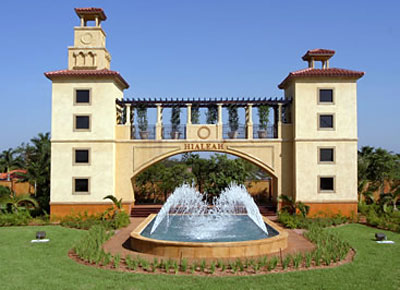
  • Hialeah Home Foreclosures to Get Share from $89M NSP Funds

    A number of Hialeah home foreclosures will be turned into functional and affordable homes for lower-income renting families in the area with help from a coalition of South Florida housing nonprofits that received a total of $89.375 million from the second funding round of the federal Neighborhood Stabilization Program.

    Hialeah Home Foreclosures to Get Share from $89M NSP Funds

    According to Arden Shank, head of coalition leader Neighborhood Housing Services of South Florida, over 1,200 foreclosure houses in battered communities throughout Miami-Dade County, where Hialeah is located, will be rehabilitated. Shank added that housing officials have already identified 73 census areas in the county which have high rates of abandoned foreclosure homes.

    Compared to other Florida counties, Miami-Dade received the highest amount from NSP. Broward County, one of the most foreclosure-battered counties in Florida, did not receive any amount.

    Hialeah is also expected to benefit from the grant money allocated by President Barack Obama to Florida and four other foreclosure-hit states when he traveled to Las Vegas to hold a town meeting. Obama explained that the $1.5 billion he provided to these states would be used to help underwater and unemployed homeowners with mortgages.

    Hialeah home foreclosures still comprise a big portion of the city’s housing market. As reported by an online real estate firm, almost 5,000 homes and condo units or 62 percent of all residential units for sale in the city are foreclosed for sale.

    Over the past months, condo complexes and other multifamily properties in Hialeah have also been going into foreclosure. One of these was the 180-unit six-story multifamily Case Bella Condo building, which was foreclosed upon by Ocean Bank due to an unpaid loan amount of $18 million.

    The development firm, 4400 LLC, purchased the buildings in 1979 for $23.5 million, with a $23.2 million loan from Ocean Bank. Only 52 units, however, were sold by the bank. The remaining units – a total of 128 units – will be offered through a public sale in March in the Miami-Dade County courthouse.

    In the Miami metro area, almost 173,000 residential units were notified of foreclosure or delinquency in 2009, marking a 44-percent jump from foreclosure activity in 2008, higher than the statewide increase during the same period.

    The pace of home foreclosures in Florida rose by 34 percent to nearly 517,000 foreclosure postings during the same year, a big portion of which were Hialeah home foreclosures and distressed properties in other cities of Miami-Dade County.

  • Denver Home Foreclosures Slowed, Bucked Colorado Trend

    Denver home foreclosures slowed in 2009, in contrast to the upward trend of Colorado foreclosures, based on data from the state Division of Housing.

    Denver Home Foreclosures Slowed, Bucked Colorado Trend

    Last year, foreclosure filings statewide surged to 46,394 after holding steady below 40,000 in 2008 and in 2007. In contrast, filings in Denver County, which was one of the most battered Colorado counties over the past years, dropped by 28.8 percent in 2009 compared to 2008.

    Similarly, in the final quarter of 2009, the pace of home foreclosures in Colorado surged, but the pace in metro Denver slowed. According to housing analysts, the intensity of foreclosure activity shifted from the central parts of the Denver metro area to counties outside the center as unemployment and wage reduction worsened in these outer areas.

    The most battered by foreclosure in 2009 was Mesa County, which posted an increase of 175 percent in filings and a sharp jump of 223.4 percent in foreclosures sale. Drilling jobs declined in the area as the price of natural gas dropped. Based on data from the Bureau of Labor Statistics, Grand Junction posted the biggest drop in jobs in 2009 among metro areas.

    While the pace of Denver home foreclosures slowed, foreclosure activity in Colorado counties which previously escaped the devastation of the housing crisis suffered substantial foreclosures in 2009, such as Broomfield, Boulder, El Paso, Weld, Douglas and Larimer. These counties, including several rural counties, posted increases in foreclosure filings of at least 18 percent last year.

    In the final quarter last year, the highest number of foreclosure postings occurred in Arapahoe County, which posted 1,597 filings. El Paso and Denver counties followed with 1,364 filings and 1,351 filings, respectively.

    Based on foreclosure sales, however, the highest volume in the final quarter last year occurred in Mesa County, which sold 157 units, up by over 300 percent from the final quarter of 2008. Boulder County was next with 143 units sold, up by 28 percent from 112 units in the final quarter of 2008.

    However, completed foreclosures statewide in 2009 dropped by 4 percent to 20,437, compared to the 21,306 completed in 2008 and by 18 percent compared to the 25,056 completed in 2007.

    While actual foreclosures increased in Boulder, Weld and El Paso by 6 percent, 4 percent and 11 percent, respectively in 2009, completed Denver home foreclosures declined. However, concerns about foreclosures still abound because new foreclosure filings statewide in 2009 rose by 18 percent.

  • Atlanta Home Foreclosures Addressed by Mortgage Legislation

    The increased pace of Atlanta home foreclosures has prompted legislators to step up their efforts in passing laws that can help cut down home foreclosures in Georgia.

    Atlanta Home Foreclosures Addressed by Mortgage Legislation

    According to a report from Equity Depot, over 10,000 households were given notices of default and foreclosure in metro Atlanta this February, marking a 27-percent increase over distressed numbers in January.

    Georgia Representative Mike Jacobs told his fellow legislators at a House subcommittee hearing that if the foreclosure problem is not addressed this year, the problem will arise again in the next several years.

    The House subcommittee started examining bills that would modify mortgage laws in Georgia and also began checking whether these bills might be in conflict with several mortgage law changes being made in the U.S. Congress. Georgia legislators want to have tougher mortgage laws in the state.

    One of these laws is HB 972 which was aimed at lengthening the foreclosure period in the state from 30 days to 90 days. Georgia is among states which have the fastest process in turning a distressed house into a foreclosed home for sale.

    Another state legislation aimed at cutting down Atlanta home foreclosures is SB 57 which was already passed by the Georgia Senate 2009. This bill would make significant changes in state mortgage law, including eliminating prepayment fees and requiring mortgage banks to make sure home loan applicants have adequate income before their loan applications are approved.

    A bill initiated by Georgia Governor Sonny Perdue through Senator Bill Cowsert aims to address mortgage fraud, which has again put Georgia in national mortgage news. According to reports, Georgia is fourth in the country in fraudulent mortgage activities.

    The bill would create a Mortgage Fraud Task Force that would focus on prosecuting mortgage lawbreakers in the state, regardless of whether the fraud is initiated by the loan applicant or the lender.

    Meanwhile, another foreclosure news involving prominent Atlanta home builder John Wieland shows how the housing crisis has affected builders. Wieland is facing foreclosure actions on three of his model homes in the Reunion subdivision in Hall County and on one of his Weston subdivision homes in Forsyth County.

    The homes, built by John Wieland Homes and Neighborhoods, are scheduled to be sold through the public foreclosure auction in March.

    However, Wieland insisted that the properties will not be added to lists of Atlanta home foreclosures because he is committed to the continued development of the Reunion and Weston projects.

  • More Foreclosure Properties for Sale Acquired by Canadians

    More foreclosure properties for sale in the U.S. are being acquired by Canadians, according to North Carolina-based Pinnacle Property Solutions, which has operations in Toronto.

    More Foreclosure Properties for Sale Acquired by Canadians

    Canadian investors are taking advantage of bargain-priced properties with the help of real estate management companies. According to Rusty Shields of Pinnacle, nearly 27 percent of all foreclosed properties in the U.S. are being purchased by Canadians. He also said that Canadians are making the right decision in buying now, as prices are in record low levels.

    Normand Haas, one of the clients of Pinnacle, said that he has accumulated a portfolio of real estate properties. Over the past five years, he has already earned a profit of 300 percent on three of his properties. Over the same number of years, his relative realized a profit of 280 percent.

    Since Canadian clients do not live in the states where they buy foreclosure properties, they use the services of real estate management firms that specialize in foreclosures. Among these is Pinnacle, which uses a proprietary system to search for foreclosures and acquire them at low prices, administer them on behalf of their buyers or resell them at a profit.

    Shields said that the business of helping Canadians buy foreclosure properties for sale is not solely focused on profits. He explained that his firm is also helping cut down the number of vacant untended properties that are devastating neighborhoods.

    By acquiring repossessed homes for sale, fixing them and renting them out to families that need affordable housing, the firm is helping in the rehabilitation of neighborhoods and development of affordable housing and at the same time earning profits for its clients.

    In the U.S., Pinnacle runs its charitable projects through the public foundation called Shield Foundation.

    Among the most popular states for Canadian real estate investors is Florida, where record numbers of foreclosures have occurred since 2008. One proof of the popularity of Florida is the proliferation of ebooks and web articles advising Canadians on how to invest in REO homes in Florida.

    Canadians are being advised to take advantage of the strength of the Canadian dollar over the American dollar and to borrow investment money in their home country by refinancing their homes if they have enough equity. They are also advised to look for a good real estate agent or reputable real estate management who can advise them about taxes, insurance, closing costs, home ownership and laws on purchasing foreclosure properties for sale in the U.S.

  • Foreclosed Home Listings in New York Offered with Discounts

    Foreclosed home listings in New York that highlight houses in distressed neighborhoods will soon be offered at deeper discounts of about 20 to 25 percent to hasten the implementation of the city’s Neighborhood Stabilization Program.

    Foreclosed Home Listings in New York Offered with Discounts

    This week, New York Mayor Michael Bloomberg and other city officials were criticized for not fulfilling their promise made in 2009 to act quickly and fix vacant foreclosed homes to be sold to lower-income households.

    As of last week, the city has purchased only eight vacant homes and has repaired none of them. No house has been resold.

    One of the reasons given was the refusal of banks to sell their foreclosure properties at 20-percent discount – the discount level that makes the program viable. The banks held their ground at 15 percent and refused to cut down further the prices.

    But according to Heather Lawler, community development officer at the Local Initiatives Support Corp., banks may soon approve the deeper discounts as they realize the continued foreclosure of properties.

    In 2009, more than 20,000 homes in New York City got notified of default and foreclosure, almost two times the 10,177 foreclosure postings in 2006.

    The number of foreclosures taken by banks from auctions because they failed to sell also increased. In 2006, only 290 properties were in their foreclosed home listings. In 2008, the number soared to 1,830 units, according to the New York University Furman Center for Real Estate and Urban Policy.

    Under the NSP program, the money would be used to acquire and rehabilitate houses in neighborhoods hardest hit by foreclosures, such as Brooklyn, Bedford-Stuyvesant and Queens.

    With the release of another $32 million from private sources to match the federal funding, housing and nonprofit officials hope they can now begin buying vacant Bronx foreclosed homes for sale and other properties in disrepair.

    Another trouble for the city to solve and another sign that the city needs to hasten its housing programs is the foreclosure of the historic apartment complex Riverton Houses in Harlem. The complex, constructed in the 1940s with 1,232 apartment units, was mortgaged for $225 million, and now it is doubtful if the lenders can recoup their investment as the complex was assessed at only $108 million in September last year.

    The Riverton foreclosure followed the recent surrender of the $5.4-billion Stuyvesant Town apartment complexes to the lenders and showed the continued severity of the problem of foreclosed home listings in the city.

  • Buying Foreclosed Properties Still Viable in Metro Atlanta

    Buying foreclosed properties in metro Atlanta is still viable both in the residential and commercial sectors as foreclosure activity is still rising in both sectors.

    Buying Foreclosed Properties Still Viable in Metro Atlanta

    The number of condo buildings, multifamily complexes, commercial centers and office properties is still rising, as shown in the recent foreclosure of properties owned by development firms like Dawson Co., John Williams, Barry Real Estate Companies and University Village Partners LLC.

    Jones Lang LaSalle, one of the biggest commercial real estate firms in metro Atlanta, said that commercial foreclosures will still continue this year because of the rising vacancy rate in office buildings. The rate is now approaching 25 percent, according to the firm.

    In the multifamily sector, three properties owned by Dawson Co. were recently put into foreclosure: the 352-unit condo complex in Buckhead, the Somerly apartments and the landmark housing project City Plaza, which was financed jointly by the city-backed Urban Residential Finance Authority, AMI Capital and Fannie Mae.

    Dawson Co. hopes, however, that Fannie Mae will grant its request for refinancing to save City Plaza, which was launched on three acres adjacent to the city hall with a $12.3 million development loan in the late 1990s.

    The financial difficulties of Dawson, one of the most reliable builders in Atlanta and whose founder, Harold Dawson, is a leader in equal housing advocacy, shows the depth of the housing crisis.

    In addition, buying foreclosed properties in the housing sector will also continue to be a major activity in the property sector in Atlanta as shown in the continued growth of foreclosure filings in the metro area last year.

    Nearly 79,000 homes in the area received foreclosure and default notices last year, marking an 18-percent jump from notices sent to distressed homeowners in 2008 and a 57-percent rise from notices in 2007. The number represented 3.7 percent of all households in the metro area, which includes Sandy Springs and Marietta.

    Qualified buyers can also check Atlanta foreclosed homes for sale by county agencies with housing redevelopment projects funded by the Neighborhood Stabilization Program. Rockdale County, for instance, has launched a foreclosure rehabilitation program with help from the Georgia Department of Community Affairs and consulting firm APD Solutions.

    Local contractors are hired to fix foreclosed properties at an average cost of about $25,000 to improve the employment situation in the area while rehabilitating neighborhoods.

    Families with plans of buying foreclosed properties in metro Atlanta are advised to approach their counties and housing nonprofits and check if they are qualified to buy these rehabilitated properties.

  • Bakersfield Foreclosures Largely Caused by Overbuilding

    The record pace of Bakersfield foreclosures was largely caused by overbuilding during the boom times, according to Robert Denk, economist of the National Association of Home Builders.

    Bakersfield Foreclosures Largely Caused by Overbuilding

    A lot of builders speculated that the city’s spectacular growth would dramatically increase the demand for housing. They also thought that its 110-mile distance from Los Angeles and Fresno would further spur demand. In 2009, Bakersfield grew to become the third largest California inland city and the 11th largest city statewide.

    But their hopes were dashed because they overbuilt. Inventory overwhelmed demand and caused prices to plunge. Combined with factors like adjustable rate mortgage lending and job losses, the excess supply contributed to the 12th ranking of Bakersfield in a chart of the most foreclosure-clobbered metro areas in 2009.

    Buying foreclosed properties now in Bakersfield is not a difficult task as the metro area posted 19,174 foreclosure filings in 2009, based on data released by a California research firm. This number represented 7.1 percent of all households in the area and marked an increase of more than 18 percent from foreclosure actions in 2008 and a 155-percent jump from filings in 2007.

    The record pace of Bakersfield foreclosures pushed prices down to levels never seen in the area. In December last year, one major broker sold an 803-square-feet property for only $25,000.

    The Local Market Monitor, which releases its home price forecast every quarter for more than 300 local housing markets in the country, put Bakersfield on top of its list of cities with the worst price performance in 2010. Other California metro areas in the list were Fresno, San Jose and Stockton.

    California foreclosures also surged in 2009, with more than 630,000 of its residential properties getting notices of delinquency or foreclosure. This number marked a 21-percent jump from 2008 and represented 4.8 percent of all California households.

    In 2009, California was fourth among all states in foreclosure activity, the same ranking as in 2008. It also accounted for 9 of the 20 most foreclosure-battered metro areas, with the state of Florida following with eight.

    Bakersfield was the sixth hardest-hit in California and 12th among 203 metro areas in the U.S. The most clobbered in California was Merced, with 10.1 percent of its households in foreclosure.

    Bakersfield foreclosures will still rise in 2010, according to analysts in the area, despite the infusion of federal funds to stimulate job creation in California because of the record number of mortgage borrowers already in default.

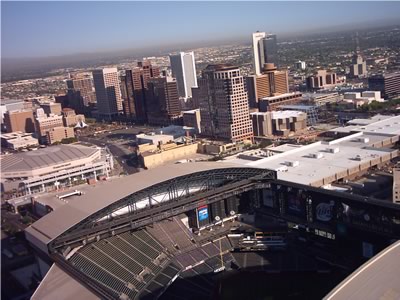
  • Phoenix Foreclosures Soared with 8th Highest Metro Rate

    Phoenix foreclosures soared with the eighth highest foreclosure rate among metro areas in 2009. A total of 133,809 residential properties were notified of default or foreclosure, representing more than eight percent of all households in the area.

    Phoenix Foreclosures Soared with 8th Highest Metro Rate

    Despite a decline in foreclosure rate ranking from 2008, the pace of listing foreclosures in the area surged by almost 37 percent from 2008 and by a staggering 343 percent from 2007. In 2008, the Phoenix metro area ranked fifth in foreclosure activity, with nearly 98,000 filings and with a foreclosure rate of 6.02 percent.

    The decline in Phoenix ranking shows that foreclosures in other metro areas have been worsening at a pace much faster than in Phoenix. A study recently released by the Arizona State University Real Estate Center showed that home prices in Phoenix have been stabilizing since the last months of 2009, with the price decrease of foreclosure homes slowing down from a 15-percent decline in October to an only 2-percent decline in December.

    However, many housing analysts contend that home price levels will not be able to return to their peak levels in 2006 within the next four years because of the continued price impact of Phoenix foreclosures. Residential property values in the metro area have fallen by 50 percent from their values in 2007.

    The continued rise in Arizona foreclosures in 2009 also put downward pressure on home prices. With more than 163,000 or 6.12 percent of its households in default or in foreclosure, Arizona was second only to Nevada in a ranking of the U.S. states based on foreclosure activity.

    Filings in Arizona in 2009 marked a nearly 40-percent increase from 2008 and a jump of more than 323 percent from 2007.

    The continued increase in foreclosure in Phoenix and in other parts of Arizona is driven by a mixture of factors: home price inflation during the boom, overbuilding, easy availability of home loans, risky mortgages, high number of borrowers who refinanced their original loans to significantly higher amounts and high number of flippers.

    The Phoenix housing market crashed in the summer months of 2007, with thousands of homeowners getting foreclosed on every month to reach a total of almost 98,000 foreclosure filings in 2008 and almost 134,000 in 2008.

    This January, another foreclosure prevention legislation was introduced in the Arizona Senate to fight foreclosure. It is hoped that this legislation, crafted to combat loan modification fraud, would help cut down Phoenix foreclosures.

  • Fayetteville Foreclosures Soared from No Ranking to 33rd

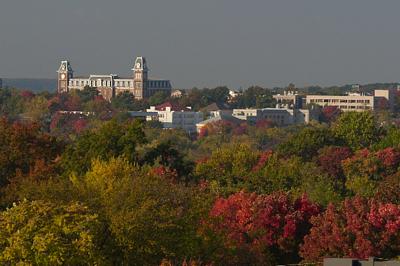
    The pace of Fayetteville foreclosures shot up from no ranking in 2008 to 33rd in a ranking of the 203 largest metro areas in 2009 based on foreclosure rates provided by a California-based foreclosure research firm.

    Fayetteville Foreclosures Soared from No Ranking to 33rd

    In a ranking of 100 metro areas in 2008 by the same research firm, the Arkansas city of Fayetteville did not appear, indicating that during the first year of the foreclosure crisis, the city was largely insulated from the housing meltdown.

    The only Arkansas metro area that appeared on the list of 100 foreclosure-ridden cities in 2008 was the Little Rock and North Little Rock area, which ranked 54th.

    Over the years from 2004 to 2008, Fayetteville, which is the administrative center of Washington County, was repeatedly named as one of the best cities to live and work by different lifestyle and business magazines.

    It was named as the seventh best city to live, work and play by Kiplinger’s in 2008; the eighth best metro for careers and business in 2007 by Forbes; and included in the best city listings by Money Magazine, Lifestyle Magazine and the second edition of 50 Fabulous Places to Retire in America.

    It is also known for the track and field program of the University of Arkansas, which has already won 42 U.S. championships.

    Now, Fayetteville would become also known for its foreclosure listing growth.

    In 2009, the rate of Fayetteville foreclosures soared to 3.77 percent, higher than the nationwide rate. One home out of every 27 homes in the area fell into default or foreclosure last year. The 2009 rate marked an increase of 31.7 percent from 2008 and a staggering jump of 336.6 from 2007.

    All in all, 6,912 households in the Fayetteville, Springdale and Rogers metro area were given notices of delinquency or foreclosure in 2009.

    The pace of Arkansas foreclosures also stepped up in 2009, putting the state 23rd in a ranking of U.S. states based on foreclosure rate. One house out of every 78 houses or a total of 16,547 houses in the state fell into delinquency or foreclosure in 2009. The 2009 pace marked a jump of 16 percent from 2008 and a high jump of 158 percent from 2007.

    Just like in other metro areas, the increased pace of Fayetteville foreclosures was largely caused by job loss and income reduction. The jobless rate in Arkansas increased in December 2009 to 7.7 percent from 7.4 percent in the previous month.

  • Cape Coral Foreclosures Second Only to Las Vegas Filings

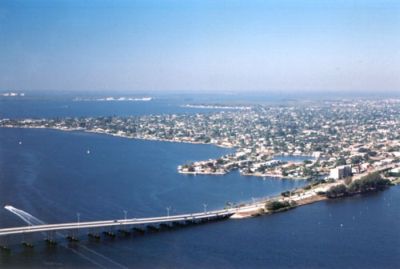
    Record numbers of Cape Coral foreclosures in 2009 put the city second only to Las Vegas in a ranking of metro areas based on pace of foreclosures during the year.

    Cape Coral Foreclosures Second Only to Las Vegas Filings

    Based on a study conducted by a California-based real estate information provider, the Cape Coral metropolitan area in Florida had 11.9 percent of its residential units hit with foreclosure postings in 2009 or a total of 42,862 housing units.

    In Florida, seven other cities reached foreclosure rate levels that topped foreclosure charts in 2009, including the Orlando area, which posted an 8.2 foreclosure rate, and the Miami area, which had a 7.2-percent foreclosure rate.

    Las Vegas, the top placer, had over 12 percent of its residential units in foreclosure – more than 5 times the nationwide foreclosure rate.

    Recently, U.S. Senator George LeMieux of Florida visited Cape Coral to see for himself what the foreclosure crisis has done to several neighborhoods in the city. Frank Cassidy, code enforcement director of Cape Coral, showed the senator how city officials are trying their best to prevent community decay so that people buying foreclosed homes would not be discouraged in moving to the city or investing in the area.

    According to Cassidy, there are currently about 24,000 Cape Coral foreclosures that the market needs to absorb in order to help the housing sector recover. Based on sales data, the average home price in Cape Coral has fallen by almost two-thirds to only $97,000 from the January 2007 peak price of around $255,000.

    With big residential projects failing in Cape Coral and in other parts of Lee County, more foreclosures are expected in the area this year. Recently, the three huge commercial and residential projects of Fort Myers-based property developer Grosse Pointe Development were put into foreclosure. Grosse Pointe owed $236.4 million on its Tarpon Point retail, hotel and residential community in Cape Coral; $19.6 million on its Bell Tower residential community in Fort Myers; and $83.6 million on its Bonita Springs project.

    With a total loan value of $339.6 million, the Grosse Point projects are costlier by over 300 percent than the previous foreclosure record posted by the failed Paradise Preserve in Fort Myers.

    In 2009, Florida foreclosures surpassed the half-million level, putting the state third among all states based on foreclosure rate. Cape Coral foreclosures, with an almost 12-percent foreclosure rate, certainly contributed to the high ranking of Florida.

  • Las Vegas Foreclosures Soared As Tourism and Gaming Declined

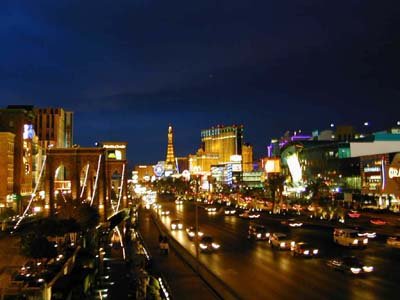
    Las Vegas foreclosures topped all other U.S. metro areas in 2009 based on foreclosure rate largely because the city is dependent on tourism and gaming – industries that declined during the recession as U.S. consumers spent their money on necessities.

    Las Vegas Foreclosures Soared As Tourism and Gaming Declined

    In 2009, 12 percent of residential units in Las Vegas or 94,862 units received at least one notice of default or foreclosure, over five times the nationwide foreclosure rate of 2.1 percent. The 12-percent rate also marked an increase of 41 percent from 2008 and a jump of 213 percent from 2007. Serious mortgage delinquencies also increased over the October-November period to 20.1 percent of all mortgage borrowers.

    However, the pace of foreclosures dropped in Las Vegas in the fourth quarter, compared to the third quarter, as lenders complied with the state-mandated mediation scheme for delinquent homeowners.

    In 2008, Las Vegas posted an 8.9-percent foreclosure rate and ranked fourth among all metro areas, marking a jump from its fifth-place ranking in 2007.

    The yearly increase in rate of Las Vegas foreclosures showed how the drop in tourism- and gaming-related activities affected employment and housing. The jobless rate in the metro area in November 2009 was 12.1 percent, a still high rate despite its drop from 13 percent in October. Statewide, the rate was 12.3 percent in November.

    The pace of Nevada foreclosures also climbed up sharply in 2009, rising to 10.2 percent of all mortgaged homes in the state, a jump of 44 percent from 2008 and an increase of 226 percent from 2007. More than 112,000 homeowners across the state received notices of delinquency or foreclosure in 2009.

    Despite topping the foreclosure rate chart for all U.S. states in 2009, Nevada got only around $21 million from the Housing and Urban Development Department to mitigate the effects of its record numbers of foreclosed houses for sale. The whole amount was allocated to the housing authority of Reno, whose funding application was the only one approved among all applicants in Nevada.

    Even Las Vegas, which topped all other metro areas in foreclosure activity, received nothing. Some HUD officials explained that Las Vegas was not able to spend all the funds it received from the first funding round of the NSP.

    According to Las Vegas Mayor Oscar Goodman, Senate Majority Leader Harry Reid of Nevada and other Nevada officials, it was illogical for the HUD to overlook the large numbers of Las Vegas foreclosures in 2009.

  • Real Estate Foreclosures for Sale Make Oregon Investors Rich

    Investors looking to make money from real estate foreclosures for sale can learn from 51-year-old John Helmick and 32-year-old Ben Bazer who started buying homes one at a time at public foreclosure auctions and are now owners of a $23-million real estate investment firm called Gorilla Capital.

    Real Estate Foreclosures for Sale Make Oregon Investors Rich

    Today, the company is still focusing on foreclosure homes and is still buying houses at public auctions, although it has expanded to other states – Arizona, Florida, Idaho and Washington – and has grown to a 30-employee company.

    According to Helmick, his firm has been succeeding because of its proprietary foreclosure search and acquisition model and its focus on foreclosure auctions. He said his firm is selective in its purchases, buying only one unit in about 200 units sold at auctions.

    Gorilla also buys only houses in the lower end price range — $100,000 to $200,000 – and avoids markets where there are only few of these lower-priced properties, such as Portland.

    Helmick said that Bazer, now the chief operating officer of Gorilla, has developed a database system that makes easier the search for profitable properties out of hundreds of real estate foreclosures for sale. The system analyzes more than 30 features such as number of bedrooms, square footage and type of structure.

    Helmick, a financial lawyer, related that he met the then-24-year-old Bazer in 2002 in Eugene where Bazer was buying homes at foreclosure auctions, repairing them and selling them. Bazer impressed Helmick as intelligent, well-organized, hardworking and well experienced in foreclosures. Bazer’s father bought and sold distressed properties in California, so Bazer learned at an early age.

    Helmick began financing Bazer in his foreclosure investments, and in 2005, they formed Gorilla Capital together. Today, the firm has become one of the biggest foreclosure investment firms in Oregon and has expanded into four other states.

    It has also helped a lot of contractors, having contracted with over 50 trades people for the repair and renovation of fixer uppers. It also takes care of its employees, giving them salaries ranging from $30,000 a year, with agents earning much more depending on the number of houses they buy, repair and resell. Employees also get health and dental benefits and are helped with a retirement plan.

    Indeed, Gorilla Capital has come a long way. Having proven its success during both up and down markets, the firm is expected to continue making money from real estate foreclosures for sale in the years to come.

  • Foreclosures Listings Slowed in MA, but Bankruptcies Rose

    Foreclosures listings slowed in Massachusetts in 2009, but mortgage defaults and personal bankruptcies increased, based on research results from Warren Group.

    Foreclosures Listings Slowed in MA, but Bankruptcies Rose

    The number of completed foreclosures in the Bay State dropped by 25.4 percent to 9,269 in 2009 compared to the previous year, but the number of default notices increased by more than 28 percent to 27,928 compared to notices in 2008.

    Meanwhile, the number of residents who used Chapter 7 bankruptcy protection soared by 33 percent to 16,033 filings in 2009 from 12,034 filings in 2008.

    Chapter 7 bankruptcy filings enable debtors to wipe out most of their debts even if their non-exempt properties and assets are not enough to pay fully the debts. Chapter 7, the most commonly used bankruptcy type for individual debtors in the U.S., comprised 81 percent of total bankruptcy filings in Massachusetts last year.

    According to Boston lawyer Neil Burns, job losses and sharp declines in home values drove foreclosures listings and pushed more people into bankruptcy in 2009. During the latter part of last year, the sharp increase in credit card rates also exhausted people’s finances and left them with no option other than bankruptcy.

    In 2007, a total of 8,405 bankruptcies were filed, almost double total filings in 2008. The highest number of Chapter 7, however, occurred in 2005 when 22,526 people filed for bankruptcy. This was the time a federal law making bankruptcy filing more stringent was about to take effect.

    While Chapter 7 filings soared, Chapter 13 bankruptcy filings declined by 15 percent in 2009, with 3,511 debtors using Chapter 13 protection, which requires them to negotiate for a repayment plan that lasts between three to five years. A total of 4,147 residents filed for Chapter 13 in 2008.

    Chapter 11 bankruptcy filings, meanwhile, increased by only six percent to 215. This type of protection is commonly used by corporations struggling from debts to reorganize their operations and finances to be able to start again on a better footing.

    Another item tracked by Warren Group in 2009 in Massachusetts was the number of announcements to auction foreclosures. Nearly 20,000 auction announcements were monitored last year, an increase of almost one percent from announcements in 2008. Auction announcements reached 1,931 in December last year, over 60 percent higher than announcements in December the year before.

    In December last year, 857 homes in Massachusetts entered foreclosures listings, marking a jump of 22 percent from the previous month and presenting more opportunities for foreclosure investment.

  • Home Foreclosure Listings Still Surging in Maryland

    Home foreclosure listings are still surging in Maryland, based on figures from the Maryland Housing Department and a California-based foreclosure tracking firm.

    Home Foreclosure Listings Still Surging in Maryland

    According to Maryland officials, the poor economy, the high unemployment rate and budget-tightening measures in the state are prolonging the foreclosure crisis.

    The Housing Department reported that almost 17,000 new foreclosures were filed in the last quarter of 2009, a 67-percent jump from the last quarter of 2008.

    Ray Skinner, Secretary of the Housing Department, said that a lot of homeowners cannot afford their monthly mortgage payments now because the loan amounts they took out during the boom were based on income that included second jobs and overtime. When the economy tumbled, they lost these extra income sources.

    Currently, the jobless rate in Maryland is 7.4 percent. Although lower than the nationwide rate, it has largely pushed one out of every four households in the state to delinquency.

    In the fourth quarter of 2009, a total of 16,788 foreclosures were posted, marking a 13.4-percent jump from the third quarter. The foreclosure pace put Maryland tenth among states during the quarter.

    According to the Maryland Department of Labor, Licensing and Regulation, home foreclosure listings could have been bursting with more properties if the state did not implement several laws to protect homeowners and reform mortgage practice.

    The department said that it has carried out 88 regulatory actions, such as referring criminal cases that have resulted into convictions and cease and desist actions. The state counseling program has also helped almost 7,000 families saved their homes.

    Currently, state officials and legislators are campaigning for support for two proposals that would create more jobs: provision of low-interest loans to small business enterprises and reauthorization of the tax credit designed to encourage building rehabilitation in commercial districts.

    State officials are also asking the federal government to advance $250 million to Maryland’s unemployment trust fund so that benefits can be paid out on time.

    According to Labor Secretary Alex Sanchez, the state has been doing its best to help distressed homeowners, but it can only help those borrowers who are still employed. Until the employment situation improves, the reality is that a lot of homeowners will lose their homes.

    In 2009, more than 43,000 homeowners became seriously delinquent, with many of them staying in properties already in home foreclosure listings. The number marked a 34-percent jump from foreclosure actions in 2008 and a 129-percent increase from 2007.

  • Boston Foreclosures to be Reclaimed with $13.6M NSP Money

    Boston foreclosures will be turned into affordable housing units using the $13.6 million the city received from the U.S. Department of Housing and Urban Development under the second funding round of its Neighborhood Stabilization Program.

    Boston Foreclosures to be Reclaimed with $13.6M NSP Money

    The money will be used to acquire and fix vacant distressed properties in the most foreclosure-battered neighborhoods of East Boston, Dorchester, Hyde Park, Mattapan and Roxbury. According to city officials, there are 860 dilapidated foreclosure properties across the city that need to be rehabilitated, 275 of which are located in the five neighborhoods.

    Aaron Gorstein, head of the Citizens Housing and Planning Association, said that his group is going to continue working with the office of Mayor Thomas Menino to put bankruptcy homes and other derelict properties into productive use.

    Boston has been rehabilitating foreclosure properties under a program launched with help from Bank of America. Now, it is carrying out the program with assistance from additional backers like Wells Fargo and Fannie Mae. It has already acquired 17 foreclosures and has chosen 44 more units to purchase.

    A study from the University of Massachusetts in Boston found that a big portion of Boston foreclosures resulted from risky mortgages provided to black and Latino homeowners. The study said that more than 50 percent of blacks and Latinos who took out home loans were provided with subprime loans, far above the 13-percent share of white borrowers.

    According to Warren Group, foreclosure activity in Massachusetts slowed in November last year, but is expected to rise again because of the increase in mortgage defaults.

    Actual foreclosures in the state decreased in November 2009 to 701 units, a 21-percent drop from the 888 deeds posted in November 2008 and a 23-percent drop from the 912 deeds filed in October 2009.

    Total foreclosure postings in the state from January to November 2009 reached 8,409, marking a drop of 27 percent from the 11,494 posted during the same 11-month period in 2008.

    Foreclosure filings in November totaled 1,937, down by 16 percent from 2,296 petitions in October but up by 45 percent from 1,335 petitions in November 2008.

    Through the 11-month period from January to November 2009, nearly 26,000 foreclosure petitions were filed, a 29-percent jump from 20,179 petitions during the same 11-month period in 2008.

    With the slowdown in Boston foreclosures, the drop in the unemployment rate and increase in single-family house sales, analysts hope that the city continues to recover in 2010.

  • Buying a Foreclosed Home for Sale Profitable for Agent

    Buying a foreclosed home for sale has been challenging but profitable for an agent in Maryland, who have decided to specialize as a buyer’s agent to get the full trust of buyers she represents.

    Buying a Foreclosed Home for Sale Profitable for Agent

    People considering a career in the real estate sector can learn from her experiences, principles and decision-making strategies.

    Urbana-based Mary Richeimer launched her company, The Buyer’s Best Realtors, as a buyers-only enterprise because she believes that representing the two sides of transactions sets off conflicts of interest. She added that her firm is the only buyers-only realtor in her region.

    Richeimer has been buying properties for clients for nearly 20 years and has overcome various challenges in the real estate market. She said that she entered the industry after losing her job as a seller of laboratory equipment. She was helped by her neighbor who was a realtor, and after seven years, after her neighbor shifted to the traditional buying-selling system, she formed her buyers-only company.

    When examining a foreclosed home for sale or a non-distressed pre-owned house, Richeimer said that she always looks at the property from the point of view of the buyer. She checks further if there are stains on the ceiling and gathers more information especially if she is dealing with people flipping houses. She added that she guides buyers through the home buying and ownership process, especially those who are buying their homes for the first time.

    Richeimer had her record sales in 2008 and expects to increase her sales this year. She has two sales assistants, an office manager and she plans to hire another assistant soon.

    In related reports, buyer’s agents are advising their clients to have some reserves, in addition to their down payments and closing costs. Agents said that buyers should have at least 6 months of loan payments left in their bank accounts after paying the closing costs.

    Buyers are also advised to have at least one percent of the home purchase price for surprise expenses such as needed repairs and improvements, especially when they are buying distressed properties like VA foreclosures. It is now difficult to take home-equity loans for home improvements.

    Prospective home buyers also need to participate in the home inspection so that they can ask questions and know the real conditions of the property.

    To acquire a good foreclosed home for sale, prospective buyers can hire real estate agents like Richeimer who represents only buyers.