Author: Natasha Lomas

  • Samsung Confirms 4.3″ Dual-Core Galaxy S4 Mini To Widen Access To Its Flagship S4 Brand

    00_GT-I9190_Front_white_Standard_Online

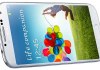
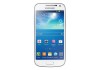
    Samsung has officially confirmed the Galaxy S4 Mini, following a brief leak earlier this month. The new handset takes the name of its current flagship smartphone, the Galaxy S4, but couples it with more mid-range specs to extend the reach of the flagship brand to a larger pool of consumers. It’s a strategy Samsung also deployed with its prior flagship, the Galaxy S3, taking the wraps off a Galaxy S3 Mini last year.

    Indeed, Samsung’s overall smartphone strategy is about producing scores of iterations at various price points and screen sizes in order to saturate the market with as much of its hardware as possible. A strategy that, coupled with its massive marketing budget, continues to be extremely successful for the Korean electronics giant, making it far harder for other Android OEMs such as HTC to compete with their far more modest device portfolios.

    As with the majority of Samsung’s devices, design wise you’d be hard pressed to distinguish the Galaxy S4 Mini from any other recent Samsung device. Its smaller size being the most distinguishing feature vs the flagship S4. The Mini has a 4.3″ qHD Super AMOLED display vs the 5″ pane on the flagship S4. At 4.3″ the Mini is not actually that small, certainly not compared to some of Samsung’s budget devices, but the target here is users who might not be comfortable with the phablet-sized screen of Samsung’s current flagship but still want something flashy enough to look like a flagship.

    Under the hood, the S4 Mini has a 1.7 GHz dual-core chip, rather than the quad-/octa-core of its big brother. There’s 8GB of internal memory and 1.5GB of RAM. The rear camera is 8MP and the front-facing lens is 1.9MP.  Samsung says it will be offering a 4G version of the device, as well as a 3G and dual-SIM version — based on what makes sense for each market.

    Features wise, Samsung says the S4 Mini supports “many” of the same features as found on the flagship S4 — including Sound&Shot, Panorama Shot and Story Album, on the camera software side. Other confirmed apps include Group Play, ChatON, S Translator and WatchON. The Mini clearly lacks the full gamut of software services poured onto Samsung’s flagship but most smartphone buyers aren’t going to be fussed about a few lacking apps, especially as the Mini’s price-tag should also be a bit more modest.

    There’s no official word on pricing or a full list of confirmed market availability — but expect the S4 Mini to land wherever the S4 has, and certainly to head to the U.S. and the U.K.

  • Turn The Raspberry Pi Microcomputer Into A Low-Cost Laptop With This Atrix Dock Hack

    RaspPi_Laptop_2

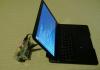
    The $35/$25 Raspberry Pi microcomputer is being used by hardware hackers to power all sorts of creative projects. Including, in the above instance, a Raspberry Pi powered laptop, created by developer Eric Chou — principally by tying in the Motorola Atrix laptop dock. Which surely must be the coolest use of that piece of kit to date.

    The smartphone that the dock was intended to be hooked up to has since been discontinued but as Adafruit Industries points out in the below ‘how to’ video, the laptop dock can still be picked up via various online outlets. Its Micro USB and Micro HDMI jacks offer a neat, relatively straightfoward way to turn a Pi into a laptop. Adafruit’s video shows which connectors to get and how to splice them together to plug in the Pi and get the DIY laptop working.

    Chou, meanwhile, has costed out his version of the Pi laptop hack — including an optional Airlink WiFi module. In total the components costs around $125, plus the cost of the Pi — making it cheaper overall than the build costs of the XO ‘One laptop per child’ laptop (the XO apparently costs around $200 to make). It’s also a lot more accessible to individuals and small groups, being as the latter machine has to be ordered by the thousand so is generally restricted to government-backed mass education projects. Go the Pi-powered DIY route and so long as you’re willing to roll up your sleeves and do a little hacking, much smaller batches of low cost laptops can be put together and put to work where they’re really needed.

    The Raspberry Pi’s potential as a low cost computing platform for developing countries is pretty exciting. Pis are already being used to power a school computing lab in rural Cameroon, thanks to a Belgian volunteer project which involved a suitcase full of the microcomputers being taken out to Africa and set up with monitors and keyboards acquired locally. It’s a great fixed-location learning solution, but couple in a bit of kit like the Atrix dock and portability could really extend the usefulness of the device.

    A Pi-powered laptop wouldn’t need to be tethered to a classroom location, but could be taken home by kids so they can carry on learning (the dock also contains a battery so even without any electricity at home it would offer some hours of use). The not-for-profit Raspberry Pi Foundation, which created the Pi with the hope of getting more U.K. kids learning to code, has said it is keen to look for ways to get more Pis out to developing countries this year, where the need for a low cost computing solution is even greater.


  • Jolla’s Software Chief Says Co-Creation Is What Makes The MeeGo Startup’s Phone Hardware So Special

    Jolla

    Jolla, a Finnish startup formed in response to Nokia’s decision to ditch MeeGo in favour of Windows Phone, has finally taken the wraps off the smartphone hardware that will be paired with its “unlike” Sailfish UI. Being a startup is challenging enough in any business sector but Jolla is seeking to compete in the fiercely competitive smartphone space, going up against giants Samsung and Apple who hold the majority of the market in a pincer grip. So it’s hard not to dismiss their efforts as too late. But it’s a lot harder to accuse them of doing too little.

    Jolla’s strategy for fighting the mobile industry’s Goliaths is all about standing out by doing things different. Today’s hardware underlines how this startup is hoping to disrupt the concept of a single flagship device — such as the Samsung Galaxy S4 — that’s hankered after and owned by millions yet with only a little variation in case colourings to tell the difference between each one.

    In seeking to break down software homogeneity with its Sailfish UI and a business model that encourages working with third parties to develop new types of smartphone experience that loop in others’ data, Jolla is also taking aim at hardware commoditisation via a cross-over feature in its debut device that it’s calling the Other Half. The Other Half refers to removable hardware shells that snap on to the back of the handset and can be changed and customised by the user. But the feature goes further than interchangeable shells — which is not at all new, dating back in spirit to early Nokia mobile phones of the 1990s with their removable facias, and more recently to a device like Nokia’s Lumia 820, which has a coloured and swappable backplate.

    Jolla’s Other Half isn’t just decoration but links to the software on the handset — using an unconfirmed bridging technology that sounds to my ear like NFC — allowing content on the phone to be tied to the addition of a new shell, or even for new physical features to be incorporated and supported.

    Jolla’s Marc Dillon, now head of software but until recently CEO, gave some examples of how the Other Half feature could be used — noting that this is about opening up the back of the device for others to come in and augment.

    “You have the processor side of the device, the power side, the engine, and then the Other Half is about adding to that. This is a new kind of media where it could be anything from your favourite artist could release their latest album on the other half of the Jolla device, and then when the user buys this they have a physical thing from their favourite artist then when they snap it on to the other half of their Jolla device, then everyone can see it, that they support and love their artist and then on the inside they could get the content. They could get maybe special content, that could only be released in this format like videos or links to websites or tickets or special offers, things like that but because of this interface between the two halves,” he told TechCrunch.

    “It can not only be media, it can be very simple things — so maybe you have a colour palette, so when you go out of an evening you might have a different colour depending on your outfit and that colour then carries through to the software updating the Ambience of the device. So you might have — if you have a green dress, you might have a green device and then you have green icons and green Ambience [Sailfish UI theme] on your phone. But it can also be more interesting — you can add features. Like the camera is a good example, the native camera of course has a flash but maybe you’re going to a party and you want to have a big flash so you can take pictures in the dark at a nightclub. So really the imagination is the only limit here.”

    “Instead of having a device with some bulky things attached to it or some things sticking out the side of it to extend the capabilities of the device, or to add content, we’re giving a new way for users to actually design and co-create with us new ways of using the device,” Dillon added.

    “Of course we will be offering a choice of Other Halves for the user to buy but this is a place where we want to see others get involved. Designers can design Other Halves for the device, engineers or hackers or techies can design new interfaces and maybe add physical hardware features that they wish they had on their device but might have a smaller market than to deserve having a whole entire device,” he said. “We talked about 3D printing them today. So it could be those kinds of things, but really we’re offering a new kind of interface for a device so that people can really take their imagination, and I believe there will be a lot of third parties and a lot of people who have a lot of great ideas in order to help you use the Other Half of the Jolla device.”

    The Other Half may be a bit of a clumsy name but it’s a savvy move that taps into the custom hardware trend that’s growing off the back of the rising profile of 3D printing. That said, it does of course remain to be seen how much interest Jolla can spark for others to get involved in co-creation with only one device to its name and that device not launching for another six months. It will need enough traction to get the co-creation party started.

    The idea to link the hardware and software has been part of Jolla company discussions and plans since the beginning, according to Dillon. “It’s been something that we’ve been planning and working towards the whole time. The Ambience was a hint of how this can come together,” he noted, adding: ”Hardware like many things, it’s become a commodity, so the problem with commodities is it generally forces things down — things become kind of lowest common denominator… We set out to make the greatest device that we could, and we understood that the software and the user experience is key because that’s where the value comes from in the device and the hardware is the realisation of that, it’s a productisation of the software.

    “So we kind of took this tack, then of course the hardware has to be fantastic it has to support the software and support the user and be something the user can be proud of and my belief is that when people see the Jolla device they want to see what’s inside.”

    “This iteration, the direct stuff here, has been about a year in development. It started getting really good for me about six months ago and I’ve been using the device for a while now, and it’s really started to feel fantastic, when the hardware and the software have come together. They were done by the same designers and the same people so it has been kept in mind that the two go together, that the two have a synergy the entire time. We’ve had a roadmap the entire time as well so we’ve had a set of hardware specifications to work with,” he added.

    It’s worth flagging that Jolla is not the only mobile maker to take an interest in 3D printing and custom hardware, even if it’s taken that further by creating a link between custom hardware and phone content. 3D printing is something Nokia has done with the Lumia 820 shell, for instance. Dillon said Jolla may also look to open source the 3D design of the Other Half, telling TechCrunch “I could see that happening”.

    Asked specifically about the bridging technology between the hardware shell and the software, Dillon declined to give specific details, saying: “There’s a number of options here but there is a connection between the Other Half and the software. And of course all of that needs to be open as well.”

    Asked whether the device will launch in the U.S. he said Jolla is looking at other markets but opting for Europe and China first. ”We’re starting with Europe and China and we will be extending to other markets as we go. We’re in the delivery phase at the moment so we’re building the infrastructure, and the logistics in order to be able to deliver and care for the users of the device, and we’re of course going to look at other markets as we go.”

    “It’s the target to get the Christmas market in Europe, Chinese New Year. That’s the big milestones,” he added. “The most important thing is we come out with a fantastic product… When we’re shipping at the end of the year if it’s a fantastic product then it’s really going to resonate and I think we’re really going to have a lot of demand.”

  • Galaxy S4 Will Pass 10M Shipments Next Week Less Than A Month After Launch, Says Samsung

    galaxy s4

    Samsung’s latest flagship smartphone, the Galaxy S4, is poised to pass 10 million shipments next week less than a month after the device launched, says co-CEO Shin Jong-kyun, according to the Korea Times. The S4′s international release took place on April 27, after the phone launched in Samsung’s home market on April 26.

    “We are confident that we will pass more than 10 million sales of the S4 next week. It is selling much faster than the previous model S3,” Jong-kyun told reporters at an industry forum in Seoul yesterday the paper reports. “Samsung spent 50 days to pass the 10 million sales mark for the S3. The S4 will be Samsung’s first ’10 million seller’ device less than a month after its official debut.”

    Earlier this week Samsung confirmed shipments of the S4 had passed 6 million, describing it as the fastest ever sell rate for a Galaxy S smartphone, or any other Samsung smartphone. Company officials pointed to increased marketing spending as a key accelerator, according to the Korea Times. Samsung’s smartphone marketing budget dwarfs the other Android OEMs. According to research from Kantar media, reported in the WSJ, the company spent $401m in 2012 advertising its phones in the U.S. alone vs Apple’s $333 million.

    It’s worth flagging that shipments are not actual sales. Samsung does not report the latter, however channel shipments at least give an indication of how popular retailers believe a device is going to be.

    Apple does report device sales but does not break this out for individual iPhone models, so it’s not possible to compare the like-for-like sales of the iPhone 5 with the Galaxy S4 shipments but reporting its last earnings in April Apple said it sold a total of 37.4 million iPhones in the quarter.

  • Raspberry Pi Camera Module Now On Sale, $25 To Add An Eye To Pi Hardware Hack Projects

    Raspberry Pi plus camera model

    Calling all hardware hackers: the Raspberry Pi camera module has gone on sale online via Pi suppliers including RS Components and Premier Farnell/Element14, providing the eye required for all those computer vision projects you had in mind for the Pi microcomputer.

    The camera module actually went on sale yesterday and is currently temporarily out of stock on RS’ website (but Element 14 appears to have stock). The plug-in module costs around £17, or about $25.

    The camera module can be used with either the Model A or Model B Pi, and has a five megapixel sensor — the same size as you’d find in many a mid-range Android smartphone — and a fixed focus lens. The module supports 1080p/720p/640x480p video. Dimensions are 25 x 20 x 9mm. Weight is just 3g.

    The latest version of the Raspbian firmware supports the module so Pi owners may need to upgrade to enable camera support.

    The Pi Foundation has made a short video showing basic hardware set up for the camera module. Embedded below.


  • The Lumia 925, Nokia’s New Windows Phone 8 Flagship, Sheds Excess Weight, Wants To Mess Around With Your Photos

    P1010042

    Meet the Lumia 925, the latest smartphone flagship in Nokia’s increasingly populous Windows Phone portfolio. The 925 is clearly Nokia’s answer to criticisms of its high end devices being too heavy.  At the device’s London launch earlier today, Vodafone’s Patrick Chomet – brought onstage to talk up the new Lumia which the carrier will be ranging in Europe — couldn’t avoid commenting negatively on the Lumia 920’s weight. For all the noise about the 925’s camera, its less hefty hardware is the key design difference here.

    The 925 drops a full 46g compared to the earlier Lumia 920, weighing in at 139g vs the 920’s hefty 185g. The phone feels pleasingly light in the hand, helped by its slender profile: it’s just 8.5mm thick at its thickest point (vs 10.7mm for the 920). In order to achieve a sleeker, lighter device, yet keep the 4.5-inch display, Nokia has dropped built-in wireless charging – but it’s not ditching the tech entirely. It has included wireless charging as an add-on via clip-on shells – likely sold separately — which increase the thickness of the 925 by a few millimetres but don’t appear to add too much weight back on.

    It’s a compromise but one that results in a sleeker, more attractive handset out of the box. If it’s a choice between wireless charging – which remains something of a gimmick — or a lightweight phone, most people would opt for the latter. And that’s a calculation Nokia has clearly made with the 925.

    The handset design also takes a few steps in a new direction for the Lumia range, with aluminium edging running around its four sides – a band which doubles as the phone’s antenna – coupled with a polycarbonate back. The two-tone look and feel is a definite departure for Nokia’s high end phone design. Colour options are also more subtle, with the black version having anodized, almost charcoal looking aluminium edging, while the white 925 has silver edges. There’s also a grey colourway. The trademark bright Lumia colours are reserved for the wireless charging shells — including red, yellow and cyan.


    The PureView-branded 8.7MP camera on the 925 is the other big focus here. The hardware introduces a sixth lens to the device, which Nokia says improves performance in bright sunlight. This is in addition to strong low-light capabilities, which it has touted on its other Lumia flagships – including most recently the Lumia 928.

    During the 925 launch Nokia demoed both the low and bright-light photography capabilities of the phone, inviting the press to compare the shots with photos taken on their own smartphones. The Lumia 925 came off as better at snapping in the dark than iPhones, the BlackBerry Z10, the HTC One and even the Lumia 920, pulling a brighter, more colourful image from out of the gloom. It also appeared to capture more detail in strong light conditions in Nokia’s test conditions.

    As well as the extra hardware lens, the 925 includes a new suite of camera-editing software called Nokia Smart Camera. This makes use of a burst mode that takes 10 photos at around 5MP each. It then offers a series of image-manipulation options to enhance the photo. Some of these features were a little hit and miss under the press launch lighting conditions. Others looked a little gimmicky, such as the ability to composite a series of movements into one shot. But others seemed like they could be genuinely useful, such as a feature that allows you to create the best shot by choosing from various facial expressions — much like the timeshift feature on the BlackBerry Z10/Q10. Or another that lets you remove a moving object from an image, such as a person or car passing in front of the scene you’re trying to shoot.

    The Smart Camera software won’t be exclusive to the Lumia 925 for long – Nokia said it will be pushed out to other Nokia Lumia Windows Phone 8 devices as an update in Q3. But for the moment, the Lumia 925 has the lion’s share of Nokia’s camera creativity, including some new features in its Creative Studio image editing app, such as a tilt shift and radial focus. And the Oggl app.

    One more new software addition in the 925′s screen settings allows users to tweak the colour saturation and temperature of the AMOLED screen to dial down how poppingly bright the colours are and opt for more muted, photo-realistic tones if you desire. Elsewhere, this is a business-as-usual Windows Phone 8 device loaded with the usual suite of Microsoft and Nokia apps, which include its HERE mapping and location apps and Nokia Music. It is also skinned with the new more flexible Windows Phone homescreen that allows for three different-sized live tiles.

    The 1.5GHz dual-core Snapdragon chip powering the Lumia 925 doesn’t sound that beefy, considering the proliferation of quad-core phones in the Android ecosystem at least, but it’s as top-of-the range as Windows Phone gets right now. And Nokia argues that no more processing clout is required to do all of the image processing going on under the 925′s hood.

  • Nokia Confirms The Flagship Lumia 925 For T-Mobile U.S: 4.5″ AMOLED Screen, Metal Edges, Extra Lens & New Camera Software

    Lumia 925

    Fresh from last week’s Verizon Lumia device launch, Nokia has taken the wraps off a new smartphone in its Windows Phone-based Lumia range at an event in London today. The Lumia 925 is its first flagship for T-Mobile in the U.S. This means that following the Lumia 928 launch on Verizon, and factoring in Nokia’s initial launch of the Lumia 920 on AT&T last year, Nokia now has a flagship Windows Phone ranged on all three major U.S. carriers. Globally the Lumia 925 will be ranged with Vodafone in Europe, coming to markets including Germany, Italy, Spain and the U.K. (priced at €469), and in China with China Mobile and China Unicom. The device will ship in June in Europe, with a U.S. launch slated for soon after.

    The Windows Phone 8-based 4G Lumia 925 continues Nokia’s strategy of emphasising the camera smarts of its flagships Windows Phones, including PureView branding, Carl Zeiss optics and an 8.7MP lens with image stabilisation tech inside. But the camera hardware in the 925 is a little different to the 928 and 920, with one extra lens. This sixth lens improves photo performance in bright sunlight, according to Nokia, as well as sharing the low light performance abilities of its fellow flagships. In addition to that new camera hardware, the phone includes new software, called Smart Camera, that’s aimed at extending the photography experience by giving users new ways to capture and share photographs.

    The camera software on the device includes a burst mode which allows up to 10 shots to be captured at a time. The software also has three new capture modes that take advantage of this burst feature, namely: Best Shot, for composing a composite shot from the best elements of several images; Action Shot for snapping a series of stills of action shots, such as sports, that can then be edited and shared as a sequence; and Motion Focus, a Lytro-style mode that allows the snapper to pick different elements to be in or out of focus after the shot has been taken. Nokia confirmed to TechCrunch that the latter featured is the first bit of software to make use of technology Nokia acquired when it bought imaging company Scalado last July.

    “Whatever you do you can go back and edit again and again,” said Jo Harlow, head of Nokia’s smart devices unit — pictured above left, with SVP of product design chief Stefan Pannenbecker at the London launch. “The Nokia smart camera is our latest uniqie experience for our Nokia Lumia portfolio.”

    The Smart Camera software is exclusive to the Lumia 925 initially but will be pushed out as an over-the-air update called Amber to Windows Phone 8-based Lumias in Q3, the company said. Nokia looks to be trying to bolster its efforts against Samsung here, which included a raft of new camera features on its flagship Galaxy S4 device, such as Dual-Shot and Drama Shot. The lack of Instagram for Windows Phone continues to hamper Nokia’s photo-focused efforts however, but also today it announced a partnership with Oggl, Hipstamatic’s new photo community app — noting that since Oggl has a relationship with Instagram, users will be able to access the latter service via that app.

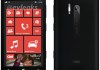
    Design wise, the Lumia 925 is the first Lumia device to include metallic trim. A silver aluminium band runs around its four edges, and doubles as the phone’s antenna — taking its cues from the iPhone’s design (but with “rigorous testing” to ensure no repeat of antennagate, according to Nokia). The mobile maker’s trademark polycarbonate clads the back of the device, so there’s a two-tone look and feel.

    Nokia says the plastic back is designed to make it feel nicer and grippier in the hand. It may also be about keeping the weight down (to 139g), since heavy handsets is something Nokia has been criticised for. It certainly felt lightweight and slender during a brief hands on. Handset colour options are muted rather than the usual bold Lumia offerings, with black, white and grey options for the plastic back. Wireless charging shells, sold separately, can reintroduce the usual Lumia splashes of yellow, cyan and red.

    Under the hood there’s a 1.5GHz Dual-Core Snapdragon chip, and 1GB of RAM. On board memory is 16GB (Vodafone will also get a 32GB variant) plus 7MB free cloud storage on Microsoft’s SkyDrive. The 4.5 inch AMOLED display has a resolution of 1280 x 768. Dimensions are 129 x 70.6 x 8.5mm. The 2000mAh battery is good for up to 12.8 hours of talk time on 3G, or up to 6.6 hours video playback, according to Nokia.

    A ‘true PureView’ Windows Phone device — codenamed EOS — has been rumoured for several months, and the Lumia 925 looks to be that device. However it certainly does not include the 41MP sensor and pixel oversampling techniques featured in the Symbian-based 808 PureView. It seems unlikely that bona fide PureView technology will ever make it to Windows Phone, not least because it’s something of a camera pro curiosity, rather than a consumer-friendly mainstream feature. Rather Nokia is extending the PureView branding — to associate it with a range of camera-centric features, not just that original huge sensor.

    Harlow closed the presentation by hinting at further new device launches from Nokia “later this summer”. “I can’t wait to see you later this summer when we will continue to bring new innovation and new experiences to our Lumia portfolio,” she said.

  • Japanese Carrier DoCoMo To Pay $50M To Take A 7% Stake In Pioneer To Expand Its Push Into In-Car Transport Systems

    docomo logo

    Japanese carrier NTT DoCoMo has announced it plans to invest around $50 million into Japanese digital entertainment company Pioneer Corporation, which makes in-car electronics, to acquire approximately seven per cent of the company. The pair described the investment as “a business and capital alliance” in a press release today. The news was spotted earlier by ZDNet.

    Specifically, DoCoMo said it intends to “integrate Pioneer’s in-car navigation telematics technologies and related peripheral development capabilities with [its own] mobile cloud expertise to make a full-scale entry into the field of intelligent transport systems (ITS)”. The pair have previously partnered for the integration of car electronics and information services, including the “Docomo Drive NetTM” navigation service, which incorporates DoCoMo’s smartphones placed in dashboard-mounted cradles, but this latest move pushes DoCoMo deeper into the transport systems space.

    The pair said they will jointly develop an ITS, for launch later this year, which will comprise of a platform plus services for consumers and businesses, and also in-car hardware.

    Here’s how they describe the plans:

    The envisioned in-car ITS system will use probe data gathered from Pioneer’s car-mounted navigation system and DOCOMO smartphones in moving vehicles to process detailed traffic information in Pioneer’s ITS cloud platform. ITS services that integrate this information with various other services will be jointly developed and launched for individual and corporate customers this year.

    In addition to developing such services and constructing ITS-related cloud infrastructure, the two companies will develop and sell compatible car-mounted communication devices.

    DoCoMo said it will make the investment of about five billion yen (approx. $50 million) through a third-party allocation of new shares to acquire approx. 7% stake in Pioneer this coming June 28.


  • 10BN+ Wirelessly Connected Devices Today, 30BN+ In 2020′s ‘Internet Of Everything’, Says ABI Research

    7309654004_cfb2fa6b4d

    How big is the connected devices universe? Analyst ABI Research reckons the Internet of Things contains some 10 billion+ wireless connected devices today — but it’s predicting this figure will triple in size to more than 30 billion devices in an Internet of Everything by 2020 as more and more objects are plugged into the network. The figures come from new ABI research published today.

    The analyst says the standardisation push behind ultra-low power wireless technologies is “one of the main enablers” of this Internet of Everything — which already contains such curios as the Hapifork and keyless entry systems that let you open your front door from an app. ABI analyst Peter Cooney notes that while 10 billion devices might sound like a lot, there’s still many years before the IoE “reaches its full potential” — whatever that means.

    “The next 5 years will be pivotal in its growth and establishment as a tangible concept to the consumer,” says Cooney in a statement.

    ABI says a range of wirelessless technologies — including Bluetooth, Wi-Fi, ZigBee, Cellular and RFID, plus many others — are all important to driving growth in smart connected devices but says the “long term expansion of the market” depends on wireless technology “becoming invisible so that the consumer will be oblivious to which technology is used and only know that it works”.

    And while today, “hub devices” — namely smartphones, tablets and laptops — are the enablers of the IoE ecosystem (such as the iPad being used as the hub for a smart connected kitchen scales, for instance) ABI sees future growth in this network being driven by “node or sensor type devices”, as device-makers start to think about connecting more of the things more of the time, not just things that are in close proximity to people some of the time.

    ABI predicts that by 2020 nodes/sensors will account for the majority (60%) of the total installed base of IoE devices. Personal connected mobile devices will still be “an essential building block”, however.

    [Image by FutUndBeidl via Flickr]

  • Nokia’s Smarterphone Buy Yields First Fruit: $99 Touchscreen Asha 501 Polishes S40 With Fastlane View For Recent Apps, Contacts

    Nokia Asha 501 Red Front

    Nokia has given its Series 40-based range of touchscreen Asha smartphones another push to try to keep up with the low end reach of Google’s Android platform today. The mobile maker has announced a new addition to the range — the Asha 501 (pictured left & below) — which also ushers in a new version of the Asha touch UI that’s designed to be quicker and slicker, and has a focus on swiping gestures to make it feel more fluid.

    The three-inch capacitive screen Asha 501, which has Wi-Fi but no 3G and costs $99 before taxes & subsidies, is expected to start shipping in June, via some 60 carriers in more than 90 countries worldwide. Nokia’s Asha range typically targets emerging markets in Africa, Asia and South America but Asha devices have also been ranged in Europe.

    Although Nokia has retired its other in-house platform Symbian, to concentrate its smartphone efforts on Microsoft’s Windows Phone OS, it has continued to expand its portfolio of low end Android alternative S40-based devices — adding in a variety of new hardware and software features to devices in the range, including full Qwerty keyboards; dedicated keys for Facebook/WhatsApp; refreshed industrial design; its Bluetooth sharing technology Slam; its Xpress browser to lighten the data consumption load; preloaded social networking apps; free games downloads; and a focus on long battery life.

    But keeping up with low end Androids also means improving Asha’s usability — and that’s what its latest platform refresh is all about.  The Asha 501 is in fact the first fruit of Nokia’s 2012 acquisition of Smarterphone, a Norwegian company that made mobile OSes for feature phones designed to give them smartphone looks and capabilities.

    Nokia said the new Asha platform is faster and more responsive. It also introduces a touchscreen UI refresh — with a dual homescreen view: the Home screen is a “traditional icon-based view for launching individual apps or accessing a specific feature”, while the new Fastlane view changes based on device usage, showing things like “recently accessed contacts, social networks and apps”.

    Fastlane “provides a record of how the phone is used, giving people a glimpse of their past, present and future activity, and helping them multi-task by providing easy access to their favorite features”, according to Nokia’s press release. The feature sounds a lot like certain portions of Motorola’s Android skinning software — such as the widgets deployed on 2012 devices like the Motorola Motosmart.

    The overall idea of the design refresh is to make it easier for Asha users to get to the apps and features they’re after, according to Nokia – with the two main screens accessible by a “simple swipe”. ”Fastlane is integral to the whole Nokia Asha 501 experience, but so is the ‘swipe’ motion,” a spokeswoman told TechCrunch. “With swipe as you experience it on the device, we were able to make optimal use of screen space, so you see just what you need. You swipe to everything else, including pull-down menus and of course, Fastlane. The whole user experience is faster and more responsive.”

    New Asha, New Apps

    So what about apps? The new Asha platform does require developers to rework apps for it — either by writing them afresh or porting them over. Which does mean Nokia is pushing the reset button yet again, but the company would probably argue that at this price point with these price-conscious consumers, users aren’t expecting hoards of apps — just select key apps. It’s also added in-app purchases to the new Asha platform, offering developers a new way to monetise Asha apps, along with its Nokia Advertising Exchange and carrier billing network.

    “A good percentage of existing apps can be ported to the new platform,” said Nokia’s spokeswoman. “We already have many developers working on this. Going forward and with the new Nokia Asha Software Development Kit, developers can write an app once, and it will be compatible with future devices also built on the new Asha platform, with no need to re-write code.”

    Apps that are already available for the new Nokia Asha platform include CNN, eBuddy, ESPN, Facebook, Foursquare, Line, LinkedIn, Nimbuzz, Pictelligent, The Weather Channel, Twitter, WeChat, World of Red Bull and games from Electronic Arts, Gameloft, Indiagames, Namco Bandai and Reliance Games. Nokia said its HERE location software will also be available as a download, starting in Q3 this year — and will “initially include basic mapping services”.

    Messaging giant WhatsApp is noticeably absent from the list but Nokia’s spokeswoman suggested that may change in future, noting: “WhatsApp and other key partners continue to explore new Asha.”

    In select markets, certain carriers are also offering data-free access to apps including the Facebook app and mobile website on the 501 for a limited time, offering another hook for the target cost-conscious consumers.

    The 501 comes preloaded with Nokia’s cloud-based data compressing Xpress browser. Nokia has also created a new web app, called Nokia Xpress Now, which ”recommends content based on location, preferences and trending topics”. It said this will be available via the Browser homepage or as a download from the Nokia Store.

    “Nokia has surpassed expectations of what’s achievable in the sub-100 USD phone category with a new Asha handset that is unlike any other, with design cues from Lumia and a mix of features, services and affordability that is valued by price-conscious buyers,” said Neil Mawston, executive director, Global Wireless Practice, Strategy Analytics, in a supporting statement.

    Commenting on the launch via Twitter, Gartner analyst Carolina Milanesi added: “Asha 501 shows what you can achieve when you design bottom up rather than strip down features to hit the right price point.

    “Asha 501 Dual SIM with hot swap very important to users but what is most striking on this device is the user interface.”

    The full device specifications for the Asha 501 are as follows:

    • Dimensions:  99.2 x 58 x 12.1 mm; 98 grams

    • Camera: 3.2 MP

    • Single SIM standby time: up to 48 days

    • Dual SIM standby time: up to 26 days

    • Talk time: up to 17 hours

    • Additional memory of 4GB (card included in box), expandable up to 32GB

    • Forty free EA Games worth €75 downloadable from Nokia Store

    • Available colours: Bright Red, Bright Green, Cyan, Yellow, White and Black

    • Suggested pricing is 99 USD before taxes and subsidies.

  • Tablet Purchases To Drive Mobile Content Revenues To $65BN In 2016, Up From $40BN+ In 2013, Says Juniper

    Image (1) ipad-gaming.jpg for post 340161

    As tablet ownership and usage continues its upward trajectory, little surprise that more people are expected to be paying for more stuff on tablets in the coming years. But analyst Juniper Research has put out a new mobile content revenue forecast predicting that purchases on tablets will be the primary engine for growth — ergo: beating out smartphones — in the mobile content market over the next three years.

    The analyst expects annual revenue generated from content delivered to mobile handsets and tablets to rise by nearly $25 billion over the period — climbing from more than $40 billion this year to $65 billion by 2016. Music and video now account for nearly half of all mobile content revenues, according to Juniper.

    The analyst says growth in the mobile content market will “primarily” be fuelled by an upsurge in tablet users buying games, videos and ebooks on their slates. But it also flags up “increased opportunity” for content monetisation via direct carrier billing on smartphones as another factor helping to drive the market. “While the availability of direct carrier billing is patchy, the various benefits which the mechanism offers — higher conversion rates, opportunities to monetise unbanked customers — suggest that deployments will rise significantly in the medium term,” notes report author Dr Windsor Holden in a statement.

    Returning to tablets, the report found that ebooks are currently the largest revenue stream on slates, thanks to e-reader applications from the likes of Amazon, Kobo and Nook, but goes on to add that tablets are experiencing a sharp increase in both paid and free video applications. The analyst also expects consumer gaming spend to migrate to tablets from dedicated portable gaming devices such as the Nintendo 3DS and the Sony PS Vita — something Juniper has delved into before in a separate report.

    The mobile content report also notes that the convergence of gaming and social networking has been “one of the major drivers” behind the post-download monetisation opportunity — i.e. via in-app purchases.

  • Nokia Teases Lumia 928 In Low Light Camera Test, Pits It Against Galaxy S3 & iPhone 5

    lumia 928

    Nokia is teasing the Lumia 928 — a phone it has not officially announced yet, despite all the leaksrumours and, er, magazine ads – in a camera comparison video posted on its U.S. website. All this teasing smells like a new strategy for Nokia to try to manufacture a little hype for the forthcoming Windows Phone 8 flagship, which is apparently heading to Verizon.

    The camera comparison pits the Lumia 928 against two of the most hyped smartphones in the tech world: the Samsung Galaxy S3 and the iPhone 5. Although the Lumia device is not identified by name in the actual text or video on the page, the URL is far less coy: http://www.nokia.com/us-en/lumia928

    The page does confirm the device will have an 8.7MP PureView camera with Carl Zeiss optics and the optical image stabilization first seen on the Lumia 920. The camera specs are in fact exactly the same as the 920′s. The design, however, looks rather more slab-like — with what look like blunted sides, vs the 920′s rounded edges.

    According to Nokia’s low light camera test — conducted at a fairground in New York — the Lumia has greater colour saturation and sharper image focus than the iPhone 5, and less video noise and sharper image focus than the Galaxy S3. But then Nokia would say that, wouldn’t they?

    It’s certainly interesting to note  Nokia has picked on last year’s flagship Galaxy for the comparison, rather than pitting it against Samsung’s latest flagship: the Galaxy S4 (which has a 13MP rear camera).

  • Connected Kitchen Scale From Chef Sleeve Tracks Your Nutrition Bite-By-Bite

    smart-food-scales

    Chef Sleeve has been selling its iPad-protecting plastic sleeves since 2011 to keep kitchen gunk off the iPad you’re using while you cook. They also make a dishwasher-safe, non-porous chopping board with a built in iPad stand (below right), and a smaller stand in the same recycled paper composite finish. But Chef Sleeve’s grand plan is to create a range of connected devices for the kitchen that link up with an iPad app to let people track their nutrition in a highly granular, yet low hassle, way.

    To that end it’s just kicked off a Kickstarter campaign for its next product: a smart Bluetooth scale, which it’s calling Smart Food Scales, that will enable people to weigh ingredients and snacks and then determine the exact amount of fat, salt, sugar, vitamins and so on in the ingredients they’re using in recipes or the snacks they’re eating at home.

    “This is our first smart product. We now want to activate these pieces of hardware and take the iPad even further and enhance the experience in the kitchen,” says Chef Sleeve’s Michael Tankenoff. “The Bluetooth scale will sync up with our iOS app on iPad or iPhone. Say you’re weighing strawberries. We house the USDA database of food information, so you select strawberries. Not only will it tell you the weight, but it tells you all the nutritional information.

    “For example, you’re preparing a salad — you put your bowl on the scale, add your lettuce, select lettuce, reset to zero, add your tomatoes, select tomatoes, reset to zero, keep going, build this recipe and when you’re done, now you know exactly the nutritional value of that salad that you have every day.”

    As well as the health conscious and people watching their weight, Chef Sleeve envisages the scales being useful for individuals with conditions such as diabetes to help them track their sugar intake, or people with specific nutritional deficiencies who need to make sure they’re getting enough of certain vitamins in their diet.

    The company is looking to raise $30,000 via its Kickstarter campaign, which runs until the end of the month. It’s showing the following prototype screenshots (below) of the planned iPad software. It also intends to open up its API at some point in the future, so that third-party developers can build apps for the smart scales — although it’s going to be careful about how it does this, as it wants to keep any other apps wholesome (scales can, after all, be used to weigh non-foodstuffs too).

    After the scales, Chef Sleeve says it will look to launch other connected devices that tie back in to its iOS app to keep adding to a range of smart kitchen devices. A thermometer could be next, says CEO Santiago Merea. A chopping board with an integrated scale could also be on the cards “at some point” — but he says the company is being mindful about its mainstream consumer buyer. “We need to be careful about our demographic. We’re not going to throw rockets at them,” he told TechCrunch. “We want the design to be very homey, very crafty.”

    If the uptake of the scales is strong, it could end up generating some fascinating data for Chef Sleeve — such as what, when and how people eat — which it said it will look to feed back into its product development.

    “Our pledge is going to be to not store any personal information at all — because we don’t need to but we also don’t want the risk of being hacked,” said Merea. ”Food is personal… So we’re not storing any personal information but we don’t need to. With that data we can also even help our customers. It’s going to be really cool what we can do with this.”

    Chef Sleeve already has stores interested in carrying the smart scales, according to Merea. It’s hoping to get into speciality kitchenware stores with the smart scales, a shift of its retail strategy which, to date, has been mostly focused on selling via Amazon (and its own website).

  • Lumu Is A Digital Light Meter For Photographers That Plugs Into Your iPhone & Tells You What Camera Settings To Use

    lumu-iphone

    Meet Lumu: a digital light meter for photographers that plugs into the iPhone’s headphone jack as a smaller and smarter replacement for traditional analogue light meters. It’s used in conjunction with Lumu’s app — being demoed in prototype here at hardware alley at Disrupt NY – to help photographers figure out the best camera settings for their current location.

    Lumu is not going to help you take better photos on your iPhone — it’s a tool for standalone cameras that have ISO, aperture and shutter speed parameters that can be manually set. The startup, which hails from Slovenia in Europe, plans to kick off a Kickstarter funding campaign in about a month. The Lumu device will cost $99.

    “It’s the world’s smartest light meter,” says co-founder Benjamin Polovic. “The existing light meters are large, bulky and very expensive. With Lumu, the main processing is done on the iPhone, so we use the iPhone’s power. It also doesn’t use any batteries, it’s powered from the iPhone.

    “You take your iPhone or your iPod and plug it in and it’s going to recognise it, and it sets all of the parameters for your unique environment. So you put in your ISO that you use in your film or your digital camera, the aperture you want to use and then it calculates the time.”

    The photographer then needs to manually input the suggested settings into their camera but Polovic says the group is thinking about making a Bluetooth dongle so settings can be wirelessly sent to a digital camera. “We’re excited to get some ideas from Kickstarter when the campaign launches,” he added.

    As well as showing the light level and exposure value for the current lighting conditions, the app lets users store pre-sets for individual geotagged locations so they can easily revisit them later. It will also include an auto mode, and a filter-style feature that will tell users how to achieve effects such as bokeh (background blur). 

    Polovic said Lumu’s hope is to inspire more people to start digging down into their camera settings. ”We love photography, we want to make it better, we want to introduce it to people who don’t necessarily know how to use cameras because they are quite complex. We want to make it simple,” he says.

    The startup has been developing Lumu for about four to five months, according to Polovic. Down the line, it plans to launch an SDK so developers can create other apps using the light sensor — giving the example of an app that wakes the iPhone’s owner when it starts getting light, for instance.

  • European M-Payments Startup SumUp Partners With Revel Systems, An iPad POS Provider, For Its Push Into Europe

    sumup

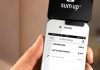
    SumUp, one of the many European mobile card reader startups targeting small businesses — and taking advantage of Square’s continued absence to acquire users and build out a business — has taken another step designed to expand its reach by announcing a partnership with Revel Systems, a maker of iPad POS software.

    Revel Systems provides iPad-based tills to more than 400 chain stores and restaurants throughout the U.S., Canada, Australia and Saudi Arabia but it’s aiming to expand into Europe, hence the tie-up with SumUp. After launching last August, SumUp has now rolled out to 10 European markets.

    Revel Systems will be using SumUp’s API, which it made available in fall last year, to process debit and credit card and cash payments in Europe. In other markets the company uses payment gateway USAePay, and says it can also integrate directly into Mercury Payment Systems.

    In Europe the SumUp mobile payments app will come pre-loaded on Revel Systems tills and users will also get SumUp’s black card reader — which plugs into the iPad to take card payments. The partnership won’t bear instant fruit for SumUp on the customer acquisition front but as and when Revel Systems builds up its customer base in the region, SumUp will also make gains.

    Commenting on the tie-up in a statement, John Doe, CEO of Revel Systems, said it chose to partner with SumUp to offer flexibility to its retail customers — but did not specify what it offered over and above other European mobile payments startups such as iZettle and Rocket Internet’s Payleven.

    “SumUp’s technology is aligned with ours because it’s lightweight, secure, and speedy. SumUp is a natural partner for us,” he said. “We’re always looking to forge new partnerships with those businesses that aim to enhance the overall customer experience. Our users are also certain to appreciate the easy SumUp sign-up process and pay-as-you-go billing. We’re looking forward to working with SumUp as we expand to new markets.”

    As with the myriad mobile payments players targeting small businesses, SumUp does not charge a monthly fee to businesses using its system but rather takes a 2.75% per card reader transaction charge. SumUp accepts Visa, Mastercard and recently added support for Amex in the majority of its markets.

    The Revel Systems tie-up is not SumUp’s first b2b partnership aimed at building out its business. The company has previously announced partnerships with German taxi hailing app Taxi.de and an odd job software platform provider.

  • Smartphones & Tablets To Be Primary Screen For Gamers, Says Analyst, Powering 64BN+ Games Downloads By 2017 (3X 2012 Figure)

    games apps

    Games app downloads to smartphones and tablets are set to grow significantly over the next four years, according to a new report by analyst Juniper Research which projects there will be 64.1 billion such downloads in 2017 — more than three times the 21 billion downloaded in 2012. Key drivers powering this high rate of growth are increasing numbers of free-to-play releases (aka the freemium business model), as well as more sophisticated devices and the continued global uptake of smartphones, says the analyst.

    The dominance of freemium as a games app business model is very evident from the analyst’s figures: in 2017, it expects just 7% of games to be paid for at the point of purchase, across smartphones and tablets. In-app purchases and/or advertising are presumably how games developers will be mostly earning a buck.

    Juniper says mobile will become the primary screen for gamers, thanks to an increase in the number of “sophisticated games, which allow for truly multi-platform gameplay through the use of cloud technology”. Growth in the quantity of memory on devices is also enabling consumers to download more games. And while Juniper is not expecting smartphones and tablets to kill off dedicated portable gaming devices, it says there’s no doubt consumer mobiles are challenging and eroding the latter market — with players such as Nintendo cutting its sales forecasts by 14% for its 3DS, and 27% for its Wii U.

    Social & Casual games will remain the most popular genre downloaded, according to Juniper’s forecast — with over half of all smartphone games downloaded fitting this genre. That’s in keeping with the key characteristics of mobile devices: always-on connectivity, which means being wired in to social services; and portability, meaning these devices are suited for short bursts of casual gaming to kill time.

    Looking specifically at tablets, Juniper found their users are especially keen on downloading games, with more than twice the number of games downloads to tablets than smartphones.  ”Tablet games are growing so much because they are such an accessible way for all consumer segments to access games. In particular mid-core gamers, who previously spent a lot of money and time playing games but now have jobs, families or other commitments, are driving this trend,” commented report author Siân Rowlands in a statement.  ”These people are really embracing the tablet form factor, and innovative gameplay devices such as the mobile based OUYA console, really appeal to them.”

  • Windows 8 Wins 7.4% Share Of Global Tablet OS Market In Q1 – “Niche” Portion Still Beats Windows Phone’s Smartphone Share

    surface-family

    Don’t write off Microsoft’s chances in mobile just yet. It may still be struggling to make itself count in the smartphone space but early signs are more promising for Windows plus tablets. Microsoft has gone from having no share of the global tablet OS market in Q1 last year to taking 7.4% one year later, with three million Windows 8 tablets shipped in Q1 2013, according to preliminary figures from Strategy Analytics‘ Global Tablet OS Market Share: Q1 2013 report.

    The analyst notes record tablet shipments in the quarter, with global branded tablet shipments reaching an “all-time high” of 40.6 million units in Q1, driven on by year-on-year growth of 117% (vs 146% in Q1 2012).

    Microsoft launched Windows 8, its touchscreen-friendly reboot of its desktop OS, last fall – so it’s swung from zero to a 7.4% share in just under half a year. Compare that to the Windows Phone OS, which launched more than two years ago, in fall 2010: Windows Phone took only a 4.1% share in the US smartphone OS market in the three months ending February, according to Kantar figures. Globally, its share is even smaller. Earlier this year ABI Research predicted Windows Phone will end 2013 with around 3% of the worldwide market.

    Returning to tablets, compared to the dominant players in the tablet OS market — iOS and Android — Microsoft’s share is still very modest. Strategy Analytics dubs it a “niche” portion, noting that “very limited distribution, a shortage of top tier apps, and confusion in the market, are all holding back shipments”. Microsoft has followed its Windows Phone strategy of paying developers to create apps for Windows 8 but it’s still got work to do in the quality vs quantity stakes. While “confusion in the market” likely refers to Microsoft’s decision to offer two flavours of tablet OS (Windows RT/Windows 8).

    According to Strategy Analytics’ figures, Apple retains its lead in the tablet OS space, with a 48.2% share in Q1 vs a “robust” 43.4% for Android on 19.5 million and 17.6 million unit shipments respectively. Apple’s tablet lead over Android is shrinking considerably, dropping to under half the market from 63.1% in the year ago quarter when Android took just over a third (34.2%).

    The analyst described Apple’s performance as “solid”, helped by its first full quarter with the iPad mini in its tablet portfolio. But Android is growing fastest, with global branded Android tablet shipments increasing 177% annually in the quarter. Add in budget white box tablets and Android becomes the market leader, taking a 52% share of the total tablet market while iOS slips to 41%.

  • KALQ Is A New Split-Screen Keyboard Layout Designed To Speed Up Thumb Typing On Tablets & Big Phones

    KALQ keyboard by University of St Andrews

    After the success of gesture-based keyboards such as Swype the next obvious disruption to keyboard technology is optimisation of the legacy Qwerty layout that’s persisted since the typewriter era. Not that people haven’t tried alternatives to Qwerty already (e.g. Dvorak et al) – and generally failed to make them stick. But that’s not stopping a group of academic researchers — including the co-inventor of the gesture IP behind Swype — from devising a new touchscreen keyboard layout in the hope that people can finally be persuaded to shift their typing habits.

    KALQ, which is named like Qwerty after a string of its keys, is designed to speed up thumb typing on tablets and phablets (aka big phones). Its creators, who are from the University of St Andrews, the Max Planck Institute for Informatics and Montana Tech, claim that once users have accustomed themselves to the non-Qwerty layout — with about eight hours practice required to be as fast as Qwerty and 13-19 hours to surpass your Qwerty typing speed — typing performance can be about a third (34%) more efficient than thumb typing on split screen Qwerty layouts.

    They are planning to release KALQ as a free Android app for tablets & phablets which will also work on smaller screen smartphones but stress their research and performance claims relate specifically to larger devices, rather than phones. They are also not directly comparing the performance of the new layout against any of the gesture keyboard input methods (Swype, SwiftKey’s Flow etc) — their performance data is based on a direct comparison with thumb typing on a split Qwerty.

    Dr Per Ola Kristensson, Lecturer in Human Computer Interaction in the School of Computer Science at the University of St Andrews, who is one of the academics involved in the research, told Techcrunch they tested KALQ on a Galaxy Tab 7.7, adding that while the keyboard may also offer speed improvements on smartphones it’s not a claim they have tested. Kristensson is no stranger to keyboard disruption, being the man who wrote the pattern recognition algorithm underlying Swype, and co-founder of ShapeWriter, the startup which commercialised the gesture keyboard system in 2007 — before being acquired by Nuance in 2010 (the company that now owns Swype).

    Kristensson said the KALQ researchers used a subset of publicly available emails from the Enron trial that were tagged ‘Sent from my BlackBerry’ as their data pool, analysing the mobile users’ use of language to figure out the best positions for the keys. As well as using computational optimisation techniques and looking at how devices behave when users are touch typing, they also modelled thumb movements with the aim of making a fast yet comfortable keyboard. KALQ is an English-language optimised letter layout, but the process that came up with its layout is “general”, said Kristensson: “You can feed it whatever language you want. So the layout may change, depending on your country.”

    There’s been lots of crazy text input technologies proposed… The problem with a lot of them is they are not fast enough.

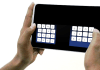
    For English speakers, KALQ’s split screen layout repositions the alphabet into two unequal blocks of letters, with consonants in the left block (plus Y which can be classed as either) and vowels plus the remaining consonants (including K, L and Q) in the right. A space key is included towards the edge of each block for easy reach with either thumb. The letter order is specifically designed to minimise typing long sentences with just one thumb — which is cumbersome and slows touchscreen typists down — and also places frequently used letter keys centrally close to each other to minimise thumb movements. In addition, the layout generally aims to encourage typing on alternating sides of the keyboard — which Kristensson said is a more ergonomic and comfortable way to type.

    As well as learning the new letter layout, KALQ typists need to learn to move both thumbs at once to get the fastest speeds. “Experienced typists move their thumbs simultaneously: while one thumb is selecting a particular key, the other thumb is approaching its next target. From these insights we derived a predictive behavioural model we could use to optimise the keyboard,” noted Dr Antti Oulasvirta, Senior Researcher at the Max Planck Institute, in a statement.

    The researchers said trained KALQ users were able to reach speeds of 37 words per minute — which they said is the highest ever reported entry rate for two-thumb typing on touchscreen devices, and “significantly higher” than the approximately 20 words per minute entry rate users can normally reach on a regular split Qwerty layout. The group will  be presenting its research next month at the ACM Conference on Human Factors in Computing Systems in Paris. The Android KALQ app will be available for download in due course.

    Persuading users to adopt a new keyboard layout is likely to be a tough ask but Kristensson said the problem with most of the Qwerty layout challengers to-date has been that they are not disruptive enough — in terms of the performance bump they offer users who have to go through the pain of learning how to type quickly again.

    “If you want to get people to change their layout you basically have to get people to invest, you have to get them to give up the assigned cost, their previous investment in Qwerty typing. And then we have to invest new time in learning KALQ,” he said. “There’s been lots of crazy text input technologies proposed. Actually hundreds of them. Most of them have failed. I would say probably 99% of them have filed but the problem with a lot of them is actually they are not fast enough so why would people reinvest in learning a new text entry method if it doesn’t provide a substantial performance advantage so I think [KALQ] is one of the few keyboards that can provide that. So I’m hopeful.”

    Asked whether the group might look to commercialise the research, he said the priority is to try to encourage people to adjust their typing behaviour and accept a Qwerty alternative but added that the group may look to monetise their algorithms in other ways — by, for example, using them to optimise other menu-based user interfaces.

    “What I’m hoping here is that we will have impact,” he told TechCrunch. “I wanted to get people away from thinking about the Qwerty keyboard. And I think impact here may mean that we will release [KALQ] for free — but remember we are the ones who have all the algorithms to come up with optimal keyboards so we learn a lot about how to optimise user interfaces in general. My co-investigator, Antti Oulasvirta, he’s completely passionate about optimising any sort of user interface. So the process we use here can also be used to optimise other user interfaces like menu structures for example so there is lots of potential for the underlying technology. This is just one instantiation of that. But I think trying to sell a new keyboard — that’s a risky proposition. I’m not sure a venture capitalist would go for it.”

  • Nokia Puts WhatsApp Hard Key On $72 Asha 210 For Asia, Africa; Qwerty S40 Handset Gets Facebook Button In Europe, Latam

    asha-210-both

    Nokia has announced another handset in its Series 40-based Asha portfolio of low end mobiles which compete with the budget end of Android and cheap BlackBerrys. The 2G-plus-Wi-Fi Asha 210, due to ship before the end of Q2, packs a physical Qwerty keyboard and comes painted in Nokia’s now trademark eye-popping colours (yellow, cyan, magenta), plus black and white. But the most notable addition to this BlackBerry-esque device is a hardware key on the front that short-cuts to messaging app WhatsApp — which, extending the BlackBerry comparison, is the phone’s BBM replacement.

    As well as the ability to fire up WhatsApp by long pressing on this dedicated key, Nokia said Asha 210 buyers will get a free subscription to the messaging service for the lifetime of the device. On the Series 40 platform, WhatsApp normally charges a $0.99 annual fee after a first year of free use. Last week the messaging service said it now has north of 200 million monthly active users (this compares to BBM’s more modest 60 million). Tapping into the hugely popular social messaging craze is clearly Nokia’s aim here.

    Nokia describes the Asha 210′s WhatsApp hardware key as a “world first”, although we’ve seen the mobile maker (and othersstick a Facebook button on a phone before. But before you start wondering how displeased Facebook is going to be with Nokia for two-timing it with a deadly messaging rival, the handset actually comes in two social messaging flavours, with a second variant having a dedicated Facebook key (shown below, on the black handset) instead of a WhatsApp button.


    The two Asha 210 social flavours — which also each come in single SIM/dual SIM variants – won’t be offered together in the same market but will rather be region specific, presumably corresponding to where the respective services are most popular. Neil Broadley, marketing director for Nokia’s mobile phones division, told TechCrunch the WhatsApp device will generally target Asia-Pac and Middle East & Africa, while the Facebook flavour will mostly be heading to Europe and Latin America. He also confirmed that neither device will be sold in North American.

    Both of our partners are hugely successful around the world.

    “On a market by market basis we will have either WhatsApp or Facebook,” said Broadley. “Both of our partners are hugely successful around the world and as we go on a market by market basis, some of our market teams would like to have the WhatsApp variant, some would like to have the Facebook variant. And of course we already have the Nokia Asha 205 on a global basis with the Facebook hard key there as well.”

    Broadley added that Nokia is looking at the possibility of making a third variant of the Asha 210 — specifically targeting the Chinese market — with another, as yet undetermined social service loaded on the hard key (China has a variety of homegrown social services that outstrip the popularity of global offerings, such as microblogging service Sina Weibo vs Twitter). Nokia certainly has work to do to win back buyers in China. In its Q1 results last week, China saw the biggest drop of any of Nokia’s regions in terms of sales by value and volume, with $334 million in sales in Greater China, down 56% on the year ago quarter.

    Low end hardware + social software

    Aside from differing social shortcuts, the Asha 210 variants have identical hardware and software, with a sub-1Ghz chip; 2 megapixel rear camera plus a dedicated camera key on the front of the device (in addition to the WhatsApp/Facebook key plus standard nav/call keys); Nokia’s Slam Bluetooth-sharing data transfer tech and its hot-swap SIM system; plus a rubberised full Qwerty keyboard which recycles the pillowed keys of 2008′s Nokia E71. The keyboard also includes shortcut keys for turning on/off Wi-Fi and Bluetooth.

    On the software front, the device comes with WhatsApp, Facebook and Twitter preloaded; support for YouTube streaming and web apps; a ‘Games Gift’ of 15 free downloadable “premium” games & apps from the Nokia Store; plus Nokia’s neat voice-guided self-portrait feature, which gets around the lack of a front-facing lens by helping users align a self-portrait when they can’t see the screen.

    Nokia’s earlier Facebook-button-packing phone, the full Qwerty Asha 205, was announced in November last year. At the time, the company’s decision to introduce a phone with a dedicated Fb button revived a 2011 trend which, for the majority of last year, appeared to have run its course — without, apparently, covering any of the device maker particpants (including HTC, Orange and Vodafone) in huge heaps of gold.

    Asked about sales of the Asha 205, Nokia said it has not broken out any numbers for the model but added that the number of Facebook activations for the device is “significantly higher” than for the average Asha family device. Whatever the sales figures, Nokia clearly believes there is more gold to be mined from  low end mobiles by associating its hardware with the biggest brands of the social messaging space.

    Asha vs Android: Show me the money

    The Asha 210 — along with the entire Nokia Asha range — targets developing markets and cost-conscious consumers, which explains its focus on seeking ways to reduce not just the initial outlay but also the total cost of ownership, while simultaneously amping up its core social offering by making sure it can provide access to big name apps and allow for easy social photo-sharing, as Android does.

    The Asha 210 will have a $72 price-tag (before taxes and subsidies). The price-tag puts it in touching distance of budget Androids and while the S40 platform is not as user friendly, flexible or as app-rich as Android, Nokia has been working to strength its competitiveness against Android’s low end with additions such as its cloud-based data-compressing Xpress Browser, which ekes out up to three times as much data as non-compression browsers to help keep the user’s data costs down, plus offers such as ‘Games Gift’ and the free WhatsApp subscription.

    As with other Asha devices, the 210 also boasts a long battery life — of up to 46 days on standby, and around 12 hours talk time. Nokia noted that it is using push notification technology to reduce battery drain caused by the Asha 210 checking for WhatsApp/Facebook updates. Update checking is done by Nokia in the cloud, with any new info pushed out to the user’s phone when it arrives.

    One more thing… 

    Nokia and WhatsApp are about to hold an online Q&A about the launch of the Asha 2010 so we’ll be checking for any interesting tidbits that come out of the discussion to add as an update below. Currently, around the world, there is still plenty of regional diversity across messaging and social services – messaging apps are especially fragmented. Many of these apps inevitably compete with and come into conflict with social networking giant Facebook, which wants to own all the world’s chatter. And with Facebook having just launched its app-sidelining Android skin, social challengers such as WhatsApp are likely to be keen to find ways to increase their own visibility on mobile. Having your brand stamped on the outside of a phone sounds like a great place to start.

    Updates from the Q&A, with Nokia’s Broadley and Neeraj Arora, business development, at WhatsApp:

    On whose idea the WhatsApp hard key was, Nokia’s or WhatsApp’s… Broadley: “We have an ongoing relationship with WhatsApp that spans a range of Nokia Asha and other Nokia products. We are both really excited about this opportunity.”

    On whether the WhatsApp hard key will be exclusive to Nokia devices… Arora & Broadley: “We are very excited to bring a dedicated WhatsApp button to Asha 210 and we will take consumer feedback for future consideration.”

    On whether Nokia will bundle WhatsApp’s software with all Asha devices… Broadley: “We already bundle WhatsApp with many Nokia Asha family devices and are working on extending it to as many Nokia phones as possible.”

    On what evidence there is consumers want social messaging hard keys on phones, or whether they just want easy access to lots of apps & services… Broadley: “With the Nokia Asha 210 we’ve worked hard to give people the best of both worlds. People have access to a dedicated hardware button, preloaded social networks ready to go right out of the box, and access to the Nokia Store to download and install more.”

    On WhatsApp’s support for dual SIM devices… Arora: “The launch of Asha 210 does signify WhatsApp’s availability on Dual SIM devices. We are working on extending it to other Dual SIM devices.”

    On the differences between the Asha 210 and Nokia’s earlier Facebook button phone, the Asha 205…  Arora & Broadley: “There is WhatsApp deep linking into social share gallery and there is more to come.”

    On the Asha 210′s battery performance… Broadley: “We have a really high quality Nokia 1200 mAh battery in the Nokia Asha 210. The software really helps get great battery life — for example we have something called Nokia Notifications which works in the cloud to check for your social network updates, then pushes them to the phone. This stops the individual apps having to continually check for updates — saving battery.”

    On Nokia’s approach to phone design… Broadley: ”Starting with the Nokia 206 announced just before Christmas we’ve been progressively uniting the Nokia portfolio under a single, coherent design language… We have one stunning design approach across the Nokia range.”

    On whether Nokia could introduce a Lumia product with a physical Qwerty to differentiate its smartphones from rivals’…  Broadley: “We don’t comment on future plans.”
  • Verizon To Offer Nokia Lumia 928 From Next Month, Reports Bloomberg

    nokia-lumia-928

    Nokia looks like it’s hoping to turn up the volume of its Windows Phone-based Lumia smartphones in the U.S. by signing another carrier to its cause. Bloomberg is reporting that Nokia and Verizon have struck a deal that will see the carrier offer a forthcoming flagship, the Lumia 928, starting from next month. Neither the deal nor the device have been made public by Nokia or Verizon but Bloomberg said two people familiar with the situation have confirmed the impending launch.

    Bloomberg’s report follows previous leaks in which the Lumia 928 was spotted in the FCC’s and Verizon’s systems. An apparent image of the handset was also leaked earlier this month. When approached for comment a Nokia spokesman told TechCrunch it does not comment on rumour and speculation.

    If the Verizon deal is true, the Lumia 928 will be the first high end Lumia the carrier has ranged (it does already carry the mid-range Nokia Lumia 822). In the U.S. Lumia devices such as the flagship Lumia 920 have been exclusively carried by AT&T to date. Getting another major carrier — Verizon has some 100 million subscribers – on board with a flagship is vital for the once Mighty Finn to try to capture more cachet, as well as marketshare.

    According to Bloomberg’s sources, the Lumia device that will launch on Verizon will have a metal body, a 4.5-inch touch screen, an 8-megapixel camera and wireless charging. Earlier rumours have suggested it will have a polycarbonate body, however, while the internals have generally been expected to remain the same as the Lumia 920.

    North America has traditionally been a weak market for Nokia — historically, back in the Symbian days, but also since Nokia’s Windows Phone reboot. But in its Q1 results last week, the region was the only market in which Nokia saw a small increase in sales (up by 9%) compared to last year. Nokia reported selling a total of 5.6 million Lumias globally in the quarter.

    Kantar stats we covered earlier this month indicate that Windows Phone as a whole — so not just Nokia devices but also HTC, Samsung etc — has moved up into a distant third place in the US smartphone market, behind the two leaders: Android and iOS, suggesting the platform is slowly building some regional momentum. That momentum may have helped convinced Verizon to take a punt on a Lumia flagship.