Category: Mobile
-
Sorry, Verizon subscribers: Samsung Galaxy S4 won’t launch in April
-
Tablet Usage Edges Past Mobile On BBC’s On-Demand iPlayer For First Time: Record 41M Tablet Requests In March Vs. 40M Mobile

Another sign of the swift rise of tablets today: last month tablet usage of the BBC’s on-demand online TV service iPlayer edged past mobile for the first time, with 41 million programme requests by tablet vs. 40 million on mobile, according to BBC stats for the month. There were 200,000 more requests on tablets than mobiles. Overall, across all device types, the service saw 272 million full length programme requests in March in the U.K.
As a percentage of the overall requests by device type, tablets and mobiles took a 15% of the March pie. Judging by the below graph, the two devices have clearly been eating into the share of the main iPlayer access device: the traditional computer. The stats show mobiles and tablets have driven down the usage on computers from 59% in March 2012 to 47% in March 2013. Over the same period, tablets have grown their share from 6% to 15%, and mobiles from 9% to 15%.
This finding aligns with wider industry analysis that PC shipments are declining as people buy and use alternative smart connected devices, such as tablets and smartphones. Gartner predicts almost 200 million tablets will ship globally this year, powered by YoY growth of nearly 70% (IDC pegs the rate at 78.4%). While PC shipments are predicted to decline 7.3% this year. In another related data point to the BBC’s figures, last month, Adobe’s latest Digital Index recorded the proportion of web traffic coming from tablets also pushed past smartphones for the first time.
The BBC’s on-demand TV service, which lets viewers catch up on scheduled programmes after they have been broadcast, is exactly the sort of app you’d expect to thrive on the tablet form factor — which is both portable and has a screen that is large enough to view high production value video content without compromising the overall viewing experience. And the BBC’s iPlayer data bears this out: with considerably higher tablet usage for TV programmes vs radio content.
Looking specifically at TV content, the BBC said tablets took a 19% share of iPlayer programme requests in March compared to 17% for mobile. But its radio only data shows tablets dropping right down to 4% while mobile took 10%. Computers swelled their share to 68% of the radio data — suggesting people who are using their computer to multitask use iPlayer to stream radio in the background while they browse the web or work.
The BBC’s iPlayer data also flags up another interesting difference between how people consumer TV and radio content online — with the majority (88% in March) of TV requests being on-demand (i.e. catch up) requests, rather than live TV viewing. But for radio the proportion is almost reversed, with 83% of the radio requests being for live listening.
The BBC licence fee may explain a portion of this behaviour, since iPlayer users are required to be licence-fee paying to view live TV (but do not need to for radio). But it also suggests continued decline in live TV viewing among the iPlayer demographic (which skews younger than traditional TV viewers, with 76% of iPlayer users aged under 55 as of Q4 2012). The proportion of live TV viewing on iPlayer did increase in August (to 32%), possibly owing to the Olympics.
-
HTC One: The best Android smartphone on the planet launches today

-
HTC One Now On Sale Across The U.S., Now We Find Out If HTC Has Done Enough
The HTC One, the Taiwanese company’s flagship smartphone device, goes on sale today across the U.S. at retail stores including AT&T, Sprint, Best Buy, Walmart Target and more, as well as online via those retailers, HTC itself, Amazon and beyond. The phone has already been highly praised by early reviews and anyone who seems to have gotten their lucky mitts on one, but will that be enough to sway consumers?
HTC has arguably not made a truly bad phone in at least the past two years, and last year the HTC One X truly excelled. But that hasn’t stopped HTC’s earnings from sliding for five consecutive quarters now. The One, which is as significant a break from tradition in terms of how Android smartphones are designed as any we’ve yet seen, is the company’s big bet to turn things around, and they appear to have spared no effort.
The One has a unibody full metal body design, a first for a smartphone, as well as speakers that don’t suck, itself an achievement for any kind of phone. Reviews of the UltraPixel camera have been good, too, with Mobile Syrup calling it “the best low-light camera you can buy.” And the HTC software features, including BlinkFeed and HTC Zoe, are also drawing praise from press and reviewers.
HTC has a big mountain to climb in terms of coming anywhere close to competing with Android juggernaut Samsung, or Apple and its iPhone in terms of market share. But the HTC One is the best chances anyone has had of doing so in a long time. If only they’d left Van Der Beek out of this.
For those looking to pick one up today, here’s a full list of its current U.S. availability direct from HTC:
The new HTC One in silver is available nationwide at:
- AT&T: Online and in retail with 32GB of memory for $199.99, or online with 64GB of memory for $299.99 with a two-year commitment.
- Sprint: Online and in retail with 32GB of memory for $199.99 with a two-year commitment.
- Best Buy, Radio Shack, Walmart, Target, Amazon.com, Costco, Car Toys, Sam’s Club, HSN.com andHTC.com.
- Coming soon to T-Mobile in silver with 32GB of memory, and available in the coming weeks in black at AT&T and Sprint with 32GB of memory.
-
Samsung may turn to key Apple supplier for DRAM chips

-
Leaked images reveal upcoming Nokia Lumia smartphone with aluminum casing

-
Google is trying to shrink Motorola into success

-
Google CEO hints that next Motorola phones will be unbreakable

-
LG’s next-gen flagship smartphone to debut in Q3

-
Nokia reportedly readying a phablet, upgraded Lumia 920 and 40-megapixel Windows Phone

-
Jailbreak tweak brings iPhone closer to ‘Home’

-
iOS Still Top Platform For Monetising Mobile Ads, Opera’s Q1 Study Finds, iPhone Also Beating Android For Generating Ad Traffic
Opera has just put out its latest State of Mobile Advertising report for Q1 2013 and its findings put the iPhone back on top for “impression volume” (i.e. generating the most traffic to mobile ads), regaining its lead over Android. iOS also maintains its top position for monetisation compared to the other mobile platforms.
Opera draws its data from its mobile advertising platform business, which consists of AdMarvel, Mobile Theory, 4th Screen Advertising and Opera Mediaworks Performance. The platform serves 50+ billion ad impressions per month via 12,000 mobile sites and apps.
Mobile ad campaigns running on Apple devices “consistently achieve the highest average eCPMs”, according to Opera’s findings, and account for nearly half (49.23%) of all revenue delivered to mobile publishers.
In addition, Opera’s data shows that the iPhone edged out Android phones in ad impression volume in Q1, having temporarily lost the number one position at the end of 2012. Add in ad impressions and clicks on the iPad and iOS has a clear lead over Android, with 44.53% of the ad traffic and 49.23% of the revenue vs 31.26% of the ad traffic and 26.72% of the revenue.
Here’s Opera’s full breakdown of ad traffic and revenue share by mobile OS:
Across all of its ad platforms, Opera said the U.S. continues to drive the majority of ad requests but notes that this lead is shrinking as other regions see faster rates of growth. The U.S. still generates the most revenue (75.4%) across Opera’s platform, even with diminished impression volume (50.7% vs. 60% last quarter).
Opera’s report flags up especially accelerated ad request growth in Europe, with the European market now generating more than 21% of ad requests, up from 14.61% in the previous quarter.
It said the majority (65%) of European ad traffic originates in five key markets: the U.K., Italy, Germany, France and Spain.
-
Plastic shell from Apple’s upcoming entry-level iPhone possibly pictured for first time

-
LinkedIn Updates Mobile Experience, Its Fastest Growing Area
LinkedIn says that their mobile platform is the “fastest growing” aspect of their service. On average, 27% of their unique visitors comes through their mobile apps – up from 15% a year ago. In a year, their mobile pageviews have increased 250%.
And with the added focus on mobile comes the need to improve upon its mobile apps. Today, LinkedIn has launched significant redesigns of both their iOS and Android apps.
“We want to make it easier for our members to quickly discover and engage with the rich professional insights being shared across LinkedIn to help them make smarter decisions from wherever they may be working. We’ve designed the new LinkedIn mobile phone app for every professional, with a richer and more engaging stream and more personalization features,” says LinkedIn’s Tomer Cohen.
Probably the biggest part of the redesign is the new activity stream. Not only is it more media-rich, with bigger photos and links to outside content, but it’s generally better looking. It’s also better at bringing in all types of content, including updates from connections, news, and posts from LinkedIn’s top influencers. In most every way, the new mobile apps mirror what LinkedIn has done to improve the desktop feed over the past few months.
It’s also easier to get around the app with a brand new navigation page. All you have to do is swipe right to reveal a customizable menu complete with you messages, invitations, calendars, and more.
LinkedIn says that 64% of their members are located outside the U.S. To that end, they’ve also expanded the language offerings of the apps – Dutch and Norwegian for iOS, and Turkish, Dutch and Norwegian for Android. As of now, 15 languages are supported across both apps.
Finally, ads. Lead Mobile guy for LinkedIn Joff Redfern confrimed to TechCrunch that LinkedIn will be bringing more sponsored content to mobile. They’ve been doing the same on the desktop and iPad version of the app.
“We’re now expanding this test into the mobile phone experience,” he says.
You can grab the update on both iOS and Android today.
-
Verizon Activated 4M iPhones In Q1 2013: 50% iPhone 5, And 50% Older Devices
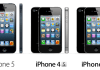
Verizon said today on its earnings conference call that it had activated 4 million total iPhones during Q1 2013, of which half were LTE devices, and half were 3G-only. That means 50 percent, or around 2 million were iPhone 5, with the remaining 2 million making up iPhone 4 and 4S devices.
iPhones represented a little over half of its total smartphone sales for the quarter, or 55.6 percent. Verizon activated 7.2 million smartphones in total in Q1 2013, and 5.9 million LTE devices, which means iPhones accounted for around one-third of all LTE device sales at the carrier during the three-month period.
Last quarter iPhone represented 64 percent of all smartphone sales by comparison, with 6.2M devices sold. As with this quarter, around half of those were iPhone 5, with older models making up the rest. The dip is mostly in keeping with past iPhone sales performance at the carrier, though it likely was higher last quarter due to strong interest in the still newly-launched iPhone 5 heading into the holiday shopping season.
The decrease in share of total smartphone sales is consistent with past performance, but it’s worth watching those numbers over the next couple of quarters as new flagship Android devices like the Galaxy S4 make their way to market. And if Apple is indeed planning an iPhone revision in June as many now expect, we could see more changes, though based on current data it looks like iPhone sales share might be settling in to a regular pattern, at lest at Verizon.
-
Nokia To Follow Samsung’s Lead By Launching A Phablet This Year, Along With 40MP Lumia PureView & Lighter Lumia 920, Reports FT

Rumours that Nokia is working on a Windows tablet, to supplement its line of Windows Phone-based Lumia smartphones, have been doing the rounds for well over a year, with extra fuel poured on the speculative bonfire last year when Microsoft announced its own line of tablet hardware. Earlier this year, Nokia CEO Stephen Elop told an Australian newspaper it was looking closely at the tablet market — and thinking about “what the right way to participate would be and at what point in time”. Well, if a story in the FT is on the money, Nokia may have decided that a phablet — rather than a tablet — is what it needs right now. (And with Windows tablet sales failing to make a huge impression so far, who could blame it?)
Phablets, for those fortunate enough to have avoided this most distressing of tech portmanteaus, stands for phone+tablet(=phablet). Phablets are typically classed as smartphones with screens of 5 inches or more on the diagonal, which can therefore function as small tablets. Phablets with 6+ inch screens are not now too unusual, pushing the category within touching distance of the mini tablet segment where screens tend to start at 7 inches.
According to the FT, which cites people with knowledge of Nokia’s plans, the former worldwide number one mobile maker (whose crown was snatched by Samsung) is planning several high end smartphones this year — including “a device that can work as a phone and a tablet [aka a phablet]… similar in size but with more advanced specifications to Samsung’s popular Galaxy Note”. The forthcoming phablet is described as the most “innovative” of Nokia’s planned smartphone releases this year, but there is no detail on exactly what features that will translate into (beyond obviously a bigger screen). The largest screened Lumia to date is Nokia’s current flagship, the Lumia 920, which packs a 4.5 inch pane.
Should Nokia be looking to launch its own phablet, hardware alone is unlikely to be enough to compete with Samsung. The latter arguably created the category with its original Galaxy Note (launched in 2011), and since then it has expanded its phablet efforts on both hardware and software fronts, creating apps and an SDK for its S Pen stylus, plus other phablet-specific software such as a split screen view feature. It has also expanded its phablet portfolio, with the Note II and a freshly announcing new (likely cheaper) pair of devices, under a new brand: the Galaxy Mega.
Nokia will need to pour in similar feature-focused effort to ensure that any Lumia phablet is not just a big Windows Phone — but adds new functionality that make full use of the extra size. To date, with Lumia, Nokia has focused on the camera/imaging function for flagship devices, as well as differentiating via colourful hardware — so perhaps image editing software is one area where it could look to make a Lumia phablet stand out. (Especially as the Windows Phone platform still lacks the popular Instagram app.)
We reached out to Nokia for comment on the phablet rumour and a company spokesman said: “Nokia does not comment on market rumour or speculation.”
Other planned launches in Nokia’s pipeline this year are the previously rumoured ‘true PureView’ Lumia — which the FT’s sources say will have a 40 megapixel camera plus flash, and may get a July launch — and “a lighter and more advanced version” of the Lumia 920, presumably responding to complaints about the device’s weight. “Another lower priced version” of the 920 is also pegged for a fall launch. Rumours of an aluminium Lumia coming this year have surfaced before. Any ‘true PureView’ Windows Phone would be a considerably hefty creature — so offsetting such bulk by expanding the portfolio to offer lighter Lumia alternatives would make sense. Expanding the range of mid-range Lumias is something Nokia has been focusing on this year.
When TechCrunch spoke to Nokia’s Elop back in February 2012 we asked about phablets, and he told us it was an area of interest to Nokia, saying: “Tablets are an opportunity, and smartphones up to a certain size are an opportunity. We are looking closely [at the mid-size tablet market] and looking to see whether it will catch on.” Adding that while he personally liked the form factor of the Lumia 800 best because he can reach across the whole screen with his thumb “different things for different people in different markets” is its philosophy.
And when asked in a second interview, in February this year, about what innovation Nokia could bring to tablets Elop said: “We, obviously we’re looking at this market very closely. Like right now there’s a lot of shifting and things going on with all of us getting our first exposure to Windows 8, both from a PC perspective and a tablet perspective and we’re watching that very closely and based on what we’re learning there – and correctly answering the question you asked, what innovation [could you bring] because just a tablet by itself? Ok, so there’s many other tablets and so we have to make sure that in the same way with Lumia we said no we’re going to stand out, we have to make sure we’re thinking about that. So we’re watching that market – but haven’t announced a thing.”
Nokia has played in the tablet/phablet space before. Indeed, it was an early mover, unboxing its N800 Internet Tablet (which looks more like a phablet by today’s enormo-phone standards) back in 2007, years before the iPad burst onto the scene. But since transitioning from Symbian to Windows Phone, Nokia has concentrated its mobile efforts on phones exclusively.
-
A Day With Glass: First Impressions Of The Early Days Of Google’s Latest Moonshot

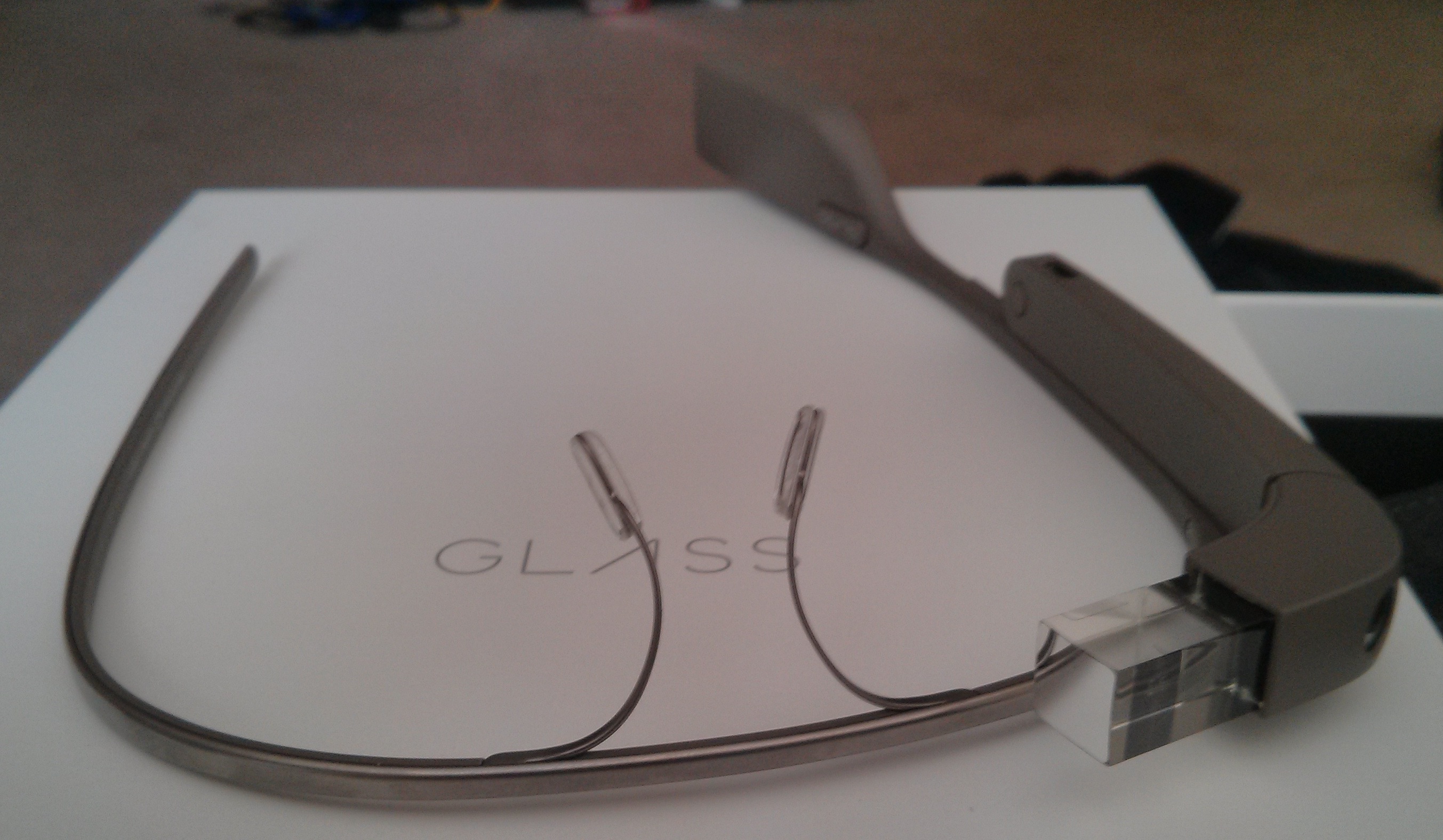
As we shared yesterday, the process to actually pay for the Glass Explorer Edition was quite simple. The next step in the process is picking up your device at either the Mountain View, Los Angeles or New York City Google Campus. Of course, you can opt to have them shipped to you if you’re not in one of those areas, but what’s the fun in that?
I picked up my Google Glass today in Mountain View and was told only that I would receive a bit of a walkthrough and proper fitting. I want to warn you, this isn’t a review, there won’t be any unboxing videos, you can find the technical specs here and there will be no pass or fail grade on this first iteration of Google Glass. If you buy into the potential for the device, and, more importantly the platform, then you know that this will be a true exploration into what Google has come up with here.
Some will see this device as a fad, something that isn’t really “necessary” in today’s world, and others will see this as the beginning of an adventure for users, developers and Google, of course. I tend to lean towards the adventure side, as it’s not fully known what impact Glass will have on society, your day-to-day activities, or the future of technology and hardware.
The setup
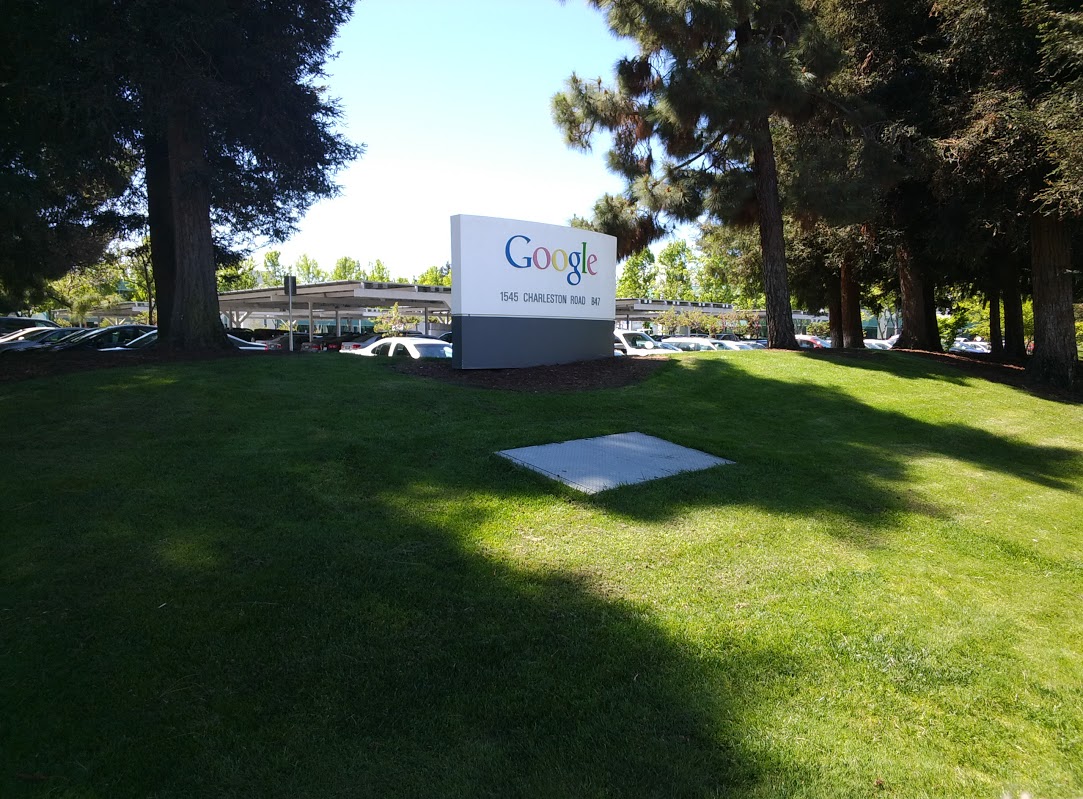
I arrived at the Googleplex and a few members of the Glass team greeted me. It’s been almost a year since Google’s last I/O conference where 2,000 developers signed up to be a part of the Glass Explorer program, and this is naturally the day that they’ve been waiting for.
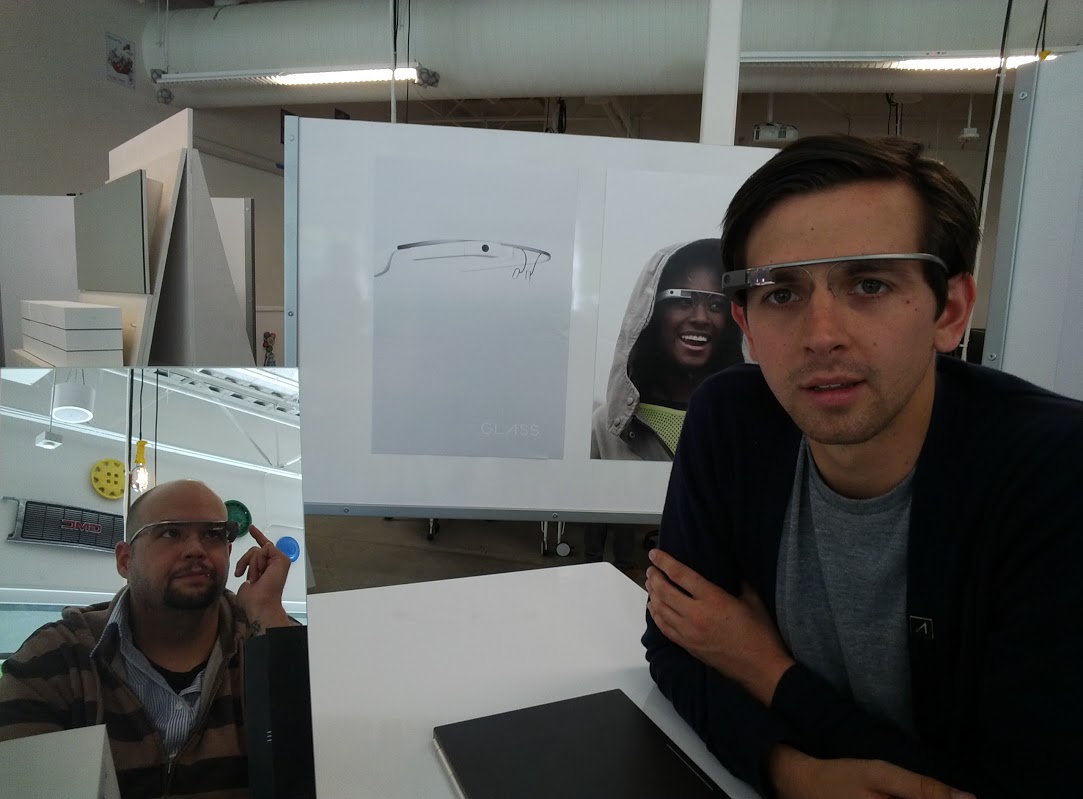
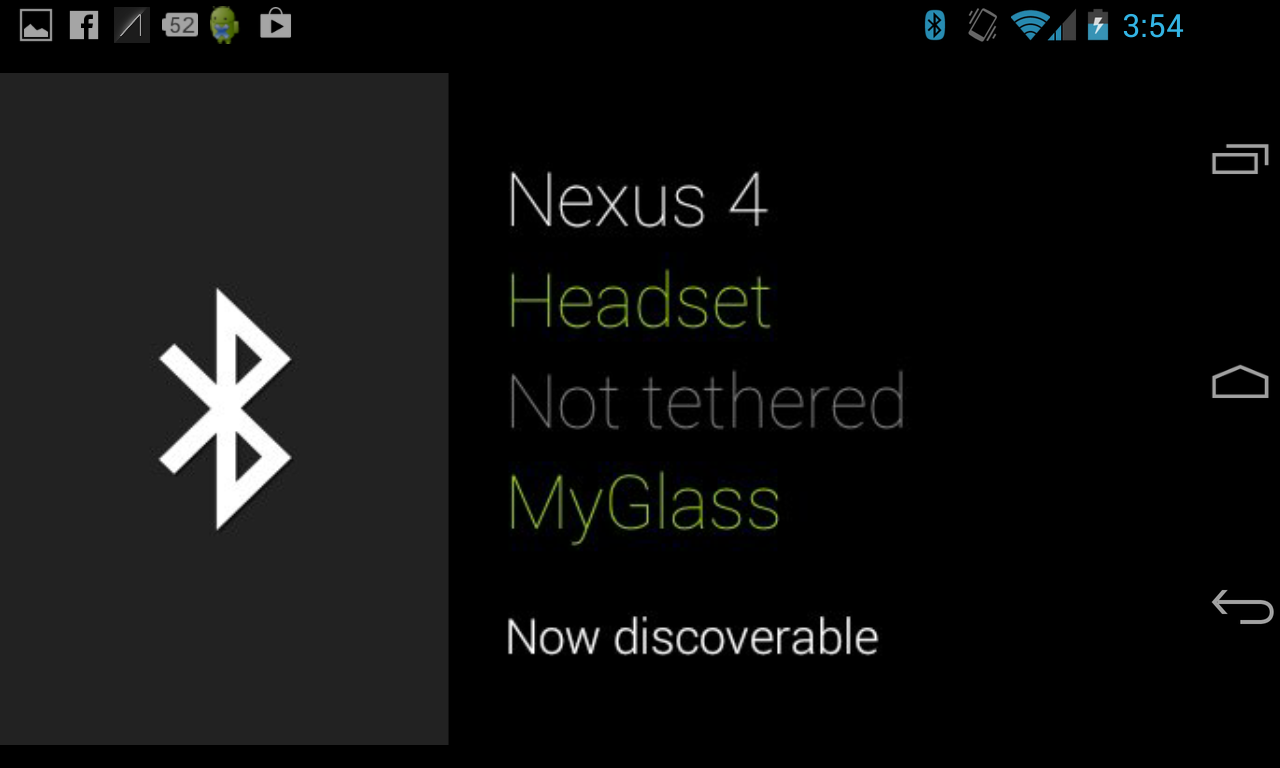
When I sat down to unbox my Glass, I was shown the proper way that they should sit on my face. The glass itself, where the screen is projected, should sit above your right eye and not in front of it. It’s easy to mess around with the nose pads to get the right fit. The second step is to pair your Glass with your device, using the MyGlass app that recently shipped. Since Glass pairs to your phone through Bluetooth, the device is pretty much useless until that’s done.
You log into the app using your consumer, not business, Gmail account, and then you’re off to the races once you’ve paired:
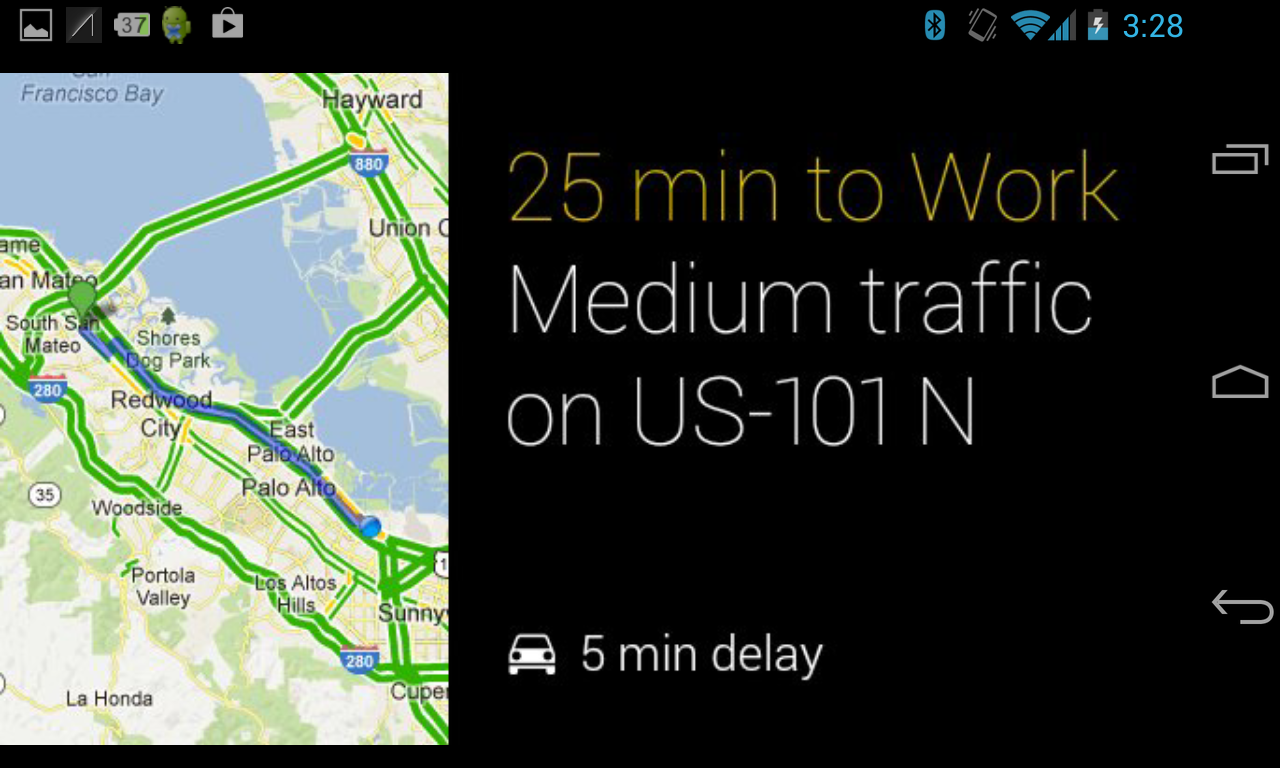
Something to note, all of these screenshots are coming from the handy “screencast” tool within the MyGlass app. It shows everything that you’re seeing on Glass. You’re paired, account is connected, Wi-Fi or mobile network is chosen, and you’re ready to use Glass.
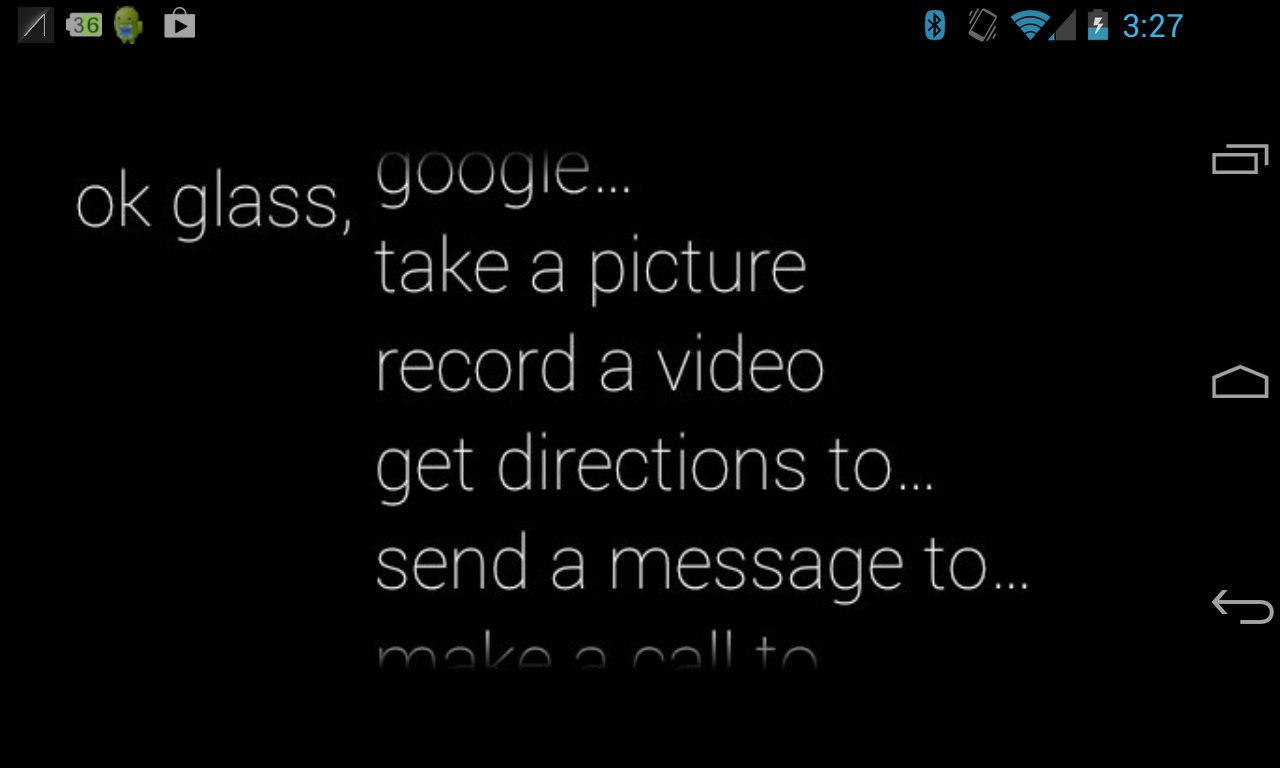
As you swipe your way through some of the screens on the touchpad with your finger, you’ll notice Google Now cards (if you choose to turn them on), a settings screen, and of course, the all-important command screen that pops up after you say the magic phrase “Ok Glass.”
With these voice commands, you can Google things, find directions, send someone a message shoot a video or take a picture. There’s also a button on the top of Glass that lets you snap photos and shoot video as well. The audio, which comes out right by your ear, is crisp and not too loud.
The Glass team tells me that looking at the screen takes some time to get used to. Some of the folks who work at Google say it took them up to a week to be able to focus on the screen properly. Let’s be honest, looking up and to the right isn’t a natural movement for our eyes. I’ve found that as I’ve worn them longer, I can glance up pretty quickly and see what I need to see and go back to what I was doing.
One trick is to use the screencast function of the app so that you can understand fully where each screen goes and what it does.
What Glass is and isn’t
Let’s start with what Glass isn’t. Glass isn’t a replacement for your cell phone, since you have to pair the device with the one you have for cellular or Wi-Fi coverage. It’s not a device for watching movies or YouTube videos and it’s not going to replace your computer. You won’t be able to read full search results on the tiny screen, but you’ll be able to get to really relevant information quickly.
What Glass seems to be, in the few hours that I’ve spent with it, is a device that picks up some of the things you do throughout your day and makes that information more easily accessible. Currently, the only built-in integration for a third-party service is Path.
For example, how many times a day do you pick up your phone to check the time or to see if you have any missed calls or text messages? I couldn’t count the times that I’ve wasted that arm motion. Furthermore, every single time you take your phone out, you’re telling the people that are around you that you have no interest in interacting with them for at least 30 seconds while you dive into your phone. Now, am I saying that having a screen above your eye is any less socially awkward? No. But it lets you access the same information quicker without having to stop what you’re doing.
If you look at Glass in its existing state, it’s quite impressive that all of this was fit into a tiny package that sits on your face. Will I get weird stares for a while when I’m out wearing them? Probably. Do I care? Not really. But I do care how it affects others, and that’s something that nobody will be able to talk about for sure until these things are in the wild for a few weeks.
Now mind you, this is the Explorer Edition of Glass, and it comes with the barest bones of “apps.” The real magic is going to be what developers start building on the platform.
What Glass could be
This is where things get really interesting. As we covered last week, there are already investors that are chomping at the bit to put money into developers who are building apps on top of Glass. The possibilities are actually quite endless, starting from potential uses in hospitals for doctors to a new way for teachers to interact with their students.
As far as how we interact with the world around us, being able to take pictures from our own vantage point, without setting up a shot for perfect light or shade, is something that has yet to be uncovered. Glass can do that. Being able to join a Google+ Hangout and talk to your friends with nothing more than a device that sits on your nose is pretty cool, too.
It all goes back to the developers, though. They have the minds to push Glass forward as not just a geeky novelty, but as a platform to enhance our lives. I’m not going to sugarcoat it — this product has a lot of bumpy roads ahead of it. We have to assume that there are developers who can come up with big ideas, that consumers are ready for it and whether it can be at a price point that middle-America can afford. In its current developer-only state, it’s not that hard to grasp how to use it once you get past having something new on your face.
This is only a first step, and it’s going to be an interesting ride. Not only can I not wait to build my hands-free recipe app, I’m looking forward to speaking with developers who are forward-thinking enough to see Glass for what it is — not a futuristic gadget, but something that can help us explore the world in a new way. It’s going to take time, though. I mean, even my dog thinks it’s weird:
If you’re a developer who is working on, thinking about or are interested in building Glass apps, feel free to reach out to me, as we tell the story of the platform together.
-
Samsung, HTC and LG join wireless charging alliance, compatible devices coming in 2014

-
Unannounced HTC 606w pictured in new leak

-
Verizon customers launch petition begging carrier to ditch wireless contracts