Yahoo just released its earnings for the fourth quarter and full year 2012, beating analysts’ expectations, and perhaps more noteworthy, showing solid signs for Yahoo’s search business.
GAAP revenue for the quarter was $1,346 million. For the year, it was $4,987 million. Revenue ex-TAC for the quarter were $1,221 million. For the year, they were $4,468 million. Non-GAAP income from operations was $283 million. For the year, it was $825 million.
GAAP search revenue for the quarter was $482 million, up 4% year-over-year. GAAP search revenue was $1,886 million for the year, up 2% year-over-year. Search revenue ex-TAC was $427 million for the quarte (up 14% year-over-year) and $1,611 million for the year (up 9% year-over-year). Paid clicks were up 11% year-over-year and 8% quarter over quarter. PPCs increased by 1% year-over-year, but decreased by 2% quarter-over-quarter.
CEO Marissa Mayer said, “I’m proud of Yahoo!’s 2012 and fourth quarter results. In 2012, Yahoo! exhibited revenue growth for the first time in 4 years, with revenue up 2 percent year-over-year. During the quarter we made progress by growing our executive team, signing key partnerships including those with NBC Sports and CBS Television, and launching terrific mobile experiences for Yahoo! Mail and Flickr. At the same time, we achieved tremendous internal transformation in the culture, energy and execution of the Company.”
Here’s the release in its entirety:
SUNNYVALE, Calif.–(BUSINESS WIRE)– Yahoo! Inc. (NASDAQ: YHOO) today reported results for the fourth quarter and full year endedDecember 31, 2012.
|
|
|
Q4 2012 |
|
|
Full Year 2012 |
| GAAP revenue |
|
|
$1,346 million |
|
|
$4,987 million |
| Revenue ex-TAC |
|
|
$1,221 million |
|
|
$4,468 million |
| GAAP income from operations |
|
|
$190 million |
|
|
$566 million |
| Non-GAAP income from operations |
|
|
$283 million |
|
|
$825 million |
| GAAP net earnings per diluted share |
|
|
$0.23 |
|
|
$3.28 |
| Non-GAAP net earnings per diluted share |
|
|
$0.32 |
|
|
$1.17 |
“I’m proud of Yahoo!’s 2012 and fourth quarter results. In 2012, Yahoo! exhibited revenue growth for the first time in 4 years, with revenue up 2 percent year-over-year,” said Yahoo! CEO Marissa Mayer. “During the quarter we made progress by growing our executive team, signing key partnerships including those with NBC Sports and CBS Television, and launching terrific mobile experiences for Yahoo! Mail and Flickr. At the same time, we achieved tremendous internal transformation in the culture, energy and execution of the Company.”
GAAP revenue was $1,346 million for the fourth quarter of 2012, a 2 percent increase from the fourth quarter of 2011. Revenue excluding traffic acquisition costs (“revenue ex-TAC”) was $1,221 million for the fourth quarter of 2012, a 4 percent increase compared to the fourth quarter of 2011. GAAP revenue was $4,987 million for the full year of 2012, flat compared to the prior year. Revenue ex-TAC was $4,468 million for the full year of 2012, a 2 percent increase from the prior year.
Adjusted EBITDA for the fourth quarter of 2012 was $509 million, an 8 percent increase from the same period of 2011. Adjusted EBITDA was$1,699 million for the full year of 2012, a 3 percent increase from the prior year.
GAAP income from operations decreased 22 percent to $190 million in the fourth quarter of 2012, compared to $242 million in the fourth quarter of 2011. Non-GAAP income from operations was $283 million in the fourth quarter of 2012 compared to $259 million in the fourth quarter of 2011. GAAP income from operations for the full year of 2012 was $566 million, compared to $800 million for the prior year. Non-GAAP income from operations was $825 million in both years.
GAAP net earnings for the fourth quarter of 2012 was $272 million, an 8 percent decrease from the same period of 2011. Non-GAAP net earnings for the fourth quarter of 2012 was $370 million, a 20 percent increase from the same period of 2011. GAAP net earnings for the full year of 2012 was $3,945 million, compared to $1,049 million for the prior year. For the full year of 2012, GAAP net earnings included a net gain of $2,755 million related to the sale of Alibaba shares. Non-GAAP net earnings for the full year of 2012 was $1,407 million, a 35 percent increase from the prior year.
GAAP net earnings per diluted share was $0.23 in the fourth quarter of 2012, compared to $0.24 in the fourth quarter of 2011. Non-GAAP net earnings per diluted share was $0.32 in the fourth quarter of 2012, compared to $0.25 in the fourth quarter of 2011. GAAP net earnings per diluted share was $3.28 for the full year of 2012, compared to $0.82 for the prior year. For the full year of 2012, GAAP net earnings included a net gain of $2,755 million, or $2.29 per diluted share, related to the sale of Alibaba shares. Non-GAAP net earnings per diluted share was$1.17 for the full year of 2012, compared to $0.81 for the prior year.
Business Highlights
- Yahoo! further strengthened its board of directors, appointing Max Levchin, a computer scientist, serial entrepreneur and angel investor with extensive experience building enduring Internet companies.
- The Company made significant improvements to two of its core products, Yahoo! Mail and Flickr. The new Yahoo! Mail is faster, easier to use and available across the Web and on Windows 8, iPhone/iPod touch and Android. Yahoo!’s redesigned Flickr app for iPhone and iPod touch makes it easier to capture, share and discover photos. The new app allows users to share photos by email, with the Flickr community or via Facebook, Twitter or Tumblr.
- Yahoo! signed distribution and branding deals to strengthen two of its leading media properties.
- Yahoo! Sports and NBC Sports announced a partnership to deliver news, fantasy games, and video coverage of sporting events — combining two of the most trusted names in sports.
- Yahoo! and CBS Television Distribution launched omg! Insider, a multiplatform entertainment news series that combines the popularity of CBS Television Distribution’s The Insider with the online reach of omg!.
- The Company also announced a deal with Wenner Media to further enhance the content and reach of omg! and Yahoo! Music by joining forces with the Us Weekly, Rolling Stone, and Men’s Journal franchises.
- Yahoo! acquired mobile app developers Stamped and OnTheAir, accelerating the Company’s efforts to build a world-class team of mobile engineers, product managers and designers.
- Yahoo! expanded its partnership with Samsung, enabling Samsung SmartTV users to engage more with their favorite shows and commercials. With the touch of a remote, connected tablet or phone, Samsung SmartTV viewers who use Yahoo!’s Connected TV technologies, can easily access content or offers related to their favorite TV shows or commercials.
Fourth Quarter and Full Year 2012 Financial Highlights
Display
- GAAP display revenue was $591 million for the fourth quarter of 2012, a 3 percent decrease compared to $612 million for the fourth quarter of 2011. GAAP display revenue was $2,143 million for the full year of 2012, a 1 percent decrease compared to $2,160 millionfor the prior year.
- Display revenue ex-TAC was $520 million for the fourth quarter of 2012, a 5 percent decrease compared to $546 million for the fourth quarter of 2011. Display revenue ex-TAC was $1,899 million for the full year of 2012, a 2 percent decrease compared to $1,932 millionfor the prior year.
- The number of ads sold on core Yahoo! Properties decreased approximately 10 percent compared to the fourth quarter of 2011 and increased approximately 3 percent compared to the third quarter of 2012.
- Price-per-ad on core Yahoo! Properties increased approximately 7 percent compared to the fourth quarter of 2011 and increased approximately 15 percent compared to the third quarter of 2012.
Search
- GAAP search revenue was $482 million for the fourth quarter of 2012, a 4 percent increase compared to $465 million for the fourth quarter of 2011. GAAP search revenue was $1,886 million for the full year of 2012, a 2 percent increase compared to $1,853 million for the prior year.
- Search revenue ex-TAC was $427 million for the fourth quarter of 2012, a 14 percent increase compared to $376 million for the fourth quarter of 2011. Search revenue ex-TAC was $1,611 million for the full year of 2012, a 9 percent increase compared to $1,478 millionfor the prior year.
- Paid clicks, or the number of clicks on sponsored listings on Yahoo! Properties and Affiliate sites, increased approximately 11 percent compared to the fourth quarter of 2011 and increased approximately 8 percent compared to the third quarter of 2012.
- Price-per-click increased approximately 1 percent compared to the fourth quarter of 2011 and decreased approximately 2 percent compared to the third quarter of 2012.
Cash Balance
- Cash, cash equivalents, and investments in marketable debt securities were $6 billion at December 31, 2012 compared to $2.5 billionat December 31, 2011, an increase of $3.5 billion.
- During the fourth quarter of 2012, Yahoo! repurchased 80 million shares for $1.5 billion. During the year ended December 31, 2012,Yahoo! repurchased 126 million shares for $2.2 billion.
Conference Call
Yahoo! will host a conference call to discuss fourth quarter and full year 2012 results at 5 p.m. Eastern Time today. On the conference call,Yahoo! will also provide its business outlook for the first quarter and full year of 2013. A live Webcast of the conference call, together with supplemental financial information, can be accessed through the Company’s Investor Relations Website athttp://investor.yahoo.com/results.cfm. In addition, an archive of the Webcast can be accessed through the same link. An audio replay of the call will be available for one week following the conference call by calling (888) 286-8010 or (617) 801-6888, reservation number: 30622830.
Non-GAAP Financial Measures
This press release and its attachments include the following financial measures defined as non-GAAP financial measures by the Securities and Exchange Commission (“SEC”): revenue ex-TAC; adjusted EBITDA; non-GAAP income from operations; non-GAAP net earnings; non-GAAP net earnings per diluted share; and free cash flow.
Revenue ex-TAC is GAAP revenue less traffic acquisition costs. Adjusted EBITDA, non-GAAP income from operations, non-GAAP net earnings and non-GAAP earnings per diluted share exclude certain gains, losses, and expenses that we do not believe are indicative of ongoing results. Adjusted EBITDA also excludes taxes, depreciation, amortization of intangible assets, stock-based compensation expense, other income, net (which includes interest), earnings in equity interests, and net income attributable to noncontrolling interests. Free cash flow is GAAP net cash provided by (used in) operating activities (adjusted to include excess tax benefits from stock-based awards), less acquisition of property and equipment, net and dividends received from equity investees.
These measures may be different than non-GAAP financial measures used by other companies. The presentation of this financial information is not intended to be considered in isolation or as a substitute for the financial information prepared and presented in accordance with generally accepted accounting principles (“GAAP”). Explanations of the Company’s non-GAAP financial measures and reconciliations of these financial measures to the GAAP financial measures the Company considers most comparable are included in the accompanying “Note to Unaudited Condensed Consolidated Financial Statements,” “Supplemental Financial Data and GAAP to Non-GAAP Reconciliations,” and “GAAP to Non-GAAP Reconciliations.”
About Yahoo!
Yahoo! is focused on making the world’s daily habits inspiring and entertaining. By creating highly personalized experiences for our users, we keep people connected to what matters most to them, across devices and around the globe. In turn, we create value for advertisers by connecting them with the audiences that build their businesses. Yahoo! is headquartered in Sunnyvale, Calif., and has offices located throughout the Americas, Asia Pacific (APAC) and the Europe, Middle East and Africa (EMEA) regions. For more information, visit the pressroom (pressroom.yahoo.net) or the company blog (yodel.yahoo.com).
“Affiliates” refers to the third-party entities that have integrated Yahoo!’s advertising offerings into their Websites or other offerings (those Websites and other offerings, “Affiliate sites”).
“Alibaba” means Alibaba Group Holding Limited.
“Search Agreement” refers to the Search and Advertising Services and Sales Agreement between Yahoo! and Microsoft Corporation, as amended.
“TAC” refers to traffic acquisition costs. TAC consists of payments to Affiliates and payments made to companies that direct consumer and business traffic to Yahoo! Properties.
“Yahoo! Properties” refers to the online properties and services that Yahoo! provides to users.
This press release contains forward-looking statements concerning Yahoo!’s expected financial performance and Yahoo!’s strategic and operational plans (including, without limitation, the quotation from management). Risks and uncertainties may cause actual results to differ materially from the results predicted, and reported results should not be considered as an indication of future performance. The potential risks and uncertainties include, among others, the impact of changes to our management, organizational structure and strategic business plan;Yahoo!’s ability to compete with new or existing competitors; reduction in spending by, or loss of, advertising customers; risks associated with the Search Agreement with Microsoft Corporation; risks related to Yahoo!’s regulatory environment; interruptions or delays in the provision of Yahoo!’s services; security breaches; acceptance by users of new products and services; risks related to joint ventures and the integration of acquisitions; risks related to Yahoo!’s international operations; adverse results in litigation; Yahoo!’s ability to protect its intellectual property and the value of its brands; dependence on third parties for technology, services, content, and distribution; and general economic conditions. All information set forth in this press release and its attachments is as of January 28, 2013. Yahoo! does not intend, and undertakes no duty, to update this information to reflect subsequent events or circumstances. More information about potential factors that could affect the Company’s business and financial results is included under the captions “Risk Factors” and “Management’s Discussion and Analysis of Financial Condition and Results of Operations” in the Company’s Annual Report on Form 10-K for the year ended December 31, 2011, as amended, and Quarterly Report on Form 10-Q for the quarter ended September 30, 2012, which are on file with the SEC and available on the SEC’s website at www.sec.gov. Additional information will also be set forth in those sections in Yahoo!’s Annual Report on Form 10-K for the year ended December 31, 2012, which will be filed with the SEC in the first quarter of 2013.
Yahoo!, the Yahoo! logos, omg! and Flickr are trademarks and/or registered trademarks of Yahoo! Inc. All other names are trademarks and/or registered trademarks of their respective owners.
| Yahoo! Inc. |
| Unaudited Condensed Consolidated Balance Sheets |
| (in thousands) |
|
|
|
|
|
|
|
|
|
|
|
|
|
|
December 31, |
|
|
December 31, |
|
|
|
|
|
2011 |
|
|
2012 |
|
|
|
|
|
|
|
|
|
|
|
| ASSETS |
|
|
|
|
|
|
|
|
|
| Current assets: |
|
|
|
|
|
|
|
|
| Cash and cash equivalents |
|
|
$ |
1,562,390 |
|
|
$ |
2,667,778 |
| Short-term marketable debt securities |
|
|
|
493,189 |
|
|
|
1,516,175 |
| Accounts receivable, net |
|
|
|
1,037,474 |
|
|
|
1,008,448 |
| Prepaid expenses and other current assets |
|
|
|
359,483 |
|
|
|
460,312 |
| Total current assets |
|
|
|
3,452,536 |
|
|
|
5,652,713 |
|
|
|
|
|
|
|
|
|
|
|
| Long-term marketable debt securities |
|
|
|
474,338 |
|
|
|
1,838,425 |
| Alibaba Group Preference Shares |
|
|
|
– |
|
|
|
816,261 |
| Property and equipment, net |
|
|
|
1,730,888 |
|
|
|
1,685,845 |
| Goodwill |
|
|
|
|
3,900,752 |
|
|
|
3,826,749 |
| Intangible assets, net |
|
|
|
254,600 |
|
|
|
153,973 |
| Other long-term assets |
|
|
|
220,628 |
|
|
|
289,130 |
| Investments in equity interests |
|
|
|
4,749,044 |
|
|
|
2,840,157 |
|
|
|
|
|
|
|
|
|
|
|
| Total assets |
|
|
$ |
14,782,786 |
|
|
$ |
17,103,253 |
|
|
|
|
|
|
|
|
|
|
|
|
|
|
|
|
|
|
|
|
|
|
| LIABILITIES AND EQUITY |
|
|
|
|
|
|
|
|
| Current liabilities: |
|
|
|
|
|
|
|
|
| Accounts payable |
|
|
$ |
166,595 |
|
|
$ |
184,831 |
| Accrued expenses and other current liabilities |
|
|
|
846,044 |
|
|
|
808,475 |
| Deferred revenue |
|
|
|
194,722 |
|
|
|
296,926 |
| Total current liabilities |
|
|
|
1,207,361 |
|
|
|
1,290,232 |
|
|
|
|
|
|
|
|
|
|
|
| Long-term deferred revenue |
|
|
|
43,639 |
|
|
|
407,560 |
| Capital lease and other long-term liabilities |
|
|
|
134,905 |
|
|
|
124,587 |
| Deferred and other long-term tax liabilities, net |
|
|
|
815,534 |
|
|
|
675,271 |
| Total liabilities |
|
|
|
2,201,439 |
|
|
|
2,497,650 |
|
|
|
|
|
|
|
|
|
|
|
| Total Yahoo! Inc. stockholders’ equity |
|
|
|
12,541,067 |
|
|
|
14,560,200 |
| Noncontrolling interests |
|
|
|
40,280 |
|
|
|
45,403 |
| Total equity |
|
|
|
|
12,581,347 |
|
|
|
14,605,603 |
|
|
|
|
|
|
|
|
|
|
|
| Total liabilities and equity |
|
|
$ |
14,782,786 |
|
|
$ |
17,103,253 |
|
|
|
|
|
|
|
|
|
| Yahoo! Inc. |
|
|
|
|
|
| Unaudited Condensed Consolidated Statements of Income |
|
|
|
|
|
| (in thousands, except per share amounts) |
|
|
|
|
|
|
|
|
|
|
|
|
|
|
|
|
|
|
|
|
|
|
|
|
|
|
|
|
|
|
|
|
|
|
|
|
|
|
|
|
|
|
|
Three Months Ended |
|
Year Ended |
|
|
|
|
|
|
|
December 31, |
|
December 31, |
|
|
|
|
|
|
|
2011 |
|
2012 |
|
2011 |
|
2012 |
|
|
|
|
|
|
|
|
|
|
|
|
|
|
|
|
|
|
|
|
|
|
|
|
|
|
|
|
|
|
|
|
|
|
|
|
|
|
|
|
|
| Revenue |
$ |
1,324,153 |
|
|
$ |
1,345,807 |
|
|
$ |
4,984,199 |
|
|
$ |
4,986,566 |
|
|
|
|
|
|
|
|
|
|
|
|
|
|
|
|
|
|
|
|
|
|
|
|
| Operating expenses: |
|
|
|
|
|
|
|
|
|
|
|
|
|
|
|
|
| Cost of revenue – Traffic acquisition costs |
|
155,453 |
|
|
|
124,961 |
|
|
|
603,371 |
|
|
|
518,906 |
|
|
|
|
|
|
| Cost of revenue – Other |
|
263,609 |
|
|
|
287,147 |
|
|
|
983,626 |
|
|
|
1,101,660 |
|
|
|
|
|
|
| Sales and marketing |
|
289,366 |
|
|
|
274,122 |
|
|
|
1,122,193 |
|
|
|
1,101,572 |
|
|
|
|
|
|
| Product development |
|
235,810 |
|
|
|
240,417 |
|
|
|
919,368 |
|
|
|
885,824 |
|
|
|
|
|
|
| General and administrative |
|
112,614 |
|
|
|
144,610 |
|
|
|
497,288 |
|
|
|
540,247 |
|
|
|
|
|
|
| Amortization of intangibles |
|
8,525 |
|
|
|
7,926 |
|
|
|
33,592 |
|
|
|
35,819 |
|
|
|
|
|
|
| Restructuring charges, net |
|
16,329 |
|
|
|
76,634 |
|
|
|
24,420 |
|
|
|
236,170 |
|
|
|
|
|
|
| Total operating expenses |
|
1,081,706 |
|
|
|
1,155,817 |
|
|
|
4,183,858 |
|
|
|
4,420,198 |
|
|
|
|
|
|
|
|
|
|
|
|
|
|
|
|
|
|
|
|
|
|
|
|
| Income from operations |
|
242,447 |
|
|
|
189,990 |
|
|
|
800,341 |
|
|
|
566,368 |
|
|
|
|
|
|
|
|
|
|
|
|
|
|
|
|
|
|
|
|
|
|
|
|
| Other income, net |
|
9,768 |
|
|
|
17,730 |
|
|
|
27,175 |
|
|
|
4,647,839 |
|
|
|
|
|
|
|
|
|
|
|
|
|
|
|
|
|
|
|
|
|
|
|
|
| Income before income taxes and earnings in equity interests |
|
252,215 |
|
|
|
207,720 |
|
|
|
827,516 |
|
|
|
5,214,207 |
|
|
|
|
|
|
|
|
|
|
|
|
|
|
|
|
|
|
|
|
|
|
|
|
| Provision for income taxes |
|
(78,287 |
) |
|
|
(83,007 |
) |
|
|
(241,767 |
) |
|
|
(1,940,043 |
) |
|
|
|
|
|
| Earnings in equity interests |
|
127,063 |
|
|
|
148,939 |
|
|
|
476,920 |
|
|
|
676,438 |
|
|
|
|
|
|
|
|
|
|
|
|
|
|
|
|
|
|
|
|
|
|
|
|
| Net income |
|
300,991 |
|
|
|
273,652 |
|
|
|
1,062,669 |
|
|
|
3,950,602 |
|
|
|
|
|
|
|
|
|
|
|
|
|
|
|
|
|
|
|
|
|
|
|
|
| Less: Net income attributable to noncontrolling interests |
|
(5,419 |
) |
|
|
(1,385 |
) |
|
|
(13,842 |
) |
|
|
(5,123 |
) |
|
|
|
|
|
|
|
|
|
|
|
|
|
|
|
|
|
|
|
|
|
|
|
| Net income attributable to Yahoo! Inc. |
$ |
295,572 |
|
|
$ |
272,267 |
|
|
$ |
1,048,827 |
|
|
$ |
3,945,479 |
|
|
|
|
|
|
|
|
|
|
|
|
|
|
|
|
|
|
|
|
|
|
|
|
| Net income attributable to Yahoo! Inc. common stockholders per share – diluted |
$ |
0.24 |
|
|
$ |
0.23 |
|
|
$ |
0.82 |
|
|
$ |
3.28 |
|
|
|
|
|
|
|
|
|
|
|
|
|
|
|
|
|
|
|
|
|
|
|
|
| Shares used in per share calculation – diluted |
|
1,241,009 |
|
|
|
1,168,336 |
|
|
|
1,282,282 |
|
|
|
1,202,906 |
|
|
|
|
|
|
|
|
|
|
|
|
|
|
|
|
|
|
|
|
|
|
|
|
| Stock-based compensation expense by function: |
|
|
|
|
|
|
|
|
|
|
|
|
|
|
|
|
| Cost of revenue – Other |
$ |
1,010 |
|
|
$ |
2,207 |
|
|
$ |
3,489 |
|
|
$ |
10,078 |
|
|
|
|
|
|
| Sales and marketing |
|
22,291 |
|
|
|
22,161 |
|
|
|
65,120 |
|
|
|
82,115 |
|
|
|
|
|
|
| Product development |
|
25,291 |
|
|
|
19,955 |
|
|
|
89,587 |
|
|
|
74,284 |
|
|
|
|
|
|
| General and administrative |
|
10,255 |
|
|
|
13,139 |
|
|
|
45,762 |
|
|
|
57,888 |
|
|
|
|
|
|
| Restructuring expense accelerations (reversals), net |
|
1,492 |
|
|
|
– |
|
|
|
214 |
|
|
|
(3,429 |
) |
|
|
|
|
|
|
|
|
|
|
|
|
|
|
|
|
|
|
|
|
|
|
|
|
|
|
|
|
|
|
|
|
|
|
|
|
|
|
|
|
|
| Supplemental Financial Data: |
|
|
|
|
|
|
|
|
|
|
|
|
|
|
|
|
| Revenue ex-TAC |
$ |
1,168,700 |
|
|
$ |
1,220,846 |
|
|
$ |
4,380,828 |
|
|
$ |
4,467,660 |
|
|
|
|
|
|
| Adjusted EBITDA |
$ |
469,453 |
|
|
$ |
509,024 |
|
|
$ |
1,654,583 |
|
|
$ |
1,698,839 |
|
|
|
|
|
|
| Free cash flow(1)(2) |
$ |
327,013 |
|
|
$ |
(2,044,502 |
) |
|
$ |
725,801 |
|
|
$ |
(834,865 |
) |
|
|
|
|
|
|
|
|
|
|
|
|
|
|
|
|
|
|
|
|
|
|
|
|
|
|
| (1) |
|
The year ended December 31, 2012 includes a payment of $550 million from Alibaba in satisfaction of certain future royalty payments under the existing technology and intellectual property license agreement with Alibaba. |
|
|
|
| (2) |
|
The three months and year ended December 31, 2012 include a cash tax payment of $2.3 billion which is related to the sale of Alibabashares. |
|
|
|
|
|
|
|
|
|
| Yahoo! Inc. |
| Unaudited Condensed Consolidated Statements of Cash Flows |
| (in thousands) |
|
|
|
|
|
|
|
|
|
|
|
|
|
|
|
|
|
|
|
|
|
|
|
|
|
|
|
|
|
|
|
|
|
|
Three Months Ended |
|
|
|
Year Ended |
|
|
December 31, |
|
|
December 31, |
|
|
2011 |
|
|
2012 |
|
|
2011 |
|
|
|
2012 |
|
|
|
|
|
|
|
|
|
|
|
|
|
|
|
|
| CASH FLOWS FROM OPERATING ACTIVITIES: |
|
|
|
|
|
|
|
|
|
|
|
|
|
|
|
| Net income |
|
$ |
300,991 |
|
|
|
$ |
273,652 |
|
|
|
$ |
1,062,669 |
|
|
|
$ |
3,950,602 |
|
| Adjustments to reconcile net income to net cash provided by operating activities: |
|
|
|
|
|
|
|
|
|
|
|
|
|
|
|
| Depreciation |
|
|
125,693 |
|
|
|
|
148,213 |
|
|
|
|
530,516 |
|
|
|
|
549,235 |
|
| Amortization of intangible assets |
|
|
29,939 |
|
|
|
|
21,279 |
|
|
|
|
117,723 |
|
|
|
|
105,366 |
|
| Stock-based compensation expense, net |
|
|
60,339 |
|
|
|
|
57,462 |
|
|
|
|
204,172 |
|
|
|
|
220,936 |
|
| Non-cash restructuring charges |
|
|
990 |
|
|
|
|
69,434 |
|
|
|
|
990 |
|
|
|
|
109,896 |
|
| Accrued dividend income related to Alibaba Group Preference Shares |
|
|
– |
|
|
|
|
(20,000 |
) |
|
|
|
– |
|
|
|
|
(20,000 |
) |
| Tax benefits (detriments) from stock-based awards |
|
|
23,523 |
|
|
|
|
(21,969 |
) |
|
|
|
33,497 |
|
|
|
|
(31,440 |
) |
| Excess tax benefits from stock-based awards |
|
|
(25,966 |
) |
|
|
|
(5,093 |
) |
|
|
|
(70,680 |
) |
|
|
|
(35,844 |
) |
| Deferred income taxes |
|
|
1,652 |
|
|
|
|
121,968 |
|
|
|
|
70,392 |
|
|
|
|
(769,320 |
) |
| Earnings in equity interests |
|
|
(127,063 |
) |
|
|
|
(148,939 |
) |
|
|
|
(476,920 |
) |
|
|
|
(676,438 |
) |
| Dividends received from Yahoo Japan |
|
|
– |
|
|
|
|
– |
|
|
|
|
75,391 |
|
|
|
|
83,648 |
|
| Gain related to sale of Alibaba Group shares |
|
|
– |
|
|
|
|
– |
|
|
|
|
– |
|
|
|
|
(4,603,322 |
) |
| Gain from sale of investments, assets, and other, net |
|
|
(8,416 |
) |
|
|
|
6,468 |
|
|
|
|
4,405 |
|
|
|
|
(11,840 |
) |
| Changes in assets and liabilities, net of effects of acquisitions: |
|
|
|
|
|
|
|
|
|
|
|
|
|
|
|
| Accounts receivable, net |
|
|
(117,992 |
) |
|
|
|
(52,190 |
) |
|
|
|
38,100 |
|
|
|
|
34,752 |
|
| Prepaid expenses and other |
|
|
87,441 |
|
|
|
|
37,470 |
|
|
|
|
97,849 |
|
|
|
|
78,529 |
|
| Accounts payable |
|
|
27,000 |
|
|
|
|
35,204 |
|
|
|
|
(316 |
) |
|
|
|
12,747 |
|
| Accrued expenses and other liabilities |
|
|
61,012 |
|
|
|
|
(2,373,163 |
) |
|
|
|
(290,070 |
) |
|
|
|
255,799 |
|
| Deferred revenue |
|
|
(7,809 |
) |
|
|
|
(49,671 |
) |
|
|
|
(73,912 |
) |
|
|
|
465,140 |
|
| Net cash provided by (used in) operating activities (1)(2) |
|
|
431,334 |
|
|
|
|
(1,899,875 |
) |
|
|
|
1,323,806 |
|
|
|
|
(281,554 |
) |
|
|
|
|
|
|
|
|
|
|
|
|
|
|
|
|
| CASH FLOWS FROM INVESTING ACTIVITIES: |
|
|
|
|
|
|
|
|
|
|
|
|
|
|
|
| Acquisition of property and equipment, net |
|
|
(130,287 |
) |
|
|
|
(149,720 |
) |
|
|
|
(593,294 |
) |
|
|
|
(505,507 |
) |
| Purchases of marketable debt securities |
|
|
(95,232 |
) |
|
|
|
(1,681,467 |
) |
|
|
|
(1,708,530 |
) |
|
|
|
(3,520,327 |
) |
| Proceeds from sales of marketable debt securities |
|
|
441,719 |
|
|
|
|
56,968 |
|
|
|
|
1,508,948 |
|
|
|
|
741,947 |
|
| Proceeds from maturities of marketable debt securities |
|
|
89,305 |
|
|
|
|
130,750 |
|
|
|
|
1,316,197 |
|
|
|
|
381,403 |
|
| Proceeds related to sale of Alibaba shares, net |
|
|
– |
|
|
|
|
– |
|
|
|
|
– |
|
|
|
|
6,247,728 |
|
| Purchases of intangible assets |
|
|
(799 |
) |
|
|
|
(711 |
) |
|
|
|
(11,819 |
) |
|
|
|
(3,799 |
) |
| Proceeds from the sale of investments |
|
|
– |
|
|
|
|
– |
|
|
|
|
21,271 |
|
|
|
|
26,132 |
|
| Acquisitions, net of cash acquired |
|
|
(255,018 |
) |
|
|
|
(5,716 |
) |
|
|
|
(323,830 |
) |
|
|
|
(5,716 |
) |
| Other investing activities, net |
|
|
(818 |
) |
|
|
|
9,604 |
|
|
|
|
(6,581 |
) |
|
|
|
183 |
|
| Net cash provided by (used in) investing activities |
|
|
48,870 |
|
|
|
|
(1,640,292 |
) |
|
|
|
202,362 |
|
|
|
|
3,362,044 |
|
|
|
|
|
|
|
|
|
|
|
|
|
|
|
|
|
| CASH FLOWS FROM FINANCING ACTIVITIES: |
|
|
|
|
|
|
|
|
|
|
|
|
|
|
|
| Proceeds from issuance of common stock, net |
|
|
49,529 |
|
|
|
|
101,951 |
|
|
|
|
156,226 |
|
|
|
|
218,371 |
|
| Repurchases of common stock |
|
|
(416,237 |
) |
|
|
|
(1,451,462 |
) |
|
|
|
(1,618,741 |
) |
|
|
|
(2,167,841 |
) |
| Excess tax benefits from stock-based awards |
|
|
25,966 |
|
|
|
|
5,093 |
|
|
|
|
70,680 |
|
|
|
|
35,844 |
|
| Tax withholdings related to net share settlements of restricted stock awards and restricted stock units |
|
|
(8,712 |
) |
|
|
|
(12,842 |
) |
|
|
|
(44,761 |
) |
|
|
|
(60,939 |
) |
| Other financing activities, net |
|
|
(11,029 |
) |
|
|
|
(1,373 |
) |
|
|
|
(19,362 |
) |
|
|
|
(4,892 |
) |
| Net cash used in financing activities |
|
|
(360,483 |
) |
|
|
|
(1,358,633 |
) |
|
|
|
(1,455,958 |
) |
|
|
|
(1,979,457 |
) |
|
|
|
|
|
|
|
|
|
|
|
|
|
|
|
|
| Effect of exchange rate changes on cash and cash equivalents |
|
|
(21,550 |
) |
|
|
|
6,178 |
|
|
|
|
(34,247 |
) |
|
|
|
4,355 |
|
|
|
|
|
|
|
|
|
|
|
|
|
|
|
|
|
| Net change in cash and cash equivalents |
|
|
98,171 |
|
|
|
|
(4,892,622 |
) |
|
|
|
35,963 |
|
|
|
|
1,105,388 |
|
| Cash and cash equivalents, beginning of period |
|
|
1,464,219 |
|
|
|
|
7,560,400 |
|
|
|
|
1,526,427 |
|
|
|
|
1,562,390 |
|
|
|
|
|
|
|
|
|
|
|
|
|
|
|
|
|
| Cash and cash equivalents, end of period |
|
$ |
1,562,390 |
|
|
|
$ |
2,667,778 |
|
|
|
$ |
1,562,390 |
|
|
|
$ |
2,667,778 |
|
|
|
|
|
|
|
|
|
|
|
|
|
|
|
|
|
|
(1) |
|
The year ended December 31, 2012 includes a payment of $550 million from Alibaba in satisfaction of certain future royalty payments under the existing technology and intellectual property license agreement with Alibaba. |
|
(2) |
|
The three months and year ended December 31, 2012 include a cash tax payment of $2.3 billion which is related to the sale of Alibabashares. |
|
|
|
|
Yahoo! Inc.
Note to Unaudited Condensed Consolidated Financial Statements
This press release and its attachments include the non-GAAP financial measures of revenue excluding traffic acquisition costs (“revenue ex-TAC”); adjusted EBITDA; non-GAAP income from operations; non-GAAP net earnings; non-GAAP net earnings per diluted share; and free cash flow, which are reconciled to revenue; net income attributable to Yahoo! Inc. (in the case of adjusted EBITDA and non-GAAP net earnings); income from operations; net income attributable to Yahoo! Inc. common stockholders per share — diluted; and net cash provided by (used in) operating activities, which we believe are the most comparable GAAP measures. We use these non-GAAP financial measures for internal managerial purposes and to facilitate period-to-period comparisons. We describe limitations specific to each non-GAAP financial measure below. Management generally compensates for limitations in the use of non-GAAP financial measures by relying on comparable GAAP financial measures and providing investors with a reconciliation of the non-GAAP financial measure to the most directly comparable GAAP financial measure or measures. Further, management uses non-GAAP financial measures only in addition to and in conjunction with results presented in accordance with GAAP. We believe that these non-GAAP financial measures reflect an additional way of viewing aspects of our operations that, when viewed with our GAAP results, provide a more complete understanding of factors and trends affecting our business. These non-GAAP measures should be considered as a supplement to, and not as a substitute for, or superior to, revenue, net income attributable to Yahoo! Inc., income from operations, net income attributable to Yahoo! Inc. common stockholders per share – diluted and net cash provided by (used in) operating activities, calculated in accordance with GAAP.
Revenue ex-TAC is a non-GAAP financial measure defined as GAAP revenue less TAC. TAC consists of payments made to third-party entities that have integrated our advertising offerings into their Websites or other offerings (those Websites and other offerings, “Affiliate sites”) and payments made to companies that direct consumer and business traffic to Yahoo!’s online properties and services (“Yahoo! Properties”). Based on the terms of the Search Agreement with Microsoft, Microsoft retains a revenue share of 12 percent of the net (after TAC) search revenue generated on Yahoo! Properties and Affiliate sites in transitioned markets. Yahoo! reports the net revenue it receives under the Search Agreement as revenue and no longer presents the associated TAC. Accordingly, for transitioned markets Yahoo! reports GAAP revenue associated with the Search Agreement on a net (after TAC) basis rather than a gross basis. For markets that have not yet transitioned, revenue continues to be recorded on a gross basis, and TAC is recorded as a part of operating expenses. We present revenue ex-TAC to provide investors a metric used by the Company for evaluation and decision-making purposes during the Microsoft transition and to provide investors with comparable revenue numbers when comparing periods preceding, during and following the transition period. A limitation of revenue ex-TAC is that it is a measure which we have defined for internal and investor purposes that may be unique to the Company, and therefore it may not enhance the comparability of our results to other companies in our industry who have similar business arrangements but address the impact of TAC differently. Management compensates for these limitations by also relying on the comparable GAAP financial measures of revenue and total operating expenses, which includes TAC in non-transitioned markets.
Adjusted EBITDA is defined as net income attributable to Yahoo! Inc. before taxes, depreciation, amortization of intangible assets, stock-based compensation expense, other income, net (which includes interest), earnings in equity interests, net income attributable to noncontrolling interests and other gains, losses, and expenses that we do not believe are indicative of our ongoing results. Yahoo! presents adjusted EBITDA because the exclusion of certain gains, losses, and expenses facilitates comparisons of the operating performance of our Company on a period to period basis. Adjusted EBITDA has limitations as an analytical tool and should not be considered in isolation or as a substitute for results reported under GAAP. These limitations include: adjusted EBITDA does not reflect tax payments and such payments reflect a reduction in cash available to us; adjusted EBITDA does not reflect the periodic costs of certain capitalized tangible and intangible assets used in generating revenues in our businesses; adjusted EBITDA does not include stock-based compensation expense related to the Company’s workforce; adjusted EBITDA also excludes other income, net (which includes interest), earnings in equity interests, net income attributable to noncontrolling interests and other gains, losses, and expenses that we do not believe are indicative of our ongoing results, and these items may represent a reduction or increase in cash available to us; and adjusted EBITDA is a measure that may be unique to the Company, and therefore it may not enhance the comparability of our results to other companies in our industry. Management compensates for these limitations by also relying on the comparable GAAP financial measure of net income attributable to Yahoo! Inc., which includes taxes, depreciation, amortization, stock-based compensation expense, other income, net (which includes interest), earnings in equity interests, net income attributable to noncontrolling interests and the other gains, losses and expenses that are excluded from adjusted EBITDA.
Non-GAAP income from operations is defined as income from operations excluding certain gains, losses, and expenses that we do not believe are indicative of our ongoing operating results. We consider non-GAAP income from operations to be a profitability measure which facilitates the forecasting of our operating results for future periods and allows for the comparison of our results to historical periods. A limitation of non-GAAP income from operations is that it does not include all items that impact our income from operations for the period. Management compensates for this limitation by also relying on the comparable GAAP financial measure of income from operations which includes the gains, losses, and expenses that are excluded from non-GAAP income from operations.
Non-GAAP net earnings is defined as net income attributable to Yahoo! Inc. excluding certain gains, losses, expenses, and their related tax effects that we do not believe are indicative of our ongoing results. We consider non-GAAP net earnings and non-GAAP net earnings per diluted share to be profitability measures which facilitate the forecasting of our results for future periods and allow for the comparison of our results to historical periods. A limitation of non-GAAP net earnings and non-GAAP net earnings per diluted share is that they do not include all items that impact our net income and net income per diluted share for the period. Management compensates for this limitation by also relying on the comparable GAAP financial measures of net income attributable to Yahoo! Inc. and net income attributable to Yahoo! Inc.common stockholders per share – diluted, both of which include the gains, losses, expenses and related tax effects that are excluded from non-GAAP net earnings and non-GAAP net earnings per diluted share.
Free cash flow is a non-GAAP financial measure defined as net cash provided by (used in) operating activities (adjusted to include excess tax benefits from stock-based awards), less acquisition of property and equipment, net and dividends received from equity investees. We consider free cash flow to be a liquidity measure which provides useful information to management and investors about the amount of cash generated by the business after the acquisition of property and equipment, which can then be used for strategic opportunities including, among others, investing in the Company’s business, making strategic acquisitions, strengthening the balance sheet, and repurchasing stock. A limitation of free cash flow is that it does not represent the total increase or decrease in the cash balance for the period. Management compensates for this limitation by also relying on the net change in cash and cash equivalents as presented in the Company’s unaudited condensed consolidated statements of cash flows prepared in accordance with GAAP which incorporates all cash movements during the period.
| Yahoo! Inc. |
| Supplemental Financial Data and GAAP to Non-GAAP Reconciliations |
| (in thousands) |
|
|
|
|
|
|
|
|
|
|
|
|
|
|
|
|
|
|
|
|
|
|
|
Three Months Ended |
|
Year Ended |
|
|
|
|
|
|
|
|
|
December 31, |
|
December 31, |
|
|
|
|
|
|
|
|
|
|
2011 |
|
|
|
2012 |
|
|
|
2011 |
|
|
|
2012 |
|
|
|
|
|
|
Revenue for groups of similar services: |
|
|
|
|
|
|
|
|
|
|
|
|
|
|
|
Display |
|
|
|
$ |
612,047 |
|
|
$ |
590,627 |
|
|
$ |
2,160,309 |
|
|
$ |
2,142,818 |
|
|
|
|
|
|
Search |
|
|
|
|
464,530 |
|
|
|
481,957 |
|
|
|
1,853,110 |
|
|
|
1,885,860 |
|
|
|
|
|
|
Other |
|
|
|
|
247,576 |
|
|
|
273,223 |
|
|
|
970,780 |
|
|
|
957,888 |
|
|
|
|
|
|
Total revenue |
|
|
|
$ |
1,324,153 |
|
|
$ |
1,345,807 |
|
|
$ |
4,984,199 |
|
|
$ |
4,986,566 |
|
|
|
|
|
|
|
|
|
|
|
|
|
|
|
|
|
|
|
|
|
|
Revenue excluding traffic acquisition costs (“revenue ex-TAC”) for groups of similar services: |
|
|
|
|
|
|
|
|
|
|
GAAP display revenue |
|
|
|
$ |
612,047 |
|
|
$ |
590,627 |
|
|
$ |
2,160,309 |
|
|
$ |
2,142,818 |
|
|
|
|
|
|
TAC associated with display revenue |
|
|
|
|
(66,426 |
) |
|
|
(70,218 |
) |
|
|
(227,822 |
) |
|
|
(243,557 |
) |
|
|
|
|
|
Display revenue ex-TAC |
|
|
|
$ |
545,621 |
|
|
$ |
520,409 |
|
|
$ |
1,932,487 |
|
|
$ |
1,899,261 |
|
|
|
|
|
|
|
|
|
|
|
|
|
|
|
|
|
|
|
|
|
|
GAAP search revenue |
|
|
|
$ |
464,530 |
|
|
$ |
481,957 |
|
|
$ |
1,853,110 |
|
|
$ |
1,885,860 |
|
|
|
|
|
|
TAC associated with search revenue for non-transitioned markets |
|
|
|
|
(89,027 |
) |
|
|
(54,743 |
) |
|
|
(375,409 |
) |
|
|
(275,349 |
) |
|
|
|
|
|
Search revenue ex-TAC |
|
|
|
$ |
375,503 |
|
|
$ |
427,214 |
|
|
$ |
1,477,701 |
|
|
$ |
1,610,511 |
|
|
|
|
|
|
|
|
|
|
|
|
|
|
|
|
|
|
|
|
|
|
Other GAAP revenue |
|
|
|
$ |
247,576 |
|
|
$ |
273,223 |
|
|
$ |
970,780 |
|
|
$ |
957,888 |
|
|
|
|
|
|
TAC associated with other GAAP revenue |
|
|
|
|
– |
|
|
|
– |
|
|
|
(140 |
) |
|
|
– |
|
|
|
|
|
|
Other revenue ex-TAC |
|
|
|
$ |
247,576 |
|
|
$ |
273,223 |
|
|
$ |
970,640 |
|
|
$ |
957,888 |
|
|
|
|
|
|
|
|
|
|
|
|
|
|
|
|
|
|
|
|
|
|
Revenue ex-TAC: |
|
|
|
|
|
|
|
|
|
|
|
|
|
|
|
GAAP revenue |
|
|
|
$ |
1,324,153 |
|
|
$ |
1,345,807 |
|
|
$ |
4,984,199 |
|
|
$ |
4,986,566 |
|
|
|
|
|
|
TAC |
|
|
|
|
(155,453 |
) |
|
|
(124,961 |
) |
|
|
(603,371 |
) |
|
|
(518,906 |
) |
|
|
|
|
|
Revenue ex-TAC |
|
|
|
$ |
1,168,700 |
|
|
$ |
1,220,846 |
|
|
$ |
4,380,828 |
|
|
$ |
4,467,660 |
|
|
|
|
|
|
|
|
|
|
|
|
|
|
|
|
|
|
|
|
|
|
Revenue ex-TAC by segment: |
|
|
|
|
|
|
|
|
|
|
|
|
|
|
|
Americas: |
|
|
|
|
|
|
|
|
|
|
|
|
|
|
|
GAAP revenue |
|
|
|
$ |
884,780 |
|
|
$ |
960,118 |
|
|
$ |
3,302,989 |
|
|
$ |
3,461,633 |
|
|
|
|
|
|
TAC |
|
|
|
|
(45,072 |
) |
|
|
(52,357 |
) |
|
|
(160,110 |
) |
|
|
(182,511 |
) |
|
|
|
|
|
Revenue ex-TAC |
|
|
|
$ |
839,708 |
|
|
$ |
907,761 |
|
|
$ |
3,142,879 |
|
|
$ |
3,279,122 |
|
|
|
|
|
|
|
|
|
|
|
|
|
|
|
|
|
|
|
|
|
|
EMEA: |
|
|
|
|
|
|
|
|
|
|
|
|
|
|
|
GAAP revenue |
|
|
|
$ |
164,238 |
|
|
$ |
113,527 |
|
|
$ |
629,383 |
|
|
$ |
472,061 |
|
|
|
|
|
|
TAC |
|
|
|
|
(54,559 |
) |
|
|
(16,982 |
) |
|
|
(221,916 |
) |
|
|
(114,230 |
) |
|
|
|
|
|
Revenue ex-TAC |
|
|
|
$ |
109,679 |
|
|
$ |
96,545 |
|
|
$ |
407,467 |
|
|
$ |
357,831 |
|
|
|
|
|
|
|
|
|
|
|
|
|
|
|
|
|
|
|
|
|
|
Asia Pacific: |
|
|
|
|
|
|
|
|
|
|
|
|
|
|
|
GAAP revenue |
|
|
|
$ |
275,135 |
|
|
$ |
272,162 |
|
|
$ |
1,051,827 |
|
|
$ |
1,052,872 |
|
|
|
|
|
|
TAC |
|
|
|
|
(55,822 |
) |
|
|
(55,622 |
) |
|
|
(221,345 |
) |
|
|
(222,165 |
) |
|
|
|
|
|
Revenue ex-TAC |
|
|
|
$ |
219,313 |
|
|
$ |
216,540 |
|
|
$ |
830,482 |
|
|
$ |
830,707 |
|
|
|
|
|
|
|
|
|
|
|
|
|
|
|
|
|
|
|
|
|
|
Total revenue ex-TAC |
|
|
|
$ |
1,168,700 |
|
|
$ |
1,220,846 |
|
|
$ |
4,380,828 |
|
|
$ |
4,467,660 |
|
|
|
|
|
|
|
|
|
|
|
|
|
|
|
|
|
|
|
|
|
|
Direct costs by segment (3): |
|
|
|
|
|
|
|
|
|
|
|
|
|
|
|
Americas |
|
|
|
$ |
187,467 |
|
|
$ |
183,236 |
|
|
$ |
696,103 |
|
|
$ |
733,316 |
|
|
|
|
|
|
EMEA |
|
|
|
|
41,615 |
|
|
|
41,325 |
|
|
|
165,750 |
|
|
|
161,990 |
|
|
|
|
|
|
Asia Pacific |
|
|
|
|
55,361 |
|
|
|
60,046 |
|
|
|
225,417 |
|
|
|
224,114 |
|
|
|
|
|
|
Global operating costs (4) |
|
|
|
|
414,804 |
|
|
|
443,272 |
|
|
|
1,638,975 |
|
|
|
1,671,958 |
|
|
|
|
|
|
Restructuring charges, net |
|
|
|
|
16,329 |
|
|
|
76,634 |
|
|
|
24,420 |
|
|
|
236,170 |
|
|
|
|
|
|
Depreciation and amortization |
|
|
|
|
151,830 |
|
|
|
168,769 |
|
|
|
625,864 |
|
|
|
649,267 |
|
|
|
|
|
|
Stock-based compensation expense |
|
|
|
|
58,847 |
|
|
|
57,574 |
|
|
|
203,958 |
|
|
|
224,477 |
|
|
|
|
|
|
Income from operations |
|
|
|
$ |
242,447 |
|
|
$ |
189,990 |
|
|
$ |
800,341 |
|
|
$ |
566,368 |
|
|
|
|
|
|
|
|
|
|
|
|
|
|
|
|
|
|
|
|
|
|
Reconciliation of net income attributable to Yahoo! Inc. to adjusted EBITDA: |
|
|
|
|
|
|
|
|
|
|
|
|
|
|
Net income attributable to Yahoo! Inc. |
|
|
|
$ |
295,572 |
|
|
$ |
272,267 |
|
|
$ |
1,048,827 |
|
|
$ |
3,945,479 |
|
|
|
|
|
|
Costs associated with the Korea business and its closure (5) |
|
|
|
|
– |
|
|
|
99,485 |
|
|
|
– |
|
|
|
99,485 |
|
|
|
|
|
|
Deal-related costs related to the sale of Alibaba shares |
|
|
|
|
– |
|
|
|
– |
|
|
|
– |
|
|
|
6,500 |
|
|
|
|
|
|
Depreciation and amortization |
|
|
|
|
151,830 |
|
|
|
168,769 |
|
|
|
625,864 |
|
|
|
649,267 |
|
|
|
|
|
|
Stock-based compensation expense |
|
|
|
|
58,847 |
|
|
|
57,574 |
|
|
|
203,958 |
|
|
|
224,477 |
|
|
|
|
|
|
Restructuring charges, net (5) |
|
|
|
|
16,329 |
|
|
|
(6,794 |
) |
|
|
24,420 |
|
|
|
152,742 |
|
|
|
|
|
|
Other income, net |
|
|
|
|
(9,768 |
) |
|
|
(17,730 |
) |
|
|
(27,175 |
) |
|
|
(4,647,839 |
) |
|
|
|
|
|
Provision for income taxes |
|
|
|
|
78,287 |
|
|
|
83,007 |
|
|
|
241,767 |
|
|
|
1,940,043 |
|
|
|
|
|
|
Earnings in equity interests |
|
|
|
|
(127,063 |
) |
|
|
(148,939 |
) |
|
|
(476,920 |
) |
|
|
(676,438 |
) |
|
|
|
|
|
Net income attributable to noncontrolling interests |
|
|
|
|
5,419 |
|
|
|
1,385 |
|
|
|
13,842 |
|
|
|
5,123 |
|
|
|
|
|
|
Adjusted EBITDA |
|
|
|
$ |
469,453 |
|
|
$ |
509,024 |
|
|
$ |
1,654,583 |
|
|
$ |
1,698,839 |
|
|
|
|
|
|
Reconciliation of net cash provided by (used in) operating activities to free cash flow: |
|
|
|
|
|
|
|
|
|
|
|
|
|
|
Cash provided by (used in) operating activities |
|
|
|
$ |
431,334 |
|
|
$ |
(1,899,875 |
) |
|
$ |
1,323,806 |
|
|
$ |
(281,554 |
) |
|
|
|
|
|
Acquisition of property and equipment, net |
|
|
|
|
(130,287 |
) |
|
|
(149,720 |
) |
|
|
(593,294 |
) |
|
|
(505,507 |
) |
|
|
|
|
|
Dividends received from equity investees |
|
|
|
|
– |
|
|
|
– |
|
|
|
(75,391 |
) |
|
|
(83,648 |
) |
|
|
|
|
|
Excess tax benefits from stock-based awards |
|
|
|
|
25,966 |
|
|
|
5,093 |
|
|
|
70,680 |
|
|
|
35,844 |
|
|
|
|
|
|
Free cash flow (1)(2) |
|
|
|
$ |
327,013 |
|
|
$ |
(2,044,502 |
) |
|
$ |
725,801 |
|
|
$ |
(834,865 |
) |
|
|
|
|
|
|
|
|
|
|
|
|
|
|
|
|
|
|
|
|
(1) |
|
The year ended December 31, 2012 includes a payment of $550 million from Alibaba in satisfaction of certain future royalty payments under the existing technology and intellectual property license agreement with Alibaba. |
|
|
|
|
(2) |
|
The three months and year ended December 31, 2012 include a cash tax payment of $2.3 billion which is related to the sale of Alibabashares. |
|
|
|
|
(3) |
|
Direct costs for each segment include cost of revenue (excluding TAC) and other operating expenses that are directly attributable to the segment such as employee compensation expense (excluding stock-based compensation expense), local sales and marketing expenses, and facilities expenses. Beginning in 2012, marketing and customer advocacy costs are managed locally and included as direct costs for each segment. Prior period amounts have been revised to conform to the current presentation. |
|
|
|
|
(4) |
|
Global operating costs include product development, service engineering and operations, general and administrative, and other corporate expenses that are managed on a global basis and that are not directly attributable to any particular segment. Prior to 2012, marketing and customer advocacy costs were managed on a global basis and included as global operating costs. Prior period amounts have been revised to conform to the current presentation. |
|
|
|
|
(5) |
|
For the three months and year ended December 31, 2012, costs associated with the Korea business and its closure include $83 million of restructuring charges. |
|
|
| Yahoo! Inc. |
| GAAP to Non-GAAP Reconciliations |
| (in thousands, except per share amounts) |
|
|
|
|
|
|
|
|
|
|
|
|
|
|
|
|
|
|
|
Three Months Ended |
|
|
|
December 31, |
|
|
|
2011 |
|
2012 |
|
|
|
|
|
|
|
|
| GAAP Income from operations |
|
$ |
242,447 |
|
|
$ |
189,990 |
|
|
|
|
|
|
|
|
|
| (a) |
Costs associated with the Korea business and its closure |
|
|
– |
|
|
|
99,485 |
|
|
|
|
|
|
|
|
|
| (b) |
Restructuring charges, net (6) |
|
|
16,329 |
|
|
|
(6,794 |
) |
|
|
|
|
|
|
|
|
| Non-GAAP Income from operations |
|
$ |
258,776 |
|
|
$ |
282,681 |
|
|
|
|
|
|
|
|
|
|
|
|
|
|
|
|
|
| GAAP Net income attributable to Yahoo! Inc. |
|
$ |
295,572 |
|
|
$ |
272,267 |
|
|
|
|
|
|
|
|
|
| (a) |
Costs associated with the Korea business and its closure |
|
|
– |
|
|
|
99,485 |
|
|
|
|
|
|
|
|
|
| (b) |
Restructuring charges, net (6) |
|
|
16,329 |
|
|
|
(6,794 |
) |
|
|
|
|
|
|
|
|
| (c) |
To adjust the provision for income taxes to exclude the tax impact of items (a) and (b) above for the three months ended December 31, 2011 and 2012 |
|
|
(5,192 |
) |
|
|
4,626 |
|
|
|
|
|
|
|
|
|
| Non-GAAP Net earnings |
|
$ |
306,709 |
|
|
$ |
369,584 |
|
|
|
|
|
|
|
|
|
| GAAP Net income attributable to Yahoo! Inc. common stockholders per share – diluted |
|
$ |
0.24 |
|
|
$ |
0.23 |
|
|
|
|
|
|
|
|
|
| Non-GAAP Net earnings per share – diluted |
|
$ |
0.25 |
|
|
$ |
0.32 |
|
|
|
|
|
|
|
|
|
| Shares used in per share calculation – diluted |
|
|
1,241,009 |
|
|
|
1,168,336 |
|
|
|
|
|
|
|
|
|
|
|
|
|
|
|
|
|
|
|
|
Year Ended |
|
|
|
December 31, |
|
|
|
2011 |
|
2012 |
|
|
|
|
|
|
|
|
| GAAP Income from operations |
|
$ |
800,341 |
|
|
$ |
566,368 |
|
|
|
|
|
|
|
|
|
| (a) |
Costs associated with the Korea business and its closure |
|
|
– |
|
|
|
99,485 |
|
|
|
|
|
|
|
|
|
| (b) |
Restructuring charges, net (6) |
|
|
24,420 |
|
|
|
152,742 |
|
|
|
|
|
|
|
|
|
| (c) |
Deal-related costs related to the sale of Alibaba shares |
|
|
– |
|
|
|
6,500 |
|
|
|
|
|
|
|
|
|
| Non-GAAP Income from operations |
|
$ |
824,761 |
|
|
$ |
825,095 |
|
|
|
|
|
|
|
|
|
|
|
|
|
|
|
|
|
| GAAP Net income attributable to Yahoo! Inc. |
|
$ |
1,048,827 |
|
|
$ |
3,945,479 |
|
|
|
|
|
|
|
|
|
| (a) |
Costs associated with the Korea business and its closure |
|
|
– |
|
|
|
99,485 |
|
|
|
|
|
|
|
|
|
| (b) |
Restructuring charges, net (6) |
|
|
24,420 |
|
|
|
152,742 |
|
|
|
|
|
|
|
|
|
| (c) |
Deal-related costs related to the sale of Alibaba shares |
|
|
– |
|
|
|
6,500 |
|
|
|
|
|
|
|
|
|
| (d) |
Gain related to sale of Alibaba shares |
|
|
– |
|
|
|
(4,603,322 |
) |
|
|
|
|
|
|
|
|
| (e) |
Non-cash gain related to the dilution of the Company’s ownership interest in Alibaba Group, which is included in earnings in equity interests |
|
|
(25,083 |
) |
|
|
– |
|
|
|
|
|
|
|
|
|
| (f) |
To adjust the provision for income taxes to exclude the tax impact of items (a) through (d) above for the year ended December 31, 2011 and 2012 |
|
|
(7,764 |
) |
|
|
1,805,940 |
|
|
|
|
|
|
|
|
|
|
|
|
|
|
|
|
|
| Non-GAAP Net earnings |
|
$ |
1,040,400 |
|
|
$ |
1,406,824 |
|
|
|
|
|
|
|
|
|
| GAAP Net income attributable to Yahoo! Inc. common stockholders per share – diluted |
|
$ |
0.82 |
|
|
$ |
3.28 |
|
|
|
|
|
|
|
|
|
| Non-GAAP Net earnings per share – diluted |
|
$ |
0.81 |
|
|
$ |
1.17 |
|
|
|
|
|
|
|
|
|
| Shares used in per share calculation – diluted |
|
|
1,282,282 |
|
|
|
1,202,906 |
|
| (6) |
|
For the three months and year ended December 31, 2012, this amount excludes the restructuring charges related to the Korea business and its closure of $83 million, which is included in item (a) above. |

Yahoo! Inc.


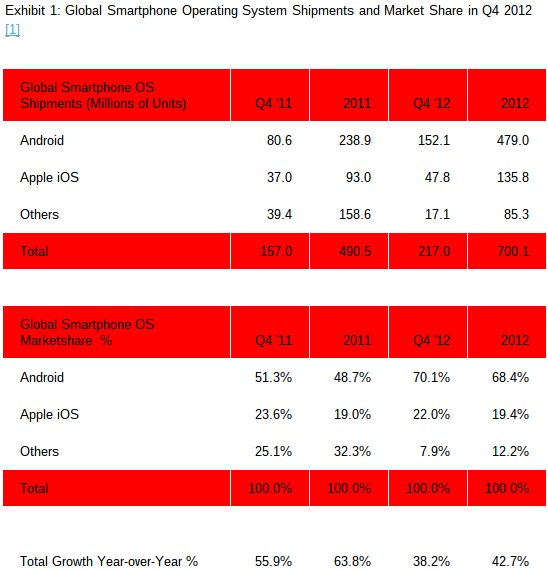
 Charity Tillemann-Dick: Singing after a double lung transplant


 Who outside Hollywood doesn’t like BitTorrent? There’s another reason for you to, with the new