 A Massachusetts court this week ordered a local sheriff to repay more than $750,000 he had collected from prisoners by charging them for their stays in county jail — along with their haircuts, medical exams and eyeglasses. Nothing like a captive customer base. Too bad it was against the law.
Starting in 2002, the sheriff of Bristol County started charging fees to prisoners in the county jail, calling it a “fiscal responsibility program.” In the eight years since, he has faced criticism for the program — and collected three-quarters of a million dollars.
A group of prisoners sued the sheriff, and the court ruled Monday that he didn’t have the power under state law to adopt a fee structure, and ordered him to return the money.
Court fees have been imposed on convicted defendants for years, and though they’re sometimes controversial they seem pretty well ingrained in legal practice. The new territory of jail fees, however, cross the line. They charge prisoners to live in a place where they’re being held against their will. The state already forces prisoners to work, but charging them to pay for their own cages is adding a de facto layer of punishment that wasn’t ordered by the judge and jury.
This might be an issue that plays out in cases nationwide in the years ahead, because this one Massachusetts county wasn’t alone in imposing feees on prisoners.
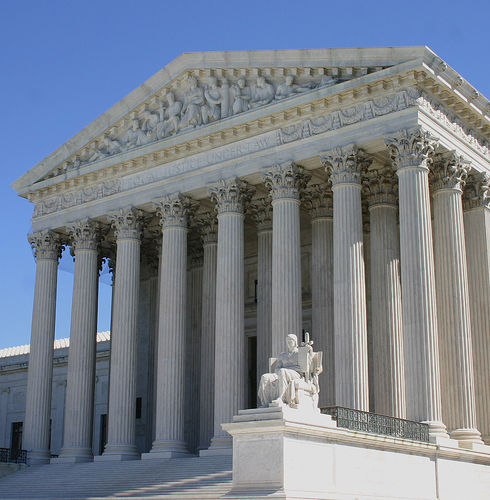
 Long-term solitary confinement is torture. More than 50,000 American prisoners are currently held in some form of longterm isolation, most of them leaving their cell for an hour, or less, each day.
 The death penalty has lost its last intellectual underpinning.
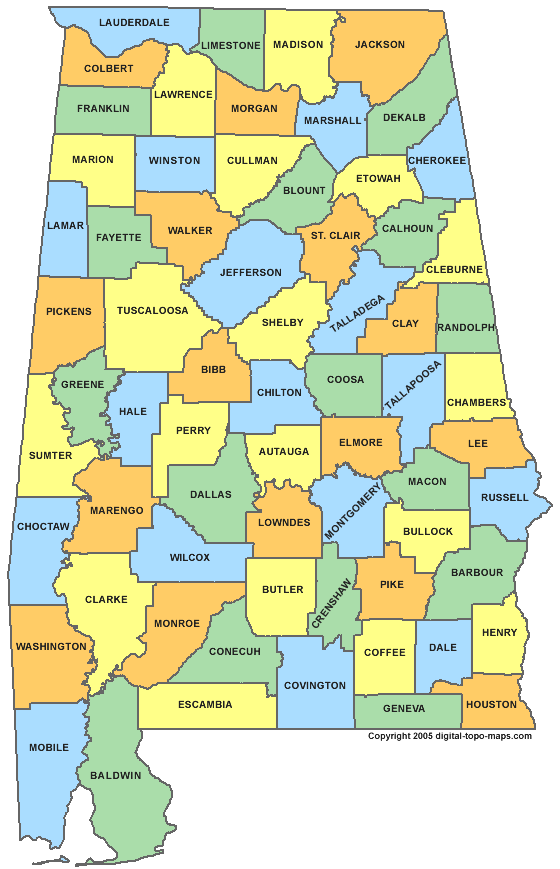 g new county-by-county review of capital murder charges in Alabama provides rock solid evidence of the arbitrariness of the death penalty. The location of the crime, these numbers show, is far more important than the crime itself in determining whether the perpetrator is eligible for a death sentence.
 Theodore Braden (left) is scheduled be released from a Florida prison in October, and he’s working hard to prepare himself. He writes the blog
  A New York lawmaker’s plan to introduce legislation this month legitimizing racial profiling in an attempt to prevent terrorist attacks is more than just offensive. It’s counter-productive and dangerous, too.
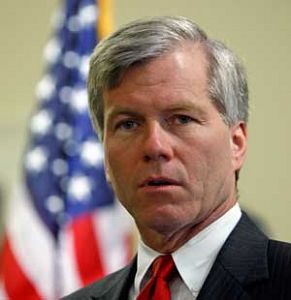 Since taking office in 2006, Virginia Gov. Tim Kaine has vetoed 15 bills expanding the state’s death penalty. The next governor has another idea.
 As 2009 draws to a close, we can look back over a decade of good and bad for American the criminal justice system and our prison policy. But one thing is clear: we’re at a moment of great opportunity for reform.
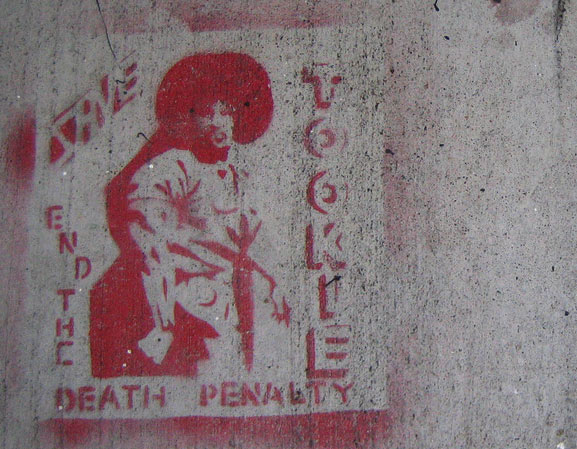 The year ahead is likely to see continued momentum toward the abolition of capital punishment in the United States. Two states — New Jersey and New Mexico — have repealed the death penalty in the last two years. We have handed down fewer death sentences in 2009 than any year since the death penalty was reinstated in 1976.
 As we approach a new decade, it’s business as usual in China.
 Arrests are public information, but exactly how public should they be? Twitter is testing the limits.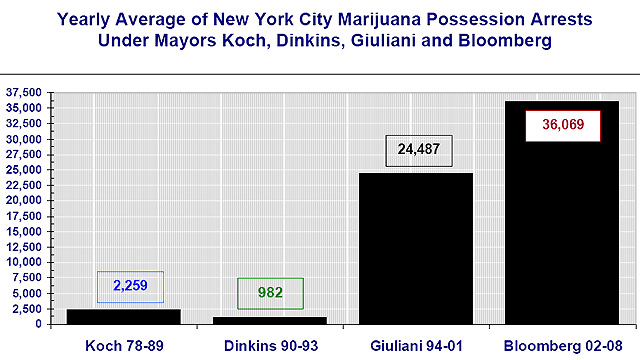
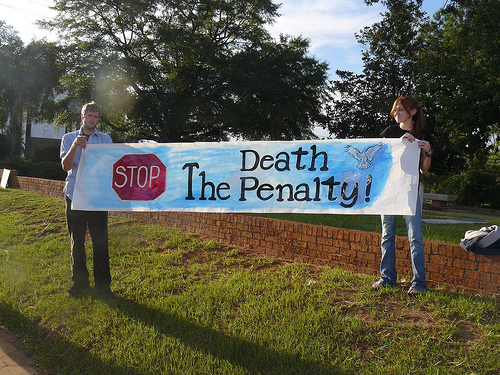 The Death Penalty Information Center released its annual report on the state of capital punishment in the United States today, and while it finds that the number of executions was slightly higher in 2009 than 2008, new death sentences were at their lowest level since the death penalty was reinstated in 1976.
 A North Carolina judge
  Three years into government control of California’s prison health care system, prisoner deaths are dropping, but preventable deaths are still too high. And one report pins some of the blame for the crisis on uncontrolled overtime for prison nurses, who were more likely to earn overtime than any other state employees in 2008.