Author: Wayne Williams

  • Samsung unveils the first teaser trailer for Galaxy S IV

    Samsung is set to launch its flagship Galaxy S IV smartphone in New York as part of the Samsung Unpacked event on March 14. In order to start building some hype (not that the successor to the world’s best smartphone needs it), the South Korean corporation has unveiled the first in a series of teaser trailers.

    The advert introduces us to Jeremy Maxwell, a young child given the task of looking after a cardboard box with Un Packed on the side. In the teaser he is briefly shown the contents of the container, of which we see nothing, aside from the fact that whatever is inside glows very brightly (as someone says on YouTube, “it seems that inside the box there’s a photocopier”), and then takes it home with him.

    The teaser gives away nothing about the device, but then it is a teaser, so that’s to be expected. As the series of adverts unfolds, no doubt we’ll get a few clues as to what delights the grand unveiling will hold.

    Although very little is known about the Galaxy S IV, it’s a major launch for Samsung and perfectly timed for the South Korean firm which is currently on a high after having had the amount of money it was due to pay arch rival Apple for patent infringement slashed by 40 percent.


  • Xbox Live premieres its first movie

    In tough economic times, raising the money and getting a movie made without any major stars in it can be more than a little challenging for independent film makers. Getting it distributed is even harder.

    So instead of trying to get their movie into cinemas, releasing it straight to DVD, or even putting it out on YouTube, the makers of Pulp are distributing their low-budget British comedy via an alternative method — Xbox Live.

    The film, which follows a struggling comic book publisher who becomes mixed up in a plot to take down a crime syndicate, is available to Xbox 360 Live subscribers from today, making it the first film to premiere on the games console. It’s only currently being offered in the UK, but if it’s a success Microsoft may also release it in the US and other international markets later this year.

    Pulp’s co-director Adam Hamdy says: “Microsoft might not seem like the obvious partner for an indie comedy, but the film industry has changed. Xbox 360 can instantly distribute Pulp to millions of UK customers, and publicize the release in ways that simply aren’t possible traditionally”.

    Talking about the decision to distribute the movie, Xbox Live product manager Pav Bhardwaj says: “It’s a great fit. The film is really well aligned with our audience and it’s great to support British talent”.

    Microsoft says it intends to distribute more films in the future, confirming what my colleague Joe Wilcox observed three weeks ago, that the future of Xbox isn’t gaming.


  • Zombies, Run! 2 coming to iOS and Android next month

    I’m a huge fan of Zombies, Run! The original immersive app, which basically turns a real-world run into a journey through the zombie apocalypse, helped me get fit and lose weight when it first came out last year.

    I’ve been really looking forward to Zombies, Run! 2 since it was announced, and the great news is it’s nearly here. The updated version, which comes as a free upgrade for current players of the game, will arrive on both iOS and Android on 16 April.

    If you haven’t heard about Zombies, Run!, it’s a bit like a radio play that takes place through your headphones as you run, with the story unfolding in between tracks from your playlist.

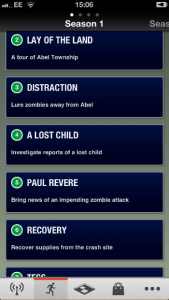
    You play the role of Runner 5, and are sent out on missions to achieve certain goals and collect supplies along the way. Occasionally you’ll encounter zombie hordes and will need to run faster in order to outpace them. There are 23 main missions to play through, and when you’ve exhausted those, there are supply runs to try, a radio mode to entertain you, and even 5K, 10K and 20K race missions. Runs can be uploaded and shared online through the ZombieLink service.

    The new version of the app comes with an additional seven free missions (four main ones and three side-quests) and then there will be an additional three missions released every week. These episodic missions won’t be free — you’ll either need to buy them separately, or pick up a season pass — but if you don’t want to do that, other free missions will appear from time to time.

    Another change in the new version is the addition of a Base Builder. In the first Zombies, Run! Items you collected on your runs — like an axe, tinned food, bottled water or a sports bar — were used to build up Able Township, where Runner 5 lives. You just drop the items on the relevant building, antibiotics onto the hospital for example, and eventually that building will be upgraded. The population of your base also grows.

    In Zombies, Run! 2 you have much greater control over what the base looks like. You can add new buildings, upgrade or demolish existing ones and so on. The more you run, the more supplies you collect, and the more you can do in the game.

    Zombies, Run! was originally crowdfunded through Kickstarter and generally retails for around $8 (it’s currently on sale at $3.99). It’s available on iOS, Android and Windows Phone, but the sequel won’t be making its way on to Microsoft’s mobile OS, because the developers say they can’t justify the time or money necessary to bring it to the platform.

  • HTC One wins best new device at Mobile World Congress

    HTC had a reason to celebrate yesterday as the HTC One picked up the Best New Mobile Handset, Device or Tablet at Mobile World Congress 2013, the final award of the 18th Annual Global Mobile Awards.

    The main ceremony, hosted by actor, comedian and swimmer David Walliams, was held on Tuesday and saw the Galaxy S III named the best smartphone of 2012, beating out the likes of the Apple iPhone 5, Nokia’s Lumia 920, and HTC’s Droid DNA.

    That wasn’t the only upset for Apple as the iPad missed out too, with Google’s Asus-built Nexus 7 scooping the award for Best Tablet of 2012.

    Other noteworthy wins included Best Mobile Enabled Consumer Electronics Device which went to Samsung for the Galaxy Camera, Best Mobile App for Consumers, which went to Facebook, and Best Mobile App for Enterprise which was picked up by Evernote. The Best Overall Mobile App, as chosen by the judges, went to Waze.

    Samsung’s Smart LTE Networks picked up awards for Best Mobile Infrastructure and Outstanding Overall Mobile Technology, and the South Korean firm also picked up the coveted Device Manufacturer of the Year award.

    The HTC One was clearly a worthy winner at the show, but is Galaxy S III really the best Smartphone in the world? Leave your thoughts in the comments below.

  • HTC’s new ‘Zoe’ sharing site goes live

    HTC’s new flagship smartphone, the HTC One, comes with an “Ultrapixel” back facing camera (it’s technically a 4-megapixel camera, but HTC refers to it as an Ultrapixel sensor because the pixel sizes are larger and can capture more light and, apparently, produce better quality images). It also comes with an impressive new live capture mode called Zoe Camera.

    Zoe Camera automatically captures content through the camera’s lens when the app is active. Pressing the button will take a picture, but the app will automatically record the action before and after that moment. Zoe Camera can then mash together videos, images, effects, themes and a soundtrack, to produce what HTC calls a “Zoe”. And if you want to see what these look like, the online hub for sharing them has just gone live.

    The front page of the HTC Zoe Share site doesn’t actually show anything. To see the mashups you’ll need a link, which you find by searching for “zoeshare” on Twitter. (You will, as a bonus, see all the tweets from a user called Zoe Share, but ignore those!)

    Quite a few of the Zoes being shared so far are rather dull, and consist of single shots, but some, like this one of the HTC One media launch in Australia are more interesting and give you an idea of what it’s all about.

    The HTC One goes on sale on the 15 March, so expect lots more Zoes to appear online from then.

  • UK ISPs ordered to block more piracy sites

    Remember how last year the British Phonographic Industry (BPI) managed to persuade the UK High Court to order ISPs to block the Pirate Bay, in order to completely eradicate piracy and save the music industry?

    Well as it turns out, that didn’t quite do the trick, so the BPI has returned to the High Court and this time it’s Kickass Torrents, H33T and Fenopy which are being blocked. A move which, of course, will definitely stop piracy this time. A bit like how, when Jessops went bust in the UK, no one was able to buy cameras any more.

    The BPI originally asked ISPs to voluntarily block access to Kickass Torrents, H33t and Fenopy, but when they refused, it returned to the courts to get a judge to force them to.

    Blocking sites like this does little to stop copyright theft, although it might deter some technically inept casual pirates from gaining access to free music and movies temporarily. Right up until the point they discover proxies… or Google. Having said that, music piracy has dropped recently in the UK, so maybe the BPI is on to something after all. Oh no, as the market research company NPD points out in its annual music survey, the reason for the fall is primarily down to the growth of streaming services like Spotify and Rdio. Go figure.

    Geoff Taylor, BPI’s chief executive said of his latest high court victory: “The growth of digital music in the UK is held back by a raft of illegal businesses commercially exploiting music online without permission. Blocking illegal sites helps ensure that the legal digital market can grow and labels can continue to sign and develop new talent”.

    Photo credit: Jonathan Cooke/Shutterstock

  • IBM launches Voices, a real-time service to showcase its social feeds

    IBM has come up with a new way to present its social content, and engage with customers. IBM Voices is a real-time data service that showcases live social feeds from across the company.

    It aggregates blogs, tweets, videos and photos, and presents them on a single page, along with a search box, a word cloud showing trending topics, and the ability to connect with the company via LinkedIn, Twitter, Facebook and IBM Communities.

    What’s rather unusual is as well as corporate blogs, official Twitter posts and Pinterest product boards, IBM Voices also includes personal feeds of IBM experts from around the planet, covering a diverse range of topics ranging from big data, the cloud, and cognitive computing, to social business, and mobile. The result, the firm says, is a “single snapshot into the collective wisdom of IBM”.

    Voices currently showcases a total of 150 feeds, but IBM expects this to have grown tenfold by the end of 2013.

    Discussing Voices, Ethan McCarty, IBM’s Director of Enterprise Social Strategy, says the showcase is primed for today’s era of data transparency. “On this new social playing field, the organizations that win will be those where employees can improve the culture by embodying their company’s character to the world at large. Social brand strategists need to create intentional systems of engagement that allow employees to convey and ultimately shape the brand experience. That’s especially important for a business-to-business company such as mine”.

    Photo Credit: ollyy/Shutterstock

  • New multiplayer game for Chrome uses smartphones as controllers

    Google has created a new sports game for Chrome, which lets you challenge up to four friends at running, swimming and cycling.
    What makes Chrome Super Sync Sports so special is while the game is displayed on your computer screen, the characters are controlled using smartphones or tablets.

    To play it you need have Chrome installed on your computer, and on any Android or iOS devices you want to use as controllers.

    To play the game, which makes use of modern web technologies, including HTML5 features such as WebSockets, you just need to visit chrome.com/supersyncsports, pick an event and decide how many people will be playing it — there’s a solo mode on offer. Next visit g.co/super in Chrome on your smartphone or tablet, and enter the unique code generated specifically for your game, and you’re all set.

    Players can choose from a selection of 50 athletes, and control their character in the game using various gestures. It’s great fun and works very well.

  • Google adds a new Settings app to Android devices

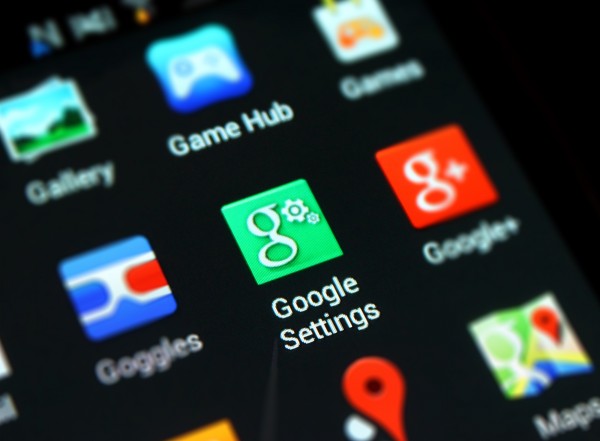
    If you have an Android phone, check your apps — you’ll likely a have a new one lurking there. The green Google Settings app, added today, gives users quick access to various settings for services such as Google+, Apps with Google+ Sign-in, Maps & Latitude, Location, Search, and Ads. The options you see will depend on your device and what’s enabled.
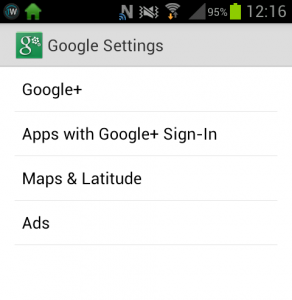
    The biggest, most noteworthy feature here is of course Google+ Sign-in which lets you to use your Google ID as a universal sign-in for third-party apps and services. My colleague Joe Wilcox discussed the possibilities of this following Google’s announcement of its new authentication system yesterday.

    If you want to try out this new feature, the best way is to install one of the supported apps. Shazam is a good one. Once installed, you’ll be presented with a red Google+ Sign-in button, hit this and specify who you want to share your music discoveries with on Google’s social site.

    Go back to the Google Settings app and tap Apps with Google+ Sign-in. This will show you Shazam, and give you the option to disconnect it, and also delete its activities on Google.

    The Google+ option in the app will let you turn Notifications, Messenger and Hangouts on or off. You can choose if you want Google+ connections added to your Android ones, and let Google make suggestions based on the people you communicate with most on your phone.

    You can also turn Instant Upload on or off and choose which accounts to sync.

    Maps & Latitude lets you manage location reporting and sharing, and control which friends can see your current position. You can also enable location history, and turn automatic check-ins on or off.
    The Ads section let you choose whether or not you want ads from Google and AdMob personalized on your device. I personally don’t but you may not be bothered.

    While most of the settings on offer can be accessed through their respective apps, this new offering provides a simple way to access all of the important Google options in the one place.

    Photo credit: Wayne Williams

  • Ubuntu Touch developer preview coming to more devices soon

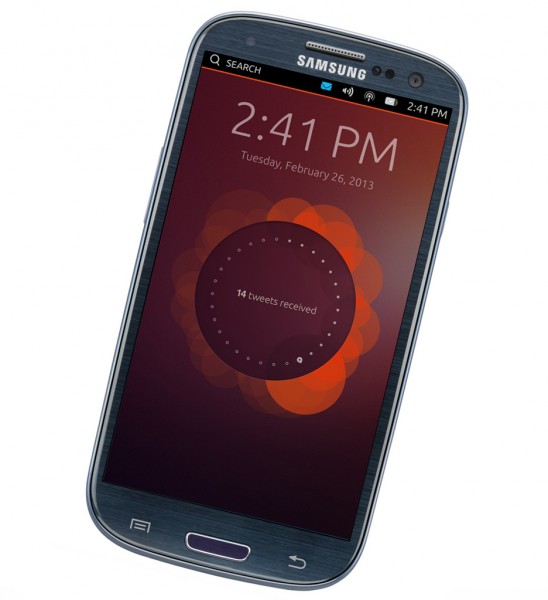
    My colleague Mihaita Bamburic posted his first impressions on the preview version of Ubuntu Touch yesterday, and now Canonical has announced its intention to bring the early version of the mobile operating system to a further 20+ devices.

    Originally only available to install on the Galaxy Nexus, Nexus 4, Nexus 7, and Nexus 10, the developer preview gives installers an early start with Ubuntu Touch, but it’s currently a taster, more than an actual, fully usable operating system.

    An update on the Ubuntu Wiki reveals a long list of devices that the developer preview will soon be available for, and includes the Motorola XOOM, Galaxy Nexus (codenamed toro and toroplus), Sony Xperia S and T, Samsung Galaxy S III (international, Verizon Wireless, and AT&T), Huawei Ascend G300, Samsung Galaxy S (GT-I9000), Samsung Galaxy S SCL (GT-I90003), Samsung Galaxy Note, Samsung Galaxy Note II, Samsung Galaxy S II (international), HTC One X, HTC One XL, HTC One X+ (multiple versions), Asus Transformer Infinity, LG Optimus 4x HD, Nexus S, Nexus One, Samsung Galaxy Tab 10.1 Wi-Fi, and the Asus Transformer Pad.

    Unlocking and install instructions, as well as the code/image are already available for some devices in the list, including the Sony Xperia S and T, and Huawei Ascend G300.

    It’s good to see the OS being made compatible with such a wide range of devices, and surprising too, as I wouldn’t have expected it to run all that well on older hardware like the Nexus One. Of course making it available for aging devices is a good thing as enthusiasts will be more willing to install the OS on an old phone in a drawer than on their current model.

    Do you plan to take the developer preview for a spin, or like me are you waiting for a more fully operational version? Leave your comments below.

  • Apple offers refunds to parents whose children have made in-app purchases without permission

    In-app purchases are a lucrative revenue stream for both Apple and the developers who embrace it. It provides a way to try a game and then unlock the full thing, or gain access to additional features. In Temple Run 2, for example, you can use real money to buy coins and gems to use on unlocking new characters and abilities.

    The problem is a lot of game makers offer this facility in their apps, and until Apple made a change to its purchasing system in iOS 4.3, it was possible for children to spend money on in-app purchases without their parents knowledge. This, inevitably, lead to a lawsuit against Apple, with the technology giant accused of failing to adequately publicize the existence of the feature in certain App Store games aimed at children.

    In response to the lawsuit — which was originally brought by a Californian man in 2011 after his daughter racked up $200 of charges without his permission — Apple is now proposing to pay compensation to parents who have lost money in this way.

    At the moment this offer only extends to US parents and guardians, and will need to be signed off by a judge on Friday before it can be actioned.

    If agreed, American App Store shoppers will receive an email offering them a minimum of $5 compensation in iTunes credit or cash, provided they can show they have had a child spend at least $30 on in-app purchases without permission (and assuming the parents haven’t already complained and been refunded of course). The key catch is the child will need to have spent the money in the fifteen minute window originally allowed by Apple for additional purchases made after the password was entered. If your child knows — and used — your password to go on their spending spree, it’s tough luck.

    It is thought Apple will need to contact around 23 million users, alerting them that they may be entitled to compensation. No word at the moment if or when this offer will be extended outside of the US.

    Photo Credit: Serhiy Kobyakov /Shutterstock

  • Up yours Apple! Samsung to launch Galaxy S IV in the US next month

    Samsung might have received a $1.05 billion bloody nose in its battle against Apple last year, but the South Korean giant is coming back fighting, by launching the next version of its flagship smartphone on US soil next month. The first such launch in three years.

    Confirmed today at the Mobile World Congress in Barcelona, and in a tweet, Samsung will be unveiling the Galaxy S IV in New York as part of the Samsung Unpacked event on March 14.

    According to the South Korean Edaily news website, JK Shin Samsung Electronics’ mobile division chief said: “We introduced the Galaxy S III in London last year, and this time we changed the venue (to New York)… as we were bombarded with requests from U.S. mobile carriers to unveil the Galaxy S IV in the country”.

    The new flagship device is widely expected to offer a higher-resolution display, Exynos 5 8-core processor, and much better front and rear cameras than its predecessor. One thing we do know for certain is it will be rocking the latest version of Jelly Bean 4.2.2.

    Samsung Electronics unveiled the original Galaxy S at the CTIA mobile trade show in the US in 2010, but the S II and S III were launched in Spain (2011) and the UK (2012) respectively.

    Are you excited by the announcement, and do you plan to buy the new device when it becomes available?

  • Nokia announces two new Lumia smartphones

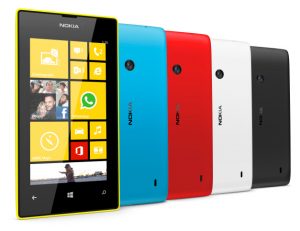
    Nokia has just confirmed two new Lumia smartphones at the Mobile World Congress in Barcelona. The entry-level Nokia Lumia 520 will be priced at $185 (before taxes) off contract, while the mid-range Lumia 720 will cost $338 (also before taxes).

    Nokia now has five Windows Phone 8 devices, covering all price points and making it easier for would-be customers to find a model that suits their requirements and budget.

    The Lumia 520 boasts a 4-inch display, at a resolution of 800 by 480, and is powered by a 1GHz dual-core Snapdragon processor. It comes with 512MB of RAM and 8GB of internal storage. A Micro SD card slot will allow owners to boost this by a further 64GB, plus users get the standard 7GB of free online SkyDrive storage. The 520 also sports a 5-megapixel rear camera capable of recording 720p HD video. The device comes in the usual range of bright colors – yellow, cyan, red, white and black.
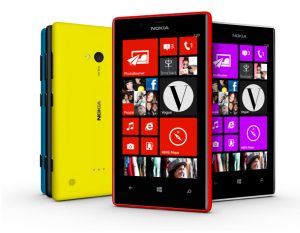
    The mid-range Lumia 720 has a 4.3-inch display at 800 by 480 with a ClearBlack filter offering better outdoors viewing. It has a dual-core 1GHz Snapdragon CPU, 512MB of RAM, 8GB of internal storage and a microSD card slot. The biggest difference between this model and the 520 is in the photography department. The rear 6.7-megapixel camera has a f1.9 Carl Zeiss lens designed to let in more light, while the front-facing camera has a 1.3-megapixel HD wide angle lens which will allow self-shooters to pack more friends into the shot.
    Nokia is aiming the Lumia 720 at younger, trendier users and so includes a digital lens feature called Glam Me which can be used to whiten teeth, enlarge eyes, and banish skin imperfections.

    The Lumia 520 will be available to purchase in the US, via T-Mobile, in the next few months. The Lumia 720 will initially be available through China Mobile in the Asia Pacific market. No word on when or if it will reach the US or Europe.

  • BBC updates its iPlayer app — background streaming via AirPlay now enabled

    The BBC’s iPlayer app is available for both iOS and Android, but owners of Apple devices definitely get the better deal with additional features, such as the ability to download shows to their iPhones or iPads for offline viewing.

    The latest update from the BBC widens the gap between the app siblings further by introducing improved AirPlay support. Owners of iOS devices who also have Apple TV will now be able to beam a show from the app to the big screen, and then background iPlayer, and use their phone or tablet for something else while the show continues to play.

    In addition, the new version of the app fixes various minor problems and glitches, improves playback quality, and ensures downloads are more reliable.

    You can grab the latest version of iPlayer from the App Store now.

  • How much would you pay to watch YouTube in Windows 8? $999.99?

    A couple of days ago I described the Windows Store as being like a Bangkok night market, filled with nothing but knockoffs. You can’t get an official app for Facebook, Twitter, or Gmail on there, but you can get lots of third-party alternatives, many of which are of dubious quality.
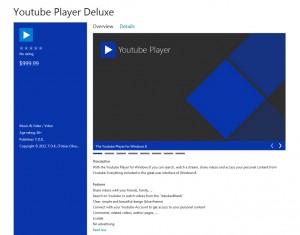
    One of the biggest names missing from the Windows Store is YouTube. Google says it has no plans to create an app for Windows 8, but fortunately an enterprising publisher called T.O.K. has got you covered with his exciting sounding “Youtube Player Deluxe”, which really must be deluxe given its $999.99 asking price.

    So what do you get for your thousand dollars? Well I haven’t actually purchased it myself, but according to the description, the app will let you “watch a stream, share videos and access your personal content from Youtube. Everything included in the great user interface of Windows 8”.

    The full list of features reads:

    • Share videos with your friends, family …
    • Search on Youtube or watch videos from the “standardfeeds”
    • Clear, simple and beautiful design (blue theme)
    • Connect with your Youtube Account to get access to your personal content
    • Comments, related videos, author-pages…
    • Livetile
    • No advertising

    The absence of adverts will be very pleasing to prospective cash-rich purchasers I’m sure.

    The website of the publisher gives no clue as to the sky-high price, (although it does say the app is currently broken and an update is planned), so it’s possible it’s just a mistake. It’ll be interesting to know if the developer manages to sell any apps at that price. After all, eight people purchased the “I am Rich” iOS app (described by its developers as “a work of art with no hidden function at all”) for $999.99 back in 2008, before Apple had a chance to remove it from the store.

    Photo Credit: ARENA Creative/Shutterstock

  • Win a chance to buy a pair of Google Glass specs

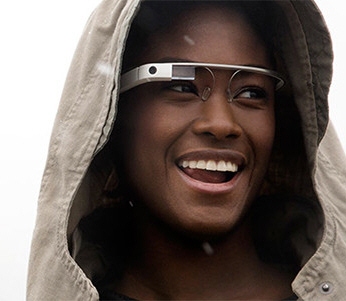
    Select developers already have access to Google’s futuristic glasses, but now the search giant has launched a competition giving ordinary American citizens the chance to buy a pair before they’re launched, and become a “Glass Explorer” (as Google terms those “bold, creative individuals who want to help shape the technology”).

    To be in with a shot you need to tell Google, via Google+ or Twitter, what you would do with the glasses if you had a pair. The more creative your answer, the more likely the chance of you actually being selected. “Wear them on the subway and get mugged” probably won’t win.

    Your answer has to be less than 50 words and tagged with #ifihadglass but you’re allowed to include up to five photos or a 15 second video clip, and can submit up to three entries. You will need to follow Google on Google+ (+ProjectGlass) or Twitter (@projectglass) so that you can be contacted if you’re judged worthy enough. Entries must be received by February 27.

    Google will select the best 8,000 applications and invite those people to become Glass Explorers. The chosen will then have the opportunity to purchase a Glass device at a cost of $1,500 (plus taxes) and pick-up their purchases from New York, Los Angeles, or San Francisco. If you don’t live near any of those cities you’ll need to pay for your own travel, so being on the cutting edge could get pretty expensive.

    If you’ve not been put off yet, go here to get all of the details on what is involved.

  • BBC Sport launches a dedicated Android app

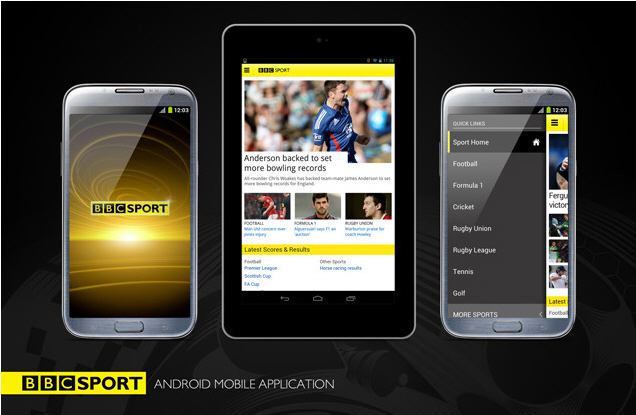
    When the BBC launched a dedicated sports app for iOS devices a month ago, it said it was working on an Android version and expected to release it in a matter of weeks. Well the good news for sport-loving Android owners is that day has finally arrived.

    The new BBC Sport app is compatible with devices running Android 2.2 (Froyo) and above, and has been optimized for screens up to 7-inches so should display perfectly on devices such as Google’s Nexus 7.

    Like the iOS version, the app displays top stories from the BBC Sport website, and offers live and on demand video and audio, as well as live text commentaries of major sporting events. There are pages for football (soccer for American readers), formula 1, cricket, rugby union, rugby league, tennis, and golf.

    The football coverage is naturally the most detailed, with live scores, match statistics, text commentaries, a season’s worth of fixtures, tables, and pages for teams and leagues.

    According to Keith Mitchell, Technical Lead for BBC Sport’s mobile services, planned future improvements to the app include “customizable quick links for the main navigation, team customization and home screen widgets”.

    The app is available from Google Play now and will also be made available through the Amazon App Store — good news for Kindle Fire HD owners.

  • Winners of the UK’s 4G auction announced

    UK Telecoms regulator Ofcom has announced the winners of the auctions for 4G spectrum on the 800MHz and 2.6GHz bands, and it’s a list with no surprises. After more than 50 rounds of bidding the winners are EE, Hutchison 3G UK, Niche Spectrum Ventures (a subsidiary of BT), Telefónica, and Vodafone.

    The Office for Budget Responsibility had expected the auction to raise £3.5bn but in the end it actually raised considerably less — £2.34bn. A fraction of the £22bn the 3G spectrum auction brought in for the Treasury in 2000.

    The two bands, which cover 250MHz of spectrum in total, or the equivalent of two-thirds of the radio frequencies currently used by wireless devices, will give 4G networks widespread coverage and enough capacity to deal with the demand in cities.

    The lower-frequency 800 MHz band, which is ideal for widespread mobile coverage, comes from the so called digital dividend that was made available when analogue terrestrial TV was finally switched off on 24 October 2012. The higher-frequency 2.6 GHz band delivers the capacity needed for faster speeds.

    Telefónica has a contractual obligation attached to one of the 800 MHz lots, and as a result must deliver a mobile broadband service for indoor reception to at least 98 percent of the UK population by the end of 2017.

    Making the announcement, Ed Richards, Ofcom Chief Executive, said:

    This is a positive outcome for competition in the UK, which will lead to faster and more widespread mobile broadband, and substantial benefits for consumers and businesses across the country. We are confident that the UK will be among the most competitive markets in the world for 4G services.

    4G coverage will extend far beyond that of existing 3G services, covering 98 percent of the UK population indoors — and even more when outdoors — which is good news for parts of the country currently underserved by mobile broadband.

    We also want consumers to be well informed about 4G, so we will be conducting research at the end of this year to show who is deploying services, in which areas and at what speeds. This will help consumers and businesses to choose their most suitable provider.

    EE, formerly Everything Everywhere, which was created by the merger of the T-Mobile and Orange businesses in 2010, already offers a 4G service (the UK’s first) on another band. At the end of January it announced it would be expanding its coverage to reach around 45 of the UK population.

    Photo credit: cartoon11/Shutterstock


  • StackMob launches new Enterprise Marketplace

    According to Gartner, by 2017 around 25 percent of enterprises will have their own app stores for managing home grown and corporate-sanctioned apps on PCs and mobile devices. Bring Your Own Application (BYOA) is becoming almost as important as Bring Your Own Device (BYOD) in some corporate workplaces.

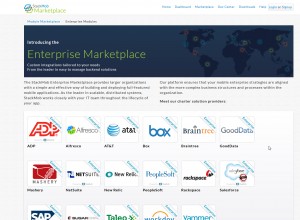
    StackMob, a cloud-based mobile platform provider, has today launched a new Enterprise Marketplace for third-party services, aimed at offering a simple and effective way for larger organizations to build and deploy their own full-featured mobile applications.

    The new one-stop shop offers enterprise-class modules, APIs, and professional services from prominent charter collaborators in the enterprise space, including ADP, AT&T, Box, Braintree, GoodData, Mashery, New Relic and Rackspace and Salesforce. Firms in need of mobile app development services will now be able to easily integrate their choice of third-party apps into StackMob’s BaaS (Backend as a Service) mobile development platform.

    Enterprises are approaching StackMob looking for ways to unlock innovation inside their company,” Ty Amell, CEO of StackMob said, announcing the new initiative. “StackMob provides consistency and structure that supports a scalable mobile strategy.”

    AT&T will be among the first to offer its APIs to developers within the StackMob Enterprise Marketplace. “We’ve opened up our APIs to the developer community,” Carolyn Billings, Associate Vice President of Product Marketing Management at AT&T explains, “and now we’re looking forward to working with StackMob and their customers to enable richer mobile experiences for enterprise users”.

    Photo Credit: Maksim Kabakou/Shutterstock

  • The Windows Store is like a Bangkok night market — full of cheap knockoffs

    When Windows 8 launched on October 26 2012, the Windows Store had an estimated 9,000 apps available to purchase or download. Today, according to the excellent MetroStore Scanner, that figure has risen to 43,083 worldwide, of which 28,904 are available in the US store, and 26,385 in the UK one.

    The biggest problem with the Windows Store is not the overall number of apps — in four months it’s seen reasonable growth although the number of new weekly additions has slowed — the issue is more with quality. While there’s no shortage of third-party apps, many of which are very good, you can’t help but notice how many big names are absent.

    There’s no sign of official apps for Facebook, Twitter, LinkedIn, YouTube, Gmail, Google Maps, Pandora, Spotify, Instagram, Firefox, Groupon, BBC News, or iPlayer… the list goes on and on. The absences aren’t immediately apparent because the third-party developers are doing a good job of making their products look official by using the relevant logos and designs, but dig deeper and you’ll see the Windows Store is packed with cheap fakes.

    There are several excuses why genuine versions of important apps aren’t available in the store. For starters not all of them need to be. You can access the services on the web, and — for Windows RT/Windows 8 Pro tablets and Windows Phone devices — in mobile-friendly format. Although that argument could be used for iPad and Android platforms, and they both have apps for all the major services.

    Email and social accounts can be accessed through the built-in Windows 8 People app of course, but it’s far from ideal and lacks the features you’d get in an app dedicated to a particular service.

    “It’s still early days for the new OS” is another reasonable argument for the lack of official apps, and it’s true, although after four months, that excuse is beginning to wear paper thin. After all this is Microsoft Windows we’re talking about here. It’s hardly a small, unknown platform and we’ve all known about the Windows Store since September 2011. The biggest problem is a lot of companies, like the BBC, Google and Facebook aren’t dragging their heels when it comes to developing apps for Windows 8 and RT (or Windows Phone 8 for that matter) they simply have “no plans” to do so. Instead they are focusing on iOS and Android. Proven ecosystems.

    It’s often the case that developers will produce an app for iOS first and then follow it up with one for Android (Google’s mobile platform is harder to develop for because of OS fragmentation and the sheer variety of screen shapes and sizes to cater for). Occasionally bigger developers will release apps for both platforms simultaneously, and sometimes for Android first. Windows is a third platform, and one which a lot of developers simply see no pressing need to even acknowledge at the moment. Or indeed ever.

    While a Firefox app is in development, the majority of the absent apps I listed previously just aren’t likely to appear, unless Surface and the other Windows RT and Windows 8 Pro powered tablets really take off.

    And let’s not forget to mention that some of the official apps which have appeared on Windows 8 — Dropbox in particular — are so poor you kind of wish they hadn’t been developed in the first place anyway.

    So what’s the solution to the apps problem? It’s simple. Windows 8 needs to perform. Microsoft needs to sell a lot of copies (not just licences), shift a lot of tablets, and prove that the people using its products are also using apps, not just bypassing the Start screen on their way to the desktop. The company has to show the demand is there, it has to convince developers that they need to develop for the OS. It has make Windows 8 a viable app platform.

    At the moment I can’t see that happening. Surface Pro is reportedly selling well, but it needs to maintain and grow that momentum, because it’s tablet and phone sales — and only tablet and phone sales — which will drive app downloads and ultimately the demand.

    If you’re a Windows 8 user what do you think about the lack of official apps? Does it concern you, or have you found enough decent third-party replacements? Leave your comments below.

    Photo Credit: Gwoeii/Shutterstock