Author: Darrell Etherington

  • Analyst Estimates Peg Total Nexus 7 Sales In 2012 At Around 4.6M, Compared To Roughly 10M iPad Minis

    nexus 7

    Mobile industry analyst Benedict Evans has crunched the numbers on newly-released tablet sales figures from Asus and arrived at an approximate estimate of total Nexus 7 tablet sales for 2012, which clock in at between 4.5 and 4.8 million units per his math. Google doesn’t release sales figures for its Nexus devices, so this is likely the closest we’ll get to a solid number on the 2012 totals, and how they might compare to the continued success of Apple’s iPad.

    Evans estimates that based on Asus’s reported sales of 6.3 million tablets in 2012, and verbal statements from the CEO which gave a rough estimate of sales to date of the Nexus 7 as of October, the Nexus 7 likely sold around 2.2 million units between the end of Q2 2012 and during Q3, as well as around 2.4 million during Q4. He compares that to around 10 million in iPad mini sales during its first and only availability through Q4 of 2012, despite a launch halfway through the quarter. That estimate is based on the average selling price of the iPad mini, combined with Apple’s revenue figures and tablet sales numbers, since Apple doesn’t break out iPad sales by model.

    The upshot is that what we’re seeing from engagement numbers and browser share is likely still a good representation of how the actual tablet market is shaking out: Apple is dominating, and its decision to enter the smaller-screened market is either helping it stall the progress of others, or doing nothing to jeopardize its position at the top.

    Consider that Apple sold 22.9 million iPads during just its first fiscal quarter of 2013, which is the last calendar quarter of 2012. That’s five times the amount of Nexus 7 tablets Evans estimates were sold during the entire year in 2012, which indicates we’re still very far away from a situation where the tablet market begins to look anything like the smartphone space in terms of Android share.

    Google looks to be set to try to kickstart its tablet sales efforts with physical retail locations, a rumor that started this past weekend and was backed up by the Wall Street Journal today. I’ve already noted that I think this is a play to help the company try to replicate some of Apple’s success with selling and evangelizing the iPad through its physical retail locations, but these sales estimates underline exactly why the company needs to do that.

  • MacDock Wants To Expand Your MacBook Pro’s Connection Capabilities Without Added Bulk

    macdock


    Thunderbolt expansion docks for MacBook Pro have been slow to come to get started with offerings from Matrox and Belkin only now coming to market after lengthy delays. And they’re pricey, too, at $299 and $249 respectively. A new Kickstarter project called the MacDock argues you can do almost as much for considerably less, and without adding Thunderbolt into the mix.

    Instead, the MacDock (and MacDock Mini, which is smallest but with fewer connectors) opt to take advantage of the addition of USB 3.0 to later-generation MacBooks to provide an expansion solution that likely fits the needs of most, in a portable package that retails for less than half what the Thunderbolt expansion options mentioned above are currently going for. A combined USB 3.0 and DisplayPort connector mean you can also hook external displays up to the MacDock, and it’s backwards compatible with USB 2.0 connectors, too.

    The dock has a unique design compared to most, with a thin ribbon connecting the part that jacks into your Mac to the extension block with the added ports. The MacDock Mini merely replicates the ports it plugs into, giving you a single USB 3.0 (or USB 2.0, depending on which generation MacBook you have) and a single DisplayPort, but kept away from the body of your MacBook with a lead that will be either 25 or 50cm in length (depending on the results of a backer survey to follow). The MacDock borrows the same design, but puts three USB 3.0 ports, a DisplayPort and an audio jack on the hub end, greatly expanding your connection options. Both come in both black and sliver finishes. Versions designed to work with the MacBook Pro Retina and MacBook Air models will come later depending on funding achieved.

    I asked U.K. designer Jan Sapper, the project creator, why he felt the need to bring this expansion dock to market when there are no shortage of USB hubs out there already. He argued that nothing that currently exists can both do everything the MacDock can (combining audio, USB and video into a single solution) and none match Apple’s unique design sensibilities. Sapper has been working on the MacDock for over a year now, and is partnering with Austrian data transmission firm Pidso (which counts Boeing and BMW among its clients) to get the product production-ready.

    Pledges start at £37 ($57 U.S.) for a MacDock Mini, and £57 ($88) for a full-sized MacDock. Sapper is targeting an October 2013 delivery date for the gadget, so here’s hoping he built some allowances for changes in MacBook Pro design into that £30,000 funding target.

  • With The HTC One Launch, HTC Tries Apple Tactics To Challenge Samsung’s Android Dominance

    htc3

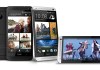
    HTC unveiled its newest flagship phone, the HTC One at a special press event in NYC and London today, and the drastically different design marks a departure from a strategy of trying to beat other Android OEMs (read: Samsung) at their own game. Instead, HTC looks to be taking cues from Apple to better compete, in more ways than one.

    HTC’s newest Android smartphone has a physical design that can’t help but be compared to the iPhone 5. There’s aluminum all over the place (it’s a unibody chassis with chamfered edges), it comes in both white and black, and a rounded rectangle look that’s sure to remind iPhone 5 owners of their own hardware. It even has the iPhone 4′s external wireless, edge-running antenna. And the emphasis this time around wasn’t on specs, speeds and technical details, but on features and software: HTC’s tacit acknowledgement that a fight over who can build the best Android hardware isn’t one it can win against Samsung. Consumers have to perceive these devices as operating in different categories, with HTC doing something Samsung can’t or won’t.

    The central piece of the HTC event today was all about what the One is that all other Android phones aren’t. That’s why HTC put its “BoomSound” front-facing speaker system on display, highlighted the Ultrapixel camera with its low-light capabilities, and showed off the Sense 5 UI with its BlinkFeed automatic, live-updating content feeds. That’s why it emphasized content partners, another page out of Apple’s book. In many ways, HTC’s event was more like the introduction of a new mobile OS than an iteration on an Android smartphone design. The company has put a strong focus on software at previous device launches, but here it seemed even more concerned with making this about OS skin updates.

    HTC also downplayed the internals, which surprisingly aren’t as leading-edge as they could be. The screen was a big tentpole of the presentation, but that’s another Apple tactic, since it impacts user experience in a much more direct manner than internals. And the quad-core Snapdragon 600 chipset is new, but not the top-of-the-line model. 2GB of RAM is essentially table stakes, and 32 or 64GB of internal flash storage is nothing to write home about. It did bring up design directors, however, to discuss what went into the creation of its software and hardware, and showed videos highlighting technical innovations like the UltraPixel camera sensor and body design, all Apple-style moves.

    This isn’t about competing against Apple or Samsung, it’s about fielding a great phone.

    It’s pretty clear that HTC’s strategy here isn’t to build a better Android smartphone than Samsung and beat it that way. That’s arguably what the entire HTC One line has been until now: essentially a different but similar approach to the Galaxy strategy. Now, we get a back-to-basics simplified naming scheme, a physical case that better approximates Apple’s high-market industrial design, and an emphasis on user experience and software, instead of crowing loud and long about the spec race that has been popular among Android OEMs int the past.

    This is a pivotal launch for HTC: It needs to be seen by consumers in non-relative terms to Samsung in order to stand out, since it hasn’t been able to succeed when lumped in with the general mass of Android OEM device-makers. To accomplish that it has to stand apart, and there’s no better example of a smartphone-maker that’s been able to do that than Apple. But carving out a niche in the face of the ascendant Samsung will prove difficult without Apple’s first-mover advantage, so while HTC’s strategy is arguably bold, by no means does it guarantee success.

  • Nvidia Debuts Tegra 4i With Integrated LTE, Brings Tegra 4 Mass-Market With Phoenix Reference Design

    Tegra-4-Family_i500-blog_USE1

    Nvidia today announced its latest Tegra 4 processor, the Tegra 4i, which ships with an integrated LTE modem, which also offers the highest performance rating of any single-chip mobile processor according to the company and weighs in at half the size of the competing Snapdragon 800. Why does that matter? Because it brings Tegra 4 performance to a whole range of new, mid-market devices, whereas before it was pretty much exclusively available for top-end super phones.

    The Tegra 4i boasts 60 custom Nvidia GPU cores, a quad-caore CPU based on ARM reference designs and a fifth, battery saving core in addition to the Nvidia i500 LTE modem. That makes for a small, energy-efficient processor with a 2.3GHz CPU that offers five times the GPU cores of the Tegra 3. The integrated LTE modem is also software-defined, which means that it can be reprogrammed over-the-air to handle different frequencies for different networks. The Tegra 4i also offers camera tech that allows it to do always-on HDR photography, as well as panoramic photos with HDR, too.

    In addition to the Tegra 4i, Nvidia is also announcing a reference smartphone design called the Phoenix, which acts as a blueprint for smartphone OEMs to use freely in creating their own shipping handsets to bring to market more quickly. the development of the Tegra 4i and the i500 LTE modem are the result of Nvidia’s acquisition of Icera last year.

    This is a major development for Nvidia, because it means they can finally compete on equal footing with the chips with integrated modems being offered by resident big dog on the mobile processor block Qualcomm, with power consumption that should hopefully help the company finally address complaints of low battery life, which have plagued its previous Tegra designs.

    These processors will be on the show floor at MWC this month, so hopefully we’ll get to see them in action powering actual devices by then, at which point we’ll be better able to determine whether the Tegra 4i does indeed provide Nvidia the means to truly shake up the Qualcomm-dominated mobile processor industry.

  • Apple Patents Extremely Accurate, Localized Haptic Feedback For Multitouch Devices

    Image (1) haptic.jpg for post 346689

    When haptic feedback first became a buzzword of the mobile phone industry nearly half a decade ago, many imagined keyboards that would rise up out of the glass on smartphones to meet our fingertips. What we got instead were devices that faintly shook in a general sort of way whenever you tapped their software keys, but a new patent secured by Apple today (and spotted by AppleInsider) looks to improve on those crude designs.

    For the sake of improved haptic feedback accuracy, Apple’s patented system uses a minimum of two actuators to provide vibration feedback, with one originating a pulse and one create a second vibration to essentially knock out the first at a specific location, thereby localizing it. This could make sure that a multitouch device could provide localized haptic feedback for any virtual button on its display, instead of just with a few actuators placed under pre-defined, commonly used spots like beneath a home button, as it is currently handled.

    Apple doesn’t use haptics on its iPhone, even though the trick has been picked up by nearly every major Android manufacturer out there at some point or another. In fact, at this point I think it’s fair to say that haptic response from keys might strike many consumers as a characteristically Android feature, were they forced to stop and think about it. But Apple’s method could make it seem like vibration response is coming from as fine a point as a specific software key on a keyboard, meaning it would in theory come far closer to the sci-fi interpretation of what haptics are mentioned above than any existing system.

    This patent adds to a number of others held by Apple for haptic feedback, and was first filed in 2009. The company continues to play coy about actually using its tech in devices, but likely for good reason: there’s a battery cost and as-is, implementations are sloppy and don’t add much to the overall experience. But as with other tech that Apple has adopted “late” compared to the competition, I still think there’s a chance we’ll see in this used in future shipping iPhones and iPads once the Mac maker can guarantee a worthwhile user experience.

  • HTC One Final Press Images Leak Ahead Of Today’s Launch Event

    HTC-ONE-M7-Noir-Blanc

    HTC is holding a special event in NYC today at 10 AM, and it’s all but guaranteed that the company will be showing off its latest flagship smartphone, the HTC One. But we managed to get in one last spoiler, thanks to the release of this final press shot found by French site NowhereElse.fr. The image is a much more polished version of previous leaks we’ve seen, showing the HTC One (formerly known as the M7) in all its glory, in both white and black.

    The images, which look like something plucked from an HTC official splash page, confirm a lot of what we’ve seen earlier about the device. It’ll have just a home and back hardware button, for instance, and Sense is getting a makeover with what looks like a focus on a live tile style interface that grabs content from your social networks, apps and media libraries. The image also shows we’ll be seeing HTC’s now familiar Beats audio integration on the new handset, reinforces the strongly iPhone 5-like appearance of the case design with its rear top and bottom “windows” and chamfered edges, and gives us a glimpse at how a phone’s camera library might be organized around events. Finally, there appears to be some kind of music player that pulls in photos related to what you’re playing, maybe for docked playback.

    The hardware looks attractive, and likely won’t have a removable back battery cover judging by the apparent SIM slot visible on the right-hand edge of the white vertical HTC One. I think we’ll see something much more in the metal and glass style that Apple has popularized, which will be interesting both from the perspective of how using those high-end materials changes an Android device’s appeal, and in terms of what kind of a response, if any, it might provoke from Apple’s legal team.

    Here’s a recap of what else we already know about the HTC One from previous leaks: It’ll likely have a 4.7-inch screen capable of 1080p output, making for a massive 468ppi display density, should have a quad-core Snapdragon S4 1.7GHz processor with 2GB of RAM, and a 13 megapixel camera with a 2,300 mAh battery and either 32 or 64GB storage options.

    Of course, we won’t have to wait long to find out exactly what is on tap: the event kicks off in just a few hours, and we’ll have coverage of what HTC is unveiling when it goes down. Whatever HTC is showing off, it needs to be a home run to give the company a boost coming out of a disappointing fiscal 2012.

  • How To Sell A Car To The Mobile-First Generation

    ipad-mini-car-dashboard

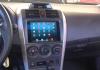
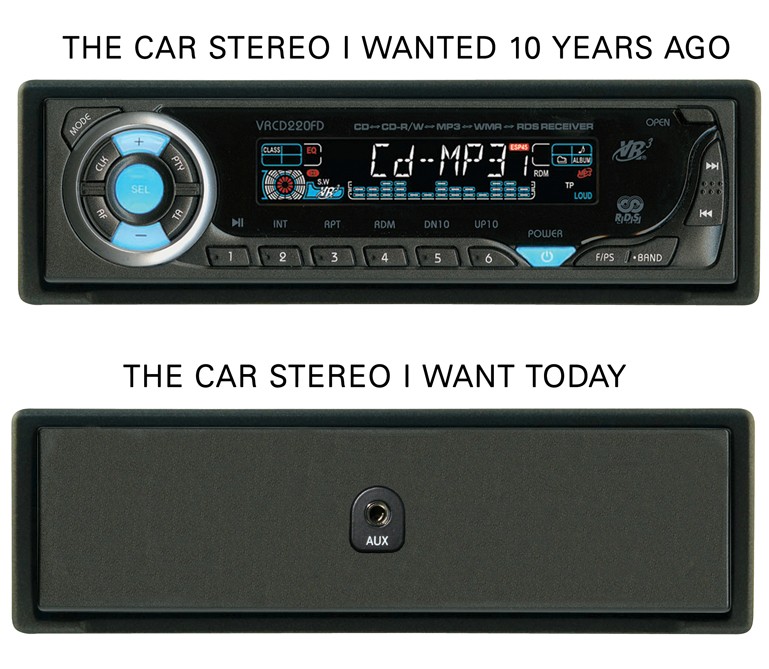
    I’m shopping for a car right now. Just something that can handle a little city driving and frequent trips to the cottage in the warmer months, with the ability to haul a decent amount of cargo. I’m weighing factors like size, fuel economy, engine power, cargo space and FWD vs. AWD, but for my purposes most of those points are relatively moot; I really just need something to get me from A to B. But I find myself more concerned with the in-car entertainment system, and how it works with my mobile device of choice.

    I’m far from a car buff, so my priorities might not line up with those of actual automotive enthusiasts, but my smartphone is no less important to me on the road as off. In fact, in many ways it’s more important in a vehicle I’ll be using mostly for long highway drives and the occasional commute caught in traffic. From experience with Zipcar and rentals, I know that the difference between a car that plays nice with my iPhone versus one that doesn’t can mean the difference between a pleasant trip that leaves me feeling rested and relaxed, and a frustrating journey that just ends up fraying my nerves.

    Here’s what I want from an in-car entertainment system in terms of how it handles a smartphone connection, in both an incarnation that should be fully possible given today’s technology, and one that’s maybe less realistic but more ideal:

    • Option 1: A Bluetooth or hardwired connection that recognizes that at this stage in the game, there are many more ways to get audio on an Android or iOS-based device than via a locally stored library, and is prepared to handle that. So no confusion when my iPhone is using iTunes Match, Rdio or Spotify instead of a local library; retain the ability to change tracks, recognize metadata for all content, and handle functions like skipping tracks without erratic behavior. I’m fine with an in-car system leaving the heavy lifting to my smartphone of choice and acting mostly as a dumb pipe, but at this stage in the game, we don’t have to be more-frustrating-than-a-simple-aux-connection dumb.
    • Option 2: Custom, target-OS based systems that aren’t car manufacturers-specific, but cater instead to the two dominant mobile operating systems, Android and iOS. This would essentially involve Apple and Google coming in and saying, forget SYNC, forget QNX, forget whatever else you’re doing, let’s put iOS or Android in cars for a perfectly seamless experience with a user’s existing device, apps and services. As far as I’m concerned SYNC and other manufacturer-proprietary systems are little better than heavy-handed, often confusing chromes layered on top of functionality that mobile OSes already do perfectly well on their own. Just throw an iPad mini in the dash.

    (via Reddit)

    Car makers are taking steps in the latter direction, with Siri integration coming to cars from a number of manufacturers including GM, Honda, Audi and more. But this is still taking the form of integrations with existing systems like Chevy’s MyLink, which in my opinion are about as friendly and necessary as overwrought manufacturer skins plopped unceremoniously on top of stock Android.

    Cars that run Android were among the trends spotted at CES this year, but companies have been demoing in-vehicle Android for a while now. The problem is that you often won’t recognize it. What car manufacturers need to realize is that mobile tech has answered a lot of the same problems they have when it comes to navigation apps, in-car entertainments and utility software in ways that don’t require much rethinking or translation. Taking steps to minimize driver distraction is obviously one thing, but from my experience with SYNC and the rest, that hardly ends up being a core focus on most car-focused interface-design choices, so it’s a thin argument for sticking with the existing direction most are headed in.

    A user’s mobile device affects more and more of their lifestyle choices, resulting in the rich ecosystems we see out there today for accessories and appliances that are compatible with iOS and Android. Car makers need to realize this isn’t just a nice-to-have for consumers going forward, but an actual top-tier priority. In other words, the first person to build me a car that replaces the dash entertainment system outright with an iPad (as a standard, factory-installed option) wins.

  • Nexus Tablet Success And Why There’s No Time Like The Present For A Google Retail Store

    nexus_7_banner_001-650x317

    Rumors from an “extremely reliable source” speaking to 9t05Google have suggested Google will start to operate its own physical retail stores starting as soon as the 2013 holiday season in the U.S. Brick-and-mortar shops from an Internet search company? Sounds like a stretch, but the Goog is breaking out of its search box big time, and recent additions to the Nexus line are proving it has a real chance at establishing a direct relationship with customers.

    Google has had a difficult time keeping its Nexus 4 smartphone, manufactured by partner LG, in stock, with the device being mostly unavailable through Google’s Play store until just recently. But the company’s efforts to sell direct weren’t an overnight success; it attempted to sell hardware direct with the Nexus One back in 2010, but stopped selling after a few months, since very few customers opted to buy the device at its full, unsubsidized price online.

    But if Google does one thing well, it’s iterating on less-than-stellar product launches and building on a firm foundation of failure. And that’s exactly what it has done with Nexus; the tablets it starting selling the via its online hardware store did major one thing better than the Nexus One, by offering no-strings-attached hardware at a bargain basement price. Hardware sales, Google seems to have learned, won’t work if customers are asked to eat a cost hit in exchange for freedom. They needed both, and weren’t willing to trade economy for freedom.

    Now Google has the recipe right for online sales, and it appears to have worked very well for the Nexus 4, and at least moderately well for Nexus tablets. But Google is still missing a key ingredient that has helped the iPad gain enormous consumer traction, and this latest rumor indicates it’s listening to the words of its biggest rival about how to possibly finally come up with a significant breakthrough for Android tablet market share.

    Apple CEO Tim Cook has made no secret about Apple retail’s impact on iPad sales. Most recently, he essentially attributed the iPad’s worldwide success to Apple’s physical stores, and the opportunity they provided to make believers out of customers who might otherwise not necessarily have understood Apple’s tablet as a product category. As Ingrid noted in her recent piece covering Cook’s comments on retail at a Goldman Sachs investor conference last week:

    “One of the things that’s not understood that well about the stores is that I don’t think we would have been nearly as successful in the iPad as an example if it weren’t for our stores,” said Cook. He noted that people’s view of the tablet, prior to the iPad, “ingrained in their minds [was] a heavy thing that no one wanted.”

    Google needs a tablet to achieve the same kind of thing with an Android tablet, or at least to come close. Making an “experience”-baed retail store akin to what Apple’s offering doesn’t guarantee consumers warm up to Android tablets, but it’s a risk that’s likely worth taking, given that Google has had positive indicators for its online retail efforts of late, and that Apple seems to place a lot of the credit for the iPad’s success squarely on the Apple Store’s shoulders.

    Nexus tablets need a home run, and that hasn’t come in the form of hardware so far, despite modest gains by gadgets like the Nexus series and the Kindle Fire. But maybe that’s because a device isn’t the answer they’re looking for: customer outreach is.

  • Apple’s Retail Strategy Proves That If They Build It, You Will Come (And Spend)

    gallery

    Apple is a unique company in that even if you break down its individual lines of business and view them as distinct from the whole, it can still be regarded as immensely successful in a number of different areas. As a hardware company, it’s a success; as a software and services provider, it’s a success; and as a retail chain, it’s a success. And Apple’s physical retail presence shows such steady upwards growth that it, rather than any product, could be the site of the company’s greatest innovation over the next few years.

    Speaking at a Goldman Sachs investor conference on Tuesday, Cook went into detail about Apple’s retail plans, addressing the growth and success of the company’s stores, as well as plans for expansion and changes to their deployment strategy for 2013. Asymco’s Horace Dediu visualized the numbers shared, charting the progress of key metrics like store openings, store visitors international distribution and more in a blog post yesterday.

    One of the most important metrics Dediu tracked is depicted in the graph representing store visitors vs. stores open. After initially expanding their physical presence more quickly, and averaging fewer visitors, attendance quickly cut up and for the past two years, stores have been averaging around 1 million for every location open. Apple’s strategy this year involves not only opening new locations, but closing existing ones and replacing them with larger outlets, which should make for an even higher visitor-to-store ratio in the future if trends continue.

    In terms of money invested in Apple’s retail efforts, we see a trend that could result in much more of the kind of innovation I alluded to earlier. The Asymco chart for spend on “Property, Plant and Equipment” shows a huge recent spike in money committed to “machinery, equipment, and internal use software,” as opposed to normal, steady growth for land, buildings and improvements to said facilities.

    Since late 2009 when we begin to see the curve start to trend upwards more sharply, Apple has introduced its own iPod touch-based check out and inventory system (replacing a legacy version based on Windows CE hardware), moved to iPad-based information consoles, changed the structure of its stores to de-emphasize checkout and highlight Genius and One-to-One customer interaction, launched self-serve EasyPay shopping for customers, introduced in-store pickup, and just generally changed the way the world thinks about brick-and-mortar stores. No big deal.

    Remember too that Apple’s retail leadership has been somewhat in turmoil recently. Apple’s SVP of Retail Operations Ron Johnson, largely credited with much of the retail division’s creation and success, left the company back in June of 2011. A search for his replacement ultimately resulted in the controversial hiring of Dixons CEO John Browett in January 2012, after a six-month search. Finally, John Browett was dismissed from that role in October 2012, after less than a year on the job. Apple is still looking for a replacement for Browett.

    Apple is making commerce more invisible, and yet winning more shopper dollars.

    It may seem like lack of a clearly defined top man in retail would lead to uncertainty, but Apple Retail had its best year ever in 2012 amid all these shakeups, and CEO Tim Cook said that the retail locations in particular have helped the iPad enjoy its runaway success since launching in 2010.

    Cook talked about the label of “retail” not being sufficient to describe what Apple is building with its stores, and more and more, that’s becoming true. Just like the company tries to hide elements like the file system in iOS, or deliver CE devices that aren’t upgradeable or modular, opting instead for a smooth, appealing and user-friendly outward appearance, it’s also taking commerce out of the store experience as much as possible. And yet as a reward it’s winning more customer dollars.

    You can measure innovation in terms of a revolutionary new smartphone, or a dramatically different PC design, or you can measure it in the aggregate effect of a sustained effort to change an age-old practice. Apple’s retail efforts are the latter kind, and its spending patterns suggest there’s plenty more of that to come.

  • Scosche Adds To Your iPhone 5 And iPad Charging Options With New Lightning Line

    strikeLINE PRO

    Once upon a time I thought I would be very short of charging solutions for my iPhone 5 thanks to the switch to Lightning. Now, for various reasons, I have an abundance of Lightning cables. One might even say an overabundance. But they do lack variety, and that’s what a new line of charging accessories from Scosche aims to address.

    The new Scosche line offers both 5W and 12W dedicated car and wall chargers, an industry first for Lightning cables. The car chargers in particular are a nice addition to the line, since they’re designed to be low-profile with curled cables to keep them out-of-the-way when not in use, which has an advantage in a car versus a combination standard-issue Lightning cable combined with a car outlet adapter.


    Finally, a retractable model fills out the new line, hiding a 3 foot charge and sync cable that remains coiled in a small package when not in use. I know a lot of gadget aficionados who will appreciate a Lightning version of this design, which has propagated like an unchecked bunny population in ideal mating circumstances over the past few years.

    The Scosche cables range in price from $24.99 to $34.99, and are available from Scosche’s website and also from AT&T, Wal-Mart, Staples, Fry’s and other retailers soon. They’re MFI-certified, too, which means Apple has given sign-off on their designs, unlike a lot of the knock-off chargers and cables coming from Chinese accessory manufacturers. I may already have an overabundance of cables, but let’s be honest, you can always have more.

  • Apple Patents A Volume-Based Solution To Shaky Smartphone Camera Syndrome

    Apple - iPhone 5-1

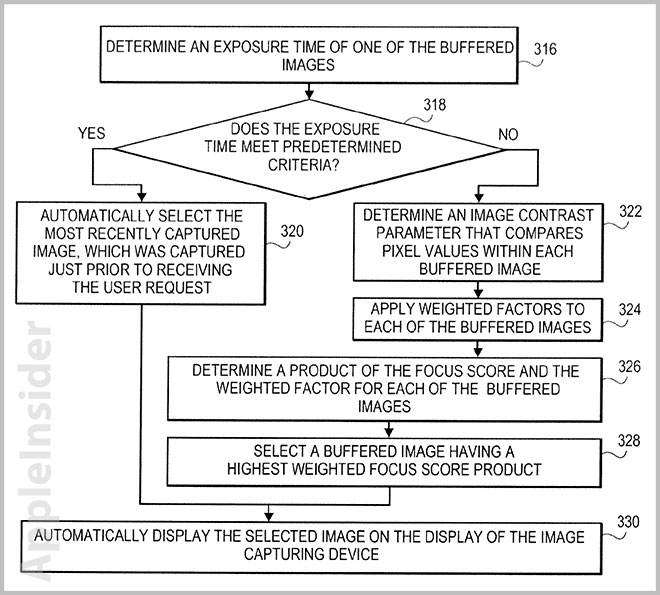
    A new patent filing uncovered by AppleInsider today shows that the company is still thinking about ways to upgrade the smartphone camera experience and deliver the best possible pictures you can get on a mobile phone. The invention would make it so that as soon as you open up the camera app on your iPhone, iPod touch or iPad, the device starts grabbing full-resolution pics and storing them to a memory buffer, meaning when you finally push the shutter you’ll have a wealth of different images to choose from.

    The design would use continuous image capture to try to improve quality, and to compensate for what are currently essential failings in the way mobile photography works. For instance, Apple’s patent describes how when taking a photo, the camera’s virtual “viewfinder” shows a partial resolution version of what’s being captured, and then when the shutter is pressed there’s a delay as it switches to full resolution mode to actually take the pic, which means what you see is not often what you get. If camera software begins immediately snapping high-res photos and storing them to a temporary cache, it should be able to match the proper frame with the moment a user intended to capture.

    Apple’s system would select from the buffer of photos based on timing, but also on quality. It would score images automatically based on factors like contrast, resolution, dynamic range, exposure time and more to try to logically derive which is the best, most in-focus shot. The device will then purge the memory buffer after a certain amount of time, or when it hits a pre-set threshold to clear room for future captures. In one of the embodiments, the user is given a full resolution preview to approve or deny immediately after the photo is taken, and then presumably presented with other options.

    It’s a technology that could easily be integrated into iOS without much outward change, but it would likely merit some fanfare from Apple if it were already in use, especially now that Android and other OEMs are beginning to compete more aggressively for consumer attention with advancements to onboard mobile camera tech. And others in the industry are already using similar technology to accomplish different things: BlackBerry 10′s face selection for Z10 camera pics is one example, and Nokia uses much the same technology in its own Windows Phone 8 devices, after it acquired the company that created the system in the first place.

    Picking the best of multiple exposures is one way to improve on mobile camera tech, but it’s not the only means. There are plenty of other improvements which could make considerable differences, including Lytro, which is clearly interested in licensing its selective focus tech to OEMs once it’s ready. But the camera is an area where iterating quickly can have a big impression on consumers with each successive hardware generation; improving things on either the hardware or software side is imperative if Apple wants to keep ahead of the game, and this patent (filed in October of 2012) indicates it’s actively working to make sure that happens.

  • Elon Musk Lays Out His Evidence That New York Times Tesla Model S Test Drive Was “Fake”

    teslamodels

    Tesla Motors CEO and founder Elon Musk definitely isn’t the best guy to try to pull a fast one on. The visionary entrepreneur set Twitter a titter when he claimed earlier this week that New York Times writer John Broder had fudged details about the Tesla Models S car’s range in cold weather, resulting in what he termed a “fake” article. Musk promised evidence, and now he has delivered, via the official Tesla blog.

    In keeping with his brief description of what was wrong with the review from his original tweet, Musk laid out how vehicle logs (standard practice after Tesla ran into issues with Top Gear, which dramatized a breakdown where none actually existed) showed that the car Broder was driving for his article was improperly charged, took an unscheduled side trip and essentially seemed to have been set up to fail.

    Musk breaks down what went wrong in a number of bullet points, but basically Broder’s car never ran out of juice completely; was charged to a level which he knew wouldn’t be enough to get to his destination at one point; actually exceeded its anticipated range; was driven past charging stations which could’ve helped it finish the journey; and was taken for a lengthy detour through Manhattan not included in the original trip plan.

    Other problems add to the reported deception, including climate control settings that run counter to Broder’s stated claims in the article about what he did with in-car heating (turned up the temp when he said he turned it down). The smaller details aren’t necessarily the most consequential, but the fact that Musk has record of even these smaller contradictions in his test vehicle’s logs helps to paint a picture of a writer who seems to have been blatantly gunning for Tesla from the start.

    Musk says that Broder altered details and the conditions of the test to help fit with his pre-existing opinion, which he arrives at thanks to a quote from Broder in an article published in 2012. Broder essentially attempts to deflate the sunny image of a future filled with electric cars, claiming that “the state of the electric car is dismal, the “victim of hyped expectations, technological flops, high costs and a hostile political climate.” To be fair, in that article Broder also goes on to give plenty of space to electric car supporters, too, and even gives the last word to Chris Paine, the documentary filmmaker behind Who Killed the Electric Car?, ending on Paine’s implied accusation that the oil and gas industry are behind stalling the electric future of car transport.

    But overall, Musk’s evidence is pretty damning, especially backed up as it is by solid data from the Model S itself. He ends by calling for the NYT to launch an investigation into the article and its writing, and after an attack like this, I’d guess the NYT would have to do just that in order to be able to come up with a satisfactory response.


  • HP Reportedly Working On Android Smartphones And Tablets, Despite webOS Failures

    hp-touchpad-android-600x476

    HP is looking into getting back into the mobile hardware game, according to a new report from ReadWrite which the Verge says is being confirmed from their own sources. HP famously bought webOS and then brought a tablet to market based on that Palm-developed platform, the TouchPad, which ended up being a dismal failure that the company shut down very quickly.

    HP had also launched a smartphone, the Veer 4G based on webOS, but that also proved ineffective at capturing the attention of consumers. The company is apparently still looking to get back into the hardware game after a hiatus spanning a couple of years, however, with a new tablet featuring an NVIDIA Tegra 4 processor, which ReadWrite pegs for an imminent announcement, and is also considering Android-based smartphone for future development. Verge reports that the timeline sounds good, but scheduling could change for a tablet launch.

    After HP CEO Meg Whitman took over, she announced that the company would ultimately offer a smartphone to keep up with the fact that for many in the developing world, such a device is now their first and maybe only computer. That launch isn’t planned for 2013, however, Whitman later stated.

    But back in late 2011, Whitman did make statements to the effect that HP could create webOS-powered tablets again in 2013. While these reports suggest webOS is likely off the table, HP could stick to Whitman’s target plan of fielding a tablet device based on a mobile OS this year, but one based on Android instead of its own product, which it has since open-sourced.

    It shouldn’t come as a surprise that HP would dip its toes back in the mobile hardware pool even after suffering such a reversal the first time around. The fact is that mobile is where the computing industry is going, and Apple’s iPad is almost singlehandedly propping up the sagging fortunes of traditional mobile PC form factors like notebooks. And HP missed earnings expectations in Q4 2012, thanks in part to a continuing “decline in hardware.”

    A tablet isn’t a panacea for HP, however. The Android tablet market still has yet to find a champion that can compare to the iPad’s popularity, and there is plenty of competition out there for buyer attention. Fielding a device that impresses above and beyond what’s already out there, at a price point that turns heads is a basic requirement for Android tablet success at this point, from HP or from anyone else.

  • Analyst: Apple Could Finally Be Opening Up Apple TV To Developers At An Event In March

    hero_appletv_2ndgen

    The Apple TV could finally be getting a developer SDK that would allow third-party apps to appear on the platform, according to an analyst note from Jefferies analyst Peter Misek today. The note cites channel checks as the source of the info that Apple will hold an Apple TV-related event in March, at which time it may introduce an SDK for “iTV” development.

    Misek also predicts that there will be an actual hardware Apple television set launching later in the year, around September or October, meaning Gene Munster isn’t the only analyst singing that particular tune. But so-called iTV or no, the possibility that Apple will finally open up its set-top box to developers the way it has done with the iPhone and iPad is exciting.

    But we’ve been here before. The Apple TV has always seemed ripe for a third-party developer SDK, ever since it originally launched back in 2007, and especially once the second generation model came out in 201o. It was even running a version of iOS when the little black model debuted, which seemed like a guaranteed sign that it was only a matter of time before we’d see Apple do the same thing they’d done with the iPhone: unlock the potential of the platform with an SDK and developer program.

    Instead, what we actually saw was Apple roll out third-party apps with various updates, one or a few at a time, carefully gating access to the platform. As to why it would do that, there are a few reasons, but I’d guess that at least part of it has to do with Apple’s ongoing efforts to negotiate content deals with major providers including networks and film studios. Move too quickly to unlock the platform, and you risk incurring the enmity of content distributors who want to have a say in who has access to a channel. Those old media giants probably aren’t too comfortable with a Wild West App Store-type vibe making its way to the living room, especially when it has the popularity and install base of Apple’s iOS users.

    In a roundabout way, there are already apps on the Apple TV, and not just the native ones Apple has given golden approval. AirPlay means most apps can mirror their content from an iPhone, iPad or iPod touch to the big screen, and do so with a high degree of fidelity, for the most part. But the difference is akin to when Apple originally said that third-party developers can build apps for iPhone, but they’d have to use the web browser to do it. There’s a lot you can accomplish, but it’s not the same as if the apps were operating natively on Apple TV itself.

    So how likely is it that this time we’ll actually see Apple open things up? If it is planning a full television launch, an App Store ready to go and populated with content ahead of time would help it greatly, but that depends on Misek’s sources being right on both counts. Misek has been hit or miss when it comes to Apple rumors in the past, but he did get pretty close on iPhone 4S details ahead of its launch back in 2012.

  • Apple Loses iPhone Trademark Exclusivity In Brazil As Regulator Delivers Its Ruling

    gradiente-iphone

    Apple has officially lost exclusive rights over the use of the iPhone trademark in Brazil, according to the BBC. The news was telegraphed earlier via a leak that said Brazil’s regulatory body was planning to side with IGB Electronics S.A. in the case and revoke Apple’s exclusive ownership of the term “iPhone” as it relates to electronic devices.

    The Brazilian Institute of Industrial Property (INPI) explained to the BBC that its decision only applies to handset devices, and that Apple can still sell its own iPhone with that name in Brazil, unless IGB exercises its option of suing for complete, exclusive control over the trademark. Apple wanted full exclusivity, the INPI told the BBC, on the grounds that IGB had not used the trademark until December of 2012. That’s when the Brazilian company released an Android-based handset also called the iPhone.

    IGB had registered the name a full seven years before Apple’s device made its first appearance, however. Apple is appealing the ruling, according to the INPI, and for got reason given the growing contribution Brazil makes to Apple’s bottom line. IGB also earlier expressed interest in the idea of selling the trademark to Apple for its exclusive use, but it looks like Apple wants to continue to explore its options through regulatory channels before sitting down at the table with the Brazilian company.

  • Microsoft Surface Pro Teardown Reveals It’s Less Repairable Than Apple’s iPad

    surfacepro

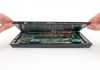
    The Microsoft Surface Pro is just getting into its first week of consumer availability, and gadget repair blog iFixit has already cracked the case for a closer look at what makes the tablet/PC hybrid thing tick. The teardown reveals that Microsoft has essentially glued down anything that could be glued, making it incredibly difficult for a user to repair on their own – more difficult than Apple’s iPad, by iFixit’s standards.

    The Surface Pro scored a 1 out of 10 for repairability, since just opening the tablet offers a high probability of completely cutting one of the four cables that surrounds the display, there’s adhesive on the battery and display keeping it stuck in, and the display assembly is incredibly hard to replace. There are also 90 screws scattered through the device’s interior, which iFixit says is exceptionally high for this kind of device.

    By comparison, Apple’s latest fourth-generation iPad scored a 2 out of 10 in repairability when iFixit tore it to pieces back in November. That may not be much of an advantage, but it does show that while Apple gets a lot of slack for changing its designs to be less friendly to user-initiated aftermarket changes, the company isn’t alone in moving to designs that focus more on fitting as much as possible into as small a case as possible, rather than providing something users can fiddle with. The Surface RT, on the other hand, was more repairable than Apple’s iPad, so it’s a little disappointing to see the more expensive Pro version fail on that score.

    It should be no surprise, given how much of an emphasis Microsoft put on the Surface Pro’s design and attention to fitting as much power as they could inside such a small space. But iFixit still takes away marks from Microsoft for doing things they feel are unnecessary to the space-saving nature of the design, including gluing the battery in, which they call “planned obsolescence” which is “completely unnecessary.”

    A lot of people wondered what might be the role of OEMs once Microsoft started building its own PC hardware, but there’s clearly still room for them as producers of devices that appeal to hobbyists and tinkerers, who aren’t content to buy what’s essentially a sealed hardware platform only to upgrade again in two years’ time. The Surface Pro, with its fairly limited storage options and 4GB of RAM, would likely be a ripe candidate for aftermarket upgrades, so buyer beware if your plan was to crack the case and perform some at-home surgery down the road.

  • Apple Updates Retina MacBook Pro, Drops 13-inch Retina Pro, MacBook Air And SSD Upgrade Prices

    Retina MacBook Pro

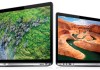
    The MacBook Pro with Retina and 13-inch MacBook Air got some mid-cycle improvements under the hood today, with a new 2.6GHz processor for the 13-inch Retina MacBook Pro, new 2.4 and 2.7GHz processors for the 15-inch version, and 16GB of memory as a top-end spec on the larger Retina model. The MacBook’s 256GB version has a new lower price of $1399, and the 13-inch Retina now starts at $1499 and $1699 for the base and upgraded configurations respectively.

    The 13-inch MacBook Pro with Retina display was at $1,699 and $1,999 respectively for its two stock considerations before today, and the higher-end model sported only a 2.5GHz processor before any user upgrades. So now you get a beefier process for $300 less. The new price points also mean that the entry-level 13-inch Retina is now at price parity with the top-end 13-inch non-Retina MacBook Pro, though you get a i7 processor at that price instead of an i5 as in the Retina. The 15-inch now has a faster 2.4GHz processor at the entry-level configuration for $2,199, and gets a new 2.7GHz quad-core processor at the top end, with 16GB of memory instead of 8GB for $2,799.

    The 13-inch MacBook Air used to cost $1,499 before the price drop, but now keeps the same specs, including a 1.8GHz dual-core Intel Core i5 processor, 4GB of memory and a 256GB SSD, and gets a $100 discount to $1,399. Apple combining mid-cycle spec increases with price drops on a lot of its key models is a good way to shake up the market between major announcements, and it’s also well-timed to take some of the steam out of Microsoft’s Surface launch, which in not very likely to be a coincidence.

    Apple has also updated its upgrade pricing on SSD storage, meaning you can add a lot more disk space to your Mac via custom configuration for a lot less. The 512GB upgrades get a $200 discount as part of this round of updates, and the huge 768GB drive is now $300 less than it used to be. That’s likely due to Apple arranging better prices from suppliers, something CEO Tim Cook alluded to during yesterday’s Goldman Sachs investor conference keynote speech.

    As with any mid-cycle upgrade, some customers will likely be worried about what happens if they just ordered a new machine before these changes went into effect. But as always, Apple has its 14-day return and refund policy in place to make sure buyers who just took the plunge won’t be left in a lurch.

  • HTC Teases The New One Flagship Phone Ahead Of February 19 Event

    htc-one

    If I was a betting man, I’d bet that HTC was carefully trying to engineer some buzz around its new flagship Android smartphone for the U.S. market, the HTC One we’ve seen leaked plenty of times before. And now, the company has put together a promo page with a countdown timer for its February 19 event in NYC, which all but gives up the goose ahead of an official unveiling.

    The page offers a special bonus whenever the timer ends in a “1″, flashing the number in green, which is itself a pretty solid indication that we’ll see a phone called simply the “HTC One” when it’s unveiled next week, but it also offers glimpses of an actual device every time it hits that count, too. These are ultra-zoomed in looks with a blurred filter effect, but it’s still fairly easy to get an idea of what parts of the phone, including the side edge, rear and front case might look like. It’s not surprise that in general, what HTC is showing off resembles very closely what we’ve seen in the latest leaks, including the rendering of an HTC One with the screen published this week.

    So why is HTC showing off so much ahead of time? Basically, because that’s what you do when you need to generate a lot of early hype, and that’s exactly what HTC needs right now. The company has always been among the top Android OEMs in terms of quality, in my opinion, but as its recent financial results prove, that has failed to help it really catch fire in the U.S. market. The HTC corporate slogan of “quietly brilliant” is sadly all too appropriate, but its promotional efforts with this device seem to indicate the company is aware it needs to make a more vocal splash.

    Of note in the new, it looks like we might see a handset with more metal involved in its construction than most Android devices, possibly with some chamfered edges like on the iPhone, and there’s also one segment that focuses on what’s clearly a camera lens. If HTC’s rumored “Ultrapixel” camera is also real, the company could be using that as one of its key differentiators. I’d love to see a company deliver something truly exciting on the mobile camera front, because while a lot of OEMs including Nokia and BlackBerry have been talking up cameras as key components of their hardware, I’ve yet to see a recent development that really merits the pre-launch buzz.

  • X-Wing Squadron Seeks $11M On Kickstarter For Measured Response To Funding Of Intergalactic Weapon

    x-wings

    The Death Star may be well on its way to Kickstarter success, with £224,596 pledged out of total £20,000,000 goal, but its construction won’t go unopposed. Rebel forces have rallied to crowdfund a means to oppose Imperial tyranny, in the form of an X-Wing fighter and a pilot trained to use it to take down any moon-sized space stations that may end up floating around in the void.

    The project’s creators are seeking $11,000,000 in funds to finance the development of a single X-Wing, and to train a pilot to use the fighter to deliver its deadly payload. Let me take this opportunity to volunteer myself to wear the orange jumpsuit, since I’ve logged countless hours on the X-Wing and TIE Fighter simulators that LucasArts wisely issued back in the 90s in anticipation of this exact scenario.

    If somehow I’m not picked to be the first X-Wing pilot, then at least I hope to be considered for the entire X-Wing squadron that project creators Simon Kwan and Ed Dean hope to put together if they can manage to hit their stretch goal of $4,458,672,683. For backup, should the project achieve 13 million Galactic Standard Credits, the team will also fund and build the creation of a Corelleian YT-1300 freighter, which certainly came in handy when the Rebels took down the second death start in our distant past during that far-flung galactic struggle we all know so well from the re-enacted documentaries created by George Lucas.

    While it’s likely true that the galaxy needs an X-Wing or two, I’m a little skeptical about this project’s ability to achieve its goals, for one reason: the conversion rate for Galactic Standard Credits is all wrong. The GSC was estimated to be worth around 0.62 USD back in May 2012, which means that that 13 million stretch goal would translate to around 8.6 million USD – under the total funding amount required to make the project successful in the first place.

    That’s just crazy, and it definitely doesn’t give me any confidence in the ability this project’s creators to get the job done. If you can’t handle basic galactic currency conversion, how do you expect to manage planetary defence? There’s a lot of math involved.

  • Microsoft’s 128GB Surface Pro Sells Out At MS Online Store Just Hours After Launch

    surfaceproleft

    Microsoft’s $999 128GB Surface Pro has sold out in the online Microsoft Store in the U.S. (via WinBeta), just a few hours after going on sale today, February 9. The 64GB version is still available as of this writing, and the Surface Pro is still likely in stock at physical retail locations like Best Buy, where it also went on sale today, although checking the stock levels via their online tool reports the Surface Pro as “Unavailable” across the board.

    The Surface Pro is Microsoft’s more powerful, Intel-powered Windows 8 tablet, which runs the full version of Windows 8 unlike the Surface RT and can handle full-fledged Windows desktop applications. In the TC review, John Biggs said that the Pro was a much more compelling device than the RT, in part because of its ability to run software that enterprise IT departments depend upon from legacy windows installations.

    The Surface RT sold out of the $500 32GB model within one day, but the Pro’s more expensive model has sold out even faster. That could indicate that users are placing a higher value on storage with the Pro, which is marketed as a device much more suited to getting serious work done than the Surface RT. The 64GB model remains in stock for now, and given that there’s only $100 price difference to trade up to double the storage capacity with the 128GB version, that’s not surprising.

    Storage was recently the subject of a number of back-and-forth reports regarding the Surface, with some claiming Microsoft left little room on-device for personal files once you accounted for the Windows 8 OS install. Ed Bott reported earlier todays on the actual storage numbers, which beat the original estimates by a fair amount, but the free space on the 64GB version still represents a 200 percent increase from the actual usable space on the base Surface Pro model.

    The 128GB Surface Pro is still available to order from the Microsoft Store online in Canada as of this publication date, and you may still be able to grab one by visiting a physical retail location.