Author: Darrell Etherington

  • Facebook Home Screenshot Leaks Suggest We’ll See An Image-Rich Interface With Sharing Close At Hand

    top (1)

    Facebook is set to debut a special Android product tomorrow, and now 9to5Google has an early look at what we might see, courtesy of Evleaks. The screens depicted on renders of the so-called HTC First smartphone hardware being created by the Taiwanese company. The images show tweaks to the basic Android UI that include easy access to status updates, photo sharing and check-in functions, as well as an emphasis on images.

    The screens look to take a mostly minimalist approach to re-skinning the Android OS, with a widget similar to the one available for Android home screens occupying a spot near the top of the app tray. A notifications screen uses what looks like it might be a Facebook cover photo as its backdrop, and seems to display a user’s FB profile pic as the unlock mechanism. There are Instagram, Messenger and Facebook sharing options shown in the built-in gallery app, and Evleaks says the whole point is to put Facebook functions close at hand wherever possible in the OS itself, making it less necessary to jump into the dedicated app to share or engage with content posted to the social network.


    The description and screens from this latest leak match up with what Josh reported was on the way from Facebook for this event last week. Overall, it looks like what FB is doing is making a product that can make Android a better funnel for prompting mobile users to post content and updates to its network, and to better keep up to date with new activity from their friends. If Facebook can successfully demonstrate that it can actually improve the Android experience with deeper hooks, its Home product could become attractive to other OEMs as well. And even though it has built an impressive user base on its own, shipping on a range of Android hardware around the world as an element virtually baked into the OS goes well beyond traditional user acquisition methods.

    We’ll have live coverage of the event tomorrow as it happens, beginning at 10 AM PT, so you can tune in to find out whether what Facebook really is presenting matches these early leaks as it happens.

  • After Everyone Points Out iPhone Will Be Cheaper Than Galaxy S4 On AT&T, Carrier Claims A Mulligan

    galaxy-s4

    AT&T has issued a clarification on its Galaxy S4 pricing via the unique method of a small statement in a footnote to an earlier post. Previously, AT&T had announced via its consumer blog on March 28 that it would be offering the Galaxy S4 starting at $249.99 with pre-orders beginning April 16. Now, it has amended that post to add that that’s for the 32GB model, with the 16GB version priced cheaper at $199.99 on a two-year agreement.

    The move comes a full five days after the initial post, and after a number of bloggers, analysts and news publications pointed out that Apple’s iPhone 5 would be cheaper on a two-year contract than the Galaxy S4 on AT&T’s network. It seems bizarre to have the clarification come so long after what ended up being a very widely covered pre-order announcement, which was also followed by the news that the HTC One would also come in cheaper than the Galaxy S4 starting at $200 with a two-year term.

    It’s odd enough to make me wonder whether the change in pricing and available storage options is the result of a decision after the fact by either Samsung, AT&T or the two together to offer the 16GB product SKU as a way to achieve price parity with flagship phones from competing manufacturers. I’ve contacted AT&T to learn more about why it neglected to mention the $199.99 16G Galaxy S4 option in its original post, and will update if they respond.

    The bottom line for buyers is that the Galaxy S4 will launch on an even playing field with the HTC One and the iPhone 5 in terms of entry-level pricing at AT&T, which means price won’t be a factor when it comes time to choose a new flagship phone from one of the most interesting players in the mobile market.

  • Samsung’s Platform Play Likely More Valuable As A Bargaining Tool, Analyst Suggests

    android-samsung-crush

    When Samsung revealed its new Galaxy S4 flagship smartphone, it literally did a lot of song and dance about its own unique software features, with nary a peep on the built-in Google Android improvements and features brought by the use Jelly Bean 4.2 on board. I argued that it could be a signal that Samsung is looking to move towards an Amazon-style approach to building its own version of Android, but a new investor note from Sterne Agee analyst Shaw Wu suggests Samsung’s platform bluster might be more useful to the South Korean company as a bargaining chip.

    Wu praises Samsung’s move into a more “vertically integrated platform play” in his note, which puts it in a better place to compete with similar efforts by companies including Apple, Microsoft, Google and Amazon who are all trying similar combined approaches to software and hardware. But he also notes that Tizen, the smartphone OS that Samsung is co-developing, has massive challenges ahead in terms of taking away platform share from Android and iOS, especially with BlackBerry and Windows Phone slugging it out for a third spot in the mobile market.

    Samsung’s biggest strength, according to the investor note, is that it has a lot of leverage in terms of negotiating a better split of mobile advertising revenues from partners including Google thanks to its dominant market position. Treating their platform ambitions as a sort of backpocket option in case the lucrative deal they have worked out with Google starts to become not so lucrative does seem to be more of a hedge than a realistic option at this stage of the game, given how entrenched the top two platforms are, and the challenges we’ve seen even manufacturers with a wide reach like Nokia and BlackBerry have with populating the software ecosystem for a brand new mobile operating system.

    Google has been reported to be somewhat ill at ease with Samsung’s growing dominance over the Android hardware market, but for now the two companies are much stronger together than they are apart, which means we’re unlikely to see either side do anything to initiate a rift. Meanwhile, we’ll likely see both also work on their own hedges, which means Google building out its Motorola division with new, Google-directed initiatives after major restructuring, and Samsung continuing to feint with Tizen and build its own pseudo-platform on top of Android.

  • First Render Of HTC’s ‘Facebook Phone’ Reportedly Leaks Ahead Of Thursday Event

    facebook-phone

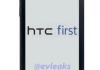
    The HTC hardware that’s being prepped as the delivery mechanism for Facebook Home, which has lots more potential than the device itself, supposedly leaked in the image above. The render, tweeted by Evleaks, a consistent source of pre-release Android hardware info, doesn’t look like much: it’s destined to be a mid-range device, after all, according to early leaks.

    The leak also suggests it’ll be called the HTC First, which sounds like a not-so-great play on the HTC One naming scheme. Previous info had it codenamed the HTC Myst, which at least brought to mind the popular point-and-click adventure game. The name ‘First’ at least evokes the idea that you’ll be the first of your friends to spot all the activity going down on Facebook, but again, don’t expect the hardware to account for any of the ‘wow’ factor of Thursday’s announcement at Facebook HQ.

    What we’ve heard about the phone itself so far indicates a modest but capable performer, with a Qualcomm Snapdragon S4 processor, 1GB of RAM, a 5 megapixel rear camera and a 4.3-inch display capable of 720p HD resolution. It’s so yawn-inducing that if Facebook spends more than two minutes on hardware and specs on Thursday, I might actually nod off. But it’s an example of what Facebook can offer other OEMs, regardless of device specs: the angle of ‘it’ll even run on your broadly aimed pre-paid handsets’ is a good one for FB’s purposes of establishing a much wider, more entrenched mobile platform.

    Even if the phone itself does look a little like a cheap iPhone knock-off.

  • Apple Ramping Up Production For Next iPhone Beginning In Q2, WSJ Reports

    iphone5(2)

    Apple is looking to start production of a new iPhone of “similar” design to the current one during the second quarter of 2013, according to a new report from the Wall Street Journal. The production ramp-up is designed to set the stage for a summer launch of a new flagship iPhone, the report claims, which agrees with information we’ve heard from our own sources recently.

    John reported last Thursday that Apple’s manufacturing partners were preparing for a June 2013 launch of the so-called iPhone 5S, a device that retains the design of the iPhone 5 but adds better specs under the hood. This report from the WSJ, paired with analyst claims of a similar timeline for an iPhone product refresh, seem to now all be pointing to a new device in early summer. Apple holds its annual Worldwide Developer’s Conference around the same time, so if we’re going to see a public event detailing the new device, that’d be when to look for it.

    The WSJ report today also claims that Apple continues to work on a lower-cost iPhone, destined for a launch as early as the second half of 2013. The shell casing is said to be different from the top-end iPhone, which is what we’ve heard before, and the new report also says Apple is looking into different case colors with its less expensive design, another tidbit shared by various analysts.

    While it isn’t surprising that Apple would be working on a new iPhone, the timeline for launch is a bit different from what we’d expect now that Apple has released the past couple of devices in the fall instead of the summer. Still, when you start to see multiple sources come together in agreement on information like this, it’s usually a good indication that there’s solid info behind the rumors.

  • HTC One Pre-Sales Start At AT&T April 4 For $199.99, Smartphone Ships April 19

    htc-soft2

    HTC’s great aluminum hope, the HTC One, will be available on AT&T beginning April 19, with pre-orders starting April 4. The smartphone will cost $199.99 with a two-year agreement for the 32GB variety, with a 64GB version for $299.99 on a two-year contract, a U.S. launch exclusive for AT&T. Pre-orders for the phone start at 1 P.M. Central Time on April 4, if you’re marking your calendars.

    The HTC One has faced delays in getting to market in North America, with production issues around the camera accounting for early problems reaching mass production status, according to HTC marketing chief Benjamin Ho. Despite any early troubles, the new HTC flagship will make it to market faster than its chief rival, the Samsung Galaxy S4, which becomes available for pre-order on AT&T April 16, with no word yet on when exactly it will ship.

    HTC had originally planned to launch the One across North America by the end of March, but its new shipping timeframe still gives it a bit of a first-mover advantage over Samsung. Still, it has a lot of ground to make up from the much more popular Android device-maker. Early reviewers seem more impressed by the HTC hardware, which features an all-aluminum enclosure, vs. the usual plastic cases many Android OEMs opt for, but this is still a pivotal launch for the Taiwanese company. HTC CEO Peter Chou has even confirmed it’ll be his last stand, with the exec saying he’ll step down if the One isn’t a success.

    And now Sprint has also chimed in, announcing that it will be kicking off pre-orders for the HTC One April 5, with the phone shipping April 19. AT&T has the exclusive on the $299.99 64GB version at launch, as mentioned, but Sprint shoppers will pay the same $199.99 on a two-year agreement for the 32GB variety.

  • Circuit Playground Is Adafruit’s Educational Series For Helping Kids Learn About Electronics

    circuit-playground

    Adafruit, the DIY electronics website and marketplace, is espousing the popular strategy of “get em’ young” with a new live action short video series broadcast on YouTube. The series, called Circuit Playground, takes an alphabetical approach to teaching kids about the basics of circuits, components and concepts that will come in handy if the tots watching have aspirations of becoming electrical engineers, or just of building their own hobby projects at home.

    The inaugural episode covers amperes, the unit of measurement for electric current flowing through a circuit. The co-hosts are Adabot, an adorable robot puppet helping keep the kids entertained, and Adafruit founder Limor Fried, providing easy-to-follow, but not patronizing explanations of the concepts involved. The intro features a number of animated characters representing circuit components, and there’s even a special guest appearance from André-Marie Ampère, after whom the ampere is named, so there’s an element of science history in the mix, too.

    At less than 5 minutes, you also won’t have to keep your kids focused too long to take in the message. And if you’re a big kid who might not be all that well versed in the basics of circuits and electronics, you’ll probably learn something, too.

  • Android And Windows Phone Gain, BlackBerry Loses In Smartphone OS Share According To Kantar

    Screen Shot 2013-04-01 at 9.26.37 AM

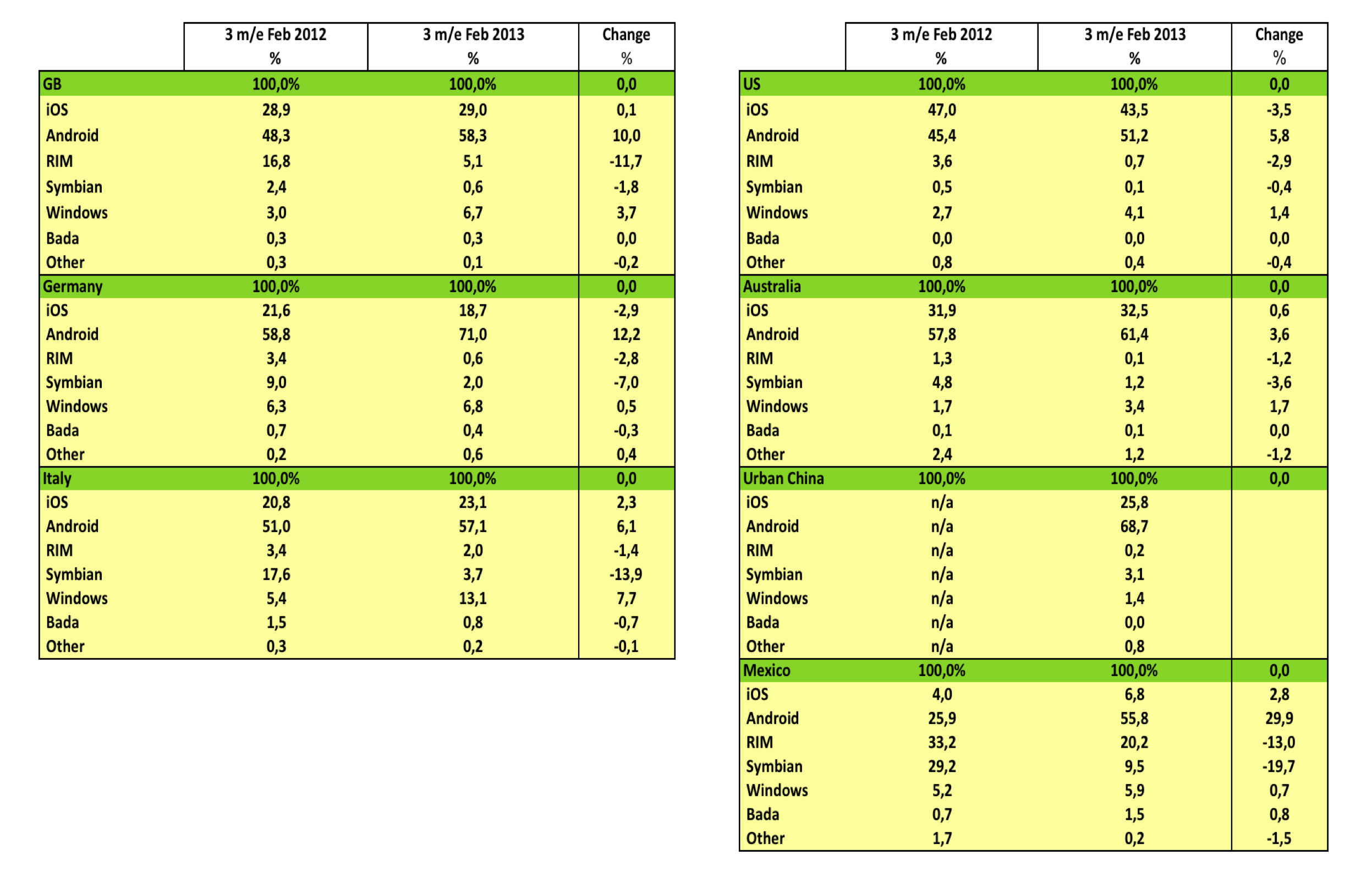
    The big winners in the three-month period ending in February in terms of smartphone share globally and in the U.S. were Android and Windows Phone, according to Kantar Worldpanel, with BlackBerry experiencing significant declines in consumer interest and iOS remaining fairly level in most markets. The bad news for BlackBerry is that it saw its smartphone OS share decline even in the U.K., where it launched BB10 and its new hardware at the end of January.

    Windows Phone isn’t really posing a threat to iOS or Android, which continue to dominate smartphone share is all markets, but it is starting to pull away from BlackBerry and Symbian when it comes to making a strong showing as a third place contender. In the U.S., Windows accounted for 4.1 percent of smartphone sales in the three-month period ending February 2013, up from 2.7 percent for the year-ago quarter. BlackBerry, by contrast, represented only 0.7 percent of smartphone sales in the U.S. according to Kantar, down from 3.6 percent during the same time in 2012.

    In the U.K., BlackBerry slid from 16.8 percent of all smartphone sales in the three-month period ending in February last year, to just 5.1 percent of sales for the same span in 2013. That’s a drop of 11.u7 percentage points, during a period that included a full month of BB10 device sales. BlackBerry itself claimed 1 million devices shipped for its most recent fiscal quarter, which included BB10 launches in Canada and the U.K., but when pressed about how much of that represented actual sales, execs hedged and noted that it was “sort of” closer to between two-thirds and three-quarters of that 1 million figure on its investor conference call.

    Android’s performance has likewise been strong, with big increases in many markets, including Great Britain, Germany, and Mexico. And while iOS remains relatively stable, with either small slides or gains across the board, it isn’t losing significant ground to the competition in any market: Android is eating space given up by legacy players like Symbian, which in most cases is dropping share quicker than BlackBerry. BlackBerry has the most to lose, however, since Symbian is no longer being actively developed. We’ll see if the gradual worldwide rollout of BB10 can reverse some of the losses being reported by Kantar in the coming months.

  • The Tivoli PAL BT May Be The Best-Looking, Best-Sounding Bluetooth Speaker

    PAL-BT1

    Long before the advent of the Jawbone Jambox, there was a portable speaker that was decently rugged, had tremendous battery life and amazing sound, and that was the Tivoli PAL. The PAL boasted an audiophile peidgree and an auxiliary input that made it a good partner for early iPods, but the introduction of decent stereo Bluetooth streaming made it fall behind somewhat in convenience when the Jawbone and its ilk came around.

    Recently, however, Tivoli has updated the PAL with the PAL BT, a model that does offer A2DP Bluetooth stereo streaming, alongside the built-in AM/FM radio and auxiliary inputs found on the original. And if you’re in the market for a portable, powerful speaker with great sound, there’s nothing quite like it out there.

    • Rated for 16 hours max battery life
    • Built-in AM/FM tuner
    • Bluetooth/Auxiliary connections
    • Weights 1.92 lbs
    • MSRP: $299.99
    • Product info page

    The PAL BT is frankly the best looking portable speaker available, in my opinion. My review unit was in glossy white, so the faceplate matches the rear casing, but those looking for a splash of color can opt to get it in a gloss black, blue or red finish up front, too. The styling is somewhat retro without feeling kitschy, and the ports and antenna are all easily accessible on the back, and protected by water and dust-resistant flaps.


    The face of the speaker is dominated by the speaker grill itself, and also the large tuner dial for the built-in AM/FM radio. These are visually appealing, but more than that, the knobs and dials are actually very pleasantly textured and turn with a very satisfying amount of resistance. It sounds silly to complement a speaker based on the design and build of its controls and knobs, but when you use the PAL, you’ll notice immediately that attention was paid to their design.

    The rectangular form factor isn’t the most portable among portable speakers, but it’s still a small, light device that is easily thrown into a carry-on or larger luggage.

    Tivoli has a great reputation for delivering high-quality sound in a relatively affordable package. I’ve seen other reviewers knock the PAL BT for its sound quality-to-price value ratio, but to my ear, after extensive use and comparison with the Jambox and other Bluetooth speakers, the PAL still defends the reputation of its non-Bluetooth predecessor very well.

    The Tivoli PAL BT is a mono speaker which might cause some potential buyers to hesitate, but that shouldn’t be a factor in anyone’s decision-making process. Sound separation in most portable Bluetooth speakers is dismal as it is, so they’re hardly “stereo” anyways. And the high-quality mono audio from the PAL BT even holds up pretty well when you crank up the volume (and it goes a lot higher than most of its competition, too, which is why it’s well-suited to backyard BBQs and other outdoor activities).

    Battery life is another place where the previous PAL excelled, and the PAL BT is great there, too. Rated for 16 hours, you’ll get less depending on volume and whether you’re actively connected over Bluetooth, but no one would be disappointed by the duration of its battery no matter how you’re using it. I’ve been using it as my workday soundtrack next to the computer, and I often forget it’s a wireless speaker because of how long-lived it is. Plus, Tivoli equips the PAL BT with a user replaceable internal rechargeable battery, so you could theoretically carry a back-up.

    The Tivoli PAL BT is pricier than its non-BT version, and for bass-heads who actually like the exaggerated lows of companies like Beats and Bose, the sound might disappoint. But for audiophiles looking for a speaker that’s relatively affordable, long-lasting and still a category leader in terms of sound quality, this is a perfect device, especially as we head into beach, park and picnic season.

  • Mobile Home Is An Easy Way To Turn Siri Into Your Very Own Personal KITT From Knight Rider

    IMG_6627

    My recently-purchased car has Bluetooth built-in to let me use my phone hands-free from the steering wheel, as do most cars coming off the line new these days. The one issue is that there’s no way to activate Siri using the car’s default controls, which is another unfortunately common thing for modern cars and aftermarket Bluetooth stereo kits. But Plano, Texas-based Beanco Technology offers a really simple solution to fix that called the Mobile Home, in the most minimalist way possible.

    A lot of gadgets come through my office, and generally speaking, if they have terribly punny names like “Mobile Home” and come from a website that looks like this one, I’m inclined to pass on writing them up. But the Mobile Home impressed by how easily it added a much-need feature lacking from my in-car Bluetooth system, without requiring me to do anything more than pair a Bluetooth device to my iPhone (so long as you’ve already also paired your phone with your in-car system).

    What it is

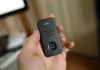
    A small rectangular black box with what looks like a design copyright-infringing Home button, which acts just the same as the one built into your iPhone device.

    Who it’s for

    Anyone with a car stereo or hands-free system, factory or aftermarket, that allows you to do everything except call up Siri from existing steering wheel-mounted controls.

    What it does

    Using either the metal clip mount, or the included Velcro attachment kit, you fasten it either to your sun visor or dash, effectively adding a nice big Home button to the in-car controls in a place that’s easy to reach without taking your eyes off the road. Just like with the iPhone itself, you long press the Mobile Home to bring up Siri, double-click to activate lock screen audio controls, and single-click to wake the display. The iPhone sees it as a Bluetooth keyboard, which means you can’t use the on-screen one when it’s connected, but that’s not something you’re ever supposed to do while driving anyway.

    Bottom Line

    My main complaint with the Mobile Home is that it’s expensive, at an MSRP of $79 (though the “special launch price” of $59 seems to be pretty permanent). But if this is the one piece that’s missing from your ideal in-car hands-free setup, then it does the job better than most, and even incorporates things like an auto-off function that means the battery lasts between six months and a year under normal use conditions. Sometimes looks can be deceiving, and behind Beanco’s somewhat amateurish presentation, there’s a handy little gadget that does its job simply and well.

  • Samsung Galaxy S4 Pre-Sales Start At AT&T On April 16, Priced At $249.99 On 2-Year Agreement

    gs4

    AT&T has just posted an update to its Consumer Blog revealing pre-order details of the Samsung Galaxy S4. The phone will be available for order beginning April 16, for $249.99 with a two-year commitment. Samsung had previously announced that the Galaxy S4 would be coming to the U.S. sometime in Q2 2013, and didn’t reveal launch pricing at its event earlier in March.

    The ship date of the AT&T Galaxy S4 wasn’t revealed this time around, so there’s still no guarantees about when consumers will be able to actual hold the hardware, which boasts a 5-inch 1080p display, in their hot little hands. Based on Jordan’s initial impressions, the Galaxy S4 looks like a worth successor to Samsung’s flagship smartphone role. The hardware specs include either 16GB, 32GB or 64GB of internal storage, but AT&T hasn’t yet specified what exactly you’ll be getting for your $250.

    Pricing for the Galaxy S4 at AT&T is interesting, since it puts the smartphone above the starting on-contract price of the iPhone 5 ($199.99 with contract), and also carries a lot more sticker shock than the $99 downpayment it’ll carry with T-Mobile when it launches with that carrier beginning May 1.

  • Samsung Reportedly Debuting Stores-Within-A-Store At Best Buy Locations For Galaxy S4 Launch

    samsung-stores

    Samsung will reportedly be launching Samsung Stores in select Best Buy locations ahead of the Galaxy S4′s U.S. launch, a new report from Geek.com claims. The new sections, which will occupy spots close to the mobile department, will feature Samsung branding throughout and highlight a number of Samsung products, not just the upcoming Galaxy S4, though that flagship device will be the core focus.

    The report from Geek.com says that at first the Samsung Stores will only be appearing at certain high-traffic locations, with training to begin for employees in the mobile departments at those stores soon. The store-within-a-store concept will roll out to other Best Buys following the launch later this year, with the ultimate goal of puting one in every U.S. location. We’ve reached to both Best Buy and Samsung for comment, but have yet to hear back at publication time.

    Of course, there’s a good precedent for this sort of thing at Best Buy specifically, and it was set by a company that Samsung is generally keen to emulate: Apple. Apple’s dedicated mini-stores in Best Buy locations are unique in that they replicate almost exactly the in-store displays of Apple products in the company’s own standalone retail stores. It sounds like Samsung’s new in-store locations will resemble the Apple versions in both form and function, with the main intent being to have staff and space to properly demonstrate Samsung’s devices separate from those made by other OEMs.

    If these Samsung Stores become a reality, it’s likely going to have the most effect on its fellow Android smartphone manufacturers, rather than Apple, however. Samsung is already setting itself apart from the competition in terms of market reach and global sales, but distinguishing itself on the physical retail floor will institutionalize a choice between Samsung and ‘all the rest’ for in-store shoppers.

    Samsung is getting bolder in its marketing efforts, as was painfully apparent from its lavish, confusing Broadway spectacle earlier this month. If it wants to stand out, physically separating itself inside of Best Buy locations is another very good way to do so.

  • Apple Patents iPhone With Wraparound Display, Including Designs That Plug Together Voltron-Style

    iphone-wraparound

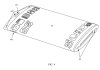
    Apple has a new patent filing just published by the USPTO today, first spotted by AppleInsider, which details a wraparound-style AMOLED display that could make it possible to create an iPhone that’s almost entirely screen, with touch gestures and virtual buttons replacing physical ones completely. The patent describes designs that could have a seamless, continuous surface resembling the fourth generation iPod nano, as well as other shapes closer to the current iPhone, but with every surface a touch-sensitive glass display.

    The patent is a fairly comprehensive one, and even mentions built-in facial recognition as well as a method of layering flexible, see-through displays on top of one another in order to produce different visual effects, including the appearance of 3D. The glass used to encase the display is described as either seamless, or featuring small design elements to hide where one piece joins another. One major advantage is that glass is relatively radio transparent, which is why the current generation iPhone 5 has top and bottom glass “window” panels on the backside of its casing, and another, says Apple in the filing, is the aesthetic advantage.

    Apple suggests a number of different device designs representing different geometric shapes that could be used with an all-encompassing external glass display, but even more interesting, in some it talks about removable end caps that could allow more than one device to be joined together. Like Voltron, when combined these iPhones or iOS mobile devices would become greater than the sum of their parts.

    Another neat trick is the way in which the proposed device would recognize what touch to treat as important, and which to ignore, since the entire phone is essentially one big touchscreen. Apple describes a way of detecting how a user is actually handling the device to solve that problem, using on-board cameras and facial recognition to figure out where to display content, and where to register touch.

    The final element of the patent is a version that contains layered, transparent displays that can each show different content, or layers of a single image to achieve 3D effects. It could also be used to place a HUD or additional information on top of another image, essentially building a second-screen or augmented reality experience into a single device.

    This is one of the more exciting Apple patents that has surfaced lately, as it demonstrates essentially a completely re-imagined next-generation iOS smartphone. But the technology is probably still a ways off from being economically practical, and the battery demands of a completely wraparound display would also likely be astronomical. So while I wouldn’t expect this in iPhone 6 (or even 7), it’s a good look at how the company is thinking about innovation behind the scenes.

  • Google Glass Will Be Made In The U.S.A., Report Claims, At An Assembly Facility In Santa Clara

    google glass

    Google Glass, the advanced head-mounted computing project the company is gearing up for a possible launch later this year, will be assembled in the U.S., according to a new report from the Financial Times today. The assembly will take place in a facility located in Santa Clara and managed by partner Hon Hai Precision, also known as Foxconn.

    Google is building the first run of its ambitious close to home so that it can be close to the action in order to tweak the process and easily add last-minute fixes into the mix, the FT’s unnamed sources say. Assembly will take place in the U.S., but will use components supplied mostly by partners in Asia. Google has a rather checkered history when it comes to making gadgets close to home, however: its Nexus Q media streaming device was originally touted for its U.S.-based manufacturing, but the project was ultimately shelved without official explanation after it baffled early reviewers.

    As of today, Google is notifying the winners of its #IfIHadGlass competition for early access to Project Glass devices, which will give 8,000 lucky people the opportunity to pay Google $1,500 for the device months before it launches to the general public. Production for those devices is said to be ramping up “in the coming weeks” according to the new report, at the facility located near Google’s Silicon Valley headquarters.

    The effort to manufacture Glass at home likely has a lot to do with quality control for a product that for now will have an extremely high price tag and an extremely low unit count. But Foxconn has in the recent past talked about plans to expand its U.S. operations, and Apple got a specific callout during this year’s State of the Union address for bringing some Mac production back to U.S. shores, so this could be about more than just wanting to make sure the first production runs go very smoothly.

    We’ve reached out to Google for confirmation or additional comment, and will update if they provide a response.

  • OUYA Could Become Emulation Destination With New Projects Covering Game Boy, Genesis, NeoGeo And More

    ouya-emu

    OUYA is coming soon (tomorrow is the planned ship date for the earliest Kickstarter backers), and recent reports of emulators of classic gaming consoles made for the Android device are generating some buzz. Today, emulator developer Robert Broglia, who’s responsible for some of the most popular Android emulators including Snes9x EX+, has revealed to OUYAForum that he’s working on emulators for Game Boy Advance, Sega Genesis, NeoGeo and more.

    Snes9x EX+ is the first he’s hoping to release, with a test APK (Android file package) due soon, though he says he won’t have his own OUYA to test out the emulators before April, since he pre-ordered the console only after it finished its Kickstarter run. Broglia plans to port versions of most of his Android-based game console emulators, however, including ones for TurboGrafx-16, Atari, Sega Saturn and ColecoVision, in addition to those mentioned above.

    Broglia charges for the emulators he offers on Android, but OUYA has its rules about content that stipulate content must have at least some kind of free-to-play or free-to-try. Also on tap are an x86 PC emulator that will allow use of classic DOS gaming software on the OUYA, as well as a Commodore 64 emulator, both from separate developers. In other words, the OUYA is set to become a nostalgia machine for gamers who grew up in the 80s and 90s.

    Already one OUYA emulation project has been approved for inclusion in the official marketplace, but when I contacted OUYA directly to learn about whether or not they have an official stance on emulation, I received no response. As mentioned, the Google PLay store has emulation apps available, and developers have commented in the past about how open the marketplace is for the upcoming Android console.

    Past devices have built their entire existence around game emulation, including the GP2K Wiz and Canoo from South Korea’s GamePark holdings. OUYA’s focus is much broader, but as a simple, living-room based way to bring games of old back to people’s televisions (even if the method of doing so isn’t strictly legal), it could hold significant appeal to niche audience above and beyond its other merits.

    Update: OUYA got back to us with the following regarding its official position on emulation:

    OUYA will accept emulators as long as they adhere to our content guidelines and are not submitted with any games.

  • MakerBot To Enable Gamers To 3D-Print Their Own OUYA Android Console Cases

    _MG_0758

    MakerBot and OUYA announced a partnership today that will allow gamers to print their own OUYA game console cases at home. The partnership will see OUYA create 3D design files for Thingiverse.com, MakerBot’s 3D printing design repository, which are designed to be used with the MakerBot Replicator 2 Desktop 3D printer.

    The OUYA Game Console Enclosure design created by MakerBot allows OUYA console owners to print their own case, which includes a lid and a spring-loaded button for housing the hardware. They can also be printed on the MakerBot Replicator 2X Experimental 3D printer for those who want to use ABS instead of PLA to print their designs.

    It’s a move that brings an advanced level of customization to the OUYA, which is already based on an open-sourced development kit, which, while it limits developers in some ways, allows for a wide range of flexibility. The addition of home 3D-printable hardware elements makes for yet more personalization options, and could make for additional opportunities for game creators to develop case mod tie-ins for their titles.

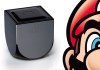
    MakerBot says on its website for the OUYA console kit design that it can be opened with a user’s own 3D printing software to make modifications and additional customizations, so we could see much more than the standard Yves Behar-sourced cube with a rounded edge at the bottom.

  • Qualcomm’s Got The Cash And The Market Share, But All It Really Wants Is To Be Noticed

    qualcomm-dragon

    Poor little Qualcomm: $100 billion in market cap but nobody knows your name. At least that’s the song the company is singing in a new MIT Technology Review article today, which features Qualcomm Chief Marketing Officer Anand Chandrasekher basically begging for attention. Qualcomm is the Intel of the mobile world, after all, but without garish stickers on every PC, a two-word catchy slogan and mascots in brightly colored cleanroom suits, it doesn’t enjoy the same level of public recognition.

    A multibillion dollar company whining about average people not paying it enough attention may seem the pinnacle of first-world problems, but Qualcomm has legitimate business reasons to be concerned about its profile. The fact is that brand recognition translates to consumer influence, which in turn means bargaining power when Qualcomm goes to sell its processors to OEMs. It sounds stupid and greedy, but in fact, it’s smart and greedy.

    The good news for those of us watching as Qualcomm tries to emerge from the shadows and into the light is that the company seems ready to do embarrassing, amazing, splashy stupid things in order to raise its public profile. The company’s keynote at this year’s CES show in Las Vegas is a perfect example, which centered on the laughable “Born Mobile” slogan, as introduced by one of the worst on-stage attempts at play-acting in trade show history (Samsung’s Galaxy S4 show wasn’t at a trade show, so it doesn’t technically count). The Verge’s supercut accurately captures the Qualcomm CES madness in a two-and-a-half-minute clip.

    And unlike Intel, which just had actors depicting engineers dress up and dance, Qualcomm is actually using engineers to try to ‘go viral.’ Last year, the company had its engineers sit down and “help brainstorm” so-called “viral video,” which resulted in gems like this surprisingly dry demonstration of phones melting butter to display heat produced by various mobile SoCs. There’s a record scratch sound effect in there, that’s how you know it’s viral.

    The problem is that no one wants to be the quiet technology partner anymore, and for good reason: in consumer tech, operating behind-the-scenes is less lucrative than selling to consumers. Qualcomm is amping up its PR and marketing efforts to try to elbow out a space in the public consciousness, complete with this dragon thing apparently designed to play on people’s love of Game of Thrones, but its approach still seems a little half-baked. As far as media campaigns go, however, messy misfires are almost always more entertaining to watch than uncontested successes, so Qualcomm could get its wish, albeit in a roundabout way.

  • Apple Appears In Court In China To Defend Against Siri Patent Infringement Claim

    siri_icon_lg

    Apple is in court again in China, defending another of its products from attack based on pre-existing claims from a Chinese company. This time around it’s Siri, Apple’s virtual assistant, that has landed it in Chinese legal trouble, after last year another company took issue with the iPad trademark resulting in a $60 million settlement deal.

    The claim this time is from Zhizhen Technology Co., a Shanghai company that holds a patent for voice recognition software for its “Xiao i Robot,” software that was originally patented back in 2004. Siri, Inc. was founded in 2007, after being spun out of SRI International and before being acquired by Apple in 2010. Zhizhen first filed suit back in July last year, at which time this video supposedly demonstrating a version of Xiao i Robot in action on a Lenovo device surfaced.

    Xiao i Robot can be installed on smart TVs, and is employed by countries around the world in customer service functions, according to an article from Shanghai Daily published back in June 2012. The tech has apparently been used by 360buy.com, as well as the Chinese government and a number of other enterprise customers.

    Zhizhen told says it will ask Apple to “stop manufacturing and selling products using its patent rights, once Apple’s infringement is confirmed,” one of its lawyers told the AFP. Should it be successful, it may also seek compensation down the road for any damage done by Siri to its financials to date. Apple had asked for the case to be dropped, and was rejected in that effort, the lawyer said. Today’s hearing paves the way for a full trial beginning in July 2013.

    Recently, Apple has fallen under attack by Chinese media for customer service and return policy complaints. The company has responded on its official website to respond to some of these attacks, but analysts suggest this could be part of an effort to encourage more consumption of home-grown tech solutions by Chinese consumers. China also recently partnered with Ubuntu creator Canonical to develop a China-specific open source operating system that seems in part designed to wean its IT sector off of foreign-developed software tools.

  • Boxee TV Update Adds Vudu 3D Content And DLNA Streaming From Computers And Mobile Devices

    BoxeeTV-straight

    Boxee TV has a new firmware update making its way out to its connected set-top boxes this week, which includes a number of big improvements including the addition of DLNA streaming. Spotted by GigaOM, the update also adds 3D streaming of content from Vudu, the video streaming service from Walmart, and changes to its TV guide and notification settings.

    Boxee TV is the follow-up to Boxee’s original hardware, the Boxee Box. That first-gen device actually had DLNA streaming while the Boxee TV shipped without it. The addition of DLNA means that the Boxee TV can now playback media over a local network from a computer or drive running DLNA server software, and can also play content from select Android devices and from a number of iOS apps. Photos, video and music can all be shared via the DLNA streaming protocol. It’s like a non-Apple-specific version of AirPlay, and it’s a very handy addition to Boxee TV that considerably increases its general usefulness.

    The Boxee TV also now gets on-device DVR management, which is a big improvement over the old system where you can to schedule recordings via a website on a separate computer. In other words, this whole update seems to have been about ironing out the kinks and making sure the Boxee TV fully delivered on the generally good impressions it received when it launched late last year.

    If you’re in the market for a set-top streaming device, the update makes Boxee TV a good option for consumers who might be looking at either an Apple TV or the new Roku 3, but who want a DLNA-capable device to handle streaming of their own media collection. Like both of those devices, the Boxee TV retails for $99.

  • Add Bluetooth To Any Speaker With The Vamp, A Mobile Receiver With High-Quality Sound

    927003d37e11438e83c11575dc5b74aa_large

    The Jambox (or its many equivalents) is fine, but I much prefer the experience of visiting second-hand shops around the city in hopes of finding a tower speaker relic that smells musty but still has a richness of sound and vintage appeal. Now a new Kickstarter project wants to help make sure proper speakers (the kind with removable cloth covers built strictly for sound first and style second) can easily take advantage of Bluetooth.

    The Vamp is a little cube that has old-school positive and negative speaker cable connectors, along with 3.5mm audio input in case your device doesn’t have Bluetooth, a micro USB port for power and an on-off switch. It offers an internal rechargeable battery good for over 10 hours of use, and can be plugged in for continuous power as well. One of its most impressive tricks is a built-in magnet that pairs with a supplied metallic disc to attach to any vertical surface for convenient placement.

    The problems the Vamp addresses that other Bluetooth stereo receivers don’t include style, affordability and sound. It offers high-quality mono audio, which is intended to be used with speakers made for high-quality sound output. It’s expected to retail for £45 (and is available via Kickstarter pre-order for £35), and maybe best of all, it doesn’t require a constant external power source, unlike a lot of similar options. You could actually take it with you to a friend’s house and wire their existing setup for Bluetooth sound, without an electrical engineering degree or access to the back of their home audio receiver.


    The Vamp is created by UK-based product designer Paul Cocksedge, who has worked on products for BMW, Swarovski, Sony and Hermes. Some of his past work is exhibited in the Museum of Modern Art in London. Cocksedge and his studio have worked on sound amplification projects in the past, include gadgets that naturally enhance sound from mobile devices like iPhones. The Vamp looks to be their first proper electronic device, but working prototypes have already found favor with early reviewers.

    The Vamp claims to have sound quality that’s “richer and more textured” than the standard Bluetooth portable speaker available, and it looks to go quite a bit louder as well. Quality concerns aside, it’s a nice, relatively inexpensive way to upcycle speakers that in many cases have only gotten better with age, and are being rudely pushed out by younger models.