Author: Darrell Etherington

  • Wacom Unveils The Cintiq 13HD, A Compact Drawing Tablet/Display Combo With Full HD For $999

    Cintiq 13HD Left View

    Wacom’s Cintiq line of drawing tablets is the cream of the crop when it comes to digital graphics editing and creation, and the 12WX long reigned as an impressive entry-level option for those with limited budgets and/or available work space. But the 12WX is over five years old, and both display and drawing tablet tech has advanced, which is why it’s excellent news that Wacom is introducing the all-new Cintiq 13HD today.

    The 13HD has more in common with the recently-launched and larger 22HD and 24HD tablets than the outgoing 12WX; it features 2048 levels of pressure sensitivity on its 1920×1080 HD LED 13-inch display, versus just 1024 on the 12WX, which had a maximum resolution of 1280×800. The 13HD crams as many pixels as the 22HD boasts into a screen that’s 40 percent smaller, resulting in a much higher pixel density for crisper text and image rendering.

    The Cintiq 13HD also comes with an integrated stand, which locks in at four viewing angles, including flat, 22 degrees, 35 degrees and 50 degrees, and can be used on either a hard flat surface like a desk or your lap. It’s the only Cintiq that’s really lap-appropriate, in fact, so if you’re looking for something with relative portability this is the way to go.

    Wacom will begin selling the Cintiq 13HD direct from its own online store and through select partners at the beginning of April, and it will retail for $999.95. That might sound like a lot to pay for a drawing tablet that still requires either a Mac or PC to work, but it’s a bargain compared to the $2,000 you’ll pay for the next-level-up 22HD. I owned the 12WX myself, and was a huge fan, so I can’t wait to get one of these in for testing closer to launch.

    Remember that Wacom has also teased a standalone drawing tablet to be unveiled later this year, so combined with this 13HD release, which has been hotly anticipated in the digital arts community, the company is shaping up to have a very big year indeed.


  • iPhone Still Ranks Far Above Samsung Galaxy Line In Mobile Ads, Says Velti

    Screen Shot 2013-03-18 at 4.23.55 PM

    A lot of headlines have focused on the new Galaxy S4 as a potential iPhone challenger in terms of hype and mindshare, but mobile ad firm Velti offers a different perspective in its February summary of global exchange data from its network. The company still sees iOS and iPhone dominating among mobile advertisers, despite the rising tide of Android devices.

    Velti saw that 8 of 10 devices on its global ad exchange were iOS-based, including the iPhone 5, iPhone 4S and iPhone 4. Samsung managed to take two of the top 10 spots, but placed relatively low on the list with the Galaxy SII and Galaxy SIII at 7 and 10 respectively. The Galaxy SII is the only one to crack the top five in any region, coming in fifth overall in Europe, and while in general older phones ruled (there’s generally bound to more of them active out there), the iPhone managed to already crack the top 3 in Asia. That’s good news for Apple, which is focusing more attention on that region with recent launches.

    Apple’s iPhone and iPod devices ruled overall with a 38.1 percent share of Velti ad impressions, with the various iPad models making up 17.2 percent. By comparison, all Galaxy devices together only managed less than 5 percent of ad traffic in February. iOS ads were also better performing in terms of effective cost per thousand (ePCM), garnering 20 percent more than their Android counterparts. That’s in spite of a higher click through rate on Android: ads on Google’s mobile platform earned around 50 percent more clicks than those on Apple’s.

    Taking tablets on their own, there isn’t even remotely any competition for iOS. Android tablets as a whole account for only 0.7 percent, according to Velti, with the iPad making up 97.5 percent, with its share mostly shifting from standard iPads to iPad minis between January and February of 2013.

    Overall, the picture on the advertiser side doesn’t look to be changing very much at all, despite Android growth in worldwide sales. iOS actually gained share between January and February according to Velti, though only a very small 0.3 percent, but the firm said that iOS has earned more than 60 percent of advertiser demand for the past six months running.

    Samsung’s Galaxy S4 will be watched for a number of reasons, but it may be most interesting to see if it can help sway the needle with mobile advertisers. He who controls the spice controls the universe, after all, which in this case means that Apple’s domination of the mobile ad world definitely give it a leg up among developers and media content providers.

  • YC-Backed CircuitLab Has 70K Monthly Users For Its Browser-Based Electronics Design And Simulation Tool

    circuitlab_logo_pos

    CircuitLab is coming up on its one year anniversary, and the startup (now part of Y Combinator’s winter 2013 cohort) now boasts 70,000 monthly active users, who run an average of one circuit simulation every six seconds. The phenomenal traction for the electrical-engineering-focused startup has a lot to do with the team offering up a tool that’s both free and particularly well-suited to educational use, and it bodes well for CircuitLab’s chances of helping early stage hardware startups get off the ground.

    For CircuitLab, it’s all about taking up a place of primacy at the very outset of the electronics design chain. To that end, co-founders Mike Robbins and Humberto Evans designed CircuitLab to be a web app where electrical design engineers could draw and simulate a circuit without reading a single manual, and without using complicated, expensive legacy desktop software that was completely one-sided. CircuitLab makes it so that engineers can work together on simulations that are accessible via any browser, getting away from the existing practices in place around tools like PSpice, Multisim and LTSpice.

    The open nature of the CircuitLab tool has helped it gain lots of early traction with academics and institutions, since it’s a free, accessible standard platform that teachers can use to help electrical engineering students get simulating without delay, and without having to worry about compatibility or platform lock-in. In a phone interview, Evans and Robbins said that they’ve reached out specifically to spread the word among educational faculty, but that they also often hear about the product being picked up in classes based on the recommendations of students.

    “Our bigger user base so far has been in academic institutions, and we’re certainly replacing some of the desktop software that gets used in those programs,” Robbins explained. “The most direct problem we’re solving for them is that half of their students now come in using Macs, and the existing tools are ll Windows-only or even weirder software than that, and we’re hearing from Professors they could not support their classroom because everyone’s using different software.”

    Getting students on board as a sizeable early user group is obviously a good thing: the current electrical engineering majors will go on to be the working engineers in half a decade, meaning there will be a generation of professionals whelped on CircuitLab and ready to act as evangelists. But in general Robbins adds that CircuitLab is seeing good use in a number of other scenarios, too, often with small pieces of a product that are simulated separately from the larger whole, like a power supply vs. an entire board. Robbins says that’s a “useful place” for CircuitLab to be, likely because it’s so broadly applicable.

    CircuitLab has just nailed down a couple of key partnerships with Electronics.StackExchange.com, where it acts as the embedded schematic design and simulation tool, and with the publisher of EE Times and EDN, which is the industry leader when it comes to professional electronics publications. That, combined with the backing and support of YC, put it in a very good place.

    Others like Upverter are out there operating in similar territory, but Evans and Robbins say that CircuitLab is targeting an earlier stage of the process overall, and they argue there’s still plenty of room for lots of competitive and complementary players in this space. Given that many of the dominant tools already out there are old and have changed little in the past ten to twenty years, they’re likely right, and their strong early traction backs that up.

  • Minuum Turns To Indiegogo To Fund A New Mobile Software Keyboard For Smartphones And Beyond

    WHIRLSCAPE INC. - New Mobile Keyboard Minuum

    Toronto-based startup Whirlscape believes that taking a keyboard originally designed for a typewriter, turning it digital and calling it a day is the wrong way to go about making the best possible smartphone text entry experience. That’s why the young company from a team of University of Toronto faculty and researchers created Minuum, a new kind of virtual keyboard that it’s now looking to fund via Indiegogo.

    Minuum does away with the traditional three rows of letters and space bar layout of a standard QWERTY keyboard, replacing that with a single line of letters and predictive typing algorithms that help reclaim a huge percentage of usable screen real estate, while supposedly retaining precision entry capabilities. It’s designed to keep the QWERTY order mostly in place to ease the transition from standard software keyboards, but also includes powerful auto-correction algorithms to make sure you can be pretty sloppy with text entry and still get a usable result. Think something like Fleksy, but with a very different approach.

    Part of that difference is Minuum’s ability to extend its innovative typing model to hardware devices beyond just smartphones and tablets. The company is planning an Android app as well as an iOS SDK for developers who want to use it in their own apps, but there’s also plenty of opportunity for Minuum to type practically anywhere. In the demo video, we see the project creators showing it working via camera capture tech like that used in the Microsoft Kinect or Google Glass, with just a hastily scrawled keyboard written in pen on the tester’s arm. It could also work with hardware designed to detect fine motor movement like the forthcoming MYO armband.

    “All of the different kinds of techniques people have been working on are really focused on touch screens, and everyone is starting to build swipe into their different kinds of keyboards,” Whirlscape co-founder and CEO Will Walmsley explained in an interview. “I think the future of small devices is not going to be limited to touchscreen things. Given that we have devices that are as smart as they are, thinking beyond the touchscreen just makes a lot of sense.”

    First, however, Whirlscape will be focusing on making its prototype iOS and Android software ready to ship by the start of 2014 (public betas arriving later this year), with a hardware SDK to follow sometime after that. Whirlscape has some seed funding already from UTEST, the University of Toronto’s early stage accelerator program, and MaRS Innovation, but believes crowdfunding is the best course of action to generate buzz while gearing up for public launch. Walmsley explained that Indiegogo helps it build a direct relationship with users, as well as create a pool of early adopters from which to draw testers for the initial private beta.

    Ultimately, Walmsley says that the goal is to work direct with OEMs to get Minuum in front of as many users as possible. If it can deliver on its promise of flexibility and cross-platform functionality, it should have no problem attracting suitors once it launches.

  • Google Nexus 5 Could Have Nikon Camera Tech On Board, Report Claims

    n4-8mp

    Google’s next reference smartphone is the subject of many rumors over the past few days, but only one stands out as not too outlandish. Phonearena reports that according to a source, the next Nexus could have Nikon camera technology on board, with a “triple sensor” array. The camera is being referred to as the “selling point” of the Nexus 5, the source claims.

    The tipster in this case also cites more reasonable specs for the Nexus 5, including a 5-inch display capable of 1080p output, a Snapdragon 600 processor, 2GB of RAM and 8/16GB storage options. There’s also a beefy 3140 mAh battery on board, which should outlast the current device depending on the power requirements of the display. These refute an earlier claim from AndroidandMe about a super-powered 5.2-inch LG device being next in line for the Nexus name, with a bizarre 3GB of RAM supposedly on board.

    By contrast, the more recent Nexus 5 spec report makes much more sense in the context of how Google has iterated its flagship Android device in the past. And the Nikon camera tech also echoes an earlier statement from Google’s Vic Gundotra, who said on Google+ last month that Google is specifically “committed to making Nexus phones insanely great cameras,” teasing that consumers need only “wait and see” to realize the truth of that statement.

    The one sour note on the otherwise impressive Nexus 4 from Google released last fall is the camera; reviewers mostly seem to rate it either adequate or sub-par compared to cameras in devices like the iPhone or Android handsets from other OEMs. Accordingly, it makes sense that Google would focus attention on improving the camera in the next Nexus, since that would provide good upgrade incentive for those following the brand, and also help Google better show off Android’s built-in camera features, which is one of the primary purposes of its line of Nexus reference hardware.

    Google and Nikon have worked together in the past, including on the Nikon Coolpix S800c, which features an Android-based firmware. Google also acquired Nik software last year, makers of Snapseed, and a company Nikon had previously made a sizable investment in.

    The sensor of the new camera will reportedly be a three-sensor affair, which sounds like it could resemble the tech used in HTC’s Ultrapixel or Sigma’s Foveon X3 sensors, by combining three sensor layers, each with a smaller megapixel count, to create a single higher resolution image with better color rendering and light capture. This is still very much a rumor, but it’s an interesting one and definitely seems to be in line with Google’s apparent goals for the Nexus line.

  • Apple’s Low-Cost iPhone Reportedly Getting The Same 4-Inch Display As iPhone 5, ‘Super-Thin’ Plastic Case

    iphone-family

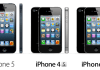
    The low-cost iPhone of fable got a little more material with some reports from KGI Securities analyst Ming-Chi Kuo. Before you balk at reports from an “analyst,” note that Kuo has been spot on a number of times in the past, including when he predicted the iPhone 4S release timeline and changes, the launch of the original white iPhone 4, and the iPad 2, among others. Kuo has discussed Apple’s 2013 roadmap in the past, and now he’s telling AppleInsider that a low-cost iPhone will have a 4-inch screen like the iPhone 5.

    Other details about the new device shared by Kuo include a “super-thin plastic casing mixed with glass fiber.” The hybrid material is designed to increase the case’s overall durability, while also saving weight and making for a thinner overall design. Kuo also adds that there will be multiple color options for the low-cost iPhone, along the lines of the recent iPod touch update from last fall.

    The new report from Kuo is designed to counter information from notoriously hit-or-miss source Digitimes released earlier in the week, which claimed a larger 5-inch display on the budget iPhone, with manufacturing shifting to suppliers other than Foxconn. Neither claim is true, according to Kuo’s information.

    Apple has been cautious about entering the low-cost market in the past, repeatedly saying that it won’t compromise device experience in order to hit a certain price target. But recently, the value of a low-cost iPhone in the Apple stable (which can be made available cheaply to pre-paid customers in markets like India where subsidies aren’t an option) has become apparent. Apple could add $11 billion to its annual revenue with a low-cost device, one analyst estimated this week, and it would help considerably with acquiring additional market share in markets where Android is currently having lots of success.

    Offering last year’s model as a cheaper option has been Apple’s strategy of choice in the past, but if it introduces a dedicated low-cost line, the advantages could be considerable. Based on these reports from Kuo and others, the company is looking to dramatically decrease physical material costs, which are relatively stable compared to the cost of processor and flash memory components, and tooling/factory setup, which decrease as a production process matures. That could result in big changes to the way Apple sells in prepaid and emerging markets, which is exactly what it needs to kickstart more explosive growth.

  • The Samsung Galaxy S 4 And Its De-Googling Of Android Suggests We Might See A Split

    img_white_origin_08

    Samsung did something fairly surprising given that it included the most recent version of Android, 4.2.2, on its brand new Galaxy S 4 smartphone: it didn’t talk about that much at all last night at the special launch event. Maybe the company was too busy trying to cram as many song and dance numbers into the show as possible, but maybe that’s because Samsung will soon take what it needs from Android and go its own way.

    Which isn’t to say it would get rid of Android altogether – just that it might choose to follow Amazon’s example and build a version of Android that’s virtually unrecognizable on the surface from the Google mobile OS that will be running on the vast majority of other OEM handsets. The more control Samsung has over the OS running on its devices, the greater its take of revenue resulting from software and media use, and the better it can solidify its position at the top of the global smartphone market.

    More than any other Android device manufacturer, Samsung made a point with its latest generation of flagship device to outline software features that help it stand apart: Dual-Shot, Sound Shot, Drama Shot, Air Gesture, Air View, S-Travel, S-Health, S-Voice, S-Translator, S-Voice Drive Knox, Smart Scroll, Smart Pause, Group Play, etc. The list of features that were Samsung-specific was long, and many of those actually included services that can be considered alternatives to Google’s own offerings: S-Voice and S-Translator can do a lot of what Google’s own software offerings can provide, for example, and use Nuance tech, not Google’s, to get it done.

    Even leaving the major software service announcements aside, small things like the new Bluetooth controller and ability for S-Health to plug into third-party devices signal a desire to start attracting more content to Samsung’s own OEM-specific ecosystem.

    Samsung also offers its own Samsung Apps for delivering software specific to its devices, and has signed on Swiftkey to provide its software keyboard, another way to differentiate itself from those using stock or skinned Android input mechanisms. Samsung Apps itself isn’t new, but a key effort from the Korean company to attract more developers to that platform is aiming to make it more of a destination for developers and consumers. Samsung announced a campaign in February to sign on indie developers to Samsung Apps, offering 100 percent of all revenue from software sold there to developers.

    That’s a big incentive over the standard revenue split of 70/30 in the Google Play marketplace, and one made even more attractive by the fact that even if developers target only Samsung devices, at this point they’re still reaching the vast majority of Android smartphone users worldwide. Likewise, Samsung should be able to use its market advantage to add even more content to its own dedicated media marketplaces (including the music store powered by 7digital), which could get a boost in terms of consumer interest from the new Group Play collaborative media sharing feature introduced for the Galaxy S 4.

    Amazon had it backwards: it started off trying to stake out its own territory apart from Google’s own Android encampment. Samsung instead is taking what it needs from Android and slowly building up reserves to strike out on its own. It still has a ways to go before it gets there (Play is still just a far better ecosystem than Samsung’s own media and software stores), but eventually the chance to strike off on its own and own a more direct relationship with customers by forking Android development could be just too tempting the next time a new flagship update rolls around.

  • Samsung Debuts S View Cover For Galaxy S 4 With Integrated Display Window

    sviewcover

    Samsung didn’t just unveil a new flagship smartphone today: it also introduced a cover accessory for that device with unique features. The S View cover has an integrated pass-through window for the main display, which can provide at-a-glance access to basic info like call display, SMS, current battery status and the time. It’s actually reminiscent of an old feature phone throwback, like the small displays built into flip phones once upon a time.

    The idea is to keep the phone’s screen protected while also giving access to vital information, and it’s a rather nice execution. Maybe not as nice as the YotaPhone, which offers an e-ink display on the back that takes much less power than the main screen when activated  which has a battery-saving feature, too.

  • Samsung Galaxy S IV Gets Picked Over Before The ‘Unpacked’ Event In Exhaustive Review

    293d1962bc3f1f68

    Times Square is where Samsung is gearing up to unveil the Galaxy S IV tonight at a special press event, but the leaks won’t stop coming. The latest, from the same Chinese source that brought us videos of key features earlier today, is a long, extensive review of the supposed SGS IV hardware, laying bare all of its secrets and even going so far as to take a microscope to the new smartphone’s screen.

    The review is, as mentioned, exhaustive (and also in Chinese), but there are some key elements worth drawing specific attention to. In the disappointing column, that metal-look border surrounding the phone does indeed appear to be plastic upon closer prodding. On the good side, it looks like the plastic backing for the device actually doesn’t feel like plastic, according to the reviewers, thanks to micro-perforations in the surface.

    Taking the scope to the screen reveals improvements to the sub-pixel arrangement which help increase density and maximize the rendering of deep blacks, with changes that also help it improve its ability to render fine detail. The screen is reportedly better able to render images clearly, making it impossible to discern pixels with the reviewer’s naked eye. The camera also looks improved, in side-by-side comparisons with the iPhone 5, though the reviewer says accurate color rendering isn’t up to par with Apple’s smartphone.

    The Samsung Galaxy S IV tested in the leaked review had an eight-core Samsung Exynos Octa processor on board (the one rumored for the international version, which makes sense), which led to it blowing away the competition in AnTuTu benchmarking tests. Users definitely won’t be disappointed by the GSIV’s performance if these leaks prove legit.

    The review notes that Samsung has focused a lot on adding and refining screen transition animations and tap action effects, which are likely made possible by the big bump in processing power. It also supposedly has Smart Scrolling, Smart Pause, and Smart Rotation features onboard, which is in keeping with earlier reports about Samsung enabling eye-tracking interaction on the handset.

    The leak may disappoint some who were hoping for more surprises later tonight, but Samsung likely isn’t too concerned: this phone will sell well, regardless of how much it has to demo to the press tonight has been publicized beforehand. Check out the full review at it168.com for all the poorly translated spoilers your heart could desire, and then follow along with our live coverage to get the full scoop.

  • Check It Out Lifeloggers: First Memoto Camera Prototype Photos Show Impressive Image Quality

    img_130307_111318_grande

    The Memoto is a tiny camera that you wear which takes a photo every 30 seconds and automatically uploads it to an online service. It’s a dedicated lifelogger’s dream, if there is such a being out there. Now, the Kickstarter-funded gadget has shown off its first official photos in a blog post and companion gallery posted today.

    The pictures from Memoto are taken from a working Memoto prototype, and they haven’t been touched with post-processing software, the company notes. It also promises to tweak color saturation (to increase it, which is what the kids these days like in their fancy smartphone pics), and the exposure will also get some changes to account for darker lighting environments. Memoto also plans to refine sharpness and compression before the Memoto ships.


    From what they’ve provided, I’d say the Memoto team is being overly hard on itself: these pics compare favorably to a lot of smartphone cameras out there, even if they’re slightly smaller in terms of resolution than most at five megapixels. Considering you’ll have 2,880 images over the course of a full 24 hours if you stick with the Memoto’s default setting of one pic snapped every 30 seconds, it’s probably for the best that these are 5 megapixel (which is more than sufficient for web resolution).

    To recap for those who didn’t get in on the Kickstarter campaign, the Memoto is just 36x36x9mm, and features GPS on board to log the location of photos. Once you plug it into a computer, it connects to the Memoto service and uploads the photos. It also has a built-in accelerometer to help it properly orient photos no matter what the angle, and it has room on board for 4,000 pictures. Apps for iPhone and Android let you view your cloud-stored photos wherever you are.

    Memoto could make or break itself based on image quality, and these first photos from a production prototype are promising in that regard. The company unfortunately won’t make its initial projected ship date of March, but hopes to begin mass production in April. Hopefully those hardcore lifeloggers out there can somehow manage for an extra month without documenting their every waking moment.

  • Galaxy S IV Now Leakiest Launch Ever, As Videos Of SmartPause And Floating Touch Features Surface

    galaxy s iv leak video

    Samsung will unveil the Galaxy S IV today at its event this evening at 7 PM ET in New York, but the cat is pretty much out of the bag at this point, and new videos have surfaced (via SammyHub) to try to spoil any remaining surprise. The Galaxy S IV videos depicts Floating Touch, SmartPause, the new unlock screen and the GSIV’s new web browsing experience.

    Floating Touch works essentially like its name would suggest, allowing a user to get tooltips and other information by hovering a finger over the surface of the screen, rather than with direct touch input. In the video, it’s shown being used to bring up image previews, for example, without opening the image completely. Looks like it’ll take some getting used to, but we’ll wait until hands-on time to pass judgement.

    With the Internet browsing experience, Samsung looks to have incorporated not head tracking features, but full hand gestures. The person using the phone in the video is seen using his hand to scroll the page he’s viewing up and down, and also to navigate back and forward in the browser. It looks pretty cool, but again there’s some question about how useful it’ll be in everyday applications.

    The SmartPause feature looks like it could be all of what actually launches with the Galaxy S IV that constitutes so-called “eye tracking,” according to a Bloomberg report yesterday. Still, it looks impressive. Essentially, it can pause a video when a user turns away, which is useful if you’re watching something on your mobile device and get interrupted by a pesky coworker asking you to actually do something related to your “job.”

    Finally, there’s the new unlock screen. Not much to say about this one, except that it appears to have Tinkerbell-style sparkle effects for tapping, and it unlocks with a swipe gesture.

    Samsung had better have some things it kept extra close to the chest at this upcoming event tonight, or else it’ll face the wrath of a thousand tech bloggers who feel ‘disappointed’ because they weren’t surprised by anything. Still, some of these features could go over very big with developers, depending on whether third-parties can access and use these features: hand gestures and Floating Touch in particular might be very useful for game and app makers looking to add some secret sauce to their Google mobile software  offerings for Samsung device owners.

  • Apple Adds Built-In VESA Mount Adapter Option To iMacs For $40

    Screen Shot 2013-03-14 at 7.50.40 AM

    Apple quietly updated its iMac options to include versions with a built-in VESA mount adapter today (via AppleInsider), available on both 21.5-inch and 27-inch models for a $40 additional fee. The option will come as a relief to users who were saddened by the lack of any VESA-mounting option on the new iMac design.

    The VESA Mount variety of iMac is a separate line from the standard version, so buyers will have to choose at the outset whether they want VESA or stand-mounted all-in-one computers. The VESA mount version includes just the iMac itself, with stand and wall mount hardware sold separately, along with the power cord, wireless keyboard and wireless Magic Mouse included with the standard versions of the iMac.

    To get the VESA Mount iMacs, you have to hunt a bit: there’s a link under the standard configuration options in the iMac section of the store. As mentioned, they carry a $40 premium over their non-VESA counterparts, but offer the same customization and upgrade options. Shipping estimates currently stand at 7-10 days for the new variety of iMacs.

    When I reviewed Apple’s newest iMac, which features a dramatically thinner design, the lack of a VESA mounting option was the one thing that I regretted Apple getting rid of in the newer models. Apple said in earlier communications with a customer that it was taking customer feedback “into consideration” for customers who were disappointed about the lack of any kind of VESA mounting option, and it looks like the company was good to its word.

    Apple offers buyers of the new Macs the option to buy one of two desktop mounting solutions available direct from the Apple Store at check out. Both are from Bretford, and one carries an additional mount arm that allows you to place a MacBook or mount a second display/iMac on the same stand. The mounting hardware built-in to the iMacs will work with any third-party mounts, of course.

    Apple has actually improved things for those seeking a VESA mount versus previous generations, since it now offers the smaller 21.5-inch model in a VESA-compatible configuration, which it hadn’t before. True, it’d be nice if you still had the built-in stand option, too, but I’m sure third-parties will design accessories for those looking for a stand option pretty quickly.

  • Apple Patents Induction Charging Smart Covers For iPad And A Mobile Camera With Optical Zoom

    induction-smart-cover

    Apple has a couple of new interesting glimpses into possible new future tech published by the USPTO today, including a patent application for an iPad Smart Cover with a built-in battery and induction charging, and a mobile camera design that offers true optical zoom, instead of the low-quality digital zoom we’re all used to in current devices.

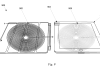
    The induction charging patent application (via AppleInsider) makes the Smart Cover about a thousand times more useful than it is in its current form. It adds an inductive charging coil to the Smart Cover, which can transmit to a receiving end within the iPad itself. The Smart Cover would also contain a battery within its segmented padded divisions, which would make it possible to charge up the iPad when the Smart Cover is covering the iPad’s screen and lined up properly via the existing built-in magnets, or when folded behind the iPad to prop it up for viewing.

    The Smart Cover itself would need to be plugged in to charge, or alternatively could be fitted with solar panels to pick up extra juice from ambient light. But the big news for the larger ecosystem would be that the iPad itself would have to be outfitted with wireless charging equipment. So long as Apple stuck with an accepted standard like Qi for that tech, it would open the door for plenty of new opportunities from third-party accessory makers: you can basically taste the fresh batch of new Kickstarter projects.

    In a second application published today (via UnwiredView), Apple describes a new type of digital camera for inclusion in mobile devices, which would enable optical zooming in a module that’s still small enough to fit inside of an iPhone 5′s case. Basically, the camera would bounce incoming light off of an internal mirror at a 90-degree angle, meaning it could use the entire width of the phone to build a lens and optical zoom element rather than just being limited by the thickness of the device’s body from front to back.

    The patent also describes using a light splitter cube to break up incoming light into separate red, blue and green frequencies, which makes it possible to use camera sensors that are more color-accurate, and take in much more light in the same environment vs. sensors that have light-splitting features built in. Once again, this is made possible thanks to the added room for camera elements Apple would be able to use by changing the orientation of the camera components to lengthwise across the device via the mirror behind the lens on the back of the camera.

    Both of these patents are significant, because they provide avenues Apple can explore to add truly new and useful features to the iPad and iPhone. Induction charging has been rumored as a possible feature of the iPhone 5, the iPhone 5S and the iPhone 6, but so far it hasn’t come to pass. Apple generally waits on wireless tech for it to prove its value with consumers before adding it to their products, however. The camera design modification, however, is something it could easily implement ahead of anyone else, since Apple tends to focus special attention on camera improvements in the iPhone, especially when making otherwise iterative improvements (as in the leap between the iPhone 4 and 4S, for instance).

    Dramatic changes to product hardware would go a long way toward helping Apple address criticism that it’s ‘falling behind’ rivals like Samsung in the innovation department, and these in particular would be impressive by avoiding the specs race in favor of more interesting changes with real relevance to users. Still, Apple’s patents are never a good indicator of immediate product development strategies, so don’t hold your breath for these features in Apple’s next generation of devices.

  • With Q4 Earnings Two Weeks Out And Stock Dipping, BlackBerry Suddenly Announces Mystery Order Of 1M BB10 Handsets

    z10sales

    BlackBerry issued a press release today that amounts to little more than “Look! We’re selling handsets!” The four paragraph release hit the wire at 3:17 ET, and shares (which had been down on the day on the NASDAQ) shot up immediately afterwards. BlackBerry provides no details about who placed the order or why, noting only that it’s the single largest purchase order for the devices “in history.” They ended the release with a reminder that BlackBerry’s fiscal 2013 fourth quarter earnings results will be reported in two weeks time.

    From the release:

    BlackBerry® (NASDAQ:BBRY)(TSX:BB) announced today that one of its established partners has placed an order for one million BlackBerry 10 smartphones, with shipments starting immediately. This order marks the largest ever single purchase order in BlackBerry’s history.”An order for one million devices is a tremendous vote of confidence in BlackBerry 10,” said Rick Costanzo, EVP Global Sales, BlackBerry. “Consumers are ready for a new user experience, and BlackBerry 10 delivers. With strong partner support, coupled with this truly re-invented new platform, we have a powerful recipe for success.”

    So, to recap: BlackBerry says ‘Here’s a wildly sizable order we got, with no real information provided (and no timeline for the delivery of the order, either), at a crucial time for our company when stock was slumping based on a dip after an earlier surge about acquisition rumors, ahead of quarterly results which will almost certainly be disappointing because they don’t yet represent and incorporate the launch of our new platform.”

    BlackBerry told us via an emailed statement that they can’t reveal the identity of the buyer due to confidentiality agreements with the partner.

    The release itself was pretty hilarious, but the chart of what happened to stock price immediately following the news is even better:

    The jury is still out whether Blackberry is simply whistling past the graveyard here or if the nascent trend of major buyers upgrading their BB fleets (and bolstering the stock) will hold.

  • Xi3 Says While Piston May Not Be An ‘Official’ Steam Box, It Could Be Better Than One

    PISTON (01-2013)

    The Xi3 Piston opened for pre-orders on Monday, and seemed to be the first of many Steam Box type devices powered by Valve’s online gaming store and service. But Valve quickly came out and said that despite their investment in Xi3, the company has no “official involvement” in the development of the Piston itself. Now Xi3 is firing back, admitting that while it received investment and the Piston console was built as the result of a request to build a device specifically for Valve, Valve isn’t currently involved in the project.

    Xi3 says that Valve president Gabe Newell personally asked its founder and CEO Jason A. Sullivan not to disclose any info about the relationship between the two companies, and that’s just what it has done. The Piston was never an official “Steam Box,” Xi3 says, which is also what we pointed out in our article. Instead, we suggested it would be one of many devices from third-party OEMs that could fit the generic description of a PC console designed for Steam.

    The release from Xi3 also goes on to claim that the Piston can actually do one better than any official hardware, since it’s fully open to support a whole host of different gaming platforms, not just Valve’s. Xi3 also says that it’ll ship with Windows initially, since that’s where the “vast bulk of game software and computer gamers are today,” not Linux (thought it is Linux-compatible). Xi3 says this is where Valve and it have a philosophical difference, and where the Piston will be able to offer consumers more choice than any officially blessed Steam Box.

    Sullivan says in the release that pre-order demand has been very strong so far, and the company is actually concerned it won’t be able to meet holiday 2013 demand for the console. But the tone overall seems a little like that of a child whose affection was spurned: it gives the impression that Xi3 was slightly taken aback at the force with which Valve distanced itself from the Piston project.

    Whatever the situation between Xi3 and Valve, the upshot is that there will be ‘Steam boxes’ and there will be ‘Steam Boxes,’ (Official) and Valve might have trouble keeping the public educated as to which is which. And in the end you have to wonder if it matters, so long as both provide full access to Steam and its games in a console-style environment.

  • Apple Jumps To Second In Revenue In India’s Smartphone Market Says IDC, Thanks To Shifts In Distribution Model

    pocket-ios6-iphone5

    Apple has indeed managed a significant turnaround in India’s smartphone market, according to new figures out from IDC today (via CNN). The Apple smartphone grabbed 15.6 percent of India’s smartphone market by revenue  in Q4 2012, according to new data from the research firm, just behind market leading Samsung with its 38.8 percent, a significant change from the third quarter of last year, when IDC showed that Samsung had 46 percent share and Apple didn’t even crack the top five.

    The about-face from Apple comes after IDC said in early February that the Mac maker had turned on the juice with respect to sales in India, growing its share by as much as 400 percent. At the time, no specific details about Apple’s actual change in percentage were released, but today’s update indicates that growth has been impressive in absolute terms, as well as relative when it comes to revenue. Still, the company has a lot of ground to make up when it comes to actual device shipment share.

    Apple’s move up has been prompted at least in part by a major change in the way it sells the iPhone in India, by employing the help of small local retailers to distribute the device, and creating amortized payment plans that defray the significant upfront cost of buying an iPhone in India. Changing the cost/value proposition was key, since Apple’s iPhone is often much more expensive in India than it is elsewhere in the world, and actually getting it to customers proved very difficult using Apple’s previous distribution channels. The iPad mini and iPad 4 launched in India only shortly after its North American release, however, indicating Apple is trying harder to get products to that market early.

    The Apple Store itself still doesn’t have a presence in India, either in physical retail or online. Apple did launch the iTunes Store in India in December, however, which is a big step in helping make sure the device has an ecosystem, but Apple still doesn’t offer the iPhone with carrier subsidies there the way it does elsewhere in the world. Despite the challenges that remain, these IDC figures suggest it’s doing something right, though it’s worth keeping in mind that smartphone adoption in India remains low, at around just 10 percent of the population.

  • The CamBoard Pico Wants To Take On Leap Motion, Offers Full Depth Gesture Control In A Smaller Package

    pmd-camboard-pico

    Gesture control is heating up, with a host of new entries finally following Microsoft’s example with the Kinect, including Leap Motion and MYO. A German company called pmdtechnologies has also been in the space for a few years (they’ve been working on their tech for 10 years, in fact), and their latest reference design, the CamBoard pico, is a 3D depth sensor based on what pmd calls its “time-of-flight” tech to delivery extremely accurate depth measurement for gesture control of PCs.

    The CamBoard pico follows the CamBoard nano, the company’s previous reference design, and improves on pmd’s existing depth sensor by offering more accurate, touch-free gesture control. It works by offering a “3D interaction volume,” made up of a point cloud, which pmd says means it can be more accurate than Leap Motion, which just identifies points for fingertips to help it determine relative spacial distance.

    pmd offers its designs for sale to consumer electronics companies and other clients (it creates a lot of car safety and industrial robotics sensors, for instance) to help them build their own gesture sensing devices, which means the tech found in the CamBoard pico reference design could find its way to modules integrated into notebooks, into webcams, or into dedicated motion controllers from to OEM brands.

    The gesture control market is definitely picking up steam, and that means some companies like pmd which have been around for a long time but have largely served niche industries will get a chance to move more to the foreground. With something like a new mode of interaction, quality of experience is the key to stickiness, however, so both veteran and rookie players here will sink or swim based on how pleasant or frustrating using their devices proves to be.

  • Sprint To Get A ‘Version 2.0′ Of The All-Touch Z10 Later In 2013, Reports Claim

    z10-6

    It was something of a black eye for BlackBerry when it came out that Sprint wouldn’t be carrying the all-touch Z10 BB10 smartphone. A huge relaunch, integral to the company’s future success, and one of the four major U.S. carriers was taking a pass on the first hardware. But the carrier is going to sell the keyboard-toting Q10, and will also sell what could be a Z10 successor, complete with touch-only interface, later in 2013.

    AllThingsD reported earlier today that Sprint would have an all-touch device, which it described as not just a slightly modified Z10. This new phone is being launched in the second half of the year, according to AllThingsD’s sources, likely well after the launch of the upcoming Q10 with its hardware keyboard. The Verge followed up this earlier report with a supporting claim that describes the Sprint handset as a “version 2.0″ of the Z1o, according to its sources.

    Sprint’s decision to pass on the Z10 while all its competitors look poised to offer both that handset and the Q10 makes a little more sense in light of this rumor. The device may be a carrier-exclusive variant, which is something BlackBerry has been known to do in the past in its former guise as RIM. But both sources of these new reports seem to indicate that what we’ll see won’t be simply a refreshed Z10 with some different specs, but a different all-touch device. No word on where it might fit in term of appealing to upscale or more budget-minded consumers.

    A Z10 follow-up might actually be worth waiting for those interested in BB10, since the Z10 itself was impressive, but nonetheless a little rough around the edges. Some more time to bake might be just what the doctor ordered for an all-touch BlackBerry 10 device, and Sprint might be banking on that to help it become the carrier of choice for RIM’s next-gen mobile OS. We’ve contacted BlackBerry to see if there’s any official comment about device release plans for Sprint, and will update if any is forthcoming.

  • The Top End Of The ‘Steam Box’ Line Goes On Sale For Just Under $1000

    PISTON (01-2013)

    Valve’s Steam Box initiative will probably not end up being a single device, but a platform approach which includes a variety of hardware from different OEMs. The first such device is available now for pre-order from Xi3, for the hefty price of $999.99 (or $899.99 right now with a $100 pre-order discount). At that price, it’s not likely to sway anyone considering an Xbox, but it shows that Valve and its partners might be pulling a Google by showing the world the top end of the market before they launch more practically priced gadgets.

    The Xi3 Piston is a gaming-optimized personal computer, with a small, portable enclosure that contains a 128GB SSD and 8GB of RAM within, with upgrade options to either 256 or 512GB of flash storage (for a price). The Piston is set for a late 2013 delivery date, and boasts a 3.2GHz quad core processor. Little else is know about the gadget, but it will be designed specifically to play nice with Steam and that software’s Big Picture mode, thanks in part to an investment from Newell’s company. Other details of what’s inside the hand-holdable case (and how exactly it’ll integrate Steam) will come as the official launch date nears, so this isn’t only a pre-order for big spenders, but for gamblers, too.

    The Piston will most likely be among the top-tier of upcoming devices that can wear the “Steam Box” moniker according to the Verge, so don’t get too freaked out if you don’t have $1,000 to spend on a gaming rig. Newell’s approach to the Steam Box seems to involve creating a platform that’s all about extending the reach of Steam to as many as possible, not shutting it down behind a high cost of entry. It’s also worth noting that despite the Piston’s small size, it’s also going to be upgradeable, which is a big selling point when you’re talking about a home console, which often has a shelf life of 10 years or more.

    Just last week, Newell told the BBC that Valve is currently working on Steam Box prototypes to release to testers in the next three or four months, and this could be part of that project, though it’s also possible that Steam will contribute own-branded hardware to the ecosystem as well.

  • CubeSensors Extend The Concept Of The Quantified Self To Your Living Space

    meeting

    Sensors are quickly becoming a category of external hardware gadgets unto themselves, and Slovenia-based CubeSensors is creating a set that essentially monitors your living space to provide you with aggregate data about noise, temperature, humidity, light, air quality and more to provide clues about how your environment might be affecting you and those around you.

    CubeSensors are small hardware cubes that pack a bevy of sensors within, at just 2-inches long, wide and tall. They’re powered by an internal rechargeable battery, so that they don’t need nasty plugs to work, and they stream their data over Wi-Fi to a cloud-based dashboard to track information and provide it to users in real-time. They can be set to provide alerts, and the data can either be made public or set to private access for keeping it within the household.

    The info collected by the CubeSensors, which ship in a starter pack with either two or three devices and a bridge to link them to your home network, can be viewed through a single app that resides on a user’s smartphone. The Cubes can be set to send alarms when certain conditions are met, like when noise or temperature reaches a certain level, and you can view historical data to track the effectiveness of any methods you take to change the influence of environmental factors.


    Each sensor includes an accelerometer, a thermometer, a barometer, an air quality meter, and a humidity sensor. They’re being sold with the pre-order model that has become popular for hardware creators, with the MYO armband and Lockitron being two recent similar examples. The difference here is that CubeSensors is asking for $10 up front as a down payment, whether your order the $249 starter pack with two cubes, or the $349 pack that comes with four. CubeSensors CEO Ales Spetic says that $10 is fully refundable, however, and the startup did win the Best Hardware award at this year’s Launch Festival.

    This kind of environment monitoring devices aren’t entirely new: Russian startup Lapka offers sensors that contain similar detection capabilities, which we saw at CES this year. But the unobtrusive wireless design, with a system that’s expandable to accommodate a variety of different types of environments is very interesting. There’s also the possibility that the data gathered by the CubeSensors could eventually be made to integrated with other devices and apps, adding to the dream of a sophisticated connected smartphone.