Author: Mihaita Bamburic

  • Nokia Lumia 521 now available at T-Mobile

    Starting today, the Nokia Lumia 521 is available at the third-largest carrier in the US. And you better sit down for what follows next. T-Mobile offers the entry-level Windows Phone 8 handset at a very attractive price-point — $149.99 when purchased outright or $29.99 down coupled with $5 monthly installments over the course of two years.

    What do you get for the money? The Lumia 521 packs a 4.0-inch IPS display with a resolution of 480 by 800, which can be operated using gloves. Power comes from a 1.0 GHz dual-core Qualcomm Snapdragon processor backed by 512 MB of RAM and a 1,430 mAh removable battery.

    The Lumia 521 ships with 8 GB of internal storage and a microSD card slot which can extend the capacity by a further 64 GB (72 GB total). The smartphone only comes with a back-facing camera — a 5 MP shooter capable of 720p video recording. Video chat fans might want to look elsewhere.

    Other noteworthy specs include: HSPA+ network support, Wi-Fi 802.11 b/g/n and Bluetooth 3.0. The Lumia 521 comes in at 124 x 64 x 9.9 mm and 124.5 grams.

    Similar to its other Windows Phone 8 handsets, the Lumia 521 features Nokia’s exclusive app collection. It includes the HERE suite (HERE City Lens, HERE Drive Beta, HERE Maps and HERE Transit), Man of Steel, Zinio, Nokia Music, Burton and MICHELIN Travel among others.

    The Lumia 521 is an attractive choice for T-Mobile customers looking to grab an affordable smartphone. Only the one year-old BlackBerry Curve 9315 gets close in terms of price — $168 outright or $7 per month over the course of two years. Which one would you choose?

  • MediaFire introduces native music playback and video streaming for its Android, iOS and web apps

    On Wednesday, cloud storage provider MediaFire, which now boasts 30 million users, launched support for native music playback and video streaming in its Android, iOS and web apps. The new feature is available through an update that is rolling out today.

    MediaFire currently offers three plans — basic (free), Pro and Business — which come with 50GB, 100GB and 1TB of cloud storage, respectively. However, users who do not wish to shell out for a premium plan (either Pro or Business) are stuck with a 200 MB limit for uploaded files, which suggests that they are not able to take full advantage of both music playback and video streaming support.

    While music files fall well below the 200 MB limit in most cases, high-definition videos (the norm these days) that folks might want to stream, like movies, well exceed this small size.

    MediaFire is obviously aware of this, as the company now offers a 50 percent discount for its paid yearly plans. Both Pro and Business allow users to upload files up to 10GB in size, which is (unsurprisingly) enough to stream large 1080p videos.

    What’s that saying? Oh, yes, “Pay to play”.

    Photo Credit: olly/Shutterstock

  • Itsdagram for Windows Phone 8 gets new features, ad-supported free version arrives

    The lack of an official Instagram app for Windows Phone opened the door to many third-party offerings looking to make their mark on the ecosystem. Itsdagram, released little under a week ago with a comprehensive feature set, seized the opportunity and climbed to the number one spot in the top paid category in the US Windows Phone Store.

    Daniel Gary, the developer behind the app, decided to further build on Itsdagram’s success by releasing a free, ad-supported, version which comes with unlimited photo uploads and the same feature set as its paid counterpart. Previously, the trial variant only allowed users to post a single photo to Instagram.

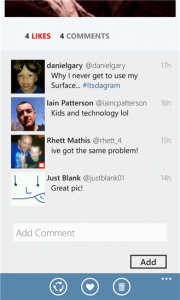
    The developer also released an update for Itsdagram, meant to bring new feature and iron out a couple of bugs. The app now boasts a tweaked UI (User Interface), a counter for followers, following and photos on the user’s profile page and a refreshed live tile design which reflects its new icon.

    Users have the ability to approve and deny follow requests, enable private profiles and save photos on the device. The app no longer allows to send feedback directly to the developer as the corresponding page is now removed.

    The latest version of the app also comes with bug fixes and improvements for the finding friends feature, repeating notifications and the registration process.

    Itsdagram (paid version) is available to download from the Windows Phone Store.

    Itsdagram (free version) is available to download from the Windows Phone Store.

  • Microsoft baits PhoneGap developers with Surface Pro and Windows Phone 8 devices

    Despite what some folks would lead you to believe, sheer numbers are actually meaningless when it comes to app stores. That’s just a marketing ploy. It’s the quality that matters and not the quantity. After all, if you can’t get the software that you need, does it really matter if there are 100,000 more apps out there? I’m inclined to believe that the answer is a resounding “No”.

    Windows Phone has this very same problem — 145,000 apps available but major titles are still avoiding its Store (no, I’m not going to mention Instagram). Microsoft tried to fix this issue a couple of times before, including paying developers to beef up the ecosystem. Late-yesterday, the software giant has decided to step in again with the new Porting Challenge.

    The idea is quite simple — Microsoft wants developers to port their existing PhoneGap apps from other platforms, like Android, BlackBerry and iOS to name a few, to the Windows Phone Store (like with Untappd). This way, hopefully, some attractive ones will make their way to its smartphone operating system.

    To make this a competition worth signing up for, Microsoft also announced 17 “first prizes” and three “grand prizes”. The former gets each winner a Windows Phone 8 handset (likely a Nokia Lumia 920), while the lucky contestants on the podium also get a Surface Pro tablet.

    Microsoft says that developers must release apps which are “original, innovative, easy to use, engaging and visually appealing to the user” in order to win. Even though I’m not a developer, that doesn’t seem like a particularly difficult feat to achieve for at least 20 talented folks.

    Undoubtedly the Porting Challenge is a step in the right direction, but can it bring a much-needed dose of appiness to Windows Phone users? Judging by the PhoneGap featured apps catalog, that doesn’t appear to be the case for those seeking major titles like Dropbox, Google Drive, Google Maps, Instagram (I couldn’t help myself) or even the latest Temple Run game in the series.

    Photo Credit: sellingpix/Shutterstock

  • Opera for Android exits beta — new Webkit engine, new features

    On Tuesday, two and a half months after the first beta was released, Opera announced that its new WebKit-based browser for Android is now available as a “final version”. This is just one step towards a Presto-free Opera as, in mid-February, the Norwegian company revealed that it will slowly adopt the WebKit rendering engine across all of its browsers.

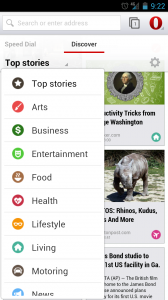
    Opera for Android, among other new features, emphasizes content discovery by allowing its users to find (and read) various articles straight from the browser’s homescreen. Folks simply have to select their areas of interest, such as arts or technology, and Opera displays a number of stories from “relevant global and regional sources”. This is similar to what Flipboard and other apps deliver.

    “Most people just see a fraction of what the web has to offer”, says the company’s executive vice president Rikard Gillemyr. “We check out the same sites every day, and you can get through with the latest news after just a short bus ride. We wanted to give people a relaxed way of discovering interesting articles and checking them out without any extra effort”.

    Opera for Android now sports the compression algorithms from its Mini sibling, available through the new Off-Road mode. The feature is designed to reduce cellular data usage and ensure faster loading times, depending on the scenario (data caps or poor connection, respectively).

    The app comes with a redesigned interface which is “built to the native specifications of the Android platform”, forgoing the design quirks of the older versions. There is a new combined address and search bar which can be had at either the top or the bottom of the app, easy history access as well as improvements to tabbed browsing and Speed Dial (bookmarks are “fused together” with entries). Users can also save webpages for offline reading, similar to Pocket and other apps.

    Opera for Android is available to download from Google Play.

  • Flickr gets a redesign, gives users 1TB of storage for free

    Flickr is the service Yahoo forgot about between its latest Mail and homepage redesigns. It’s boring, outdated, bland, ugly and uninviting and these are just a couple of the words that cross my mind right now. Thankfully, Flickr wants to change all that with the latest revamped version, announced late-yesterday. You know, maybe the cool kids will want to hang out again.

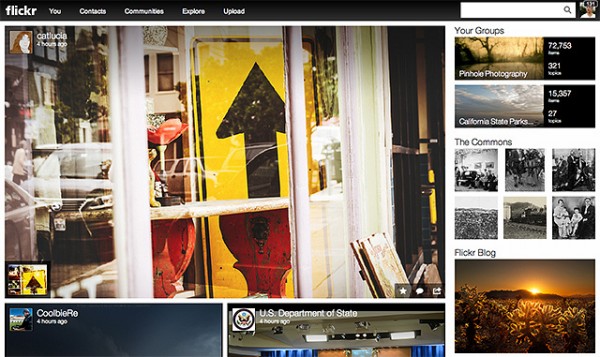
    The biggest change comes from the new website, which drops the old design. It’s now fresh, simple and modern and gives the cloud service character. Big photos in the stream, menu bar on top and the usual suspects on the right — Explore, Flickr Blog and a list of people you may (want to) know — dominate the uncluttered experience. Friends get a similarly-styled profile page which emphasizes shared content.

    The other biggest change is that users now get 1 TB of cloud storage, for free, in order to upload content with “no limited pixels, no cramped formats, no memories that fall flat”. That is a nice feature considering that modern mobile devices and dedicated cameras churn out pretty large photos compared to the days of old.

    Flickr, however, does not allow users to upload 1080p videos longer than three minutes. That is a pretty annoying limitation which may keep some folks away. After all, what good is 1 TB of free storage if users can’t fill it up with content?

    To complete its renaissance, Flickr also announced a new Android app which comes with a redesigned interface. It is available to download from Google Play.

  • Sony Xperia Tablet Z finally hits the shelves

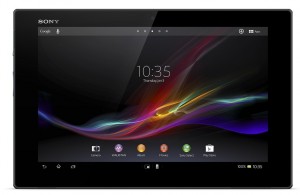
    Four months after Sony unveiled the Xperia Tablet Z, the Japanese maker announced that the fondleslab is now finally available to purchase worldwide through online and brick and mortar stores. Despite the fact that the Xperia Tablet Z hits the shelves later than initially planned — March 1 — the company says that this hasn’t affected consumer demand.

    “Xperia Tablet Z has received an incredibly positive response since it was announced and this is demonstrated by the strong pre-orders the product has received”, says Sony’s Tomokazu Tajima. The tablet touts some attractive specifications, namely the IPX5/7 and IP5X ratings for waterproofing and dustproofing, respectively, the low weight of only 495 grams and the 6.9 mm thickness.

    The Xperia Tablet Z sports a 10.1-inch TFT display with a resolution of 1920 by 1200. Power comes from a 1.5 GHz quad-core Qualcomm Snapdragon S4 Pro processor backed by an Adreno 320 GPU (Graphics Processing Unit), 2 GB of RAM and a 6000 mAh battery. The tablet ships with 16 GB or 32 GB of internal storage and a microSD card slot which can extend the storage capacity by a further 32 GB (for a total of 48 GB or 64 GB).

    An 8 MP back-facing camera capable of 1080p video recording is available on the back, while on the front the Xperia Tablet Z sports a 2.2 MP shooter that can also record 1080p video. Other noteworthy specs include 4G LTE cat3 (100 Mbps download and 50 Mbps upload speeds) and HSPA+ cellular connectivity. The device measures 266 x 172 x 6.9 mm.

    The Xperia Tablet Z goes for $499.99 in 16 GB trim and $599.99 for the 32 GB version. Available colors include black and white, however the latter can only be had on the more expensive model.

  • Jolla announces its catch of the day — a Sailfish OS smartphone

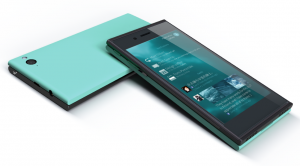
    On Monday, Finnish company Jolla announced its first smartphone running Sailfish OS, called Jolla. The handset, which features mid-range hardware specifications, is available to pre-order for EUR399 and will ship by the end of the year.

    So what do you get for EUR399? The company refrains from providing detailed hardware specifications, but says that the Jolla packs a 4.5-inch display and is powered by a dual-core processor. The handset comes with 16 GB of internal storage alongside a microSD card slot, an 8 MP back-facing camera with autofocus, a removable battery and 4G cellular connectivity (only in supported markets). The Sailfish OS is “Android app compliant”.

    The smartphone is available for pre-order only in a limited number of European countries, including Denmark, Finland, France, Germany, Italy, Sweden and United Kingdom. Jolla says that more local markets will be added to the list “very soon”.

    Prospective buyers can pre-order the smartphone today with no upfront cost (and purchase it later). Folks can also pay EUR40 in advance for a “priority pre-order status” limited edition Jolla and a branded T-Shirt.

    For only EUR60 more on top of the aforementioned option, prospective buyers also get an exclusive “Other Half” (presumably a back cover) and a EUR100 voucher to pay for the Jolla. If you’re into perks, this is the way to go.

    With limited initial availability and considerable upfront cost (there is no carrier support at the moment), the Jolla is not meant to make a dent in the smartphone market, which is dominated by a myriad of Android devices and Apple’s iPhones. Instead the handset is designed to raise awareness among consumers for Sailfish OS and provide a testing platform for developers.

  • Acer unveils the 8-inch Iconia W3 Windows 8 tablet

    Little over four weeks ago, during an earnings conference call, departing Microsoft CFO Peter Klein revealed the software giant is working with OEMs on smaller and cheaper Windows tablets. The new fondleslabs are expected to be available in the coming months, but Acer decided to give itself a head start.

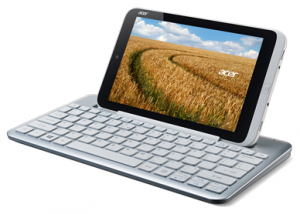
    On its Finnish website, Acer unveiled the new Iconia W3 which is touted by the company as the first 8-inch Windows 8-based tablet. The device is powered by Intel’s Atom Z2760 processor (codenamed “Clover Trail“) and Graphics Media Accelerator 3650 GPU (Graphics Processing Unit). The Iconia W3 sports an 8-inch multitouch WXGA display and runs Windows 8 Pro.

    The tablet also comes with 2 GB of RAM, 32 GB of internal storage (eMMC) and a 2 MP front-facing camera. Other specs include Wi-Fi 802.11 b/g/n, Bluetooth 4.0 as well as microHDMI and microUSB 2.0 ports.

    There is no word on the size of the internal battery, however Acer says that it delivers eight hours of 720p video playback. This suggests that the Iconia W3 can be used for a similar period of time to perform mundane tasks such as web browsing or writing emails.

    Acer also offers an optional full-size keyboard dock for the Iconia W3 (pictured above), which is designed to hold the tablet at a comfortable viewing angle and increase productivity for road warriors.

    Acer has not provided any details concerning the availability or the price of the Iconia W3.

  • Instagram, no, Itsdagram arrives on Windows Phone 8

    I am not a die-hard Instagrammer, but every once in a while I feel a sudden need to upload a filtered view of the world on the popular photo-sharing social network. That’s easy to do with Android handsets and iPhones, but in the Windows Phone realm things are not that simple as there is no official app waiting in the Store. That’s not to say there is low demand for one, far from it.

    Admittedly, Windows Phone is a smaller market for Instagram than Android and iOS but even so there are likely tens of millions of potential users waiting to grab that official app which never seems to come. Developer Daniel Gray, who is behind a third-party Pinterest app (no official offering available for this one either) called Pinsation, decided to cater to the Windows Phone users’ needs for a fully-featured Instagram app and, yesterday, released Itsdagram. The names are quite similar indeed.

    Itsdagram touts itself as “the only fully featured Instagram client on the market” (other than the official Instagram app, I presume). The app can be used to create a new account (and log in with an existing one, of course), upload filtered photos, like and comment on posts, follow Instagrammers and discover Facebook friends who use the photo-sharing social network.

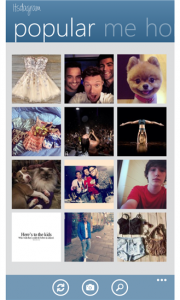
    Straight after opening Itsdagram, users are greeted with a nicely-designed interface which, through horizontal scrolling, allows folks to view the main feed, popular photos and activity. And, as with the large majority of Windows Phone 8 apps, Itsdagram works flawlessly without any lag whatsoever.

    Pictures can easily be uploaded to Instagram either by snapping a new one (makes use of the full array of camera settings) or by choosing a photo from the gallery. Only a cropped part of the picture can be uploaded, due to the size limitations imposed by the format of the social network. Filters, according to the developer, can be automatically updated independent of the app itself. But there are some caveats with Itsdagram.

    The free trial, which is supposed to give users access to all features bar unlimited uploads, doesn’t allow you to add filters to photos (even though there is no indication that this should be the case) and can only be used to upload one picture. Yeah, just one. Also, Itsdagram only works on Windows Phone 8, so tough luck users of lesser iterations. There is also a fully-featured version of Itsdagram available which runs for $1.49.

    Itsdagram is available to download from the Windows Phone Store.

  • Archos announces the 8-inch Xenon 80 Android tablet, costs $199.99

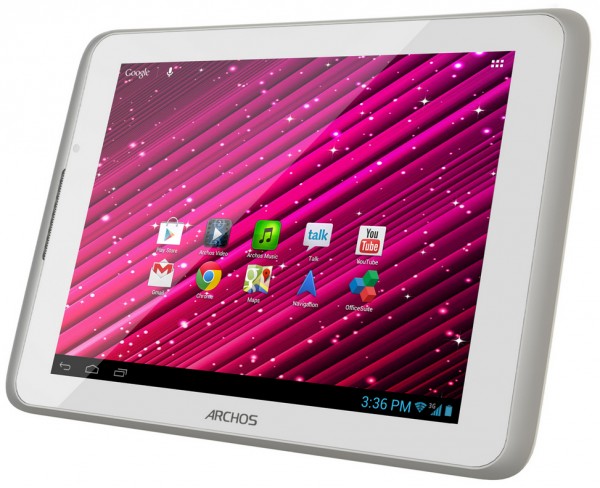
    Yesterday, French consumer electronics company Archos unveiled a new 8-inch Android tablet called Xenon 80. The fondleslab runs the first Jelly Bean iteration and will cost $199.99 — which is in line with Google’s Nexus 7 pricing — once it arrives in stores next month.

    The Xenon 80 features support for 3G cellular connectivity and is SIM-unlocked, meaning that it can be used with any mobile operator in the world (as long as the network runs on the 2100 MHz band). The hardware specifications reflect the budget-oriented approach of the tablet.

    Archos packs the Xenon 80 with an 8-inch IPS display with a resolution of 768 by 1024 (4:3 aspect ratio, similar to Apple’s iPads). Inside, there is a 1.2 GHz quad-core Qualcomm Snapdragon S4 processor backed by an Adreno 203 GPU (Graphics Processing Unit) and 1 GB of RAM.

    The tablet comes with 4 GB of internal storage alongside a microSD card slot which allows to expand the storage capacity by a further 64 GB (for a total of 68 GB). This should suffice for most users’ needs.

    There is a 2 MP back-facing camera onboard as well as a “front webcam”, the latter of which suggests that Archos employs a low-end shooter for video conferencing or snapping portraits.

    The Xenon 80 features the usual connectivity options such as Wi-Fi; GPS; Bluetooth; 3.5 mm headphone jack; USB 2.0 and an accelerometer. Archos keeps quiet concerning the size of the internal battery, but says that the fondleslab comes in at 213 x 155 x 11.3 mm and 440 grams.

  • Microsoft: Blame Google for lack of ads in the Windows Phone 8 YouTube app

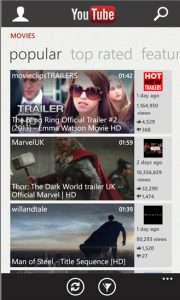
    Little over a week ago, Microsoft released a native YouTube app for Windows Phone 8 which replaces the old iteration that displayed a mobile view of the popular video sharing website. The app, however, doesn’t show ads, which generate major revenue for parent company Google.

    As a result, the search giant is not overly keen about the implementation and sent Microsoft a letter demanding it to remove the YouTube app for Windows Phone 8. The complaints focus on the ability to download content, the lack of ads and the removal of playback restrictions on “certain platforms”. I reached out to Microsoft for a comment on Google’s claims and here’s the software giant’s response:

    YouTube is consistently one of the top apps downloaded by smartphone users on all platforms, but Google has refused to work with us to develop an app on par with other platforms. Since we updated the YouTube app to ensure our mutual customers a similar YouTube experience, ratings and feedback have been overwhelmingly positive. We’d be more than happy to include advertising but need Google to provide us access to the necessary APIs. In light of Larry Page’s comments today calling for more interoperability and less negativity, we look forward to solving this matter together for our mutual customers.

    It is worth noting that the YouTube app developed by Microsoft is not the sole offering for Windows Phone 8 which forgoes displaying ads. Metrotube, the highest rated YouTube app in the Store’s “music+video” category, also does not show ads and neither do other ones that I have used so far.

    A visit to the mobile YouTube website from Internet Explorer for Windows Phone reveals a similar tale. There are no ads displayed anywhere within the browser window. Therefore, isn’t Google a bit too overzealous in the case of the YouTube app for Windows Phone 8 (developed by Microsoft)?

    The cease and desist letter demands the removal of the YouTube app by May 22 and does not seek any alternative solution. Microsoft appears keen to bury the hatchet, as the company said that it can introduce ads as long as Google does its part of providing access to the “necessary APIs”.

  • Pass the champagne! Windows Phone pips BlackBerry to third place

    Change the rules of the game and you change the hierarchy. Two days ago research company Gartner released its latest report on the state of smartphone market which, based on sales, places Windows Phone in fourth place, just behind BlackBerry in terms of share. Today, IDC also released its latest report for Q1 2013, that measures shipments, and the two smartphone operating systems trade places — Windows Phone now surpasses BlackBerry for the third spot in the charts.

    That switch means Microsoft and Nokia have a reason to celebrate, in spite of numerous barbs coming from pundits. “Windows Phone claiming the third spot is a first and helps validate the direction taken by Microsoft and key partner Nokia”, says IDC’s Kevin Restivo. But the research company suggests that the operating system still has a long way to go: “Given the relatively low volume generated, the Windows Phone camp will need to show further gains to solidify its status as an alternative to Android or iOS”.

    Android and iOS Are Not Untouchable

    “Underpinning the worldwide smartphone market is the constantly shifting operating system landscape”, says IDC’s Ramon Llamas. “Android and iOS accounted for more than the lion’s share of smartphones in the first quarter, but a closer examination of the other platforms reveals turnaround and demand for alternatives. Windows Phone has benefited from Nokia’s participation, and BlackBerry’s new BB10 devices have already hit a million units shipped in its first quarter of availability”.

    Android and iOS dominate smartphone shipments in Q1 2013. Together, the two operating systems reign over 92.3 percent of the market. Combined, shipments top 199.5 million units, which is 59.1 percent higher compared to the 125.4 million units in the first quarter of 2012.

    Android Shipments Surge

    The green droid accounts for 75 percent of the market, up from 59.1 percent in Q1 2012, with shipments growing by 79.5 percent to 162.1 million units in Q1 2013 from 90.3 million units in Q1 2012.

    Samsung is the top Android manufacturer with 41.1 percent of the market. The South Korean maker is followed by “a long list of vendors with single-digit market share, and an even longer list of vendors with market share less than one percent”, says the market research company. “The intra-Android competition has not stifled companies from keeping Android as the cornerstone of their respective smartphone strategies, but has upped the ante to innovate proprietary experiences”.

    iOS’ Aging (Still) Doesn’t Affect iPhone Demand

    Apple’s iOS (or iPhones) claims a smaller piece of the pie with 17.3 percent market share, down from 23 percent in Q1 2012. Shipments increased by 6.6 percent to 37.4 million units in Q1 2013 from 35.1 million units in Q1 2012.

    IDC says that the market demand is still strong for iPhones, even though “the iOS experience has remained largely the same since the first iPhone debuted in 2007”. The research company briefly discussed the future of the platform: “online rumors and speculation predict a massive overhaul of the user interface when iOS 7 debuts”.

    Blame Nokia for Windows Phone’s Success

    The podium is completed by Windows Phone. Microsoft’s smartphone operating system accounts for 3.2 percent of the market, up from 2.0 percent in Q1 2012, due to shipments of 7.0 million units, a number 133.3 percent higher compared to the 3.0 million units in Q1 2012.

    Nokia is responsible for 79.0 percent of the Windows Phone shipments and has sold 20.3 million units since the company embarked on its Windows Phone journey. “Other vendors continue to offer Windows Phone devices, but mainly as an alternative to their signature Android devices”, says IDC. “The gains made by Windows Phone demonstrate both end-user demand and OEM support”.

    Old Smartphones Keep BlackBerry in the Game

    BlackBerry’s market share only slightly decreased in Q1 2013, but shipments tumbled. The smartphone operating system is at 6.3 percent share, down from 6.4 percent in Q1 2012, with shipments of 6.3 million units, 35.1 percent lower than the 9.7 million units in Q1 2012.

    IDC however is optimistic about the Canadian manufacturer’s future. “BlackBerry formally introduced and shipped more than a million units running on its new BB10 platform, a significant breakthrough for the company”. The majority of shipments come from BB7 handsets, which “were well received within key markets”.

    Manufacturers Ignore Linux…

    The fifth spot is taken by Linux, which in Q1 2013 had a 1.0 percent market share, down from 2.4 percent in Q1 2012. Shipments decreased by 41.7 percent to 2.1 million units in Q1 2013 from 3.6 million units in Q1 2012.

    This is the lowest level since Q1 2012, triggered by manufacturers that have switched to Android. “This is shaping up to be a pivotal year for the open-source operating system, as multiple platforms, including Mozilla, SailFish, Tizen, and Ubuntu are expected to introduce or launch their first smartphones in the coming months”, says IDC.

    …And Symbian Too

    Things aren’t looking well for Symbian either. The operating system has a 0.6 percent share of the market, down from 6.8 percent in Q1 2012. Shipments have decreased as well, by 88.5 percent, to 1.2 million units in Q1 2013 from 10.4 million units in Q1 2012.

    As I pointed out in “Windows Phone battles BlackBerry for a distant third-place“, Symbian’s decline is triggered by Nokia’s (Symbian’s biggest supporter) decision to focus on Windows Phone. IDC confirms: “The decline for Symbian-powered smartphones was expected as its primary OEM supporter Nokia has transitioned to Windows Phone and Japanese vendors have moved to Android”. Symbian shipments are still expected to head into 2014, albeit in lower numbers.

    Photo credit: Kesu/Shutterstock

  • Nokia Lumia 928 goes on sale at Verizon

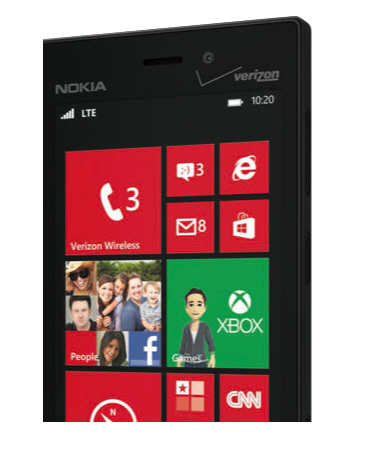
    Verizon customers, it’s time to stop feeling envious of folks on AT&T who can get the Lumia 920. Today, Nokia’s new Windows Phone flagship, the Lumia 928, is available exclusively at the big red’s online and brick and mortar stores.
    Verizon’s pricing for the Lumia 928 may lead to sales cannibalization of HTC’s Windows Phone 8X. The latter finds itself in a difficult spot as it has to compete with a newer smartphone that is available for roughly the same money and with similar, if not better, hardware specifications.

    After a $50 mail-in rebate, on a two-year contract the Lumia 928, in either white or black, runs for $99.99 which is on par with the Windows Phone 8X for the same type of carrier agreement.

    The big red’s customers can also grab the Lumia 928 for $499.99 with a month to month service, which is $50 lower compared to the Windows Phone 8X that is available for $549.99 in the same scenario.

    The highlights of the Lumia 928 include 4.5-inch OLED display with a resolution of 768 by 1280; 1.5 GHz dual-core Qualcomm Snapdragon S4 processor; 1 GB of RAM; 32 GB of internal storage; 8.7 MP PureView back-facing camera with OIS (Optical Image Stabilization) and xenon flash; 2000 mAh battery; wireless charging; 4G LTE; NFC and Bluetooth 3.0. The Lumia 928 comes in at 5.4 x 2.71 x 0.4 inches and 5.75 oz.

    By contrast the Windows Phone 8X comes with a 4.3-inch Super LCD2 display with a resolution of 720 by 1280; 1.5 GHz dual-core Qualcomm Snapdragon S4 processor; 1 GB of RAM; 16 GB of internal storage; 8 MP back-facing camera with LED flash; 1800 mAh battery; wireless charging; 4G LTE; NFC and Bluetooth 3.1. The Windows Phone 8X comes in at 5.21 x 2.61 x 0.4 inches and 4.66 oz.

  • HP unveils the Nvidia Tegra 4 powered SlateBook x2 Android hybrid

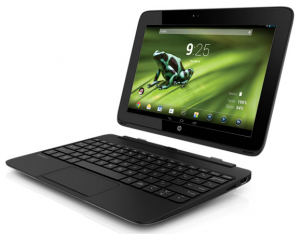
    Today, alongside the Windows 8-based Split x2 which I detailed earlier, HP also announced the Slatebook x2 hybrid. The US maker touts it as “the first Android detachable device with the Nvidia Tegra 4 mobile processor“. The SlateBook x2 shares some hardware and design traits with the ASUS Transformer tablet lineup.

    The SlateBook x2 ships with the latest version of the green droid operating system available today, Android 4.2.2 Jelly Bean, and sports a 10.1-inch touchscreen display with a resolution of 1920 by 1200. The device comes with 64 GB of internal storage. But the biggest highlight is the keyboard dock.

    The dock, which features a chiclet design and comes with USB and HDMI ports for extra connectivity, hosts a secondary battery for an extended unplugged operation. HP says that the keys are smaller than those found on the Envy x2 dock.

    By comparison the ASUS Transformer tablets also run Android 4.2 Jelly Bean (with the latest update for the Prime and Infinity models), are powered by Nvidia’s older Tegra 3 processor, and can be used with optional keyboard docks.

    HP says that the SlateBook x2 should be available in August, starting at $479.99 for the base model.

  • Dell now selling the XPS 10 Windows RT tablet for $299.99

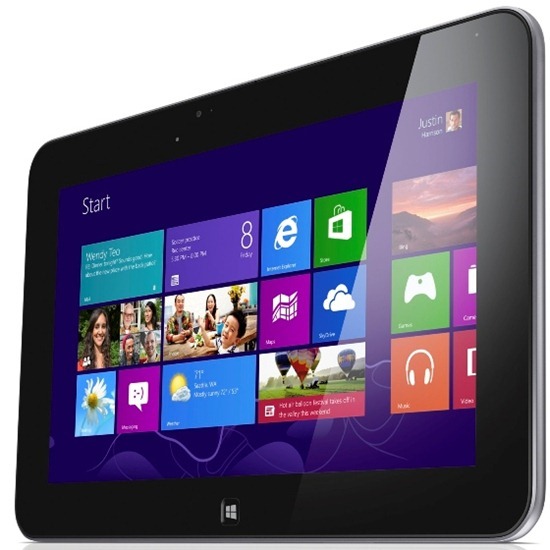
    Yes, that’s right, there is no typo. The Dell XPS 10, which runs Windows RT and came to market sporting a $499 price-tag, is now available for purchase at a very affordable $299.99. Clearly, the US computer manufacturer no longer has its eyes set on Apple’s fourth-generation iPad, one of the most popular fondleslabs available today.

    So what do you get for $299.99? For the money, the XPS 10 packs a 10.1-inch multitouch display with a resolution of 1366 by 768, a 1.5 GHz dual-core Qualcomm Snapdragon S4 processor and 32 GB of internal storage. And, for just $50 more you can up the internal storage capacity to 64 GB.

    The 4G LTE upgrade, which works with the AT&T cellular network and comes with 64 GB of storage straight off the bat, runs for $449.99 which is $150 more atop the base model’s price. Dell lowered the cost for this model as well, as the XPS 10 with 4G LTE was first available starting at $599.99.

    The base XPS 10 now undercuts Apple’s 16GB iPad 2 by $99, while the 4G LTE model runs for $79 less than the equivalent iPad 2 with cellular connectivity. The fruit logo company’s second-generation tablets have the advantage of being able to run on Verizon’s 4G LTE network, as opposed to the XPS 10 which only supports AT&T’s network.

    Dell’s price cuts for the XPS 10 make room for yet another wave of complaints addressed to Microsoft’s Windows RT. Most critics blame a lack of apps in the Store, inadequate performance and, now, low consumer demand is sure to join them.

  • HP announces the Split x2 Windows 8 hybrid

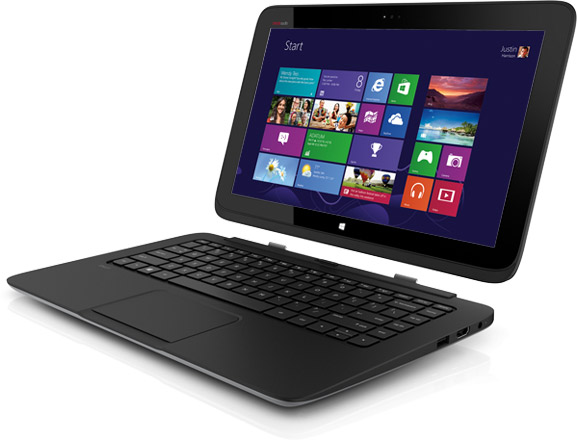
    On Wednesday, US manufacturer HP unveiled a new Windows 8-based hybrid dubbed the Split x2. The company touts the device as being able to deliver the best of both worlds — works as a tablet and doubles as an ultraportable with the keyboard dock.

    The Split x2 packs a 13.3-inch HD display and is powered by a third generation Intel Core processor (known under the “Ivy Bridge” codename). The device comes with 128 GB of internal storage. Users can also choose to add a 500 GB HDD inside the keyboard dock, which brings the tally up to 628 GB.

    This allows the Split x2 to cater to more demanding users which wish to store large files on the device and to also better compete with established ultrabook solutions, which can pack similar if not more storage capacity out-of-the-box.

    With the keyboard dock attached, the Split x2 weighs 4.85 lbs (2.2 KG). When used as a tablet (with no keyboard) the device comes in at 2.3 lbs (1.04 KG). However, if you’re looking for a similarly-sized light ultrabook you might want to look elsewhere. The 13.3-inch ASUS Zenbook, for instance, weighs just 1.45 KG.

    The Split x2 also features HP’s Connected Music and Beats Audio, which are designed to improve the audio experience, a 2 MP Full HD webcam (with a resolution of 1920 by 1080) and a touchpad (which HP calls a ClickPad) on the keyboard dock.

    HP says that the Split x2 should be available from August in the US. The hybrid will run for $799.99.

  • BlackBerry 10.1 comes to the Z10, Q5 smartphone announced

    BlackBerry had a pretty busy day at its Live conference in Orlando. The Canadian manufacturer announced the new Q5 smartphone, introduced the updated BlackBerry 10.1 operating system, released Enterprise Service 10 version 10.1 and detailed plans to bring BBM to Android and iOS.

    My colleague , who was at the BlackBerry Live conference, briefly went through a couple of the announcements, but let’s take a more in-depth look at what the new products bring to the table.

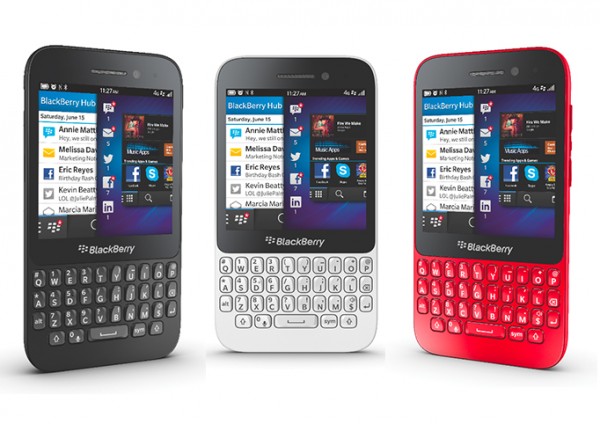
    The BlackBerry Q5 is designed to slot right under the BlackBerry Q10 in the company’s QWERTY lineup. The smartphone features a physical keyboard, a 3.1-inch touchscreen display and aims for “youthful fans that are passionate, confident and bold, and it makes it easy for them to have fun, create, share and stay connected”, says BlackBerry CEO Thorsten Heins.

    The BlackBerry Q5 comes with the BlackBerry 10 operating system, which now touts more than 100,000 apps in the store, and allows users to take advantage of features such as BlackBerry Hub, BBM, Time Shift and Story Maker, among others.

    BlackBerry 10.1

    The Finnish manufacturer announced that BlackBerry 10.1 will be available for the BlackBerry Z10 smartphone in the upcoming weeks. There are a couple of notable new features here.

    The BlackBerry Hub introduces support for PIN to PIN direct messages between BlackBerry smartphones and features improved attachment capability. Users can now customize notifications through ringtones, vibrations and even the LED light.

    The company also says that the BlackBerry 10.1 cursor should be both easier to use and more precise in operation. The operating system adds support for HDR mode, a feature already available in other platforms, as well as landscape viewing mode within the calendar app, enhanced red eye reduction in the picture editor as well as other improvements.

    BlackBerry Enterprise Service 10 version 10.1

    BlackBerry Enterprise Service is designed to allow businesses to manage BlackBerry devices. The latest update brings the software to version 10.1 and introduces a couple of new features and benefits.

    Businesses can now restrict BlackBerry 10 smartphones to work environments, which disables them for personal use, through an optional set of extended IT policy controls and settings. IT administrators are able to manage devices running BlackBerry 10 as well as previous iterations of the operating system.

    BlackBerry Enterprise Service 10 version 10.1 also brings an improved dashboard designed to make it easier for businesses to view data related to managed devices, phone support via BlackBerry and deployment in a highly available active/passive configuration.

    BBM Comes to Android and iOS

    Currently available as a BlackBerry-only affair, the Canadian manufacturer announced that BBM will also be available to Android and iOS users this Summer.

    “For BlackBerry, messaging and collaboration are inseparable from the mobile experience, and the time is definitely right for BBM to become a multi-platform mobile service”, says BlackBerry. “BBM has always been one of the most engaging services for BlackBerry customers, enabling them to easily connect while maintaining a valued level of personal privacy. We’re excited to offer iOS and Android users the possibility to join the BBM community”.

    BBM will not be a trojan horse, sent by BlackBerry behind enemy lines to bring back its former users (and possibly gain new ones) who have defected to Android and iOS. Instead, the service has to fight off similar offerings available on the platforms that rule the smartphone market today in order to gain some ground.

    BlackBerry, however, says that BBM will have a new trick up its sleeve. The service, which touts more than 10 billion messages each day, will feature the BBM Channels “social engagement platform”. With it, the company wants to connect users to celebrities, businesses and groups of interest.

    Unlike Facebook which released its messaging service after the social network, BlackBerry goes the other way around. Considering that many folks are already using different social networks, BBM Channels appears to be a futile feature at this point.

  • Windows Phone battles BlackBerry for a distant third-place

    Ouch! The latest report from market research company Gartner crushes Microsoft’s dreams of Windows Phone breaking away from the smartphone operating system bottom pack. In Q1 2013, with a low market share of just 2.9 percent, Windows Phone battled with BlackBerry for the consolation spot of third most popular platform (and lost), far away from either Android or iOS. The green droid is still the dominant leader, followed from afar by Apple’s OS.
    “There are two clear leaders in the OS market and Android’s dominance in the OS market is unshakable”, says Gartner’s Anshul Gupta. “With new OSs coming to market such as Tizen, Firefox and Jolla we expect some market share to be eroded but not enough to question Android’s volume leadership”. What he doesn’t says is that the future is bleak for both Windows Phone and BlackBerry, which have to showcase their strength to survive the future string of contenders. Let’s take a look at the numbers.

    The Smartphone OS War

    In Q1 2013 Android reached a 74.4 percent share in the smartphone market, which represents an increase of 30.75 percent compared to the 56.9 percent from the same period, last year. Green droid sales exceeded 156.1 million units, up from 83.6 million in Q1 2012.

    By contrast, iPhone’s market share decreased by a significant 19.11 percent from 22.5 percent in Q1 2012 to 18.2 percent in Q1 2013. Sales did not follow the same trend and are higher, up from 33.1 million to 38.3 million units in the same respective time-frames.

    “Apple is faced with the challenge of being increasingly dependent on the replacement market as its addressable market is capped”, says Anshul Gupta. “The next two quarters will also be challenging, as there are no new products expected to be coming before the third quarter of 2013”.

    BlackBerry, which is still the third-largest player in the smartphone realm in Q1 2013, reached a 3.0 percent market share. That’s down by 55.88 percent from Q1 2012 when it had 6.8 percent of the market. Sales are also down from 9.9 million to 6.2 million units in the same respective time-frames.

    Windows Phone, the fourth most popular smartphone OS, closely follows BlackBerry with a 2.9 percent market share in Q1 2013. That’s up 52.63 percent from Q1 2012 when it reached a 1.9 percent market share. Sales follow the same increasing trend, rising from 2.7 million to 5.9 million units in the same respective time-frames.

    At the bottom of the pile are Bada and Symbian, which have a combined market share and sales of 1.3 percent and 2.7 million units, respectively. That’s not enough to trouble Windows Phone nor BlackBerry. Interestingly enough, Symbian fell from 8.5 percent market share and sales of 12.4 million units in Q1 2012 to 0.6 percent market share and 1.3 million sold units.

    That’s a significant drop, attributed to Nokia’s commitment (Symbian’s largest supporter at the time) to use Windows Phone as its main smartphone operating system as well as the decay of the platform in the light of Android handsets and iPhones.

    The Top Smartphone Vendors

    Smartphone sales have increased from 147 million in Q1 2012 to 210 million units in Q1 2013, which represents a 42.85 percent growth. Samsung continues to dominate the smartphone vendor charts in Q1 2013 with 30.8 percent of the market, up by 11.59 percent from the 27.6 percent market share in Q1 2012.

    Gartner is confident that the company’s latest Android flagship, the Galaxy S4, will be a hit among smartphone buyers. “We expect the new Galaxy S4 to be very popular despite being more of an evolution than a truly revolutionary device compared to the S3” says Anshul Gupta.

    The South Korean manufacturer is followed by Apple with 18.2 percent market share. The top five is completed by LG, Huawei and ZTE with 4.5 percent, 4.4 percent and 3.8 percent of the market, respectively.

    The top phone manufacturer is also Samsung with 23.6 percent market share and sales of 100 million units, followed by Nokia with 14.8 percent market share and sales of 63.2 million units. But, the Finnish company actually takes the tenth spot in the smartphone vendor charts. Clearly, Windows Phone is not working out so well for Nokia to enter the top five.

    Go Cheap

    “The Chinese and local manufacturers have been exemplary at addressing the demands of buyers by offering affordable devices with optimum features such as 2.5G (EDGE) instead of 3G in a smartphone”, says Gartner. “In the smartphone market, local and Chinese manufacturers are making faster inroads as they account for 29 percent share in the first quarter of 2013, up from 13.2 percent a year ago”.

    Gartner suggests that the key to increasing sales and market share is low-end and affordable smartphones. At the moment Apple is the sole manufacturer that does not offer such a device, while other makers such as Samsung, LG, Huawei, ZTE and even Nokia have released cheaper smartphones that cater to a less demanding audience.

    Photo credit: M.Khebra/Shutterstock

  • Meet Lumia 925 Windows Phone

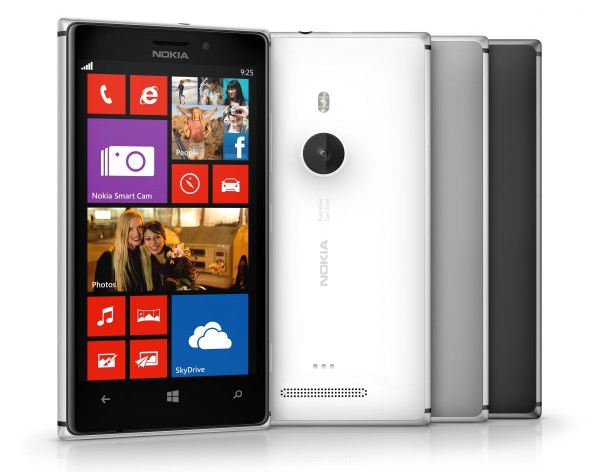
    On Tuesday, at an event held in London, Nokia announced the new Lumia 925 Windows Phone. The handset shares most of its specifications with the Verizon-exclusive Lumia 928, unveiled four days ago, and represents a slight evolution from the currently available Lumia 920.

    Available color choices for the Lumia 925 include black, gray and white. The handset sports a “metal design”, similar to its Verizon-exclusive sibling. A silver-colored frame, which works as an antenna, surrounds the edges of the device, while on the back a polycarbonate (plastic) cover, in either glossy or matte finish, is used. Nokia calls the design “stunning”, although from my point of view the Lumia 920 looks better.

    The Lumia 925 features a 4.5-inch AMOLED display with a resolution of 768 by 1280 and 334 ppi (pixels per inch) density, PureMotion HD+ and ClearBlack technology. The screen can be operated using gloves, similar to other Lumia devices. Power comes from a 1.5 GHz dual-core Qualcomm Snapdragon S4 processor, 1 GB of RAM and a 2,000 mAh battery. So far the specifications are on par with other Windows Phones like the Lumia 920 and Lumia 928.

    On the back here is an 8.7 MP camera, capable of 1080p video recording, with autofocus, dual LED flash, PureView technology and Carl Zeiss lens. On the front, the Lumia 925 sports a 1.2 MP “wide angle” camera that can shoot 720p video. During the London event, the Finnish maker emphasized that the smartphone will be able to take great shots in low-light and well-lit scenarios.

    The smartphone comes with 16 GB of non-expandable internal storage. There is also a 32 GB version, available exclusively at Vodafone. By contrast the Lumia 920 and the Lumia 928 both ship with the larger storage capacity storage out-of-the-box.

    With the Lumia 928, Nokia has addressed the size concerns constantly pointed out by many Lumia 920 reviewers. The former comes in at 129 x 70.6 x 8.5 mm and weighs 139 grams. By contrast the latter is taller, wider, thicker and heavier at 130.3 x 70.8 x 10.7 and 185 grams.

    Sadly, the Lumia 925 loses the wireless charging feature, which the Lumia 920 offers. The functionality is available, however only through the optional back covers which are sold separately, in black, red, yellow and white color trims. It seems that the lower footprint comes at a price.

    Other specifications include 4G LTE and HSPA+ cellular connectivity; Wi-Fi 802.11 a/b/g/n; NFC (Near Field Communication); USB 2.0; Bluetooth 3.0; GPS with Glonass support and the now-customary array of sensors including magnetometer and accelerometer. Nokia also lists an FM Radio as being available.

    In terms of software, on top of the currently available apps Nokia also offers the Smart Camera software which allows to shoot 10 photos and edit them afterwards using the Best Shot, Action Shot and Motion Focus features. The extra apps as well as the improved camera software will be available through a Nokia Lumia Amber firmware update, which arrives this Summer for the existing Lumia smartphone range.

    Nokia also announced that Oggl, an app made by Hipstamatic, is set to arrive on Lumia Windows Phones. It will allow folks to take pictures, add filters and share them to a number of social networks including Facebook, Flickr, Foursquare, Instagram, Tumblr and Twitter. Sadly, there is still no official Instagram app available on Windows Phone.

    The Lumia 925 is expected to be available starting next month in Italy, Germany, Spain and UK, from Vodafone and other mobile operators. The handset will also be offered by China Mobile and China Unicom in China and T-Mobile in the US. Other markets will follow, according to Nokia. Without any local taxes or carrier subsides, the Lumia 928 runs for EUR469.

    As a Lumia 920 owner, I am not overly keen on upgrading to the Lumia 925. Yes, it’s shorter, narrower, thinner and lighter, but the smartphone also sheds half its storage capacity and the wireless charging feature, both of which I thoroughly enjoy for obvious reasons.